Artificial Intelligence, Civil Liberties, Civil Rights, Freedom Of Speech, Human Rights, Right To Dissent, Surveillance
Podcast: Play in new window | Download
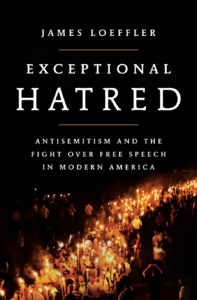
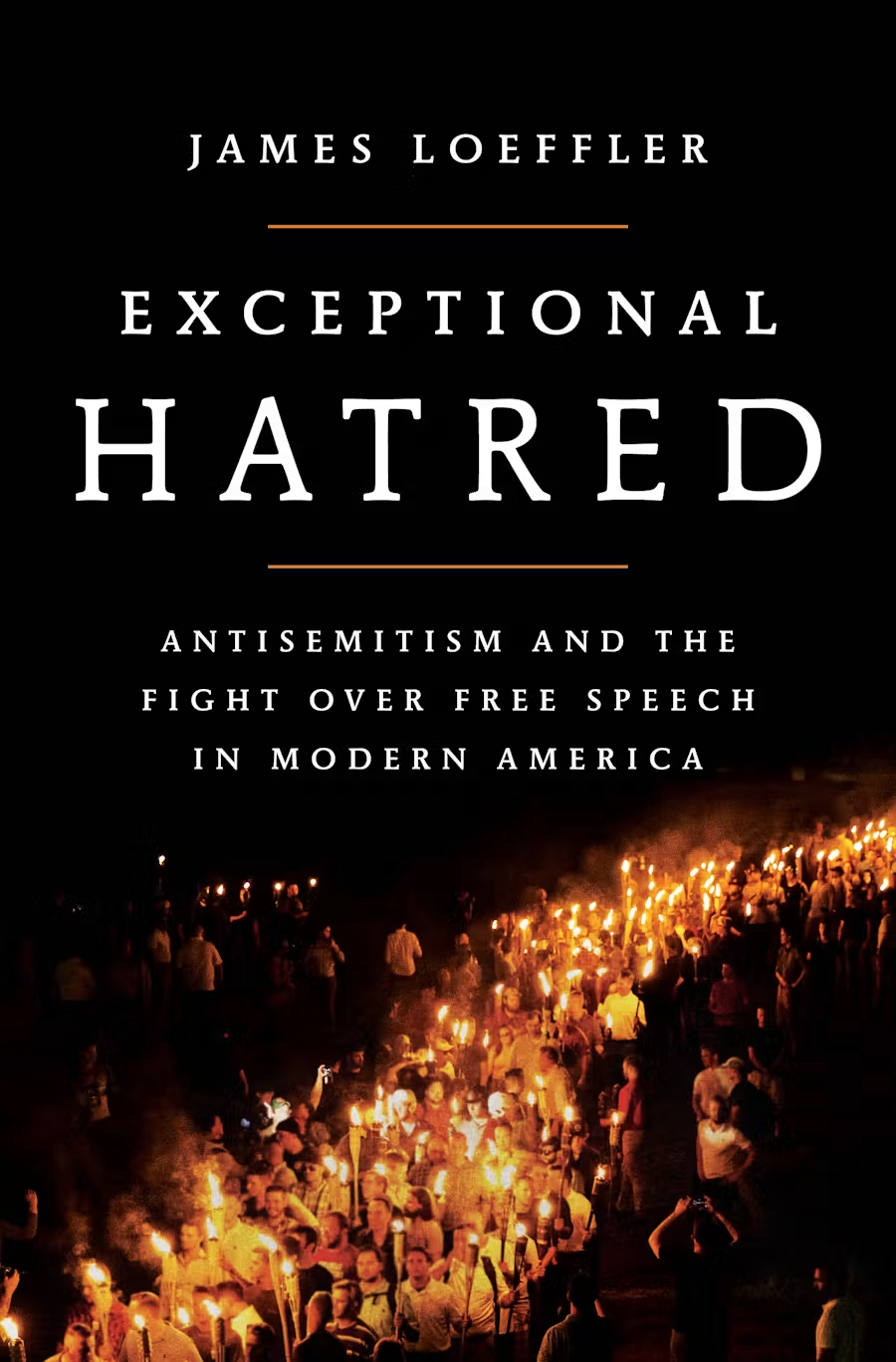
Exceptional Hatred: Antisemitism And The Fight Over Free Speech In Modern America
Today in America, “we proclaim our commitment to fighting hatred while applying it selectively. We champion free speech until confronted with speech we despise – and minimize the claims of those wounded by words.” American democracy “stands at a precipice, besieged by authoritarian politics, resurgent nativism, and populist demagoguery. These forces, once relegated to history, now threaten our pluralistic society and its defining commitments to freedom and equality.” Those chilling words are from the brand new book Exceptional Hatred: Antisemitism And The Fight Over Free Speech In Modern America by James Loeffler.
Guest – Professor James Loeffler is the Felix Posen Professor of Modern Jewish History at Johns Hopkins University, and Kogod Senior Research Fellow at the Shalom Hartman Institute of North America. He writes widely on modern Jewish history from antisemitism to Zionism, with a focus on the overlooked ties between the Jewish past and the global present in politics, law, and culture. His writing has appeared in The Atlantic, The New York Times, The Washington Post, The Wall Street Journal, and The New Republic.
—-

Digital Privacy Laws Lag Far Behind Evolving Modern Communication
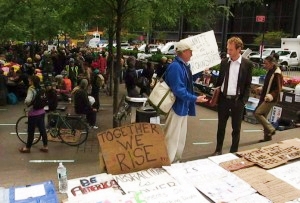
The 15th anniversary of Occupy Wall Street has just passed, when protesters occupied Zuccotti Park NYC and sparked a global movement. Occupy also attracted significant government surveillance. Documents later obtained through FOIA showed that the Department of Homeland Security monitored the movement and circulated intelligence to the private sector about Occupy activists and protests. That history raises a question that goes well beyond protest movements: How do lawyers protect confidential communications in a world where so much of their work is digital? Confidentiality handle information that can affect a client’s freedom, finances, safety, and legal strategy. Yet many lawyers aren’t trained to think about the technology they use in terms of protecting that confidentiality.
Guest – Jonathan Stribling-Uss, is a New York City lawyer and digital security consultant. He founded and directs Constitutional Communications, an organization that supports non-profits specializing in information security for professionals and civil society groups. Jonathan previously served as a Mozilla and Ford Foundation Media and Democracy Fund Technologist Fellow at the New York Civil Liberties Union. He has trained hundreds of attorneys in cybersecurity and ethics through organizations including the New York County Lawyers Association and the American Bar Association. https://privacytools.io/

————-
Civil Liberties, Civil Rights, Criminalizing Dissent, Cuba, Gaza, genocide, Human Rights, U.S. Militarism, War Resister
Podcast: Play in new window | Download
Analysis Of A Transformation
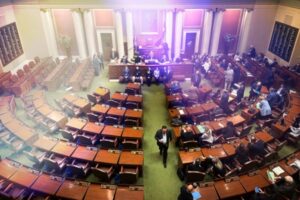
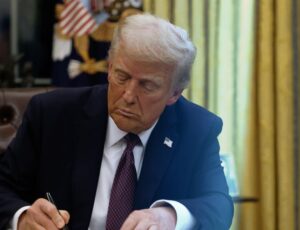
Our country is going through a great transformation. We are no longer the constitutional democracy we once were. Its reported that Elon Musk, the world‘s first trillionaire, gave Trump and his MAGA organization $200 million in the last election. Miriam Adelson, the widow of a casino magnate gave another $100 million. Trump bragged about her ready access to the White House. Musk took a wrecking ball to federal jobs. Other institutions such as law firms, the Supreme Court,universities, and Congress have been transformed. Extraordinarily no one in Congress is able to say “the king has no clothes“. The media facilitate all of this.
Guest – Ann Wright is a retired colonel in the army having served 29 years in it and the reserves . She then became a diplomat and was posted in many countries around the world. In 2003 she quit over the lies the government told to manipulate the American people into supporting a war on Iraq. She then co-wrote the book with Susan Dixon titled “Dissent : Voices of Conscience : Government Insiders Speak Out Against the War in Iraq. It includes a forward by Daniel Ellsberg. Ann Wright has been active since then as a the leader of the anti-war group Code Pink and a leader of Veterans for Peace. She is was on numerous flotillas that sailed across the Mediterranean to bring help to the Palestinians and publicize their plight. VoicesOfConscience.
—-
We Will Dismantle The ICC Brick By Brick
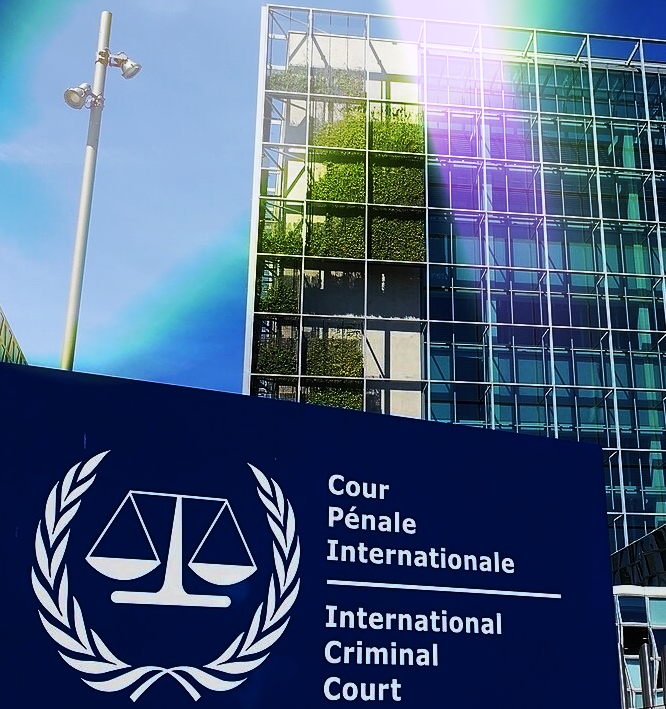
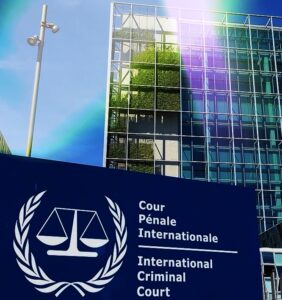
The United States has long endeavored to undermine the work of the International Criminal Court (ICC). Although it is not a party to the Rome Statute, the U.S. has consistently attacked the ICC. In 2003, Congress passed, and then-President George W. Bush signed, the American Service-Members’ Protection Act, known as “The Hague Invasion Act.” It says that if a national of the U.S. or its ally (which includes Israel) is detained by the ICC in The Hague, Netherlands, the U.S. military can use armed force to extricate them.
The Bush administration effectively blackmailed 100 countries that were parties to the Rome Statute by forcing them to sign bilateral immunity agreements in which they promised not to turn over U.S. persons to the ICC, or the United States would withhold foreign aid from them. In November 2024, after an investigation lasting more than three years, the ICC issued arrest warrants for Israeli Prime Minister Benjamin Netanyahu and former Defense Minister Yoav Gallant. They stand charged with the war crimes of starvation as a form of warfare, and intentional attacks on civilians; and the crimes against humanity of murder, persecution, and other inhumane acts.
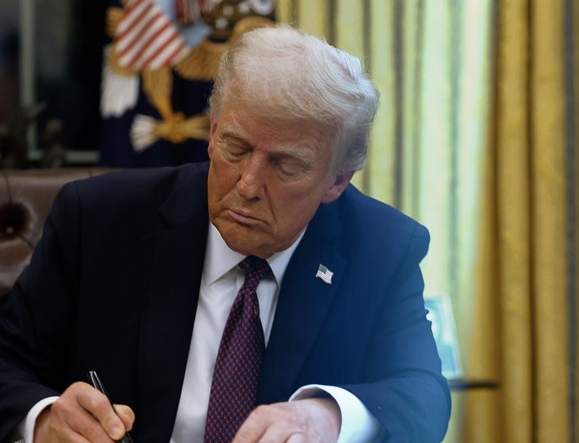
Donald Trump has taken the U.S. assault on the ICC to a new level with punishing sanctions against those who seek to hold accountable individuals who commit the most heinous crimes. In February, Trump issued an executive order that has led to the sanctioning of nine of the ICC’s 18 judges and three ICC prosecutors. Sanctions include frozen or closed bank accounts, rejection of financial transactions, denial of access to digital services, and travel bans.
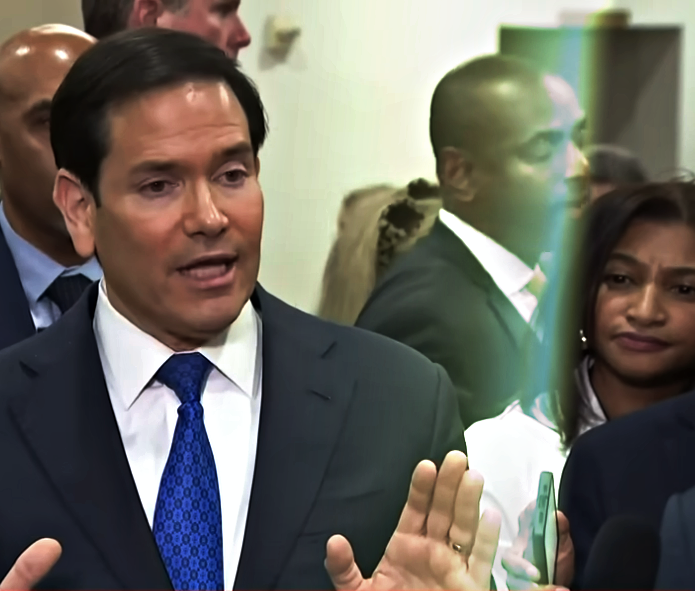
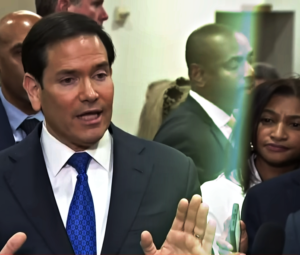
In July, Secretary of State Marco Rubio vowed to “dismantle” the International Criminal Court. He accused the ICC of “waging a war against our country, not with bullets or missiles,” but with “the force of so-called international law.” In an article in Wall Street Journal, Rubio wrote that “we will dismantle the ICC – brick by brick, if necessary.”
Now four prominent human rights organizations have filed a lawsuit in the U.S. District Court for the Southern District of New York, alleging that Trump’s executive order violates the U.S. Constitution, federal statutes, and international law.
Guest – Marjorie Cohn, a former host on Law and Disorder is professor emerita at Thomas Jefferson School of Law, dean of the People’s Academy of International Law, and past president of the National Lawyers Guild. She sits on the national advisory board of Veterans For Peace, she is a member of the bureau of the International Association of Democratic Lawyers, and serves as the U.S. representative to the continental advisory council of the Association of American Jurists. Her books include Drones and Targeted Killing: Legal, Moral, and Geopolitical Issues. She writes a regular column for Truthout, including a recent one entitled, Trump Sanctioned ICC Officials to Shield Israeli Leaders. Rights Groups Sued.
————–
Civil Liberties, Civil Rights, Human Rights, Supreme Court
Podcast: Play in new window | Download
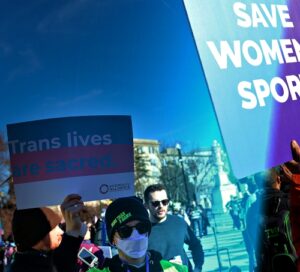
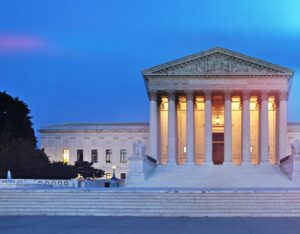
Transgender Community Legal Protection, LGBTQ Rights and SCOTUS
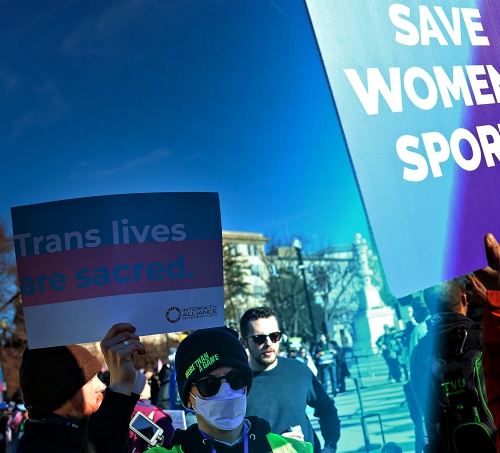
The transgender community is the whipping boy of the Republican Party. Conservatives never miss a chance to try to inflame voters with scary stories about transgender people invading public bathrooms and women’s sports. Transphobia has now reached the US Supreme Court which has handed down a series of regressive decisions seriously impairing trans rights.To help us understand what’s going on and how decent people can stand in solidarity with the transgender community, we’re delighted to be joined by Shannon Minter, who is Vice President and Legal Director at the National Center for LGBTQ Rights, where he has led the legal team’s impact litigation, legislative, and public policy efforts for nearly 30 years.
Currently, he is leading litigation challenging a range of anti-transgender executive orders and federal policies. Shannon is one of the nation’s foremost experts on conversion therapy, helping to draft and pass legislation in states to protect LGBTQ youth and support survivors.An appointee to President Obama’s Commission on White House Fellowships, Shannon was one of the most senior transgender appointees in the Obama administration. He was named to the 2026 TIME100 and has received ABA’s Stonewall Award and several other important recognitions.
—-

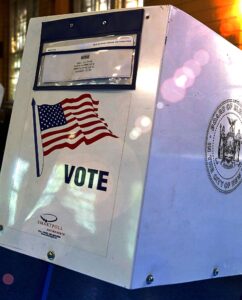
Agents Of Hope: Rebuilding American Democracy
We are 10 weeks away from one of the most momentous Midterm Elections in the history of the United States, which could well spell the future of the American democracy. If the Democrats do not win control of Congress, President Donald Trump will have clear sailing to continue to expand his fascist regime by killing citizens and non-citizens, dismantling cherished American institutions, and violating the US Constitution.
The question facing every one of us is what are We the People going to do about it. What are we going to do deny the MAGA movement control of the House and Senate and governorships and state legislatures, and what are we going to do over the next 2 years, 4 years, 8 years and beyond to take back and rebuild our democracy.
To help us chart that path, we are very fortunate to be joined today on Law and Disorder by Heather Booth. Heather Booth is one of the country’s leading strategists on progressive issue campaigns and elections. She began organizing in the civil rights and women’s movements of the 1960s. She started JANE, an underground abortion service in 1965, before Roe v Wade was decided.
Heather has been involved in and managed a wide range of political campaigns and was the Training Director of the Democratic National Committee. In 2000, she was the Director of the NAACP National Voter Fund, which helped to increase African American election turnout. In 2008, she was the director of the Health Care Campaign for the AFL-CIO. In 2009, she directed the campaign to pass President Barack Obama’s first budget. In 2010 she was the founding director of Americans for Financial Reform, fighting to regulate the financial industry. She was the national coordinator for the coalition around marriage equality and a strategic advisor to the Alliance for Citizenship. She was the field director for the 2017 campaign to stop the tax giveaways to millionaires and billionaires and won the Consumer Financial Protection Bureau and the Dodd/Frank Bill. She directed Progressive and Seniors Outreach for the Biden/Harris campaign.
Currently, Heather Booth is a member of the consulting firm Democracy Partners, she is national outreach director of Battleground Alliance, organizing in about 40 marginal congressional districts, and she is President of the Midwest Academy, training social change leaders and organizers. Best of all she is the sister of Dave Tobis, one of my dearest friends and classmates at Paul D. Schreiber High School in Port Washington, Long Island.
—————–
CIA Sponsored Terror, Civil Liberties, Civil Rights, Cuba, Freedom Of Speech, Habeas Corpus, Human Rights, Targeting Muslims, Torture, War Resister
Podcast: Play in new window | Download
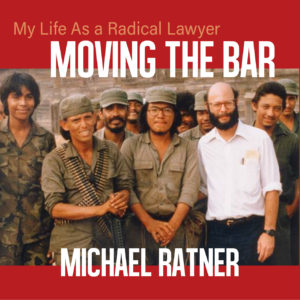
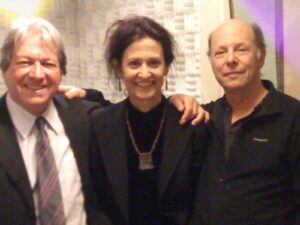
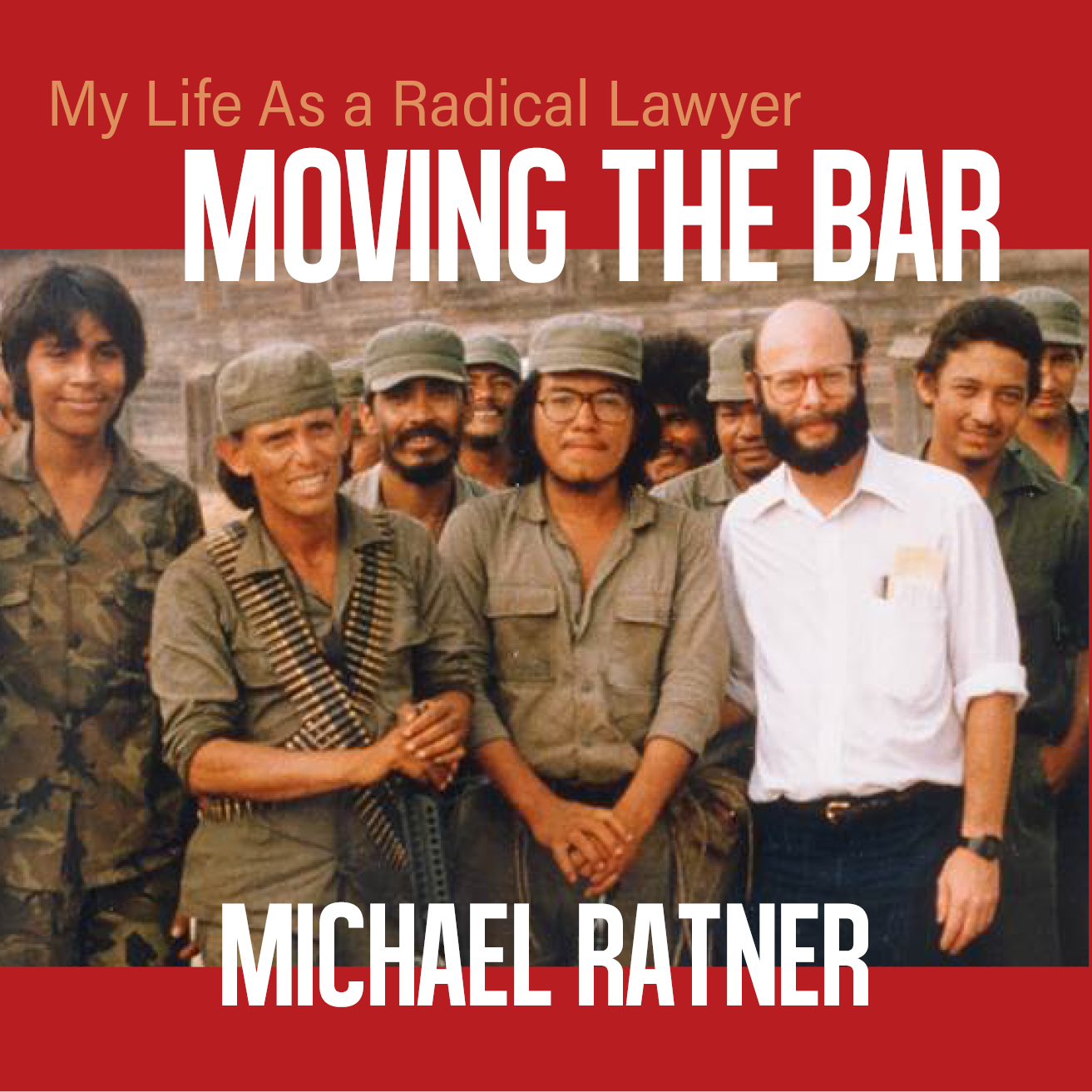
Moving The Bar: My Life As A Radical Lawyer
Hosts Heidi Boghosian and Michael Smith interviewed some of Michael Ratner’s closest friends and colleagues as part of a special broadcast highlighting Michael Ratner’s legal work and mentorship. The special also marked the upcoming release of Michael Ratner’s autobiography Moving The Bar: My Life As A Radical Lawyer published by OR Books. In this one hour taken from the two hour fundraiser broadcast, we hear from attorneys including Eleanor Stein, Richard Levy, Ray Brescia, David Cole and Baher Azmy.
Michael Ratner’s pathbreaking legal and political work is unmatched. He provided crucial support for the Cuban Revolution and won the seminal case in the Supreme Court guaranteeing the right of habeas corpus to Guantanamo detainees. Michael also challenged U.S. policy in Iraq, Haiti, Nicaragua, Guatemala, Puerto Rico and Israel-Palestine. This book is a testament to his unflagging efforts on behalf of the poor and oppressed around the world.
– Marjorie Cohn, Professor Emerita, Thomas Jefferson School of Law
Michael Ratner personified lawyering that brought both radical and human values into challenges to the use of governmental power to violate the essence of the Bill of Rights. From the torture of prisoners after 911 to the massive racial profiling by the New York Police Department, Michael’s voice and vision continue to resonate. This book provides a powerful testament to the spirit of this extraordinary man.
– Attorney Bill Goodman
————
Civil Liberties, Civil Rights, Freedom Of Speech, Human Rights
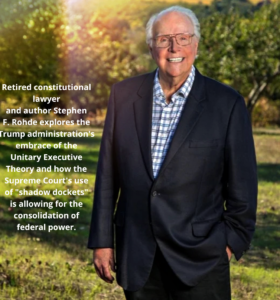
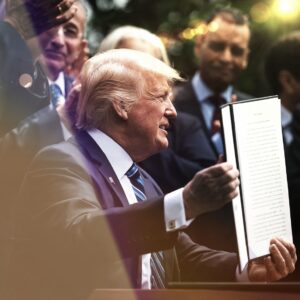
Challenges To The Trump Administration’s Executive Orders
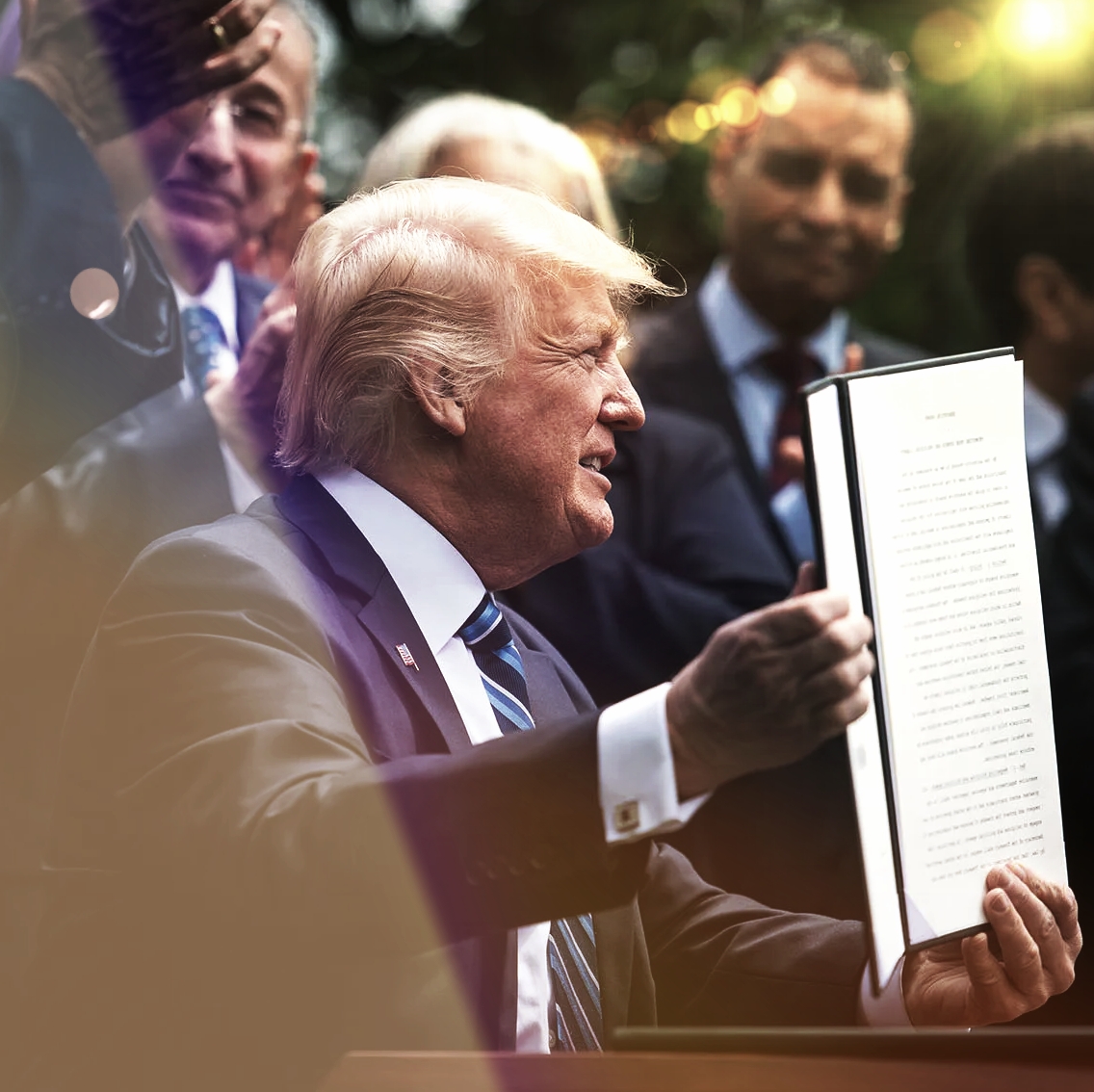
The legal system is straining as it tries to hold the Trump administration accountable for its unprecedented assault on our constitutional rights. Close to a thousand lawsuits have been filed challenging Trump’s Executive Orders and their implementation, plus more than ten thousand separate habeas corpus petitions filed by people targeted by Trump’s immigration crackdown.
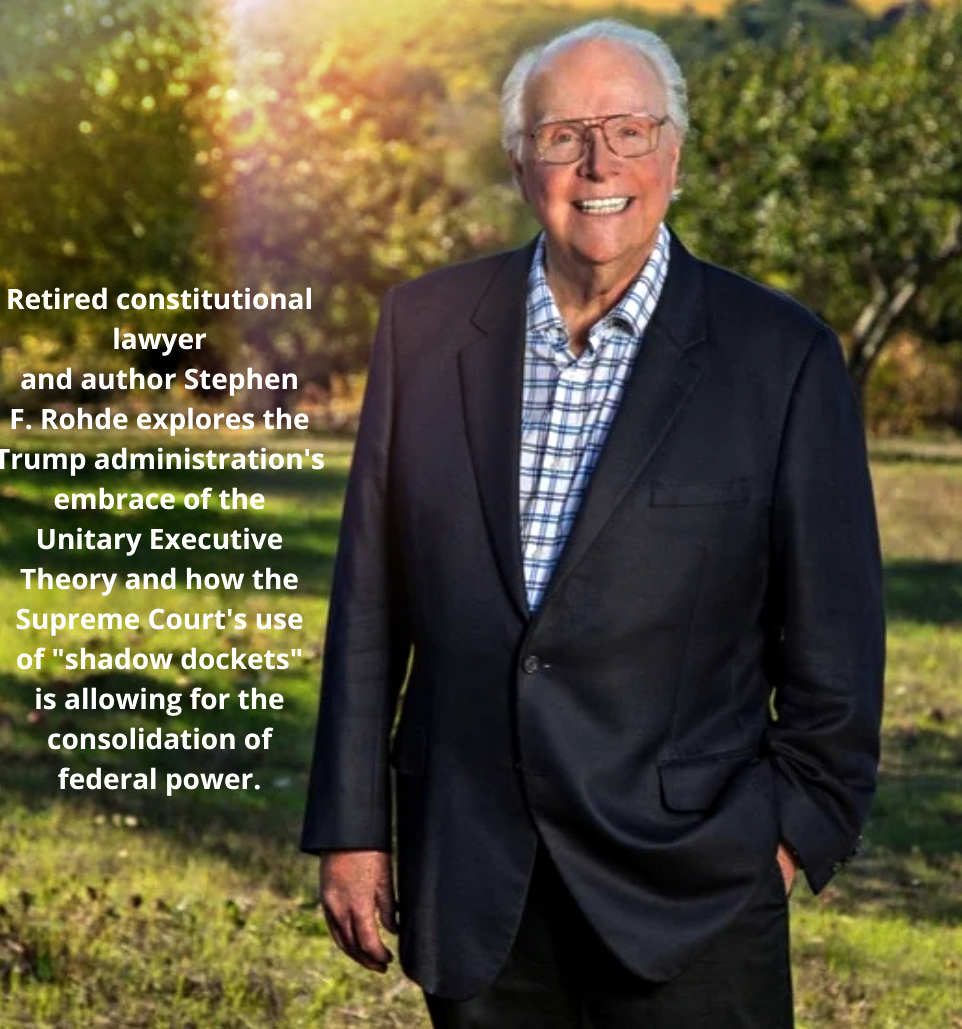
We take a deeper look at some of these legal and political developments. We’re joined by our very own co-host Steve Rohde, who practiced constitutional law for almost 50 years. He is a former Chair of the ACLU Foundation of Southern California, the author or two books and numerous articles on the courts and the law.
Guest – Stephen Rohde is a journalist, lecturer and political activist. For almost 50 years, he practiced civil rights, civil liberties, and intellectual property law and has won significant First Amendment victories in state and federal appellate courts.Steve is past chair of the ACLU Foundation of Southern California and Chair Emeritus of Bend the Arc, a Jewish Partnership for Justice. He is a founder and current chair of Interfaith Communities United for Justice and Peace; and a member of the Board of Directors of Death Penalty Focus. He is the Special Advisor on Free Speech and the First Amendment for the Muslim Public Affairs Council.Steve is the author of the books American Words of Freedom: The Words That Define Our Nation and Freedom of Assembly and numerous articles and book reviews on civil liberties and constitutional history. He is co-author of Foundations of Freedom published by the Constitutional Rights Foundation. Steve is also the host of Speaking Freely: A First Amendment Podcast exploring the most important Supreme Court cases in the area of free speech and free press.
—-
Student Journalism Supported By Law Center
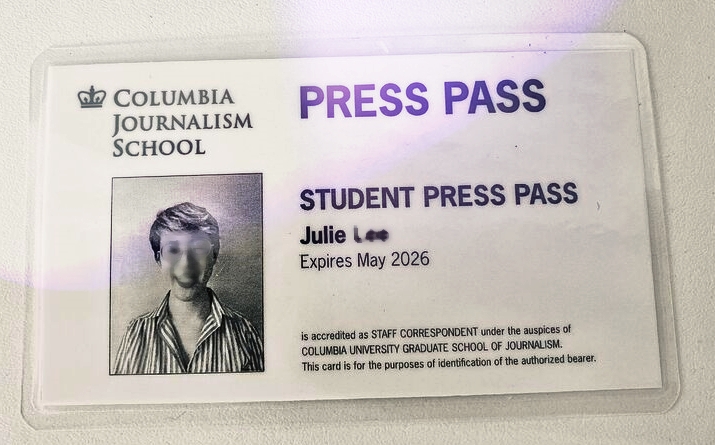
Student journalism is one of the most vital—and often overlooked—front lines in the fight for a free press. Across the country, student reporters expose such topics as sexual misconduct, financial mismanagement, and government secrecy. Yet without the institutional legal backing enjoyed by newsrooms, they frequently face censorship, retaliation, and lawsuit threats from administrators and public officials.
For more than fifty years, the Student Press Law Center has stood as the nation’s leading legal advocate for student journalists. Founded in 1974, the nonprofit offers free legal help via a nationwide hotline, advises on First Amendment issues—from libel to public records access—and spearheads the “New Voices” movement for state-level legal protections.
Guest – SPLC staff attorney Jonathan Gaston-Falk. A former student journalist himself at York High School in Virginia, Jonathan joined the center in March 2022 after a five-year tenure leading the Education Law Unit at the Legal Aid Society of Rochester, New York. There, he advocated for student free speech rights before school boards and the state Commissioner of Education.
———————–
Civil Liberties, Civil Rights, Human Rights
Podcast: Play in new window | Download
PEN America Writer’s Organization President Resigns Amid Controversy
On July 9, 2026, a long-simmering controversy burst into the headlines pitting allies of robust freedom of expression against each other over how writers, publishers and literary agents should respond to Israel’s genocide in Gaza. The dispute was so divisive that Professor Dinaw Mengestu resigned as president of the free expression group PEN America.
Guest – Professor Dinaw Mengestu is the John D. and Catherine T. MacArthur Professor of the Humanities and Director of the Written Arts Program at Bard College, where he has taught since 2016. He is the author of three novels, all of which were named New York Times Notable Books. A native of Ethiopia, he came with his family to the United States at the age of two. Professor Mengestu is also a freelance journalist. His articles and fiction have appeared in the New York Times, New Yorker, Harper’s, Granta, Jane, and Rolling Stone. He is a 2012 MacArthur Fellow and recipient of a Lannan Literary Fellowship for Fiction, National Book Foundation 5 Under 35 Award, Guardian First Book Award, and Los Angeles Times Book Prize, among other honors. He was elected President of PEN America in December 2025, having served on its Board of Directors for about a decade.
—-
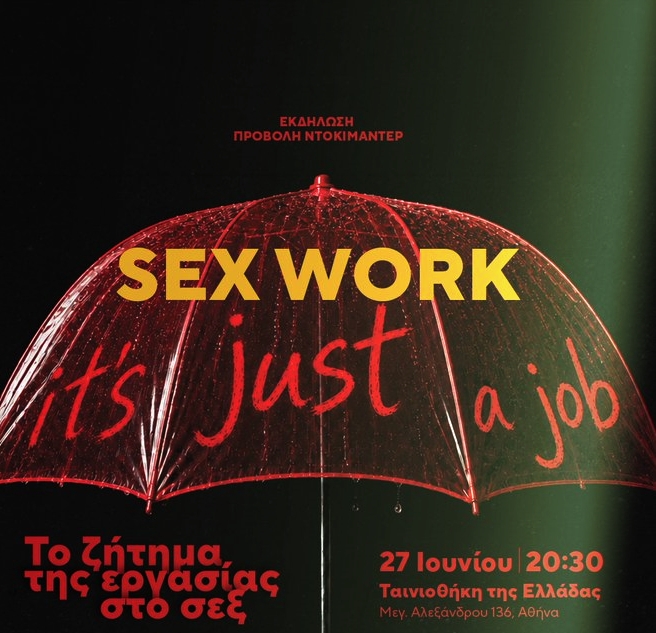
Sex Work: It’s Just a Job
For decades, debates over sex work have been shaped by criminal law, morality, and public safety. Supporters of tougher enforcement argue that prostitution fuels exploitation and human trafficking. Advocates for decriminalization contend that criminal penalties often make sex workers less safe and discourage people from seeking help when they need it. It’s a conversation that raises difficult questions about policing, labor, consent, and human rights.
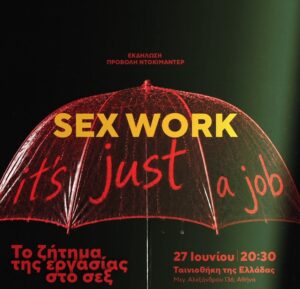
A 2025 documentary, Sex Work: It’s Just a Job, enters that debate. The film was directed by documentary filmmaker Tami Gold from the Film Department at Hunter College. Through the voices of current and former sex workers, organizers, and researchers, it explores the movement to decriminalize sex work and the broader social consequences. The film also distinguishes consensual sex work from human trafficking.
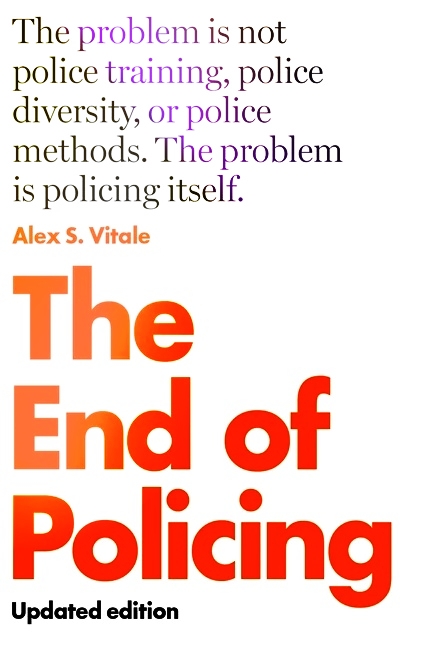
Guest – Sociologist Alex Vitale, Professor at Brooklyn College and the CUNY Graduate Center, and co-producer of the film. The populations and advocates for decriminalization and non-police safety interventions in the documentary is inspired by Vitale’s book The End of Policing, which argues that criminalizing sex work harms vulnerable.
————-