Artificial Intelligence, Civil Liberties, Civil Rights, Freedom Of Speech, Human Rights, Right To Dissent, Surveillance
Podcast: Play in new window | Download
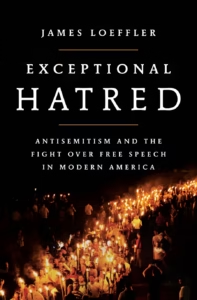
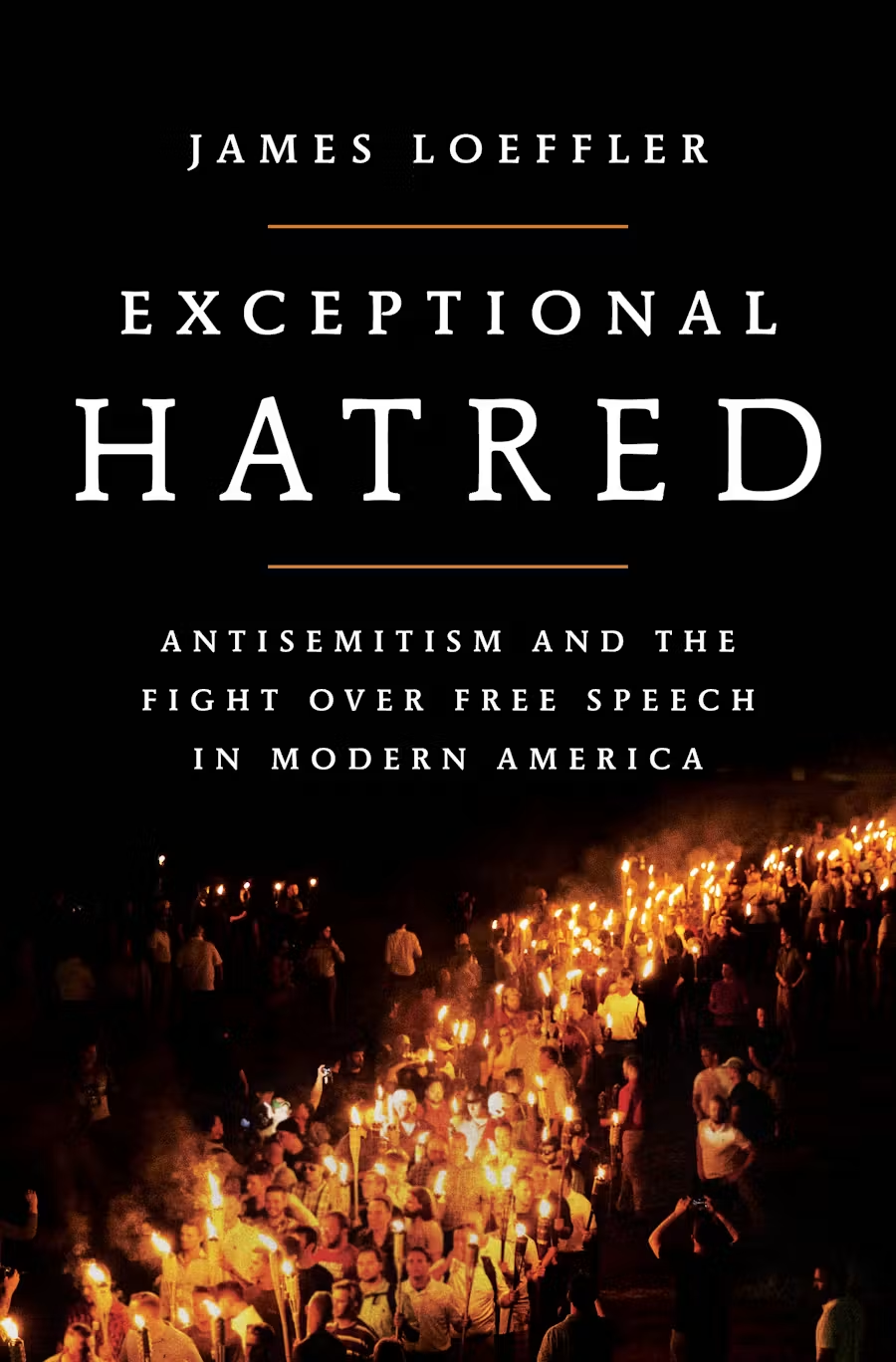
Exceptional Hatred: Antisemitism And The Fight Over Free Speech In Modern America
Today in America, “we proclaim our commitment to fighting hatred while applying it selectively. We champion free speech until confronted with speech we despise – and minimize the claims of those wounded by words.” American democracy “stands at a precipice, besieged by authoritarian politics, resurgent nativism, and populist demagoguery. These forces, once relegated to history, now threaten our pluralistic society and its defining commitments to freedom and equality.” Those chilling words are from the brand new book Exceptional Hatred: Antisemitism And The Fight Over Free Speech In Modern America by James Loeffler.
Guest – Professor James Loeffler is the Felix Posen Professor of Modern Jewish History at Johns Hopkins University, and Kogod Senior Research Fellow at the Shalom Hartman Institute of North America. He writes widely on modern Jewish history from antisemitism to Zionism, with a focus on the overlooked ties between the Jewish past and the global present in politics, law, and culture. His writing has appeared in The Atlantic, The New York Times, The Washington Post, The Wall Street Journal, and The New Republic.
—-
Digital Privacy Laws Lag Far Behind Evolving Modern Communication
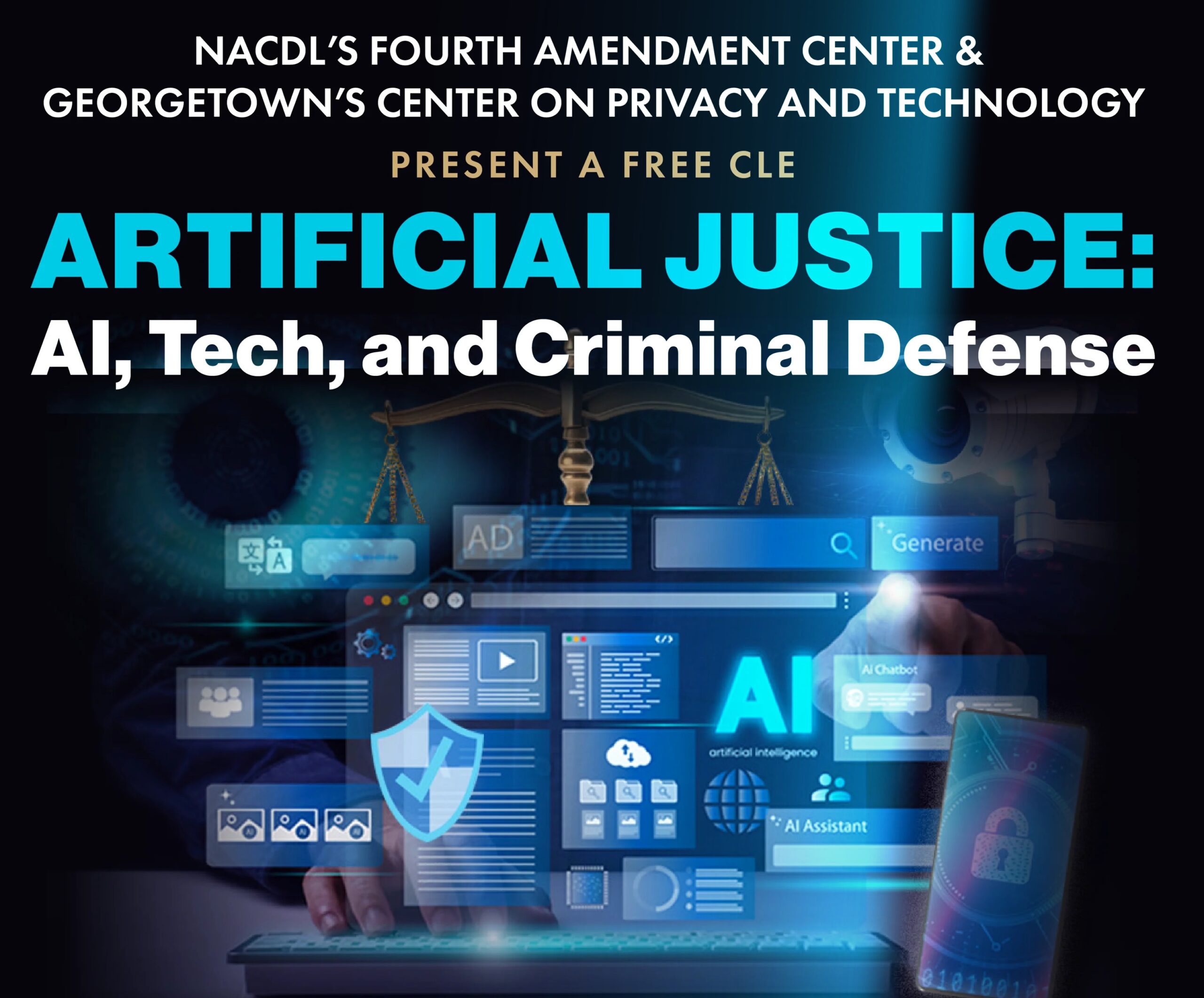
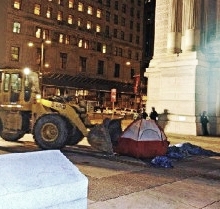
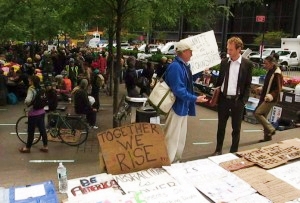
The 15th anniversary of Occupy Wall Street has just passed, when protesters occupied Zuccotti Park NYC and sparked a global movement. Occupy also attracted significant government surveillance. Documents later obtained through FOIA showed that the Department of Homeland Security monitored the movement and circulated intelligence to the private sector about Occupy activists and protests. That history raises a question that goes well beyond protest movements: How do lawyers protect confidential communications in a world where so much of their work is digital? Confidentiality handle information that can affect a client’s freedom, finances, safety, and legal strategy. Yet many lawyers aren’t trained to think about the technology they use in terms of protecting that confidentiality.
Guest – Jonathan Stribling-Uss, is a New York City lawyer and digital security consultant. He founded and directs Constitutional Communications, an organization that supports non-profits specializing in information security for professionals and civil society groups. Jonathan previously served as a Mozilla and Ford Foundation Media and Democracy Fund Technologist Fellow at the New York Civil Liberties Union. He has trained hundreds of attorneys in cybersecurity and ethics through organizations including the New York County Lawyers Association and the American Bar Association. https://privacytools.io/

————-
Civil Liberties, Civil Rights, police accountability, Right To Dissent, Surveillance
Podcast: Play in new window | Download

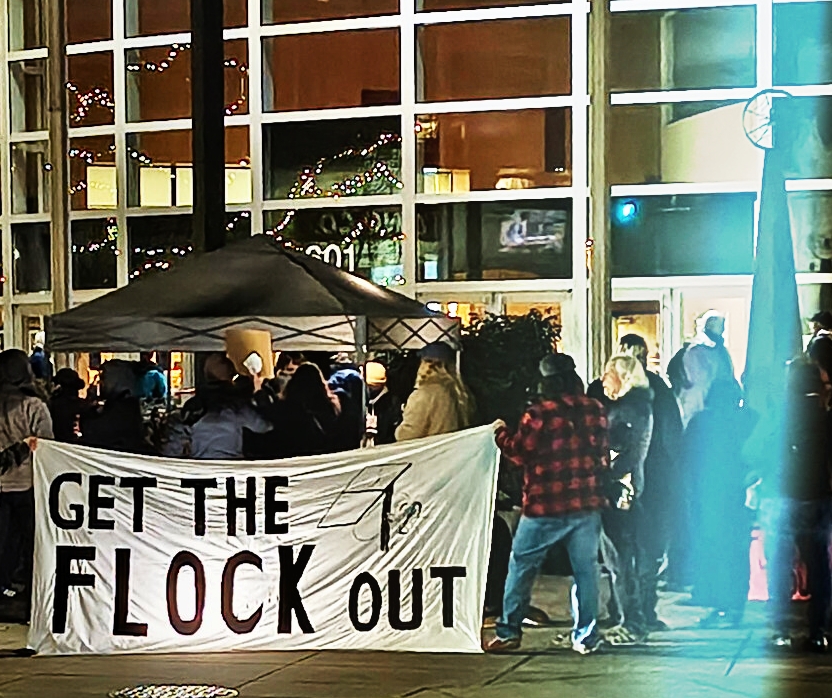
Cities Cancel Flock Camera Agreements After Brazen Privacy Breaches
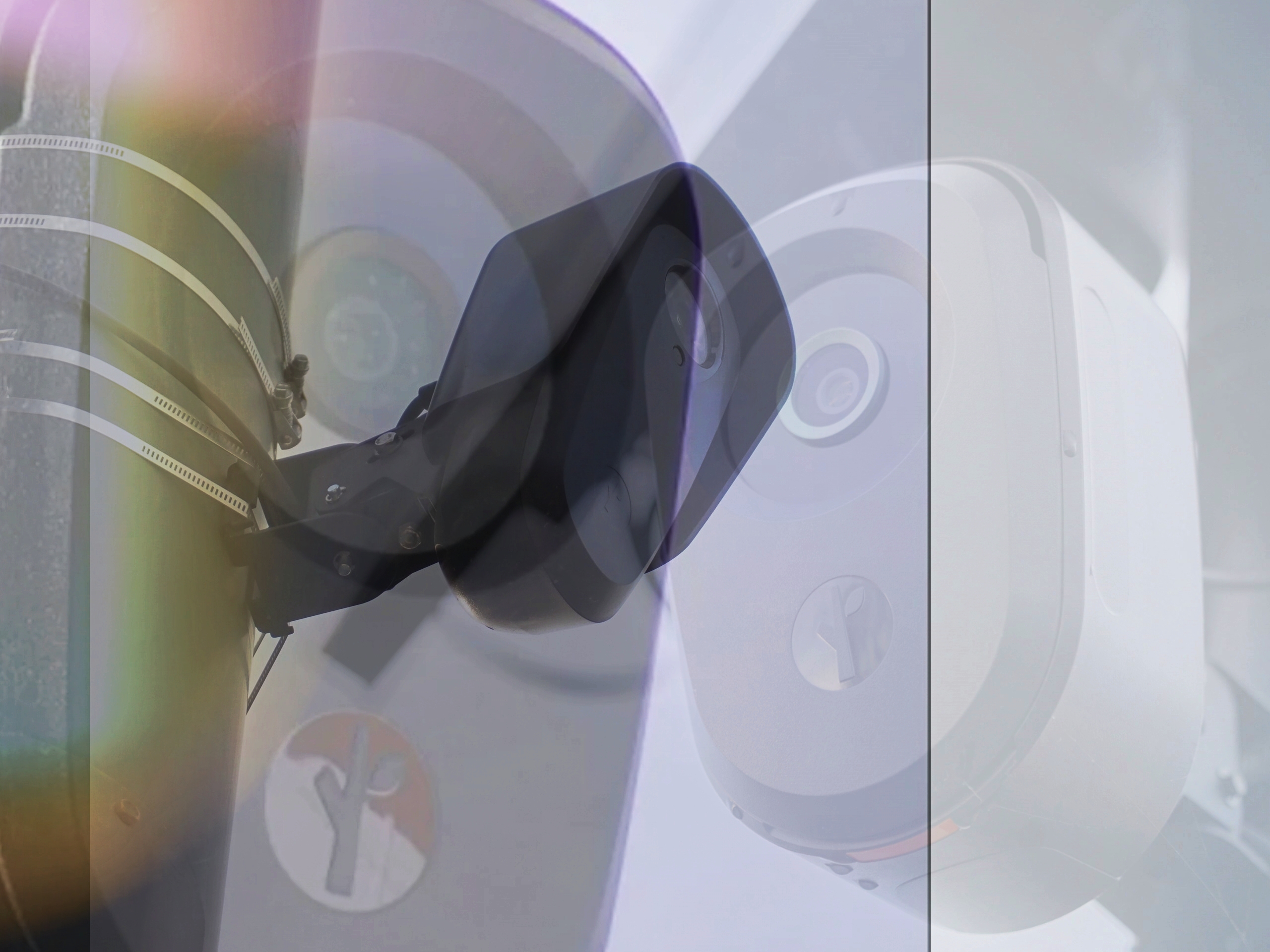
In 2025, something shifted in the long, largely one-sided battle over surveillance technology in American cities. The Atlanta-based company Flock Safety sells AI-powered license plate readers, or ALPRs, to thousands of police departments. Last year, they started losing. At least two dozen cities and counties cancelled, rejected, or terminated Flock contracts after local communities organized and said no.
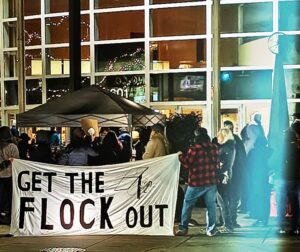
In Austin, more than 30 community groups formed a coalition that forced the city to cancel its contract. The city government of Cambridge, Massachusetts, terminated its agreement after catching Flock installing cameras without permission. In Evanston, Illinois, an audit revealed that cameras were quietly feeding data to federal immigration enforcement. The pattern is the same: surveillance sold as a public safety tool is covertly repurposed in ways communities never approved. At the center of this movement is Fight for the Future—the primary digital rights nonprofit running the Flock Out campaign opposing Flock’s80,000+ AI-powered ALPRs.
Guest – Reem Suleiman, Senior Campaign Director at Fight for the Future. She previously served as the U.S. advocacy lead for the Mozilla Foundation, and was an original member of the Oakland Privacy Advisory Commission, working to safeguard civil liberties against surveillance technology. FlockOut.org
—-

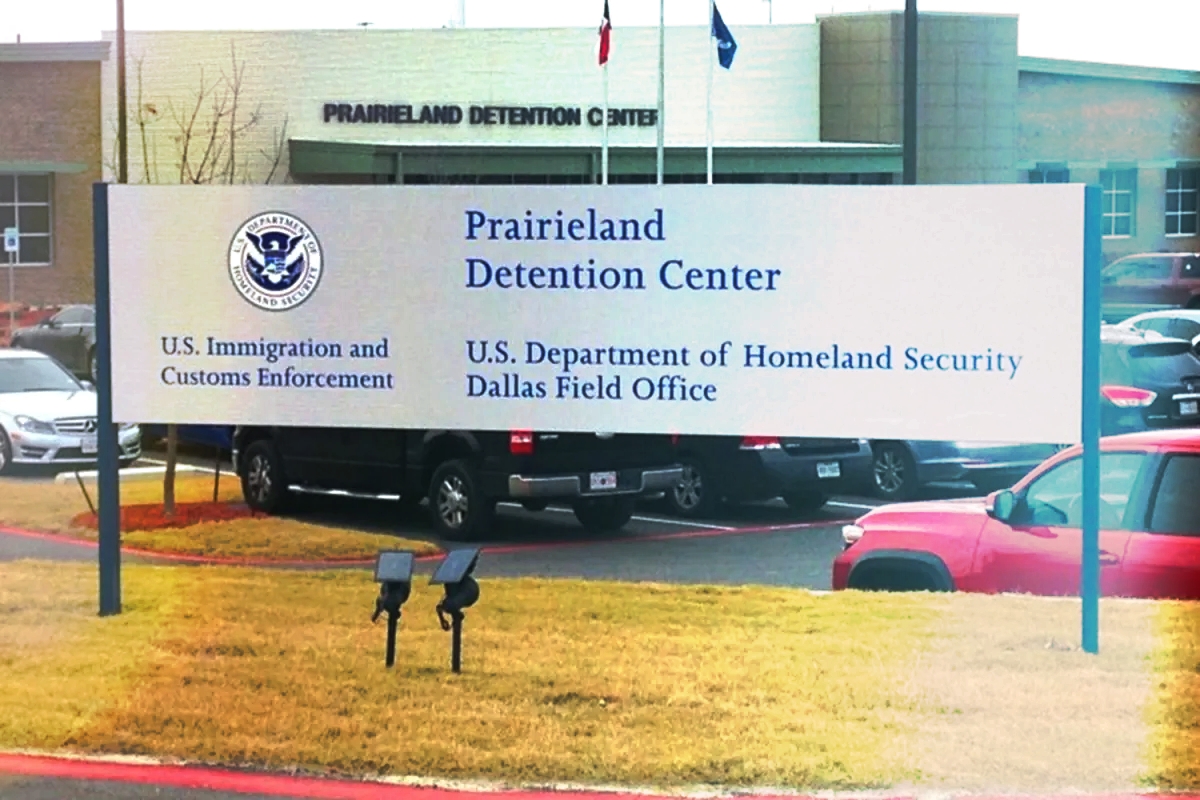
Prairieland Texas Case Update
The Prairieland cases have been grinding through both state and federal courts since a noise demonstration nearly one year ago. The demo was in solidarity with detainees at the Prairieland ICE Detention Center in Alvarado, Texas, in early July 2025. It ended when an Alvarado Police Department officer arrived on the scene and became involved in a gunfire exchange. He allegedly sustained minor injuries—though the prosecution has withheld his medical records. What followed has become the nation’s first federal “Antifa” trial, with 22 defendants now facing a combination of state and federal charges, most of them held on bonds as high as $15 million.
In recent weeks, there have been new developments on multiple fronts: a third indictment of defendant Dario Sanchez over allegations that he removed people from group text chats, the quiet indictment of three additional defendants that defense teams say went unannounced, and an approaching trial date that has already been delayed twice. Today we’ll get an update on the cases and what the road ahead looks like for the Prairieland defendants.
Guest – Xavier de Janon is a criminal defense attorney and the Mass Defense Director at the National Lawyers Guild, where he provides protest defense and support for the right to dissent. Based in North Carolina, Xavier also represents individuals in politically motivated cases across the South.
—————————
Civil Liberties, Civil Rights, Gaza, genocide, Human Rights, Surveillance, Targeting Muslims, War Resister
Podcast: Play in new window | Download
On Friday, following the taping of this show, the UK High Court ruled that the ban on Palestine Action, which we examine, was unlawful.
Our guest Fahad Ansari released this statement: “With jurors repeatedly refusing to convict individuals for smashing up Israeli weapons factories and now the High Court quashing the government’s proscription of a group dedicated to that goal, it is evident that the British public overwhelmingly opposes Britain’s support for Israeli genocide.”
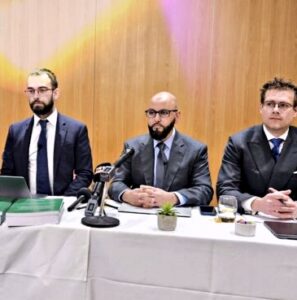

British Movement Lawyer Exposes Being Targeted By Senior Politicians and Cointel Police
When repressive governments around the world attack their own people and liberal democracies fight back, some of the first responders are movement lawyers. Unlike cowardly law firms that capitulate in advance, as we have seen here in the United States, movement lawyers work hand-in-hand with activists not merely challenging what the government is doing but putting the government itself on trial.
The roots of movement lawyering in the United States can be traced back to the civil rights movements of the 1960s and 1970s, where lawyers challenged laws that upheld segregation and other forms of discrimination. These lawyers used the legal system not just as a passive tool but as an active agent of change. They helped litigate landmark cases that desegregated schools, secured voting rights, dismantled discriminatory laws, challenged draft laws and questioned the legality of the Vietnam War.
The founders of this program Law and Disorder, Michael Ratner, Michael Smith, Jim Lafferty, and Heidi Boghosian are all prominent movement lawyers. But movement lawyers are not confined to the United States.
Guest- Fahad Ansari, is a senior civil liberties solicitor based in London. As a movement lawyer, he developed a niche in representing individuals and communities affected by counter-terrorism legislation, state surveillance, and discriminatory policing. His career has been defined by taking on some of Britain’s most sensitive cases including representing those stripped of their citizenship on grounds of national security and representing Hamas in its 2025 application to be removed from the British government’s list of proscribed terrorist organizations.
The Hamas case resulted in Ansari being smeared by senior politicians and targeted by British counter-terrorism police and the government agency that regulates the practice of law in the UK.
On August 6, 2025, Ansari was stopped by officers at the port of Holyhead as he returned from a family holiday in Ireland with his wife and four children. Ansari said the bulk of the questioning was about Palestine Action, a group recently proscribed under the Terrorism Act. He was also asked about Hamas but refused to answer, citing client confidentiality. Ansari said he was held by police for three hours, fingerprinted, photographed and swabbed for DNA and told to remove his face ID and pin from his phone or face arrest. The following day, the contents of his phone were copied by the police.
Ansari said that “In the decade that I have been involved in national security cases, I have never heard of lawyers in England being targeted to this extent because of their clients. Some have complained that representing Hamas brings the profession into disrepute. Yet, what really undermines the integrity of the profession is when unpopular clients are unable to secure legal representation because of fear of public opprobrium and state intimidation.”
—-
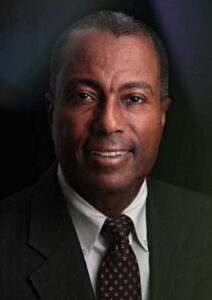

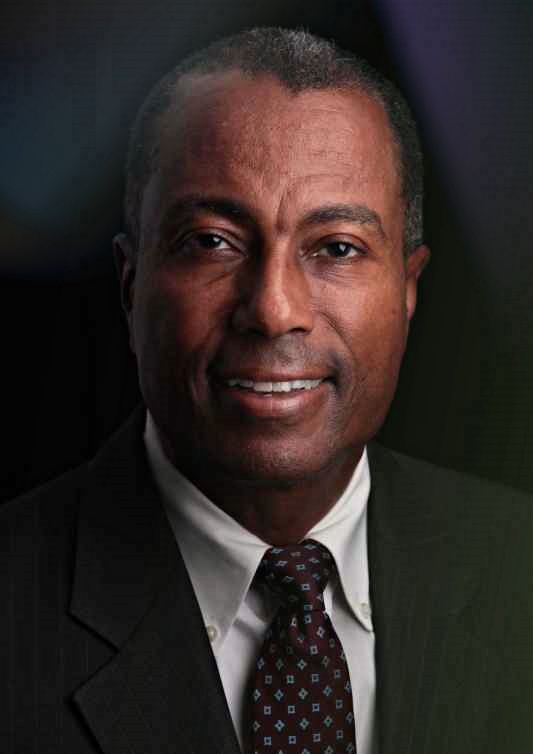
Michigan Movement Lawyer Mark Fancher
As we celebrate Black History Month, conversations often drift toward a comfortable, sanitized narrative of progress. But our guest today, Mark Fancher, has spent his career in the uncomfortable spaces where the struggle for racial justice remains ongoing, contested, and— for far too many communities—urgent.
Mark recently retired as Senior Staff Attorney with the Racial Justice Project of the ACLU of Michigan. But his commitment to justice did not begin there. A longtime leader in the National Conference of Black Lawyers and an active member of the National Lawyers Guild, he has devoted decades to challenging the systems that produce inequality—not merely documenting them.
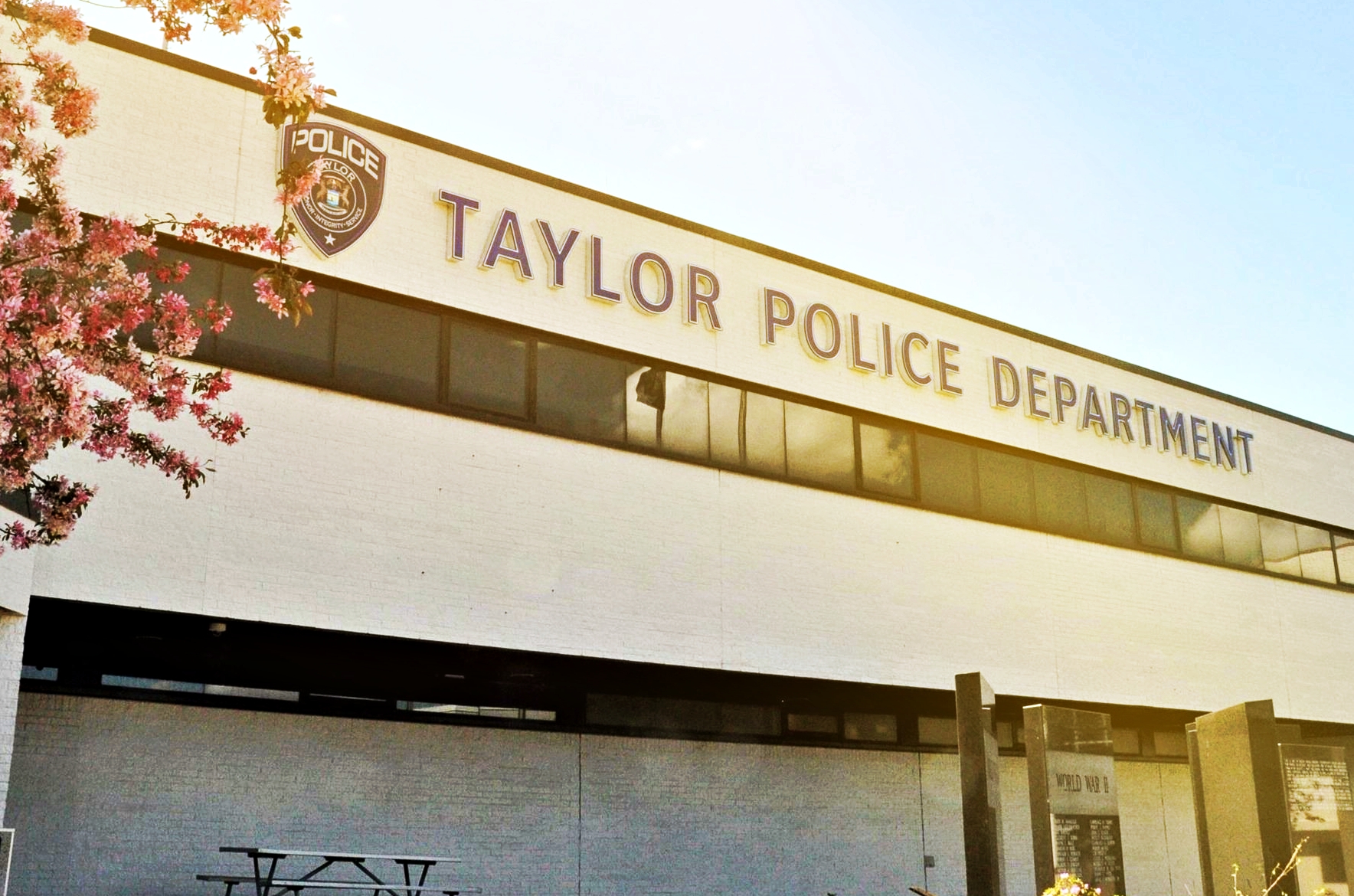
In Michigan, those systems are stark, and those injustices are often enforced by the badge. Black residents comprise roughly 14 percent of the state’s population, yet account for nearly half of those incarcerated. That disparity is not incidental. It reflects policies, practices, and policing strategies entrenched over generations. Mark has litigated the human consequences behind those numbers—from confronting a culture of brutality in the City of Taylor, which he described as functioning like an “occupying army,” to defending Black officers such as Johnny Strickland, who faced retaliation within their own departments for speaking out.
Mark is no stranger to the friction that truth-telling provokes. More than a decade ago, at a “Unity Breakfast” in Muskegon, his remarks about white privilege and police misconduct prompted audience members to walk out. He was labeled “divisive.” But as Mark reminded them then—and reminds us now—Dr. King did not preach comfort. He taught the oppressed to confront injustice without fear and without retreat.
———————
Civil Liberties, Civil Rights, Human Rights, Surveillance
Podcast: Play in new window | Download
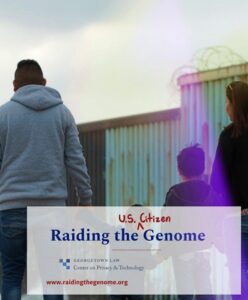
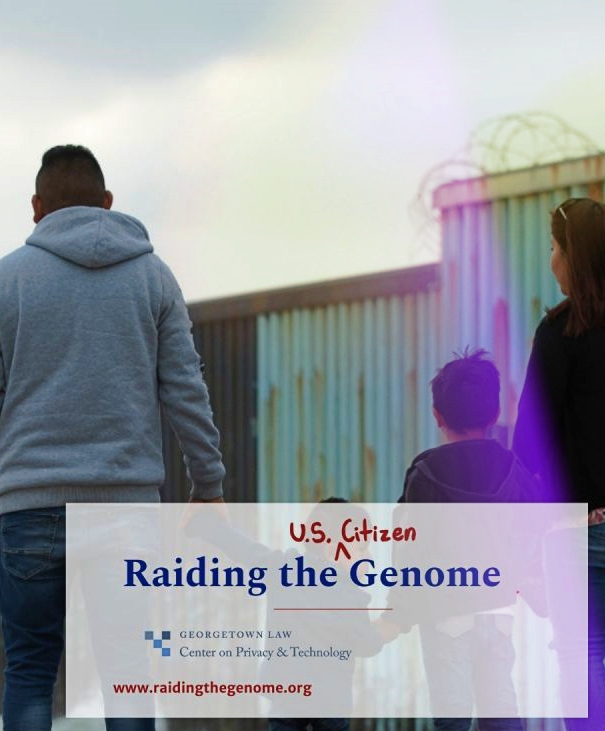
Raiding the Genome: How the United States Government Is Abusing its Immigration Powers to Amass DNA for Future Policing
Worldwide, governments are quietly stockpiling one of the most intimate forms of personal data imaginable: our DNA. What began as a tool for identifying suspects and reuniting families has become a global infrastructure for surveillance—an invisible archive of our genetic code, stored and searchable.
In 2024, Georgetown Law’s Center on Privacy & Technology sounded the alarm in a report titled Raiding the Genome: How the United States Government Is Abusing its Immigration Powers to Amass DNA for Future Policing. The findings were stark: U.S. immigration authorities are collecting DNA on a massive scale, far beyond what the law permits.
In a follow-up report last month, the Center reveals that Customs and Border Protection is taking DNA from American citizens, too—routinely, without consent, and without oversight—then funneling those samples to the FBI. Once there, they’re added to the national criminal database known as CODIS, where law enforcement agencies nationally can access and search them.
Guest – Stevie Glaberson is the Director of Research & Advocacy for the Center, and an author of the report. She joined the Center after serving as a Visiting Professor and the Director of Georgetown Law’s Civil Litigation Clinic, which she helped found as a clinical teaching fellow and staff attorney.
—-
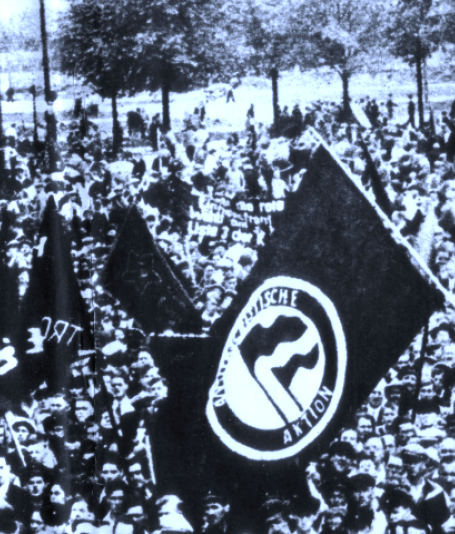
Inventing Antifa
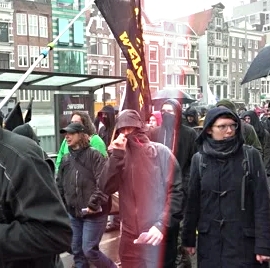
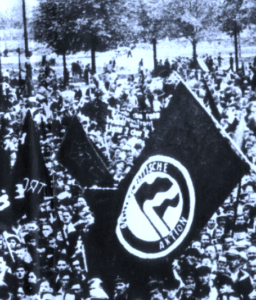
On October 18, No Kings Day, in her popular Newsletter, author Sarah Kendzior wrote a disturbing column titled Inventing Antifa. It begins: “In 2005, the Uzbek government invented a group called ‘Akromiya’ to justify a massacre of protesters. Now I worry the US government will do the same.” She recounted how on May 13, 2005, the Uzbek government killed over 700 civilians gathered in the eastern city of Andijon to protest the economic, social, and political conditions of Uzbekistan. Prompted by the imprisonment and subsequent jailbreak of popular local businessmen, the crowd grew to 10,000 people, some drawn by a rumor that their dictator, President Karimov, would address the largest protest in Uzbekistan’s history. Instead, military forces greeted the demonstrators. According to the Uzbek government, the forces targeted only armed insurgents, 187 of whom were killed. But according to nearly all other accounts, the military fired indiscriminately into the crowd, murdering at least 700 people, including children.
At the center of the massacre was a group the Uzbek government called “Akromiya.” According to the Uzbek government, Akromiya armed the militants, Akromiya gave the orders, Akromiya was responsible for the deaths of Uzbek citizens in Andijon. Akromiya was a menace that had to be stamped out at any cost. There was one problem with this theory: Akromiya — according to Uzbek and international human rights groups, political organizations, journalists, citizens, and accused Akromiya members themselves — did not exist. The Uzbek government had invented “Akromiya,” which became the all-purpose label slapped on any Uzbek who dared to dissent.
Kendzior believes that just as the Uzbek government invented the bogeyman “Akromiya” to justify the brutal suppression of dissent, Donald Trump is using the label Antifa to do the same to suppress and criminalize the rising resistance against his fascist regime in the United States. Kendzior knows alot about the myth of “Akromiya” because she’s the one who debunked it, so we’re very pleased to have her with us today on Law and Disorder.
Guest – Sarah Kendzior is the bestselling author of The View From Flyover Country, Hiding In Plain Sight and They Knew. Her latest book The Last American Road Trip was published this year and I had the pleasure of reviewing it – favorably I might add – for Ms Magazine. From 2018 until 2023, she was the co-host of Gaslit Nation, a weekly podcast and she is well-known for her coverage of the Trump administration and for writing about authoritarianism, kleptocracy, transnational organized crime, racism and xenophobia, media, voting rights, technology, the environment, and corruption, among other topics. Sarah holds a PhD in anthropology from Washington University in Saint Louis and an MA in Central Eurasian Studies from Indiana University In August 2013, Foreign Policy journal named her one of “the 100 people you should be following on Twitter to make sense of global events.” Inventing Antifa – Sarah Kendzior’s Newsletter.
——————————————
Civil Liberties, Civil Rights, Freedom Of Speech, Human Rights, Right To Dissent, Surveillance, U.S. Militarism
Podcast: Play in new window | Download
![]()
![]()
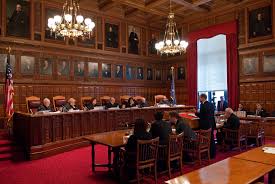
Law Firms Targeted By Trump Administration
Trump and the MAGA movement behind him have taken huge steps to upend and overturn the kind of democracy, however limited by race and class, that we have lived with since our independence from England some 250 years ago. In order to secure their rule, these fascists, like those in the Hitler movement 90 years ago, attempted to get control of the various apparatuses of our society. They aimed at the major media, the universities, the states like California, the scientific establishment, the medical profession, the cultural apparatus, the top brass in the military, and the big law firms.
Hitler’s fascist party in Germany called this effort “bringing it into line”. What we are going to examine today is Trump’s efforts to dominate the major law firms in America. He has succeeded in dominating some, but not all, of these law firms, which are known as “big law.“ The resistance has been impressive and a tribute to the spirit of fairness in the American legal tradition.
What did Trump do? He told the big law firms that he would sign an executive order banning them from federal buildings, including the courthouses where they practiced. Further, he would take away their security clearances and he would cancel any contracts they had with the federal government. This was calculated to break these firms and they knew it. A target was the venerable firm of Paul Weiss, established in 1875, which was active in the civil rights movement in the 50s. It helped to win the landmark desegregation victory in “Brown vs the Board of Education.” Paul Weiss initially tried to resist. It asked other firms for help. But to no avail.
The other firms refused and instead began to pick off their clients. Faced with financial ruin Paul Weiss gave in and agreed to donate millions of dollars in free legal work to projects of Trump‘s choice. So did other famous firms. Collectively, these firms agreed to furnish Trump with over $1 billion in pro bono assistance to Trump and his projects, like defending cops in cases of police abuse and murder, as in the George Floyd case.
Guest – Los Angeles attorney John Burton was the president of the Board of Directors of the National Police Accountability Project, an organization representing more than 600 police misconduct, lawyers and other professionals throughout the United States. He established his law firm in 1984. Mr. Burton has covered the story for the World Socialist Website. As he has written, the battle Trump started is not over. Four judges have ruled against him. 24 friend of the court amicus briefs have been filed. 1000 law firms have come on board.
—-
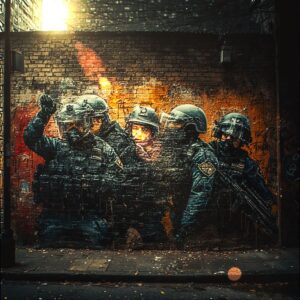
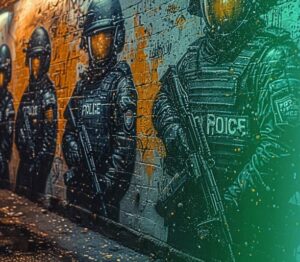
Strengthening and Unleashing America’s Law Enforcement to Pursue Criminals and Protect Innocent Citizens
Among the tsunami of Trump‘s executive orders is EO number 14288. Trump signed it on April 25, 2025. It is ominous. The order is titled Strengthening and Unleashing America’s Law Enforcement to Pursue Criminals and Protect Innocent Citizens.
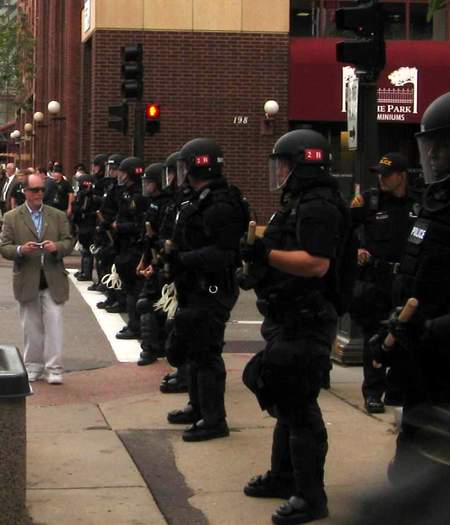
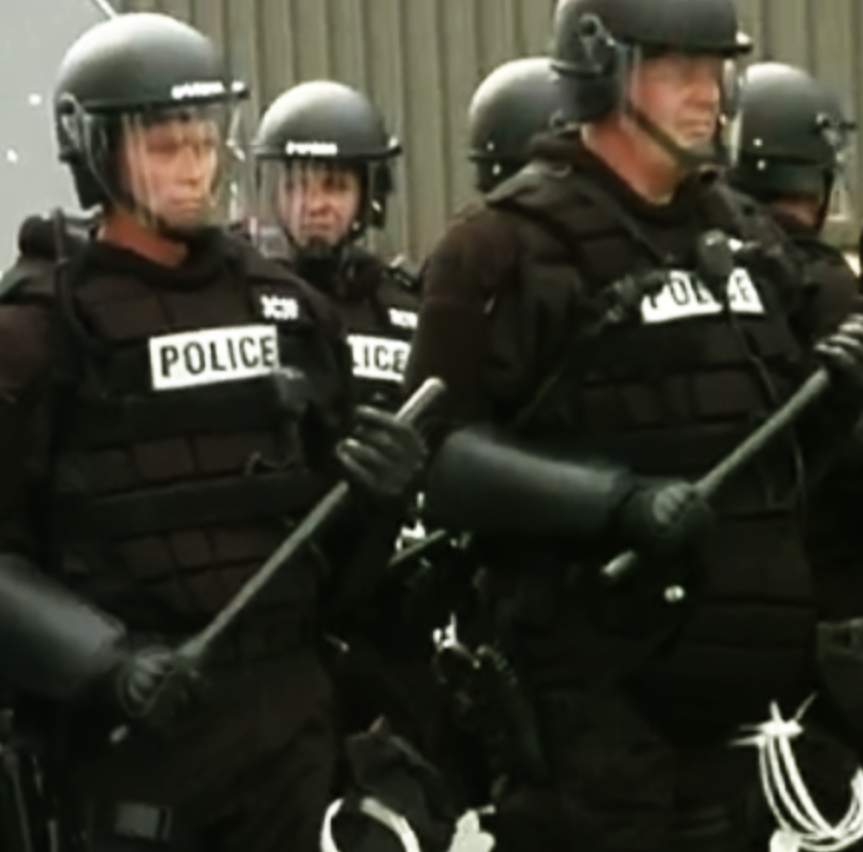
It orders review and likely cancellation of police/citizen consent decrees like the one the movement in Minneapolis won against the Minneapolis Police Department after they murdered George Floyd several years ago. It militarizes law-enforcement by distributing military assets to local police forces and encouraging coordination between the Department of Defense and Federal-local law-enforcement. One of its core objectives is to establish pro bono representation by some of the biggest law firms in America to help shield offending police from suits against them for abuse of local citizens. Trump previously secured agreements with these firms to provide over $1 billion with a representation for free to entities that he designates.
Guest – Russ Bellant has researched rightist, fascist, and the Nazi forces in the United States for over 50 years. He has published articles in many magazines and has written three books based on his research. They include Old Nazis, The New Right and the Republican Party and The Religious Right In Michigan Politics. Email: RussBellant (at) gmail.com (reply that you want to be on the email list)
————
Civil Liberties, Civil Rights, FBI Intrusion, Human Rights, Political Prisoner, Racist Police Violence, Right To Dissent, Surveillance, Torture, Truth to Power
Podcast: Play in new window | Download
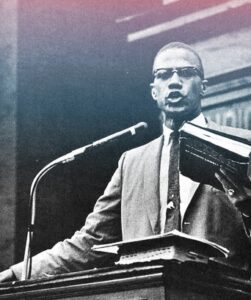
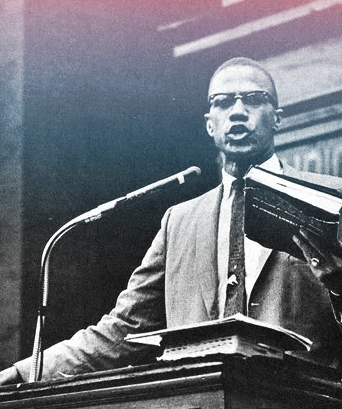
Malcolm X Shabazz et al. v. USA
A groundbreaking legal case seeks justice for the family of most iconic civil rights leaders, Malcolm X. In an unprecedented lawsuit filed by his daughters, the Shabazz family is challenging the U.S. government, the City of New York, and several high-ranking law enforcement agencies. At the heart of the case is the claim that state actors, including the FBI and NYPD, played an active role in the assassination of Malcolm X on February 22, 1965, and that this involvement has been systematically covered up for decades.
This suit, Malcolm X Shabazz et al. v. USA, not only seeks justice for the wrongful death of Malcolm X but aims to hold the government accountable for its complicity in the assassination. The case draws on newly uncovered evidence that links federal agencies to the events surrounding Malcolm X’s death, as well as the subsequent framing and wrongful conviction of two men who were exonerated in 2021.
The legal team behind this case includes civil rights attorneys Benjamin Crump and G. Flint Taylor, and if successful, their argument could rewrite the historical narrative surrounding one of America’s tragic and significant moments. At the core of this case is the question: How deep was the state’s involvement in silencing Malcolm X? Was the assassination part of a coordinated campaign by law enforcement agencies determined to prevent the rise of powerful Black leaders? The lawsuit raises profound questions about the government’s role in suppressing movements for racial justice and civil rights, both in the past and in the present.
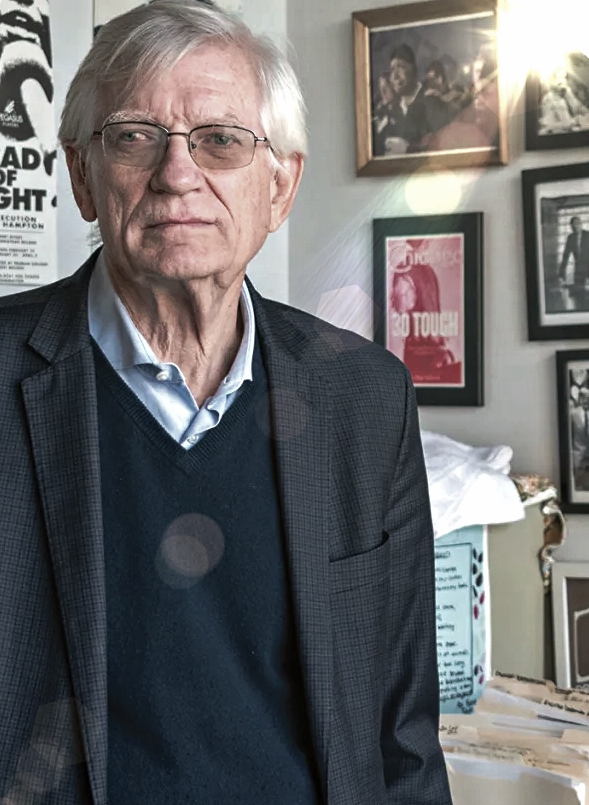
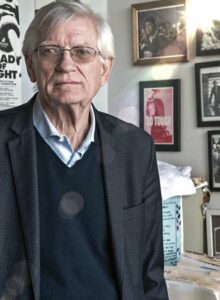
Guest – Flint Taylor of the Peoples Law Office. Flint represented the family of Fred Hampton and revealed that the FBI and Chicago Police Department murdered him in 1969. Flint is an editor of the Police Misconduct Law Reporter and is author of The Torture Machine: Racism And Police Violence In Chicago.
—-
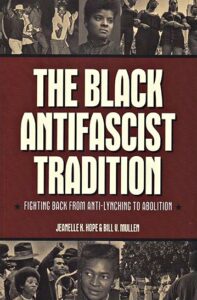
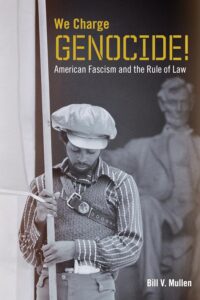
A History Of Anti-Black Racism
National chauvinism and racism are essential features of fascism. The practice of white racism in the United States during the Jim Crow era was something that Hitler’s party in Germany studied and emulated. This kind of anti-black racism went on in the United States from shortly after the Civil War up until the 1960s. It has never really gone away as the mass mobilizations of the Black Lives Matter movement has recently demonstrated. This Black resistance, this fight back, will be a central aspect of anti-fascist activity in the future.
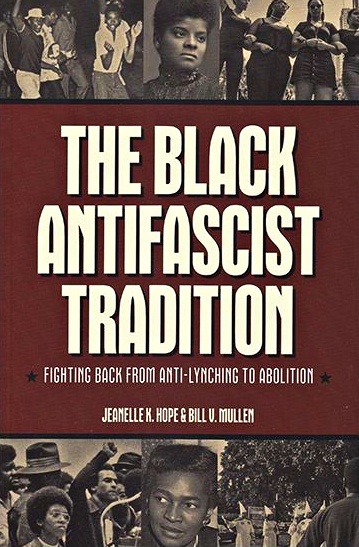
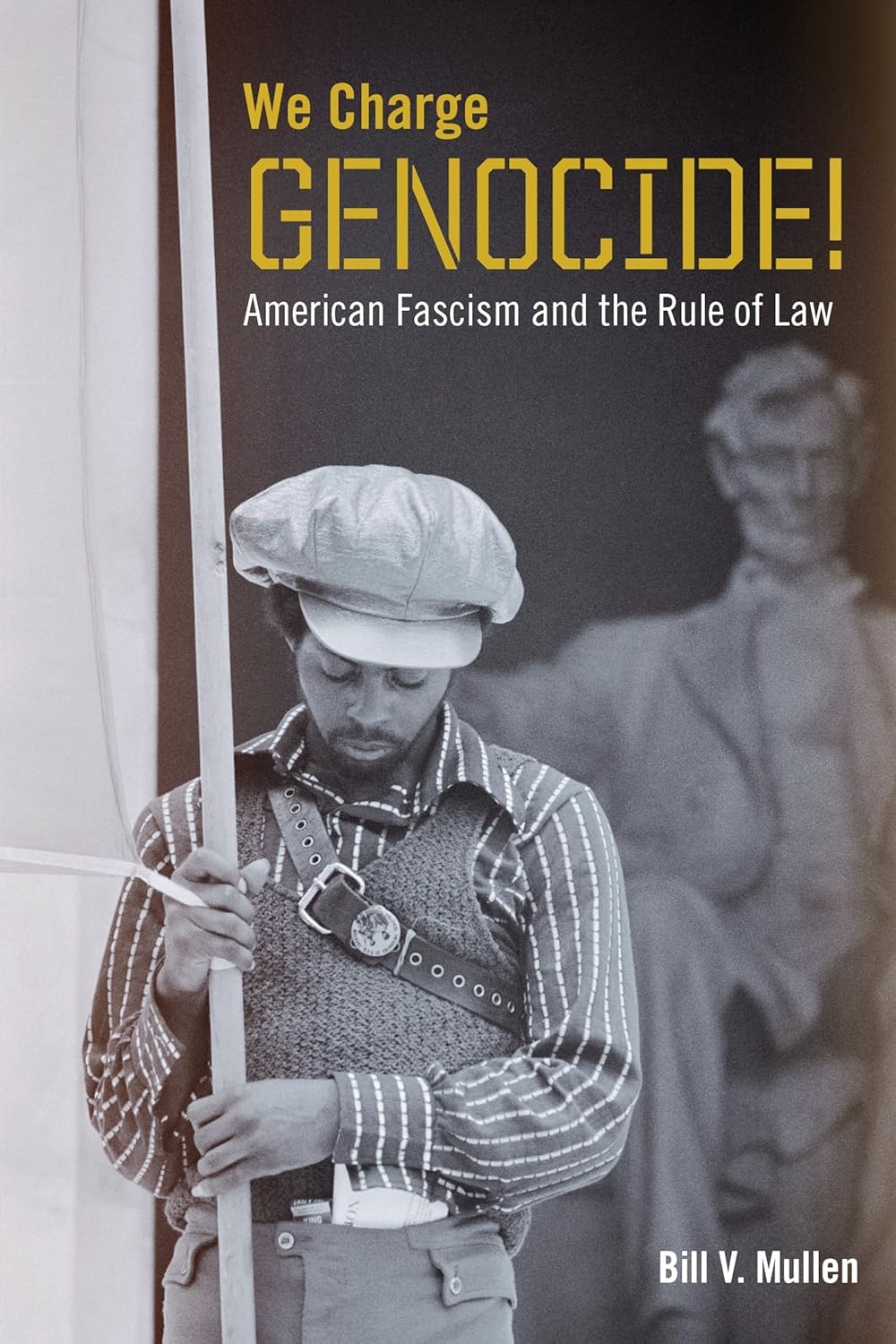
Guest – Bill Mullen is professor emeritus of American studies at Purdue University and the co-founder of The Campus Anti-fascist Network. He’s also co-author of The Black Antifascist Tradition and his new book published last month We Charge Genocide: American Ashes and the Rule of Law.
——————————