
Podcast: Play in new window | Download
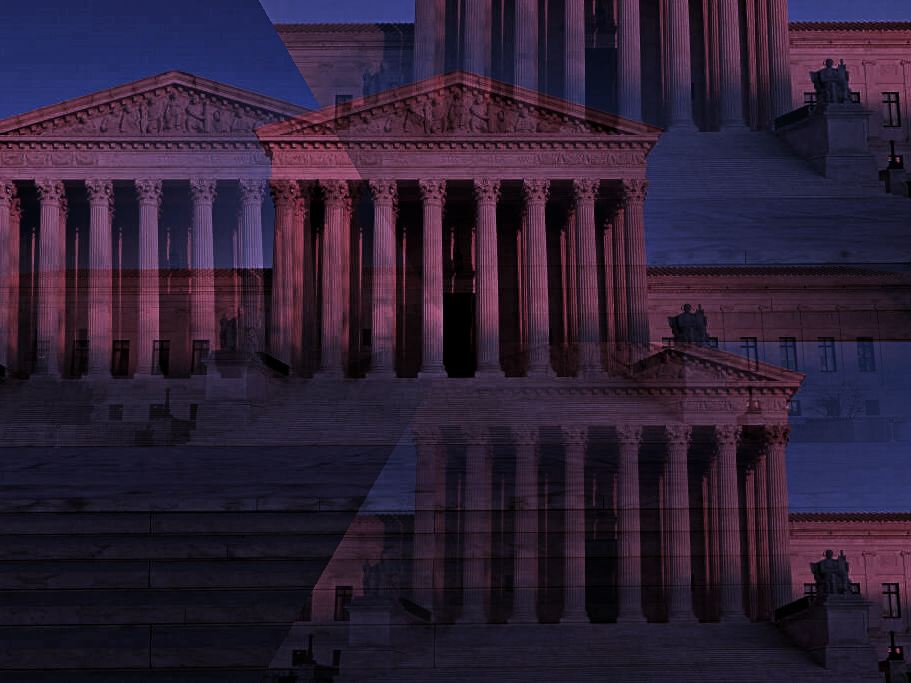
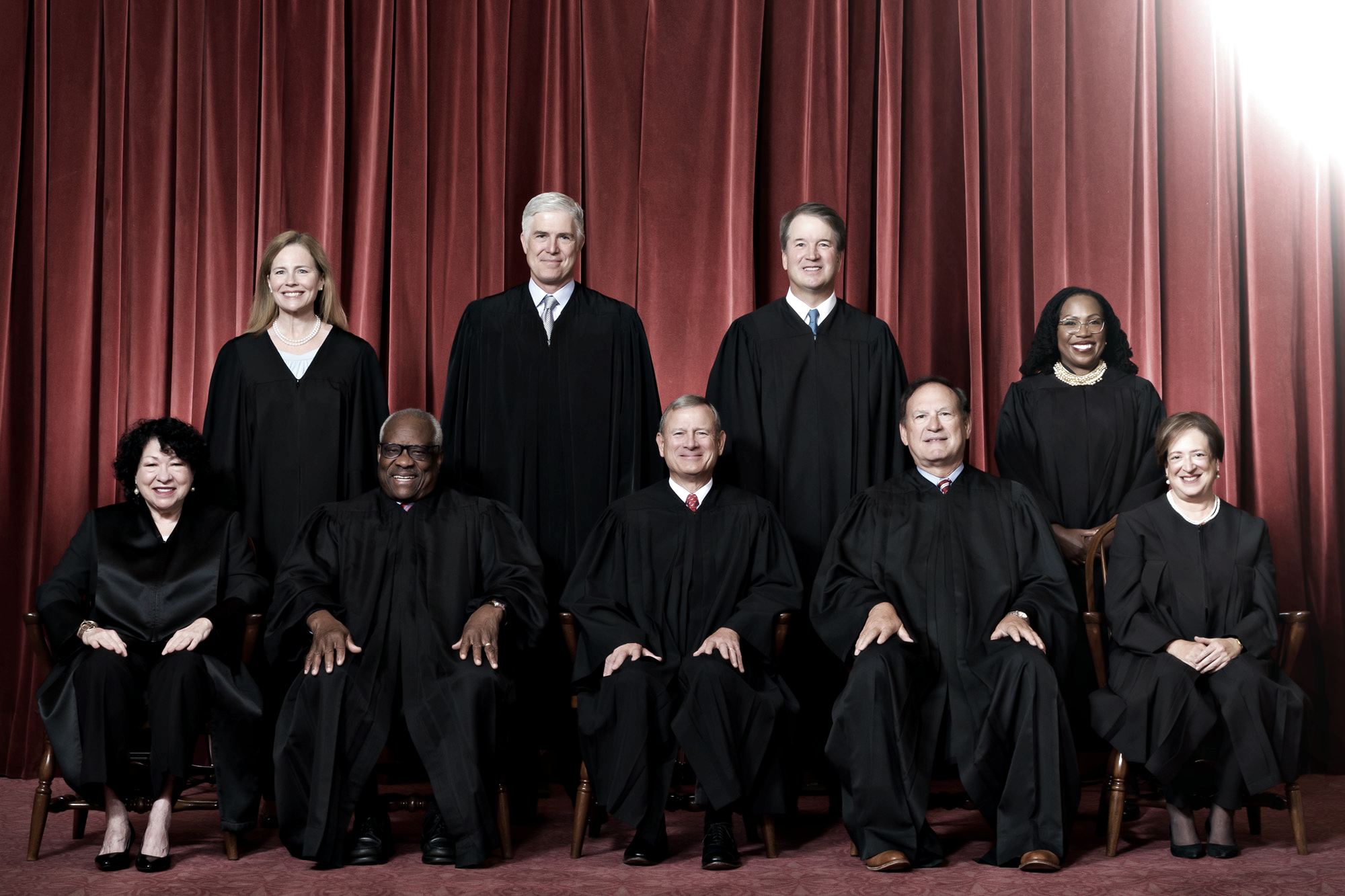
U.S. Supreme Court Decisions Resetting Precedent
There have been several major U.S. Supreme Court decisions issued under the leadership of Chief Justice John Roberts. These decisions include abortion rights cases, anti-immigrant cases, cases enhancing administrative or executive power and, of course, voting rights cases. We’ll also learn about the role of the shadow docket. This is known as the emergency docket with a range of uses such as for routine procedural matters and last-minute requests. The cases we examine impact the fabric of democracy in the United States. We’ll talk about broader implications with our guest Professor Ellen Yaroshefsky.
Guest – Ellen Yaroshefsky is the Howard Lichtenstein Distinguished Professor of Legal Ethics, Maurice A. Deane School of Law, at Hofstra University. She is a leading educator and expert in ethics law and serves as an expert witness and advisor to lawyers and law firms. Prof. Yaroshefsky is a former Commissioner on the New York State Joint Commission on Public Ethics. She has previously worked at the Center for Constitutional Rights and has been in private practice. Prof. Yaroshefsky has received numerous awards, including the New York State Bar Association’s honor for Outstanding Contribution in Criminal Law Education.
—-
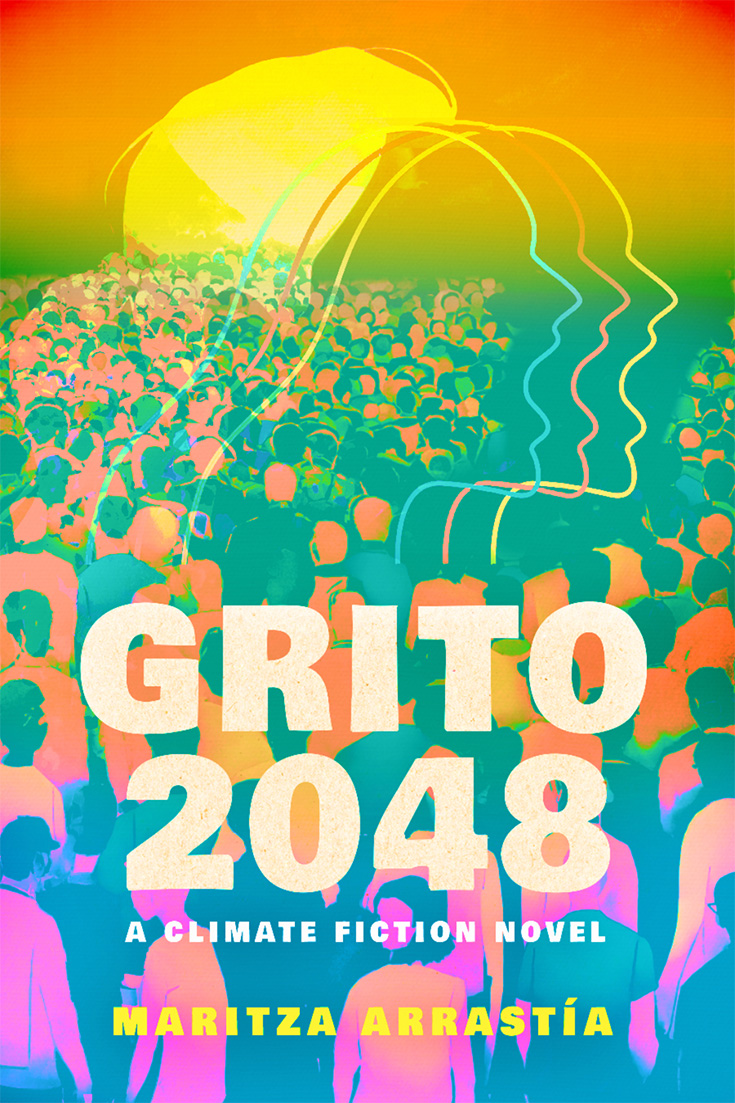
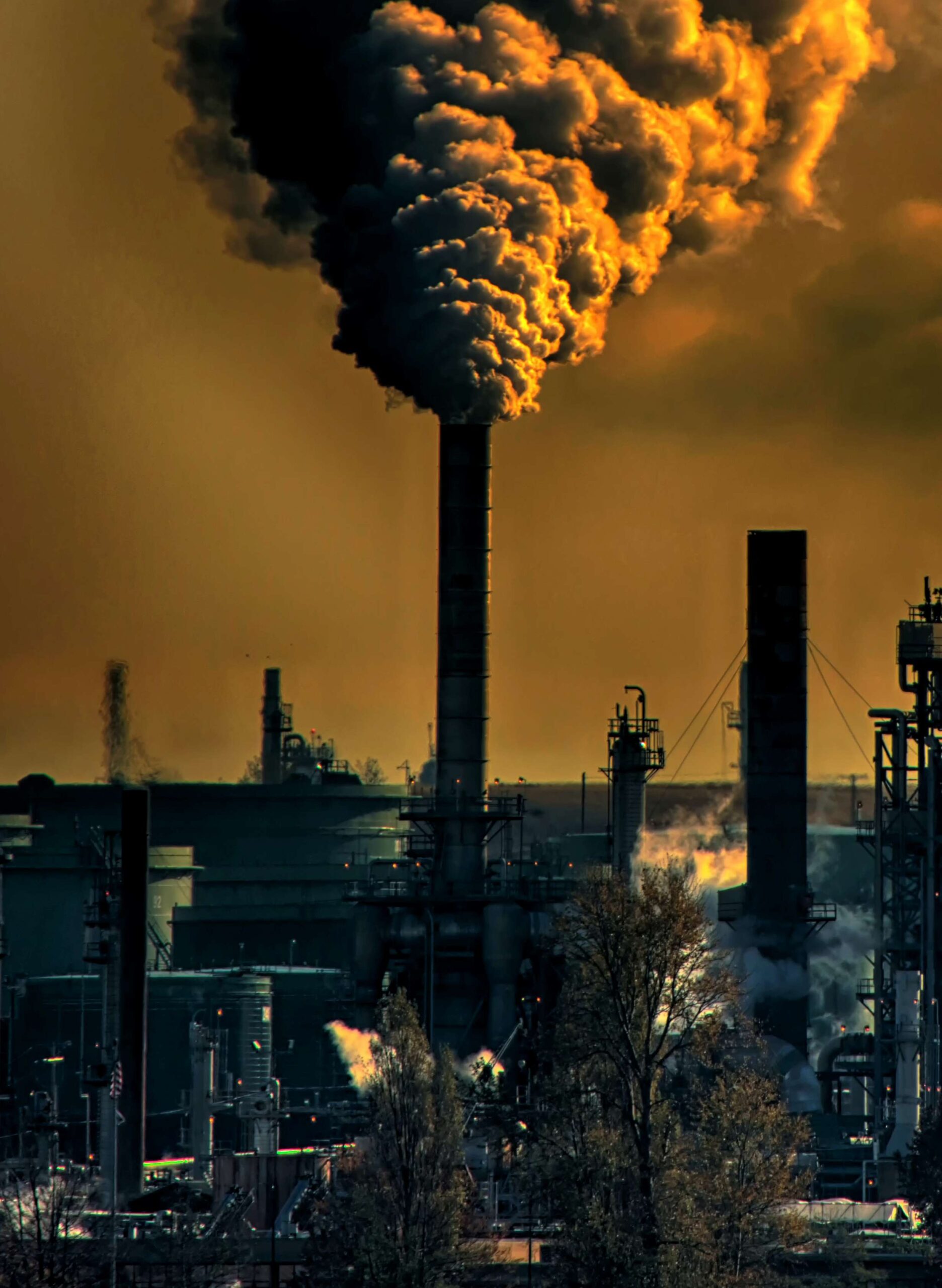
Grito 2048
Ursula Leguin is one of the most admired writers of speculative science fiction in America. Her work challenges the rationality and desirability of our capitalist system. LeGuin has written “We live under capitalism. Its power seems indestructible. So did the divine right of kings.“
Our guest today is Brooklyn based writer Maritza Arrastia, who has just had published her climate science fiction novel Grito 2048. Her novel is set in the last remaining Caribbean colony of the collapsing empire of the Diez Familias, where climate catastrophe and colonial extraction have reached their limits. As imperial elites prepare to abandon Earth for replica planets, beyond the reach of ruin, those left behind must decide whether the planet can still be reclaimed.
The novel follows the central figure Marina and others as they leave the imperial city for Palenque, a seaside encampment where rebels, families of the disappeared, and youth organizers are rebuilding life amid rising seas. It is there that Marina gathers the Grito Chronicles – war cries, threaded through centuries of Caribbean resistance – while the youth lead movement Todx prepares for the last Grito,, an uprising planned for 2048 to take back Earth.
Guest – Maritza Arrastia is a Cuban – Puerto Rican writer whose literary life spans five decades. She was a reporter and editor at Claridad, A bilingual newspaper of the Puerto Rican Socialist Party. Ms. Arristia has published poetry, drama, fiction, journalism, and essays. She has taught literacy in English as a second language through collaborative, community-pedagogy. Her work explores climate futures, colonial afterlives, and insurgent memory.

————–