Civil Liberties, Civil Rights, Freedom Of Speech
Podcast: Play in new window | Download


The FACE Act Cited As Religious Protection Against Protesters Of Israeli Land Sale In Palestine
Passed in 1994 in response to violent and obstructive protests at reproductive-health clinics, the federal FACE Act (Freedom of Access to Clinic Entrances Act) also protects people exercising their First Amendment right to religious freedom at places of worship. The law has now become the latest battleground over protest and free speech.
The government has claimed that the Party for Socialism and Liberation New Jersey, or PSL-NJ, published a social media post calling for a public protest against a real estate event involving the sale of property in an Israeli settlement in the occupied West Bank. The Trump Administration’s Justice Department filed a federal lawsuit under the FACE Act, arguing that the protest violated the law’s protections for religious worship. Their argument was an unusual one.
Guest – Attorney Mara Verheyden-Hilliard, Executive Director of the Partnership for Civil Justice Fund and the Center for Protest Law and Litigation in Washington DC. In addition to serving as counsel for PSL-NJ in this case, Mara has spent decades defending protesters and political movements against government surveillance, repression and unconstitutional restrictions on speech.
—-
Geopolitical Shift In Balance As Brazil Elections Underway
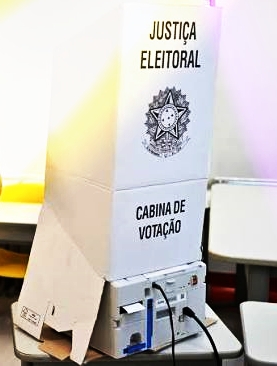
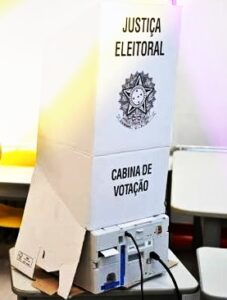
We go south, to Brazil. Following its first-round presidential election on October 4th, incumbent President Luiz Inácio Lula da Silva and challenger Flávio Bolsonaro—son of former president Jair Bolsonaro—are officially heading to a runoff. It is an incredibly tight race, with Bolsonaro securing approximately 47% against Lula’s 45% of the vote.
Against this electoral backdrop, relations between Brazil and the US remain fraught with tension. Remember—they’re the two largest democracies in the Western Hemisphere, so mounting friction with Washington continues to open up key diplomatic and economic opportunities for Brazil with China. What does this runoff and geopolitical shift mean for the future of Latin American democracy, global trade, and Washington’s influence in the region?
Guest – James N. Green, Professor Green is Emeritus Professor of Brazilian History and Culture at Brown University, where he was also director of the Brazil Initiative. He’s spent decades studying Brazil’s political and social transformations—from the military dictatorship years to today’s high-stakes election.

———————
Censorship, Civil Liberties, Freedom Of Speech
Podcast: Play in new window | Download
Law and Disorder Donate Here Today
Here are comments from stations and listeners:
I recently heard your wonderful program on a local radio station-Black Sheep Radio 91.5 WOOL. My wife and I live in Vermont which has its own new “green” exploitation of the ecosystem.
—-
We appreciate L&D here at KKRN. Always there for download on Sunday night. We air 7 Pm every Monday. – – -Thanks Bobbi at KKRN 88.5
—-
From Pittsburgh, PA: Hello I’m a long time listener living here in Pittsburgh, PA. I dearly thank you for your effort to spread justice, responsible government and social consciousness in general. I very dearly thank you for your program its the best of its kind out there, by far.
—-
For years now, every Sunday night (without fail—not a single exception), I wait with anticipation for the new show to be posted. (No, it’s not because I have a boring life). I wish I could fully describe my great appreciation for Law and Disorder…but words alone can’t really do it justice.
———————————————-
Artificial Intelligence, Civil Liberties, Civil Rights, Freedom Of Speech, Human Rights, Right To Dissent, Surveillance
Podcast: Play in new window | Download
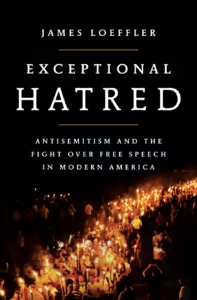
Exceptional Hatred: Antisemitism And The Fight Over Free Speech In Modern America
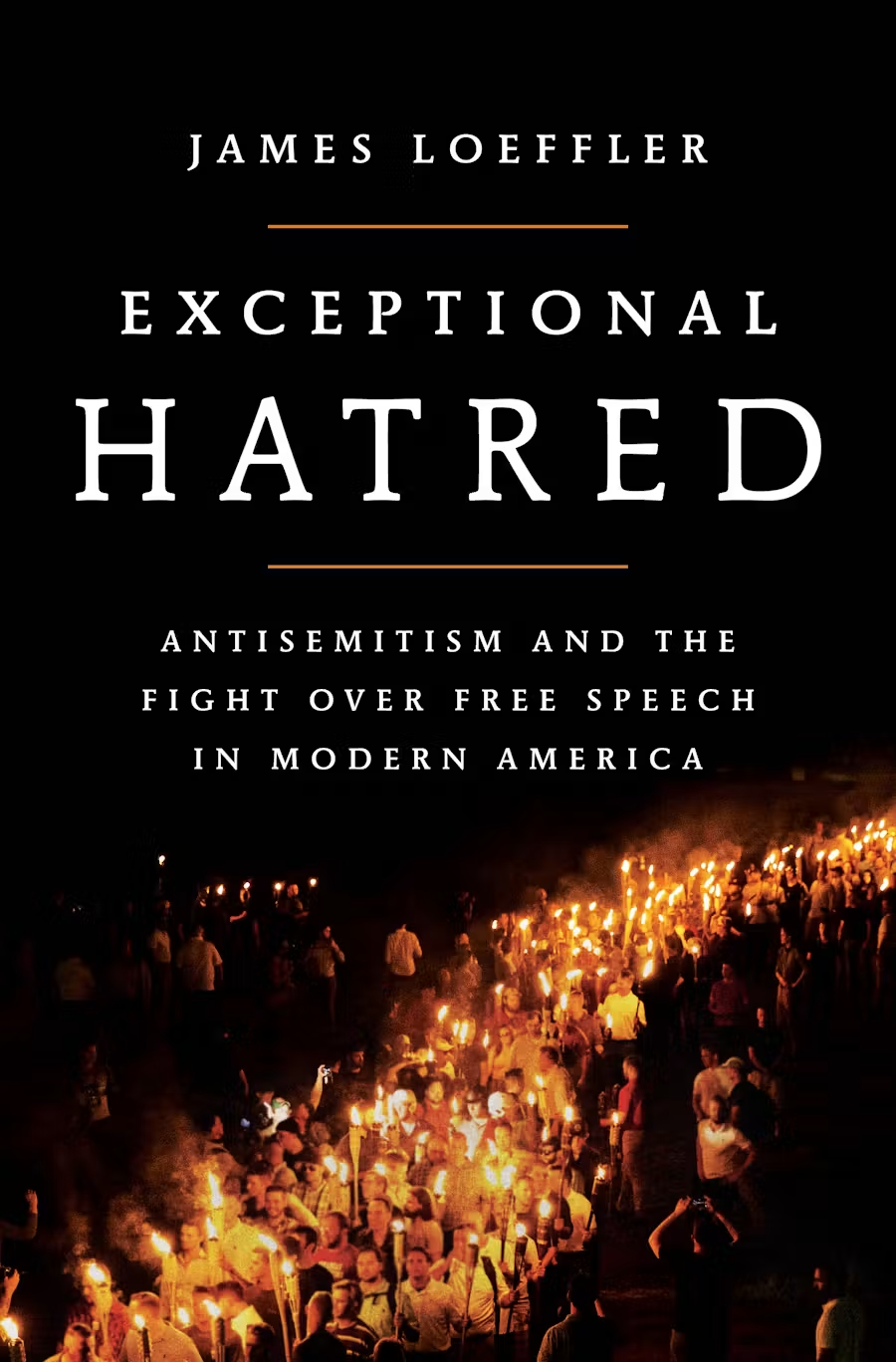
Today in America, “we proclaim our commitment to fighting hatred while applying it selectively. We champion free speech until confronted with speech we despise – and minimize the claims of those wounded by words.” American democracy “stands at a precipice, besieged by authoritarian politics, resurgent nativism, and populist demagoguery. These forces, once relegated to history, now threaten our pluralistic society and its defining commitments to freedom and equality.” Those chilling words are from the brand new book Exceptional Hatred: Antisemitism And The Fight Over Free Speech In Modern America by James Loeffler.
Guest – Professor James Loeffler is the Felix Posen Professor of Modern Jewish History at Johns Hopkins University, and Kogod Senior Research Fellow at the Shalom Hartman Institute of North America. He writes widely on modern Jewish history from antisemitism to Zionism, with a focus on the overlooked ties between the Jewish past and the global present in politics, law, and culture. His writing has appeared in The Atlantic, The New York Times, The Washington Post, The Wall Street Journal, and The New Republic.
—-
Digital Privacy Laws Lag Far Behind Evolving Modern Communication
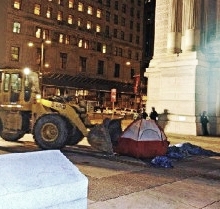
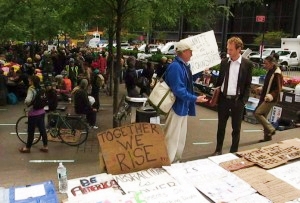
The 15th anniversary of Occupy Wall Street has just passed, when protesters occupied Zuccotti Park NYC and sparked a global movement. Occupy also attracted significant government surveillance. Documents later obtained through FOIA showed that the Department of Homeland Security monitored the movement and circulated intelligence to the private sector about Occupy activists and protests. That history raises a question that goes well beyond protest movements: How do lawyers protect confidential communications in a world where so much of their work is digital? Confidentiality handle information that can affect a client’s freedom, finances, safety, and legal strategy. Yet many lawyers aren’t trained to think about the technology they use in terms of protecting that confidentiality.
Guest – Jonathan Stribling-Uss, is a New York City lawyer and digital security consultant. He founded and directs Constitutional Communications, an organization that supports non-profits specializing in information security for professionals and civil society groups. Jonathan previously served as a Mozilla and Ford Foundation Media and Democracy Fund Technologist Fellow at the New York Civil Liberties Union. He has trained hundreds of attorneys in cybersecurity and ethics through organizations including the New York County Lawyers Association and the American Bar Association. https://privacytools.io/
————-
CIA Sponsored Terror, Civil Liberties, Civil Rights, Cuba, Freedom Of Speech, Habeas Corpus, Human Rights, Targeting Muslims, Torture, War Resister
Podcast: Play in new window | Download
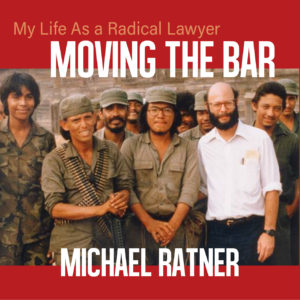
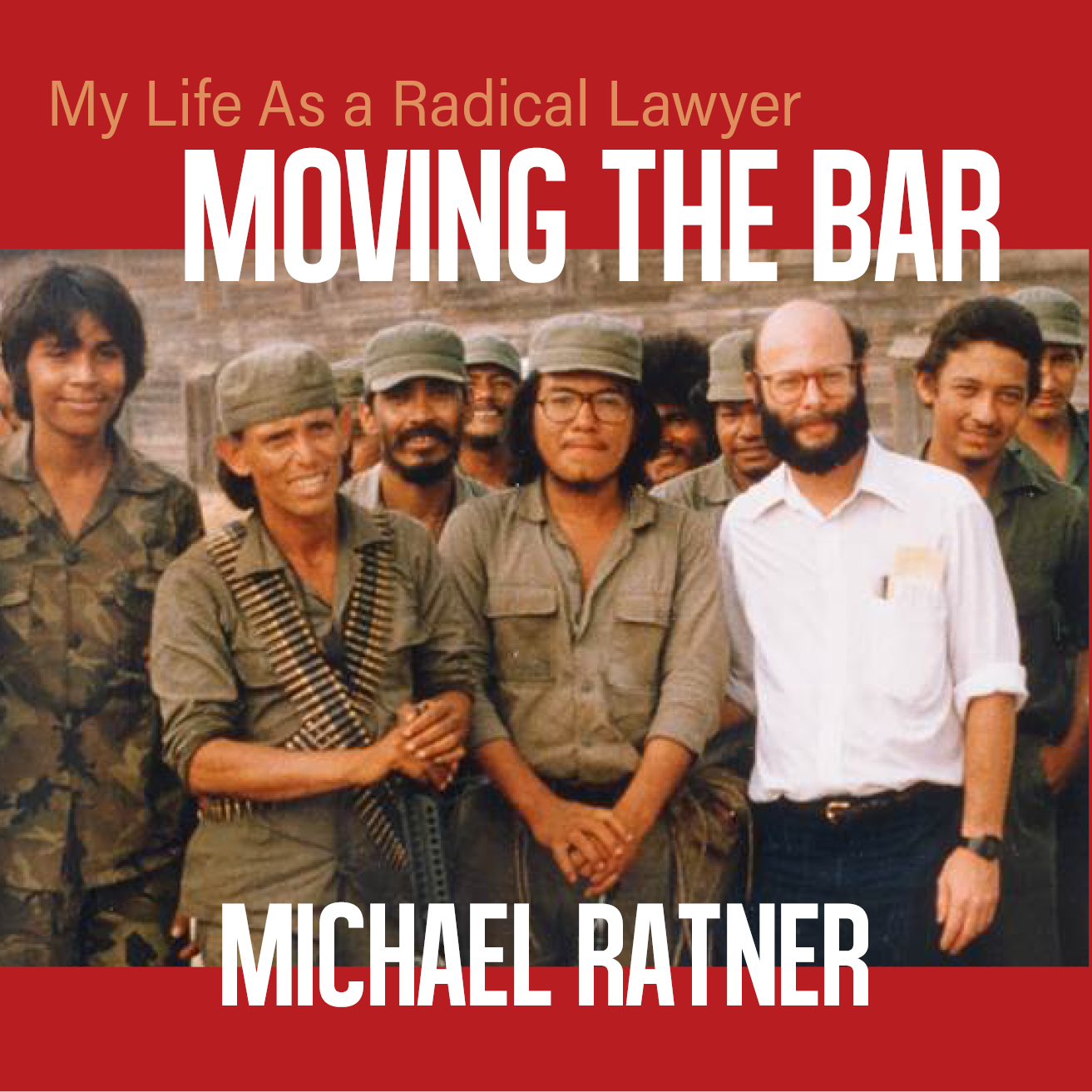
Moving The Bar: My Life As A Radical Lawyer
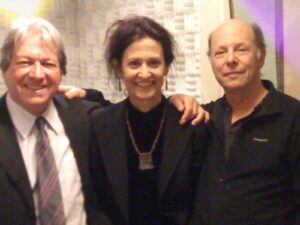
Hosts Heidi Boghosian and Michael Smith interviewed some of Michael Ratner’s closest friends and colleagues as part of a special broadcast highlighting Michael Ratner’s legal work and mentorship. The special also marked the upcoming release of Michael Ratner’s autobiography Moving The Bar: My Life As A Radical Lawyer published by OR Books. In this one hour taken from the two hour fundraiser broadcast, we hear from attorneys including Eleanor Stein, Richard Levy, Ray Brescia, David Cole and Baher Azmy.
Michael Ratner’s pathbreaking legal and political work is unmatched. He provided crucial support for the Cuban Revolution and won the seminal case in the Supreme Court guaranteeing the right of habeas corpus to Guantanamo detainees. Michael also challenged U.S. policy in Iraq, Haiti, Nicaragua, Guatemala, Puerto Rico and Israel-Palestine. This book is a testament to his unflagging efforts on behalf of the poor and oppressed around the world.
– Marjorie Cohn, Professor Emerita, Thomas Jefferson School of Law
Michael Ratner personified lawyering that brought both radical and human values into challenges to the use of governmental power to violate the essence of the Bill of Rights. From the torture of prisoners after 911 to the massive racial profiling by the New York Police Department, Michael’s voice and vision continue to resonate. This book provides a powerful testament to the spirit of this extraordinary man.
– Attorney Bill Goodman
————
Civil Liberties, Civil Rights, Cuba, Freedom Of Speech, Gaza, genocide, Right To Dissent
Podcast: Play in new window | Download
We Need Your Help and Support
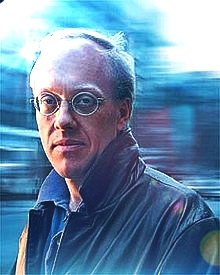

Cuba: The Capital of 21st Century Communism
On July 20th, Secretary of State Marco Rubio and the State Department released a 100-page McCarthyite propaganda report. It is a document that seeks to serve as the ideological justification for an escalating assault on Cuba, the Cuba solidarity movement and all political dissent on the left. The report casts a wide net of unfounded accusations, maliciously painting over 40 left-leaning social movement organizations and individuals as purported Cuban “front groups” while employing guilt-by-association tactics to smear even elected officials such as New York Mayor Zohran Mamdani and Los Angeles Mayor Karen Bass.
Among the organizations cited is the National Lawyers Guild, an association of attorneys, law students and legal workers, of which all of the hosts here on Law and Disorder are members. It goes so far as to cite reports from the long-discredited House Un-American Activities Committee, reviving Cold War conspiracy theories from the 1950s and repackaging them for the present.
As our guest today writes, “These accusations are not meant to be rational. They, like the charges that our elections are manipulated, are transparent excuses to go after institutions and individuals that are seen as threatening Trump and the Republican Party’s absolute grip on power.”
Guest – Chris Hedges is a Pulitzer Prize winning journalist and author, and the former Middle East correspondent for the New York Times. Among his more than a dozen books are American Fascism: The Christian Right and the War on America; The Greatest Evil Is War; and A Genocide Foretold: Reporting on Survival and Resistance in Occupied Palestine. Chris Hedges is also one of the contributors to the book titled From the Flag to the Cross: Fascism American Style, a book composed of summaries of interviews with guests here on the Law and Disorder radio show, and available for purchase at O/R Books.
—-
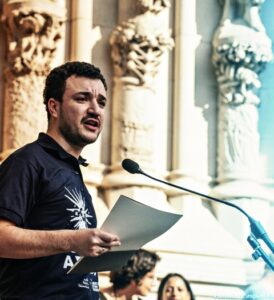
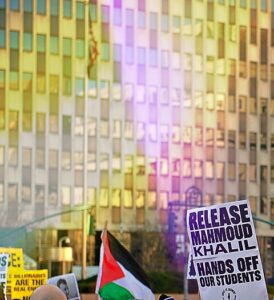
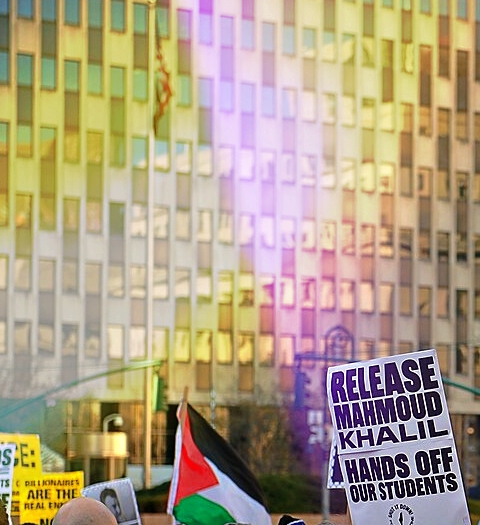
Khalil v Trump
Mahmood Khalil, a recent Columbia University graduate and legal permanent resident has sued senior Trump administration officials and private anti-Palestinian groups for conspiring to target, detain, and attempt to deport him because of his identity and his advocacy for Palestinian rights. He is represented by the Center for Constitutional Rights and the law firm of Beldock, Levine and Hoffman.
The lawsuit argues that government officials and private actors, including the Heritage Foundation, Betar and Canary Mission violated the Ku Klux Klan Act of 1871 and the US Constitution when they coordinated to suppress political speech and support of Palestinian rights through the weaponization of immigration enforcement and baseless, pretrial accusations of terrorism and antisemitism.
Mahmoud‘s arrest, detention, and attempted deportation were part of a broader strategy to criminalized solidarity, chill speech and make an example of those who speak out against the subjugation of Palestinians. This case is about more than one person or one freedom movement. Is about whether government power can be weaponized by private actors to target human rights defenders and strip people of their constitutional rights.
Guest – New York attorney Adina Marx-Arpadi is a justice fellow at the Center for Constitutional Rights ( CCR). She graduated.CUNY law school and worked at Bronx Defenders.
—————————–
Civil Liberties, Civil Rights, Freedom Of Speech, Human Rights
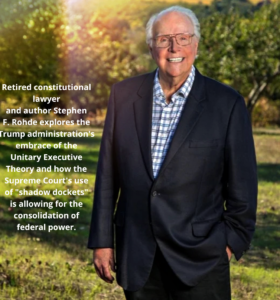
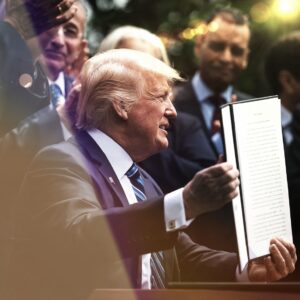
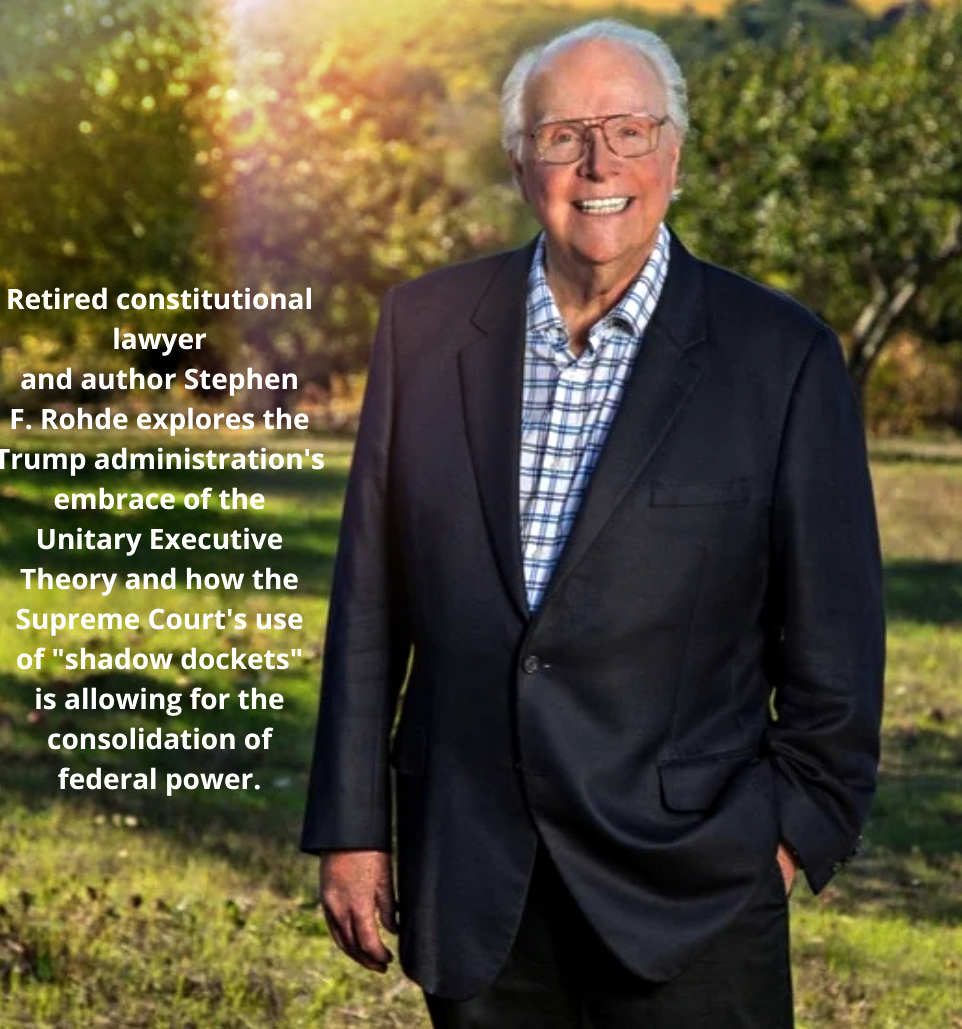
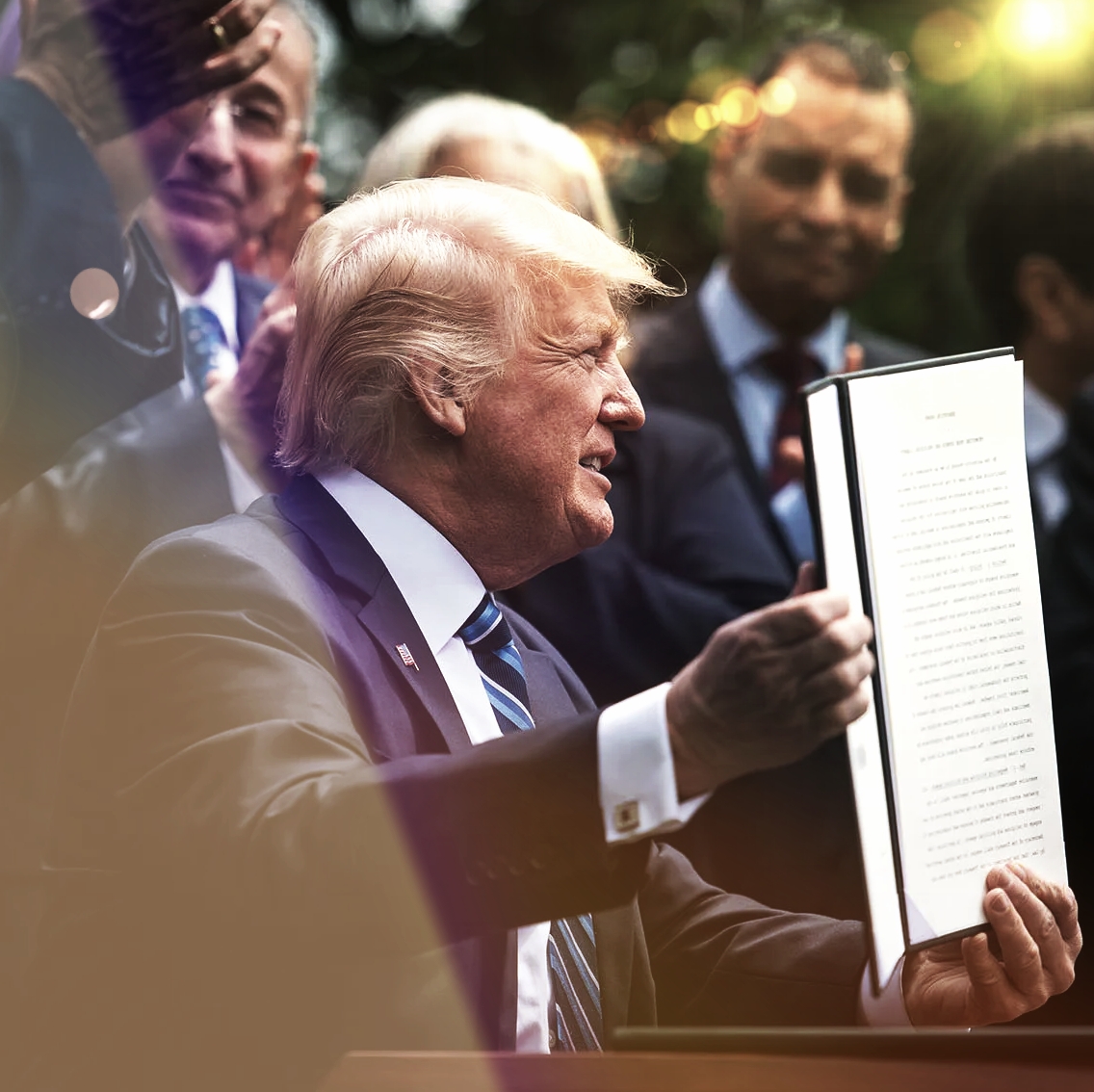
Challenges To The Trump Administration’s Executive Orders
The legal system is straining as it tries to hold the Trump administration accountable for its unprecedented assault on our constitutional rights. Close to a thousand lawsuits have been filed challenging Trump’s Executive Orders and their implementation, plus more than ten thousand separate habeas corpus petitions filed by people targeted by Trump’s immigration crackdown.
We take a deeper look at some of these legal and political developments. We’re joined by our very own co-host Steve Rohde, who practiced constitutional law for almost 50 years. He is a former Chair of the ACLU Foundation of Southern California, the author or two books and numerous articles on the courts and the law.
Guest – Stephen Rohde is a journalist, lecturer and political activist. For almost 50 years, he practiced civil rights, civil liberties, and intellectual property law and has won significant First Amendment victories in state and federal appellate courts.Steve is past chair of the ACLU Foundation of Southern California and Chair Emeritus of Bend the Arc, a Jewish Partnership for Justice. He is a founder and current chair of Interfaith Communities United for Justice and Peace; and a member of the Board of Directors of Death Penalty Focus. He is the Special Advisor on Free Speech and the First Amendment for the Muslim Public Affairs Council.Steve is the author of the books American Words of Freedom: The Words That Define Our Nation and Freedom of Assembly and numerous articles and book reviews on civil liberties and constitutional history. He is co-author of Foundations of Freedom published by the Constitutional Rights Foundation. Steve is also the host of Speaking Freely: A First Amendment Podcast exploring the most important Supreme Court cases in the area of free speech and free press.
—-
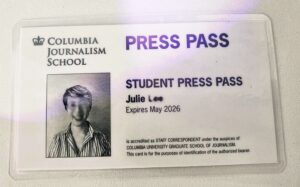
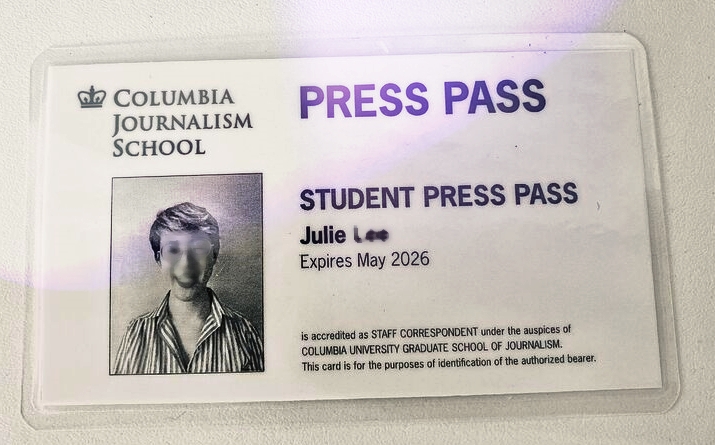
Student Journalism Supported By Law Center
Student journalism is one of the most vital—and often overlooked—front lines in the fight for a free press. Across the country, student reporters expose such topics as sexual misconduct, financial mismanagement, and government secrecy. Yet without the institutional legal backing enjoyed by newsrooms, they frequently face censorship, retaliation, and lawsuit threats from administrators and public officials.
For more than fifty years, the Student Press Law Center has stood as the nation’s leading legal advocate for student journalists. Founded in 1974, the nonprofit offers free legal help via a nationwide hotline, advises on First Amendment issues—from libel to public records access—and spearheads the “New Voices” movement for state-level legal protections.
Guest – SPLC staff attorney Jonathan Gaston-Falk. A former student journalist himself at York High School in Virginia, Jonathan joined the center in March 2022 after a five-year tenure leading the Education Law Unit at the Legal Aid Society of Rochester, New York. There, he advocated for student free speech rights before school boards and the state Commissioner of Education.
———————–