Podcast: Play in new window | Download
Support Law and Disorder here. We very much appreciate the support so far!
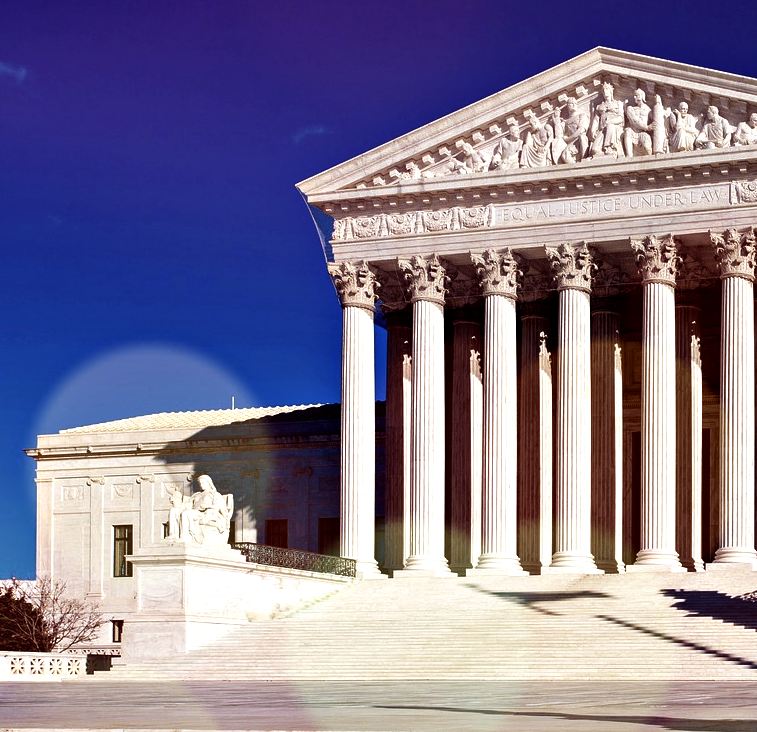

Reviewing Key SCOTUS and Lower Court Cases
Last month co-host Stephen Rohde reviewed the conservative legal doctrine known as the Unitary Executive Theory as the US Supreme Court ended its term further entrenching the reactionary Republican agenda. As legal battles mount across every tier of the judiciary, basic constitutional rights continue to be tested in the courtroom. We’ll highlight key cases that impact immigration, voting rights, freedom of speech and freedom of press.
Guest – Stephen Rohde is the author of two books and numerous articles and book reviews on constitutional law and history. He is the former president of the ACLU Foundation of Southern California and is a special Advisor on Free Speech and the First Amendment for the Muslim Public Affairs Council. He is host of the new podcast Speaking Freely produced by MS Studios and is available on Spotify and I Heart radio and other streaming platforms. Steve Rohde is also, of course, one of the co-hosts here on the Law and Disorder radio show.
—-
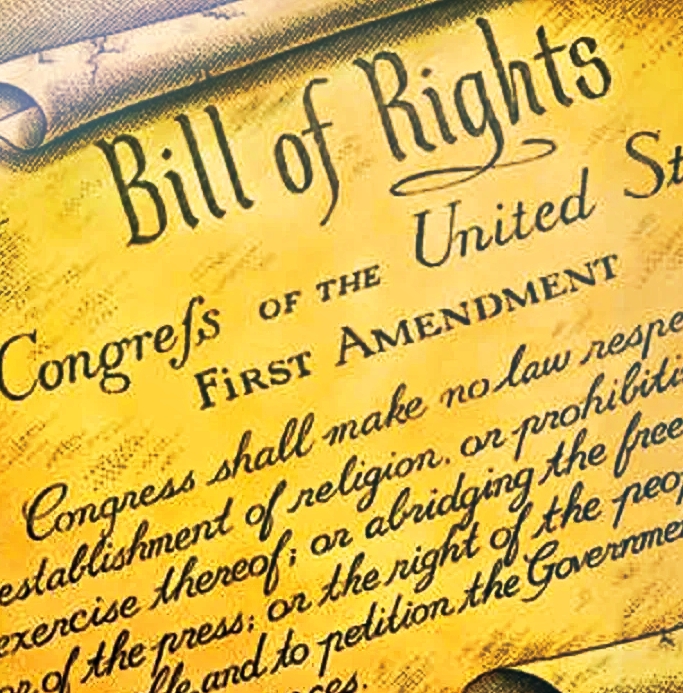
Defending Attacks Against First Amendment Rights
We are living through one of the most dangerous government attacks on freedom of speech and freedom of the press in American history. Trump has issued more than forty executive orders, fact sheets, and presidential memorandum, along with scores of enforcement actions dutifully issued by the obedient federal officials he has appointed, that abridge the First Amendment rights of millions of Americans and foreign visitors.
Here’s a sampling of what Trump has done: He has retaliated against law firms for their advocacy and representation of specific clients; terminated billions of dollars in federal funding to universities in an effort to alter their ideological cultures and control their core academic operations; conditioned federal research and other funding on the agreement not to practice or promote “diversity, equity, and inclusion” or “gender ideology” and to teach only “patriotic” curricula in K-12 schools; arrested, detained, and subjected to deportation international students and foreign scholars based on their viewpoints and political activism, and revoking the visas of foreign nationals based on political expression; retaliated against the press by excluding specific media outlets from White House events based on their viewpoints and reporting; threatened to revoke broadcast licenses based on networks’ editorial decisions; restricted reporters’ access to unclassified defense-related information held by the Pentagon; sued newspapers and publishers for defamation, consumer fraud, and “election interference”; scrubbed historical, scientific, and other data from federal agency websites; ordered the removal of “anti-American” displays in national museums;
Interview referenced on Medialite
Guest – Floyd Abrams, one of the most prominent First Amendment lawyers in America.

————————