
Podcast: Play in new window | Download
Understanding Trump Era Capitalism
Just prior to the 2024 presidential election, we interviewed seven leading socialist thinkers and activists on whether, and if so to what degree, they were fearful that if Trump was elected to a second term America’s already weakened democracy would be further weaken and if so, to that extent. And did they think Trump was essentially a would-be fascistic, authoritarian president. Our guests in the past number of weeks were Chris Hedges, Dianne Feeley, Henry Giroux, Bill Mullen, Margaret Kimberley, Kshama Sawant and Richard Wolff. All of them felt Trump and the Project 2025 proposals he was promoting suggested he would, if elected, demonstrate fascistic and authoritarian desires, and act accordingly.
After the election, OR Books published the book, From the Flag to the Cross: Fascism American Style, which provided, in essay form, the contents of the interviews of those seven guests. Today, we interview one of those guests, Richard Wolff on to what extent his fears about Trump’s politics and manner of rule has come to pass and if so, in what ways and to ask him the best ways to fight back against the actions and policies of the Trump Administration.
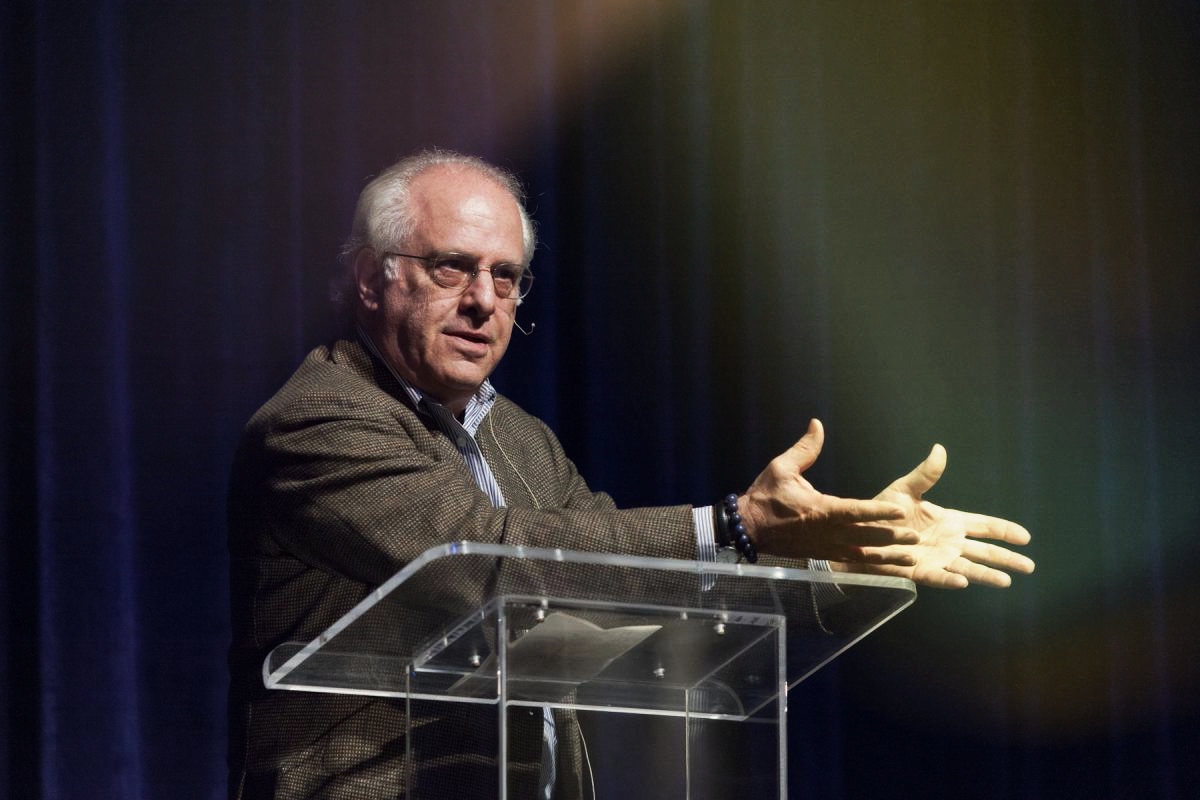
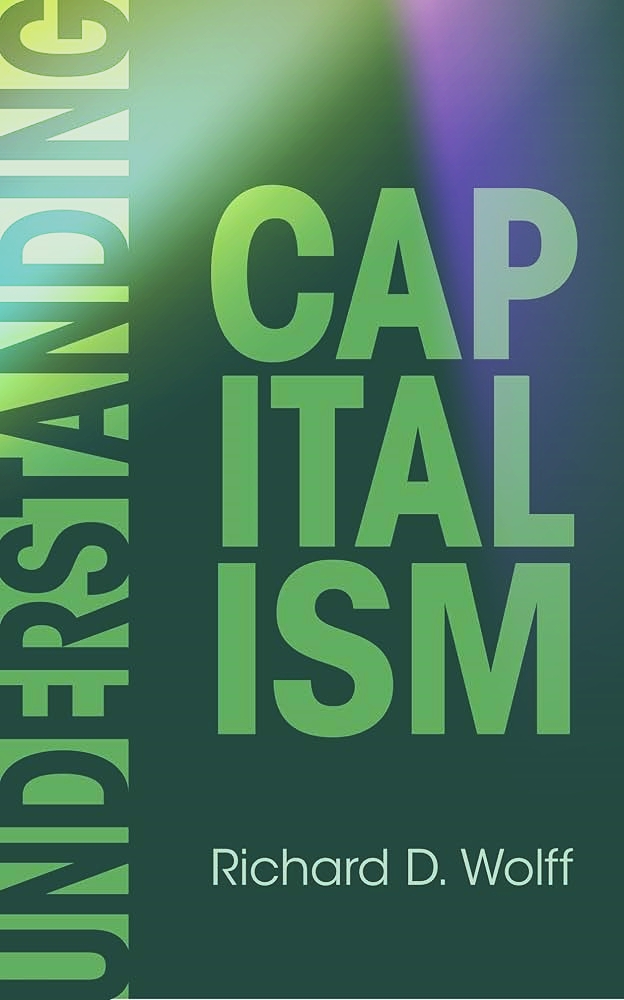
Guest – Richard Wolff is Professor Emeritus from the University of Massachusetts, and the author of Understanding Capitalism. According to New York Times, Richard Wolff is, probably America’s most prominent Marxist economist. He is the founder of Democracy at Work and host of their national syndicated show Economic Update. Professor Wolff has authorized numerous books on capitalism and socialism, including most recently The Sickness is the System: When Capitalism Fails to Save Us From Pandemics or Itself, Understanding Socialism; and Understanding Marxism, which can be found at democracyatwork.info.
—-
I Did It for My Country: Sirhan Sirhan, Palestine, and the Assassination of Robert F. Kennedy
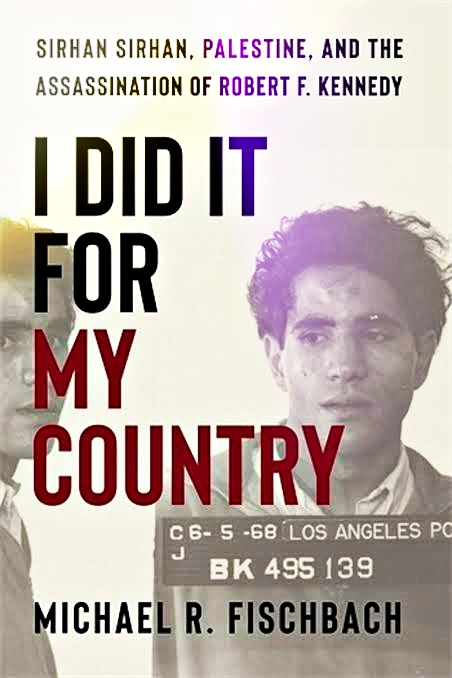
Historian Michael Fischbach’s new book I Did It For My Country is on the 1968 assassination of Robert Kennedy by Sirhan Sirhan. He was a Palestinian refugee who shot RFK in the head at a Los Angeles hotel the night Kennedy won the California presidential primary.
Sirhan and his family were driven out of their native country of Palestine by Zionist settlers in 1948. History Professor Michael Fishbach’s book is a unique contribution to our understanding of the unfolding of the tragedy of relatively recent American history. It is unique because of the many books written on the assassination Professor Fischbach’s book is the only one that puts it in the context of the Palestinian catastrophe. In 1948, 750,000 Palestinians were driven from their native land. More than 500 villages were plowed over to establish Israel on the false Zionist slogan that they were “making a country for a people without a land on a land without a people.“
When Robert Kennedy was murdered the night he won to California primary he was destined to become the next United States president. Had he become president modern American history would’ve turned out differently. Robert Kennedy‘s brother John F. Kennedy had been assassinated by elements within the CIA five years before. It Is the consensus of knowledgeable people that JFK was killed because he was trying to pursue peace in Vietnam, Cuba, and especially with Russia.
JFK signed a national security Memorandum in 1963 stating his intention to withdraw all American troops from Vietnam. Instead Lyndon Johnson who succeeded Kennedy escalated the war in Vietnam, which killed 3 million Vietnamese and 53,000 American soldiers before United States was forced out in 1975. Historically “blowback” is understood as the unintended consequences of a foreign policy action. Robert Kennedy’s murder was a blowback phenomenon. In this case, it was America’s unwavering support from 1948 on to establishment of Israel. When Sirhan killed Kennedy yelled out “I did it for my country.” The centrality of American military , diplomatic, and economic support of Israel was never brought to the fore.
Guest – Michael R. Fischbach is professor of history at Randolph-Macon College. His books include The Movement and the Middle East: How the Arab-Israeli Conflict Divided the American Left.

————–