Podcast: Play in new window | Download
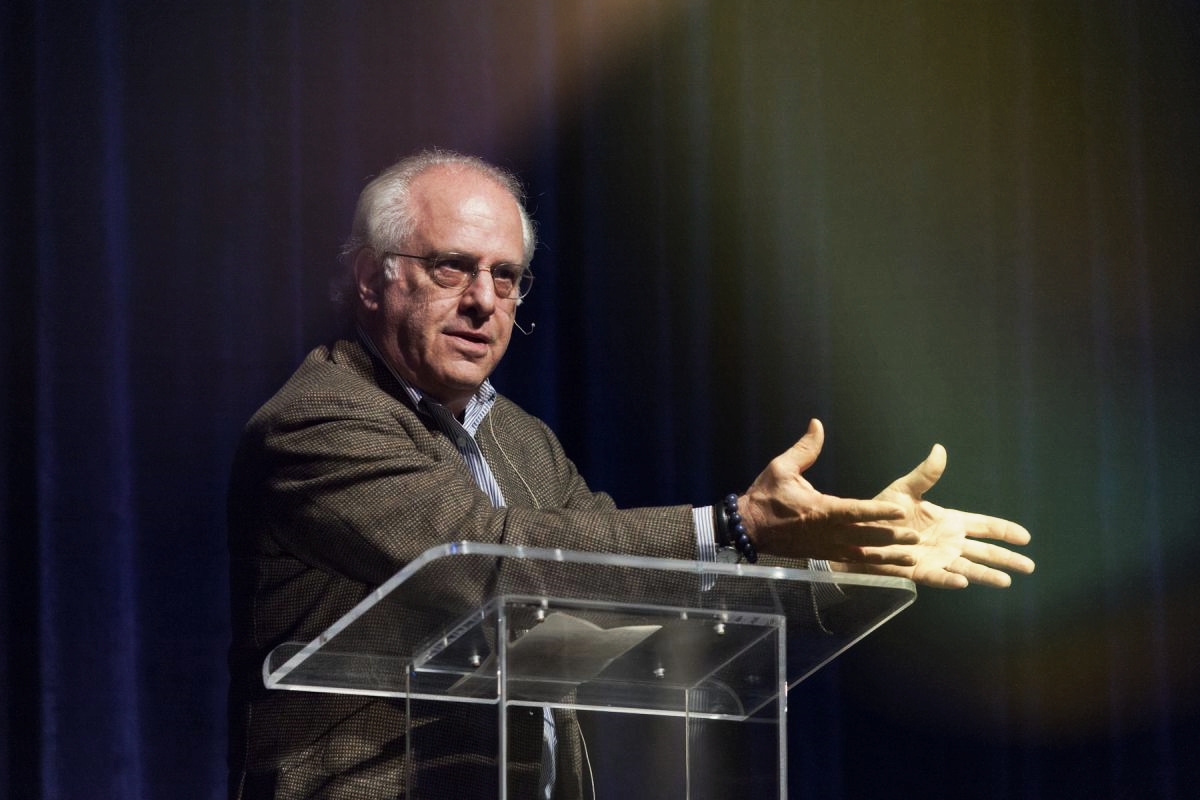
An Economic State Of The Union: Professor Richard Wolff
President Donald Trump did not deliver the traditional State Of The Union address to the American people and Congress last week. Instead, for nearly two hours, he hosted what amounted to a MAGA campaign rally. Trump’s approval rating is under 40% and sinking. The two uppermost concerns of the American people are their increasing economic difficulties and their opposition to ICE and its reign of terror in major American cities like Minneapolis, Chicago, and Los Angeles. He put both forward as huge successes.
Trump has secured a budget of billions of dollars to fund ICE, which has more money going forward than is in the combined budgets of all the state and local police departments in the United States. In addition, the Department of Homeland Security is either building, or leasing, space for huge detention centers across the country. Trump has issued National Security Presidential Memorandum Number 7 (NSPM7) which targets critical thinkers. NSPM7 was then supplemented by a list of laws by Attorney General Pam Bondi, which she indicates will be used against these disobedient critical thinkers and activists.
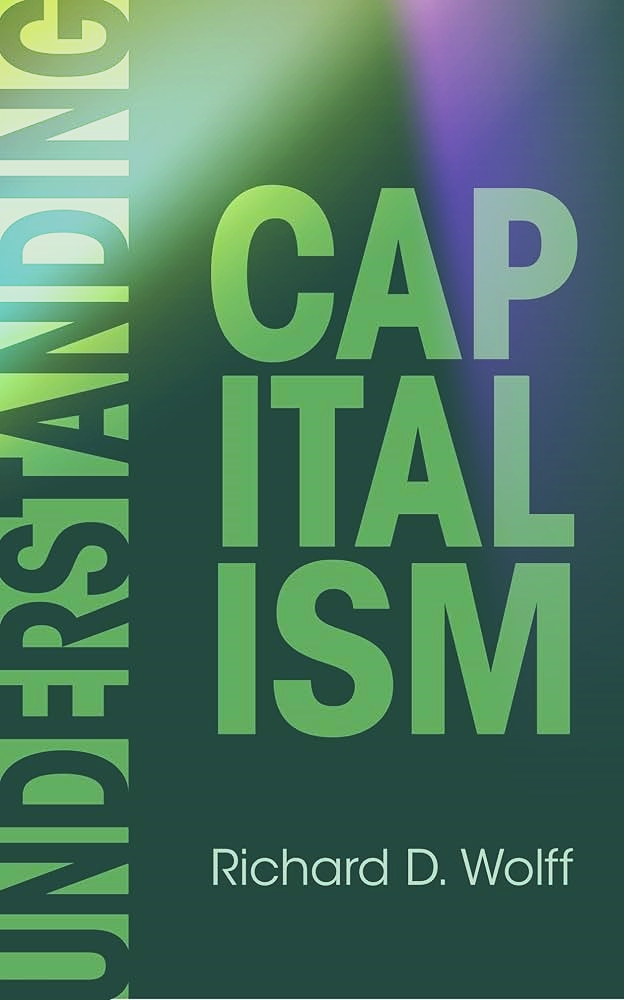
Guest – Richard Wolff is Professor Emeritus from the University of Massachusetts, and the author of Understanding Capitalism. According to New York Times, Richard Wolff is, probably America’s most prominent Marxist economist. He is the founder of Democracy at Work and host of their national syndicated show Economic Update. Professor Wolff has authorized numerous books on capitalism and socialism, including most recently “The Sickness is the System: When Capitalism Fails to Save Us From Pandemics or Itself“, “Understanding Socialism“; and “Understanding Marxism”, which can be found at democracyatwork.info.
—-
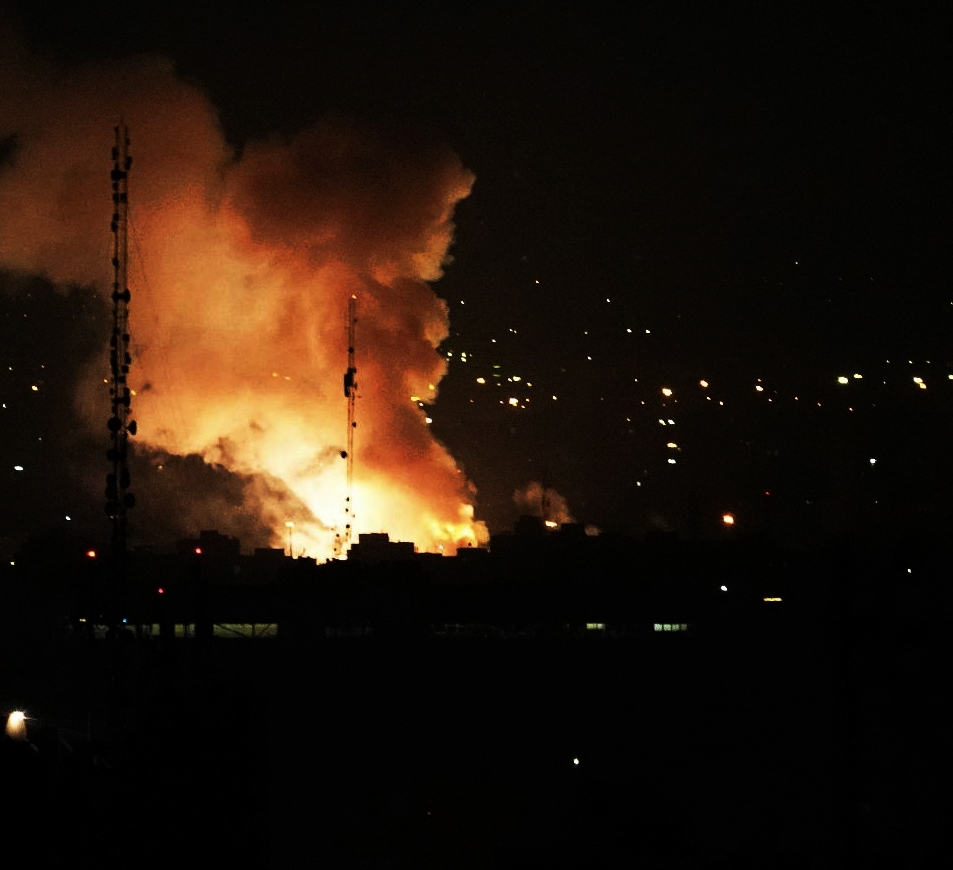
US-Israeli Attacks Against Iran, IEEPA Tariffs And Cuban Fuel Blockades
More than 1,000 Iranians — primarily civilians, including 180 students at a girls’ elementary school in Minab — have been killed in the U.S.-Israeli war of aggression against Iran, that was launched February 28 by President Donald Trump and his accomplice, accused war criminal Israeli Prime Minister Benjamin Netanyahu. This aggression has destabilized the region and triggered Iran’s legitimate exercise of self-defense.
Trump claimed he attacked Iran to prevent it from developing nuclear weapons. But U.S. intelligence has found that Iran is not acquiring nuclear weapons. Before the February 28 U.S.-Israeli attack, the country of Oman had been brokering negotiations over Iran’s nuclear program. The U.S. and Israel insisted that Iran stop enriching uranium, limit its ballistic missile program, and end support for its “proxies” Hezbollah and the Houthis.
On February 27, Oman’s foreign minister said on CBS News that the negotiations had made significant progress, and a nuclear agreement was “within our reach.” Nevertheless, Trump maintained that diplomacy had been exhausted. The U.S. and Israel began bombing Iran the next day.
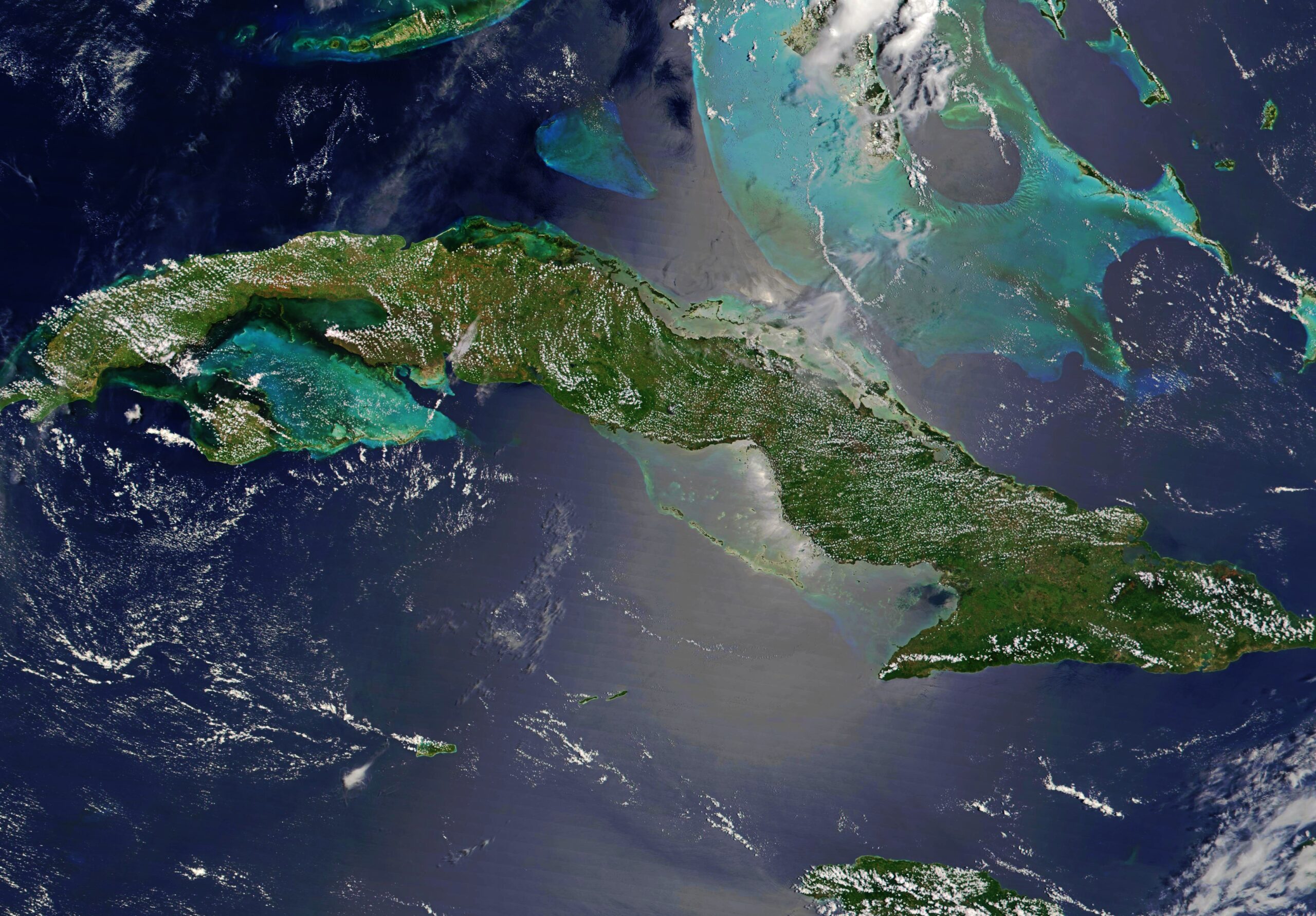
One month before the U.S. and Israel attacked Iran, Trump issued an executive order aimed at tightening the U.S. noose around Cuba’s neck. Trump’s January 29 order preposterously declared Cuba “an unusual and extraordinary threat,” without providing a shred of evidence. He warned that he would impose punitive tariffs on states that deliver fuel to Cuba. Trump’s intention is to suffocate the Cuban people, who rely on oil for 80 percent of their electricity.
On February 20, however, the Supreme Court struck down Trump’s massive tariffs because they exceeded authority delegated by Congress under the International Emergency Economic Powers Act. The IEEPA authorizes the president to regulate commerce during national emergencies created by foreign threats. Later that day, in response to the court’s decision, Trump issued an executive order ending IEEPA-based tariffs, including those that would penalize countries that ship oil to Cuba. That order stops the collection of all IEEPA tariffs, including those threatened in his January 29 Cuba emergency order.
Trump’s attempt to tighten the fuel blockade of Cuba came on the heels of the U.S. oil blockade of Venezuela, which had supplied more than 50 percent of Cuba’s oil. Countries that provided Cuba with oil, particularly Mexico, halted their shipments after January 29. Oil shipments to Cuba have virtually stopped. The lack of electricity has led to widespread blackouts, impacting hospitals and essential services. Cuba’s oil reserves could be totally depleted by March.
Guest – Marjorie Cohn, a former host on Law and Disorder is professor emerita at Thomas Jefferson School of Law, dean of the People’s Academy of International Law, and past president of the National Lawyers Guild. She sits on the national advisory board of Veterans For Peace, she is a member of the bureau of the International Association of Democratic Lawyers, and serves as the U.S. representative to the continental advisory council of the Association of American Jurists. Her books include Drones and Targeted Killing: Legal, Moral, and Geopolitical Issues. She writes a regular column for Truthout, including two recent ones about Cuba and Iran.

——————