Podcast: Play in new window | Download
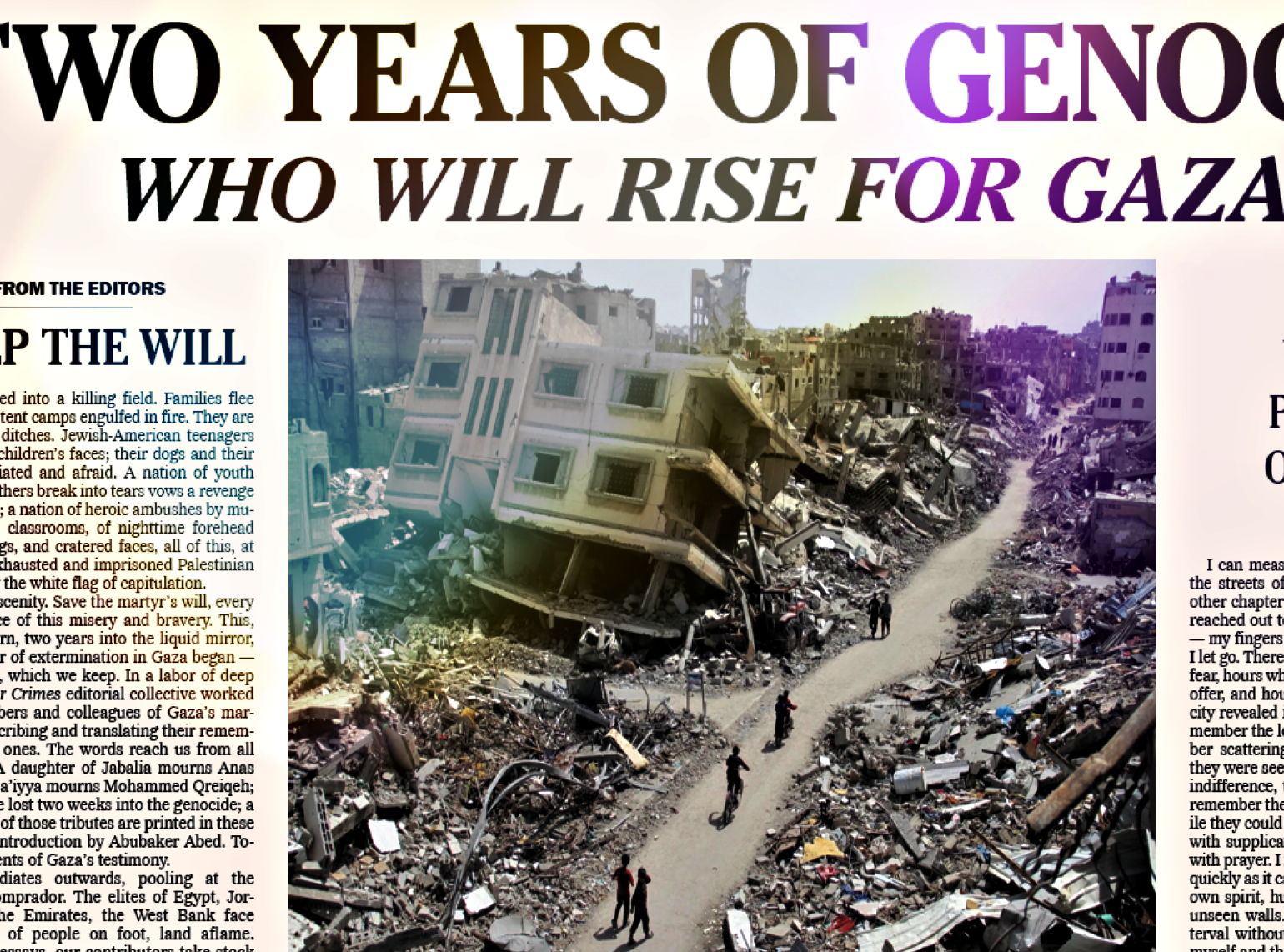
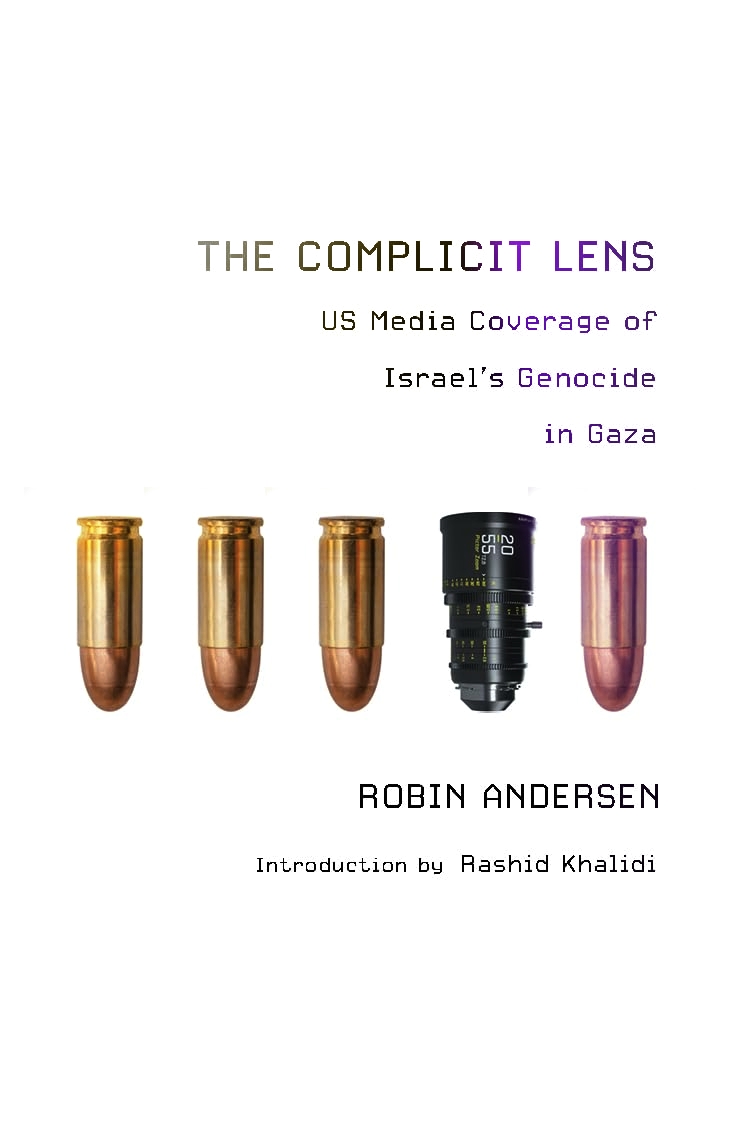
The Complicit Lens: US Media Coverage of Israel’s Genocide in Gaza
For more than two years, the world has witnessed not only a devastating war in Gaza, but also a fierce battle over how that war has been covered in the media. We’ve seen headlines repeated before facts were verified. We’ve seen civilian deaths described in passive language that obscures responsibility. We’ve watched journalists, students, doctors, and even U.N. officials dismissed or marginalized when their accounts challenged official narratives – sometimes costing their lives.
All the while, independent reporting and social media footage taken by individuals on the ground show a different reality than the Israeli and US government narratives that dominate corporate media coverage. So what happens when the press stops acting as a watchdog and instead becomes an amplifier for state power? How can the public make informed moral decisions when reporting is shaped by concentrated political and corporate interests? And what obligations do journalists have when governments are pushing narratives in times of war?
Guest – Robin Andersen is a professor, media critic, and longtime scholar of war propaganda and political communication. Her new book, The Complicit Lens: US Media Coverage of Israel’s Genocide in Gaza, examines how major U.S. media institutions covered the war after October 7th, 2023 and how corporate journalism helped manufacture public consent for catastrophic violence while, at the same time, narrowing the scope of speech and debate.
—-
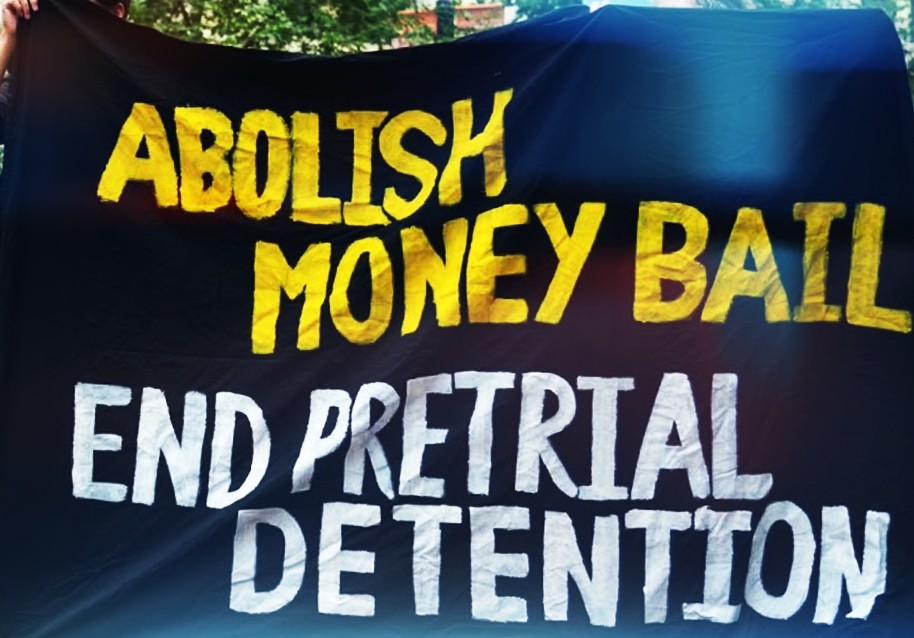
The Future Of Cash Bail Reform
The principle of “innocent until proven guilty” has stood at the center of the criminal legal system in the United States for centuries. But in the real world, enjoying freedom before a trial has often depended less on guilt or innocence — and more on money. According to the Prison Policy Initiatives, among other sources, at least 400,000 people are in jail awaiting trial. In other words, they are legally innocent and have not been convicted of a crime, but remain behind bars. Many are there because they cannot afford to pay bail.
Supporters of the cash bail system claim it ensures people return to court for their trial, and therefore protects public safety. Critics, including our next guest, point to the unfairness of cash bail: it punishes poverty, pressures people into guilty pleas, tears apart families, and deepens racial and economic inequality. Out of this evolving debate, the bail reform movement was born. And on April 30, 2026, the California Supreme Court gave the bail reform movement the fortification it needed.
In the closely watched case In re Kowalczyk, the California Supreme Court unanimously affirmed constitutional limits on pretrial detention and expanded on earlier rulings that challenged wealth-based incarceration. The decision is already being viewed as one of the most significant state court rulings on bail and pretrial liberty in recent years — with possible implications far beyond California.
Guest – Carson White is a supervising attorney at Civil Rights Corps, where she raises systemic challenges to the criminalization of poverty. She currently leads CRC’s California Writ Project, which trains public defenders statewide and has litigated hundreds of pretrial habeas petitions raising the issues ultimately decided by In re Kowalczyk. Carson is a graduate of Stanford Law School and the University of Texas at Austin.

——————–