Podcast: Play in new window | Download
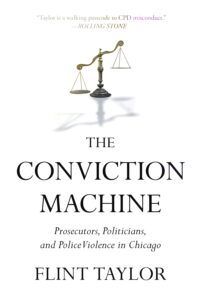
The Conviction Machine: Prosecutors, Politicians and Police Violence in Chicago
The comedian Lenny Bruce used to joke that Chicago was so corrupt. It was thrilling. He had no idea. Bruce was referring to run of the mill bribery of a traffic cop or a police officer taking your floor mats in lieu of a ticket or a pay off from a local bar owner. The corruption in Chicago ran much deeper. It went from the prosecutors who were actually in the police station, listening to the screams of men being tortured, before they went and took a signed confession from them.
It was the commander of a whole section of police who learned how to torture people from a tour of duty in Vietnam. He brought back an electric machine that they had actually used in Vietnam Vietnamese. This machine was used on Black people in Chicago. Three hundred people were convicted on the basis of tortured confessions. The corruption ran all the way up to the mayor’s office. Mayor Richard J Daily knew about it and said nothing.
It was only the work of a few attorneys like Flint Taylor and the community, the Black Panther party, and activists and progressive politicians who exposed it. Their victory included reparations, The torture of people in police stations on the west side and southside of Chicago is now taught to eighth grade and 10th graders in the public schools.
“In the halls of justice the only justice is in the halls“ said H. Rap Brown, the leader of the Student Nonviolent Coordinating Committee (SNCC)
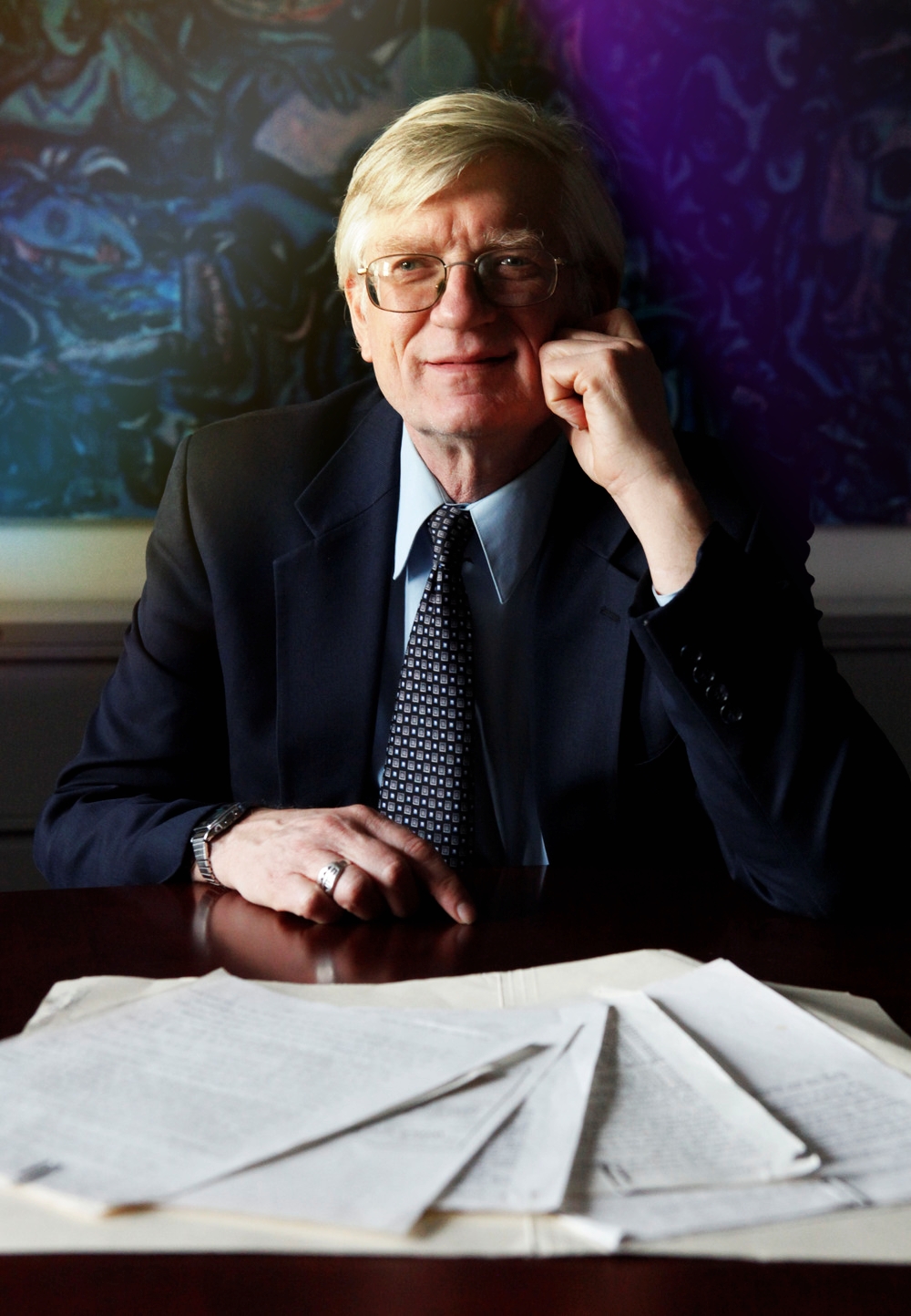
Guest – Flint Taylor, a founding member of Chicago’s Peoples Law Office. He represented the families of slain Black Panther leaders Fred Hampton and Mark Clark. He continues to represent many survivors of police torture and wrongful convictions. Attorney Taylor is co-counsel in the Malcolm X assassination case and is the award-winning author of the historical memoir “The Torture Machine“. Flint’s book is a captivating account of the most corrupt and blood soaked chapter In Chicago law-enforcement history.
—-
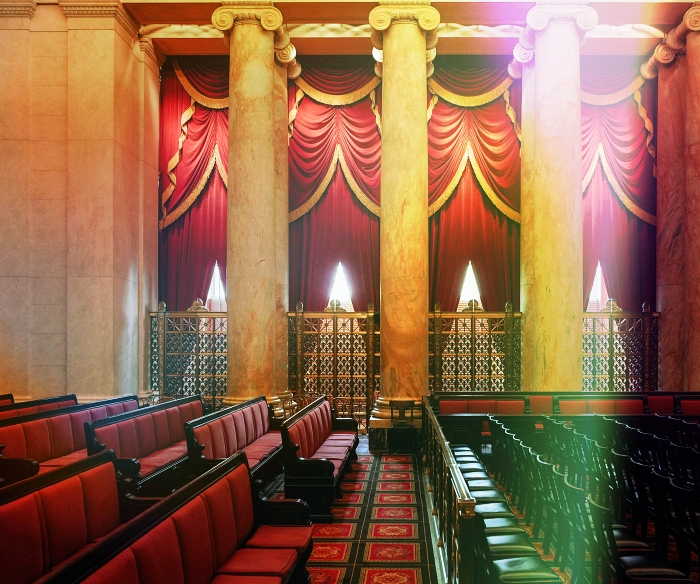
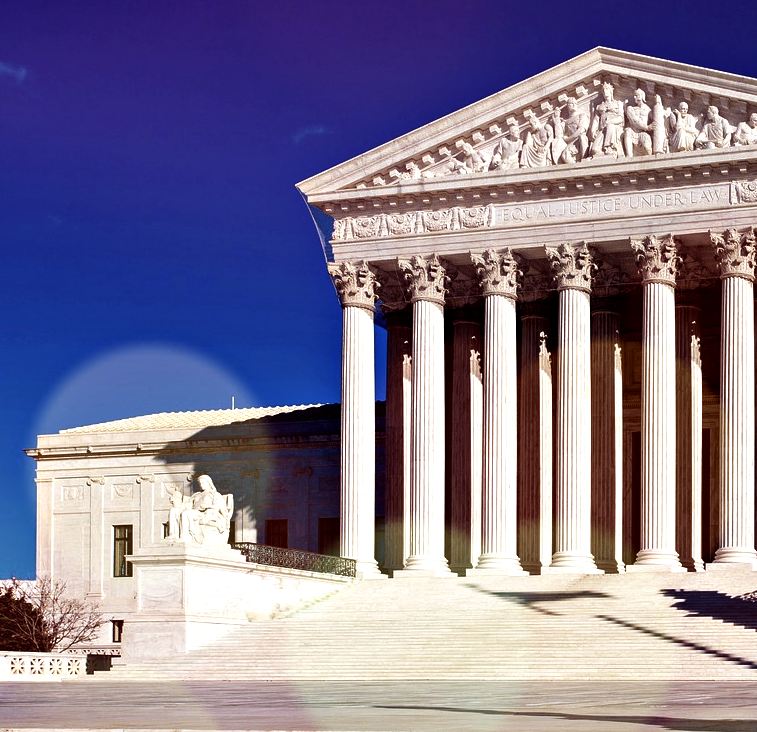
U.S. Supreme Court Decisions Resetting Precedent Part 2
Back we go to review of more cases from the recent term of the U.S. Supreme Court. We start with the birthright citizen case. Then we take up cases dealing with immigration and executive power, as well as other major cases. We also look at what many have described as corruption among the Justices.
Guest – Ellen Yaroshefsky is the Howard Lichtenstein Distinguished Professor of Legal Ethics, Maurice A. Deane School of Law, at Hofstra University. She is a leading educator and expert in ethics law and serves as an expert witness and advisor to lawyers and law firms. Prof. Yaroshefsky is a former Commissioner on the New York State Joint Commission on Public Ethics. She has previously worked at the Center for Constitutional Rights and has been in private practice. And Prof. Yaroshefsky has received numerous awards, including the New York State Bar Association’s honor for Outstanding Contribution in Criminal Law Education.

—————