Podcast: Play in new window | Download
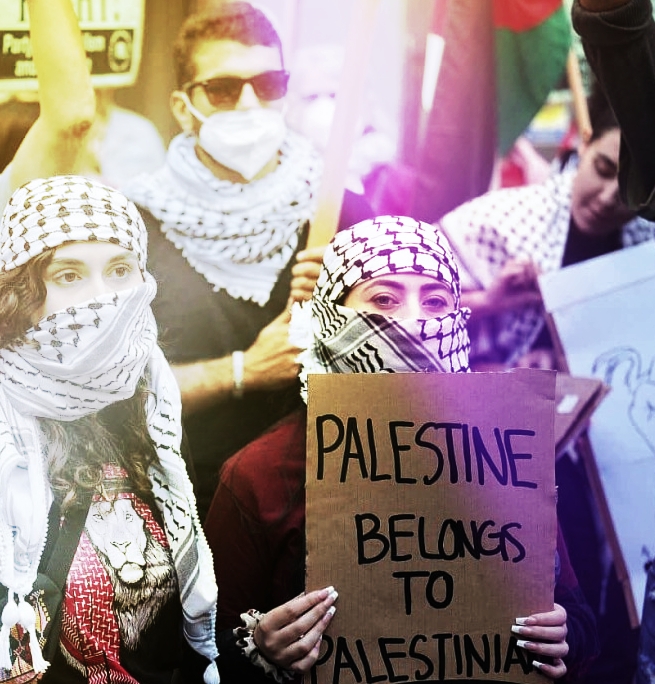
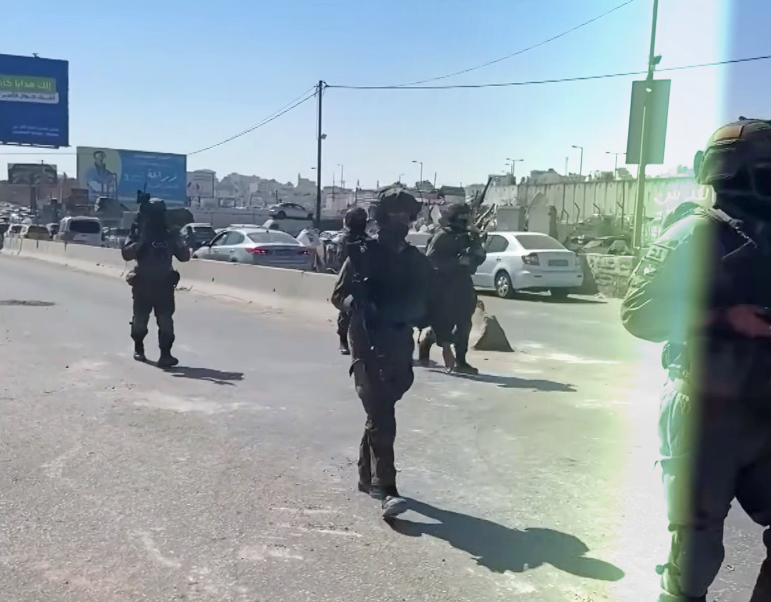
The FACE Act Cited As Religious Protection Against Protesters Of Israeli Land Sale In Palestine
Passed in 1994 in response to violent and obstructive protests at reproductive-health clinics, the federal FACE Act (Freedom of Access to Clinic Entrances Act) also protects people exercising their First Amendment right to religious freedom at places of worship. The law has now become the latest battleground over protest and free speech.
The Party for Socialism and Liberation New Jersey, or PSL-NJ, published a social media post calling for a public protest against a real estate event involving the sale of property in an Israeli settlement in the occupied West Bank. The Trump Administration’s Justice Department responded by filing a federal lawsuit under the FACE Act, arguing that the protest violated the law’s protections for religious worship. Their argument was an unusual one.
Guest – Attorney Mara Verheyden-Hilliard, Executive Director of the Partnership for Civil Justice Fund and the Center for Protest Law and Litigation in Washington DC. In addition to serving as counsel for PSL-NJ in this case, Mara has spent decades defending protesters and political movements against government surveillance, repression and unconstitutional restrictions on speech.
—-
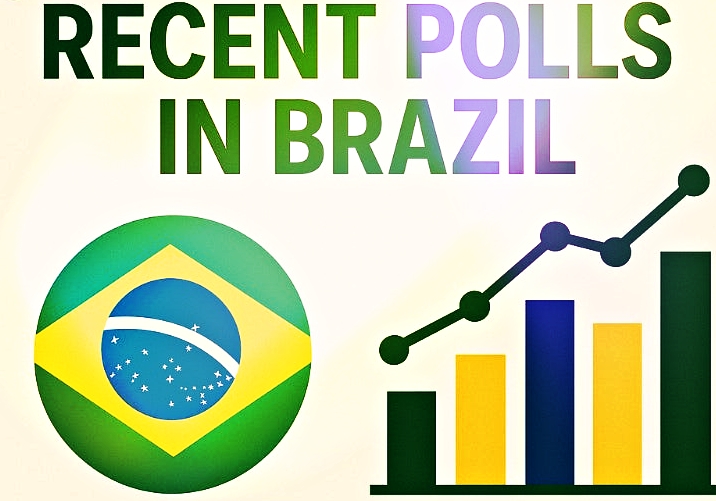
Geopolitical Shift In Balance As Brazil Elections Underway
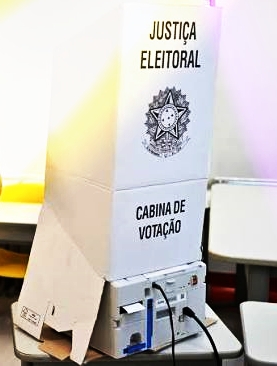
We go south, to Brazil. Following its first-round presidential election on October 4th, incumbent President Luiz Inácio Lula da Silva and challenger Flávio Bolsonaro—son of former president Jair Bolsonaro—are officially heading to a runoff. It is an incredibly tight race, with Bolsonaro securing approximately 47% against Lula’s 45% of the vote.
Against this electoral backdrop, relations between Brazil and the US remain fraught with tension. Remember—they’re the two largest democracies in the Western Hemisphere, so mounting friction with Washington continues to open up key diplomatic and economic opportunities for Brazil with China. What does this runoff and geopolitical shift mean for the future of Latin American democracy, global trade, and Washington’s influence in the region?
Guest – James N. Green, Professor Green is Emeritus Professor of Brazilian History and Culture at Brown University, where he was also director of the Brazil Initiative. He’s spent decades studying Brazil’s political and social transformations—from the military dictatorship years to today’s high-stakes election.

———————