Civil Liberties, Civil Rights
Podcast: Play in new window | Download
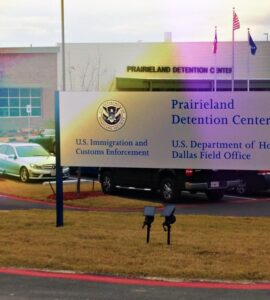
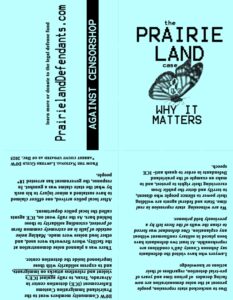
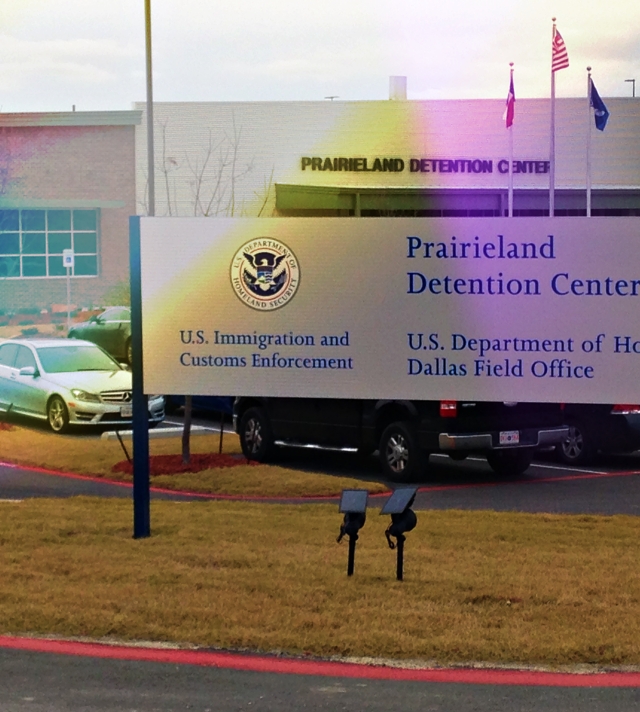
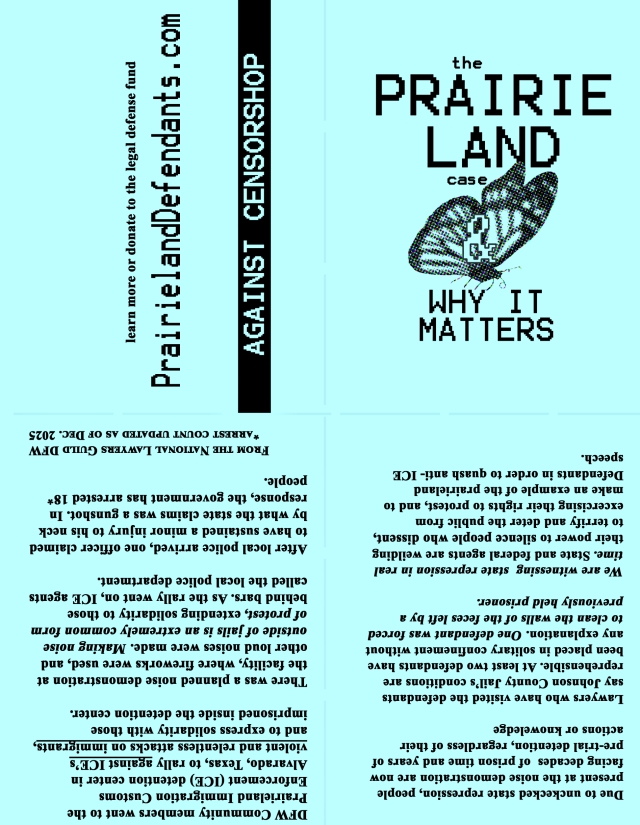
Prairieland Immigration Detention Center Protest Case Update
In a case we’ve been closely following, a federal jury in Texas has delivered a verdict in what may become one of the most consequential protest-related decisions in recent memory. Nine activists connected to a 2025 demonstration outside the Prairieland immigration detention center were convicted on charges ranging from rioting to providing material support for terrorism. At the center of the government’s case was the claim: “antifa” is a coordinated, violent enterprise—one rising to the level of domestic terrorism. Prosecutors leaned on expert testimony and political declarations to argue that common protest tactics—black clothing, encrypted messaging, even reading certain literature—were evidence of a broader criminal conspiracy.
But reporting by investigative journalist Adam Federman, based on FBI records he obtained through a Freedom of Information Act request, tell a very different story. The documents show that, as recently as 2018, the Bureau itself concluded that “Antifa DFW,” or Dallas-Fort Worth posed no threat to national security and warranted no further investigation. But those records were not disclosed at trial—raising serious constitutional questions about withheld evidence and the integrity of the prosecution.
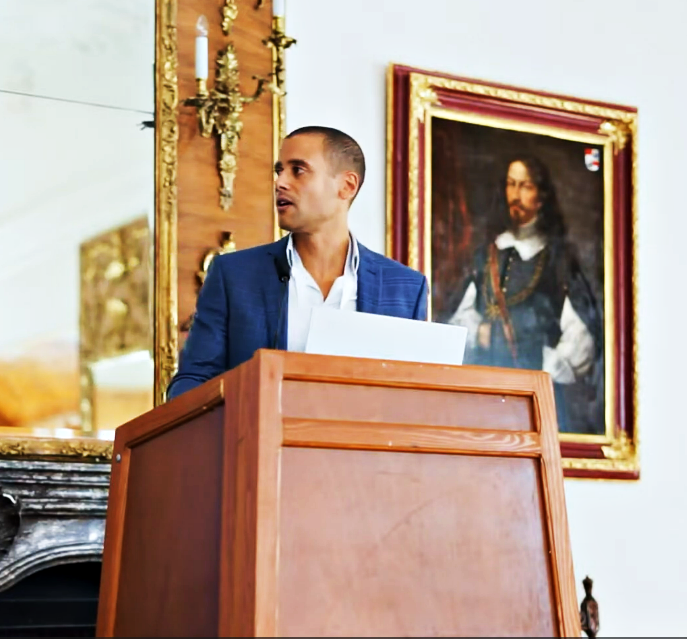
Guest – Xavier de Janon is a criminal defense lawyer and the Mass Defense Director with the National Lawyers Guild where he provides protest defense and support for the right to dissent. Based in North Carolina, Xavier also represents individuals in politically-motivated cases across the South.
—-
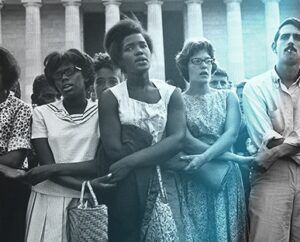

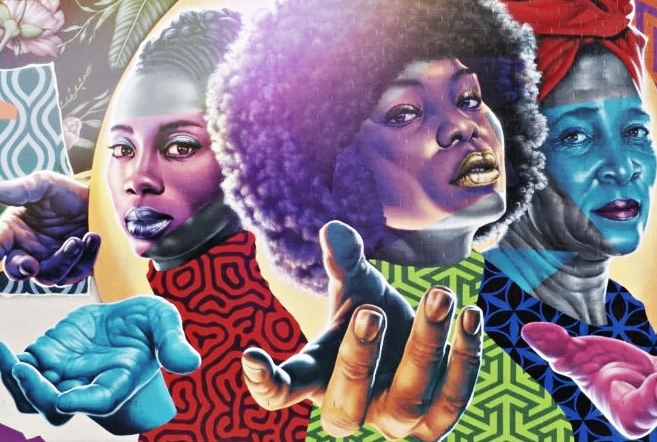
The Trump Administration’s Policy Impacts On Civil Rights And The Black Middle Class
According to the New York Times, within hours of taking office, President Donald Trump immediately began to target the Black community. On his first day, he ordered the dismantling of diversity, equity and inclusion programs and the firing of the predominantly Black employees who staffed them. He branded Black history as unpatriotic and “divisive.” He equated diversity with incompetence and removed high-ranking Black officials in the government. He moved to weaken longstanding civil rights guardrails to restore what he called “merit” and fairness.
By the end of his first year, Trump had slashed the federal work force by nearly 300,000 people. His biggest cuts targeted agencies that had employed a disproportionate number of Black employees, a measure that economists and experts say poses the biggest threat to the Black middle class in modern history. Infamously, Trump recently posted a racist video clip on his social media feed portraying President Barack Obama and Michelle Obama as apes. Trump deleted the video but refused to apologize for it.
Guest – Professor Kim Hester Williams is a Professor of English and Black Studies and Ethnic Studies at Sonoma State University. She is co-editor of the award winning collection, Racial Ecologies, published with the University of Washington Press in 2018. Currently, she serves as co-editor of the journal, Legacy: A Journal of American Women Writers and previously served as guest editor for the special issue of Gothic Nature V: Decolonising the EcoGothic. She also published a co-authored essay, “Familial and Communal Histories as Environmental Care Work,” in the academic journal, Environmental Communication. Additionally, Prof. Kim writes poetry grounded in the eco-feminist, Black Womanist tradition of Poetics. Last year, she published her poem, “I Saw a Butterfly” in Voices Unbound: An Anthology of International Poetry. I recently had the pleasure of interviewing Prof Kim following a screen of the movie Origin, based on the book Caste by Isabell Wilkerson. It was so illuminating that I wanted to continue the conversation.

—————————-
Cuba, Economics, Iran, Violations of U.S. and International Law, War Resister
Podcast: Play in new window | Download
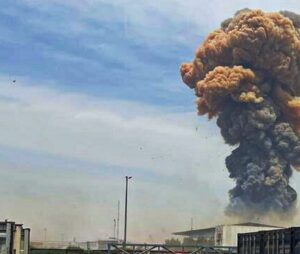
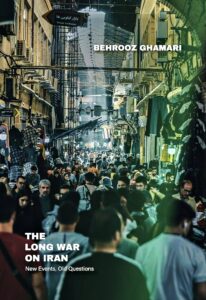
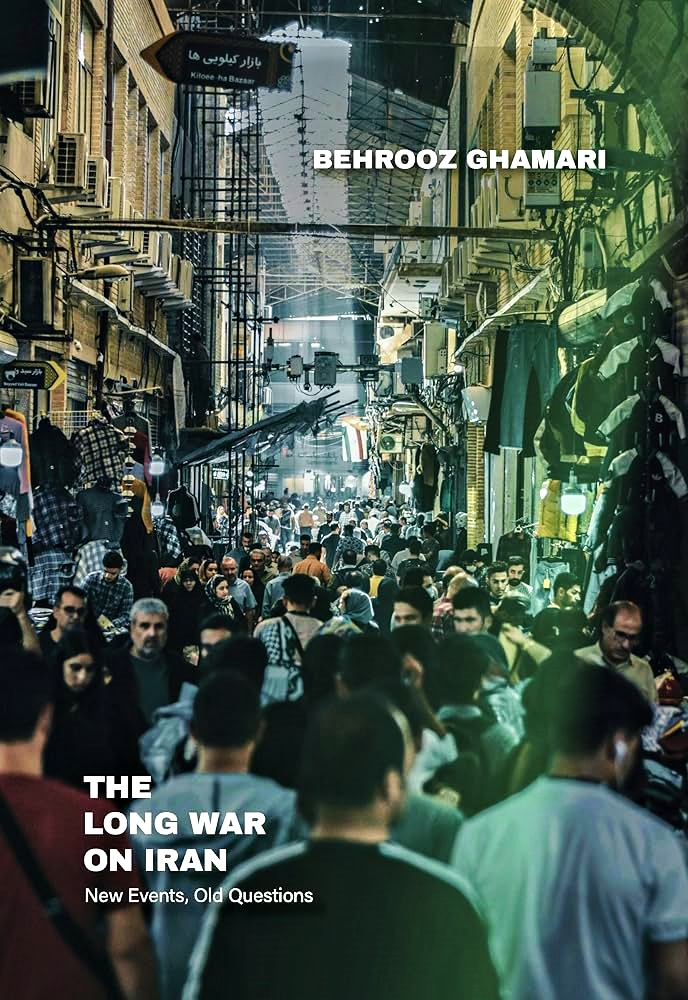
The Long War Against Iran: New Events, Old Questions
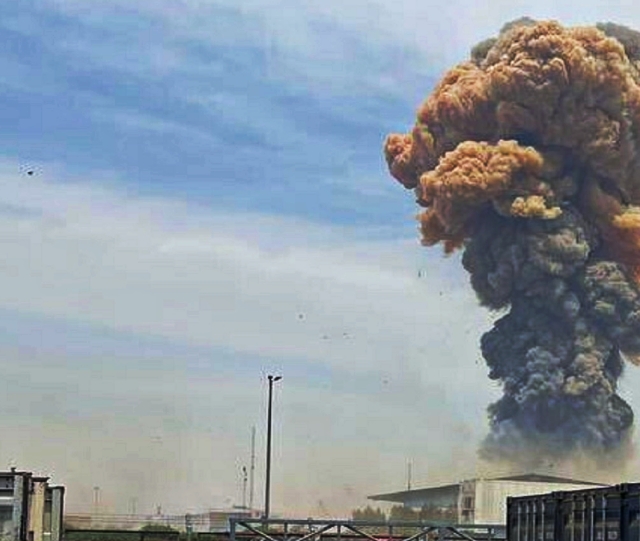
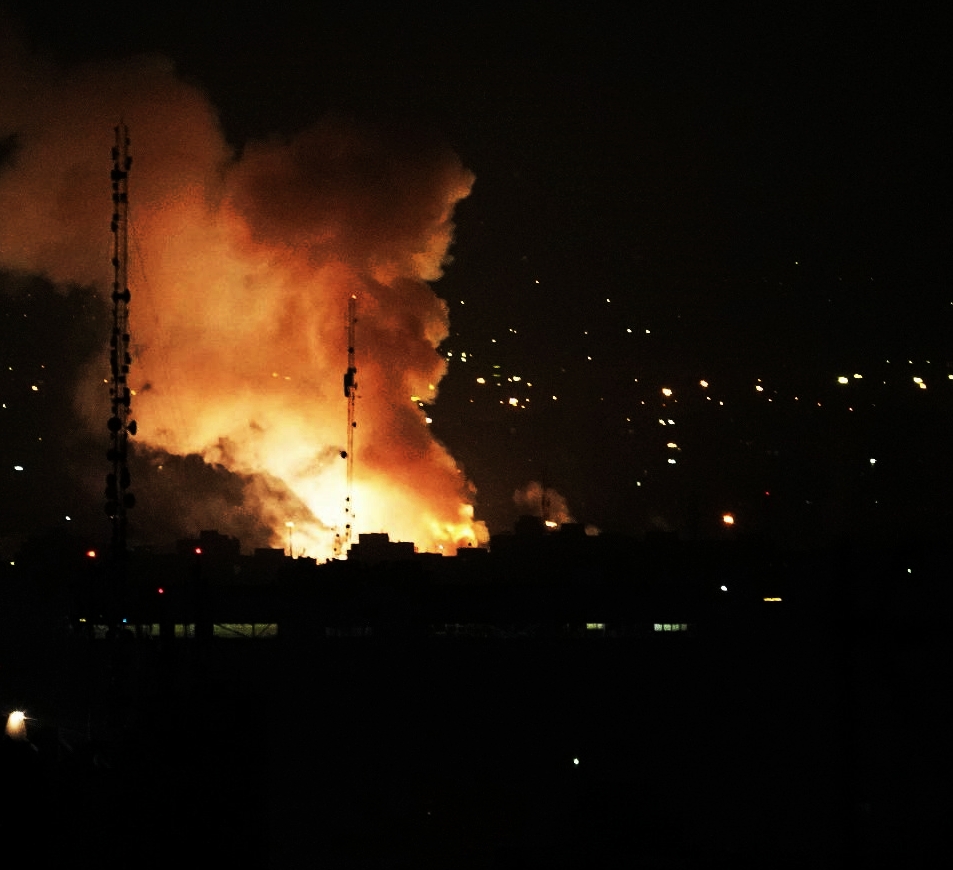
The war the United States and Israel started against Iran has been going on now since the last day of February. It will end Trump says “when I feel it in my bones.” For the US’s part, President Trump wants a regime change and a weak client state. He had hoped that assassinating Ayatollah Khomeini the Supreme Leader, as well as many others in the top tiers of the Iranian government would accomplish this. It did not.
The Iranian people are protecting their sovereignty against an illegal war – the greatest of all crimes – which already has killed 2000 people and destroyed much of the infrastructure of their country. Twenty three years ago, President George W. Bush falsely alleged that Iraq had weapons of mass destruction and attacked that country in violation of the United Nations charter.
The Israeli American war against Iran was initiated by the same sort of fraud by alleging that Iran was on the brink of developing nuclear weapons and missiles to developed them all the way to the United States. The day before the war was initiated The International Atomic Energy Agency concluded that Iran did not have and was not trying to develop a nuclear bomb. Israeli Prime Minister Benjamin Netanyahu has falsely accused Iran of being on the edge of developing nuclear weapons for 30 years.
Although the United States would like to reduce Iran to a weak client state, the Israeli government would like to make it into a failed state. Are we on the verge of World War III? We don’t know. Iran is achieving successes against American military assets in the region and doesn’t want a ceasefire, although none has been offered, because they want to make sure this never happens again.
Guest – Professor Behrooz Ghamari is the author of The Long War Against Iran: New Events, Old Questions. He is affiliated with the Institute of Iranian Studies at the University of Toronto and before that was Professor and Chair of the Department of Middle Eastern Studies at Princeton University. Although he’s not a supporter of politics of the current clerical regime he is a defender of Iran sovereignty.
—-
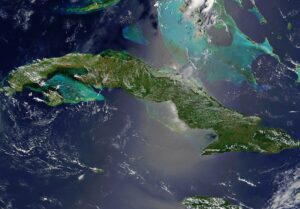
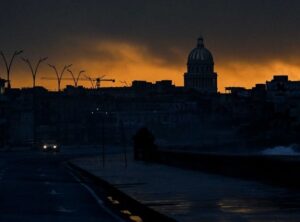
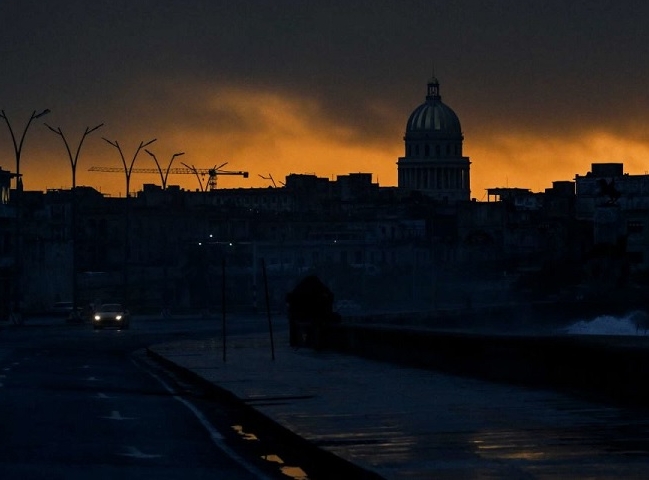
Cuba’s Future After 2026 Blockade
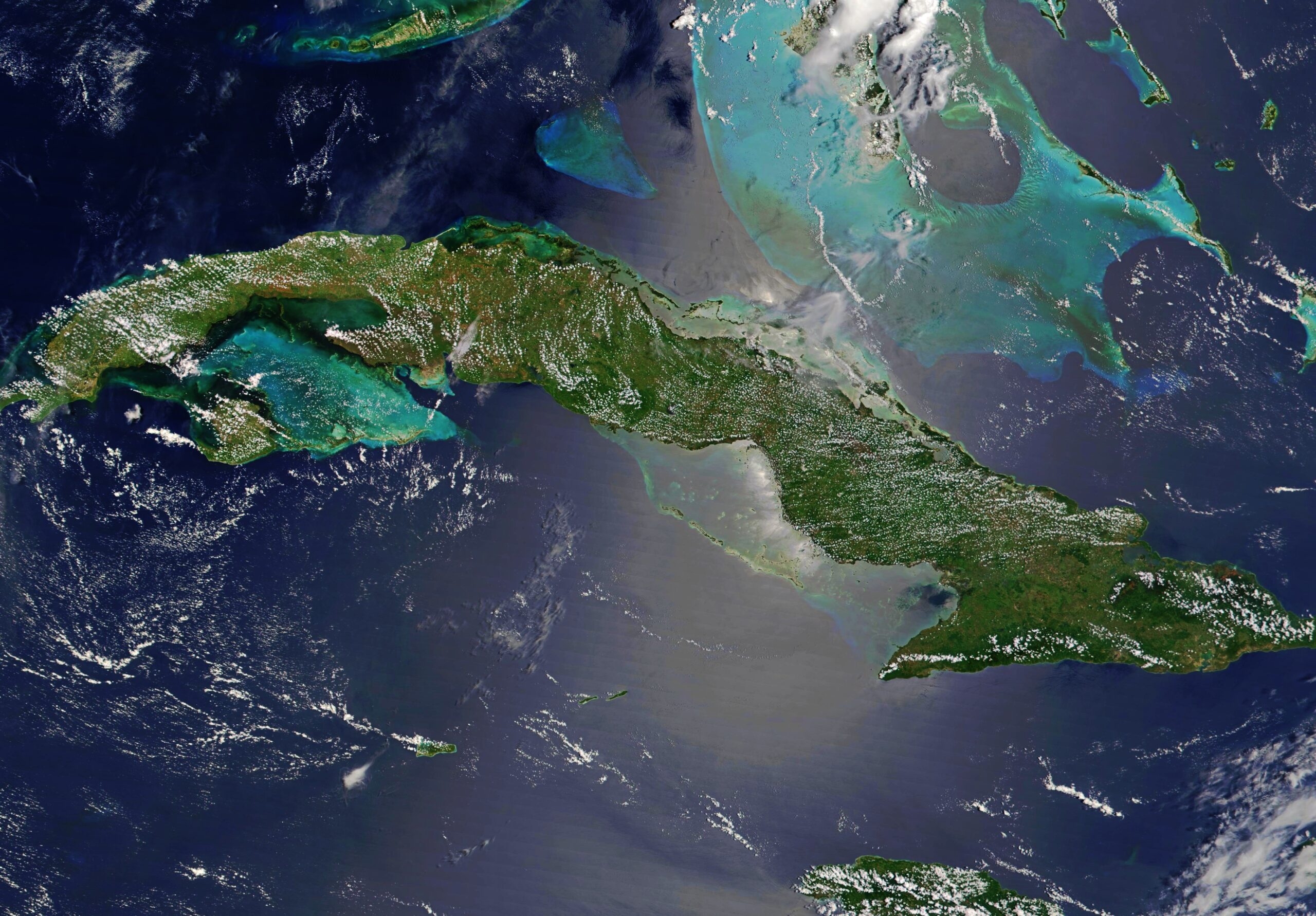
Actions taken by the Trump Administration have ensured that Cuba’s government, weakened by decades of US sanctions and illegal boycotts, is facing one of its most severe situations in years, with the country edging toward a humanitarian crisis. Power outages are widespread, hospitals are cutting back on surgeries, shortages of fuel and food are worsening, and tourism is declining.
The situation in Cuba deteriorated further after the January 3 US military invasion that removed Venezuelan leader Nicolás Maduro, whose government had long supplied Cuba with heavily subsidized oil. Severing Venezuela’s relationship with Cuba is clearly part of Washington’s broader strategy of toppling Havana’s government. Since mid-December, Washington has blockaded Venezuela from shipping oil to Cuba, economically strangling the island.
US officials say the invasion to capture Maduro also exposed Cuba’s vulnerabilities, killing dozens of Cuban security personnel assigned to protect Maduro. Washington’s decision to leave some of Maduro’s allies in power in Venezuela, including allowing Vice President Delcy Rodriguez to be acting president, signaled that the Trump administration may be willing to strike deals with Cuban rival factions rather than seek total regime change.
US officials had already been quietly holding hush-hush meetings with Venezuelan elites before Maduro’s capture and are now reportedly exploring similar contacts with influential figures in Cuba. And on March 16th, President Trump, when asked about Cuba said, “I’ll take it!” And, “I’ll do whatever I want with it.”
Guest – Sandra Levinson is the Executive Director of the Center for Cuban Studies. The Center for Cuban Studies, since the early 1970’s, has been organizing trips to Cuba and hosting events and showcasing installations of Cuban art all around the United States.
——————————————
Civil Liberties, Civil Rights, Freedom Of Speech, Racist Police Violence
Podcast: Play in new window | Download
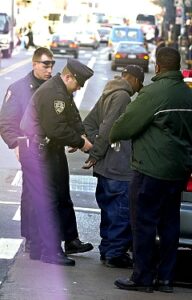
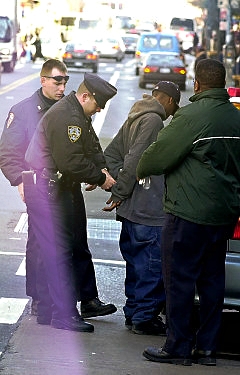
Stop and Frisk Policing Considered Despite Federal Court Ruling It Unconstitutional
In the years after the September 11 attacks, New York City became the epicenter of one of the most controversial policing practices in modern U.S. history: stop-and-frisk. Under the policy, police stopped millions of people on the street, questioning and searching them without warrants. The overwhelming majority of those stopped were Black and Latino New Yorkers, and most were never charged with any crime.
After years of litigation and community organizing, a federal court in 2013 ruled that the NYPD’s stop-and-frisk program was unconstitutional and ordered sweeping reforms. The decision marked one of the most significant victories for police accountability in the country and led to a sharp decline in stops. Now, more than a decade later, the city’s new police commissioner, Jessica Tisch, has signaled a renewed emphasis on aggressive street policing.
Guest – Jonathan Moore is a civil rights attorney and a partner at the law firm Beldock Levine & Hoffman and one of New York’s leading litigators challenging unconstitutional policing. Jonathan served as co-lead trial counsel in Floyd v. City of New York, the landmark stop-and-frisk case. He has also represented four of the five men wrongfully convicted, and then exonerated, in the Central Park jogger attack, helping expose one of the most notorious miscarriages of justice in modern New York history.
—-
The Future of Free Speech: Reversing the Global Decline of Democracy’s Most Essential Freedom
Today, anyone who cares about freedom of expression needs to face a stark truth: the right to speak freely is under siege. Once celebrated as a cornerstone of democratic societies, free expression is now met with growing suspicion and retaliation across the globe. Over the last century, speech rights expanded dramatically?including postwar democratic revolutions and the sweeping protections of the First Amendment in the United States?only to find those rights unraveling in the face of new political, technological, and cultural pressures in the US and around the world.
Today, liberal democracies are imposing speech controls, authoritarian regimes are cloaking censorship in democratic language, and digital platforms wield unprecedented power over global discourse. There is a concerted backlash against free speech from all sides: governments criminalizing dissent in the name of national security; lawmakers and activists demanding tighter controls on misinformation, hate speech, and offensive content; and AI systems removing speech at a scale and speed that dwarfs historical forms of censorship. At the same time, faith in free speech itself is waning, even in the very societies that once championed it.
In their new book which will be published next month, The Future of Free Speech: Reversing the Global Decline of Democracy’s Most Essential Freedom, Jacob Mchangama and Jeff Kosseff present a panoramic view of how we arrived at this pivotal moment and how free speech can meet modern challenges without abandoning its foundational role in sustaining democracy, human rights, and shared understanding.
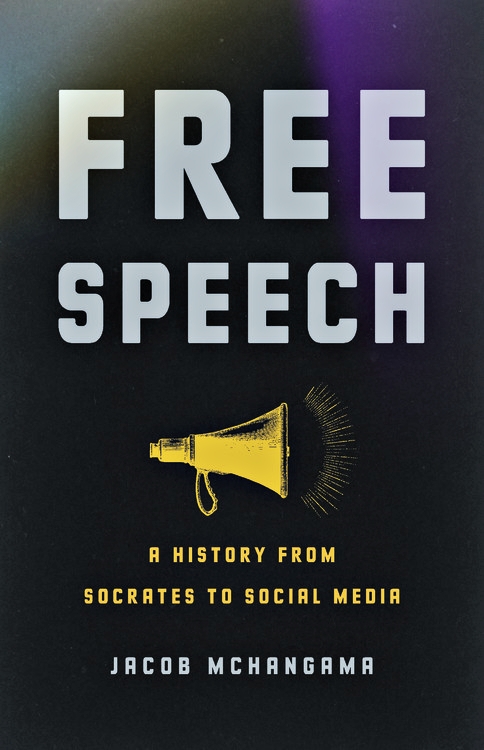
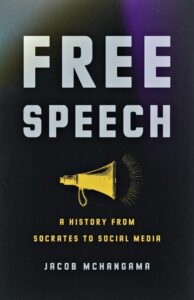
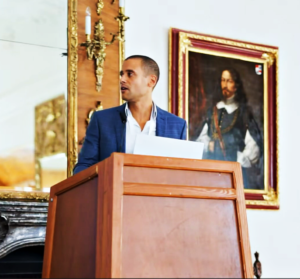
Guest – Jacob Mchangama, is one of the co-authors of The Future of Free Speech, founder and Executive Director of the non-profit organization, The Future of Free Speech. He is a research professor at Vanderbilt University and a Senior Fellow at The Foundation for Individual Rights and Expression (FIRE). In 2018, he was a visiting scholar at Columbia’s Global Freedom of Expression Center. Jacob has commented extensively on free speech and human rights in outlets including the Washington Post, the Wall Street Journal, The Economist, Foreign Affairs, and Foreign Policy. Jacob has published in academic and peer-reviewed journals, including Human Rights Quarterly, Policy Review, and Amnesty International’s Strategic Studies. He is the producer and narrator of the podcast Clear and Present Danger: A History of Free Speech. He is also the author of the critically acclaimed book Free Speech: A History From Socrates to Social Media, published by Basic Books in 2022, which I had the pleasure of reviewing – quite favorably I might add – for Los Angeles Review of Books.
—————————————–
Economics, Human Rights, U.S. Militarism, Violations of U.S. and International Law, War Resister
Podcast: Play in new window | Download
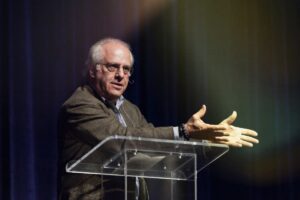
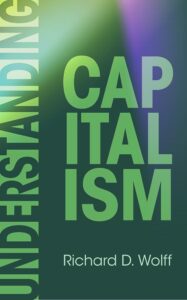
An Economic State Of The Union: Professor Richard Wolff
President Donald Trump did not deliver the traditional State Of The Union address to the American people and Congress last week. Instead, for nearly two hours, he hosted what amounted to a MAGA campaign rally. Trump’s approval rating is under 40% and sinking. The two uppermost concerns of the American people are their increasing economic difficulties and their opposition to ICE and its reign of terror in major American cities like Minneapolis, Chicago, and Los Angeles. He put both forward as huge successes.
Trump has secured a budget of billions of dollars to fund ICE, which has more money going forward than is in the combined budgets of all the state and local police departments in the United States. In addition, the Department of Homeland Security is either building, or leasing, space for huge detention centers across the country. Trump has issued National Security Presidential Memorandum Number 7 (NSPM7) which targets critical thinkers. NSPM7 was then supplemented by a list of laws by Attorney General Pam Bondi, which she indicates will be used against these disobedient critical thinkers and activists.
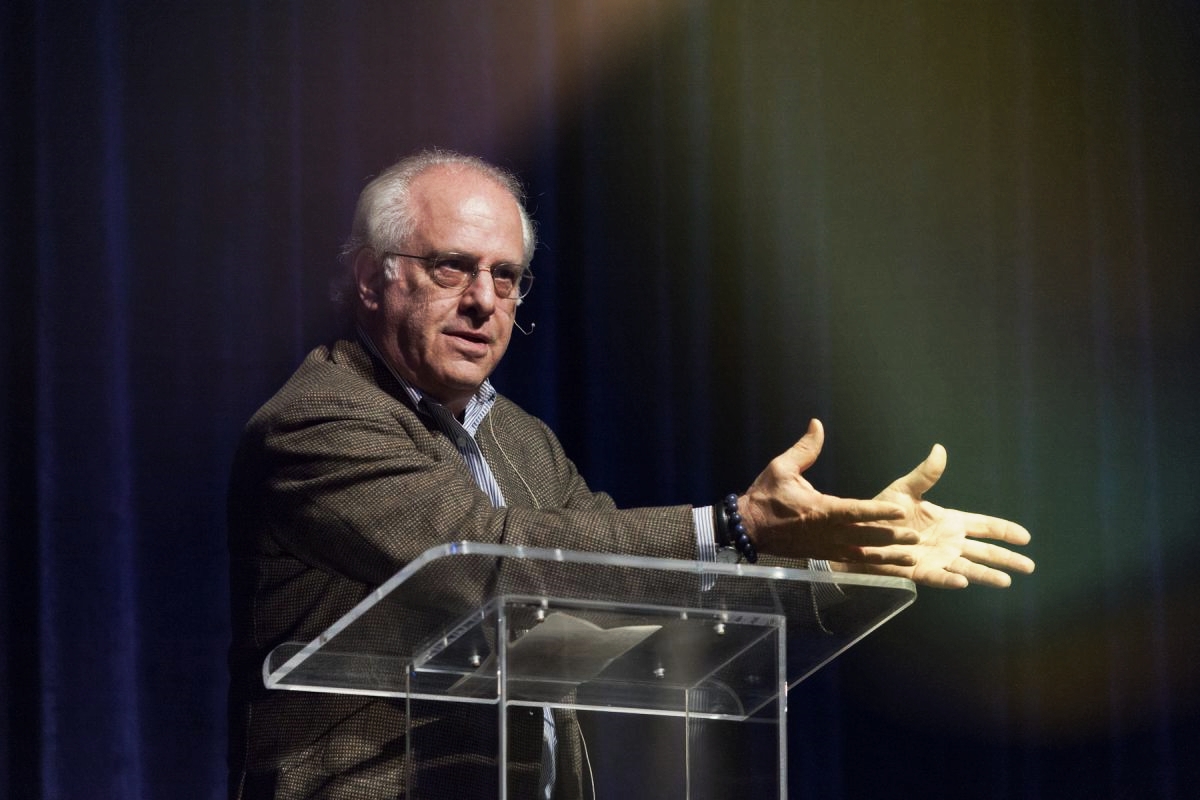
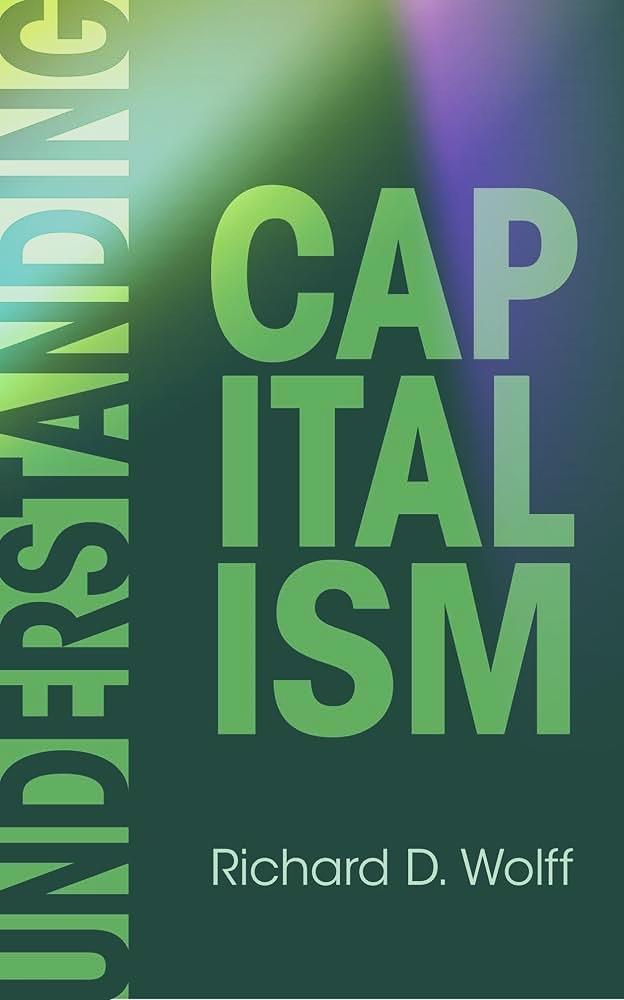
Guest – Richard Wolff is Professor Emeritus from the University of Massachusetts, and the author of Understanding Capitalism. According to New York Times, Richard Wolff is, probably America’s most prominent Marxist economist. He is the founder of Democracy at Work and host of their national syndicated show Economic Update. Professor Wolff has authorized numerous books on capitalism and socialism, including most recently “The Sickness is the System: When Capitalism Fails to Save Us From Pandemics or Itself“, “Understanding Socialism“; and “Understanding Marxism”, which can be found at democracyatwork.info.
—-
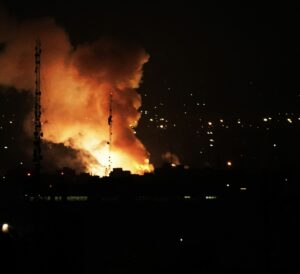
US-Israeli Attacks Against Iran, IEEPA Tariffs And Cuban Fuel Blockades
More than 1,000 Iranians — primarily civilians, including 180 students at a girls’ elementary school in Minab — have been killed in the U.S.-Israeli war of aggression against Iran, that was launched February 28 by President Donald Trump and his accomplice, accused war criminal Israeli Prime Minister Benjamin Netanyahu. This aggression has destabilized the region and triggered Iran’s legitimate exercise of self-defense.
Trump claimed he attacked Iran to prevent it from developing nuclear weapons. But U.S. intelligence has found that Iran is not acquiring nuclear weapons. Before the February 28 U.S.-Israeli attack, the country of Oman had been brokering negotiations over Iran’s nuclear program. The U.S. and Israel insisted that Iran stop enriching uranium, limit its ballistic missile program, and end support for its “proxies” Hezbollah and the Houthis.
On February 27, Oman’s foreign minister said on CBS News that the negotiations had made significant progress, and a nuclear agreement was “within our reach.” Nevertheless, Trump maintained that diplomacy had been exhausted. The U.S. and Israel began bombing Iran the next day.
One month before the U.S. and Israel attacked Iran, Trump issued an executive order aimed at tightening the U.S. noose around Cuba’s neck. Trump’s January 29 order preposterously declared Cuba “an unusual and extraordinary threat,” without providing a shred of evidence. He warned that he would impose punitive tariffs on states that deliver fuel to Cuba. Trump’s intention is to suffocate the Cuban people, who rely on oil for 80 percent of their electricity.
On February 20, however, the Supreme Court struck down Trump’s massive tariffs because they exceeded authority delegated by Congress under the International Emergency Economic Powers Act. The IEEPA authorizes the president to regulate commerce during national emergencies created by foreign threats. Later that day, in response to the court’s decision, Trump issued an executive order ending IEEPA-based tariffs, including those that would penalize countries that ship oil to Cuba. That order stops the collection of all IEEPA tariffs, including those threatened in his January 29 Cuba emergency order.
Trump’s attempt to tighten the fuel blockade of Cuba came on the heels of the U.S. oil blockade of Venezuela, which had supplied more than 50 percent of Cuba’s oil. Countries that provided Cuba with oil, particularly Mexico, halted their shipments after January 29. Oil shipments to Cuba have virtually stopped. The lack of electricity has led to widespread blackouts, impacting hospitals and essential services. Cuba’s oil reserves could be totally depleted by March.
Guest – Marjorie Cohn, a former host on Law and Disorder is professor emerita at Thomas Jefferson School of Law, dean of the People’s Academy of International Law, and past president of the National Lawyers Guild. She sits on the national advisory board of Veterans For Peace, she is a member of the bureau of the International Association of Democratic Lawyers, and serves as the U.S. representative to the continental advisory council of the Association of American Jurists. Her books include Drones and Targeted Killing: Legal, Moral, and Geopolitical Issues. She writes a regular column for Truthout, including two recent ones about Cuba and Iran.
——————
Civil Liberties, Civil Rights, Freedom Of Speech, genocide, Human Rights, Violations of U.S. and International Law
Podcast: Play in new window | Download
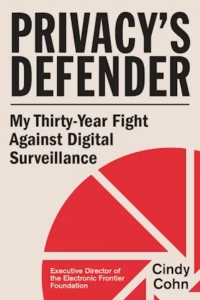
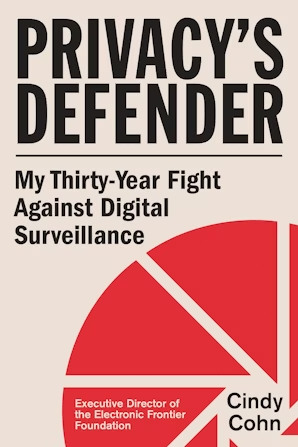
Privacy’s Defender: My Thirty-Year Fight Against Digital Surveillance
Civil liberties attorney Cindy Cohn is widely recognized as one of the leading voices on digital freedom in the United States. As she prepares to step down as executive director of the Electronic Frontier Foundation, or EFF, she leaves behind a 25-year legacy at the forefront of the fight for online rights. Over the years, she has helped shape some of the most important debates around encryption, government surveillance, and freedom on the internet.
Cohn first rose to national prominence in the 1990s as lead counsel for the EFF and PhD student Daniel Bernstein in Bernstein v. Department of Justice. That was the landmark case establishing that computer code is protected speech under the First Amendment. During the height of the so-called “crypto wars,” that decision helped free encryption from government control and shaped the security of the modern internet.
As legal director, and then as executive director, at EFF, Cindy has led major legal challenges to NSA mass surveillance. She as defended independent security researchers, fought government overreach justified in the name of national security, and pushed back against expanding corporate data collection. A central voice at the intersection of law and technology she has shaped debates over encryption, privacy, online speech, and civil liberties in the digital age. Her new book, Privacy’s Defender, published by MIT Press, reflects on those battles and what comes next.
—-
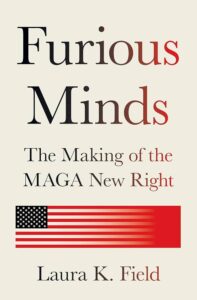
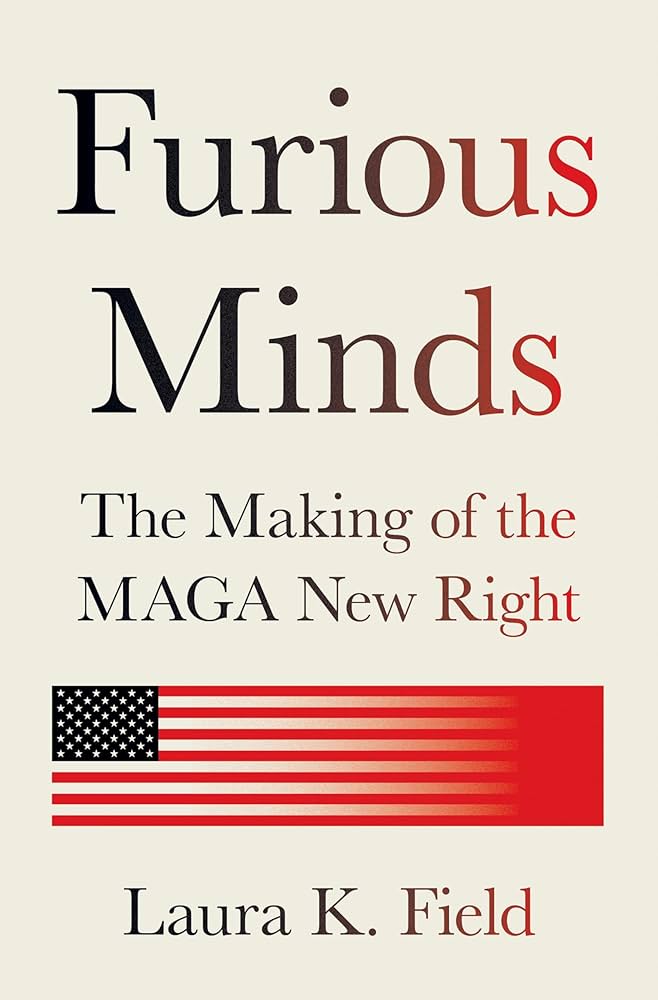
Furious Minds: The Making of the MAGA New Right
By all that is right and just, we will be rid of Donald J. Trump as President of the United States on January 20, 2029. But we will not be rid of the tremendous damage he is causing to our country. And we will not be rid of the cruel, populist, racist, White Christian, patriarchal, and nationalist MAGA New Right ideology that now dominates the Republican Party. Even after Trump decamps to Mar-a-Largo, MAGA will continue to pose an existential threat to our constitutional democracy.
We need to fully understand that there is an extensive, well-financed ideological structure made up of think tanks, publications, university institutes, and PhDs, that provide an intellectual patina to this dangerous movement. Unless the pro-democracy resistance exposes and dismantles the MAGA New Right, it will find replacements for Trump and will continue to wreck havoc, destroying the lives of people in the United States and around the world.
Guest – Laura K. Field is the author of the revealing new book Furious Minds: The Making of the MAGA New Right. Field holds a PhD in government from the University of Texas at Austin, and has written for The New Republic, Politico, and The Bulwark. Field’s exposure of the ideological foundations of the MAGA New Right is based on copious research and her own experiences while she was embedded in that movement. She says she is grateful she “extracted” herself from that world as she saw how untethered the mostly privileged male purveyors of MAGA’s dangerous tenets are from the everyday struggles of real people. She realized how dedicated they are to eliminating the hard-fought advances our pluralistic society has won based on the values of equality, compassion, and justice.
—————-