CIA Sponsored Terror, Civil Liberties, Civil Rights, Human Rights, Torture, Truth to Power, Violations of U.S. and International Law
Podcast: Play in new window | Download
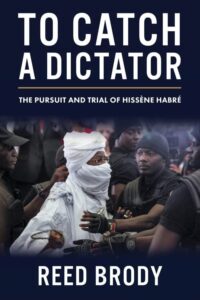
To Catch a Dictator: The Pursuit and Trial of Hissene Habre
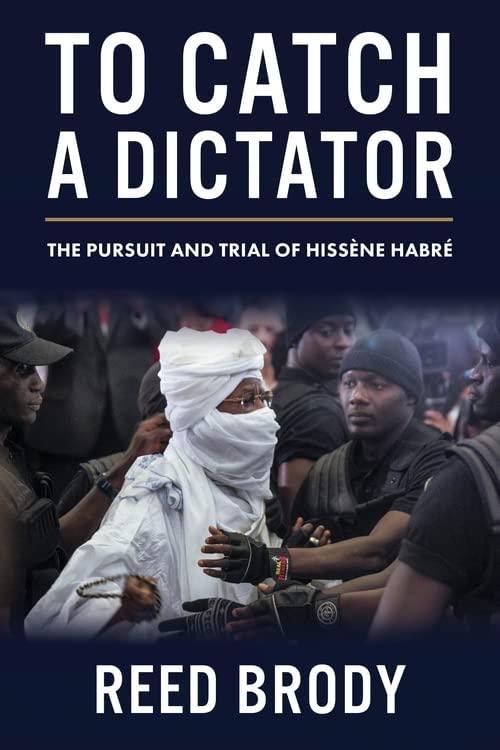
Human rights attorney Reed Brody’s page turning book To Catch a Dictator: The Pursuit and Trial of Hissene Habre is being released in November 2022. Habre was the dictator of Chad, a landlocked country in central Africa from 1982 to 1990. He was deposed by a coup and exiled to nearby Senegal.
Attorney Reed Brody of Human Rights Watch led a coalition of human rights activists, lawyers, and victims which brought Habre to justice. The lead trial lawyer for the victims was African attorney Jacqueline Moudeina.
Habre was found guilty in a courtroom in Dakar, Senegal in May 2016 of rape, sexual slavery, torture, and the killing of over 40,000 citizens of Chad. He was the first former head of state to be convicted of crimes against humanity in the courts of another country.
We speak today with Reed Brody who worked for 18 years with Human Rights Watch alongside Hissene Habre’s victims.
Guest – Reed Brody has helped pursue dictators Augusto Pinochet of Chile, Jean Claude “baby doc” Duvalier of Haiti, and Yahya Jamaeh of Ghana. He also uncovered atrocities of US backed contras in Nicaragua, led UN missions in El Salvador, in the Congo, and exposed Bush – administration torture.
—-
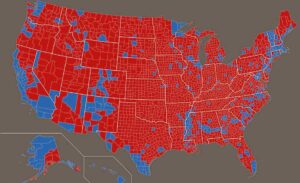

Fairness and Accuracy In Election Coverage
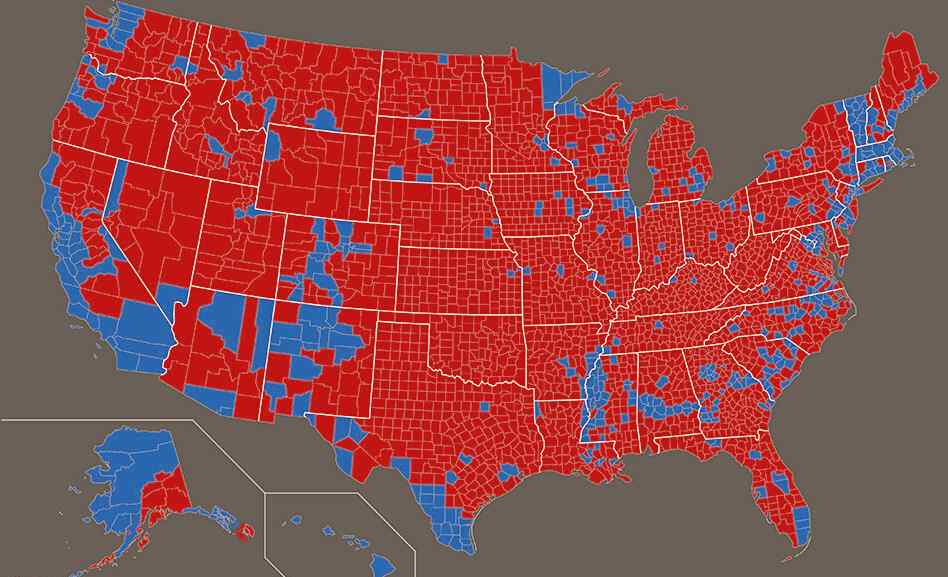
Virtually everyone agrees that the mainstream corporate media in the United States plays a major role in who wins elections. But on the right, a great many are convinced that what they characterize as the “liberal media” is not to be believed, thanks to Trump and his cries of “the lying media”, while on the left, most argue that since the mainstream media is corporate, it operates for the benefit of those candidates most likely to advance the interests of corporate America.
So today we examine the role played by the mainstream media in our elections. How truthful is its election reporting? What role does “social media” play in the electoral process? If, indeed, the mainstream media plays a role in our elections, is it, in fact, a decisive role? And if it is, how does it do that? Well, if you stay tuned, I truly believe you will be surprised by some of what you learn today. I say that because today we’ve got the perfect guest to help us examine this topic in all of its permutations. He is Norman Solomon, certainly one of America’s true champions of a free and honest press.
Guest – Norman Solomon is a longtime associate of Fairness and Accuracy in Reporting (“F.A.I.R.”), which has proved to be a powerful watchdog of the American media. Norman Solomon is the co-founder of the online activist organization RootsAction.org, and he is also the Executive Director of the Institute for Public Accuracy. He is, of course, the author of too many articles to recite here, as well as a number of books, including “War Made Easy: How Presidents and Pundits Keep Spinning Us to Death;” also, the book “Made Love, Got War: Close Encounters with America’s Warfare State.”
A Poem by Raymond Nat Turner About L.A. City Council
Hosted by Attorneys Michael Smith and Jim Lafferty

———————————–
Civil Liberties, Civil Rights, Human Rights, Right To Dissent, Surveillance
Podcast: Play in new window | Download

Israel Authorizes Military to Kill Palestinians With Drones
In October, the Israeli government announced that commanders of the Israeli Occupying Forces have been authorized to use armed drones to kill Palestinians in several parts of the occupied West Bank, with the approval of Chief of Staff-Lt. Gen. Aviv Kohavi.
Since 2008, the Israeli Air Force has been killing Palestinians in Gaza with drones, especially during protests against the Annexation Wall and colonies. Drones have also been used to fire gas bombs and live rounds at residents in cities, towns, and refugee camps of occupied Jerusalem. Drones are employed for surveillance, but this is the first time that weaponized drones will be used in the occupied West Bank. Drones make up 80% of the total flight hours in the Israeli Air Force.
Here to discuss this disturbing development is our own Marjorie Cohn, who recently published an article in Truthout titled Israel Authorizes Military to Kill Palestinians With Drones in the West Bank.
Guest – Attorney Marjorie Cohn is a legal and political analyst who provides commentary on local, national and international media. She is professor emerita at Thomas Jefferson School of Law, a member of the bureau of the International Association of Democratic Lawyers and the board of Veterans for Peace. Her most recent book is “Drones and Targeted Killing: Legal, Moral, and Geopolitical Issues.”
—-
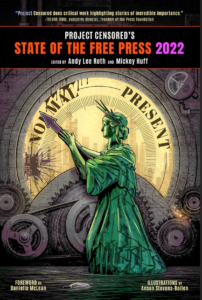
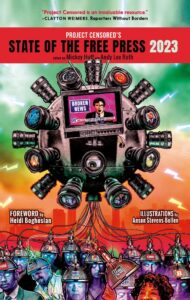
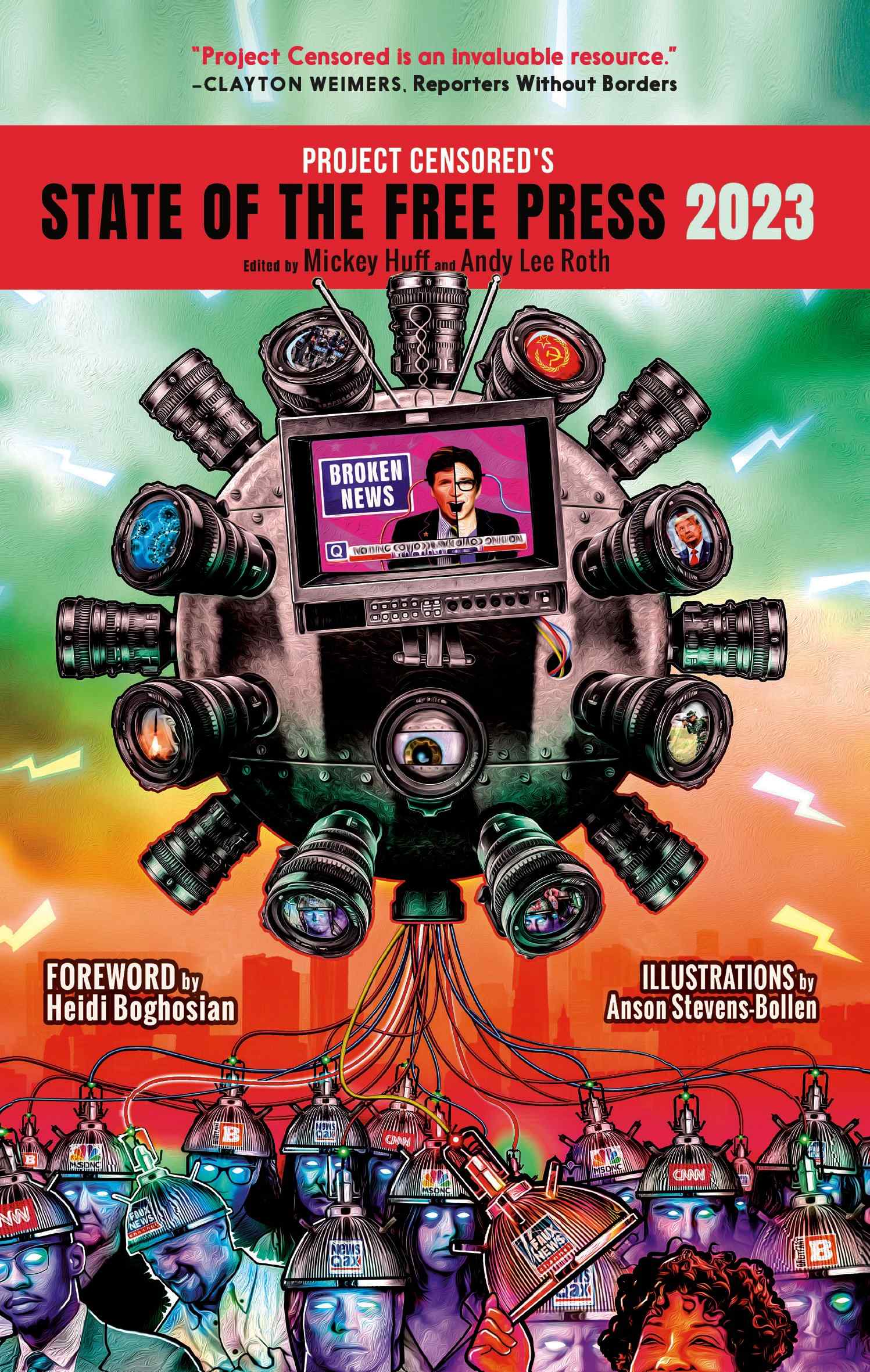
State Of The Free Press: The News That Didn’t Make the News And Why 2023
The United States has a disinformation problem so endemic that the government says it threatens our national security. Effective solutions have proven elusive. When the Department of Homeland Security created a disinformation board in April, critics from all sides denounced it as a potential tool of censorship. That’s no surprise given that censorship is on the minds of many. During the past school year, more than 1,600 books were banned, according to a PEN America report. And the “cancel culture” movement teeters between a tool of accountability and outright shaming, often with little regard for the truth.
Since 1976, one group has been working to raise awareness about censorship in our society, and the urgent need for media literacy. Founded as a media research program, Project Censored focused on student media literacy and critical thinking skills as applied to the US news media. In 1993, the Project began publishing an annual book with a list of what it considered the most significant but most under-reported news stories of the year.
Dr. Andy Lee Roth is associate director of Project Censored. Along with Mickey Huff, he co-edits the State of the Free Press Yearbook series. He also helps coordinate the Project’s Campus Affiliates Program, which links students at faculty at several dozen US college and university campuses in the collective effort to identify and vet important but under reported news stories.
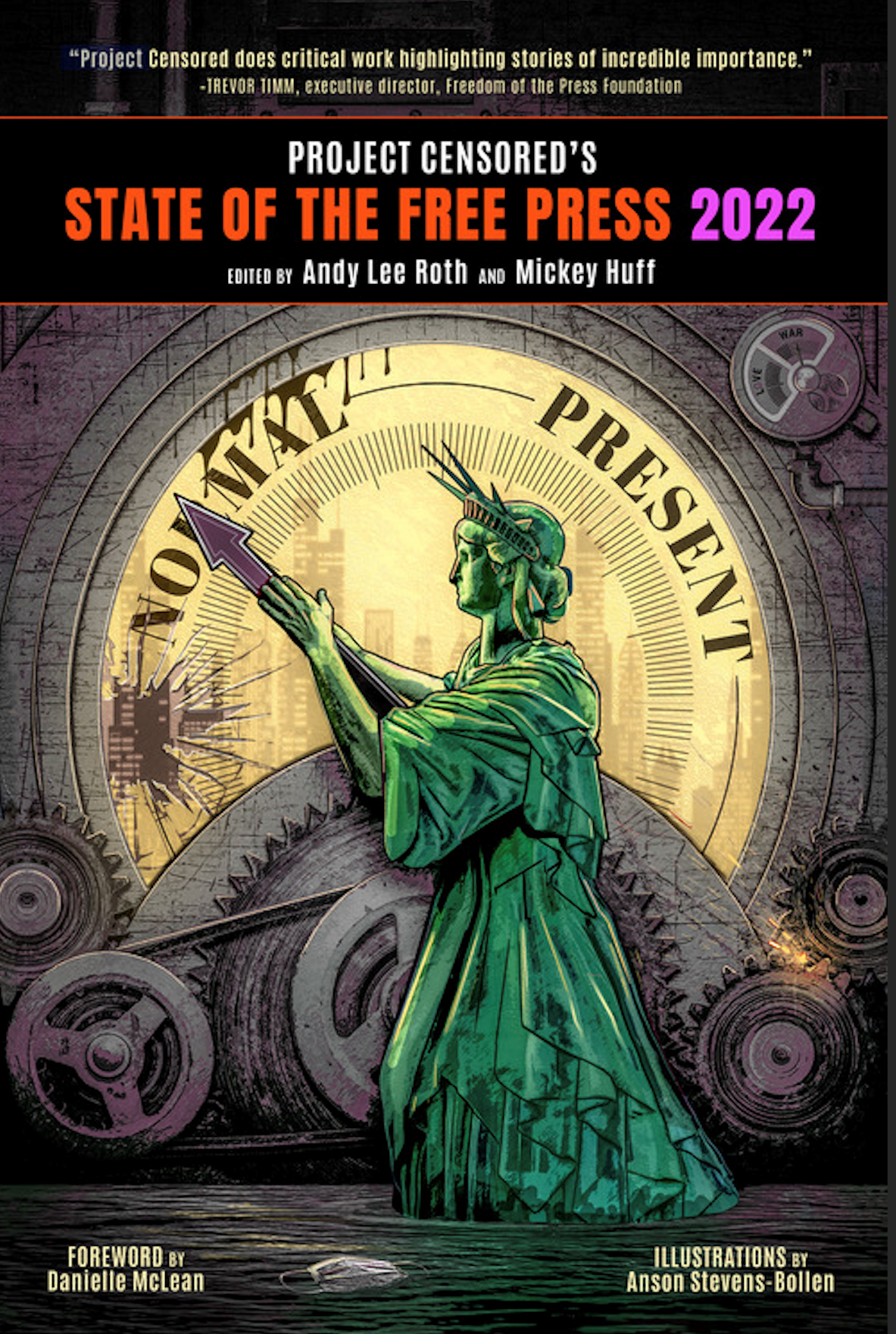
Guest – Andy Lee Roth joins us to talk about the 2023 edition of State Of The Free Press: The News That Didn’t Make the News and Why, that will hit bookstores in December. In addition, the Censored Press and Triangle Square Books for Young Readers recently published The Media and Me. It contains critical thinking skills, practical tools and real-life perspectives, intended to help young adult readers become independent media users.
Hosted by Attorneys Heidi Boghosian and Marjorie Cohn
—-
Civil Liberties, Civil Rights, Human Rights, NSA Spying, Supreme Court, Surveillance, Uncategorized, Violations of U.S. and International Law
Podcast: Play in new window | Download
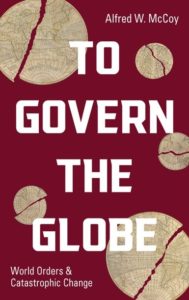
To Govern the Globe: World Orders and Catastrophic Change
Today we speak with University of Wisconsin history professor Alfred McCoy about his new book “To Govern the Globe: World Orders and Catastrophic Change.” The United States of America has been governing the globe now for 80 years, since World War II. This is about to end. By 2030, China will have the world’s largest economy and hold more riches than the U.S., which is deeply in debt.
The America we know will change drastically as a world power just as the previous world powers, the British, and before them the Dutch, and before them the Spanish and the Portuguese, all saw their empires end.
Climate change will upend the world. It has already started. The effects of climate change on the population of the world, especially China, will be catastrophic. The great coastal city of Shanghai, where 18 million people reside, will sink, uprooting millions of the 400 million Chinese people in the North China Plain.
What can we learn from the demise of the great world powers in the past? Where is the United States headed and how soon? What might be done to ameliorate this dire future? Only a prodigious historian could undertake to answer these questions.
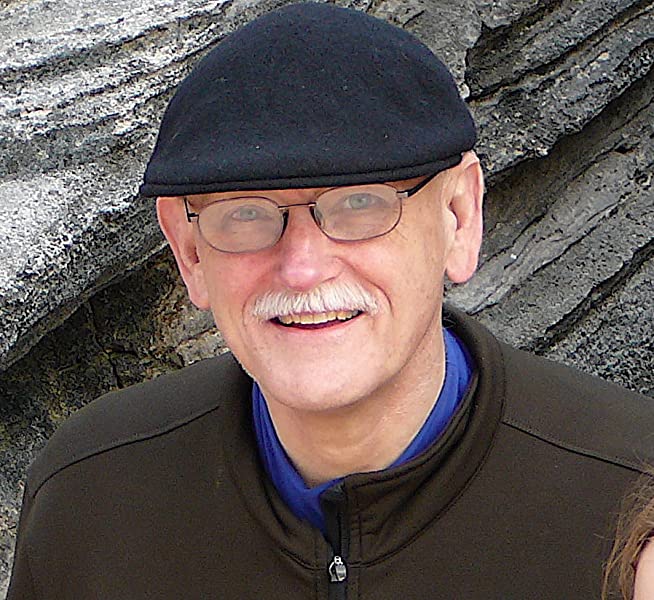
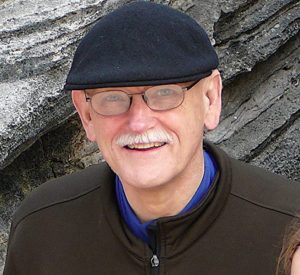
Guest – Alfred W McCoy holds the Fred Harvey Harrington chair of history at the University of Wisconsin. He has written 20 books, including “The Politics of Heroin in Southeast Asia,” for which he became well-known, and recently, “In the Shadows of the American Century.”
—–
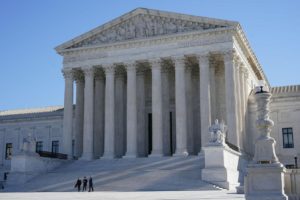

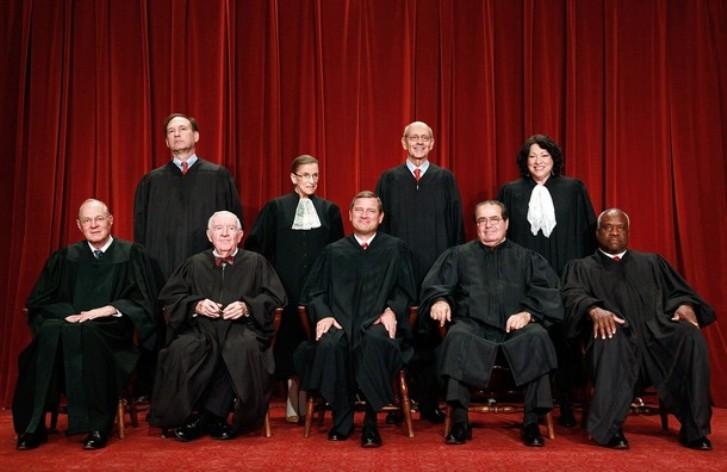
The Federalist Society, Charles Koch, The Bradley Foundation and The U.S. Supreme Court
The nation is still reeling from the Trump administration’s assaults to the rule of law, and their ripple effects on democratic institutions. But these attacks were the result of strategic planning over decades, and the handiwork of networks of well-funded think tanks and lobbyists. Some of the country’s richest and most conservative individuals are, with so-called Dark Money, anonymously supporting these efforts.
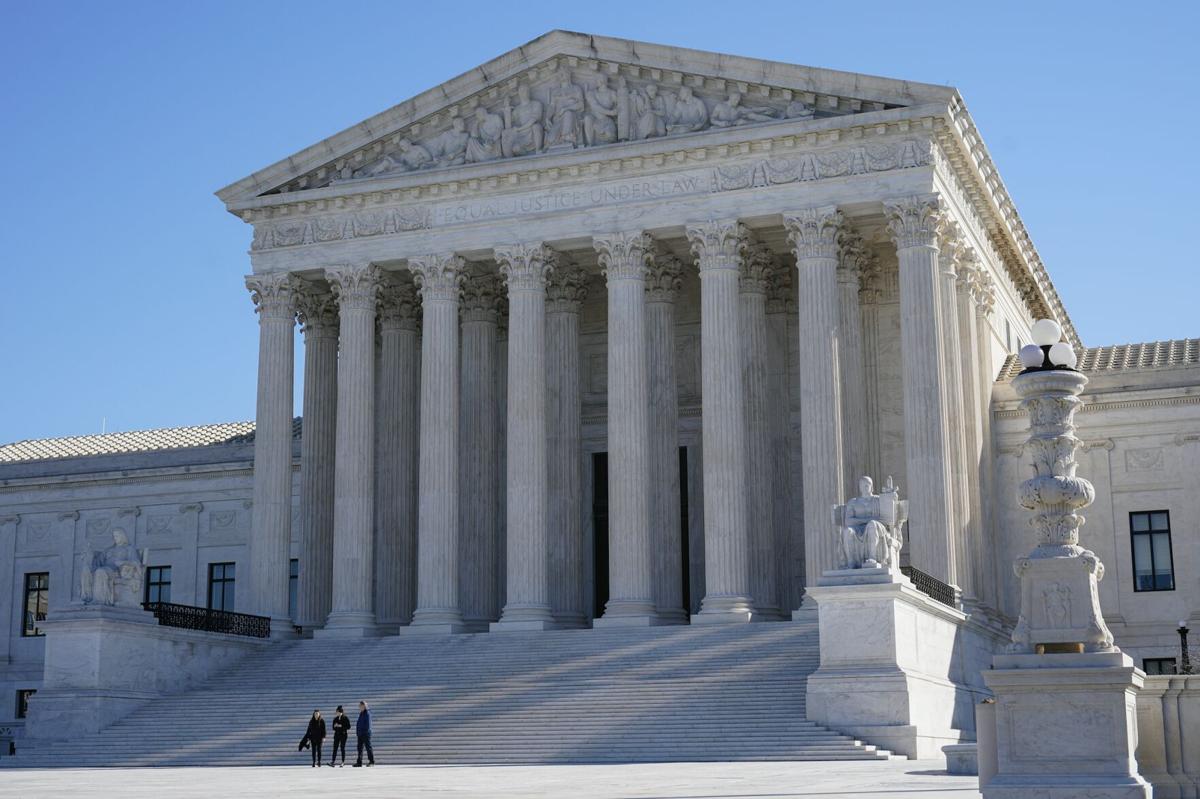
Chief among these forces is the Federalist Society. Not well known until recently, the Society has worked quietly since the Reagan administration to overhaul the Supreme Court into a bastion of conservatism. Enriched with Dark Money, it’s had an outsized impact on the composition of the federal and the Supreme Court. Recently, we’ve witnessed how hard-fought social gains of the 20th century have been taken away from Americans, and landmark Supreme Court decisions have been overruled such as Roe v. Wade and a woman’s right to reproductive freedom, and Lemon v. Kurtzman, guaranteeing the separation of church and state.
Guest – Attorney Lisa Graves, is the founder, director, and editor-in-chief of True North Research. Her analysis of such research has been cited by every major newspaper in the country. She has served as a senior advisor in all three branches of government. Lisa served as chief counsel for the US Senate Judiciary Committee for Senator Patrick Leahy. She was also a career deputy assistant attorney general the US Department of Justice. Lisa has spent the past 12 years examining the impact of dark money on judicial selection.
Hosted by Attorneys Michael Smith, Marjorie Cohn and Heidi Boghosian
—————————————————-
Civil Liberties, Civil Rights, Human Rights, Supreme Court, U.S. Militarism, Violations of U.S. and International Law
Podcast: Play in new window | Download
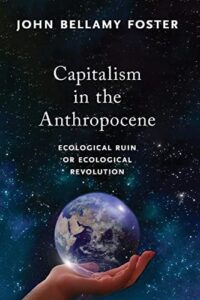
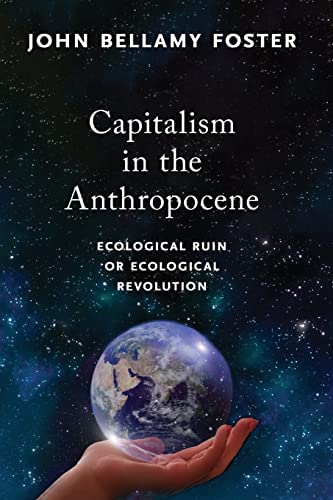
Capitalism in the Anthropocene: Ecological Ruin or Ecological Revolution
Time is running out for humanity to avoid a catastrophic planetary tipping point. The globalized system of capital accumulation has induced humanity to foul it’s on nest. The result is a planetary emergency that threatens all present and future generations and thrown into question the continuation of civilization and ultimately the very survival of humanity itself. Only by addressing the social aspects of the current planetary environment is it possible to develop the ecological and social resources for a new journey of hope.
The United Nations international panel on climate change, the IPPC, predicts that as a result of the increase in greenhouse gases by the year 2050 there will be 1 billion climate refugees. Temperatures must be held within a 1.5 Celsius increase. If it goes up, as predicted, an increase of 4 degrees would end civilization.
The crises we are in our multiple. Species extinction, ocean acidification, sea level rise depletion of soil, forest fires, broiling heat waves, hurricanes and drought have plagued us in the last few years. One third of Pakistan was underwater.
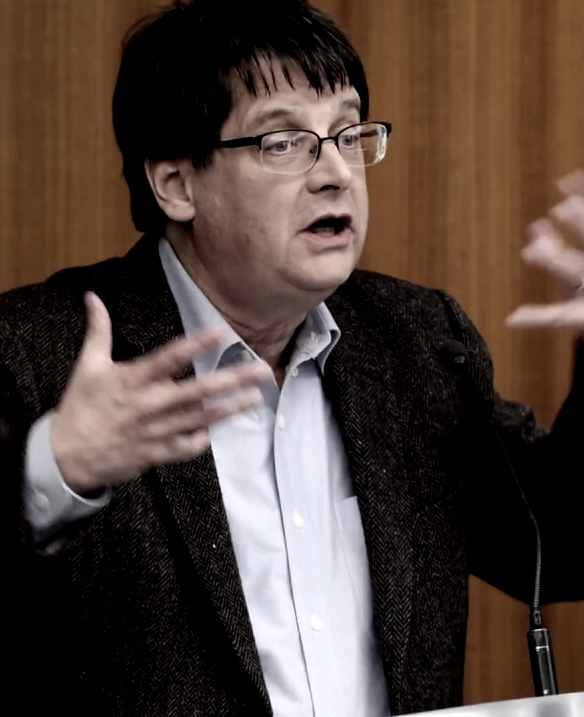
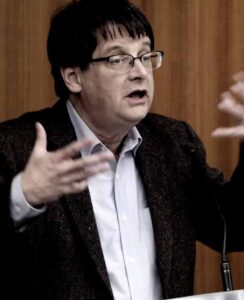
Guest – John Bellamy Foster, editor of Monthly Review magazine and a professor emeritus of sociology at the University of Oregon. He has written many books including The Robbery of Nature“ and “The Return of Nature. His most recent book is Capitalism in the Anthropocene: Ecological Ruin or Ecological Revolution.
—-
Impending Threats To American Democracy
In a recent New York Times article, by David Leonhardt, titled A Crisis Coming: The Two Twin Threats to American Democracy, Leonhardt, after first identifying the first threat being that things are now in place where for the first time in U.S. history, a legitimately elected president will not be able to take office, he identifies the second threat, as follows: “The second threat to democracy is chronic but also growing: the power to set government policy is becoming increasingly disconnected from public opinion. The run of Supreme Court decisions—both sweeping and, according to polls, unpopular—highlight this disconnect. Although the Democratic Party has won the popular vote in seven of the past eight elections, a Supreme Court dominated by Republican appointees seems poised to shape American politics for years, if not decades.”
And another headline in a recent edition of the New York Times reads, “Three Huge Supreme Court Cases That Could Change America.” And that article is simply one of many, of late, warning of how the ever-more conservative, indeed one could say, “reactionary” Supreme Court, in its just opened fall term, may well change America in a number of vastly different ways…and ways inconsistent with the majority political views of the American people.
Guest – Steve Rohde is the past chair of the ACLU Foundation of Southern California, the founder and current chair of Interfaith Communities United for Justice and Peace. He is a widely recognized expert on the U.S. Constitution, as well as a political activist. He is a prolific author. His books include American Words of Freedom and the book Freedom of Assembly. He has written numerous book reviews and articles on civil liberties and constitutional law, and his book reviews can be found frequently in the Los Angeles Review of Books.
Hosted by Attorneys Michael Smith and Jim Lafferty
————————————————-
Civil Liberties, Civil Rights, Human Rights
Podcast: Play in new window | Download
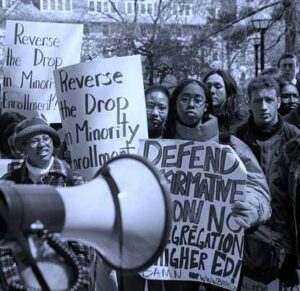
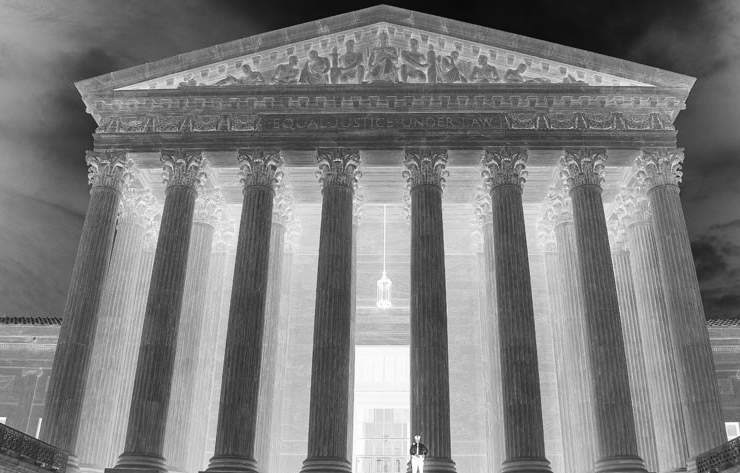
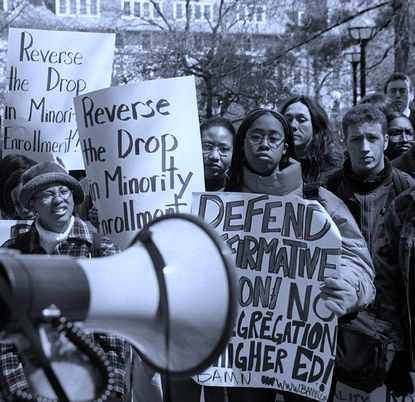
Supreme Court May Outlaw Affirmative Action
In 2003, the Supreme Court held in the case of Grutter v. Bollinger that the 14th Amendment allows public universities to consider race as a factor to assemble a diverse student body. The Court reaffirmed that holding in 2016. There are now two cases pending on the Court’s docket that it may well use to overrule Grutter and gut affirmative action. The Court will hear oral argument in these two cases on October 31.
The Students for Fair Admissions is suing Harvard and the University of North Carolina-Chapel Hill, asking the Court to overturn Grutter. The group says its mission is helping “to restore colorblind principles to our nation’s schools, colleges and universities.”
“Colorblind” is a euphemism for allowing the conditions that created the racial inequality and unequal opportunity to continue.
UNC-Chapel Hill, wrote education journalist Nick Anderson in the Washington Post, was “founded to educate the enslaving elite of this Southern state, allied for generations with the cause of white supremacy, roiled by racial tensions in recent years over the fate of a Confederate monument and treatment of Black faculty members.”
On October 4, the Court heard oral argument in Merrill v. Milligan, which the conservative majority will likely use to uphold Alabama’s racist gerrymandered district map. During the argument, Justice Ketanji Brown Jackson mentioned the “race-conscious” goal of the drafters of the 14th Amendment, who were “trying to ensure that people who had been discriminated against … were actually brought equal to everyone else in society.” “That’s not a race-neutral or race-blind idea,” Jackson said.
With the radical right-wing supermajority on the Supreme Court, it is likely that the Court will outlaw affirmative action, using the so-called “colorblind” rationale.
Guest – Jason Williamson is Executive Director of the Center on Race, Inequality, and the Law at New York University School of Law. He teaches a course in Social Justice Lawyering and runs the Racial Justice Clinic.
—-
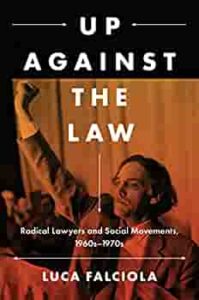
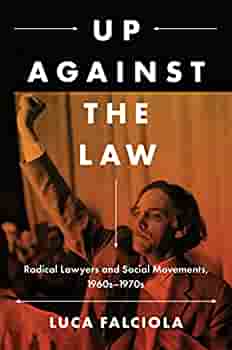
Up Against the Law: Radical Lawyers and Social Movements, 1960s-1970s
The 1960s and 1970s weren’t just the time when protesters took to the streets to fight for civil rights, and against the Vietnam War. It was also a period when radical lawyers defended dissidents and worked closely with them to bring their messages into the nation’s courtrooms and into the public sphere.
Luca Falciola has just published a book about the militant attorneys who fought for social change arm-in-arm with activists. Breaking from the traditional role of attorneys, they identified with their clients and their causes, and challenged the conservative rules and trappings of the legal profession. The book is titled Up Against the Law: Radical Lawyers and Social Movements, 1960s-1970s, published by the University of North Carolina Press.
At the heart of this work is the history of the National Lawyers Guild. Founded in 1937, the Guild was established as an alternative to the American Bar Association which was not racially integrated. Since Law & Disorder Radio began airing in 2005, its cohosts have been longtime Guild members and leaders. Many of our guests are Guild members as well.
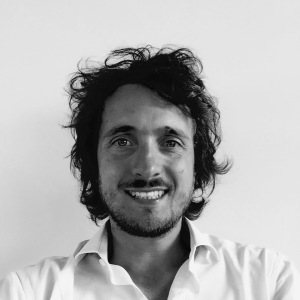
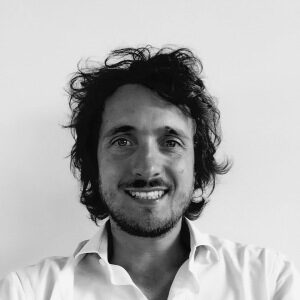
Guest – Luca Falciola is a lecturer at Columbia University. His publications include the award-winning book about the Movement of 1977 in Italy, and several articles on various aspects of contentious politics between the 1960s and the 1980s.
Hosted by Attorneys Heidi Boghosian and Marjorie Cohn
—————————————
CIA Sponsored Terror, Civil Liberties, Civil Rights, Human Rights, Supreme Court, War Resister
Podcast: Play in new window | Download
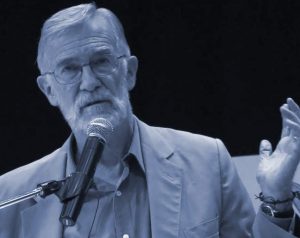
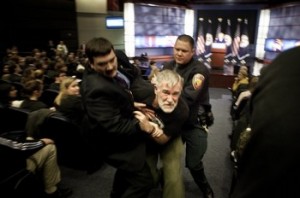
A Unified Movement of Peace
The world today is threatened with war, poverty, displacement and hunger like no other time since 1937 when World War II began with the Japanese invasion of China. Within four years the war had spread leading to the death of tens of millions of people. This included 50 million Russians, 400,000 Americans and finally hundreds of thousands of Japanese civilians in 1945 when the US initiated the nuclear age with the bombing of Hiroshima and Nagasaki demonstrating American power to the Russians. This initiated the Cold War which is now in a second stage. It must be stopped.
The American wars in Vietnam and Iraq were based on lies. We were told in 1965 by President Lyndon Johnson that the Vietnamese had attacked American ships in the Gulf of Tonkin. This was a lie. In 2003 we were lied to by President George W. Bush who told us that Saddam Hussein had weapons of mass destruction.
The proxy war in Ukraine against Russia is based on the ubiquitous lie that the Russians were unprovoked. It threatens to spin out of control. Why are we again in this situation and what can we do about it? What is desperately needed is a unified American peace movement.
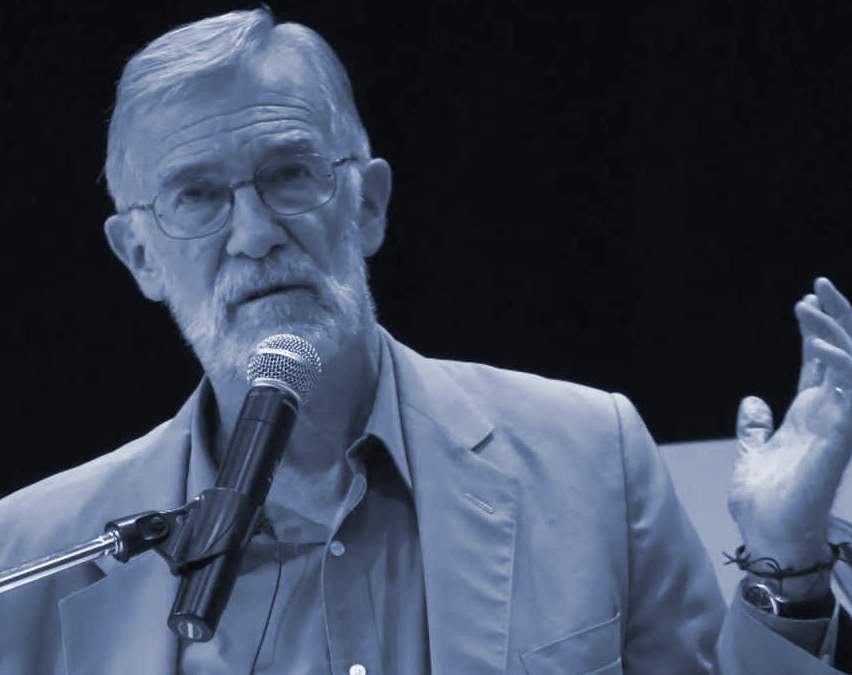
Guest – Ray McGovern former CIA intelligence analyst, Ray briefed President George H. W. Bush every morning on intelligence matters, particularly with respect to Russia. He is a founder of VIPS, Veteran Intelligence Professionals for Sanity and a contributor to the blog Common Dreams.
—-

Doctors Lose Licenses For Properly Prescribing Opioids
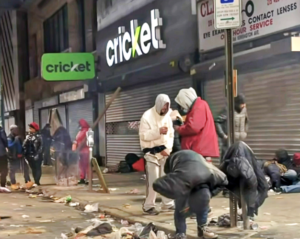
The CDC wrongly thought pain management doctors were over prescribing opioids. The CDC issued guidelines in 2016 put limits on the amount of opioids doctors could prescribe thinking that high doses of Oxycontin lead to addiction and death. These guidelines were disastrous for chronic pain patients. Many were driven to buy illegal drugs on the street which were laced with poisonous fentanyl. In 2021 this led to 100,000 deaths in the United States.
Several insurance companies encouraged the CDC to impose limits on doctors prescribing Oxycontin and to taper their patients. Opioids are very expensive. The insurance companies were fortified in their erroneous belief by the efforts of a certain organization of doctors who are not pain management specialists.
When the CDC guidelines were exceeded, the Department of Justice threatened to indict doctors and got them to stop practicing medicine. The doctors gave up their medical licenses and licenses to prescribe narcotics. Some were prosecuted. Some went to prison. Some endured large fines. Seventeen hundred out of 6000 pain management doctors were removed from the practice of medicine.
Doctors who refused to taper were victimized. These doctors correctly believed that their patients were dependent on high dosages of opioids but were not drug addicts. These doctors understood that denying their patients high dosages of opioids would lead to suicides and deaths by overdose from street drugs.
The United States Supreme Court recently ruled in the case of The United States v Ruan that doctors have the right to treat their patients as they see fit without government interference, they ruled 9 to 0 that doctors who prescribed opioids in good faith did not have the requisite mindset, mens rea, to be found guilty of over prescribing.
Guest – Kelly Dineen Gillespie is a professor of law and the Director of the health law program at Creighton University School of Law. She teaches health law and bioethics. Dr. Gillespie holds a PhD in health care ethics as well as a law degree. Before attending law school she worked as a nurse in neurosurgery and transplant ICUs. She co-wrote two friend of the court briefs in the significant Ruan v United States case on behalf of professors of health law and policy before the US Supreme Court regarding criminal distribution under the Controlled Substance Act as applied to doctors‘ prescriptions. In June 2022, the Supreme Court adopted much of the reasoning advanced in these briefs in a unanimous decision supporting doctors.
————————————