Civil Liberties, Civil Rights, Human Rights
Podcast: Play in new window | Download
PEN America Writer’s Organization President Resigns Amid Controversy
On July 9, 2026, a long-simmering controversy burst into the headlines pitting allies of robust freedom of expression against each other over how writers, publishers and literary agents should respond to Israel’s genocide in Gaza. The dispute was so divisive that Professor Dinaw Mengestu resigned as president of the free expression group PEN America.
Guest – Professor Dinaw Mengestu is the John D. and Catherine T. MacArthur Professor of the Humanities and Director of the Written Arts Program at Bard College, where he has taught since 2016. He is the author of three novels, all of which were named New York Times Notable Books. A native of Ethiopia, he came with his family to the United States at the age of two. Professor Mengestu is also a freelance journalist. His articles and fiction have appeared in the New York Times, New Yorker, Harper’s, Granta, Jane, and Rolling Stone. He is a 2012 MacArthur Fellow and recipient of a Lannan Literary Fellowship for Fiction, National Book Foundation 5 Under 35 Award, Guardian First Book Award, and Los Angeles Times Book Prize, among other honors. He was elected President of PEN America in December 2025, having served on its Board of Directors for about a decade.
—-
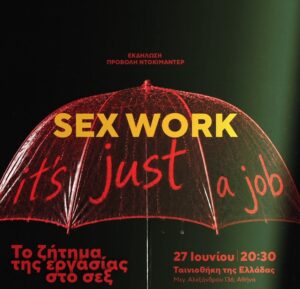
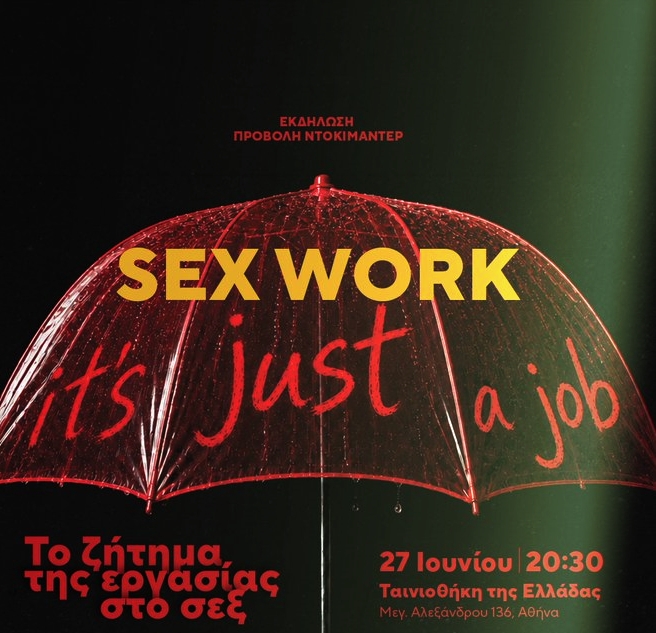
Sex Work: It’s Just a Job
For decades, debates over sex work have been shaped by criminal law, morality, and public safety. Supporters of tougher enforcement argue that prostitution fuels exploitation and human trafficking. Advocates for decriminalization contend that criminal penalties often make sex workers less safe and discourage people from seeking help when they need it. It’s a conversation that raises difficult questions about policing, labor, consent, and human rights.
A 2025 documentary, Sex Work: It’s Just a Job, enters that debate. The film was directed by documentary filmmaker Tami Gold from the Film Department at Hunter College. Through the voices of current and former sex workers, organizers, and researchers, it explores the movement to decriminalize sex work and the broader social consequences. The film also distinguishes consensual sex work from human trafficking.
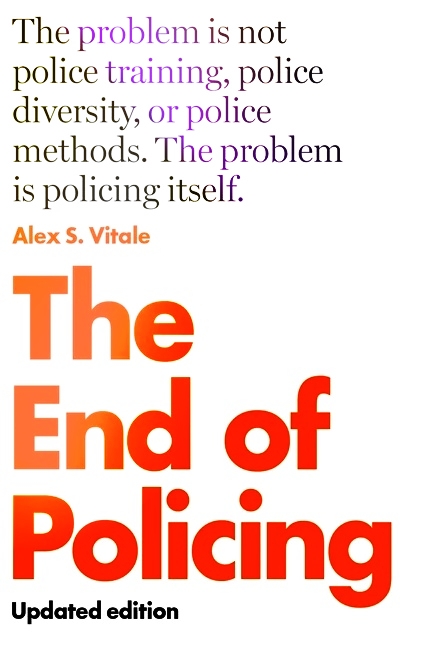
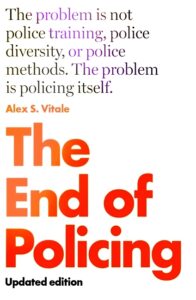
Guest – Sociologist Alex Vitale, Professor at Brooklyn College and the CUNY Graduate Center, and co-producer of the film. The populations and advocates for decriminalization and non-police safety interventions in the documentary is inspired by Vitale’s book The End of Policing, which argues that criminalizing sex work harms vulnerable.

————-
Civil Liberties, Civil Rights, Economics, Supreme Court, worker's rights
Podcast: Play in new window | Download
Economic Impact of Billionaires and Trillionaires
When Donald Trump came back to resume the office of presidency a year and a half ago the kind of government we were living under was unclear. It was a government where billionaires dominated our mass media, corporations, universities, courts, and government. Was this oligarchy authoritarianism or was it fascism American style? Last month, the media treated us to the spectacle of Elon Musk becoming the world‘s first trillionaire. One trillion is 1000 billion dollars. One billion is 1000 million dollars. The amount of money $1 trillion represents is difficult to even imagine. It would take a man working 52 weeks a year for $25 an hour 19.23 million years to make $1 trillion. The impact on a democratic society of having a trillionaire and over 1000 billionaires is transformative and a spectacle that has affected all of our lives.
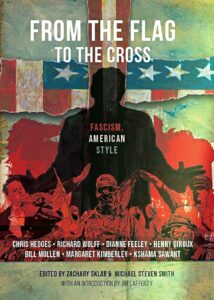
Guest – Professor Henry Giroux – last year Law annd Disorder interviewed seven significant thinkers about the topic of American fascism. We put together a book on the topic titled From The Flag To The Cross: Fascism American Style.. Professor Henry Giroux was one of the seven contributors to the Law and Disorder book He wrote about the transformation of education. Henry Giroux currently holds the McMaster University Chair for scholarship and the public Interest. His most recent book co-authored with Anthony DiMaggio is titled Fascism on Trial: Education and the Possibility of Democracy. Professor Giroux frequently writes for the LA Progressive and has recently authored an article on Elon Musk becoming a trillionaire.
—-
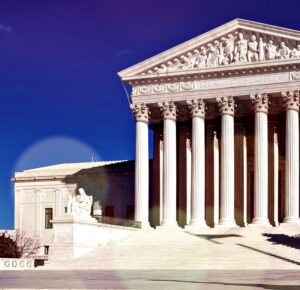
U.S. Supreme Court Decisions Resetting Precedent Part 2
Back we go to review of more cases from the recent term of the U.S. Supreme Court. We start with the birthright citizen case. Then we take up cases dealing with immigration and executive power, as well as other major cases. We also look at what many have described as corruption among the Justices.
Guest – Ellen Yaroshefsky is the Howard Lichtenstein Distinguished Professor of Legal Ethics, Maurice A. Deane School of Law, at Hofstra University. She is a leading educator and expert in ethics law and serves as an expert witness and advisor to lawyers and law firms. Prof. Yaroshefsky is a former Commissioner on the New York State Joint Commission on Public Ethics. She has previously worked at the Center for Constitutional Rights and has been in private practice. And Prof. Yaroshefsky has received numerous awards, including the New York State Bar Association’s honor for Outstanding Contribution in Criminal Law Education.
———————-
Civil Liberties, Civil Rights, Criminalizing Dissent, Supreme Court
Podcast: Play in new window | Download
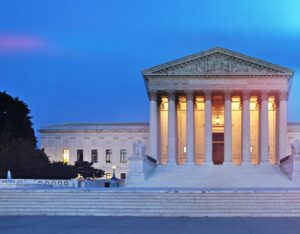
U.S. Supreme Court Decisions July 2026
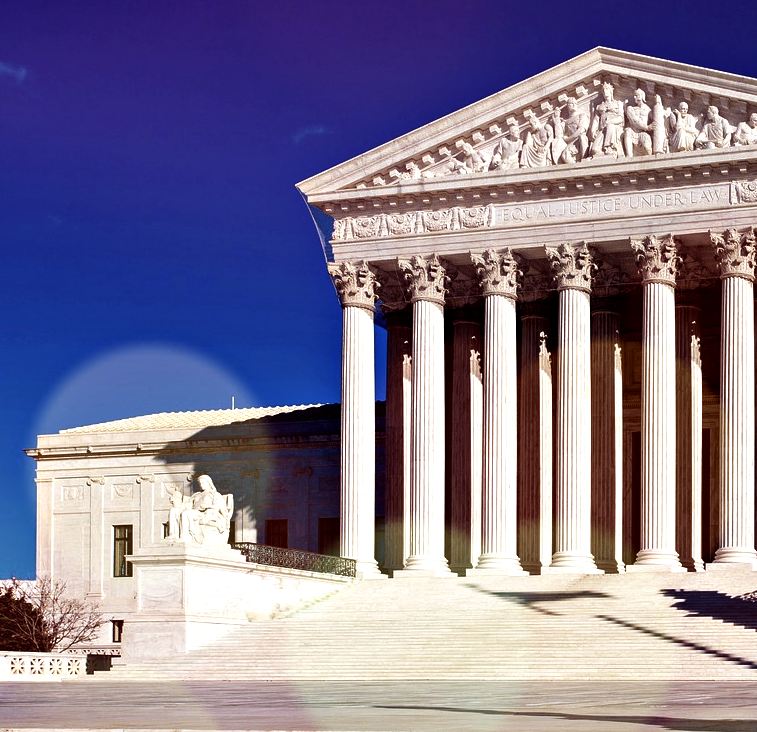
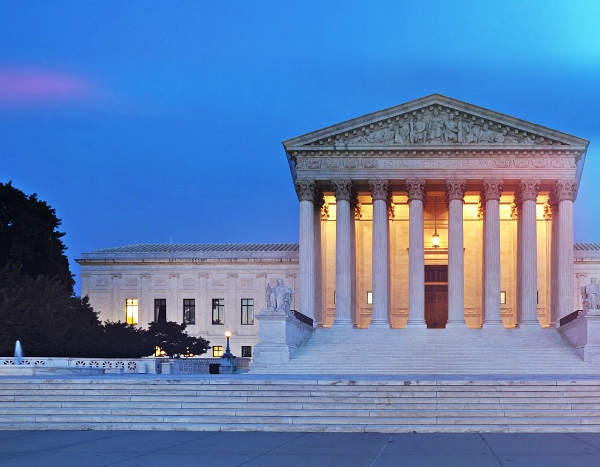
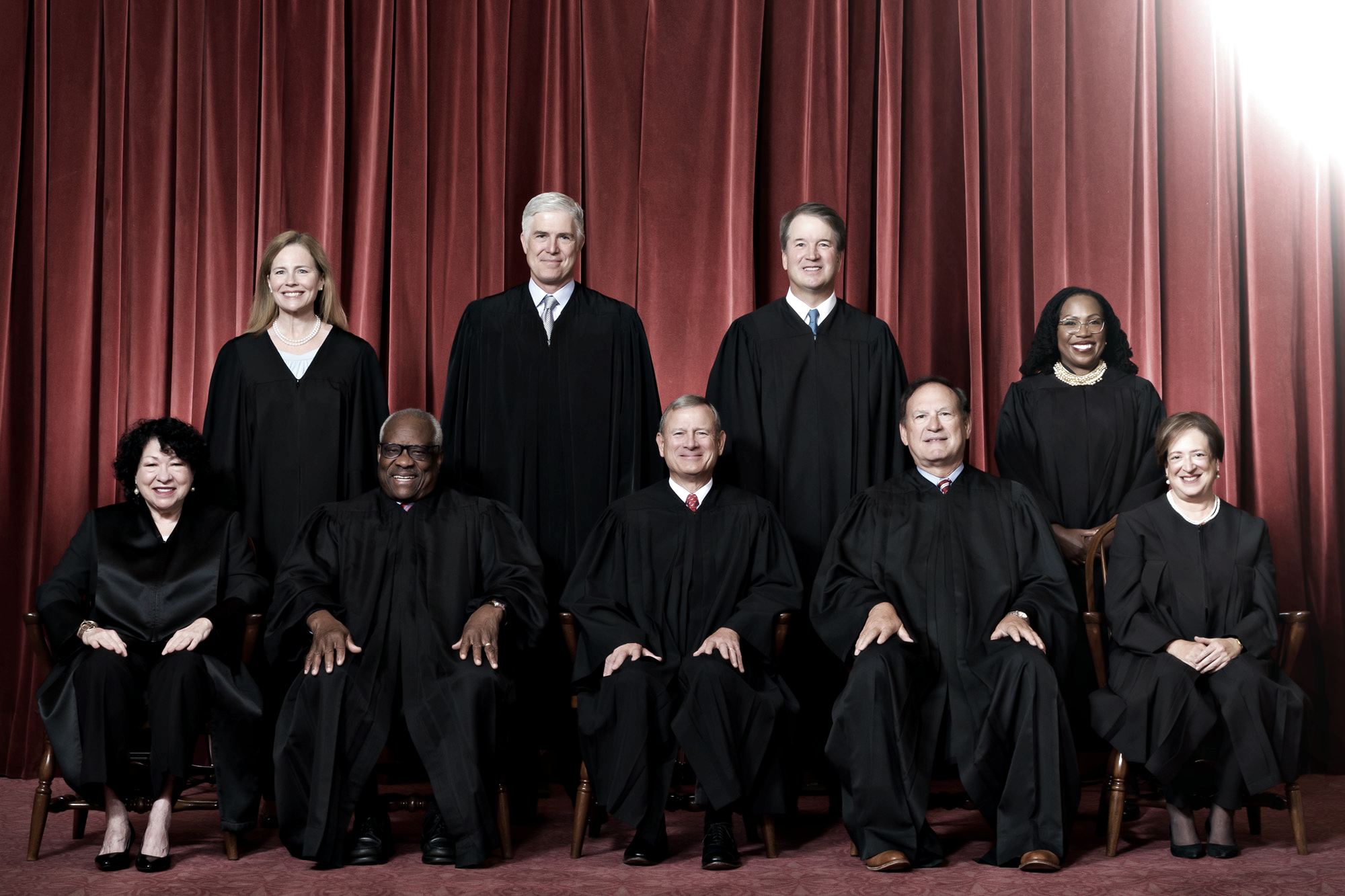
Last week, the US Supreme Court ended its 2025-2026 Term with a barrage of long-awaiting blockbuster decisions altering the entire structure of the American government and seriously undermining the crucial separation of powers between Congress, the President, and the courts. The Supreme Court, which is dominated by a conservative super-majority of Republican justices – including 3 justices appointed by Donald Trump – confronted such important issues as Birthright citizenship; whether the President can fire the heads of independent agencies, such as the Federal Trade Commission and the Federal Reserve; whether states can count mail-in ballots that arrive after Election Day; whether states can ban concealed weapons on private property; and whether Trump can expel hundreds of thousands of migrants and turn others away at the southern border.
To help us understand what the Roberts Court is up to and what it means for our constitutional democracy, we’ve invited Law and Disorder co-host Steve Rohde to switch seats and serve as our guest today.
Guest – Stephen Rohde is a journalist, lecturer and political activist. For almost 50 years, he practiced civil rights, civil liberties, and intellectual property law and has won significant First Amendment victories in state and federal appellate courts.Steve is past chair of the ACLU Foundation of Southern California and Chair Emeritus of Bend the Arc, a Jewish Partnership for Justice. He is a founder and current chair of Interfaith Communities United for Justice and Peace; and a member of the Board of Directors of Death Penalty Focus. He is the Special Advisor on Free Speech and the First Amendment for the Muslim Public Affairs Council.Steve is the author of the books American Words of Freedom: The Words That Define Our Nation and Freedom of Assembly and numerous articles and book reviews on civil liberties and constitutional history. He is co-author of Foundations of Freedom published by the Constitutional Rights Foundation.In addition to being a co-host of Law and Disorder Radio, Steve is also the host of a10 episode podcast called Speaking Freely: A First Amendment Podcast exploring the most important Supreme Court cases in the area of free speech and free press. It is produced by Ms Studios and is streaming online at Spotify, Apple, and I Heart Radio.
—-
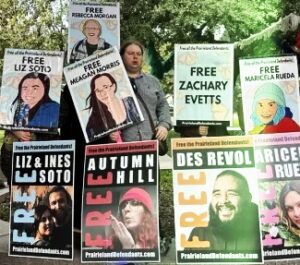
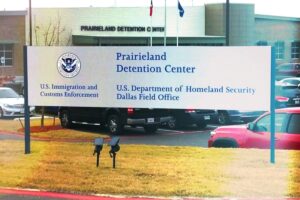
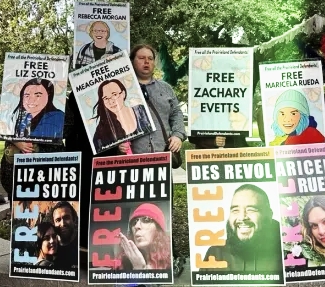
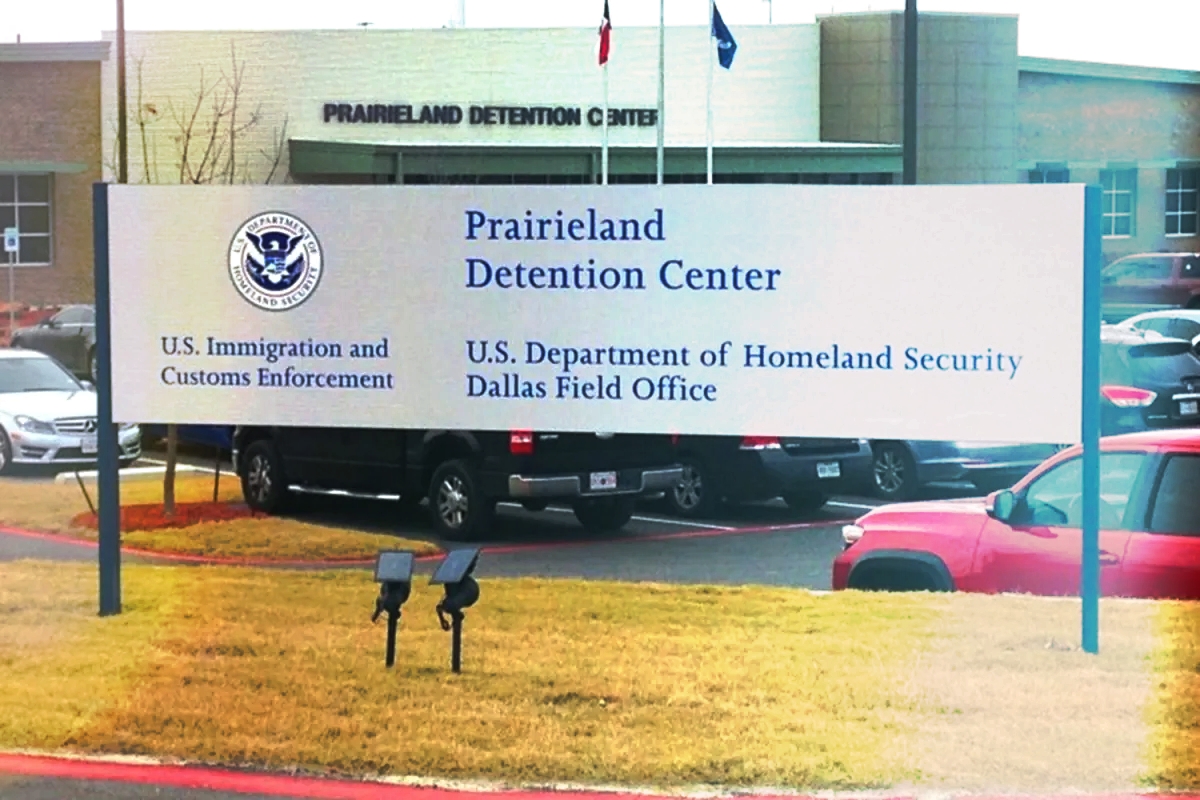
Draconian Sentencing Of Prairieland Nine Case
We look at a staggering display of judicial overreach coming out of a federal courtroom in Texas. On June 23 and July 1, 15 individuals were handed prison sentences totaling centuries. That followed a July 2025 demonstration outside the Praireland Detention Center. Among those condemned to spend the rest of her natural life behind bars is Maricela Rueda. She received a 70-year sentence. Her husband, Daniel Rolando Sanchez-Estrada, wasn’t even present at the protest. Yet, he was sentenced to 30 years.
The core of the conspiracy charge against Daniel ties directly into Maricela’s sentence. It centers on a recorded jailhouse phone call. The government alleged Maricela asked her husband to move items from her house and car. Surveillance footage also showed Daniel dropping off a cardboard box, though that was prior to his call with Mariela. Inside that box? Not weapons. Not explosives. Just politically charged, constitutionally protected independent pamphlets and zines, all belonging to Mr. Sanchez himself.
Joining us to dissect this draconian sentencing is Sufia Khalid. Sufia is the Deputy Director of the National Security Criminal Defense Center at the Muslim Legal Fund of America. There, she represents defendants in federal national security prosecutions nationwide. She took on Maricela’s case for sentencing and currently represents her on appeal. Sufia has exclusively worked on national security prosecutions and appeals, FBI Counterrorism investigations, and terrorism sentencing and their associated constitutional issues for 8 years
Guest – Sufia Khalid is the Deputy Director of the National Security Criminal Defense Center at the Muslim Legal Fund of America. There, she serves as Senior Staff Attorney, representing defendants in federal national security cases. She currently represents Maricela Rueda in the “Praireland Nine” case. Before joining the MLFA, Khalid worked with the United Nations, including the Khmer Rouge Tribunal in Cambodia and the UN Development Programme in New York.
————————
Civil Liberties, Civil Rights, Supreme Court
Podcast: Play in new window | Download

U.S. Supreme Court Decisions Resetting Precedent
There have been several major U.S. Supreme Court decisions issued under the leadership of Chief Justice John Roberts. These decisions include abortion rights cases, anti-immigrant cases, cases enhancing administrative or executive power and, of course, voting rights cases. We’ll also learn about the role of the shadow docket. This is known as the emergency docket with a range of uses such as for routine procedural matters and last-minute requests. The cases we examine impact the fabric of democracy in the United States. We’ll talk about broader implications with our guest Professor Ellen Yaroshefsky.
Guest – Ellen Yaroshefsky is the Howard Lichtenstein Distinguished Professor of Legal Ethics, Maurice A. Deane School of Law, at Hofstra University. She is a leading educator and expert in ethics law and serves as an expert witness and advisor to lawyers and law firms. Prof. Yaroshefsky is a former Commissioner on the New York State Joint Commission on Public Ethics. She has previously worked at the Center for Constitutional Rights and has been in private practice. Prof. Yaroshefsky has received numerous awards, including the New York State Bar Association’s honor for Outstanding Contribution in Criminal Law Education.
—-
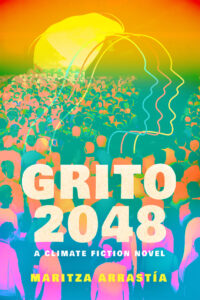

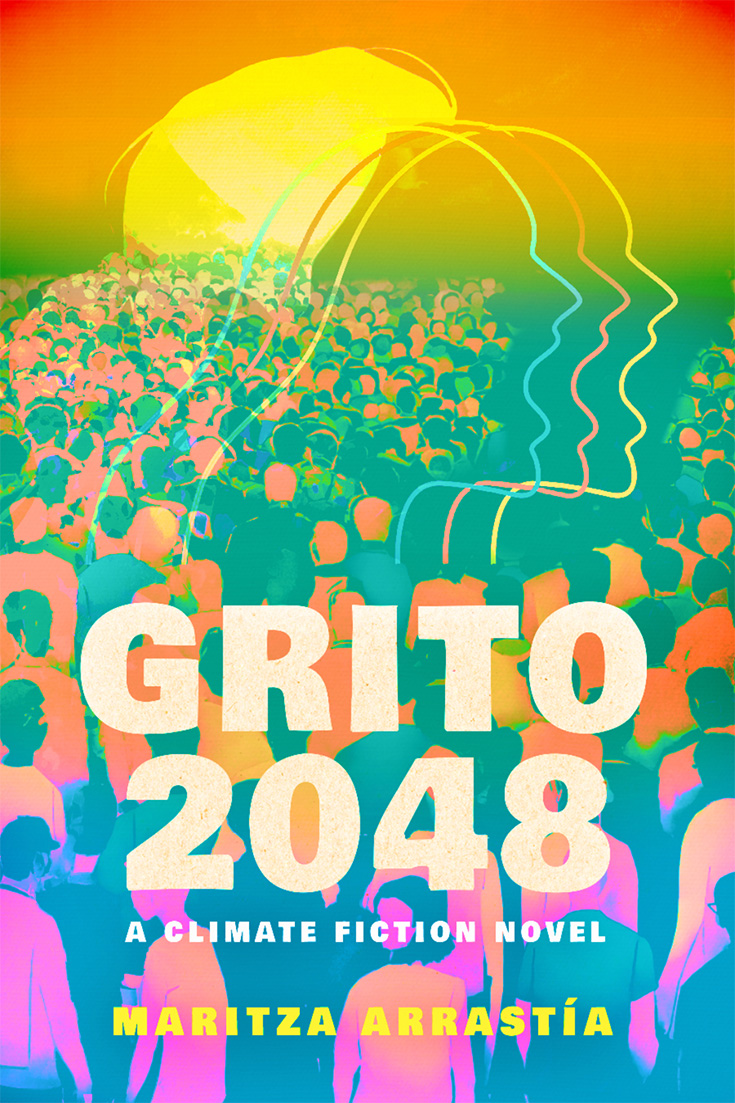
Grito 2048
Ursula Leguin is one of the most admired writers of speculative science fiction in America. Her work challenges the rationality and desirability of our capitalist system. LeGuin has written “We live under capitalism. Its power seems indestructible. So did the divine right of kings.“
Our guest today is Brooklyn based writer Maritza Arrastia, who has just had published her climate science fiction novel Grito 2048. Her novel is set in the last remaining Caribbean colony of the collapsing empire of the Diez Familias, where climate catastrophe and colonial extraction have reached their limits. As imperial elites prepare to abandon Earth for replica planets, beyond the reach of ruin, those left behind must decide whether the planet can still be reclaimed.
The novel follows the central figure Marina and others as they leave the imperial city for Palenque, a seaside encampment where rebels, families of the disappeared, and youth organizers are rebuilding life amid rising seas. It is there that Marina gathers the Grito Chronicles – war cries, threaded through centuries of Caribbean resistance – while the youth lead movement Todx prepares for the last Grito,, an uprising planned for 2048 to take back Earth.
Guest – Maritza Arrastia is a Cuban – Puerto Rican writer whose literary life spans five decades. She was a reporter and editor at Claridad, A bilingual newspaper of the Puerto Rican Socialist Party. Ms. Arristia has published poetry, drama, fiction, journalism, and essays. She has taught literacy in English as a second language through collaborative, community-pedagogy. Her work explores climate futures, colonial afterlives, and insurgent memory.
————–
Artificial Intelligence, Civil Liberties, Civil Rights, Economics, Gaza, genocide, Human Rights
Podcast: Play in new window | Download

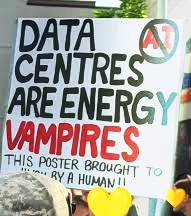
Communities Nationwide Unite Against Data Center Resource Grab
Across the nation, communities are becoming ground zero in a growing fight over data centers. The explosive growth of AI, cloud computing, and cryptocurrency has triggered a massive boom in their construction. These sprawling facilities often cover hundreds of acres and consume enormous amounts of electricity and water. Residents from Virginia to Pennsylvania, Georgia to Arizona, are asking a simple question: who benefits, and who pays the price?
The answer has sparked one of the fastest-growing grassroots movements in the nation. In the past year, local campaigns have blocked or delayed dozens of proposed centers worth billions of dollars. Citizens are challenging developers over rising electricity costs, water consumption, noise pollution, loss of farmland, and the construction of new fossil-fuel infrastructure designed to power these facilities. Nationally, more than 230 organizations have joined calls for stronger regulation and even a moratorium on new large-scale data centers until environmental and community protections are in place.
Guest – Jim Walsh, Policy Director at Food & Water Watch in Washington, DC. It’s one of the leading organizations helping coordinate community resistance to the rapid expansion of data centers. Since joining Food & Water Watch in 2009, Jim has focused on energy, climate, and public water policy. He is a prominent advocate for policies prioritizing environmental protection and community control, from campaigns to ban fracking and challenges to carbon capture projects. Jim worked has also worked with New Jersey Citizen Action and the Progressive Action Network.
—-
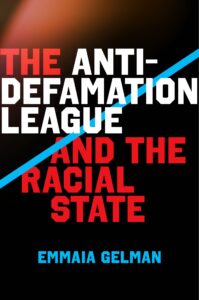
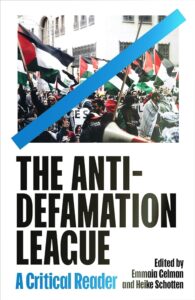
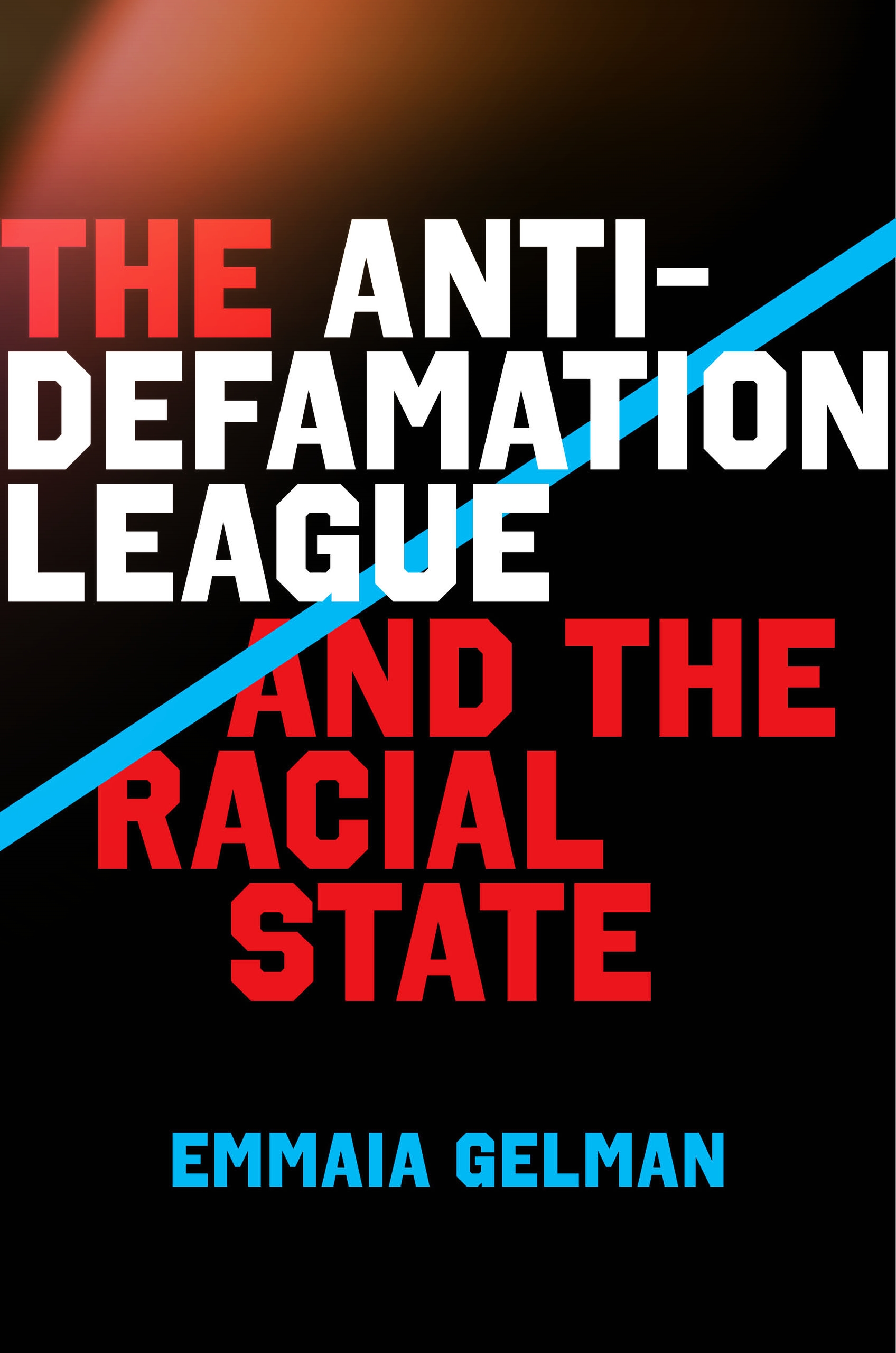
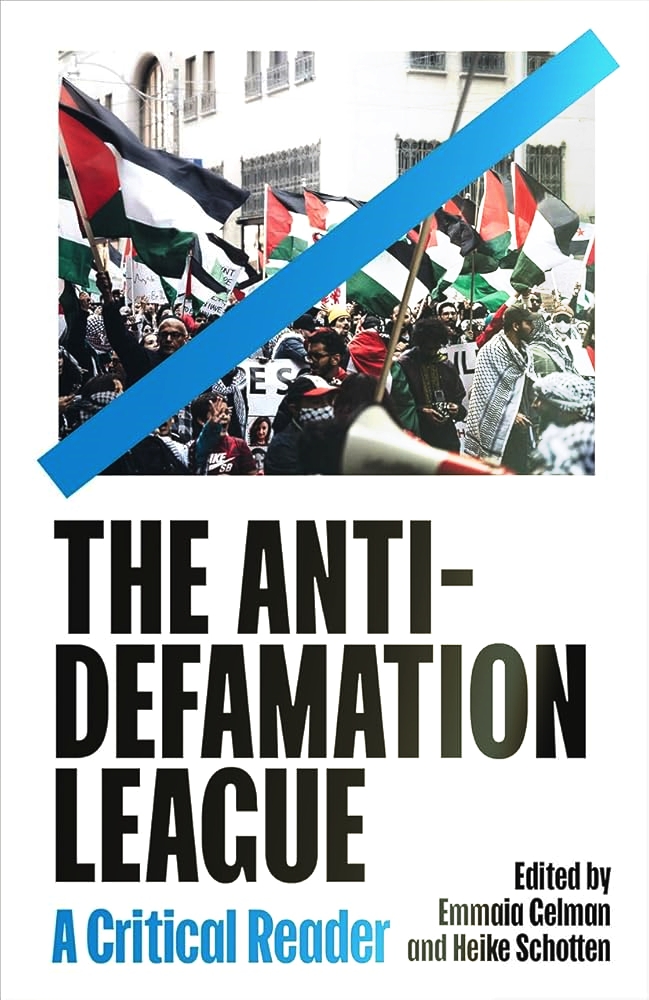
The Anti-Defamation League and the Racial State
Here at Law and Disorder we’ve been exposing how efforts that claim to be combating antisemitism have been weaponized in a concerted effort to silence criticism of Israel and demonize support for the Palestinians. One organization that is playing a leading role in these efforts is the ADL, the Anti-Defamation League.
Many people, including many Jews, may think of the ADL as a long-established civil rights organization that is known for opposing racism in general, and antisemitism, in particular. But as we’ll learn from our guest today, there’s a lot more we need to know about the ADL.
Guest – Emmaia Gelman is the author of the new book The Anti-Defamation League and the Racial State, and co-editor of The Anti-Defamation League: A Critical Reader. She also co-hosts the podcast Unpacking Zionism. Emmaia is co-chair of the American Studies Association Caucus on Academic and Community Activism, and is the founding director of the Institute for the Critical Study of Zionism, which examines the political and ideological work of Zionist institutions in Palestine and transnational contexts. She has taught social and cultural analysis at NYU and social sciences at Sarah Lawrence College. Her writing appears in Jewish Currents, Boston Review, The Forward, and elsewhere.
CriticalZionistStudies.org
————————-
Civil Liberties, Civil Rights, Cuba, Economics, Human Rights, Racist Police Violence, Torture
Podcast: Play in new window | Download

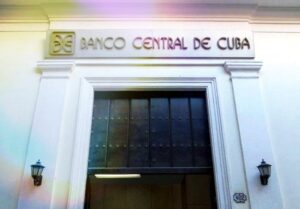
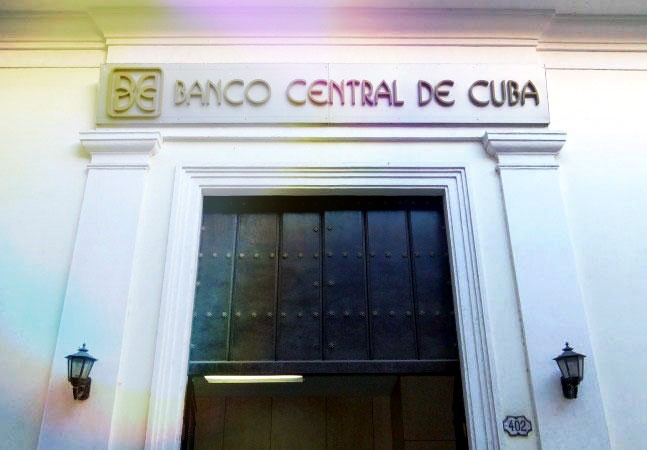
The Future of Cuba
When the Cuban revolution succeeded on January 1, 1959, it drove the American supported Batista dictator out of their country. One of the first things that the revolution government did was to create a law – which is very popular because a lot of people would have fought on the side of the revolution and benefited directly from it – to initiate a comprehensive land reform.
Previously, large tracks of land had been owned by American corporations. The average peasant worked part-time, seasonally, was not literate, and lived from hand to mouth. The revolutionary government nationalized the big properties – which was their right under international law.
Not only did it nationalize the large lands but the government told the former owners that they would be compensated for their losses. They said to the American owners “we will pay you exactly the amount you said the land was worth when you listed it for tax purposes.” The Cuban government was turned down.
In retaliation the United States, which was refining all Cuba oil in American owned oil refineries, stopped refining oil and Cuba was cut off from gasoline. What did the Cubans do? They nationalized the oil refineries, then the bus company was nationalized, the phone company was nationalized, the nickel mines were nationalized, the top levels of the economy were nationalized.
Instead of having production for profit, which is really irrational and anarchical, they had a planned economy – which is called a socialist revolution. That’s what happened very quickly to America’s surprise in Cuba. Getting that property back has been the aim of American foreign policy ever since.
Cuba has great respect and support internationally because of the example it set. It has free education, universal healthcare, inexpensive housing, wonderful art, and music and dance. The United States has aimed to overturn Cuba’s accomplishments and example. Its economic, political, and diplomatic aggression against Cuba has been relentless for 67 years. But under Trump, it’s never been worse. US-CubaNormalization.org
Guest – Ike Nahem, a founder and leader of the New York -New Jersey Cuba Si Coalition. He has organized labor and educational tours of Cuba.Mr. Nahem is a retired Amtrak locomotive engineer.
—-
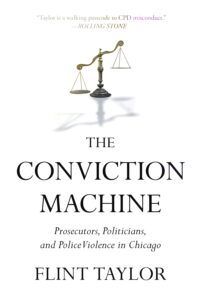
The Conviction Machine: Prosecutors, Politicians and Police Violence in Chicago
The comedian Lenny Bruce used to joke that Chicago was so corrupt. It was thrilling. He had no idea. Bruce was referring to run of the mill bribery of a traffic cop or a police officer taking your floor mats in lieu of a ticket or a pay off from a local bar owner. The corruption in Chicago ran much deeper. It went from the prosecutors who were actually in the police station, listening to the screams of men being tortured, before they went and took a signed confession from them.
It was the commander of a whole section of police who learned how to torture people from a tour of duty in Vietnam. He brought back an electric machine that they had actually used in Vietnam Vietnamese. This machine was used on Black people in Chicago. Three hundred people were convicted on the basis of tortured confessions. The corruption ran all the way up to the mayor’s office. Mayor Richard J Daily knew about it and said nothing.
It was only the work of a few attorneys like Flint Taylor and the community, the Black Panther party, and activists and progressive politicians who exposed it. Their victory included reparations, The torture of people in police stations on the west side and southside of Chicago is now taught to eighth grade and 10th graders in the public schools.
“In the halls of justice the only justice is in the halls“ said H. Rap Brown, the leader of the Student Nonviolent Coordinating Committee (SNCC)
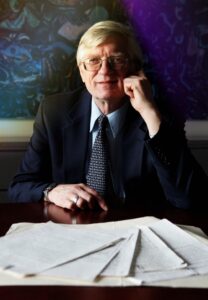
Guest – Flint Taylor, a founding member of Chicago’s Peoples Law Office. He represented the families of slain Black Panther leaders Fred Hampton and Mark Clark. He continues to represent many survivors of police torture and wrongful convictions. Attorney Taylor is co-counsel in the Malcolm X assassination case and is the award-winning author of the historical memoir “The Torture Machine“. Flint’s book is a captivating account of the most corrupt and blood soaked chapter In Chicago law-enforcement history.
——————-