Censorship, Civil Liberties, Criminalizing Dissent, FBI Intrusion, Human Rights, Supreme Court, Surveillance, Targeting Muslims, Torture, Truth to Power
Podcast: Play in new window | Download
Updates:
——
United Nations Goldstone Report on Gaza: Operation Cast Lead
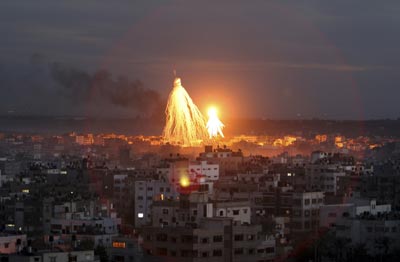
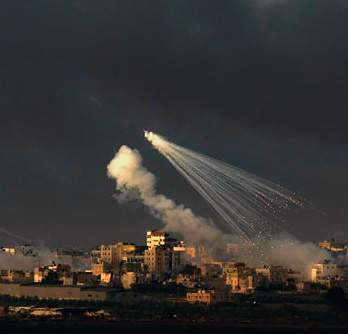
Last week, the United Nations commission released a six hundred page report (PDF) that says Israel committed war crimes against the Palestinians in the Gaza Strip. South African Judge Richard Goldstone who headed the report also says that Israel committed crimes against humanity during the Operation Cast Lead in late December and January. The report also states that the Palestinians committed war crimes by firing rockets into southern Israel. The report confirms that Israel fired the chemical agent white phosphorous in civilian areas, and intentionally fired high-explosive artillery shells upon hospitals. It also claims that Israel used Palestinian civilians as human shields and deliberately attacked Palestinian food supplies in Gaza.
Professor Richard Falk:
- The report is a real milestone in holding the Israeli government accountable at least at the level of affirming facts for its behavior in the occupied territories. A great contribution to the Palestinian Solidarity Movement.
- I think the report went a little too far in the objective view, while it didn’t treat them equally, the report gave a lot of detail on the rockets that were fired from Gaza, and allowed a certain impression of symmetry to be formed, which I think is very misleading.
- The rocket fire is a war crime and should be condemned but at the same time, there was a cease fire in 2008 where the rocket fire was reduced virtually to zero. Hamas tried to extend that cease fire, Israel basically broke it and refused to extend it.
- Reasons why Israel broke cease fire: It occurred near Israeli elections, change in leadership in the US, overcoming the impression of Israeli defeat in the Lebanon conflict of 2006
- Israel kept pressing for an opportunity to show it is a formidable power that shouldn’t be challenged, and in that sense the message was as much to Iran as the Palestinians.
- The report discuss in detail the various incidents in factual detail and confirmed what had been alleged earlier. Attacking civilians who are in complete vulnerability.
- It was the indiscriminant and disproportionate character of the use of force by Israel, that is the focus of the condemnation that is at the core of the report. The report confirms what had been a journalistic consensus.
- The report gives credibility to universal jurisdiction. Universal jurisdiction initiatives are appropriate given the findings of the report. The international criminal court may not be available, but there are other possibilities for ending Israeli impunity and one of them is universal jurisdiction. Countries can push for universal jurisdiction in holding certain Israelis accountable.
- The report will help legitimize the BDS movement. The blockade still in place.
Guest – Professor Richard Falk, Special Rapporteur on Human Rights in the Palestinian Territories for the United Nations High Commissioner for Human Rights who has been barred entry to Israel. He’s Professor of International Law at Princeton, will be the Council’s special investigator of Israeli behavior in the territories and this has incited furious objections from Yitzhak Levanon, the Israeli ambassador to the U.N. in Geneva. Falk replaced South African John Dugard, a veteran anti-apartheid activist.
—————————–
Capitalism Hits The Fan: A Jobless Economic Recovery
Nearly a year ago, the US government seized mortgage banks Fannie Mae and Freddie Mac, within a week investment bank Lehman Brothers went bankrupt that triggered a global financial panic. In the months that followed financial markets tumbled worldwide. With trillions vaporized from the world economy, the US is partnering with G20 groups to create global rules that will govern finance. The US economy is just now showing signs of recovering from one of its deepest economic recession ever.
Rick Wolff:
- False euphoria about recovery, gamblers come into the market, believing it won’t go lower.
- Typically however there’s another leg down, we have people investing in a way expecting the market to drop.
- The whole world went into the toilet (economically) and the Chinese government stock market doubled?
- The Chinese miracle is based on exports, but in order to have exports, the rest of the world has to be able to buy. The rest of the world has been in the greatest depression at least since the second world war
- How can the Chinese keep producing if the rest of world in which they sold, can’t buy?
- My theory is that if the Chinese allow their system to collapse they’d have a domestic impossibility, socially and politically. The Chinese are basically continuing production and storing it. Hold it, and hope against hope, warehouses of toys and everything. Revealed: The ghost fleet of the recession anchored just east of Singapore
- Two bubbles, the Chinese bubble and the US treasury bubble.
- The Federal Reserve prints money, that’s voted on by the Federal Reserve boards. This way they avoid the unpleasantness of having to tax people or borrowing from the private sector
- One out of 15 people in the US labor force today is unemployed (Bureau of Labor Statistics)
- Roughly 59 percent of the US is working, every conceivable worker that can be laid off, is being laid off.
- Is this a real recovery? New businesses? Yes, but workers taking it on the chin.
- American businesses are discovering everywhere, that the future growth is elsewhere, it’s not in the U.S.
- The American working class is being pushed down, with the unemployment, the foreclosures.
- In China and other countries that are desperately poor, there’s a small growing income rich, technical industry, since that’s the only growth anywhere in the world economy, it’s what everyone is excited about, and where everybody is gearing.
- The Obama Administration ought to question the assumption of focusing all their efforts on restoring credit markets and shoring up banks, bailing out busted insurance companies, etc.
- Roosevelt hired millions people in the depths of the depression to work on a whole host of projects, Obama hasn’t done a thing about that, nothing.
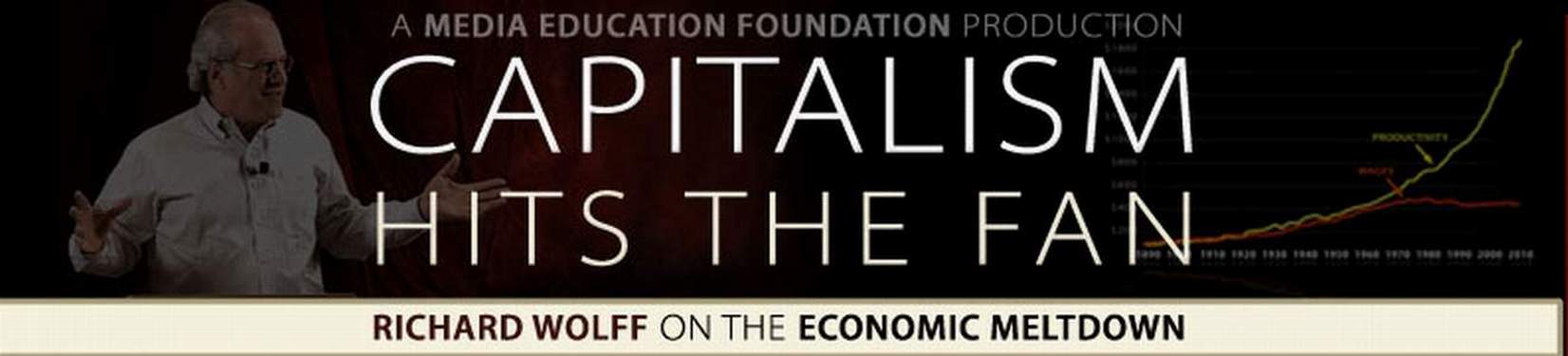
- Capitalism Hits the Fan, you can follow how the crisis happened, why it took the forms it did, literally, month by month how it was happening, think about it as a critical analysis, of how we had this crisis, why its not responding to the government, why it is so powerful and global in nature.
Guest – Rick Wolff, Professor of Economics at University of Massachusetts at Amherst. In his new book Capitalism Hits the Fan: The Global Economic Meltdown and What to Do About, Rick takes the reader back to 2005 and step by step reveals how policies, economic structures and wage to profit systems led to a global economic collapse. His books is complimented by the film Capitalism Hits the Fan.
———————————————————————————-
Afghanistan War, Civil Liberties, FBI Intrusion, Human Rights, Iraq War, Supreme Court, Surveillance, Targeting Muslims, Truth to Power, War Resister
Podcast: Play in new window | Download
New Time: Law and Disorder Broadcasts at 9AM on WBAI Listen here
Updates:
- 9-11 Anniversary/ Patriot Act / AUMF / Preventive Detention /Surveillance
- North Carolina terrorists / Consequences of cooperating with FBI
- Spanish prosecution update / Change in universal jurisdiction law / Trying to narrow law at behest of Israelis and Chinese
—–


Rethinking Afghanistan
Last week, Defense Secretary Robert Gates affirmed the US miltary commitment in Afghanistan, as thousands of additional troops are deployed. To give us a perspective we are joined by Norman Soloman, executive director of the Institute for Public Accuracy. Solomon is also the author of “War Made Easy: How Presidents and Pundits Keep Spinning Us to Death.” and has written several articles about his experiences in Afghanistan. Solomon has returned from a visit to Kabul in late August. His articles have detailed the war torn landscapes, stunning civilian casualties and the desperate living conditions of Afghani children. Previous Law and Disorder Shows on Afghanistan
Norman Solomon
- It’s worse than the mainline media would tell us.
- People who do go to Afghanistan, travel in a bubble, taken around by the Pentagon and learn very little, often not speaking to any Afghans who aren’t part of Karzai government.
- The intention of the Obama Administration is to wage war in Afghanistan, and humanitarian aid and assistance is an after thought.
- It’s in the foreground for PR, but the suffering is way beyond the number of people killed that’s being reported
- Afghans are outraged at the US killing civilians and outraged at the air war
- There are no Al-Qaeda in in Afghanistan, that’s been true for a while.
- This is a prescription for endless war, repetition compulsion.
- The agenda is less defensive and high blown, they have to do with geo-political positioning which is primary.
- Recommended Book: Descent Into Chaos: The United States and the Failure of Nation Building in Pakistan, Afghanistan and Central Asia.
- Afghanistan War is a humanitarian disaster that continues to unfold.
- The solution has to do with humanitarian and military activity being inverted.
Guest – Norman Solomon, executive director of the Institute for Public Accuracy. Solomon is also the author of “War Made Easy: How Presidents and Pundits Keep Spinning Us to Death.” and has written several articles about his experiences in Afghanistan. Solomon returned from a visit to Kabul in late August.
—–

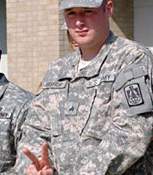
T.Bishop – photo by: Eric Thompson
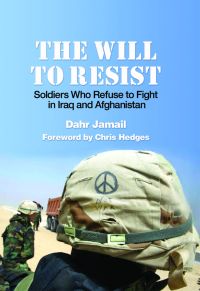
The Will To Resist: Soldiers Who Refuse to Fight in Iraq and Afghanistan
The majority of the United States has opposed the continued occupation of Iraq and as the Pentagon decides to send more US troops to Afghanistan, there is a growing public distrust surrounding this recent escalation of war. Is there also a growing resistance among the ranks of US soldiers? The mainstream media has failed to report on the increasing number of soldiers taking a public stand and finding ingenious ways to express defiance. Author Dahr Jamail has compiled a report of dissent within the military in his recent book The Will To Resist: Soldiers Who Refuse to Fight in Iraq and Afghanistan. Watch Winter Soldier Coverage
Dahr Jamail:
- In the last decade, 50 thousand troops have gone AWOL. In 2007, a 42 percent increase of troops going AWOL in the US Army. Nearly 8 thousand troops each year going AWOL.
- Increase in troops contacting groups such as Courage To Resist and IVAW
- Soldiers resisting are often quickly processed through to shut them up
- Massive escalation in Afghanistan – more than 60 thousand troops. 131 thousand troops still in Iraq.
- McCrystal was advised that after the surge is done, add 45 thousand more troops.
- Lack of quality treatment for PTSD and Traumatic Brain Injury are not lost on the military, they know and understand.
- The Will To Resist focuses on active duty troops and veterans, the lead chapter is about resistance on the ground in Iraq.
- Search and avoid missions, IED lottery, we would find an open field, park there and call in every hour, saying yes we’re still looking for weapons caches.
- We often see a demoralized unit being sent in to an extremely bad situation, when it gets time to gear up, the troops are sitting there and the commander sees them and rather than risk media exposure, he’ll cancel the mission.
- A lot of people still in Canada.
- Soldiers are not informed that they can refuse an unlawful order and that they can apply for conscientious objector status. Two resisters from Fort Hood, SP4 Victor Augusto and Sgt Travis Bishop.
Guest- Dahr Jamail, he currently writes for the Inter Press Service, Le Monde Diplomatique, and many other outlets. His stories have also been published with The Nation, The Sunday Herald in Scotland, Al-Jazeera, the Guardian, Foreign Policy in Focus, and the Independent.
————————————————————————–
Afghanistan War, CIA Sponsored Terror, Civil Liberties, Guantanamo, Habeas Corpus, Human Rights, Iraq War, Military Tribunal, Prosecution of the Bush Administration, Targeting Muslims, Torture, Truth to Power
Podcast: Play in new window | Download
Updates:
- States increase opposition to money making traffic cameras: lawsuits.
——–
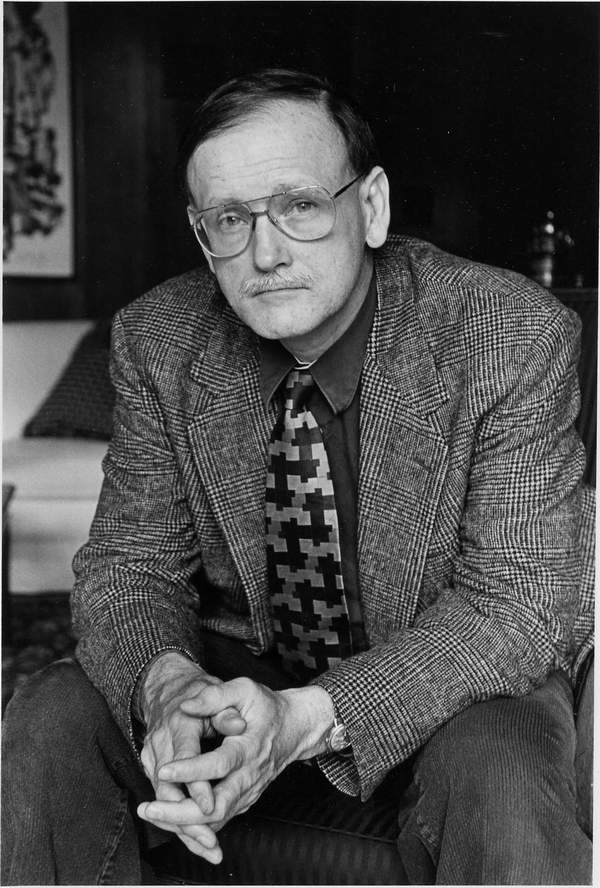
Alfred McCoy: CIA OIG Report PDF
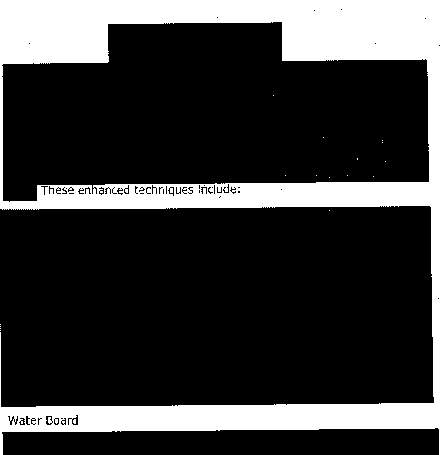
Last month, marked the release of the CIA’s Office of Inspector General report investigating the use of “enhanced interrogation techniques” against detainees. The nearly fifty percent redacted report focused on incidents which exceeded the torture guidelines written in the Office of Legal Counsel torture memos. In the report, waterboarding a detainee 183 times was noted with only a concern, and highlighted abuses include faking the execution of a detainee by (quote) “contractors” without training and pointing an unloaded gun to a prisoners head. This report was not released with John Yoo’s torture memos. A move which could’ve helped prosecute torture architects such as Yoo and other Office of Legal Counsel lawyers who violated their professional ethical duties when they wrote memos claiming the administration’s proposed torture techniques were legal. Hear Al McCoy speak at Left Forum
Al McCoy:
- The chronology is important, the report is an investigation into excesses.
- The report also looks at the period ranging from 12 to 18 months when the alternative methods were authorized by President Bush – “enhanced interrogation techniques”
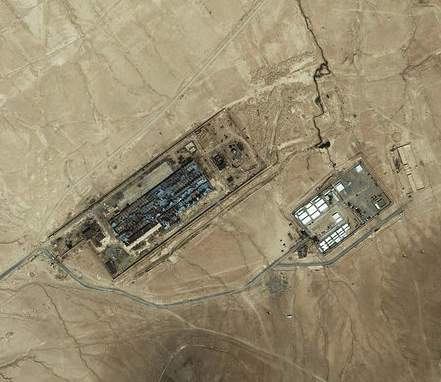
- For the first time in the history of the CIA, they were authorized to operate their own prisons, the so-called 8 black sites that operated from Thailand to Lithuania
- (Inspector General investigators) They opened up these secret sites and started collecting these detainees before they had clear guidelines and supervision
- Torture is seductive, erotic to the human mind, a process of which we know very little.
- Under US law section 23.40 of the Federal Code, psychological torture is legalized, there are only 4 things you can’t do under US law. One of them is death threats and death threats against a third party
- One of those hapless field agents that went over the top will take the fall. Yet, we know former Defense secretary authorized extraordinary techniques and his directions went down through the chain of command, it got all the way down to Abu Ghraib (prison photos link), where those soldiers were actually complying with those directives.
- The directives were illegal. You should be prosecuting the person who gave those orders at the top of the chain of command.
- In this case instead of having bad apples in military parlance, we’re going to have “rogue agents.”
- The stages of a country ruling with impunity – we’re not talking about a change of regime and then a tribunal, this is assuming continuity of government. (Clinton/Bush/Obama)
- It was necessary for our security: Dick Cheney’s latest argument – “so what, it made us safe.”
- We may have done these crimes but we now need to pull together and develop ourselves as a nation.
- The CIA had two distinguished cognitive scientists at Cornell University medical center in New York City, Doctors Henkel and Wolf. Ultimately they found the most devasting mode of torture is forced standing.
- Stand for hours motionless, sometimes days at a time, fluids flow to the legs, kidneys shut down, hallucinations begin, it’s incredibly painful.
- What they found back in the 1950s is you can make people do forced confessions, but its not very good in extracting objective information.
- Colin Powell’s former military aid, charged that Cheney in particular ordered this torture and extracted the false information – specifically with Ibn al-Shaykh al–Libi a prisoner whose false confession was used to link Saddam Hussein and Al-Queda.
- The best we can hope for is a Congressional Review, perhaps a Senate inquiry into the Bush years, that would look at the origin of the policy, the full nature of the policy, and whether or not it worked, not only gains but the costs. A serious, sober politically objective honest inquiry, apart from the prosecutions that may come from the Special prosecutor. Check out Progress Report’s – Accountability
- Within the American Psychological Association, these are not medical practicioners, they don’t take the Hippocratic Oath. It’s one branch of the medical community, the psychologists.
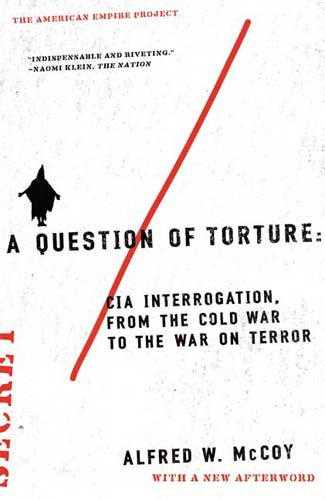
Guest – Professor of history at the University of Wisconsin-Madison. Author of “A Question of Torture: CIA Interrogation, From the Cold War to the War on Terror” and also “The Politics of Heroin: CIA Complicity in the Global Drug Trade.
———————————–

Labor Law Reform: Employee Free Choice Act
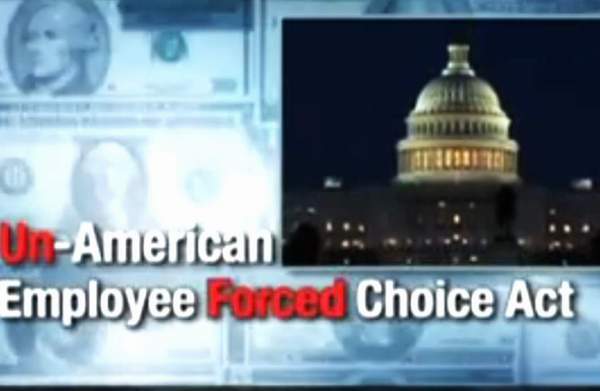
The Employee Free Choice Act is a proposed legislative bill that would speed up the process for employees to form a union. Under current labor law, workers can select union representation either through an election or something called card check, – a majority sign up. The US National Labor Relations Board will only certify a union as the exclusive representative of employees only if it is selected by a secret ballot NLRB election or if the employer agrees to a card check process. The catch is, that companies can refuse to bargain with a union chosen by a card check process even if 100 percent of employees want the union. Right now, the choice to use an election process or majority sign up is controlled by the companies.
The Employee Free Choice Act would change this process and take away employers’ ability to decide whether to use only the card check process or secret ballot election. This would make it much quicker process for employees who needed to form a union. This labor reform law has not been proposed without a fight, nearly 200 million is funding a misinformation campaign back by groups such as the Chamber of Commerce. Read Abby’s Public Eye article here.
Abby Scher:
- In the fifties, unions represented a third of the labor force, now they represent 12 percent.
- Employers have a lot of time to beat back the union. The Center for Responsive Politics found that the Chamber of Commerce spent 400 thousand dollars a day in opposition.
- The chamber of commerce is the largest lobby group in the country
- You can hear the rhetoric in their misinformation campaign. ..“EFCA is unAmerican, it takes away the secret ballot, unionists are thugs that will coerce workers into giving up their individual rights.”
- It’s harsh rhetoric from what you would consider a main stream group
- The national right to work committee since the fifties has flipped the script.
- Two phone calls have gotten attention, Bank of America and Citigroup . . .the center for Union Facts, – Rick Berman and Bernie Marcus talking about how EFCA would destroy capitalism and tried to motivate people on the call to give to Republican candidates
- Chamber of Commerce front group – Alliance to Save Main Street Jobs. In the misinformation campaign, the chamber of commerce is saying that EFCA will hurt small businesses, because everyone loves small businesses.
- They retained this woman to do a study about how EFCA would destroy 600 thousand jobs. This woman’s specialty is intellectual property, this is not her background, she is a gun for hire.
- It (her research) was easily debunked but you still hear people citing that study.
- Surprisingly, unions are growing. Big businesses are the threat against small businesses, not unions.
- I encourage everyone to subscribe to the AFL-CIO blog
- Unions help workers bargain for better wages, people have money to spend, buying power, quality of life.
Guest – Abby Scher, Editorial Director of the Public Eye. Check out Abby Scher on Making Contact’s Radio Feature
———————————————————-
CIA Sponsored Terror, Civil Liberties, Human Rights, Iraq War, Military Tribunal, Prosecution of the Bush Administration, Targeting Muslims, Torture, Truth to Power
Podcast: Play in new window | Download
CIA OIG Report PDF
Attorney General Eric Holder appoints special Justice Department prosecutor John Durham to conduct a preliminary investigation into whether federal laws were violated in connection with the interrogation of certain detainees in U.S. custody. In this lively first half hour discussion, hosts Michael Ratner, Heidi Boghosian and Michael Smith discuss and detail why the investigation does not go after higher-ups within the US torture program, how tortured confessions are used to support war and that interrogators did not act alone.
- CIA OIG Report (PDF): Released because of requests by the ACLU / CCR / Amnesty International / Physicans For Human Rights
- Office of Legal Counsel Torture Memo Authors Should Be Prosecuted.
- Sham and Diversions: Special Prosecutor not “independent”
- 500 Year Setback: Doctors evaluating limits of torture
- Doctors, lawyers, officials, CIA, government agents involved.
- Torture report also reveal Cheney lies that intel was extracted from torture.
- CIA OIG Report Press Release
- Like a rat through a maze trying to find their way around the language
———
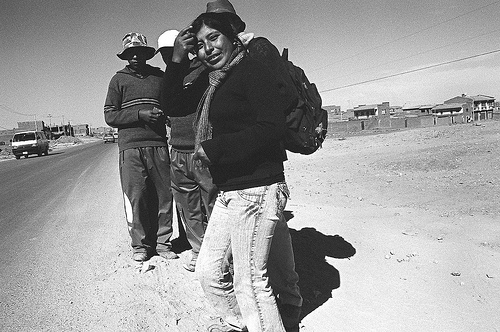
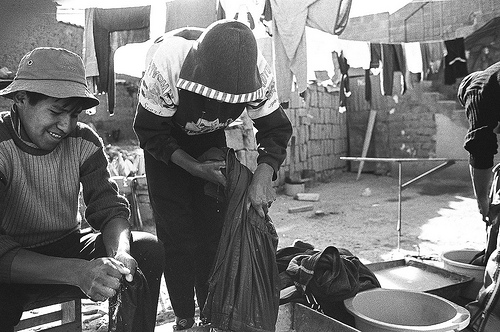
Jacob Ratner: Bolivia Debrief (photos courtesy of Jake Ratner)
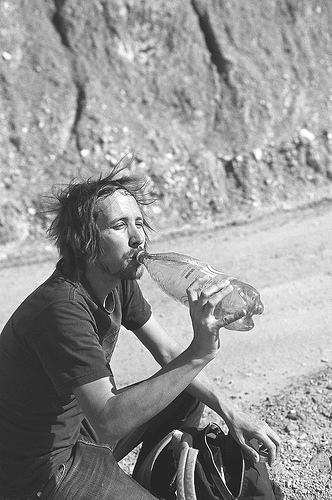
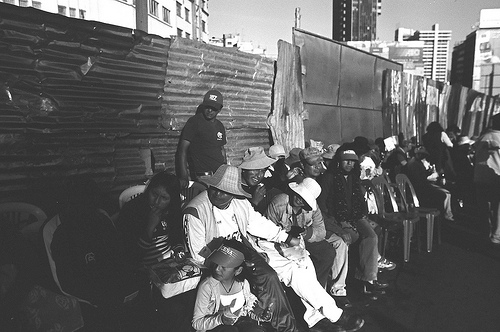
We are very pleased to have with us Jake Ratner, our own Michael Ratner’s son, that is fresh off the plane from Bolivia. Jake is entering his final year at the University of Pennsylvania and shares with us some of his experiences from his three month stay with a Bolivian family. Experiences include, the Aymara indigenous culture, economics and socialism among the classes of people in Bolivia and comparisons to Cuban culture.
Jake Ratner:
- Working at a Bolivian Womens Prison
- Working with NGO helping women’s prison, teaching workshops, replacing faulty lighting etc
- San Pedro’s Mens Prison in La Paz: The prison is self functioning, the prisoners run small businesses and pay rent for their cells.
- That kind of autonomy was also in the women’s prison.
- When you go into the prison it’s like a small Bolivian village, there’s a fountain, kids running around.
- The spirit of rebellion is completely related to their culture, a culture of collective reasoning and resistance to the imposing power.
- Many women in prisons acted as drug mules. Drug laws in Bolivia, similar to Rockefeller drug laws in New York.
- El Alto, one of the poorest cities in Bolivia, extreme poverty. No plumbing. The eat a lot of freeze dried potatoes.
- Former Bolivian president Gonzalo Sánchez de Lozada Sánchez Bustamante made back room deals with Bolivia’s natural gas resources. Bolivians took to the streets, many were killed. A lawsuit is pending.
- El Alto, Bolivia is a “city” of roughly 800 thousand people that sits on a plateau above La Paz. It has been growing at an exponential rate and will soon supersede the population of La Paz
- Bolivia Social Security system: Bonos – payments to lower income families.
Guest – Jake Ratner, son of co-host Michael Ratner. He is in his last year at the University of Pennsylvania. Jake has traveled to and studied in Cuba. Check out Jake’s Flickr page here.
———-
————————————————-
Civil Liberties, FBI Intrusion, Habeas Corpus, Human Rights, Surveillance, Truth to Power
Podcast: Play in new window | Download
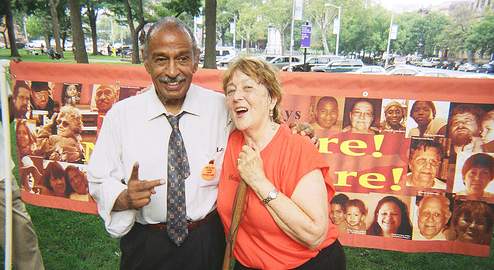
Remembering Marilyn Clement – Health Care Now
As many listeners may know, Marilyn Clement, a great social activist and founder of Healthcare-NOW died on August 3. Early in her social activism career Marilyn Clement joined the Southern Christian Leadership Conference and worked with Martin Luther King in Atlanta. She moved to New York City after King’s assassination, she was the executive director of the Center for Constitutional Rights and was active with the Women’s International League for Peace and Freedom in Philadelphia. Video Of Marilyn’s Speech June 2009
Mrs. Clement became one of the strongest voices for passing a single payer health care bill. She founded the New York based advocacy organization Health Care Now in 2004. We’re joined by long time friend of Marilyn Clement, Reverend Lucius Walker, founder of Pastors for Peace and executive director of the Interreligious Foundation for Community Organization.
Reverend Lucius Walker:
- It’s pleasure to talk about someone so rare and wonderful as Marilyn, I first met her in late 1967.
- She joined the IFCO staff in those early years. I met her in the interview process and felt that she was a remarkable person.
- She came directly to IFCO from being on a staff with Martin Luther King in Atlanta.
- She was drafting an program to do outreach to black ministers, black pastors.
- She sought out the influences that made her radical philosophy possible.
- She quickly became associate director of IFCO and in the thick of some of the most dynamic movements among people of color and poor whites in the country.
- She was very key staff in IFCO in helping to stop COINTEL PRO from trying to break IFCO’s back.
- The IRS ask to audit IFCO’s records. It took them 3 years to examine 18 months of our financial records.
- It was pure harassment, and she was key in helping us move through that whole process.
- Founded Health Care Now, that phase of her life began in 1970. She was the first person I heard articulate the concept of single payer healthcare.
- It (Health Care Now) started in her apartment, that was her office.
Guest – Reverend Lucius Walker – Executive Director of the Interreligious Foundation for Community Organization (IFCO). He was the founding director from 1967 to 1973. He served as Associate General Secretary of the National Council of Churches from 1973 through 1978. In January of 1979 he returned to IFCO, which has the distinction of being the only national ecumenical foundation committed exclusively to support community organizing.
————–
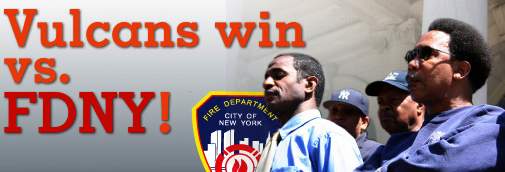
Victory for Vulcans in NYC Firefighters Case
Last month US District Judge Nicholas Garaufis ruled in favor of the fraternal order of black firefighters, in that New York City has been discriminating against minorities in firefighter hirings. The case, similar to other firefighter cases, brought to light the disparities in the results of hiring 5300 firefighters from 1999 to 2007. Out of the 3,100 black applicants and 4,200 Hispanic applicants who took the exam, only 184 black firefighters and 461 Hispanic firefighters were ultimately appointed. These practices help make New York City the least diverse fire department of any major city in America. 09.07.22_Garaufis Vulcans Opinion.pdf
Center for Constitutional Rights Attorney Darius Charney says, “This is a tremendous victory that we’ve been fighting towards for over seven years and we applaud the court for recognizing that the FDNY written examination has no bearing on whether or not a firefighter is qualified.”
Darius Charney:
- No other major city worse than NYC. Most civil service jobs were using written tests since the seventies.
- New York has continued to use a paper and pencil multiple choice test.
- A reading comprehension test, more akin to SAT. The city says its not feasible to structure other types of tests.
- Charney: That’s a bogus answer because other cities such as L.A. incorporate other testing methods.
- the case started in 2002 because we filed a complaint with the EEOC.
- EEOC found probable cause that New York City had discriminated, made under the Bush Administration.
- Vulcan society also brought a lawsuit against the fire department in the seventies
Guest – Darius Charney, Staff attorney at the Center for Constitutional Rights in the Racial Justice/Government Misconduct Docket. He is currently lead counsel on Floyd v. City of New York, a federal civil rights class action lawsuit challenging the New York Police Department’s unconstitutional and racially discriminatory stop-and-frisk practices, and Vulcan Society Inc. v. the City of New York, a Title VII class action lawsuit on behalf of African-American applicants to the New York City Fire Department which challenges the racially discriminatory hiring practices of the FDNY.
——————————————-
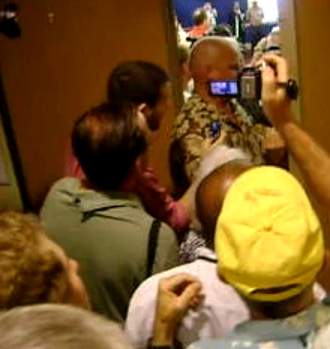


Story on Town Hall Riots: Right-Wing Shock Troops Do Corporate America’s Dirty Work
Were the fights and disruptions during the town hall meetings this month carefully organized and meticulously planned? A breaking news story at Alternet titled Story on Town Hall Riots: Right-Wing Shock Troops Do Corporate America’s Dirty Work unearths the massive right wing strategy. Anti government fringe groups have aligned with the health care industry, the GOP and Rupert Murdoch to create the town hall riot spectacles.
Adele Stan:
- I do think its important to look at the conflagration of interest in this whole thing.
- You have the corporate health care interest, you have Wall St., you have big media in the form of Rupert Murdoch, you have a Capitol Hill PR firm, that serves all these interests, and then you have these folks on the ground espousing anti-corporate personal belief.
- Dick Armey, former House Majority Leader, former Congressman from Texas, who works for a lobbying shop called DLA Piper and runs the non-profit called Freedom Works.
- Freedom Works is one of the major organizers of these town hall protests. DLA Piper, Dick Armey’s day job, represents a number of medical and oil interests.
- Resist Net – really caught my attention. It’s part of a network called Grassfire.org, and really organizes the far right. Milita types, anti-taxers, etc.
- Grassfire.org has solid connections to the institutional Republican Party. William Crystal, Peggy Noonan (You Are Terrifying Us)
- You’ll go to these sites and it will say, Stop Obama care now, and you’ll see a listing of the town hall meetings.
- Restoretherepublic.com at bottom of protest signs, connects to ResistNet. It’s clever and hard to find the tentacles.
Guest-Adele Stan, AlterNet’s Washington Bureau Chief
———————————————————————-
Civil Liberties, Criminalizing Dissent, Habeas Corpus, Human Rights, Prison Industry, Supreme Court, Surveillance, Targeting Muslims, Torture, Truth to Power
Podcast: Play in new window | Download
Naomi Wolf – Guantanamo Bay: The Inside Story
Has President Obama begun to honor his promise to close Guantanamo detention camp and undo secretive detention and interrogation policies within the year? Author and political consultant Naomi had to find out for herself. She is back from Cuba and wrote a highly descriptive narrative-style article of the trip titled Guantanamo Bay: An Inside Story. Naomi takes the reader into a surreal world where detainee handlers and lawyers flatly contradict each other and prisoners are viewed from a safari-tour distance.
Naomi Wolf:
- In order to close down an open society, you need secret prisons where torture takes place to create a police state.
- I’ve admired the work at CCR, and I thought since we have a new president I should go down to Guantanamo and see for myself if anything has changed.
- Getting off the plane in Cuba: It was like the Soviet Union in 1948, I was immediately separated from Pardiss Kebriaei. (CCR Attorney)
- Journalists are shadowed, literally every they’re there. Not only do they keep lawyers from doing their jobs, they keep journalists from doing their jobs.
- They literally treat detainees like animals in a cage. Any action that would humanize the detainees is categorically forbidden. They showed us camp x-ray first – the dog kennel-like cages.
- Running around these cages are rats the size of bulldogs.
- I went into another room and there was a huge pile of chairs. I looked closely at the legs and arms of chairs, there were duct tape marks as if someone were taped to the chair for interrogation.
- It was clear that the Obama Team wanted to communicate there was a kinder, gentler Guantanamo.
- Mohammad Al Anashi – alleged suicide. Banality of Evil
- Their bodies are crimes scenes but they can’t talk about what happened to them because it’s classified.
Guest – Naomi Wolf, author of seven books, and the groundbreaking book The End of America: A Letter of Warning To A Young Patriot, which was also turned into a feature documentary. In the book, Naomi addresses ten steps that societies, dictators, and sometimes democracies use to close an open society to move it toward facsism. Her new book is titled Give Me Liberty: A Handbook for American Revolutionaries which is a call to action for every person, activist or not. When you ask that question “What Can I Do?” The answers are outlined in Give Me Liberty.
Listen to past Law and Disorder shows with Naomi Wolf.
————–

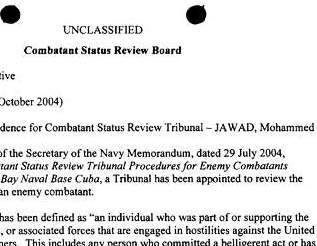
Mohammed Jawad
The Obama Administration proposed a new strategy last week for continuing the detention of Mohammed Jawad, he’s an Afghani being held for allegedly wounding two US soldiers with a grenade in 2002. Jawad may have been as young as 12 when he was picked up in 2002. Last month, the Obama administration conceded defeat when US District Judge Ellen Segal Huvelle told Justice Department lawyers that the case for holding Jawad was quote riddled with holes. Now, the Obama administration under pressure to release Jawad to Afghanistan, is asking to hold Jawad and try the case in a US District Court. A military judge has already ruled that his confession to Afghanistan authorities had been coerced by torture because they threatened to arrest and kill his family.
Jonathan Hafetz:
- Mohammed Jawad, arrested in Afghanistan in 2002 for allegedly throwing a grenade in a crowded market place that injured 2 US service members and their Afghan interpreter.
- Following his arrest, he was beaten and tortured by corrupt Afghan police who also threatened to kill him and his family if didn’t confess to throwing grenade.
- He was then turned over to Americans who continued to torture and terrify him. They then obtained a different false confession.
- He was taken to Bagram Prison at the peak of torture and abuse in December 2002.
- He was then rendered from his home country and taken to Guantanamo in February 2003.
- Mohammad Jawad suffered psychological stress, was observed to be in a trance state, then psychologists saw this as an opportunity to completely break him.
- He was sleep deprived, moved 110 times during a 2 week period.
- Fall of 2008, a military judge threw out false confessions that Jawad made to Afghan and US officials.
- By the end of 2008, the military commissions case was literally on life support, meanwhile Jawad enter’s his seventh year of detention.
- Even after a judge dismissed the coerced torture evidence, Obama administration still tried to use this evidence against Jawad.
- The case now under US District Judge Ellen Segal Huvelle; had granted Habeas petition, ordered Jawad to be released.
- New law: Before transferring a detainee from GTMO to another country, the president must provide notice to Congress. The power to decide release of Guantanamo prisoners still in Executive Branch of US Government.
Guest – Jonathan Hafetz, attorney with the ACLU’s National Security Project and one of Jawad’s lawyers. Jonathan Hafetz blasted the Obama administration for its “pathetic attempt to prolong an outrageous case and to manipulate the court system.”
—————————————————————————–