Civil Liberties, Civil Rights, Criminalizing Dissent, Freedom Of Speech, Gaza, genocide, Human Rights, Prison Industry
Podcast: Play in new window | Download
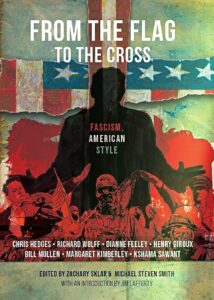
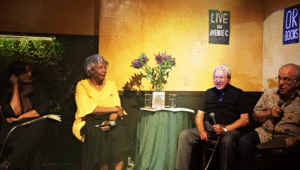
From The Flag To The Cross: Fascism American Style: Live Event
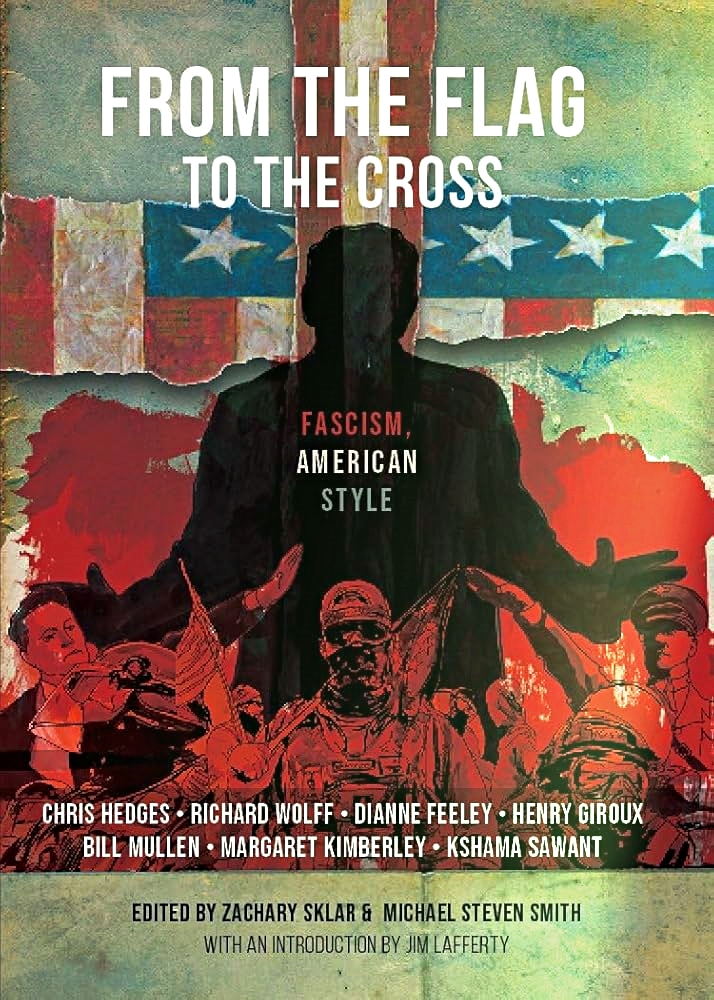
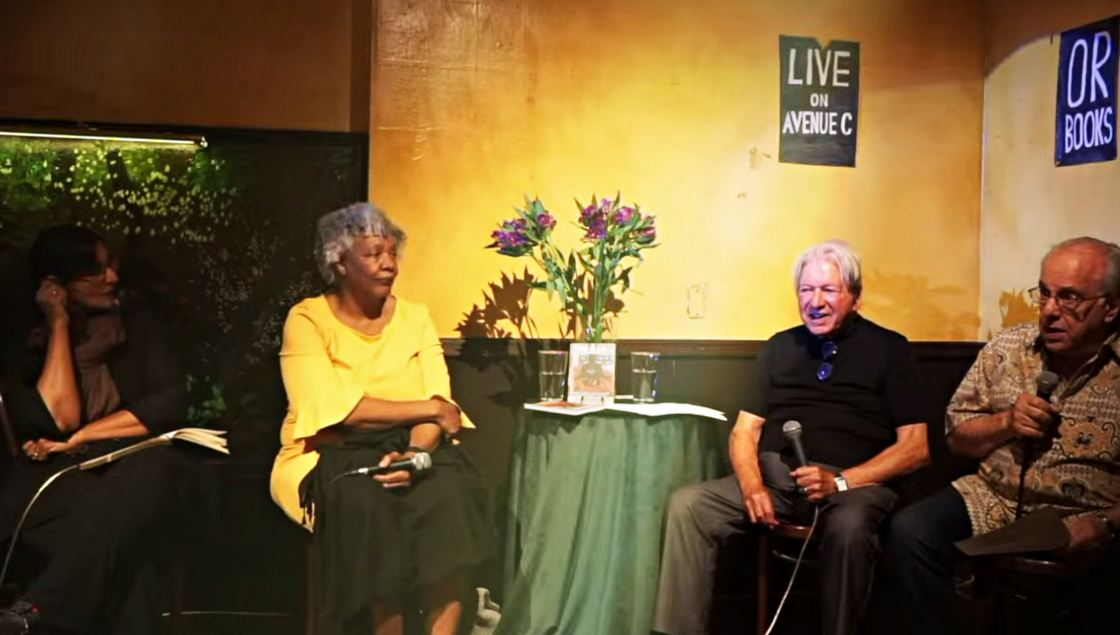
From The Flag To The Cross: Fascism American Style is the title of a newly published book edited by Zachary Sklar and our own Michael Smith. The book draws from seven key interviews with prominent socialist thinkers in the United States and Canada. They include Margaret Kimberly, Henry Giroux, Dianne Feeley and Bill Mullen. Last month publishers OR books held a live book launch event taking place at Live On Avenue C in the East Village. Speakers included economist Rick Wolff, New York-based writer Margaret Kimberly and economist Kshama Sawant.
—-
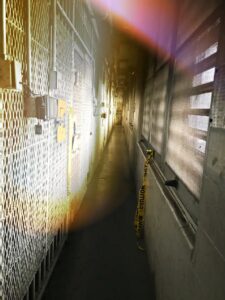
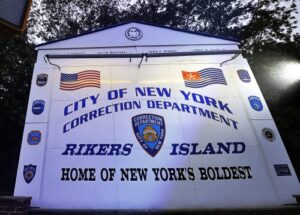
What Is Pretrial Justice?
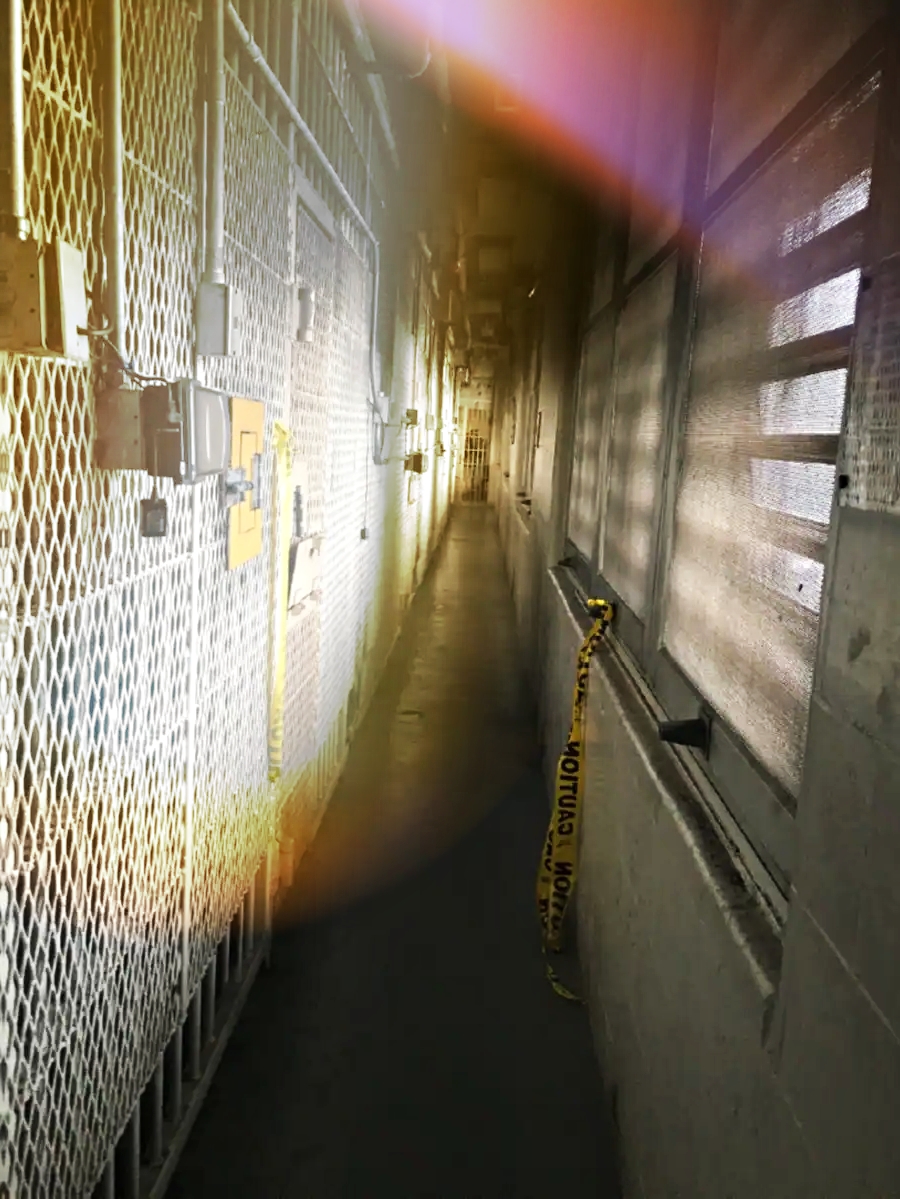
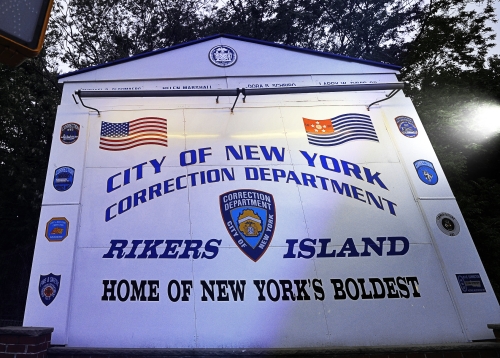
On any given day, roughly 7,000 people are held in New York City jails—mostly at Rikers Island—awaiting trial. Many are there not because they’ve been convicted of a crime, but because they can’t afford bail or have been remanded to custody. Critics argue that New York’s approach to pretrial detention is both unjust and unsustainable and that meaningful reform is long overdue. Detaining people before they’ve been found guilty turns the presumption of innocence upside down.
This system hits Black and Latino New Yorkers hardest. Lower average incomes and heavier policing in their neighborhoods make them far more likely to be jailed pretrial. Beyond the human toll, pretrial detention drives up expenses for staffing, security, medical care, and administration—all paid by taxpayers. And the social costs ripple outward. Lock-up before trial separates families, jeopardizes jobs, housing, and pressures individuals into pleading guilty simply to go home.
Recently, the Pretrial Justice Institute joined forces with NYU’s Center on Race, Inequality, and the Law, and the Bronx Defenders to convene directly impacted people, public defenders, advocates, and service providers to reimagine a more just system. Their report, A City Without Cages: Creating Pretrial Safety and Liberty in NYC, outlines what that future could look like.
Guest – Guisela Marroquín, Executive Director of the Pretrial Justice Institute in New York. There, she leads cross-sector efforts to advance racial equity and transform pretrial systems. Before that, she was Senior Director of Programs at the New York Women’s Foundation.

—————————
Civil Liberties, Civil Rights, Freedom Of Speech, Human Rights, Right To Dissent, War Resister
Podcast: Play in new window | Download
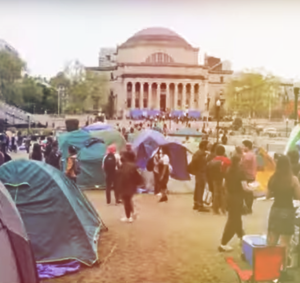
Non Citizens And Free Speech Rights: AAUP v Rubio
On September 30, 2025 a federal judge in Boston issued one of the most important decisions that has been rendered during the 9 months of Donald Trump’s second term. Following a nine-day trial in July that included the testimony of 15 witnesses and the admission of scores of documents, US District Judge William G. Young of the U.S. District Court for the District of Massachusetts ruled that the Trump administration’s policy of arresting, detaining, and deporting noncitizen students and faculty members for their pro-Palestinian advocacy violates the First Amendment. Judge Young was nominated by President Ronald Reagan and has served on the court for over 40 years. While there have been over 200 other court rulings involving Trump since January, this was the first decision following a full-dress trial.
The case, known as AAUP v Rubio, was brought by the Knight First Amendment Institute at Columbia University, partnering with the law firm of Sher Tremonte LLP, representing the American Association of University Professors, including AAUP chapters at Harvard, Rutgers, and NYU, and the Middle East Studies Association (MESA). The associations’ members include tens of thousands of faculty and students across the country.
In his historic ruling, Judge Young wrote, “This case—perhaps the most important ever to fall within the jurisdiction of this district court—squarely presents the issue whether non-citizens lawfully present here in [the] United States actually have the same free speech rights as the rest of us. The Court answers this Constitutional question unequivocally ‘yes, they do.’ ‘No law’ means ‘no law.’ The First Amendment does not draw President Trump’s invidious distinction and it is not to be found in our history or jurisprudence.”
Jameel Jaffer, executive director at the Knight First Amendment Institute, called it “a historic ruling that should have immediate implications for the Trump administration’s policies. If the First Amendment means anything, it means the government can’t imprison people simply because it disagrees with their political views. We welcome the court’s reaffirmation of this basic idea, which is foundational to our democracy.” Todd Wolfson, president of the AAUP, issued the following statement shortly after Judge Young issued his historic ruling: “The Trump administration’s attempt to deport students for their political views is an assault on the Constitution and a betrayal of American values. This trial exposed their true aim: to intimidate and silence anyone who dares oppose them. If we fail to fight back, Trump’s thought police won’t stop at pro-Palestinian voices—they will come for anyone who speaks out. Defending democracy means standing up now—loudly, visibly, and together.”
Having found that the policy violates the First Amendment, in the coming weeks, Judge Young is expected to turn to the question of what appropriate judicial relief should be granted.
Guest – Ramya Krishnan, senior staff attorney at the Knight First Amendment Institute. Ramya served as lead counsel at the trial and presented the opening and closing arguments to the court. She holds a B.A. and LL.B. from the University of Sydney, where she served as an editor of the Sydney Law Review, and an LL.M. from Columbia Law School, where she was a Raymond J. Baer Scholar.
—

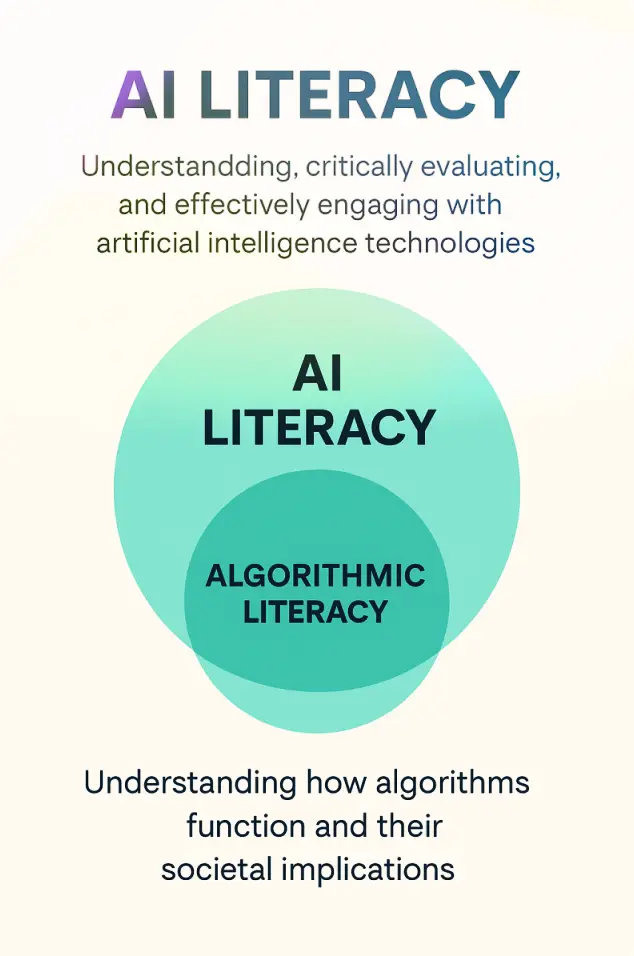
Algorithmic Literacy for Journalists
Artificial intelligence is transforming the newsroom—from how stories are written, and headlines are chosen, to which readers see which articles. Algorithms, those invisible sets of instructions that guide everything from Google searches to social media feeds, are now shaping journalism itself. They can amplify—or silence—voices, and determine which stories gain traction in the public sphere. For journalists, understanding how these systems work isn’t just technical—it’s essential to democracy.
Algorithmic Literacy for Journalists is a new online resource that helps reporters and editors navigate this complex new terrain. The project equips journalists to hold technology platforms accountable, explain AI’s influence to the public, and confront the hidden biases and power structures embedded in algorithmic systems.
Guest – founder of Algorithmic Literacy for Journalists, Dr. Andy Lee Roth the editor-at-large for Project Censored and its publishing imprint, The Censored Press. He co-edits the State of the Free Press yearbook series and co-authored The Media and Me: A Guide to Critical Media Literacy for Young People. A sociologist, since joining Project Censored in 2006, Andy has led media literacy initiatives, including developing Algorithmic Literacy for Journalists, a web resource helping reporters understand how AI shapes—and sometimes distorts—news and society.
———————-
Civil Liberties, Civil Rights, Freedom Of Speech, Human Rights, Illegal Immigration, Immigration
Podcast: Play in new window | Download
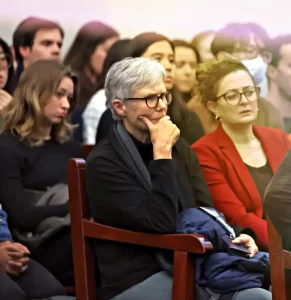

Court Watchers: Immigrant Solidarity Working Group Monitor Deportation Cases
In New York City, a quiet act of resistance is taking place every week inside the federal immigration courts. Members of the Professional Staff Congress—the union representing faculty and staff across the City University of New York—have been showing up not as lawyers or law enforcement, but as witnesses. They call themselves court watchers. Their goal: to stand beside immigrants facing possible deportation, document abuses, and assert the public’s right to observe what happens inside these halls of power.
The union’s Immigrant Solidarity Working Group launched this effort over the summer, after reports that armed ICE agents were making mass arrests in and around federal courthouses—even detaining people who had appeared voluntarily for hearings. For many PSC members, this was a line they couldn’t ignore. Each Friday morning in Foley Square, educators gather before entering the courthouse. They’re trained to document what they see, to provide moral support, and to help loved ones locate those taken into detention. Their presence sends a message: that New Yorkers will not turn away from injustice carried out in their name.
What began as an act of witness has become a form of civic education. Teachers who spend their days in classrooms are now learning new lessons about power, vulnerability, and courage. In the process, they’re showing their students—and the city—what solidarity looks like in action.
Guest – PSC Secretary Andrea Vásquez is an associate director of the American Social History Project at the CUNY Graduate Center, and a managing director of the New Media Lab.
—-
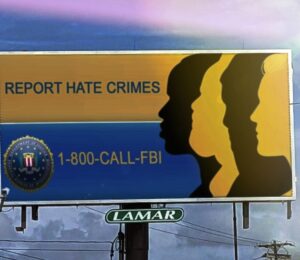
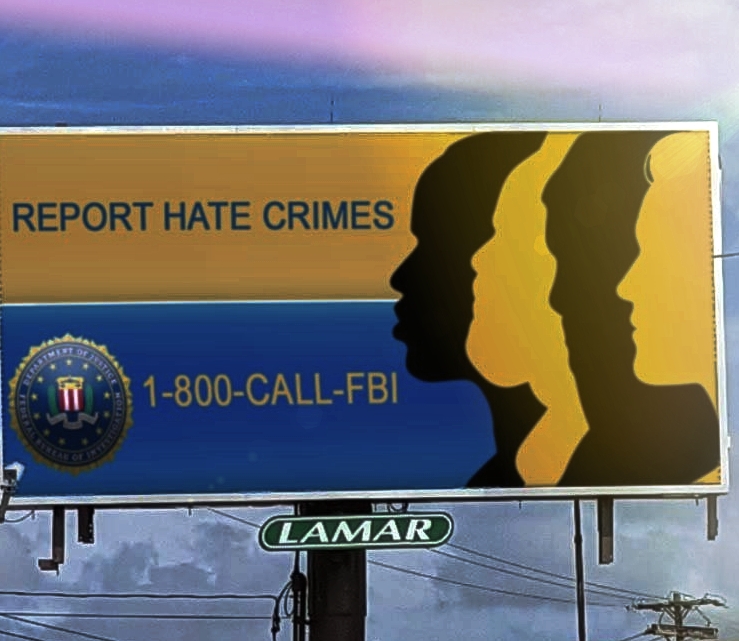
Defining Hate Crimes
Across the country, tensions are high as hate-fueled incidents make headlines almost daily. Just last month, a transgender woman in Washington State was assaulted by a mob yelling transphobic slurs while one attacker choked her. In this charged environment, politicians are weighing in — some pledging to crack down, others blurring the line between hateful speech and protected expression.
The Trump administration formed a Federal Task Force to Combat Anti-Semitism and is targeting universities across the nation. Attorney General Pam Bondi has said the Department of Justice will “target” and “go after” individuals who threaten others with hate speech. But what does it mean when political figures invoke hate crime laws as tools of ideology rather than justice? And what are the real implications for free speech, civil rights, and public safety?
Guest – Zachary Wolfe, editor of Hate Crimes Law and a leading scholar on how the United States defines, prosecutes, and debates hate-motivated offenses. He’s here to help us understand how these laws are being used—and sometimes misused—in today’s polarized climate. Blog: profzwolfe.com
——————————————–
Academic Freedom, Censorship, Civil Liberties, Freedom Of Speech, Right To Dissent
Podcast: Play in new window | Download

The Library Freedom Project
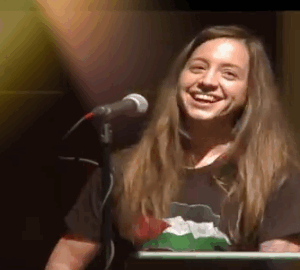
Soon after the attacks of September 11, 2001, when federal agents demanded library circulation records under the USA Patriot Act, librarians became unlikely whistleblowers for democracy. The “Connecticut Four” successfully sued the FBI in 2005 over secret National Security Letters that sought patron data and imposed gag orders. They reminded the nation that a book borrowed in silence should never be grounds for suspicion.
The Library Freedom Project was born in this climate of intrusion. It equips librarians with new skills: teaching prompt literacy so they can critically evaluate generative AI outputs; training them in deepfake and voice-clone detection; and raising awareness about the growing use of AI surveillance in schools and communities. In doing so, the project prepares librarians to guide the public through one of the most disruptive technologies of our time.
Guest – Alison Macrina, activist librarian and founder of the Project. Since 2015, she has built a network of librarians committed to protecting privacy, defending intellectual freedom, and challenging power structures through organizing and education. Recognized with a 2023 Electronic Frontier Foundation Award, Macrina and her colleagues argue that libraries are among the last truly public goods—accessible to everyone, regardless of income or background—and that defending these spaces means defending the very foundation of free expression and information democracy.
—-
Media Censorship: A Structural Problem
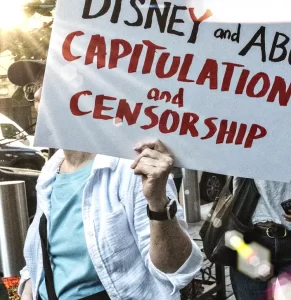
As the Trump administration seeks to expand presidential authority, it’s not surprising that the First Amendment is making headlines. Enacted in 1791 to protect fundamental freedoms – such as speech and the press – it serves as a safeguard against potential abuses of government power, including censorship and other efforts to stifle dissent. Trump and his allies have made no secret about their intention to silence prominent comedians who are critical of the administration.
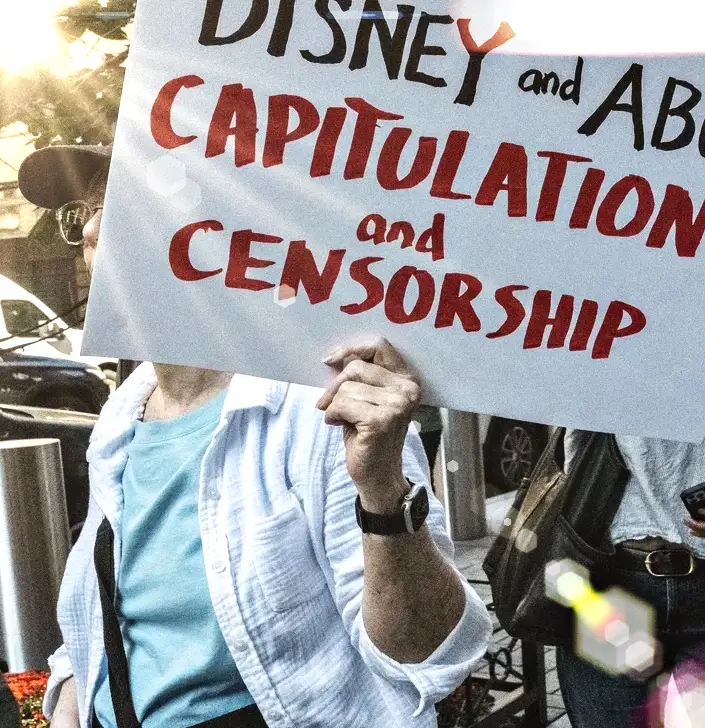
On July 17th, CBS announced the cancellation of The Late Show with Stephen Colbert, a move that Trump publicly applauded, adding that Jimmy Kimmel would be next. Within days, the FCC approved a merger involving CBS’s parent company, Paramount. On Sept. 17th, FCC Chair Brendan Carr warned that if Disney did not suspend Jimmy Kimmel for making comments about MAGA and Charlie Kirk, the FCC could get involved with ABC’s licensing. Disney immediately took Jimmy Kimmel Live off the air. And even though it started back up on Sept. 23rd, many ABC affiliates refuse to air it. Oh, and by the way, Trump has warned that Jimmy Fallon and Seth Meyers at NBC will be next to go.
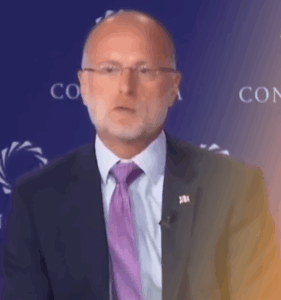
Guest – Jeff Cohen is a highly regarded progressive critic of the media. Indeed, he was recently quoted in an important article in the Washington Post about the disclosure that FOX News hosts were advising the White House during the January 6th insurrection. Jeff Cohen, along with Martin Lee, were the co-founders of Fairness and Accuracy in Reporting, or “F.A.I.R.,” which is the anti-corporate media group that monitors and reports on the mainstream media’s bias, spin and misinformation. Jeff Cohen is also a lecturer on these matters and the author of the book, Cable News Confidential.
————————-
Animal Rights, Civil Liberties, Civil Rights, worker's rights
Podcast: Play in new window | Download
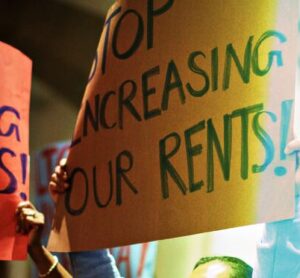
Corporate Media Coverage Analysis of NYC Mayoral Race
The majority campaign of Zohran Mamdani in New York City is the most hopeful development on the left in America today. Mamdani is a charismatic 33 year-old Uganda born one time state legislator and a wholehearted supporter and member of the Democratic Socialists of America. He is challenging former governor Andrew Como, who was recently forced to resign in disgrace after being credibly accused by 13 women of sexual harassment.
Cuomo represents the establishment, the real estate, financial, and big tech interests in America’s largest city. He has the support of major media and even Donald Trump. Meanwhile, none of the leading Democratic Party figures in New York State except Governor Hochul have endorsed Mamdani.
Cuomo’s campaign is run on fear. Mamdani won the primary by a landslide. His support comes mostly from the young, Black people, Asians, and a white working class in neighborhoods throughout New York City. During the primary campaign 50,000 volunteers knocked on 1,500,000 doors with the message that their candidate will work to make their lives better. The major media in New York City have thrown their weight behind Cuomo. But New York City’s grassroots, newspaper, The Indypendent has covered the Mamdani campaign consistently, and extensively since it’s beginning.
Guest – John Tarleton is a co-founder and editor in chief of the Indypendent, a free monthly newspaper and website publishing in New York City since 2000. He’s the cohost of the independent NewsHour on WBAI in New York City.
—-


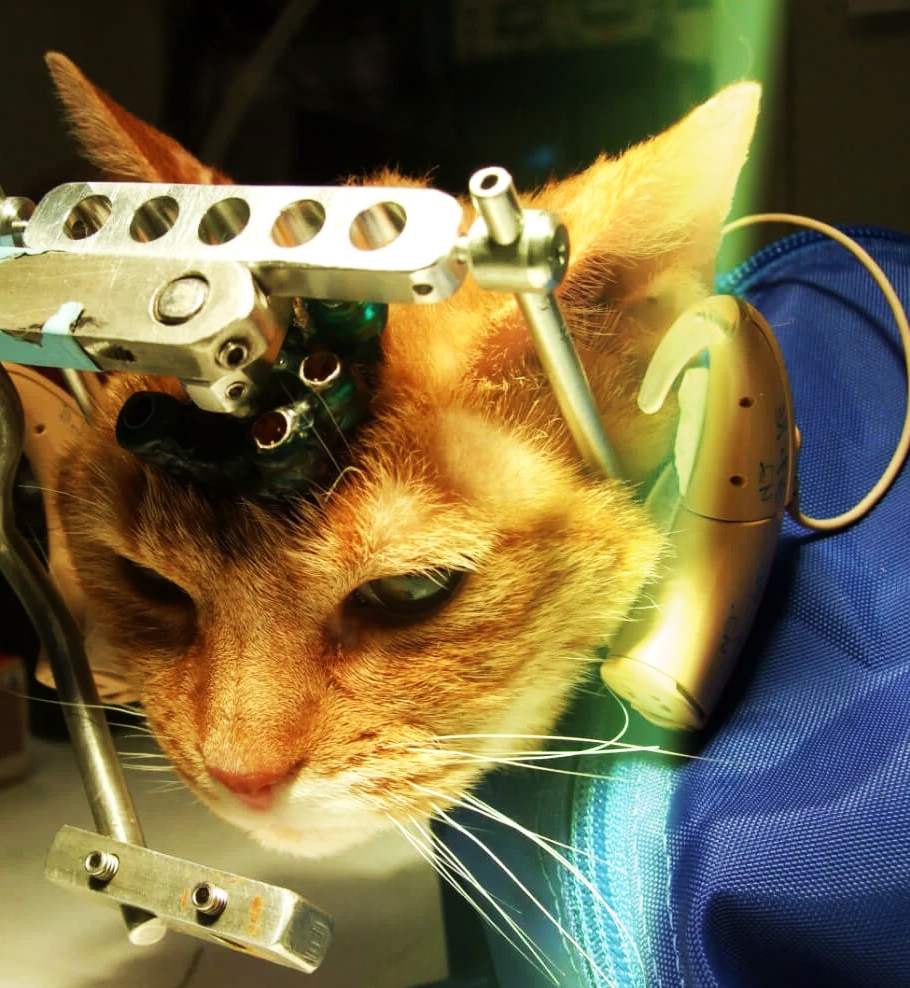
Animal Protection Laws Emboldened By Case Precedent
Humankind has, happily, made considerable progress in extending legal rights to the non-human animal world, but certainly from the point of view of animal rights advocates we’ve still got a long way to go. So today on Law and Disorder we’ll speak with an attorney whose practice includes animal rights law to discuss some of the recent pluses and minuses in the battle to secure legal protection for the animals with whom we share this planet.
Guest – Attorney Matthew Strugar was previously Director of Litigation for the PETA Foundation, or the People for the Ethical Treatment of Animals. Matthew Strugar is now in private practice where, in addition to animal law, his practice includes handling civil rights cases, cases of police misconduct, the First Amendment, prisoners’ rights and the defense of political protesters.
————————–
Civil Liberties, Civil Rights, Criminalizing Dissent, Freedom Of Speech, Human Rights, police accountability, U.S. Militarism
Podcast: Play in new window | Download
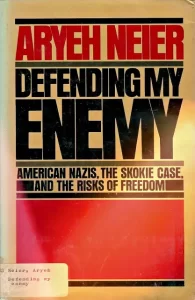
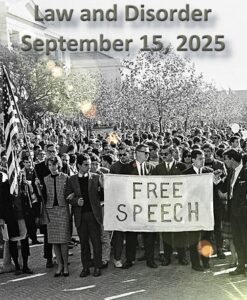
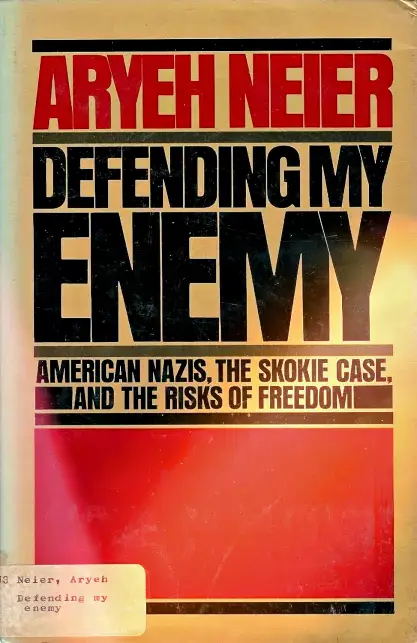
Defending My Enemy: Skokie and the Legacy of Free Speech in America
At the heart of Trump’s blizzard of chaotic, cruel, and corrupt attacks on our democracy is one of the most turbulent, disruptive, and consequential assaults on freedom of speech in American history. Trump and his obedient underlings have enlisted the full force of the federal government’s overwhelming criminal, civil, administrative, immigration, and national security apparatus to illegally crush protest, dissent, and free speech.
On an unprecedented scale, directly and indirectly, Trump is violating the First Amendment rights of every person in the United States to express and receive information and ideas free of government censorship. He is going after the Voice of America, the Smithsonian Museum, the Associated Press, NPR, PBS, ABC, CBS, the Library of Congress, local public libraries, foreign and domestic students, immigrants, colleges and universities, elected officials, law firms, and judges. And by silencing all of these voices, he is denying the constitutional right of every American to hear what those voices have to say.
The United States is in a constitutional crisis. It is imperative that we vigorously defend our rights. The reissuance of the seminal book Defending My Enemy: Skokie and the Legacy of Free Speech in America by Aryeh Neier could not have come at a better time to remind us of the importance of defending the essential freedom upon which all others depend – freedom of speech.
Defending My Enemy was originally published in 1979. At that time Neier was the national executive director of the American Civil Liberties Union, which agreed to represent the Nazis in the Skokie controversy. Defending My Enemy was a brave book when it was originally published, and almost 50 years later it remains an indispensable guide to help us navigate today’s convulsive debates over free speech on American campuses and throughout our society.
This edition of Defending My Enemy is enhanced by a new foreword by Congresswoman Eleanor Holmes Norton, a new afterword by Nadine Strossen, president of the ACLU from 1991 to 2008, and an extensive new chapter by Neier himself offering his views on the contemporary challenges facing free speech in America. In addition to previously serving as Executive Director of the ACLU, Neier co-founded Human Rights Watch, and is President Emeritus of the Open Society Foundations, where he remains active in their work. He has written seven books and over three hundred articles and op-eds on civil and human rights.
—-
![]()
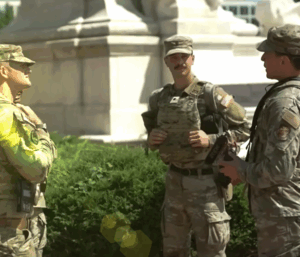
National Guard Occupy The Streets Of DC
Soldiers in uniform are still patrolling the streets of Washington, D.C. They’re not just on guard duty — they’ve been spotted picking up trash, spreading mulch, and even posing with tourists. And now their mission has been extended indefinitely. The Army has ordered nearly a thousand National Guard members to remain on active duty through November 30, 2025. Donald Trump could end it sooner, or push it even further, but for now the deployment is open-ended. Another 1,300 Guard troops from states like Louisiana and Ohio are also staying through December.
The official line is they are tackling “out of control” crime. But many residents and local officials see something else: a military force filling civic space, performing chores that look more like public relations than public safety. Ward 1 Commissioner Peter Wood called the outreach “uncomfortable and concerning,” stressing that soldiers patrolling civilian neighborhoods creates more fear than comfort.
This isn’t just about crime or clean-up crews — it’s about what kind of country we want to be when soldiers become part of daily civic life.
Guest – Attorney Mara Verheyden-Hilliard from the Partnership for Civil Justice Fund and the Center for Protest Law and Litigation in Washington, DC. Mara is one of the nation’s leading litigators defending protesters and winning numerous reforms in police practices at mass assemblies and demonstrations.
———————