Civil Liberties, Civil Rights, Criminalizing Dissent, genocide, Human Rights, Right To Dissent, Targeting Muslims, U.S. Militarism, Violations of U.S. and International Law, War Resister
Podcast: Play in new window | Download

The More Effective Of Two Evils
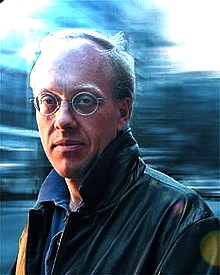
The extensive growing repression and censorship in our country is manifest daily. Already some 3000 students have been arrested and many of their encampments on college campuses have been violently closed down. The leading newspaper, the New York Times, has instructed reporters not to use the words “genocide” or “ethnic cleansing.” Journalist Chris Hedges has been removed from The Real News Network for interviewing, Dennis Kucinich, the independent candidate for Congress in Ohio and for not supporting the presidential candidacy of Joe Biden.
The necessity for independent political action, independent of both the Republican and the Democratic parties, is the lesson many social activists are drawing. The journalist, Glen Ford, of the Black Agenda Report , coined the phrase “the more effective of two evils” in describing the Democratic Party.
The Democrats are trying to beat people into their camp by haranguing about how horrible Trump is. That’s true. But look at how effective Biden has been in supporting the Israeli genocide. It has only been the independent action of the courageous students that may succeed in tempering the onslaught. It has already had some effect. Activist are now focusing on the fact that it was the Democratic Party on a national and local scale that coordinated attacks on the Palestine solidarity encampments. Just as they did under Obama in closing down Occupy.
The Democrats prevented Bernie Sanders from getting the nomination. Had he not supported the Democrats and became an independent our movement would’ve been much more effective than his lobbing Biden. He has been reduced to the edge of relevance. Significant social change comes from organizing people independently. The rise of the CIO, the civil rights movement and the movement to end the war in Vietnam are illustrations of this truth.
In appreciating the role of the Democratic Party, social activists are increasingly concluding that independent, political action now will help us against Trump should he get elected. Conversely herding people in to supporting the Democratic Party will disarm us.
Guest – Chris Hedges, the journalist and author discusses the collapsing media landscape, what happened to him at The Real News Network and how we preserve journalism. He spent two decades as a foreign correspondent serving as the Middle East Bureau Chief and Balkan Bureau Chief for The New York Times where he was awarded the Pulitzer Prize. He is the author of 14 books including War is a Force That Gives us Meaning, Days of Destruction, Days of Revolt, which he co-wrote with the cartoonist Joe Sacco, and The Death of the Liberal Class.
—-
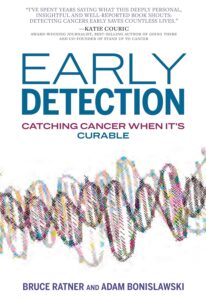
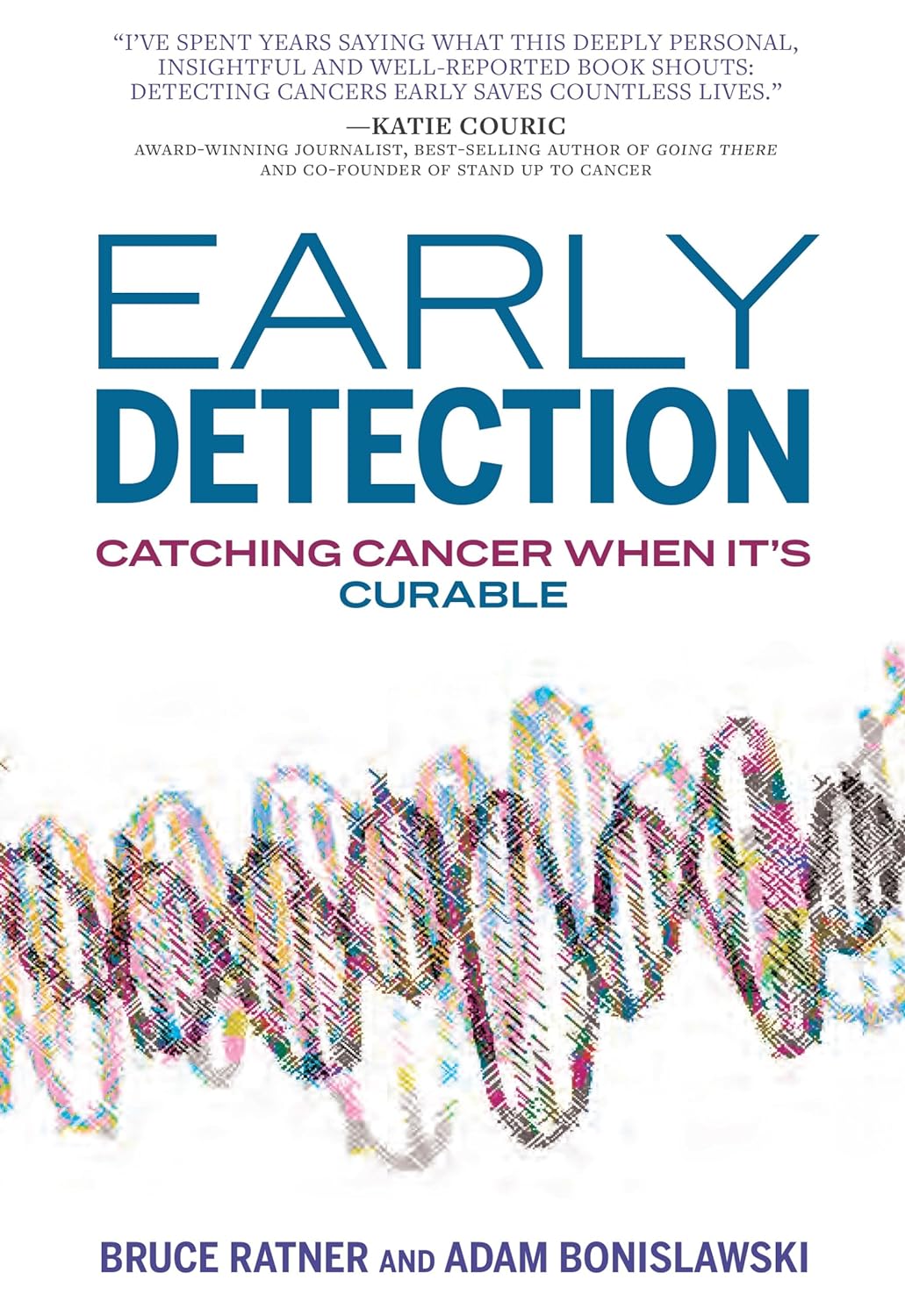
Early Detection: Catching Cancer When Its Curable
The “war on cancer“ declared by President Richard Nixon over 50 years ago has been a failure. Mortality rates for victims of cancer have not decreased, except for the successful campaign against smoking.
Attorney Michael Ratner, when he was the President of the Center for Constitutional Rights, helped found Law And Disorder radio 20 years ago. We lost him to cancer eight years ago.
Michael’s younger brother Bruce Ratner has co-authored the book Early Detection: Catching Cancer When It’s Curable. It Is dedicated to the memory of Michael Ratner. Bruce and Michael shared similar values. Over the years, cancer rates have pretty much remained the same. Very high. Particularly affected are poor people, rural people, and people of color.
Most money spent on fighting cancer by big pharmaceutical companies goes into researching and developing medicines for late-stage cancers. These medicines have proven to only prolong life for several months. So, what is the answer to truly combating cancer? Early detection. And it must be quite early on.
Funds currently misdirected could be used in this effort. Prostate, breast, colo-rectal, and lung cancers can be detected early. But too often they are not. Even when they are, many people don’t follow up with treatment. A blood test has been developed to identify 50 different cancers. But what’s missing is a massive program of education and organization to catch cancer in its early stages.
Guest – Bruce Ratner studied science at Harvard, graduated from Columbia law school and then taught at NYU Law School. New York City Mayor John Lindsay appointed Bruce to be the Commissioner of Consumer Affairs. Bruce went on to develop real estate in Manhattan and Brooklyn and brought the first professional athletic team, the Brooklyn Nets, to Brooklyn, where he developed the Barclay Center. He also sits on the boards of Weil Cornell Hospital in Memorial Sloan Kettering Hospital. He has initiated the Michael D. Ratner Center for Early Detection of Cancer.

————————————–
Censorship, Civil Liberties, Civil Rights, Criminalizing Dissent, genocide, U.S. Militarism, War Resister
Podcast: Play in new window | Download
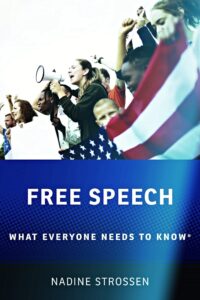
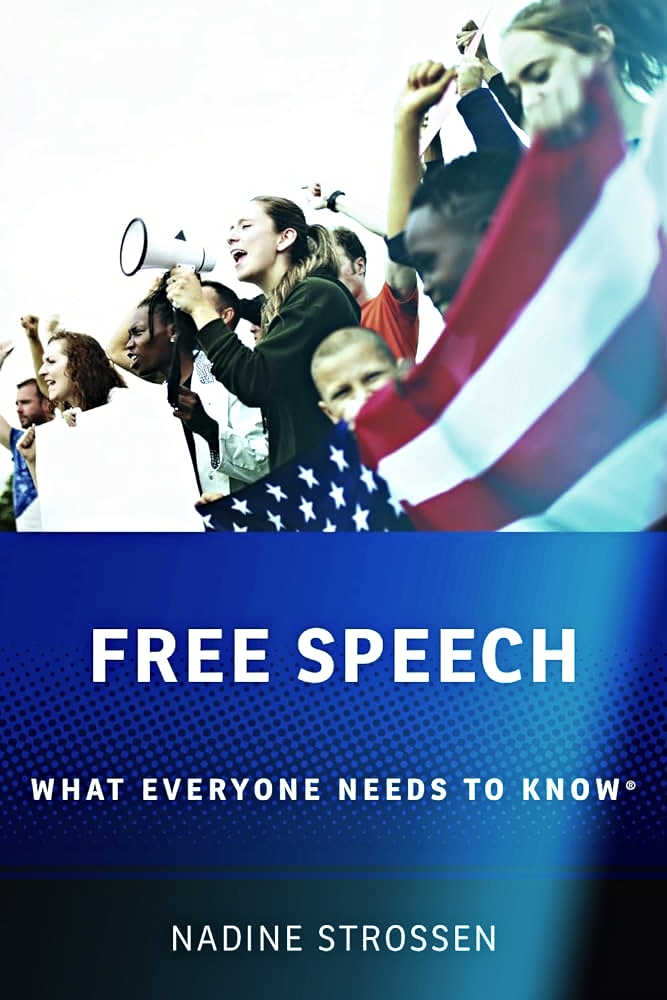
Free Speech: Protest Testing The Limits Of Protection
As controversy rages over protests, encampments, and arrests at hundreds of college campuses around the country, in reaction to the war in the Middle East, free speech is once again at the forefront of national debate. Time and again in American history, the nation has been gripped by the complex question of whether certain speech is or is not protected by the First Amendment. Recently, college presidents have been under fire for failing to protect free speech or for going too far in tolerating free speech. Some have been forced to resign and others have called in the police. Students have been attacked; others have been suspended; student political organizations have been banned. What’s going on and where does the First Amendment fit into all this?
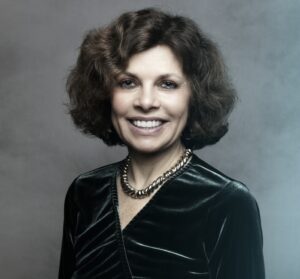
Guest – Nadine Strossen, a leading expert on constitutional law and the First Amendment. Nadine Strossen is Professor of Law Emerita at New York Law School and served as President of the American Civil Liberties Union from 1991 until 2008. She is a Senior Fellow with the Foundation for Individual Rights and Education and is on the advisory boards of the ACLU, Academic Freedom Alliance, Heterodox Academy, National Coalition Against Censorship, and the University of Austin. The National Law Journal has named Strossen one of America’s “100 Most Influential Lawyers,” and in 2023, the National Coalition Against Censorship selected her for its Judy Blume Lifetime Achievement Award for Free Speech.
She is the author of HATE: Why We Should Resist It with Free Speech, Not Censorship (2018) and Free Speech: What Everyone Needs to Know® (2023). Her book Defending Pornography: Free Speech, Sex, and the Fight for Women’s Rights was named a New York Times “notable book” of 1995, and was republished this year as part of the New York University Press “Classic” series.
——————————–
Civil Liberties, Civil Rights, Criminalizing Dissent, Human Rights, U.S. Militarism, Violations of U.S. and International Law, War Resister
Podcast: Play in new window | Download
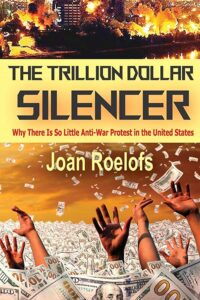
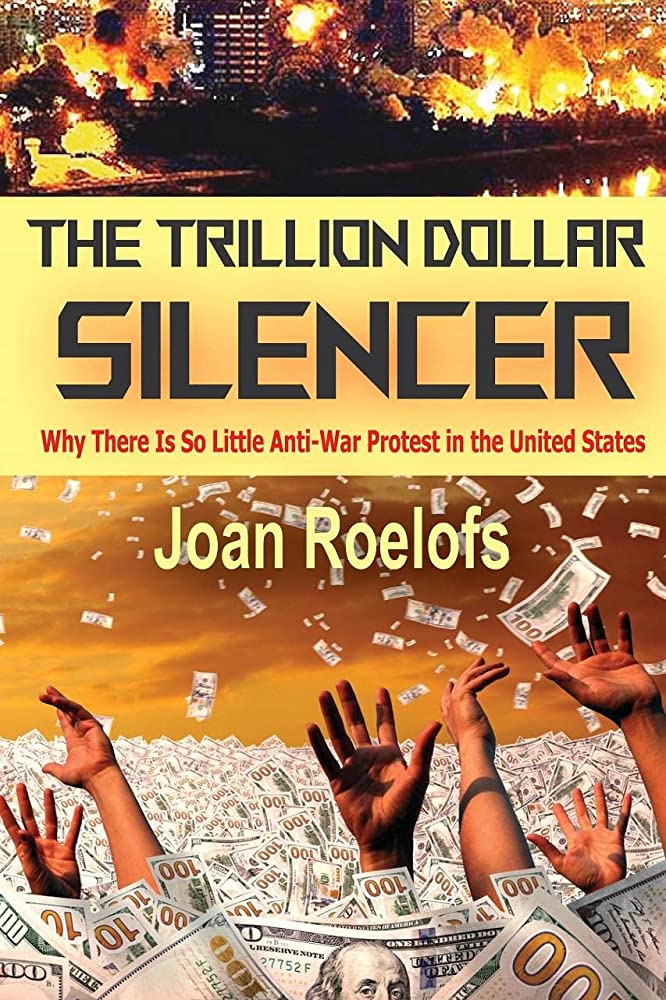
The Trillion Dollar Silencer: Why There Is So Little Anti-War Protest in the United States
As the notion of perpetual war and a militarized society are normalized, notably absent are antiwar protests by faith-based organizations, civil rights groups, academics, and others. The Trillion Dollar Silencer details this absence while laying bare the devastation wrought in the United States and abroad by the military industrial complex.
Author Joan Roelofs delves into the pervasive role of military contractors and bases that have come to be economic hubs of their regions. She discusses how state and local governments are intertwined with the Department of Defense (DoD), including economic development commissions at all levels. Contracts and grants to universities, colleges, and faculty come from the DoD and its agencies, such as the Defense Advanced Research Projects Agency. The Minerva Initiative funds social scientists for military research. Civilian jobs in the DoD provide opportunities for scientists, engineers, policy analysts, and others. The Reserve Officers’ Training Corps (ROTC) programs are subsidized by the DoD.
In addition to businesses large and small, nonprofits receive DoD contracts and grants, including environmental and charitable organizations such as The Nature Conservancy and Goodwill Industries. Individuals, arts institutions, charities, churches, and universities share in the profitability of military-related investments. Pension funds for public and private employees and unions are replete with military stocks. In other words, the military industrial complex is so embedded in our political economy that it has become virtually impossible to find any sector of our society that is not intertwined with militarism.
Guest – Joan Roelofs, Professor Emerita of Political Science at Keene State College. She teaches in the Cheshire Academy for Lifelong Learning and writes for scholarly and political publications. Joan is the author of “Foundations and Public Policy: The Mask of Pluralism,” and “Greening Cities: Building Just and Sustainable Communities.” She has been an anti-war activist ever since she protested the Korean War.
Hosted by attorneys Heidi Boghosian and Julie Hurwitz
————————-
Civil Liberties, Civil Rights, Criminalizing Dissent, Human Rights, Truth to Power
Podcast: Play in new window | Download
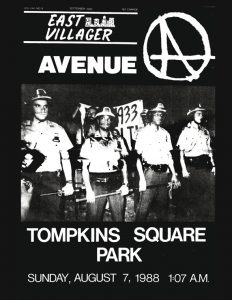
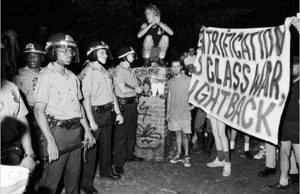
Tompkins Square Park Police Riot 35th Anniversary Special
Thirty five years ago, a singular event occurred in Manhattan’s East Village that would prove transformative to many lives for years to come. Today on Law and Disorder we bring you a special program on the August 1988 Tompkins Square Park Police Riot as recounted by several individuals who were there for the entire event. We share firsthand observations of unbridled police violence, talk about how we came to be there, and discuss how the riot marked the lynchpin to transform an entire neighborhood from a mecca of creativity and political activism, to the new home of TARGET, Starbucks and other hallmarks of American gentrification.
Tompkins Square Park is bounded on the West and East by Avenues A and B, and on the North and South by 10th Street and 7th Streets. It falls in the part of that neighborhood often referred to as Alphabet City, named for its 4 Alphabet numbered avenues, that in the 1960’s and 1970’s were a haven for drug sellers and squatters and a large Puerto Rican community. The park had a history of activism as it was the site of a riot in 1874 on behalf of the city’s labor movement.
In 1988, a homeless encampment was erected in the park, attracting a wide range of activists, squatters, and homeless persons. Several local residents complained and in a controversial move, the local governing body, Community Board 3, on June 28, approved a 1 AM curfew from what had long been a 24-hour open park. The Avenue A Block Association supported the curfew as it represented the few local businesses that existed then. Many residents opposed the curfew, including those who would have to take a longer walk around the park to get home.
The New York City City Parks Department agreed to enforce the curfew, and on July 31, 1998 protesters gathered at a rally there. Police, responding to alleged noise complaints, entered the park. A skirmish ensued, and several civilians and six officers were treated for injuries. Four men were arrested on charges of reckless endangerment and inciting to riot.
Guests – Susan Howard, East Village Community Activist, John McBride, Photographer and Arthur Nersesian, East Village Writer.
Written by Attorney Heidi Boghosian and produced by Geoff Brady.
———————————————-
CIA Sponsored Terror, Civil Liberties, Civil Rights, Criminalizing Dissent, Surveillance, Targeting Muslims, Truth to Power, Violations of U.S. and International Law, War Resister, Whistleblowers
Podcast: Play in new window | Download
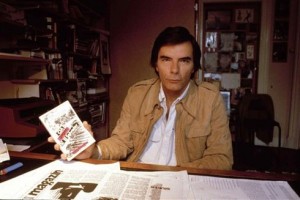
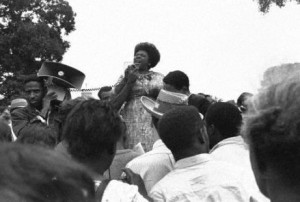
Lawyers You’ll Like – Attorney Mel Wulf
Mel Wulf died at age 95 on July 1, 2023. He was one of the great constitutional litigators of his time. He served as Legal Director of the American Civil Liberties Union for 15 years. Today we bring you a re-broadcast of an interview that attorney Michael Ratner, and I, Michael Smith, did with Mel 10 years ago for a segment we called Lawyers You’ll Like. It is a scintillating fast paced discussion with a relevance to our situation now
We’re joined today by Attorney Mel Wulf, former legal director with the American Civil Liberties Union for 15 years. He was a law partner with former US Attorney General Ramsey Clark during the Kennedy Administration and much more. Wulf was part of some of the greatest contributions to the civil rights movement. He’s now retired after practicing law for 54 years. As part of our Lawyers You’ll Like series, we talk with Wulf about his work with the ACLU during the early 60s, and also about the forming of the Lawyers Constitutional Defense Committee.
Attorney Mel Wulf:
- Phil Agee was a dissident CIA agent who spent decades working against the CIA, published a couple of books.
- He lost his passport because when the dissidents took over the embassy in Tehran in 1979, the New York Post carried a story accusing Phil of helping the students who’d invaded the embassy to put together all of that written material that had been shredded.
- It was another New York Post bald faced lie.
- The State Department, based upon that story revoked his passport.
- I had represented Phil Agee, I was his principle lawyer for 30 years.
- Agee was very widely disliked in Washington because he was well known to be a CIA dissident who disclosed the names of many CIA agents.
- If Snowden went the same route today, he would do even worse in this Supreme Court than I did. That’s why Snowden won’t get his passport, thanks to me.
- I was for the workers and not for the bosses and I’ve always been for the workers and not for the bosses, which I think is the distinguishing political factor in our world. Which side are you on?
- I got my Bachelors Degree in ’52 and I had a Navy Commission which I had gotten from the New York State Maritime Academy earlier on.
- The draft board sent me a 1A notice, I applied to Columbia and when I finished Columbia they sent me another 1A notice because the draft was still on. I spent 2 years in the Navy as a Liuetenant Junior Grade Officer in Southern California.
- I went to work at the ACLU in 1958 as the assistant legal director, in 1962 I was given the job of the legal director of the ACLU.
- I had actually been going down to Mississippi from 1961 to 1962, working with then one of the two black lawyers who were practicing in Mississippi.
- We tried a couple of capitol cases in Mississippi. I continued to argue the systematic exclusion of blacks from the jury.
- I finally got a case up to the Supreme Court on that issue.
- Lawyers Constitutional Defense Committee: We had several hundred lawyers who went down to Mississippi for periods of a week or two. They were representing people being arrested during the Mississippi summer.
- Most of the judges allowed these lawyers to make some sort of presentation.
Guest – Attorney Mel Wulf, former legal director with the American Civil Liberties Union for 15 years. He was a law partner with former US Attorney General Ramsey Clark during the Kennedy Administration and much more. Wulf was part of some of the greatest contributions to the civil rights movement. He’s now retired after practicing law for 54 years.
—-
Lawyers You’ll Like: Attorney Bill Schaap
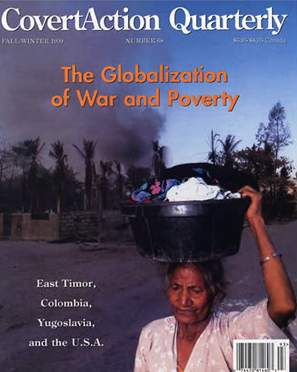
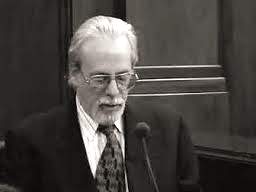
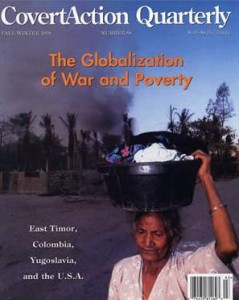
Attorney Bill Schaap, who died in 2016, was a friend and colleague of Mel Wulf’s. Bill and his wife, Ellen Ray published the historic whistleblowing magazine “Covert Action Quarterly“ that exposed to CIA. Then they started Sheridan Square Press. They published a number of memoirs of former CIA agents who revealed the truth about the activities of the CIA. Ex-CIA agent Phil Agee was one of Sheridan Square Press authors. He wrote Inside The Company which exposed the names of some 200 CIA agents involved in nefarious activities in South America. Mel Wulf represented Agee for 30 years and unsuccessfully tried to get his passport back when the government had it taken away.
Attorney William Schaap graduated from the University of Chicago Law School in 1964 and has been a practicing lawyer since. Bill specialized in military law and practiced in Asia and Europe. He later became the editor in chief of the Military Law Reporter in Washington for a number of years. In the 70’s and 80’s he was a staff counsel of the Center for Constitutional Rights in New York City. In the late 80s, he was an adjunct professor at John J. College of Criminal Justice of the City University of New York where he taught courses on propaganda and disinformation.
Attorney William Schaap:
- One of first cases at this big Wall Street firm, they had some outside counsel working on it, one of whom was David Lubel, and Dave Lubel who had I think been a recruiter for the Communist Party in his youth, was always good at spotting somebody who was always worth recruiting and he started to tell me there was this convention of this lawyers group.
- It was this 1967 Lawyers Guild Convention in New York. He dragged me to one event, I met Bill Kunstler, I met Arthur Kinoy, I met Victor Rabbinowitz. I’d been on Wall Street for a year or two, I said I didn’t know there were lawyers like this.
- I joined the same day and met Bernadine Dorhn and a few weeks she called me and said we need your help.
- She said you gotta defend a bunch of Columbia students. The next thing I knew the riot started at Columbia and she said you have to go down there and defend them.
- I signed up to be staff counsel on the National Lawyers Guild Military Law Project in Okinawa, Japan.
- When you work overseas in that kind of a climate with the military you learn a lot fast about American imperialism.
- Once you learn that, you learn about the CIA.
- That led us to originally working on Counter Spy magazine and then on Covert Action Magazine.
- The original purpose was to expose the CIA. We worked with Lou Wolf who is an expert in uncovering CIA agents in US embassies, not through any classified documents but because if you knew how to read the paperwork and State Department things, you could tell who are the “ringers.”
- We were so successful that Congress passed a law against us.
- Our goal was to make these people ineffective because the only way most CIA could work, particularly the ones that were assigned to an embassy was to have to pretend to be something else.
- They were all third assistant political secretaries and those were all phony things. Their job was to finagle their way into various community organizations in whatever foreign capital they were posted to recruit people to turn against their own countries and become traitors to their own countries, to become spies for the U.S.
- We thought if we identified these people, it might make their job a little bit harder, which it did.
- Of course, the problem with that is the government said we were trying to get them killed which we weren’t trying to do and nobody we did expose ever did get killed.
- He (Philip Agee) had been an adviser to Counter Spy. Counter Spy folded when Welch got killed, cause the pressure was too much and started Covert Action Quarterly.
- He was not the person discovering who the under cover people were, Lou Wolf was doing that.
- Phil wrote articles for us in every issue and we worked very closely with him.
- Once you start exposing these things, they really don’t have any defense.
- They tried to catch us in something phony. We would get tips that would turn out to be CIA trying to get us to print some story that wasn’t true so they could then discredit us.
- We had more interference from the government when we were doing military law work, before Covert Action Quarterly.
- They would plant bugs in our attic in Okinawa, things like that.
- The Intelligence Identity Protection Act has 2 parts. One makes it a crime for someone in the government who has classified information to reveal someone’s identity. The second part makes it a crime to reveal the identity of someone you did not learn from classified information or you position. (But if you were in the business of exposing these people . . .)
- Regarding his newsletter The Lies of Our Times – It was in the 90s, from 1990 to 1995 I think. To a certain extent, the abuses we were crying about got a little bit less over time because that’s sometimes the helpful result of that kind of exposure.
- We were just tired of people thinking that if it was in the New York Times it must be true.
- The fact is that those people lie all the time.
- I think we’ve gotten to a point where people recognize that the government lies to them and that there’s an awful lot that goes on that they don’t know.
Guest – Attorney William Schaap graduated from the University of Chicago Law School in 1964 and has been a practicing lawyer since. Bill specialized in military law and practiced in Asia and Europe. He later became the editor in chief of the Military Law Reporter in Washington for a number of years. In the 70’s and 80’s he was a staff counsel of the Center for Constitutional Rights in New York City. In the late 80s, he was an adjunct professor at John J. College of Criminal Justice of the City University of New York where he taught courses on propaganda and disinformation.
In addition to being a practicing lawyer, Bill was a journalist, publisher and a writer specializing in intelligence as it relates to media. He was the co-publisher of a magazine called the Covert Action Quarterly for more than 20 years. He also published a magazine on propaganda and disinformation titled Lies Of Our Times. Attorney Bill Schapp has written numerous articles and edited many books on the topic of media and intelligence.
Hosted by attorneys Michael Ratner, Michael Smith and Heidi Boghosian
————————————–
Civil Liberties, Civil Rights, Criminalizing Dissent, Human Rights, Prison Industry
Podcast: Play in new window | Download
Remembering South Dakota Senator Jim Abourezk
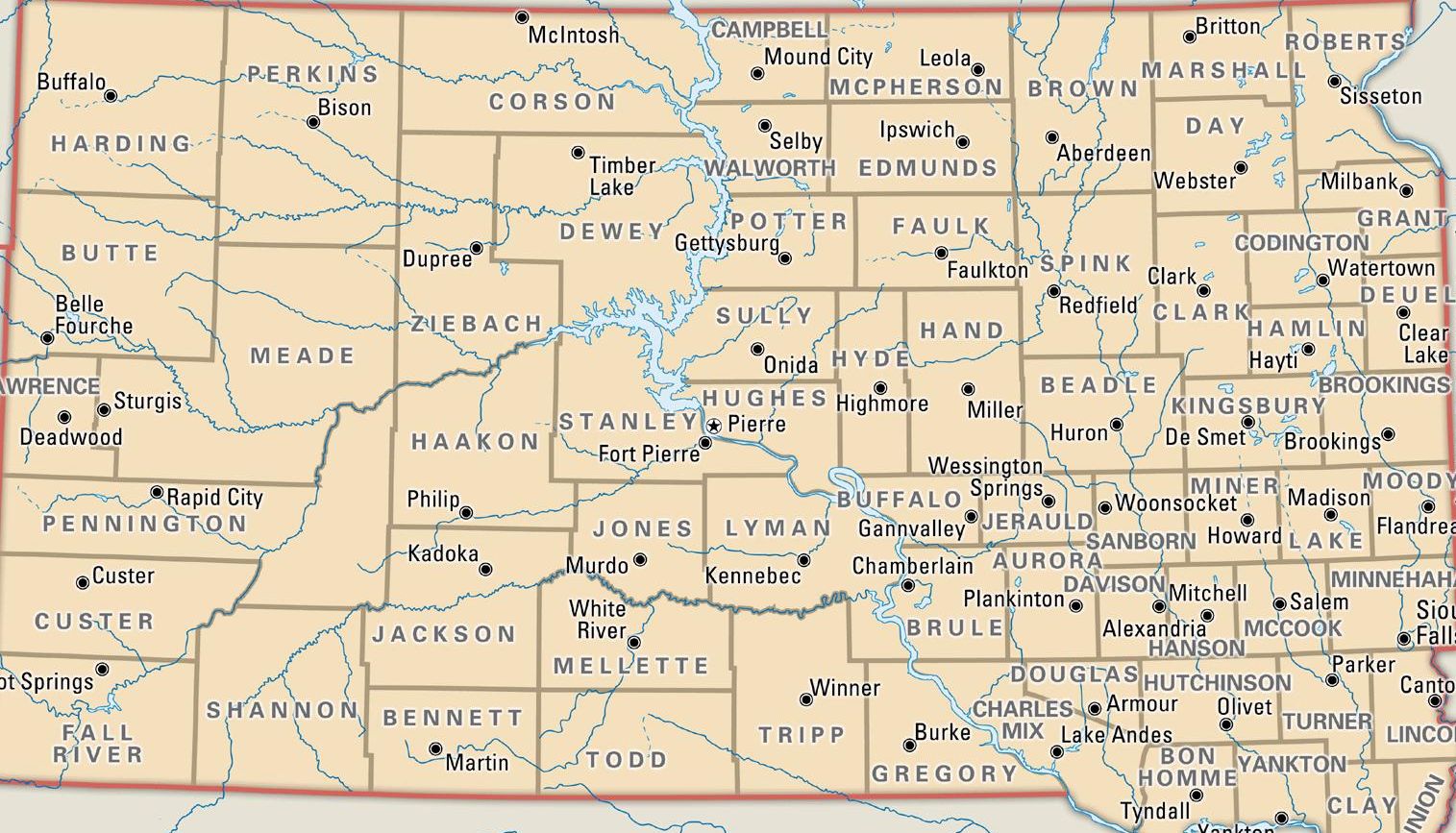
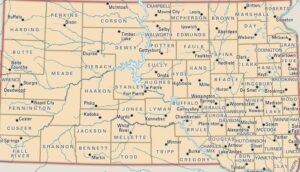
South Dakota senator Jim Abourezk was an important figure in American politics. He died four months ago at age 92. Abourzeck was the son of immigrants from Lebanon. He grew up on the Rosebud Sioux Indian reservation. Politically he was part of the radicalization of the 60s. He served one term in the US House of Representatives and another in the United States Senate. Elected in 1973, Abourezk fought for policies that are crucially relevant today. He was against American imperial power and opposed the war in Vietnam. He tried to rein in the murderous CIA. He attempted to break up the powerful of big oil companies. He fought for Native American rights, normalization of American relations with Cuba, a government the USA has been trying to overthrow since the Cuban revolution of 1959.
After six years, despite extreme pressure from those who supported him, he left the Senate. disgusted by the power wielded by the monied influence of big business. Jim Abourezk went back to South Dakota and back to the his law practice. Jim Abourezk founded the Arab-American anti-discrimination committee because of the oppression Arabs faced both of United States and abroad, particularly in Palestine.
Guest – Charlie Abourezk, from Rapid City, South Dakota and is a trial attorney, longtime activist and community organizer in the native American community in South Dakota. He is also a documentary film maker, his most recent is the feature length documentary “A Tattoo On My Heart: The Warriors of Wounded Knee 1973” which played on public television stations around the United States. He is the current Chief Justice of the Rosebud Sioux Tribe’s Supreme Court and a member of the South Dakota Advisory Committee to the US Commission on Civil Rights. His client base is made up largely of Native Americans, tribal schools and Indian tribal governments, but he also represents plaintiffs in civil rights litigation.
Guest – Alya James – Architectural Designer living in New York City.
—-
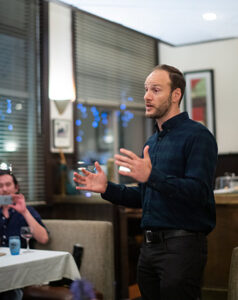
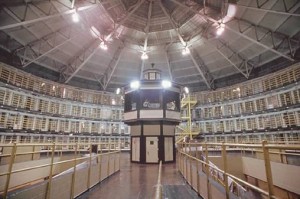
Former San Francisco DA Chesa Boudin Teaching At Berkeley Criminal Law and Justice Center
We turn to the subject of the criminal justice system – or, as a growing number of advocates refer to it, the criminal legal system. One reason for the name change is because it’s clear that our system of policing, prosecuting, judging, and sentencing rarely brings about justice. After all, our system was born nearly 250 years ago, at a time when slavery was legal and only white men with property could participate in public life, including voting. Non-white people were thought of as less than human, and women were afforded little if any autonomy apart from the men in their lives.
Since then, we’ve tried to correct course with laws and constitutional amendments that aim to protect everyone equally from the abuse of government power. But real-world statistics show that still – in 2023 – the criminal legal system does not treat all defendants equally, and not all defendants are presumed innocent until proven guilty. Black men, for example, are arrested more, charged more, and given higher sentences than others in similar circumstances.
Guest – Chesa Boudin, founding executive director of Berkeley Law’s new Criminal Law & Justice Center is embarking on a new journey to study, brainstorm, experiment and transform for the better how the criminal legal system operates. He is uniquely suited for this new role, since he’s had experience not only in the public defender’s office representing criminal defendants, but also as the former District Attorney of San Francisco. And he’s unique in the legal profession for another reason: when he was just 14 months of age, he was separated from his parents, radical activists David Gilbert and Kathy Boudin. They were serving very long prison sentences for their part in an armored truck robbery which went astray and where three people killed. He saw firsthand the harmful impact of incarceration on those inside, as well as their families, communities, and society as a whole. These experiences informed his studies as a Rhodes scholar and as a student at Yale, his work as a lawyer, and most importantly, as a devoted husband, father and son. @berkeleylawcljc
—————————————