Criminalizing Dissent, Human Rights, Surveillance, Targeting Muslims, Torture
Podcast: Play in new window | Download
Update news stories:
—-
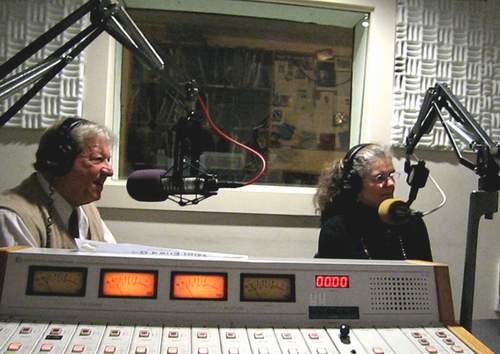

Code Pink Delegation Returns From Gaza
Recently a delegation from Code Pink and other organizations brought humanitarian and emotional support to women and women organizations in Gaza. They also pressured the US, Egyptian and Israeli governments to lift the blockade against the Palestinians. According to the United Nations Children’s Fund, the Israeli attack that began on December 27 left over 1,000 dead, including 412 children and 110 women, and more than 5,000 injured which include – – (1855 children and 795 women).
The UN also reports that hundreds of millions of dollars in humanitarian aid are needed to help Gaza’s 1.4 million people.
Helen Schiff / Felice Gelman:
- Helen Schiff: Growing up in Great Neck in the 50s, a lot of Jewish community were liberal and in support of civil rights movement. I learned about colonialism, and that Israel was created at the behest of US and British colonialism. I learned that Israel supported the French in Algeria, they supported France and British against Egypt in a war for the Suez Canal.
- So I realized the Palestinian struggle is a colonial struggle.
- Code Pink organized a delegation to Gaza and we did bring 10 thousand dollars in aid. We are drawing attention to the blockade also.
- We throw around the words siege and blockade, modern war doesn’t have sieges.
- The last siege was the battle of Leningrad, which is people blocked in to an area and attacked with all military armament.
- Gaza is about the size of Philadelphia. The current number of trucks that bring supplies into Gaza are about 100 a day. , 8700 supply trucks arrive in Philadelphia, on just one bridge in one day.
- The claim that Hamas broke the truce by firing missles is false. The truce also meant to open up borders. That hasn’t happen since Hamas were elected.
- We brought baskets for a thousand women, filled with different products that women would appreciate. We brought this on International Women’s Day.
- Psychiatrists say that the children of Gaza are exhibiting caged rat syndrome.(PDF link)
- When you are in Gaza you say to yourself, why does Israel care about Gaza, what’s the big deal?
- Two things, Gaza is an example to the West Bank and in 1999 natural gas reserves where discovered in the coastal waters of Gaza. 1.4 trillion cubic feet of natural gas. Israel has tried to negiotiate for control of the reserves since 1999.
- They have two drilling platforms north of Gaza that some believe are slant drilling into the natural gas reserves.
- The Israelis are wearing down the fighting spirit of the people in Gaza by forbidding pasta, jam, candy and any building materials. Desalinization plants have been bombed, children have kidney disease because Israelis have siphoned off the good water and there’s too much salt seeping into the wells.
- It was a targeted attempt to breakdown the infrastructure. Wanton killing of civilians and destroying infrastructure.
- Every single day we were in Gaza there was bombing or shelling. Tunnels being bombed and fishermen being shelled. Permanent tent cities.
- More delegations planned to visit Gaza to open borders. May 22 – June 14
- Palestinian Committee For Human Rights – accountability – documenting evidence.ple and billions of dollars will be required to rebuild its shattered buildings and infrastructure.
Guests – Code Pink members/activists Helen Schiff and Felice Gelman, they both had boots on the ground in Gaza and give their first hand accounts of the devastating aftermath.
—
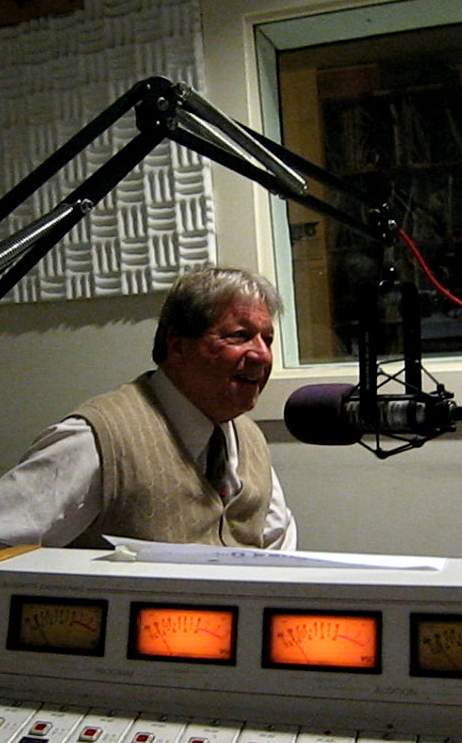
Left Forum – Vivek Chibber: American Violence: Actually Existing Barbarism?
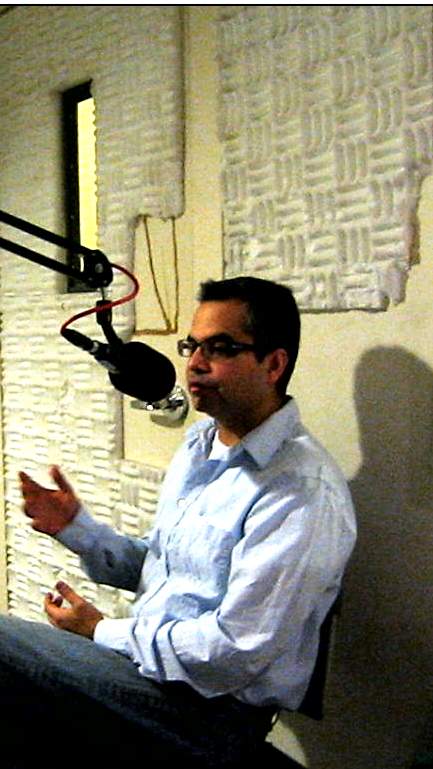
This year’s Left Forum panels are addressing the many facets in the current global economic crisis and subsequent political conditions. Author and professor Vivek Chibber joins us today in the studio to tell us about the 2009 Left Forum at Pace University and the panel titled American Violence: Actually Existing Barbarism? The panel will explore the roots of violence, military, terrorist, criminal and casual in contemporary society that includes America’s inner cities and prisons.
Vivek Chibber:
- The Left Forum used to be known as the Socialist Scholars Conference.
- My panel on America Barbarism is from the annual volume of the Socialist Register, this years theme is around the issue of violence. The various forms violence takes under capitalism.
- I’ll be focusing on the violence of American foreign policy. Iraq in particular. The motives and interest behind Bush’s invasion of Iraq.
- Turning Points – theme for Left Forum. We’re seeing tremors in American power, which historically is the time to build progressive movements. Social welfare, pro-labor policies in favor of women, recognizing the plight of minorities.
- It’s the largest Left Forum conference ever. Everyone realizes that this is a time when we got to get some analysis of what’s going on.
- Right now, there’s a complete loss of legitimacy for the economic model of neoliberalism and a corresponding loss for all the journalists, the media gurus and intellectuals who were promoting it all this time.
- If you look carefully at Obama , his primary worry, has been not to take advantage of the opportunity of this crisis to enact any type of progressive social agenda. His main worry is to contain the pressure and not take advantage of that.
Guest – Vivek Chibber, professor of sociology at NYU and the author of Locked in Place: State_Building and Late Industrialization in India.
—————————————————
Afghanistan War, Civil Liberties, Criminalizing Dissent, Habeas Corpus, Human Rights, Surveillance, Targeting Muslims, Torture, Truth to Power
Podcast: Play in new window | Download
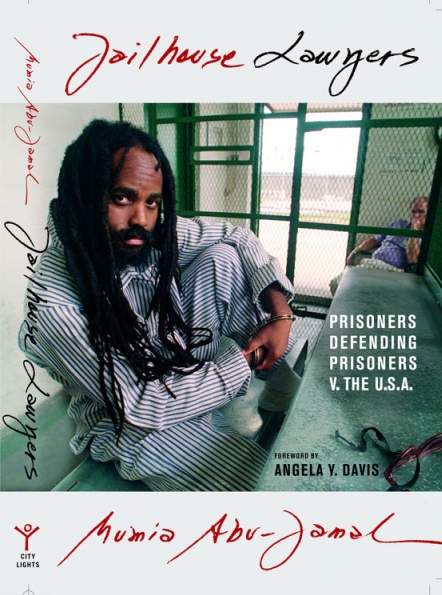
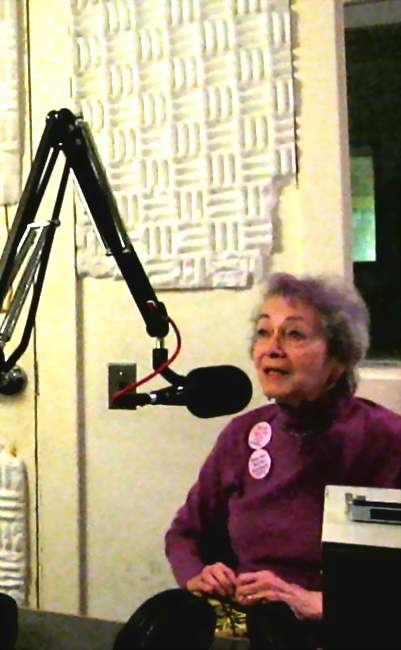
Frances Golden: Jailhouse Lawyers, Prisoners Defending Prisoners Against the United States of America by Mumia Abu Jamal
Frances Golden joins us today to discuss a very well known political prisoner, as we continue our political prisoner series based on the book Let Freedom Ring. Frances is the literary agent for Mumia Abu Jamal. Mumia as many know, was convicted and sentenced to death for the 1981 murder of police officer Daniel Faulkner. Mumia was a Black Panther Party activist, cab driver, and journalist. Since his conviction, Mumia has become an international cultural icon for political prisoners. A previous guest here on Law and Disorder, author/ journalist J. Patrick O’Connor who wrote The Framing of Mumia Abu Jamal, says the real shooter was Kenneth Freeman a business partner of Mumia’s brother. Freeman, was found dead in 1985, bound and cuffed in a Philadelphia parking lot.
We get a another perspective today from Mumia’s literary agent Frances Golden. Frances also visits six death row in a Pittsburgh maximum security prison. Jailhouse Lawyers, Prisoners Defending Prisoners Against the United States of America by Mumia Abu Jamal.
Frances Golden:
- Visiting death row inmates happened because I went to visit Mumia as a visitor.
- I had to become a member of the Pennsylvania prison society. 40 bucks a year you can see any prisoner anywhere.
- Now, because the PPS applications were flooded to see Mumia, they changed the policy that only Pennsylvania residents can become members of PPS.
- You have to see more than one prisoner as a PPS member. So, Mumia gave me names of others including Robert Lark aka Sugar Bear.
- I hope I don’t cry when I say this, out of the 6 death row inmates I see, 5 of them are innocent.
- You’re behind very thick glass, there are quarter inch thick screens on each side of the cell where your voice can travel through. It’s awful, insulting but it’s what exists on death row.
- I have a little book with their names in it, with 100 pages(of notes) between each name.
- The prison system is illegal and inhuman. The person who speaks most clearly about that is Angela Davis.
- One prisoner nicknamed Slim was on the streets of Philadelphia without a home at 10 years old. Never went to school, got in trouble ended up on death row. He learned to read in prison, he’s a phenomenal jail house lawyer.
- Two of the five could get out, that’s Sugar Bear and Osiris.
- I have a prisoner friend whose name is Russel Shoates. He will never be executed but he’s on death row because he escaped 3 times. Russell is shackled and tied to his waist. I dance with them and do yoga. I can’t do that with Russell. I asked the warden to unshackle him. This man is gentle, he’s small, he’s wickedly intelligent.
- Philadelphia, the most corrupt city in the United States, from beginning to end. –Judges lock up kids for kickbacks in Pennsylvania
Guest: Frances Golden, activist and literary agent for Mumia Abu-Jamal, Frances is a member of the Pennsylvania Prison Society and visits 6 death row inmates monthly.
————
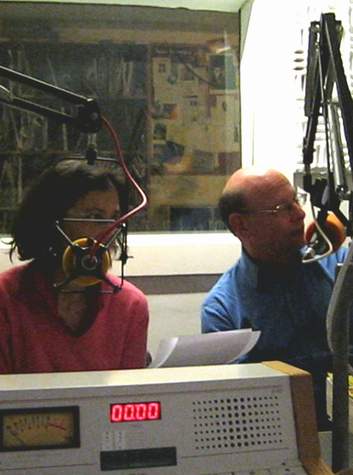
Laura Whitehorn and Susie Day – Let Freedom Ring, A Collection of Documents From the Movements to Free US Political Prisoners.
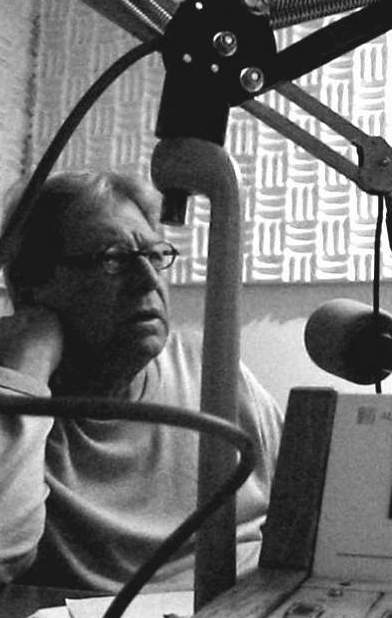
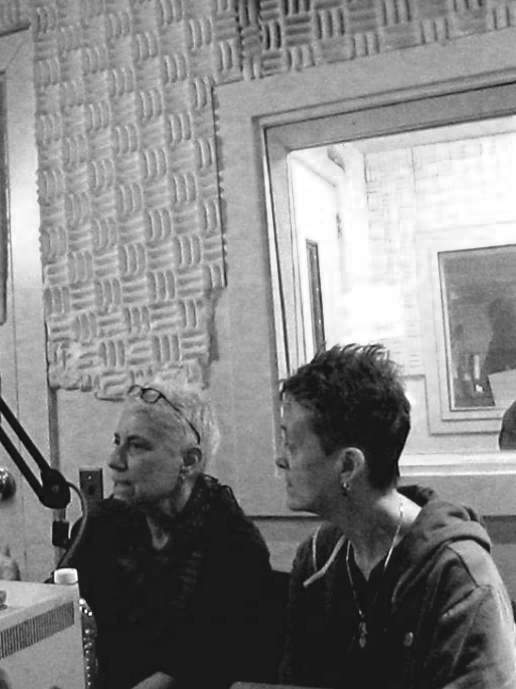
Among the many contributors to the book Let Freedom Ring is revolutionary ex-political prisoner and native New Yorker Laura Whitehorn. Since the 1960s Laura was active in supporting groups such as the Black Panther Party, the Black Liberation Movement and was active with Students for a Democratic Society and the Weather Underground. Laura also worked to expose the FBI’s Counter Intelligence Program. Laura was arrested in 1985, convicted of the 1983 US Capitol bombing and charged with… “conspiracy to oppose, protest and change the policies and practices of the United States government in domestic and international matters by violence and illegal means.” She was sentenced to 20 years in prison, and was released August 1999 after 14 years. Laura lives in New York City and is active in a wide range of progressive issues.
Laura’s partner Susie Day, activist, writer and contributer to Let Freedom Ring also joins Law and Disorder hosts in the studio.
Laura Whitehorn:
- I’m in my sixties now, I was moved by the Black Liberation struggle and the struggle of the Vietnamese people against the United States.
- But I ended up spending years in prison later, in a case called the conspiracy case and our indictment was a thing of beauty – using the words violent and illegal means. It was a series of bombings of buildings. No one was ever hurt, great care was taken. One of the buildings was the U.S. Capitol.
- But in that period in 1988, we were in the DC jail for 3 years and it was the beginning of the huge epidemic of AIDS in Washington DC. It was a time of absolute fear, stigma, no drugs to treat HIV, and so we started to learn about HIV and did counseling, almost all the political prisoners had done that. This is because AIDS is huge in prison. A quarter of the people with AIDS in this country go through the prison system at some point.
- The fact that the government says there are no political prisoners, it’s a denigration of everything that you stand for. So, it was important that we had a lot of support.
- There’s a great interest in the sixties movements, the movies and books etc, but that doesn’t translate into the willingness to say enough is enough. People have been in jail since the late sixties and early seventies. How much time do you have to serve in this country, what kind of country do we have?
- In Europe the maxium is 20 years, sometimes they go farther. That’s a life sentence in Europe, but here, you could have saved the warden’s life but if you were a black panther and go to the parole board, they say you can’t get out.
- We have Obama, but the same justice system. We have to fight for a new justice system. What happens to political prisoners will happen to everyone else. We were held in preventive detention now everyone knows what it is.
- The book is a guide in how to raise these cases, who these people are, what kinds of organizations are out there. What can people do? The Jericho Movement
Susie Day:
- Before I met Laura Whitehorn, I was sort of intrigued by all the compromises most of us make everyday, for decades. We cut corners everyday to go to our jobs, to raise kids, to pay the rent, and we support involuntarily things that we abhor. So, I was interested in people who did not compromise. Who lived underground, who would go to extremes of giving up their lives of basic middle class educated comfort. . .and give up their identities to fight an establishment that made it so easy for everyone else to just get along.
Guest: Laura Whitehorn – revolutionary ex-political prisoner and native New Yorker Laura Whitehorn. Since the 1960s Laura was active in supporting groups such as the Black Panther Party, the Black Liberation Movement and was active with Students for a Democratic Society and the Weather Underground. Laura also worked to expose the FBI’s Counter Intelligence.
Guest: Susie Day lives in New York City where she writes a humor column for feminist and gay publications. She has also written on U.S. political prisoners and labor issues and thinks her girlfriend, Laura Whitehorn, is hot stuff. Can’t get enough of Susie? Read other pieces by Susie Day in MRZine: Susie Day, “Fugitive Offers Reward for Rumsfeld’s Capture” (22 July 2005); “Street Life of a Mad Activist” (28 July 2005);
—
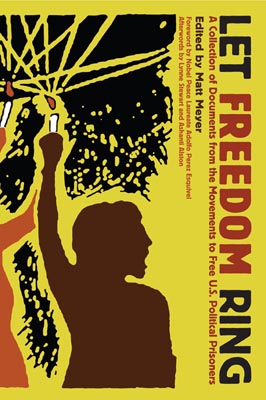

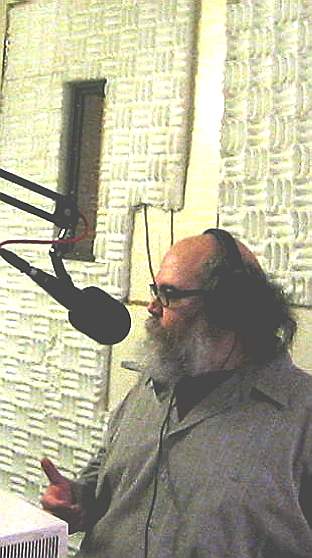
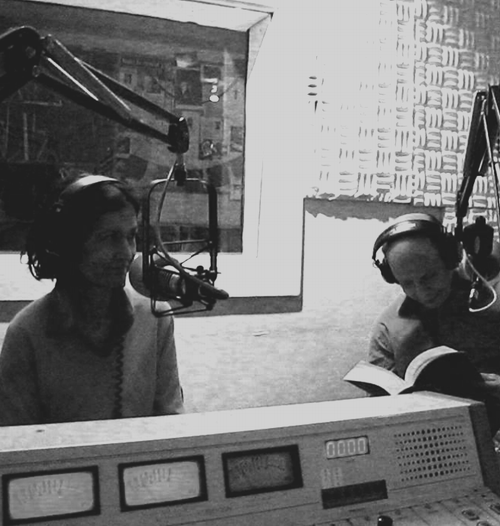
Matt Meyer – Let Freedom Ring, A Collection of Documents From the Movements to Free US Political Prisoners.
New York based educator and activist Matt Meyer. Matt is the editor of several books including the recently published Let Freedom Ring, A Collection of Documents From the Movements to Free US Political Prisoners. – The book nicely pulls together two decades of essays, interviews and resolutions of US political prisoners. These are the voices and intimate writings of those who have challenged the US empire from within, Black Panthers, Puerto Rican independentistas, white anti-imperialists, environmental and animal rights militants and Arab and Muslim activists. Meyer is a former public draft registration resister and chair of the War Resisters League.
Matt Meyer:
- We wanted to bring awareness to that yes, there are political prisoners in the US.
- There’s been a history to support those movements and free them.
- This book focuses on the last 25 years as a key era that took us through the late sixties and seventies of social change.
- The majority of peoples that have been in prison come from the black civil rights liberation movement, come from the American Indian Movement, come from the Puerto Rican and Chicano movements and come from some white allies and supporters.
- Political prisoners are in jail because of the ideas they’ve had as much as the acts they’ve committed. They’re political actions and beliefs and who are in jail 20, 30 years, incredibly long sentences and harsh conditions.
- It is also a collection of documents from the movement to free them. For example from the Puerto Rican movement. We have a collection of documents that began to help free 12 Puerto Rican political prisoners – this shows how this came through by a combination of grassroots support and international pressure.
- This book says to activists and all readers that we can build upon the strategies that have been used in the last 20 years. We can look at some of the documents and get a sense of how to use these strategies today to help not only political prisoners but prisoners in the ever increasing US prison system. There is a growing sense that we should all pay more attention to these folks who are languishing in jail.
- The fact that the information in this book was not readily available, it was scattered here and there. This volume was designed as a tool with the hope to spark new movements.
- What can people do? The Jericho Movement
Guest: Matt Meyer – Founding PJSA Co-Chair along with USF Dean Jennifer Turpin, Meyer has long worked to bring together academics and activists for lasting social change. A former public draft registration resister and chair of the War Resisters League, he continues to serve as convener of the War Resisters International Africa Working Group. With Bill Sutherland, Meyer authored Guns and Gandhi in Africa: Pan-African Insights on Nonviolence, Armed Struggle and Liberation, of which Archbishop Desmond Tutu wrote, “Sutherland and Meyer have looked beyond the short-term strategies and tactics which too often divide progressive people.
—————————————
Afghanistan War, Civil Liberties, Criminalizing Dissent, Extraordinary Rendition, Guantanamo, Habeas Corpus, Human Rights, Iraq Veterans, Iraq War, Prosecution of the Bush Administration, Supreme Court, Surveillance, Targeting Muslims, Torture
Podcast: Play in new window | Download
Updates:
————
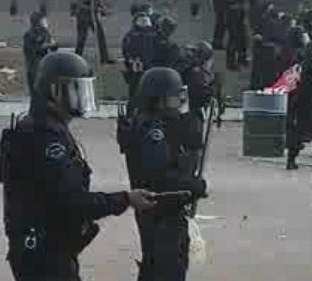
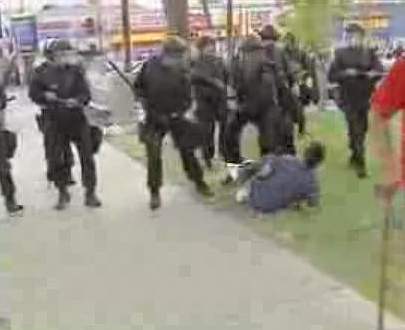
13 Million Dollar Payout in May Day LAPD Police Abuse Cases
In a landmark class action lawsuit settlement, the Los Angeles city council agreed to pay nearly 13 million dollars to those injured or mistreated in the 2007 May Day demonstration in MacArthur Park. As the march ended, LAPD riot police were filmed by camera crews using excessive force, firing rubber bullets and striking people with batons. Dozens were injured in the melee and the footage was seen around the world. The 13 million dollar settlement was part of a larger portion of nearly 300 May Day claims.
Carol Sobel:
- There was an immigrants rights march in MacArthur Park in Los Angeles on May 1st 2007, there has been for the last 7 years. The police didn’t want to give the group a permit to march in the streets.
- There are about 20 lawyers on this case, the National Lawyers Guild, the Guild’s Police Accountability Project and MALDEF, the Mexican American Legal Defense Education Fund.
- As around 10 thousand people approached the park, police “forgot” to direct people into the park.
- The rally was at the Northwest corner of park, so marchers had to cross an 8 lane highway that divides the park. This created chaos of which the problems arose.
- There was no instruction, people didn’t know where they were supposed to go.
- Then people got near police on motorcycles, they used their motorcycles to hit protesters. This was happening as an Aztec circle dance performance closed the march and opened the rally.
- Some protesters through trash, plastic water bottles at police. It was heard that the police said “We need to get rid of these people now.” Police were not giving orders to disperse, they simply said “move”.. to the 10 thousand people in the park.
- The officers were speaking only English, the crowd spoke almost all Spanish.
- Families had no idea why the police were coming with riot gear. While police were saying to move, people were thinking, “well I didn’t do anything wrong, they could’nt be talking to me.”
- So officers began knocking people down and hitting people, firing pellets, it was total chaos.
- 140 rounds of less lethal munitions were randomly fired into the crowds.
- The police report also stated there was no probable cause, no reason to go after the marchers.
- Lesson: It’s very difficult to change the culture of a police department. The police department can’t engage in this behavior, because we can’t afford it as a city.
Guest – California civil rights attorney Carol Sobel, who represented some of the injured. In 2000 Carol was struck by police pellets while serving as a legal observer during the Democratic National Convention.
———————–
Nora Eisenberg: When You Come Home
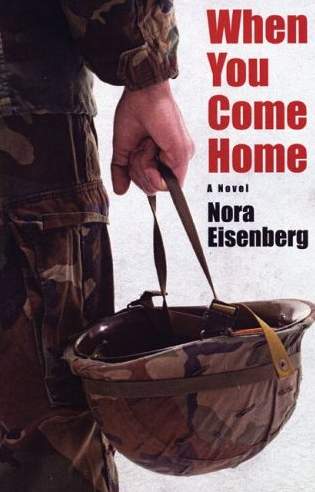
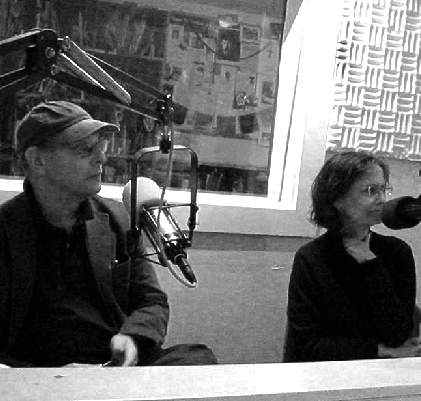
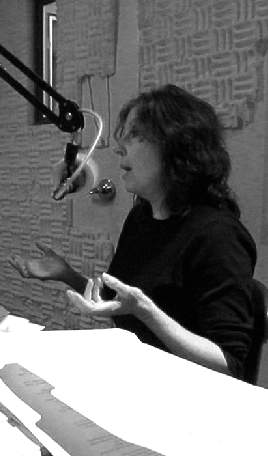
We’re pleased to have with us Nora Eisenberg, she’s the author of the recent book When You Come Home. It is a powerful novel that acknowledges the physical and psychological effects of veterans returning from Operation Desert Storm-The Persian Gulf War (2 August 1990 – 28 February 1991). In this beautifully written ant-war fiction, Nora delves into the corrosive effects post war combat has on the families and communities that are called on to nurture veterans returning home. Mimi is the main character who’s husband was killed in Vietnam, her 20 year old son Tony, a marine reservist, has returned from the Gulf War and there’s Tony’s childhood sweetheart, Lily who was raised by Mimi after her parents disappeared.
One book review describes When You Come Home this way: “In 1991, troops sent to Iraq for the first Gulf War returned home with a litany of physical, neurological, and psychological symptoms that collectively became known as Gulf War syndrome, a subject seldom dealt with in works of fiction. Eisenberg poignantly demonstrates that casualties of war occur both on and off the battlefield and ironically illustrates the vivid consequences when those in charge of veterans’ postwar care fail to meaningfully “support our troops.”
Nora Eisenberg:
- The First Gulf War – “The Good War”, 5 weeks of censorship and fabrication. Fabricated by a Washington based PR firm – Hill and Nolton. The campaign was headed by Craig Fuller. Fuller was also Chief of Staff for George H.W. Bush. Fuller took charge of the campaign to impress the public of what villians the Iraqis were.
- The firm brought this young girl to testify in front of a Congressional Committee – She claimed to work at a maternity ward in Kuwait. “The mean Iraqi soldiers” came in and hurled nearly 300 babies from their incubators and were left to die on the floor.
- This young girl was part of the Kuwaiti Royal Family, her father was Washington / Kuwait ambassador.
- All part of a 10 million dollar PR campaign with Hill and Nolton.
- Aside from the no-fly zones and sanctions, the deaths of Iraqis were massive and continuing.
- I’ve been following the deteriorating health system in Iraq and the rise of disease leading to the deaths of 2 million Iraqi children.
- I started writing this book with the “bad” war looming and with a sense that the ’91 war wasn’t over at all.
- I thought, are we going to kill millions again and get off scott-free, does it really work that way?
- Gulf War Illness, even among progressive people, there remains very little awareness of what this disease is. It attacks the respiratory system, the nervous system, it’s a neuro-toxic event.
- These soldiers got sick, immediately. Some say they got sick after swallowing an anti-nerve gas pill.
- When they were around the insecticides that were soaking the tents, they felt sick immediately, vertigo, stomach cramps.
- The soldiers loved ones, pets and wives coming down with similar symptoms, by proximity.
- It’s taken almost 20 years for Congress to say what the veterans already knew, that they were poisoned.
- A report delivered by high profile doctors at Roberta White say the soldiers were exposed to neuro-toxins. These were not neuro-toxins from Saddam Hussein.
- Those are main culprits, there are other terrible exposures that came out in a report last November.
- Such as the exposure to sarin in a weapons depository that affected 2-3 hundred thousand US soldiers.
- Nearly 15 thousand have died from Gulf War Illness. We have nearly 400 thousand US soldiers coming back as patients / nearly 40 percent are psychiatric patients.
Guest – Nora Eisenberg, New York City novelist and professor of English at the City University of New York (LaGuardia) and directs CUNY’s Faculty Publications Program. The War at Home ws a Washington Post Rave Book of the Year for 2002 and Just the Way You Want Me was awarded the 2004 Gold Prize in General Fiction from Foreword, the weekly of independent publishing. Her short stories, essays, and reviews have appeared in The Village Voice, Partisan Review, the LA Times, Tikkun., and numerous anthologies.
——————————————————–
Civil Liberties, Criminalizing Dissent, Extraordinary Rendition, Guantanamo, Habeas Corpus, Human Rights, Supreme Court, Surveillance, Targeting Muslims, Torture, Truth to Power
Podcast: Play in new window | Download


The First 100 Days: Dismantling the Police State in a New Presidency – Part 2
This is the second of a three part special. Law and Disorder hosts bring a series of interviews with key attorneys, authors and activists from the front lines such as the Center For Constitutional Rights, Universities of Law and the National Lawyers Guild. Some of the police state policies are beginning to be reversed such as closing down secret CIA sites, a timeline to shut down Guantanamo, and mandating everyone CIA included follow US Army Field Manual Interrogation tactics.
Recently the Obama Administration defended the telecom wiretapping legislation. Attorney General Eric Holder told Senator Orin Hatch – “The duty of the Justice Department is to defend statutes that have been passed by Congress.”
CCR staff attorney Shane Kadidal explains in detail the 3 main groups of Guantanamo detainees, the laws that allow for secret sites, FISA wiretapping, National Security letters, data mining and the Patriot Act.
Shane Kadidal:
- The Three Groups in Guantanamo: First Group – Two dozen genuinely involved with “Al Qaeda” – planning terrorist activities – the people who would be tried in federal courts if GTMO never existed.
- Second Group – Shouldn’t have been there in the first place. The US says they may charge as many as 80 people, there are 255 people left, that means there are close to 200 people that the US gov’t will send home. Like the 500 people who have already been sent home from GTMO.
- Subgroups – there are about 110 Yemenis waiting to return back to Yemen
- Third group: Guantanamos refugees who come to GTMO from places with horrible human rights records, Syria, Uzbekistan, Tunisia, about 13 countries where we ordinarily give them asylum. We can’t return them in good faith back to the countries they are citizens of. Find traditional asylum accepting countries to send them to largely in Europe.
- Secret Sites: The next president could decide to end the secret sites – Who is accountable for sending people to black sites to be tortured? – Military Commissions Act gives those involved immunity from actions that would have been violations of the War Crimes Act or Anti Torture Act
- Repeal MCA – Once you do that, then any officials participating in the black sites have to worry the rest of their lives of being criminally prosecuted for what they did.
- Repealing the MCA would restore Habeas Corpus to full flower that Supreme Court did in the case of Razul and proper judicial oversight regarding detentions.
- Repudiate the whole practice of using black sites and rendition
- Torture: There is one measure out there to propose that the military revert to the model of the Army Field Manual, that actually has acceptable interrogation tactics. – Done
- The Army Field Manual was designed by Interrogation experts with long history of experience and know from practical experience that torture doesn’t work in producing reliable information.
- All of this can be done by executive order, a stroke of the pen as Clinton used to say.
- FISA – wiretapping – the secret court that approves wiretaps – The historic model was that law enforcement would have to present a little bit of evidence of suspicion and that the court would authorize the person to be wiretapped. You go to the judge you get the order directed to one person.
- Right now, it’s broader, instead of going to a judge with specific evidence and getting specific authority for a very limited wiretap. Now based on the FISA Amendments Act passed this summer of June 2008, – they seem to want to get authority to do a wholesale authority on wiretapping and they’ll give the judge criteria in very rough terms. The discretion of law enforcement no longer limited.
- The colonists wrote the fourth amendment with the warrant requirement in it because they were concerned the king had issued these general warrants to allow his agents to run around where there might be violations of the stamp tax act.
- The Supreme Court may argue that the fourth amendment is outdated and allow the broader wiretap powers.
- Also, a new president coming in may decide not to use this power, but there is going to be a great deal of inertia from the intelligence agencies who had five or six years of this power under the NSA
- Its hard to get rid of this entrenched thing, they’ll come to the president with all sorts of arguments.
- This is an area where Congress would have to step in to restore post Watergate era restrictions that were put in place in the FISA act in 1978
- Patriot Act – A lot of it hasn’t been used as predicted.
- Preventive detention – they can hold citizens for 7 days without charge/ but the president asserted executive power to hold citizens and non-citizens without charges for years.
- Now the Patriot Act looks like a model of checks and balances.
- National Security letters and Data Mining – The government pulls in huge amounts of data both from private sources and things that can accumulate. We know that they were seeking calling records, the story broke in the middle of 2006 from nearly all the phone companies and they complied.
- We know they’ve been seeking search terms in various contexts from internet providers, we know they have worked with Swift which processes interbank tranactions to get huge amount of financial transfer data, financial transactions that happen anywhere in the world.
- They’re putting this into a database to see if they can catch terrorists by applying pattern analysis. The first problem with that is that we don’t know if it works, its likely to have a very false positive rate.
- Very close to profiling and pull in people who should not be made the targets of suspicion.
- There is so little human intelligence on the ground, and its tempting for intelligence agencies to look to for technological panacea.
Guest – Shayana Kadidal has been at the Center for Constitutional Rights (CCR) since 2001. Shane is senior managing attorney of the Guantánamo Global Justice Initiative at CCR. In addition to supervising the Guantánamo litigation, he also works on the Center’s case against the NSA’s warrantless surveillance program, CCR v. Bush, and its challenge to the “material support” statute, HLP v. Gonzales. Shane has testified before Congress on the material witness statute and is a contributor to the Center’s book Articles of Impeachment Against George W. Bush, 2006. He graduated from Yale Law School and clerked for a judge of the U.S. Court of Appeals for the First Circuit.
——————————————————
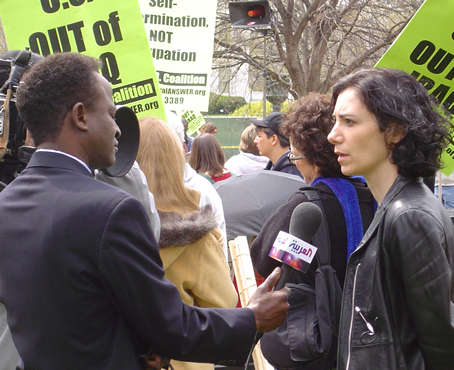
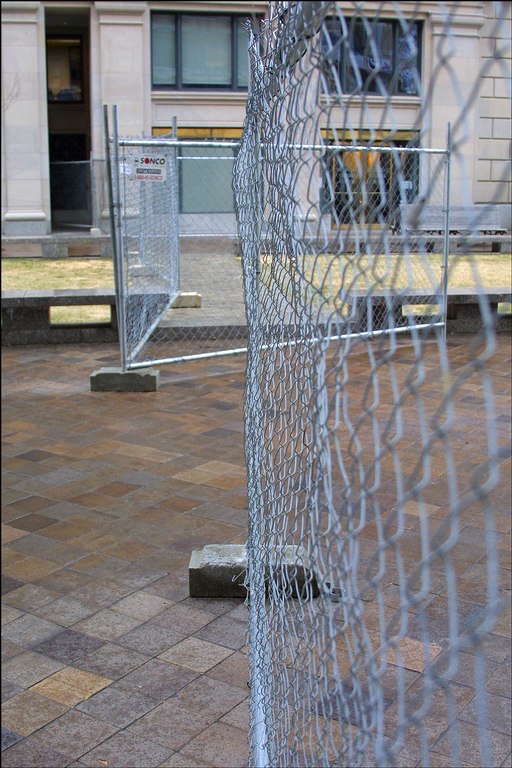
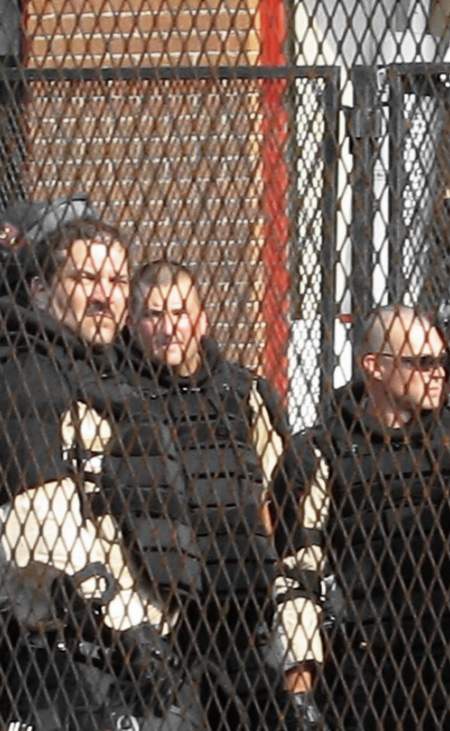
Mara Verheyden-Hilliard: Criminalizing Dissent
Criminalizing Dissent has chilled most free speech movement in the United States, especially when demonstrators take to the streets. We talk with attorney Mara Verheyden Hilliard co_founder of The Partnership for Civil Justice Legal Defense & Education Fund about criminalizing dissent, surveillance, data mining, fusion centers and the ability to exercise first amendment rights. A recent example were the violations of free speech during the mass arrests of protesters at the 2008 Republican National Convention. The demonizing of protesters and their message in the media will usually allow for the use of military force by police. That combined with intelligence gathering and targeting of lead organizers squelched the voice of dissent in all age groups.
Mara Verheyden Hilliard:
- A lot of our work is at the intersection of first and fourth amendment rights.
- PCJ has a class action suit pending from the world bank IMF protest – 8 year drag out tactic.
- “What they want to do is stage-manage democracy.”
- Victory: After years of litigation the government has to lift regulations on number of people at the Great Lawn
- Is it important to say that we don’t want to go back to Jan 19, 2001 just the day before Bush took office- or is there more that we have to do?
- We think there has to be an audit of every agency’s databases to determine exactly what the databases are.
- Identify what has been collected, where it has been put, who has access to that information,
- Then to tell people in the United States individually, what has been collected on them and then to expunge it.
- For people in their United States, their government collecting information, maintaining information, in these massive database files, that can be used by law enforcement, pulled up in a moment’s notice is really a very dangerous practice.
- What they’ve done is misuse existing databases and data tools.
Guest – Attorney Mara Verheyden Hilliard co-founder of The Partnership for Civil Justice Legal Defense & Education Fund.
————————————————-
Civil Liberties, Criminalizing Dissent, Extraordinary Rendition, Guantanamo, Habeas Corpus, Human Rights, Iraq Veterans, Iraq War, Military Tribunal, Supreme Court, Surveillance, Targeting Muslims, Torture, Truth to Power
Podcast: Play in new window | Download
The First 100 Days: Dismantling the Police State in a New Presidency – Part 1
This is the first of a three part special. Law and Disorder hosts bring a series of interviews with key attorneys, authors and activists from the front lines such as the Center For Constitutional Rights, Universities of Law and the National Lawyers Guild. Some of the police state policies are beginning to be reversed such as closing down secret CIA sites, a timeline to shut down Guantanamo, and mandating everyone CIA included follow US Army Field Manual Interrogation tactics.
We define the current laws in place that now constitute a police state. Then we look at the steps the Obama Administration must take to turn back the major breaches in civil liberties such as the Patriot Act One and Two, the Military Commissions Act, FBI Guidelines and legal provisions that allow for torture. As you’ll hear, some attorneys believe much of the dismantling can be done by executive order.
We begin with a description of what we have seen since September 11, 2001 and precursors such as the Effective Death Penalty Act, the earlier renditions under Clinton’s administration. Then, right after 9/11 came the overreaching of executive power in the form of signing statements that misuse the war powers resolution to detain, torture and try so_called enemy combatants. This includes racial profiling against Muslims here and abroad, massive surveillance capacities and warrant_less wiretapping.
The dismantling of police state blocks in the new presidency will take attention to detail to ensure a full restoration of democracy that will ultimately allow for social progress. In the next hour we look at some remedies and solutions to reverse laws that have created domestic enemy combatants, Guantanamo Bay prison, Renditions, Secret CIA sites, Torture, Kangaroo Courts: Special Trials, FISA, domestic surveillance, private military contractors.
——————————————————————

Executive Director of the Center for Constitutional Rights, Vince Warren discusses the abuse of preventive detention, torture, rendition and states secrets. Hosts cite recent examples of deep surveillance on peaceful protesters and the unprecedented collusion between federal, state and local law enforcement. Warren points out the importance of rolling back the police state measures put in place by the Bush administration, in that No president has ever given back the power a previous president has given him.
Vincent Warren:
- Torture/rendition/states secrets / right to dissent / the abuse of preventive detention.
- Torture top of list, the export of torture and CIA black sites.
- torture crimes at this time are unprosecutable adn its up to the president to
- Close Guantanamo prison – send prisoners back to countries they came from, repatriate.
- CCR and civil proceedings – hold accountable, the Bush administration to declare what they’ve done unconstitutional, damages to clients CCR represents and injunctive relief, future deterrents
- Universal jurisdiction stems from the Nuremberg principles that say a crime that is committed against a person anywhere is prosecutable anywhere.
- Countries such as Germany Spain and France have statutes for human rights abuse survivors to bring cases for prosecution.
- States secrets privilege, the privilige that the government has routinely invoked in a range of CCR cases, whenever the government says states secrets, the courts, including the supreme courts usually kick the case. The remedy?
- Congress can create a statute that limits the use of a states secrets power in order to make it consistent for truth telling and accountability.
- No president has ever given back the power a previous president has given him.
- The abuse of preventive detention, fusion centers – intelligence gathering and data mining – the concern is that no one can monitor and again its done in secrecy. no oversight, more preemptive law enforcement
- The irony here is that government usually acts as if one hand doesn’t know what the other hand is doing, unless they’re coming down on our constitutional rights, then they’re all on the same page.
——————————————————-
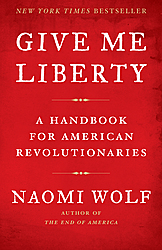
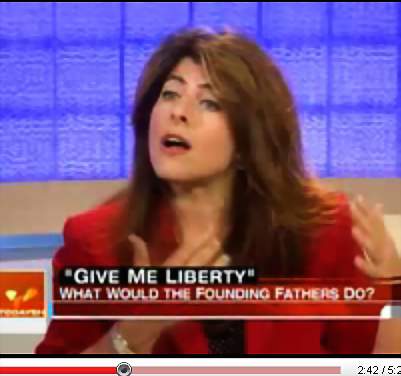
Naomi Wolf : 10 Steps
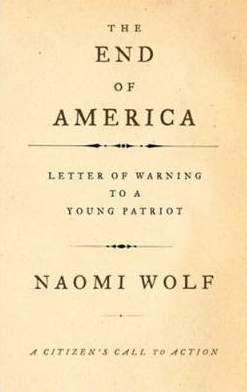
We’re joined by author and activist Naomi Wolf. She is the author of seven books, and the groundbreaking book The End of America: A Letter of Warning To A Young Patriot. In the book, Naomi addresses ten steps that societies, dictators, and sometimes democracies use to close an open society to move it toward facsism. We want to re-visit those ten steps.
Naomi Wolf:
- A small group of people used the law to subvert the law. Reichstag Fire, then disembowel their own Constitution.
- Initial thinking inspired from my friend who is the daughter of holocaust survivors, she said the Bush strategies echo early 1930s Germany.
- Enabling Acts in Germany gave the power to the state to read a person’s mail, listen to their phone calls and read their telegrams. This, in the alleged interest of national security and the fight against terrorism.
- Nazis used to unload the coffins of the war dead at night.
- A would-be dictator sought to close an open society or crush a democracy movement. Mussolini in 1920, the great evil pioneer. Hitler studied Mussolini, Stalin studied Hitler.
- I looked at Russia, studied Czechoslovakia in the 60’s, Pinochet’s coup in 1973, the Chinese crackdown on democracy in the 80s.
- What I saw was there was a blueprint. The blueprint has 10 steps. The 10 steps have been codified, they teach them at the School of the Americas.
- To help would be Latin-American dictators to overthrow their own governments. What terrified me is that those ten steps are being put in place by the Bush Administration.
- Invoke a terrifying internal and external enemy
- Create a gulag
- Develop a thug caste
- Set up an internal surveillance system
- Harass citizens’ groups
- Engage in arbitrary detention and release
- Target key individuals
- Control the press
- Dissent equals treason
- Suspend the rule of law
———————————————————
Censorship, CIA Sponsored Terror, Civil Liberties, Criminalizing Dissent, Extraordinary Rendition, Guantanamo, Habeas Corpus, Human Rights, Impeachment, Supreme Court, Targeting Muslims, Torture, Truth to Power
Podcast: Play in new window | Download
Updates:
—
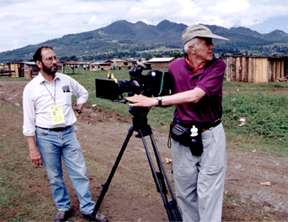
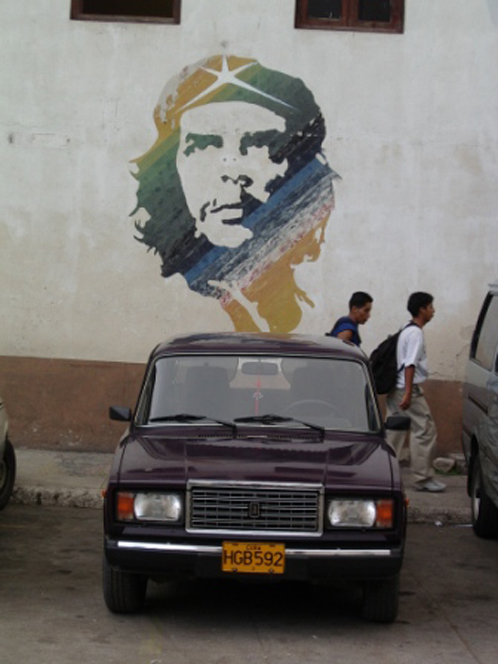

Saul Landau – Cuba 50th Anniversary
Then and now, Venezuela and Cuba, 1960_2008
Hosts talk with author and internationally known scholar Saul Landau about his recent article titled Then and Now, Venezuela and Cuba, 1960-2008 and the Cuban 50th Anniversary.
Saul Landau:
- It’s almost a miracle the revolution in Cuba survived 50 years, considering the United States was determined to destroy it.
- In light of all that the Cuban revolution emerges as something miraculous.
- One looks at Cuba today, one finds lots of despair, especially after 3 brutal hurricanes.
- You see Cubans hanging out in the street in the middle of the work day, drinking beer, not exactly a sign of high spirited socialist morality.
- Some are plotting to go to Florida, where they still think there’s some paradise waiting for them. Some do succeed, cleaning the toilets at the Miami airport.
- I kept saying to myself, if someone came over from Europe to the United States in 1862, they would say “Oh, this place had so much promise.”
- I see the Cuban Revolution as a total success, in the sense it achieved all of its goals and then some.
- When I first went to Cuba, I was 24 at the time, the kids were running ministries and it was creative anarchy.
- Pre – Bay of Pigs: Cuba survived so many US based sabotages, terrorist attacks were launched from the United States.
- Some were assassination attempts on Fidel Castro, some were attempts to burn down Cuban installations.
- Fidel set out the goals of the Cuban Revolution that were established in the 1860s with the first war of Cuban Independence against Spain.
- Which meant not taking crap from the United States. However, anyone who defied the United States was removed from office by the Marines, or overthrown by a coup backed by the US.
- Removed from office in Domican Republican in 1965, Removed from office in Brasil in 1964, Ghiannah, the coup in Chile.
- Here Fidel stands for Cuban sovereignty which means disobedience.
- Today Cuba has 70 thousand doctors. 20 thousand in Venezuela, plus Cubans were actors on the world stage.
- Cuban soldiers helping stop apartheid in Southern Angola in 1986-87, and paved the way for independence in Angola and the release of Nelson Mandela.
- The Cuban Revolution WAS successful. Now, there are many professionals, such as engineers and doctors working as cab drivers or making pizza. The salary and wage structure are not just.
- When the Soviet Union collapsed, the Cuban economy tanked and Cubans were on their own. They’ve buying and selling illegally, which in the last 18 years, has had a corrosive effect. Each Cuban has had to have some sort of hustle in order to get along. Cuba must begin to make reforms now.
- Upsides: They can’t get evicted or homes foreclosed on them/ Access to the best medical care.
- A gerontocracy has been running Cuba for security reasons and they have to hand the car keys over to their middle aged kids.
- You have no right to practice opposition politics. Which is a minus. When you have highly educated people without access to the internet, creativity and productivity suffers.
- Ironically, the US and Cuba military have had good relations.
- Once the travel ban and embargo is dropped, and a million Americans come pouring in with fat wallets, the state has basically lost control of the economy.
- If they can’t trust the citizens to back up the system that has given them these rights, the right to housing, jobs, education, medical care etc.
- The counter-revolution was exported to Florida, (Republican Cubans – Miami) that’s where they are.
- Obama Administration – look for travel ban lifted for Cuban Americans. For the first time the President of the United States will owe nothing to the Cubans in Miami.
- Raul Castro has offered a swap of prisoners with new president
- Monroe Doctrine Funeral : Established 1823, written by John Quincy Adams, essentially saying that European colonial powers should stay out of Latin America
Guest – Saul Landau, an internationally known scholar, author, commentator, and filmmaker on foreign and domestic policy issues. Landau’s most widely praised achievements are the over forty films he has produced on social, political and historical issues, and worldwide human rights. Landau has written over ten books, short stories and poems. His films include: Fidel, 1968 /Cuba and Fidel 1974, / The Uncompromising Revolution, 1990. To order films send email to RoundWorldProductions at gmail.com
—-
RNC 8: Terrorism Charges Filed, Free Speech Chilled
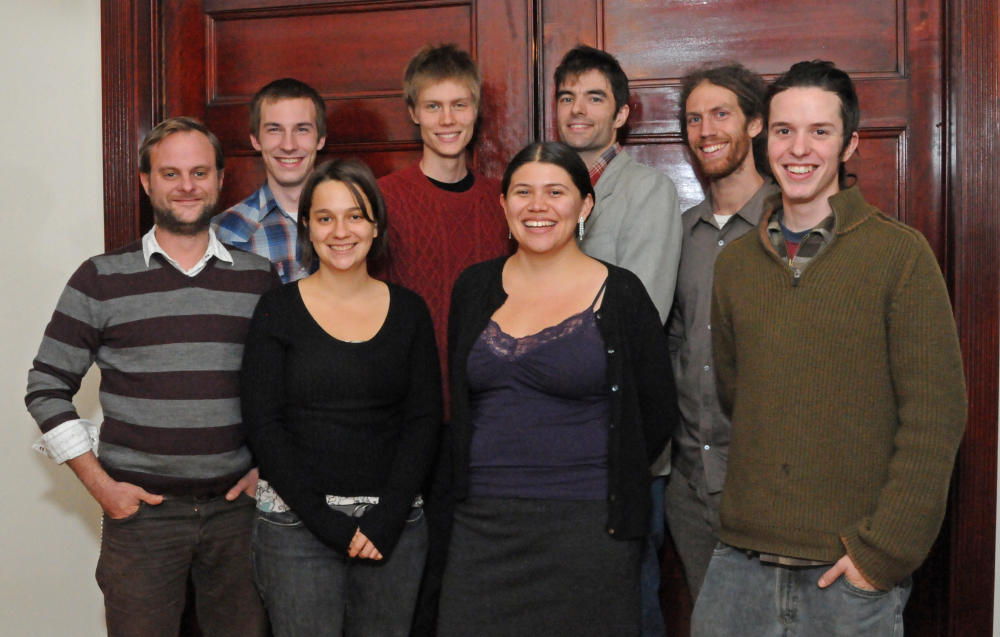
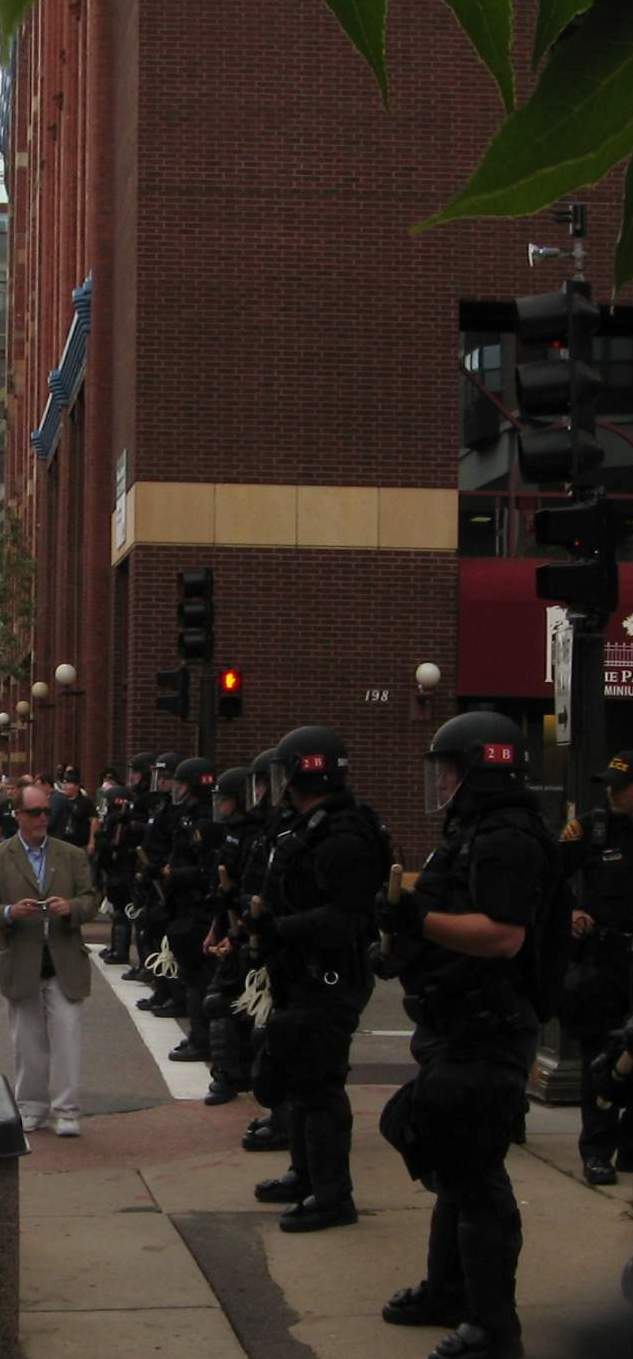
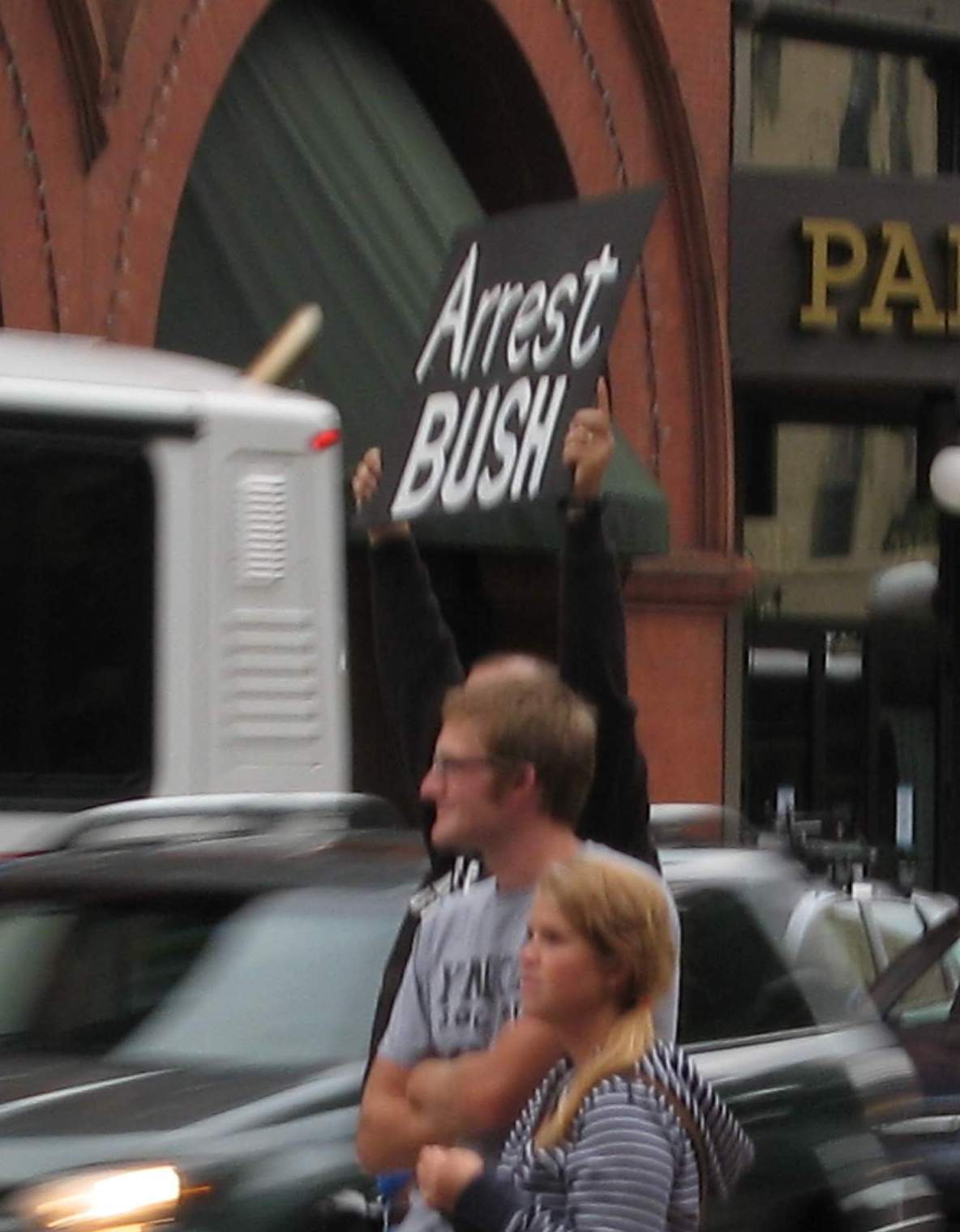
Eight alleged leaders of the Republican National Convention protest organization called the RNC Welcoming Committee have been charged under the 2002 Minnesota Patriot Act with Conspiracy to Riot in Furtherance of Terrorism. The RNC 8, may each face up to 7 and a half years in prison for their alleged roles in the RNC protest activities. The charges against the RNC 8 follow a year’s worth of investigation by the Ramsey County Sheriff’s Department with coordination of state and federal agencies that had infiltrated and collected information on the group.
The RNC 8 are Monica Bicking, Eryn Trimmer, Luce Guillen Givins, Erik Oseland, Nathanael Secor, Robert Czernik, Garrett Fitzgerald, and Max Spector
According to Bruce Nestor, Minnesota Chapter president of the National Lawyers Guild, police did not find evidence of bomb making materials during the raids only common household items such as paint and computers. The National Lawyers Guild also mentions that police used paid informants that alleged the protesters intended to sabotage airports.
- RNC Welcoming Committee: anti-authoritarian anarchist group. It is an open, public organization with a website and press releases.
- Originally charged with conspiracy to riot in furtherance of terrorism.
- Now, the Ramsey County attorney Susan Gertner in St. Paul Minnesota has added 3 more charges.
- Conspiracy to riot in furtherance of terrorism, second degree.
- Conspiracy to damage property in furtherance of terrorism.
- Conspiracy to damage property criminal charge.
- With these charges the RNC 8 could get 20 years each under Minnesota patriot act style statute.
- Includes property damage as an act of terrorism /some plate glass windows broken, some police cars damaged.
- No property damaged occurred before the RNC 8 were arrested. Evidence Project – National Lawyers Guild
Guest – Gena Berglund with the Minnesota chapter of the National Lawyers Guild.
—


Harpers Magazine Panel: Justice After Bush: Prosecuting an Outlaw Administration
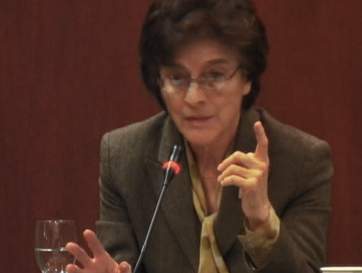
We hear from Elizabeth Holtzman, Author of The Impeachment of George W. Bush. The panelists at the event discussed methods available to a democracy to prosecute high officials in the Bush Administration and responded to Scott Horton’s Harper’s Magazine cover story called “Justice After Bush: Prosecuting an Outlaw Administration.”
Elizabeth Holtzman:
- When the president takes the oath of office, treaties are the law of the land.
- The president is responsible for carrying out the Geneva conventions.
- The idea to torture in order to get information is not accurate. As a prosecutor, we handle murders, rapes, robberies, everyday in New York City and around this country.
- We don’t get the information to solve these crimes by beating it out of people, we do it through smart detective work and we do it through careful investigation.
- The idea that we can handle local crimes without torture or crimes of war is nonsensical .
- It’s important for us not to get into this trap of the ticking clock. When you’re dealing with a serial rapists or murderer you got a ticking clock too.
- We manage to deal with that everyday without torturing people in this country.
- Impeachment: A person can be impeached after he or she has left office.
- Statute: The Anti-Torture Act, it is a convention against torture making it a US crime. Which makes torture a felony prosecutable in the USA.
- If death results from torture, there’s a death penalty, which means there is not statute of limitations.
- Which means that somewhere down the line as long as these people are alive, they can be prosecuted and brought to justice.
- The War Crimes Act of 1996, which makes it a federal crime to deal in a cruel and inhuman way with detainees. This can be prosecuted in federal courts.
- So, whether “water boarding” is torture or not, is irrelevant under the War Crimes Act.
- That’s why Alberto Gonzales, wanted to opt out of the Geneva Conventions with respect to the members of Al-Quaeda.
- A little problem: The Supreme Court in the summer of 2006 ruled: the Geneva Convention applies to all US detainees. War Crimes Act liability.
- While passing the Military Commissions Act, they also slipped in that the War Crimes Act would be in effect retroactively.
- We need to restore the War Crimes Act because it has no statute of limitations. Restore as it was before October 2006, That will allow us no matter what to bring the prosecutions that need to be brought.
———————————————————————————