Civil Liberties, Civil Rights, Freedom Of Speech, genocide, Human Rights, Violations of U.S. and International Law
Podcast: Play in new window | Download

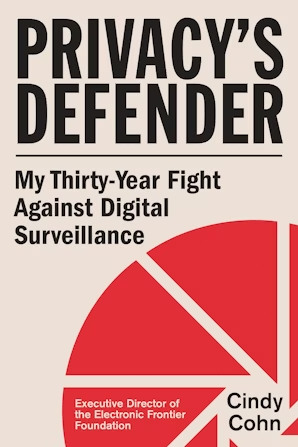
Privacy’s Defender: My Thirty-Year Fight Against Digital Surveillance
Civil liberties attorney Cindy Cohn is widely recognized as one of the leading voices on digital freedom in the United States. As she prepares to step down as executive director of the Electronic Frontier Foundation, or EFF, she leaves behind a 25-year legacy at the forefront of the fight for online rights. Over the years, she has helped shape some of the most important debates around encryption, government surveillance, and freedom on the internet.
Cohn first rose to national prominence in the 1990s as lead counsel for the EFF and PhD student Daniel Bernstein in Bernstein v. Department of Justice. That was the landmark case establishing that computer code is protected speech under the First Amendment. During the height of the so-called “crypto wars,” that decision helped free encryption from government control and shaped the security of the modern internet.
As legal director, and then as executive director, at EFF, Cindy has led major legal challenges to NSA mass surveillance. She as defended independent security researchers, fought government overreach justified in the name of national security, and pushed back against expanding corporate data collection. A central voice at the intersection of law and technology she has shaped debates over encryption, privacy, online speech, and civil liberties in the digital age. Her new book, Privacy’s Defender, published by MIT Press, reflects on those battles and what comes next.
—-

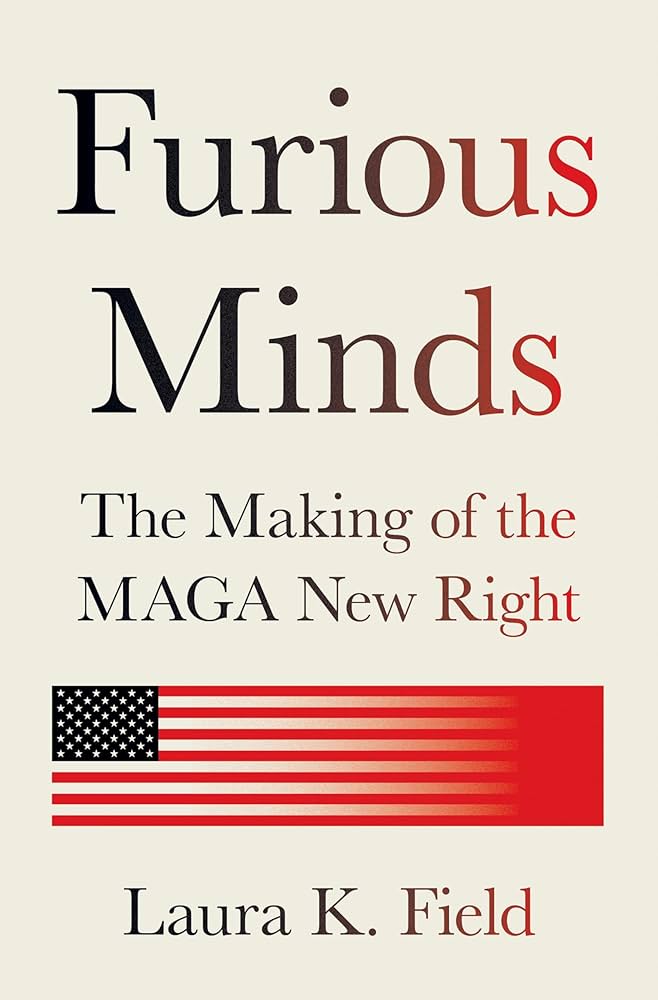
Furious Minds: The Making of the MAGA New Right
By all that is right and just, we will be rid of Donald J. Trump as President of the United States on January 20, 2029. But we will not be rid of the tremendous damage he is causing to our country. And we will not be rid of the cruel, populist, racist, White Christian, patriarchal, and nationalist MAGA New Right ideology that now dominates the Republican Party. Even after Trump decamps to Mar-a-Largo, MAGA will continue to pose an existential threat to our constitutional democracy.
We need to fully understand that there is an extensive, well-financed ideological structure made up of think tanks, publications, university institutes, and PhDs, that provide an intellectual patina to this dangerous movement. Unless the pro-democracy resistance exposes and dismantles the MAGA New Right, it will find replacements for Trump and will continue to wreck havoc, destroying the lives of people in the United States and around the world.
Guest – Laura K. Field is the author of the revealing new book Furious Minds: The Making of the MAGA New Right. Field holds a PhD in government from the University of Texas at Austin, and has written for The New Republic, Politico, and The Bulwark. Field’s exposure of the ideological foundations of the MAGA New Right is based on copious research and her own experiences while she was embedded in that movement. She says she is grateful she “extracted” herself from that world as she saw how untethered the mostly privileged male purveyors of MAGA’s dangerous tenets are from the everyday struggles of real people. She realized how dedicated they are to eliminating the hard-fought advances our pluralistic society has won based on the values of equality, compassion, and justice.

—————-
Civil Liberties, Civil Rights, Gaza, genocide, Human Rights, U.S. Militarism, Violations of U.S. and International Law, War Resister
Podcast: Play in new window | Download

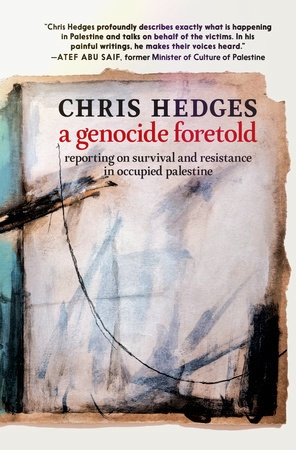
Chris Hedges: Assessing The Political Landscape In 2026
What we are going to do in this segment of today’s Law and Disorder is learn the thinking of our guest on the following questions. Is there a meaningful ceasefire in Gaza? When will the Palestinians have their own sovereign nation? Is it reasonable to still designate America as a democracy? Is President Trump an authoritarian and would-be dictator? Is it quite possible that the 2026 mid-term elections will be cancelled or so demeaned as to be totally unrepresentative of the true will of the American people?
Guest – Chris Hedges is a Pulitzer Prize winning journalist and author, and the former Middle East correspondent for the New York Times. Among his more than a dozen books are American Fascism: The Christian Right and the War on America; The Greatest Evil Is War; and A Genocide Foretold: Reporting on Survival and Resistance in Occupied Palestine. Chris Hedges is also one of the contributors to the book titled From the Flag to the Cross: Fascism American Style, a book composed of summaries of interviews with guests here on the Law and Disorder radio show, and available for purchase at O/R Books.
—-
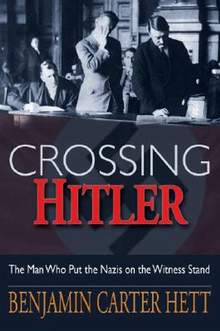


Crossing Hitler: The Man Who Put the Nazis on the Witness Stand
Hitler’s fascist organization came to power in Germany. It employed the violence of Hitler’s storm troopers. There is a parallel today with President Trump’s administration and the MAGA people employing the violence of ICE to terrorize people in our large cities. Hitler tried unsuccessfully to distance himself from the violence of the storm troopers. He was not successful because of the brilliant cross examination by German attorney Hans Litten, who put Hitler on the stand and subjected him to a devastating three hour cross examination. Today we re-broadcast Law and Disorder founding cohost attorney, Michael Ratner’s interview with Benjamin Carter Hett, the history professor who wrote the book Crossing Hitler: The Man Who Put the Nazis on the Witness Stand.
Author Benjamin Hett outlines the fascinating and tragic story of a young lawyer Hans Litten in his recent book Crossing Hitler: The Man Who Put the Nazis on the Witness Stand. Before the Nazis rose to power in the early 1930s, they incited calculated violence among the working class in German taverns. Four Nazi stormtroopers were charged with firing randomly into a dance hall where a communist hiking club were holding a party. Three young men were wounded. Hans Litton was the advocate for the 3 men.
Hans Litten called Hitler to the witness stand to show that the Nazi party was a violent party, and by cross examining Hitler he tried to prove that. Litten forced Hitler to contradict himself, reducing him to humiliating rage that revealed his true intention. At that time, Hitler wanted to be a legal party in Germany and of course you couldn’t be a party that was extra-constitutional and legal but at the same time he didn’t want to disappoint the base of his party which was this violent working class aspect. Two years later, the Nazi Party rose to power.
What came after the Reichstag Fire was the arrest of about 5 thousand people across Germany who the Nazis have identified as opponents or potential opponents. Hans Litten was among them and sent to a concentration camp. Author Benjamin Hett describes a powerful narrative of Hans facing torture yet still telling stories and teaching art to other prisoners. Hans Litten was born in 1903 in Halle in Central Germany, his father was a law professor and Jewish but converted to German evangelical (Lutheran).
Guest – Benjamin Hett, author of Crossing Hitler: The Man Who Put the Nazis on the Witness Stand. Hett is a former trial lawyer, and now Associate Professor of History at Hunter College.
——————————–
Civil Liberties, Civil Rights, Gaza, genocide, Human Rights, Surveillance, Targeting Muslims, War Resister
Podcast: Play in new window | Download
On Friday, following the taping of this show, the UK High Court ruled that the ban on Palestine Action, which we examine, was unlawful.
Our guest Fahad Ansari released this statement: “With jurors repeatedly refusing to convict individuals for smashing up Israeli weapons factories and now the High Court quashing the government’s proscription of a group dedicated to that goal, it is evident that the British public overwhelmingly opposes Britain’s support for Israeli genocide.”
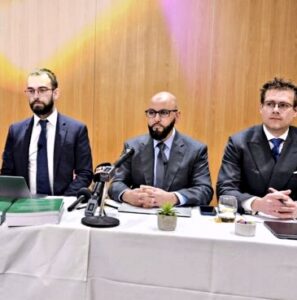

British Movement Lawyer Exposes Being Targeted By Senior Politicians and Cointel Police
When repressive governments around the world attack their own people and liberal democracies fight back, some of the first responders are movement lawyers. Unlike cowardly law firms that capitulate in advance, as we have seen here in the United States, movement lawyers work hand-in-hand with activists not merely challenging what the government is doing but putting the government itself on trial.
The roots of movement lawyering in the United States can be traced back to the civil rights movements of the 1960s and 1970s, where lawyers challenged laws that upheld segregation and other forms of discrimination. These lawyers used the legal system not just as a passive tool but as an active agent of change. They helped litigate landmark cases that desegregated schools, secured voting rights, dismantled discriminatory laws, challenged draft laws and questioned the legality of the Vietnam War.
The founders of this program Law and Disorder, Michael Ratner, Michael Smith, Jim Lafferty, and Heidi Boghosian are all prominent movement lawyers. But movement lawyers are not confined to the United States.
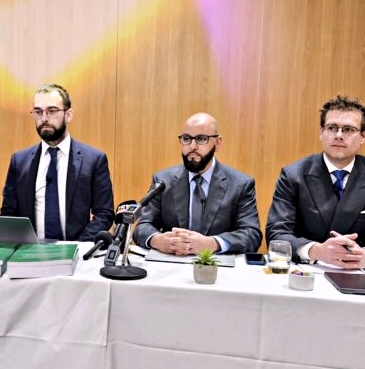
Guest- Fahad Ansari, is a senior civil liberties solicitor based in London. As a movement lawyer, he developed a niche in representing individuals and communities affected by counter-terrorism legislation, state surveillance, and discriminatory policing. His career has been defined by taking on some of Britain’s most sensitive cases including representing those stripped of their citizenship on grounds of national security and representing Hamas in its 2025 application to be removed from the British government’s list of proscribed terrorist organizations.
The Hamas case resulted in Ansari being smeared by senior politicians and targeted by British counter-terrorism police and the government agency that regulates the practice of law in the UK.
On August 6, 2025, Ansari was stopped by officers at the port of Holyhead as he returned from a family holiday in Ireland with his wife and four children. Ansari said the bulk of the questioning was about Palestine Action, a group recently proscribed under the Terrorism Act. He was also asked about Hamas but refused to answer, citing client confidentiality. Ansari said he was held by police for three hours, fingerprinted, photographed and swabbed for DNA and told to remove his face ID and pin from his phone or face arrest. The following day, the contents of his phone were copied by the police.
Ansari said that “In the decade that I have been involved in national security cases, I have never heard of lawyers in England being targeted to this extent because of their clients. Some have complained that representing Hamas brings the profession into disrepute. Yet, what really undermines the integrity of the profession is when unpopular clients are unable to secure legal representation because of fear of public opprobrium and state intimidation.”
—-
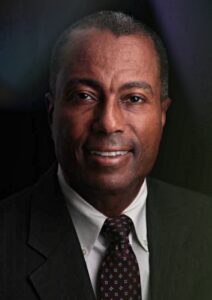

Michigan Movement Lawyer Mark Fancher
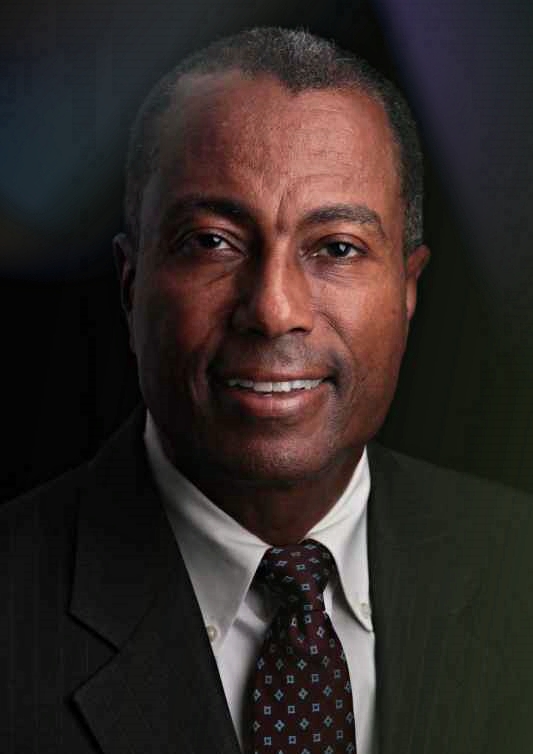
As we celebrate Black History Month, conversations often drift toward a comfortable, sanitized narrative of progress. But our guest today, Mark Fancher, has spent his career in the uncomfortable spaces where the struggle for racial justice remains ongoing, contested, and— for far too many communities—urgent.
Mark recently retired as Senior Staff Attorney with the Racial Justice Project of the ACLU of Michigan. But his commitment to justice did not begin there. A longtime leader in the National Conference of Black Lawyers and an active member of the National Lawyers Guild, he has devoted decades to challenging the systems that produce inequality—not merely documenting them.
In Michigan, those systems are stark, and those injustices are often enforced by the badge. Black residents comprise roughly 14 percent of the state’s population, yet account for nearly half of those incarcerated. That disparity is not incidental. It reflects policies, practices, and policing strategies entrenched over generations. Mark has litigated the human consequences behind those numbers—from confronting a culture of brutality in the City of Taylor, which he described as functioning like an “occupying army,” to defending Black officers such as Johnny Strickland, who faced retaliation within their own departments for speaking out.
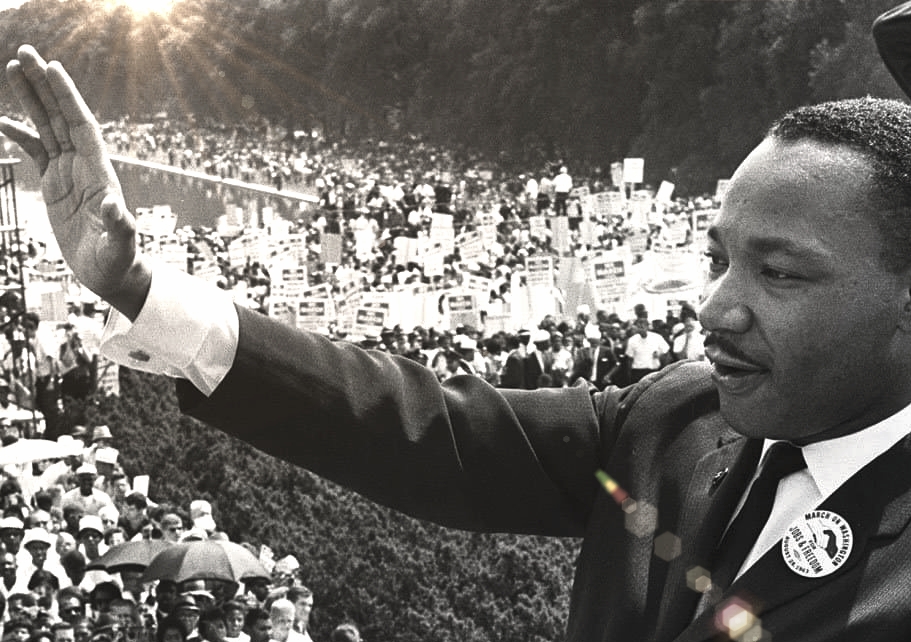
Mark is no stranger to the friction that truth-telling provokes. More than a decade ago, at a “Unity Breakfast” in Muskegon, his remarks about white privilege and police misconduct prompted audience members to walk out. He was labeled “divisive.” But as Mark reminded them then—and reminds us now—Dr. King did not preach comfort. He taught the oppressed to confront injustice without fear and without retreat.
———————
Civil Liberties, Civil Rights, Human Rights, Immigration, Violations of U.S. and International Law
Podcast: Play in new window | Download
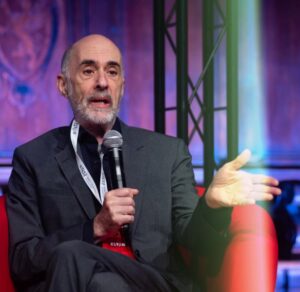

How to Stop a Nuclear War – Part 2
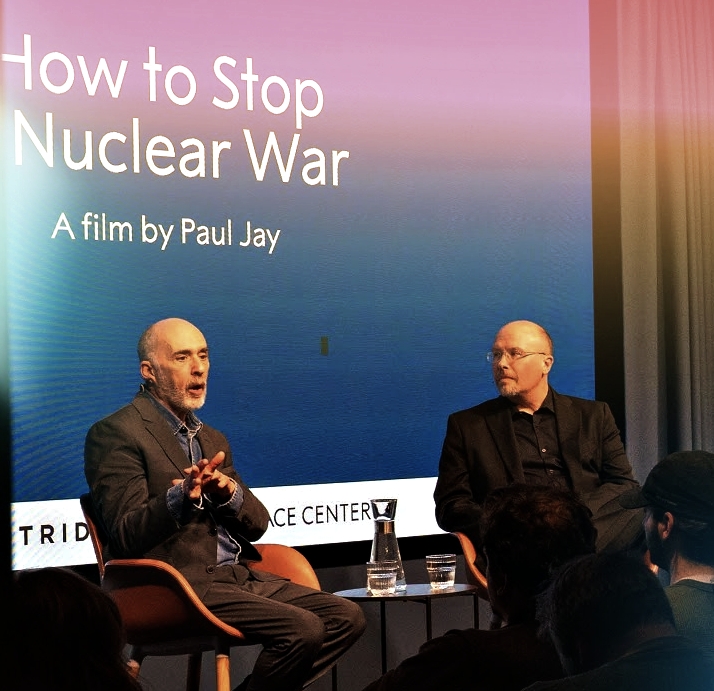
Two weeks ago, we spoke with award-winning journalist and filmmaker Paul Jay about his upcoming documentary, How to Stop a Nuclear War. Scheduled for release in fall 2027, the film draws on in-depth interviews with Daniel Ellsberg and is narrated by Emma Thompson. It examines just how close humanity has come to nuclear catastrophe — and why Ellsberg’s decades-long warnings about nuclear policy and power remain urgently relevant today.
We ran out of time in that conversation, so we’re very glad to welcome Paul Jay back to the show to pick up where we left off. Today, we’ll continue our discussion about the ongoing nuclear threat, how it’s shaped by political and corporate interests, and what the public needs to understand in order to push for meaningful change.
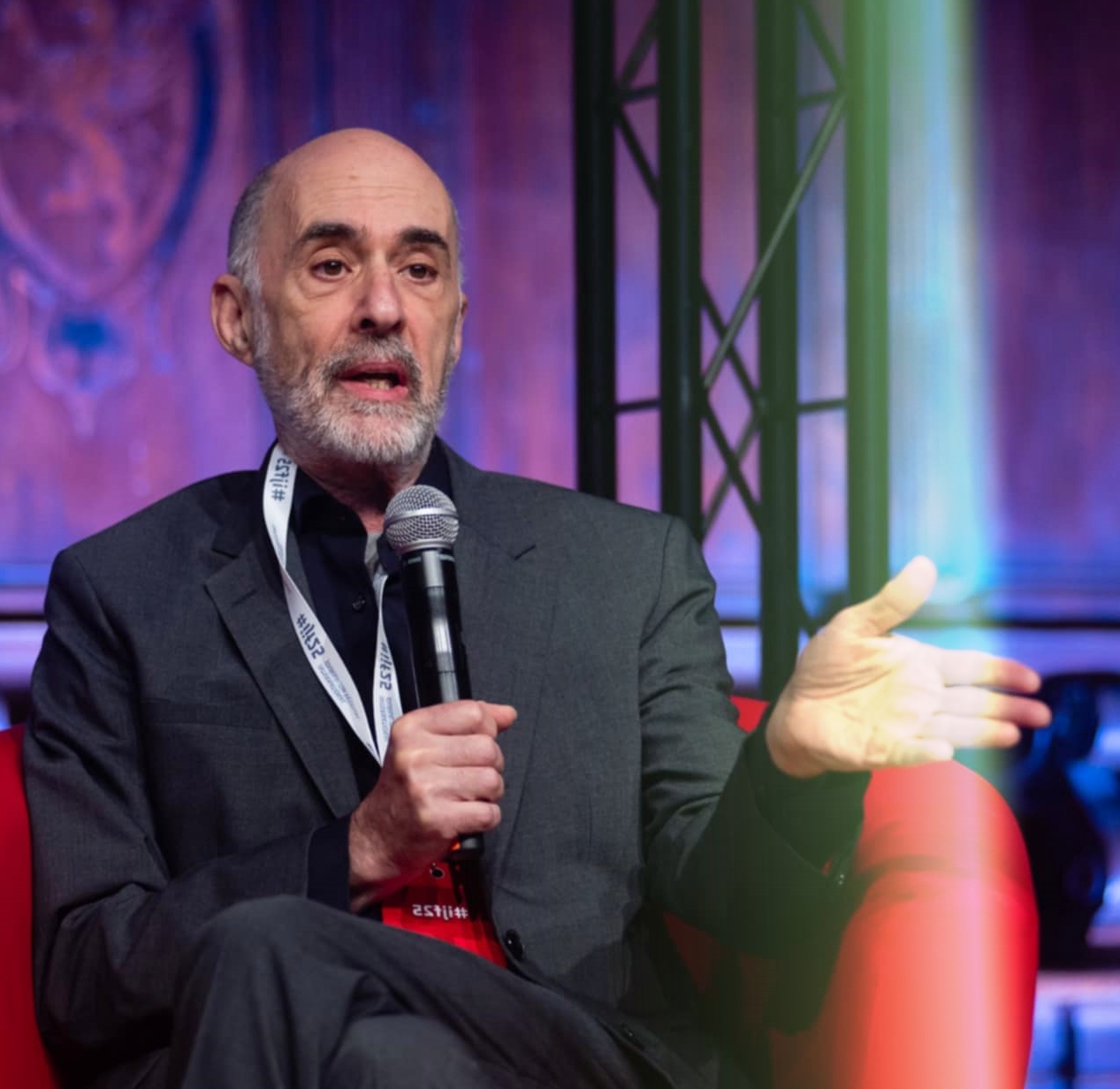
Guest – Paul Jay, award-winning journalist, filmmaker, and founder of theAnalysis.news. Jay has spent decades investigating the inner workings of government, corporate power, and military policy, combining investigative rigor with a storyteller’s clarity. He is currently working on a new project, How to Stop a Nuclear War, a groundbreaking documentary set to be released in the fall of 2027 based on extensive interviews with Daniel Ellsberg and narrated by Emma Thomson. Through rare interviews and in-depth research, the film examines how close humanity has come to nuclear catastrophe—and why Ellsberg’s warnings remain urgently relevant today.
—-
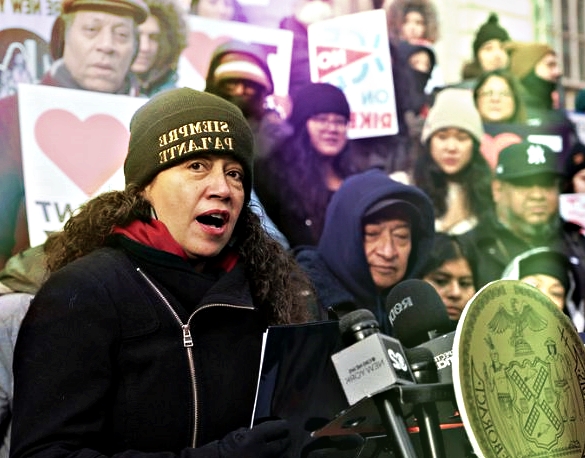
New York City Council Member Organizes Against ICE Raids
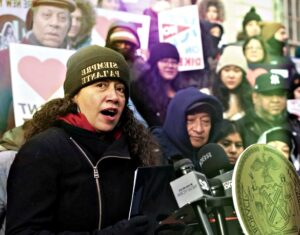
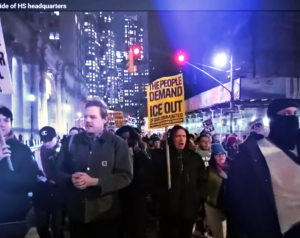
We are at a turning point in the history of the United States. If the people in the city of Minneapolis, can defeat ICE, they will have demonstrated they can win anywhere. This is a strong momentum in rolling back fascism here in the USA. ICE, above all, is criticized as being a terrorist outfit with a purpose to terrorize the population. Yet in contrast, ICE claims to be looking to capture and deport illegal immigrant criminals. It has a massive budget of $179 billion for the next three years. They have sent 3000 agents into Minneapolis and outnumber the Minneapolis police force five to one.
Two weeks ago, Renee Good, a poet and mother of three children was murdered during a confrontation with ICE agents. The official claim is that she’d threatened an ICE agent with her car. Last week Alex Pretti, an intensive care nurse at the VA hospital was murdered during an anti-ICE protest. Did Kristi Noem, the Trump appointed head of the Department of Homeland Security lied when she said that Pretti was out to massacre ICE agents? Both murders were filmed by people in Minneapolis and showed widely online and on television, exposing ICE for what it is, and the government for the false narratives it attempts to spread.
If they can get away with it in Minneapolis it will spread fear in Los Angeles and New York, or Philadelphia and Memphis, Washington DC and Portland, Maine, or everywhere and anywhere. Despite ICE’s huge budget of billions, it can be defeated. The actions of the people of Minneapolis have inspired communities with hope. And without hope, we tend to do nothing.
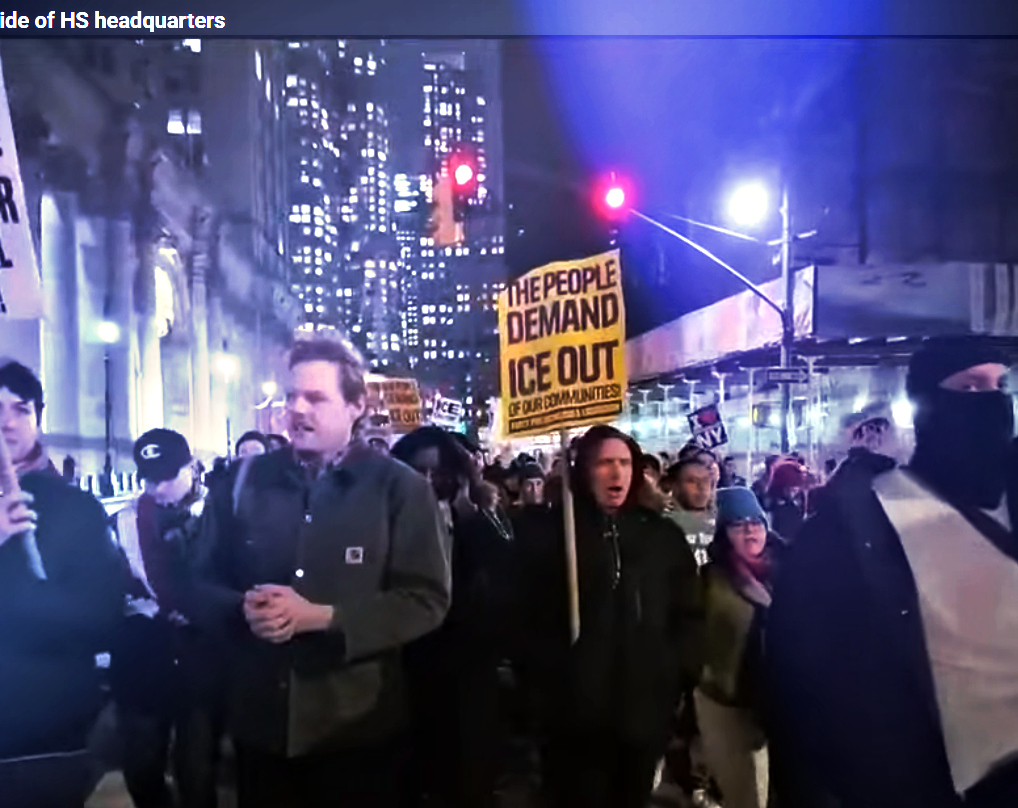
What can we do to resist and defeat ICE? The people of Minneapolis have shown the way. They’ve created a network of people working together, providing aid and support, block by block, Signal chat by Signal chat. They’ve provided food for those afraid to leave their homes, driven their kids to school, protested in the streets constantly, no matter how extreme the cold weather.
We speak today with New York City Councilwoman Alexa Aviles. She represents the heavily immigrant neighborhood of Sunset Park in Brooklyn, New York, and has been organizing against ICE.
Guest – Alexa Aviles is a socialist and a member of the Democratic Socialists of America (the “DSA”). She was born in Puerto Rico, the youngest of seven children. She came to the United States as a young girl. Aviles attended Columbia University and recieved her Master’s degree in public administration. She’s the mother of two daughters. Before being elected to her position on the City Council in 2021, she worked for decades in social justice work. She was elected to the City Council five years ago and ran on a platform supporting affordable housing, workers’ rights, immigrants, and environmental health. She’s Chair of the Immigration Committee of the Council.
—————–
Civil Liberties, Civil Rights, Freedom Of Speech, Human Rights, police accountability
Podcast: Play in new window | Download
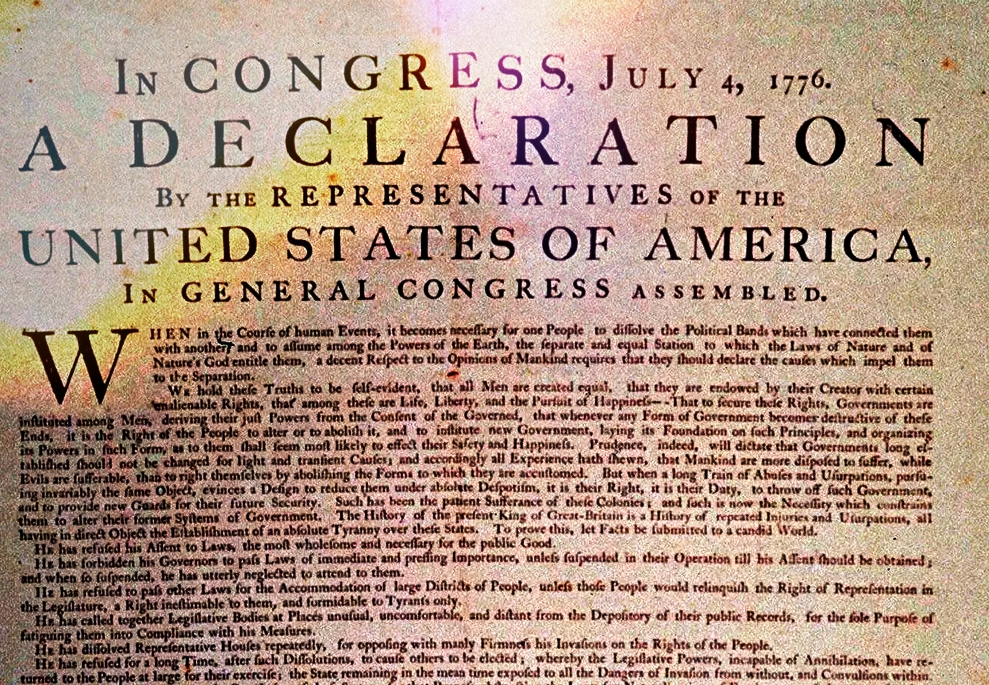
250th anniversary of the Declaration of Independence Signing
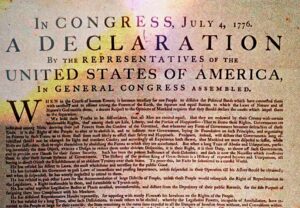
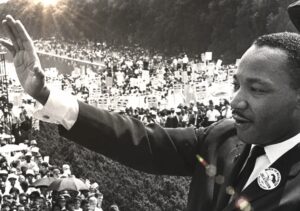
2026 is the 250th anniversary of signing of the Declaration of Independence and the founding of the United States of America. Festivities and events are being organized all over the country all year long. Here at Law and Disorder, we intend to invite guests throughout 2026 who can help us explore the Founding of our country in a way that is truthful, authentic, and comprehensive.
But like so much else in these dangerous times, President Donald Trump is ruining this rare opportunity to celebrate the enduring values of pluralism, justice, and equality on which this country was founded.
Instead, Trump is enlisting the entire federal government and billions of public and private dollars into converting this national anniversary into an opportunity to whitewash American history, pursuing his obsession to destroy diversity, equity and inclusion; crushing institutions like the Smithsonian Museums, that for 175 years have served as “a welcoming place of knowledge and discovery for all Americans;” and imposing his reactionary vision of White Christian nationalism.
Seeing how Trump is already exploiting the 250th anniversary of the Founding by peddling his distorted version of American history, our very own co-host Steve Rohde has been investigating what Trump is doing and how the rest of us need to redouble our efforts to immerse ourselves and the American people in an accurate and comprehensive account of our history.
Guest – Stephen Rohde is a writer, lecturer and political activist. For almost 50 years, he practiced civil rights, civil liberties, and intellectual property law. He is a past chair of the ACLU Foundation of Southern California and past National Chair of Bend the Arc, a Jewish Partnership for Justice. He is a founder and current chair of Interfaith Communities United for Justice and Peace; member of the Board of Directors of Death Penalty Focus, and a member of the Black Jewish Justice Alliance. He is the Special Advisor on Free Speech and the First Amendment for the Muslim Public Affairs Council. Mr. Rohde is the author of the books American Words of Freedom: The Words That Define Our Nation and Freedom of Assembly and numerous articles and book reviews on civil liberties and constitutional history. He is a co-host of Law and Disorder Radio and Podcast. His new podcast Speaking Freely: Exploring the First Amendment with Stephen Rohde is available on Spotify. Rohde’s articles and book reviews can be found at Muck Rack | For journalists and public relations.
—-
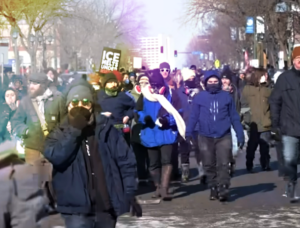
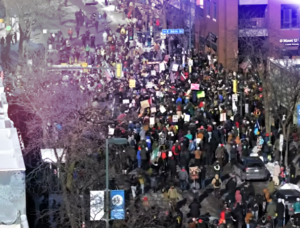
Protesters Converge in Minneapolis Amid Tragic Aftermath
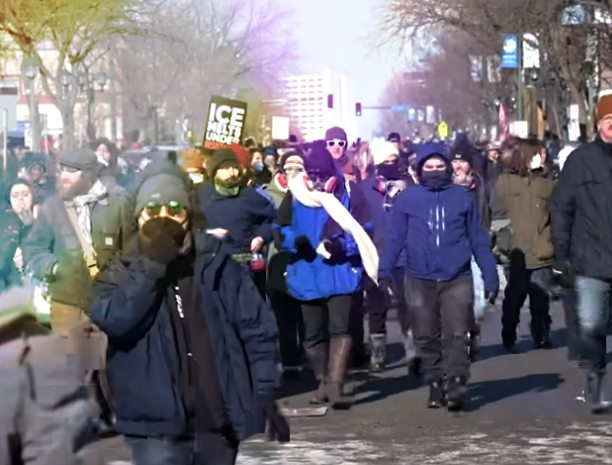
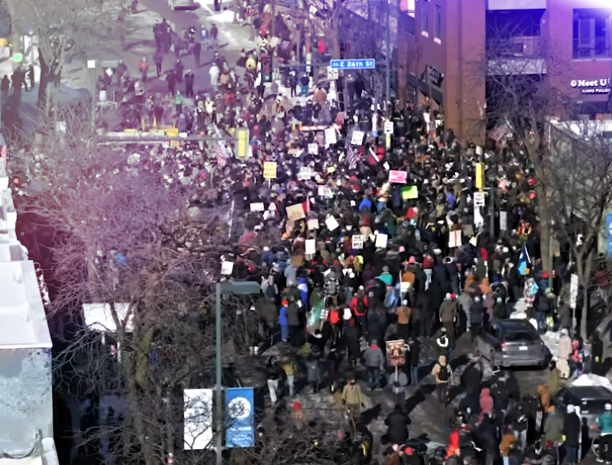
On a sub-zero afternoon on January 23, thousands gathered in Minneapolis to demand an end to ICE deportations and to confront the human cost of immigration enforcement. Many called openly for the abolition of ICE. Faculty, students, union members, and community organizers stood shoulder to shoulder in the freezing cold—bundled beyond recognition, passing out signs and hand warmers, chanting “ICE OUT” as Prince played over loudspeakers. It was a show of collective resolve: people braving the cold to insist on dignity, safety, and solidarity.
What made the day especially striking was how far people traveled to be there. Faculty drove hours across Minnesota; others flew in from across the country. Among them was Sandor John, a faculty leader from the Professional Staff Congress at CUNY, who came with students to stand alongside Minnesota educators and labor organizers. A small button reading “Education Not Deportation” captured the deeper message: this was not only about immigration policy, but about who belongs and whose labor is valued.
The conversation unfolded in the shadow of tragedy. The march occurred just one day before Minneapolis became the scene of another fatal encounter between federal immigration agents and a resident—37-year-old ICU nurse Alex Pretti, who was shot and killed by federal agents during an enforcement action. His death, and that of Renee Good, underscored that immigration enforcement is not an abstract policy debate. It’s a system with deadly consequences for people, including Black Americans, in the community.
Guest – Sandor John joins us today to describe what he saw on the ground in Minneapolis. Sandor is on the faculty at the City University of New York’s Hunter College. He’s a member of the Professional Staff Congress (PSC) faculty/staff union there and of the PSC’s Immigrant Solidarity Working Group.
——————-
Civil Liberties, Civil Rights, Human Rights, U.S. Militarism, Violations of U.S. and International Law, War Resister
Podcast: Play in new window | Download


How to Stop a Nuclear War
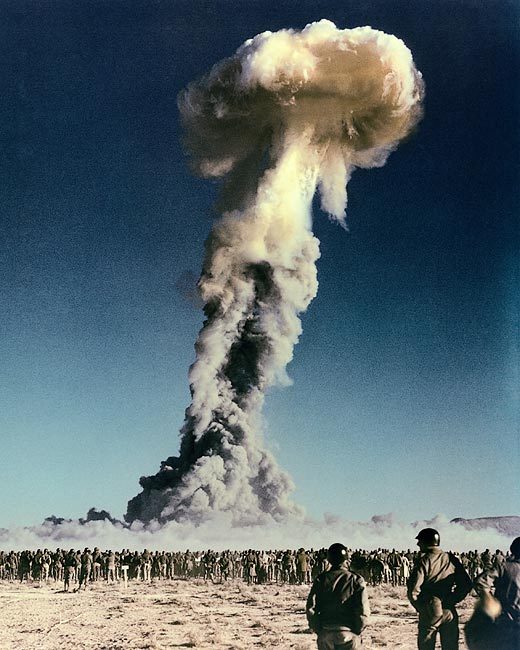
In 1947, the Bulletin of Atomic Scientists created the “Doomsday Clock” to draw attention to the existential dangers posed by human technology. The time was set to seven minutes to midnight, with midnight symbolizing destruction of life on Earth. Just two years before, in 1945, the United States dropped atomic bombs on Hiroshima and Nagasaki. The world saw firsthand the potential of a nuclear annihilation.
As World War II was ending, a different kind of conflict was underway: the Cold War. And over the next four decades, the United States and Soviet Union competed for nuclear dominance—not only through foreign policy and military strategy, but also on the home front, using propaganda and retaliation against critics. Throughout this period, people of conscience, like Daniel Ellsberg, who leaked the Pentagon Papers in the early 70s, repeatedly sounded the alarm. Ellsberg and others warned that there was no way to “win” a nuclear war. If one side launched a nuclear weapon, the other would inevitably respond, leading to mutual destruction.
Today, more than 30 years after the end of the Cold War, the nuclear arms race continues. According to the International Campaign to Abolish Nuclear Weapons, nine nations continue to stockpile nuclear weapons, including the US, Russia, China, Israel, Pakistan, France, the United Kingdom, and North Korea.
Last January, a week after Donald Trump began his second term as president, the Bulletin of Atomic Scientists moved the Doomsday Clock forward to 89 seconds to midnight—the closest humanity has ever come to global catastrophe. The Bulletin announced that it will update the time this week. Whether the clock is set closer to midnight or not, the question remains: Is there time and the will to change our trajectory, to learn from the past, and avoid a path to global destruction?
Guest – Paul Jay, award-winning journalist, filmmaker, and founder of theAnalysis.news. Jay has spent decades investigating the inner workings of government, corporate power, and military policy, combining investigative rigor with a storyteller’s clarity. He is currently working on a new project, How to Stop a Nuclear War, a groundbreaking documentary set to be released in the fall of 2027 based on extensive interviews with Daniel Ellsberg and narrated by Emma Thomson. Through rare interviews and in-depth research, the film examines how close humanity has come to nuclear catastrophe—and why Ellsberg’s warnings remain urgently relevant today.
—-


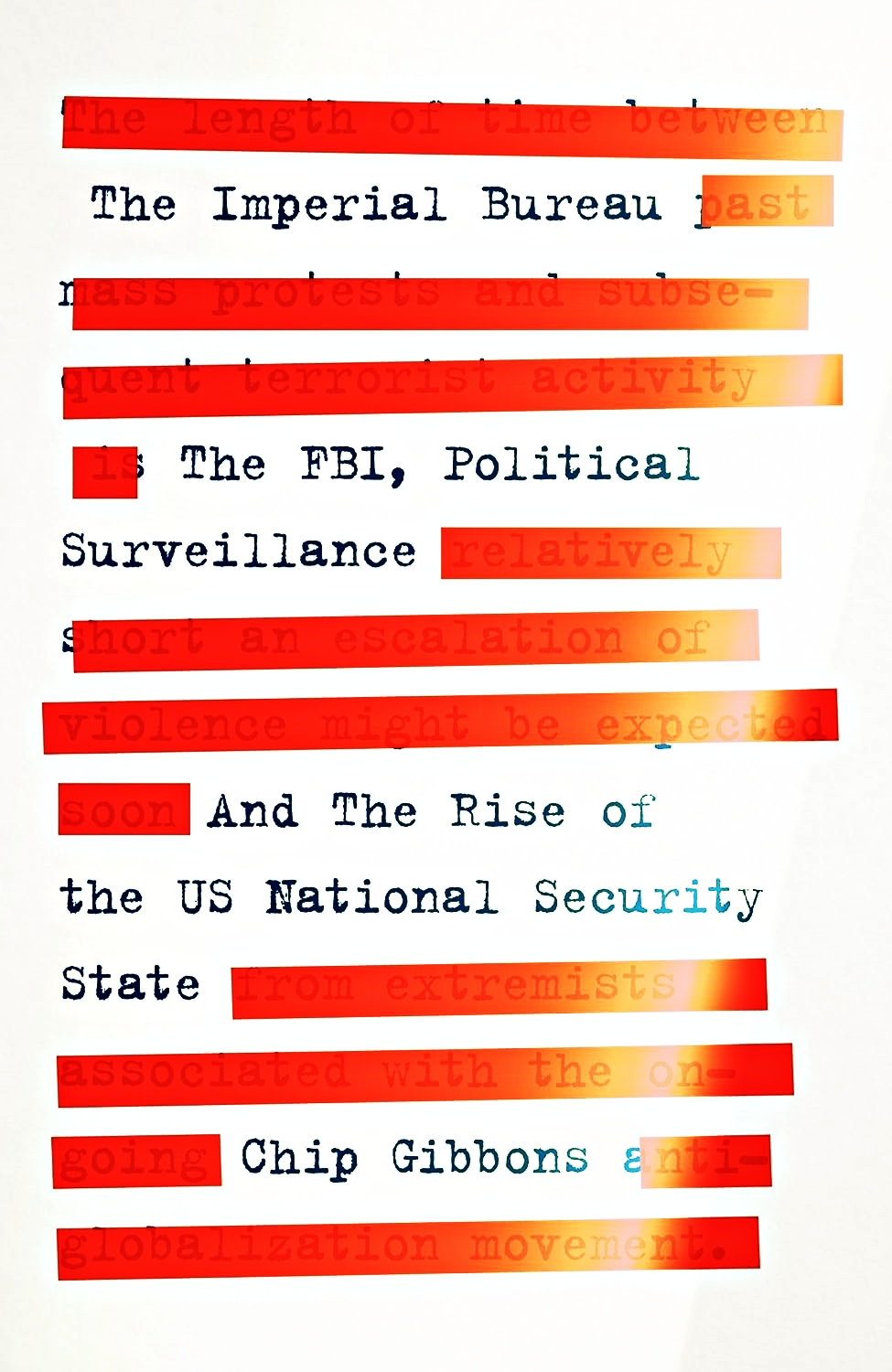
The Imperial Bureau: the FBI, Political Surveillance, and the Rise of the US National Security State.
The forces of American fascism are rapidly consolidating in our country. It is chilling to think that President Trump has only been an office for one year. American fascism is considered to be a unity of the MAGA forces around Trump and certain billionaire sectors of the capitalist class. Their project, like those of the Nazis in Germany, is what the Germans called “Gleichschaltung” meaning “bringing into line.”
In America,independent centers of power have been brought into line. Universities, the large law firms, the media and much of the court system. The Supreme Court is now subservient to the dictates of the Trump administration. President Trump is working to get more people and institutions to knuckle under. We talk today about the threat to crush the left with the recent issuance of his National Security Presidential Memorandum 7. It is known as NSPM7.
The genius of the U.S. Constitution, which limited power by setting up a system of checks and balances, has been sidestepped as President Trump now essentially rules by executive order. The Supreme Court uses the shadow docket to avoid public consideration of cases involving liberty.
Congress is not consulted about declaring war as President Trump ordered the secret bombing of Venezuela and kidnapping of its leader and his wife. The Voting Rights Bill has been gutted. It’s not illegal for big corporations to contribute any amount of money they want. Both the Democratic and Republican parties are subservient to big capital. The old form of democracy, however, limited by race and class, has almost disintegrated.
In the recent months, the world has watched as ICE has terrorized populations in major American cities. Already its budget is $11 billion. They are seeking to hire another 10,000 recruits. The DHS vetting process has recently come under scrutiny revealing it as careless and negligent. Some are recruited from gun shows. Recruits are given a $50,000 signing bonus with salaries ranging from $49,000-$89,000 a year. NSPM7 supplemented by the Attorney General’s memorandum targets among others those who speak out against racism, war, injustice, misogyny, capitalism and white Christian nationalism.
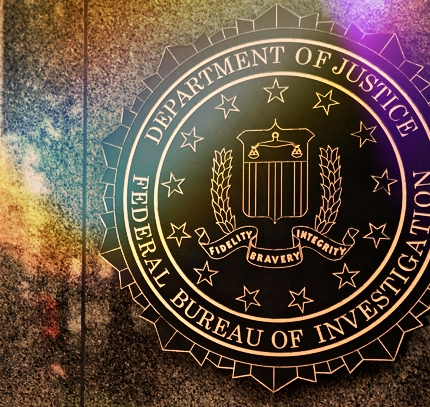
Guest – Chip Gibbons has written about NSPM 7. Mr. Gibbons is the Policy Director of Defending Rights and Dissent. His organization has awareness of the perils of this memorandum. He edits the Gaza First Amendment Alert. He is also the author of the forthcoming book The Imperial Bureau: the FBI, Political Surveillance, and the Rise of the US National Security State.
——————————-