CIA Sponsored Terror, Civil Liberties, Human Rights, NSA Spying, Political Prisoner, Prison Industry, Supreme Court, Surveillance, Truth to Power
Podcast: Play in new window | Download
Police Unions Are Racist Power Brokers in Opposition to Movement for Black Lives
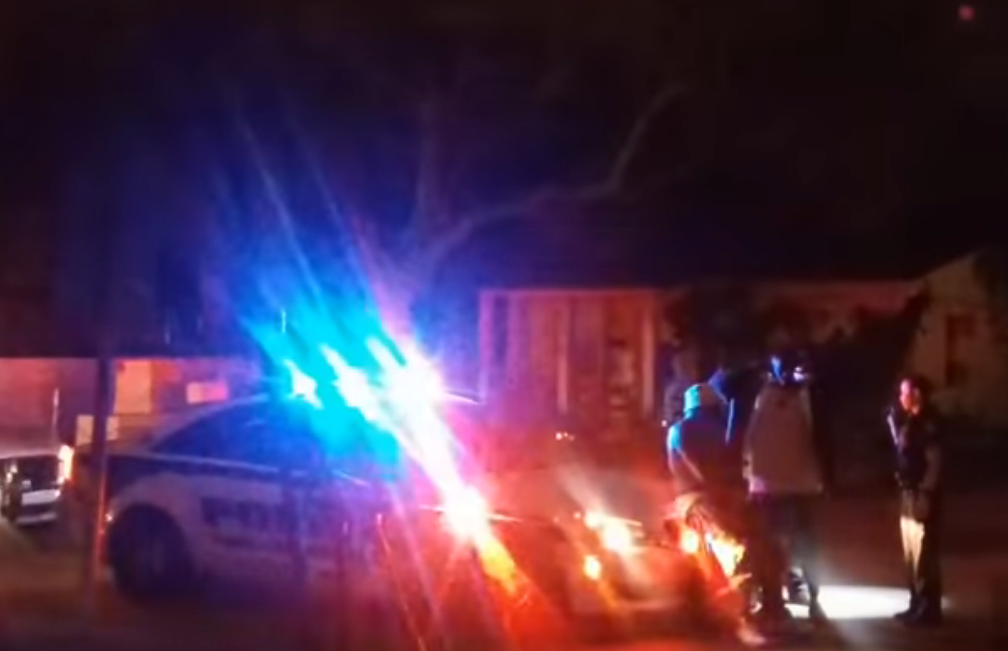
When they commit violence against civilians, abusive police in the United States are protected in various ways. The power elite, whose property police protect, have given them almost complete legal immunity from successful lawsuits for damages under the doctrine of qualified immunity. When a cop has illegally hurt someone he or she can count on what’s known as – the blue wall of silence – knowing that a fellow officer will not contradict their defense.
What is the role of police unions regarding the protection of police who have abused and even murdered citizens? Police unions act as power brokers in opposition to the rights of victimized citizens. They provide legal defense funds, public relations, and political pressure in defense of abusive cops. And they are a very powerful force in these respects.
The US Congressman from Chicago Bobby Rush has recently said that the Chicago police union, the Fraternal Order of Police, is “the number one cause that prevents police accountability, that protects police corruption, that protects police lawlessness. They are the organized guardians of continuous police lawlessness, police murder, and police brutality. They are the most rabid, racist body of criminal lawlessness in the land and stand shoulder to shoulder with the KKK then and the KKK now.”
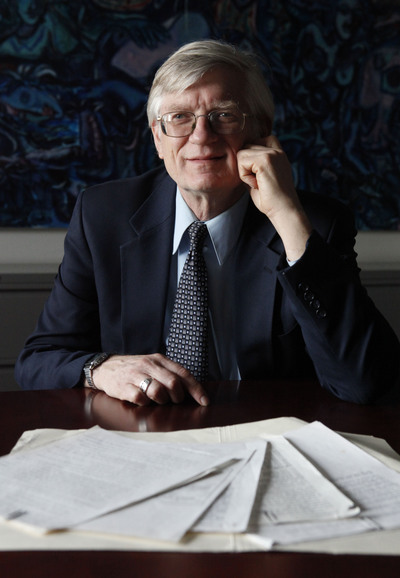
Guest – Attorney G. Flint Taylor is a founding partner of the People Law Office in Chicago starting out over 50 years ago representing the family of Black Panther leader Fred Hampton, Who was assassinated by the Chicago Police Department with the help of the FBI. He has represented numerous police torture survivors during the past 33 years. Taylor was one of the lawyers involved in the struggle for reparations and has chronicled the decade long fight against Chicago police torture in his award-winning book “The Torture Machine : Racism and Violence in Chicago.
—-
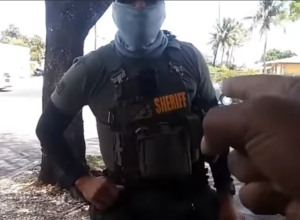
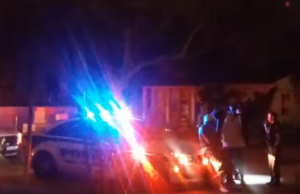
First Amendment Auditor: Big Nick South Florida Accountability
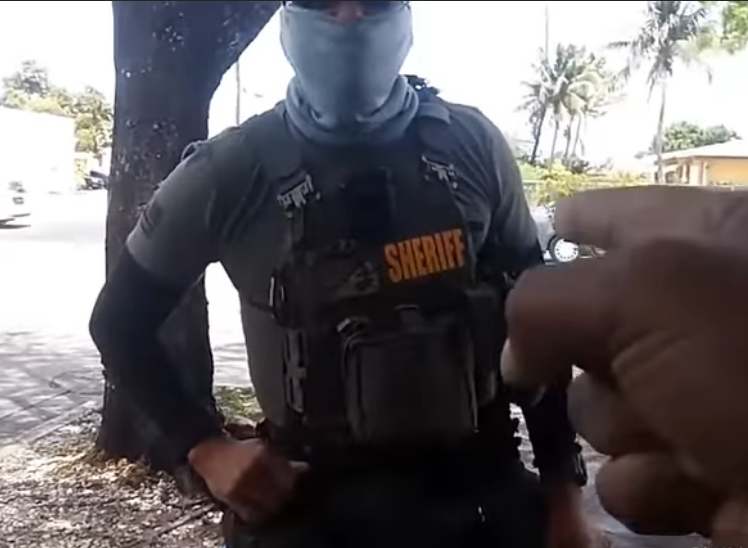
Most of the populace, some police officers and federal employees may not realize that its every photographers right to take photos and video of federal buildings on public property. The easing of restrictions began when the New York Civil Liberties Union had looked into several cases of people who were wrongly harassed, detained and arrested by federal agents while photographing or shooting video of federal buildings from public plazas and sidewalks.
In 2010, the NYCLU brought a suit against the US Department of Homeland Security in federal court to end this practice. In October of 2010, a judge actually signed a settlement where the US government agreed that no federal statures or regulations bar people from photographing the exterior of federal buildings.
The US government agreed to issue a directive to members of the Federal Protective Service on photographer’s rights. A decade later, the rights attained in this decision are recently being put to the test in what’s known as First Amendment audits.
Guest – Nick Freeman – First Amendment Auditor with millions in view counts joins us to talk about his work in Fort Lauderdale being part of a long emerging trend to educate local law enforcement about the right to photography and subsequent issues such as police accountability.
——————————-
——————————-
CIA Sponsored Terror, Civil Liberties, Human Rights, Prison Industry, Surveillance, Torture
Podcast: Play in new window | Download
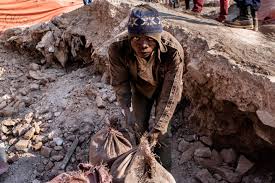

Cobalt Mining Case Update
Tech titans Apple, Google, Microsoft, Tesla and Dell aided and abetted in the death and serious injury of child laborers working in African cobalt mines. That’s the claim put forth in a class action lawsuit filed in Washington, D.C. by International Rights Advocates.
Cobalt is used in the lithium-ion batteries that run smartphones, laptop computers, and electric cars. For the past several years, production has increased three-fold. The Democratic Republic of Congo produces over 60% of the world’s cobalt. It’s a nation that has been torn apart by civil war and is one of the poorest countries on the planet. Young children there are forced to work full time in highly dangerous mining jobs for less than $1 a day, often because their parents were killed or incapacitated by cobalt mining. These minors are regularly maimed and killed by tunnel collapses and other known hazards common to cobalt mining.
Guest – Attorney Terry Collingsworth, on behalf of Burmese victims of forced labor, Terry initiated the landmark case under the Alien Tort Statute, seeking to hold Unocal liable for human rights violations occurring during the construction of its gas pipeline in Burma. He filed similar cases against Coca-Cola, for allowing the murder and torture of trade union leaders at its bottling plants in Colombia; Exxon Mobil, for human rights violations of its military security forces in Indonesia; Drummond Company, for collaborating with paramilitary groups in Colombia which murdered of hundreds of innocent civilians living in the areas around Drummond’s operations and executing Drummond’s union leaders; and Del Monte, for using paramilitary thugs to torture leaders of the banana workers union in Guatemala. Terry was also instrumental in establishing the RUGMARK program, a unique system of certifying that hand-knotted carpets are not made with child labor that also sponsors education programs for former child workers.
—-
American Spring: Unfolding Crisis
The Chinese word for crisis consists of two characters. One means danger, the other means opportunity. We currently are in an historically unprecedented situation fraught with both danger and possibilities. Russian revolutionary Vladimir Lenin once remarked that sometimes nothing happens in decades and other times decades happen in a few weeks. This is our situation now. We see an American spring unfolding.
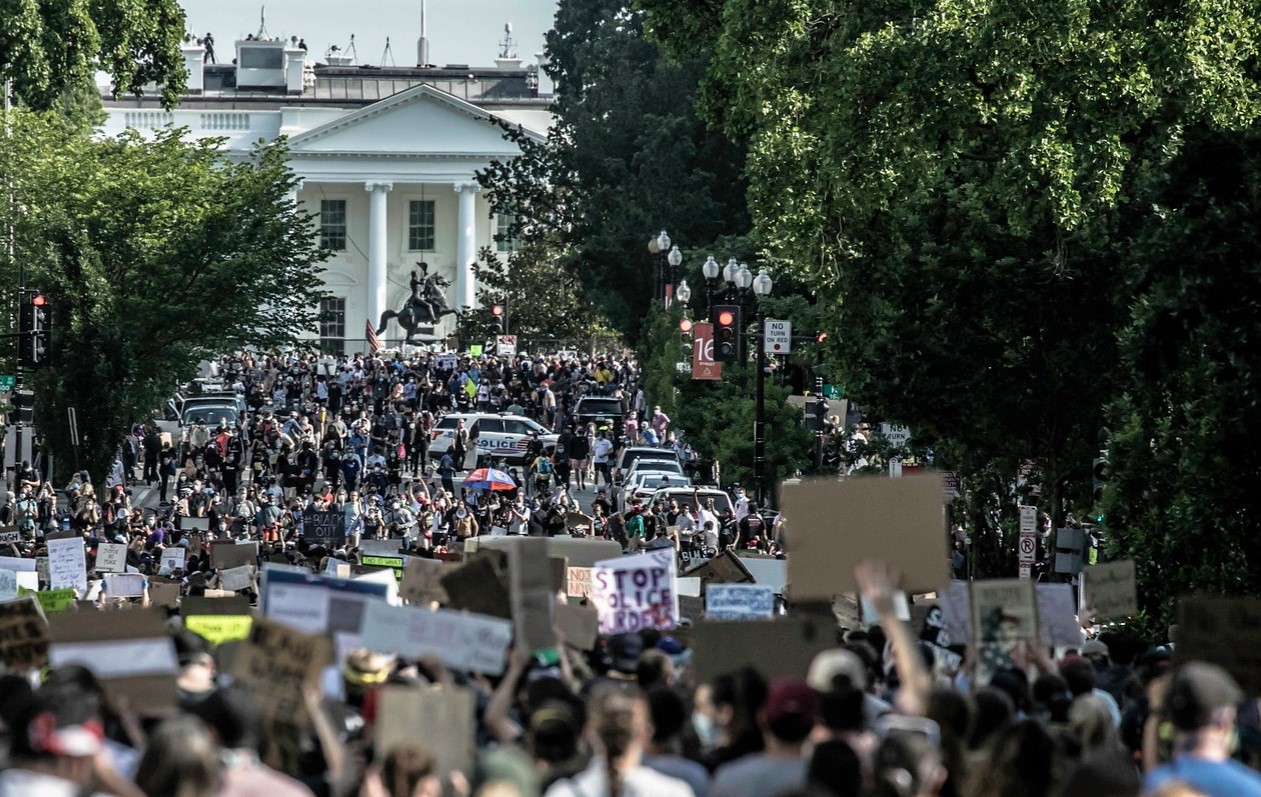
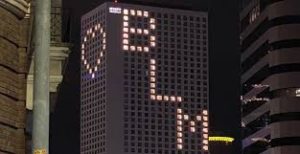
The public lynching of George Floyd has triggered massive outpourings in several thousands of American cities, both large and small. Black Lives Matter is supported by a majority of Americans including a majority of whites. This kind of broad solidarity was absent during the time of Rev. Martin Luther King Jr.
The demonstrations are in large part led by people of color, mostly young people. Elected officials and traditional civil rights leaders are not leading the current uprising. As the L.A. Progressive has written, “The gross underlying inequality, racially and more broadly economically, affects every aspect of life in the US. and is the root cause of the volcanic anger irruption against the veneer of obsolete institutions.“
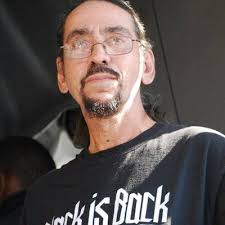
Guest – Glen Ford, editor of the Black Agenda Report. Ford founded the Black Agenda Report and has edited it since 2006. He was a founding member of the Washington chapter of the National Association of Black Journalists and he has delivered presentations at many colleges and universities.
———————————-
———————————-
Civil Liberties, Criminalizing Dissent, Human Rights, Political Prisoner, Truth to Power, War Resister
Podcast: Play in new window | Download
Attorney Marjorie Cohn: Trump, Assange, Democracy And Rule of Law
Without democracy and the rule of law there can be no significant social change. However, much democracy was constricted by race and class before the attacks on September 11, 2001 and before Trump, democracy and the rule of law are now facing lethal attacks on many fronts.
Trump has successfully put 198 young, reactionary, and some ignorant judges on the federal bench. He has illegally called out troops to violently disperse peaceful protesters in the park in front of the White House. Trump has threatened the personnel of the International Criminal Court who are attempting to investigate US war crimes in Iraq and Afghanistan. These include the crime of torture. These crimes, perpetrated under the Bush administration, went unprosecuted by President Obama who infamously said “we must look forward not backward.”
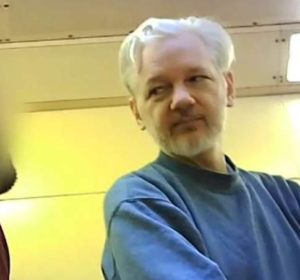
Trump’s Justice Department is pursuing and attempting to extradite truth telling whistle blowing journalist Julian Assange who 10 years ago released the “collateral murder” video showing the commission of American war crimes in Iraq, among other embarrassing information. Assange is confined in London’s Belmarsh prison. He is sick, in solitary, and has been psychologically tortured. He faces 175 years in prison in the United States if convicted under the old Espionage Act for activities protected by the first amendment.
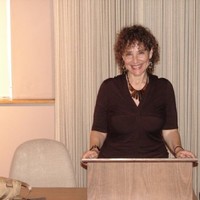
Guest – Attorney Marjorie Cohn, professor emerita at the Thomas Jefferson School of Law where she taught for 25 years. She is a former president of the National Lawyers Guild, a criminal defense attorney, a legal scholar, and a political analyst. She writes books and articles and lectures throughout the world about human rights, US foreign policy, and the contradiction between the two. She has testified before Congress and debated at the prestigious Oxford Union.
——————————-
——————————-
CIA Sponsored Terror, Civil Liberties, Human Rights, Political Prisoner, Surveillance, Truth to Power, War Resister
Podcast: Play in new window | Download
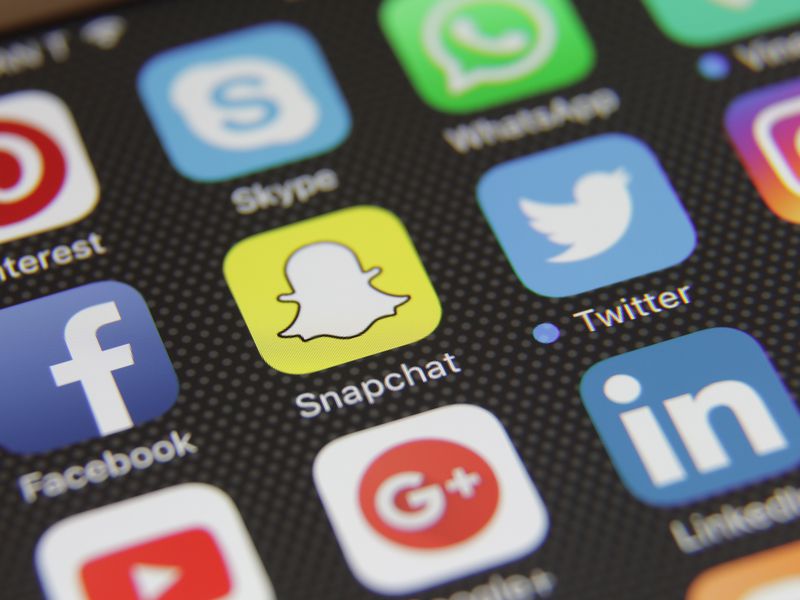
Police Spy On Social Media
In late 2016, a trove of emails revealed that law enforcement had been monitoring the social media accounts of Black Lives Matter protesters. One police sergeant in Memphis, Tennessee even opened a fake Facebook account to impersonate a black activist, infiltrate online black protest spaces, and gather intelligence on hundreds of activists. In Minnesota, an FBI Joint Terrorism Task Force used a confidential information with access to private social media communications about a BLM protest and fed that information to local police.
It turns out that such tracking is routine among local and federal police agencies. They use it in criminal investigations and to keep tabs on lawful First Amendment protected activities of dissent.
And as we’ve seen in other areas of surveillance, police watching persons online usually impacts historically over-police communities. It also has a chilling effect on free speech and online communications.
The Brennan Center in New York has issued a comprehensive report on social media monitoring. It shows how personal information gleaned from social media posts is used to target dissent and subject religious and ethnic minorities to increased vetting and surveillance.
Guest – Harsha Panduranga is counsel in the Brennan Center’s Liberty & National Security Program. His work has been featured in numerous press outlets including the Atlantic, Slate, Daily Beast, and Just Security. Harsha received his BA and JD from the University of Michigan.
—-
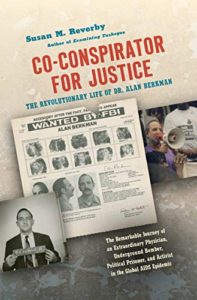
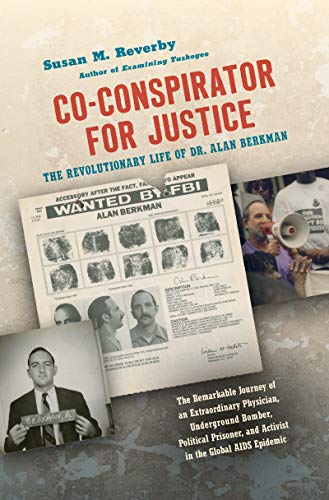
Co-conspirator For Justice: The Revolutionary Life Of Dr. Alan Berkman
After battling recurrent cancer for half his life Dr. Alan Berkman died in a New York City hospital on June 5th, 11 years ago. It was not the worst struggles of his life.
Alan was first struck by cancer when he was in prison, accused and then convicted for his political work in the political underground. He was a leader of the small May 19th movement, an offshoot of Prairie Fire then controlled by those in the Weather Underground. While hidden from public view,Alan and his comrades did non-lethal bombings of political targets, including an FBI office and the U.S. Senate, to protest American imperial and racist atrocities, and did armed robberies, which they called “expropriation‘s“, to support themselves.
Caught in 1985, Alan served eight years in some of the worst prisons in America, nearly half that time in solitary. He had two rounds of cancer, but the authorities stalled again and again on giving him adequate medical care. They hated him for being a socialist, a Jew, a doctor, and a supporter of black, Latin and Native American peoples and those harmed by American imperialism around the globe. The authorities labeled him a terrorist.
Alan came of age in the 1960s, but really did not become political until he went to medical school. He left a prestigious medical residency, on track to become a research scientist, to become a community doctor for 10 years in New York’s poorest neighborhoods throughout the 1970s. He was forced underground for years because he wouldn’t give up the name of the woman he treated for a gunshot wound she got in a failed Brinks armored truck robbery that killed two police officers and a security guard in Rockland county, just outside New York City.
After eight years in prison, amazingly, radical attorney Ron Kuby prevented New York state from not renewing his medical license. Alan, having learned about AIDS in prison, started working as an AIDS doctor in the South Bronx. In a year he became the medical director of the program.
At the height of the AIDS epidemic, Alan increasingly was horrified by the failure to provide treatment for HIV/AIDS patients in the Global South. He helped form Health GAP (Global Access Project) with the help of ACT UP and Housing Works. They fought big Pharma, which controlled manufacturing and distribution of the anti-viral AIDS medicine “cocktail” which cost $10-$15,000 a year, an exorbitant price guaranteed to them by their ownership of medical patents, their intellectual property. People could not afford the drugs, especially outside the United States, and thousands died needlessly.
Dr. Alan Berkman helped change that, not having the requisite respect for private property in a public health crisis. He got sick people drugs that were produced generically and brought the cost of the drug down to $87 a year. Some 4 million people in the global south took the medicine, prolonging or saving their lives
Michael Smith’s review of Susan’s book – The Revolutionary Life Of Dr. Alan Berkman
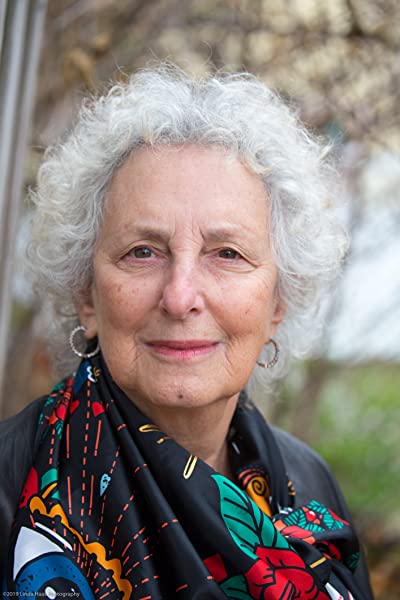
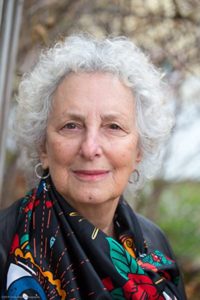
Guest – Susan Reverby, author of the recently published Co-conspirator for Justice: the Revolutionary Life of Dr. Alan Berkman. She is the Marian Butler MacLean Professor Emerita in the History of Ideas and Professor Emerita of Women’s and Gender Studies at Wellesley College. She is the author of Examining Tuskegee: The Infamous Syphilis Study and It’s Legacy, and other books on gender, race, health, nursing, and medicine.
————————————————
————————————————
Civil Liberties, Human Rights, Iran, Surveillance, War Resister
Podcast: Play in new window | Download

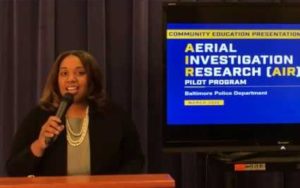
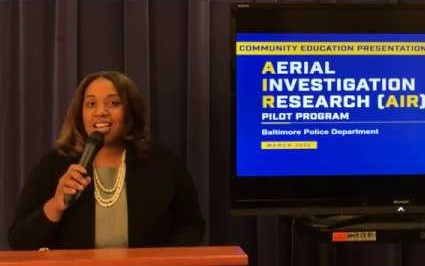
Aerial Investigation Research Pilot Program And Persistent Tracking
As the nation erupts in protests against racially-infused police violence, the Baltimore Police Department has just launched a six-month, day-time aerial surveillance experiment. A Texas billionaire has funded the project that is being operated by an Ohio-based company, Persistent Surveillance Systems. The plane flies overhead and records the movements of everyone in the city.
Michael Harrision, Baltimore Police Commissioner, has justified the nearly $4 million experiment by saying, “There is no expectation of privacy on a public street, a sidewalk.”
The Aerial Investigation Research Pilot Program is, by contract, limited to monitoring such felony crimes as robberies, car jackings, shootings and homicides. Images recorded are, in theory, to be used solely in criminal investigations and will be stored for 45 days. A first prong of the program was conducted covertly in 2016 under a different police commissioner.
The ACLU of Maryland calls this initiative the most comprehensive surveillance of a U.S. city in history. ACLU Senior Staff attorney David Rocah said, “It’s the virtual equivalent of having a police officer follow a resident every time they walk out the door, and if that happened in real life, all of us would understand the huge privacy implications in doing that.”
Guest – ACLU Senior Staff attorney David Rocah has worked on a number of significant cases involving free speech, police misconduct, privacy, election law and more. In 2011 he was an inaugural recipient of the James Baldwin Medal for Civil Rights. David previously worked as a Senior Trial attorney in the Civil Rights Division at the US Dept of Justice, focusing on police misconduct and conditions in prisons, jails and other state institutions.
—-

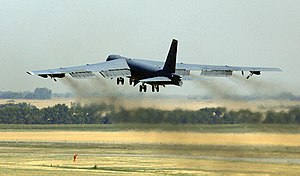
President Trump Withdraws From The Treaty On Open Skies – PART 2
The chance for nuclear war which would destroy human life on Earth has never been higher. Just last week President Donald Trump withdrew America from The Treaty On Open Skies. This treaty is an agreement between 34 nations that allows each country to fly over each other’s territories. The treaty is designed to provide transparency and mutual observation of military developments. He also withdrew from the Intermediary Intermediary Ballistic Missile treaty with Russia. As a consequence the Bulletin of Atomic Scientists has pushed the hands of its doomsday clock on its magazine forward to almost midnight
Shortly after taking office Trump pulled out of the Iran nuclear deal. Trump enjoys the financial and political backing of big business, the banks, the hedge funds, and the military industrial complex. These money interests profit greatly from the nuclear rearmament which is now going on. First under Obama and then Trump $1 trillion is planned to be spent over the next 30 years for a new generation of nuclear weapons, including low yield ones, which are likely to be used.
Whistleblowing truth teller Daniel Ellsberg has recently written the grimly important book The Doomsday Machine. He believes that so far, avoidance of a nuclear war has been miraculous and that the danger is as present today as it was during the Cold War. He thinks seeking profit in spite of the risk of nuclear winter is “institutional madness.“
Guest – Paul Jay is the editor of the blog the theanalysis.news. We will discuss with him the kind of movement that is needed to reverse the nuclear arms race as well as to bring about a democratic organization of the economy.
————————————————
————————————————
Civil Liberties, Human Rights, Surveillance, Truth to Power, Uncategorized
Podcast: Play in new window | Download
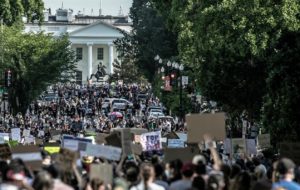
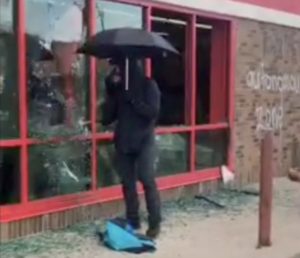
President Trump Invokes 1807 Insurrection Act
Last week Donald Trump announced his readiness to deploy the military to enforce order inside the United States. From the Rose Garden he vowed that if city and state leaders did not “take the actions that are necessary to defend the life and property of their residents” he would invoke the 1807 Insurrection act. The Act was renamed after Hurricane Katrina, but otherwise remains the same. It allows a president to deploy the military to suppress civil disorder.
In response, defense officials have expressed discomfort at the prospect of calling in active duty troops to police protected First Amendment activity. Many have emphasized the importance of having local law enforcement take charge. Some National Guard troops are also reportedly wary of this move, even as more are mobilized domestically than at any other time in history.
Army Major General Thomas Carden of the Georgia National Guard told reporters: “I believe that we in America should not get used to or accept uniformed service members of any variety having to be put in a position where they are having to secure people inside the United States of America.” He also said, “while we are glad to do it and honored to do it, this is a sign of the times that we need to do better as a country.”
During that Monday call with state governors, Trump intensified rhetoric about using military forces to “dominate” protesters. He wished there was an “occupying force” in cities across America and urged a tougher response to protests. Later that day, law enforcement officers fired tear gas and rubber bullets at a peaceful crowd outside the White House.
Guest – Mara Verheyden-Hilliard with the Partnership for Civil Justice Fund. Mara is one of the nation’s pre-eminent authorities on the policing of First Amendment protected activities including the right to peaceably assemble and associate.
—-
President Trump Withdraws From The Treaty On Open Skies
The chance for nuclear war which would destroy human life on Earth has never been higher. Just last week President Donald Trump withdrew America from The Treaty On Open Skies. This treaty is an agreement between 34 nations that allows each country to fly over each other’s territories. The treaty is designed to provide transparency and mutual observation of military developments. He also withdrew from the Intermediary Intermediary Ballistic Missile treaty with Russia. As a consequence the Bulletin of Atomic Scientists has pushed the hands of its doomsday clock on its magazine forward to almost midnight
Shortly after taking office Trump pulled out of the Iran nuclear deal. Trump enjoys the financial and political backing of big business, the banks, the hedge funds, and the military industrial complex. These money interests profit greatly from the nuclear rearmament which is now going on.
First under Obama and then Trump $1 trillion is planned to be spent over the next 30 years for a new generation of nuclear weapons, including low yield ones, which are likely to be used.
Whistleblowing truth teller Daniel Ellsberg has recently written the grimly important book The Doomsday Machine. He believes that so far, avoidance of a nuclear war has been miraculous and that the danger is as present today as it was during the Cold War. He thinks seeking profit in spite of the risk of nuclear winter is “institutional madness.“
Guest – Paul Jay is the editor of the blog the theanalysis.news. We will discuss with him the kind of movement that is needed to reverse the nuclear arms race as well as to bring about a democratic organization of the economy.
—————————————-
—————————————-