Censorship, Civil Liberties, Civil Rights, Freedom Of Speech, Human Rights, Supreme Court
Podcast: Play in new window | Download

The First Amendment Heavily Tested Under Trump Administration
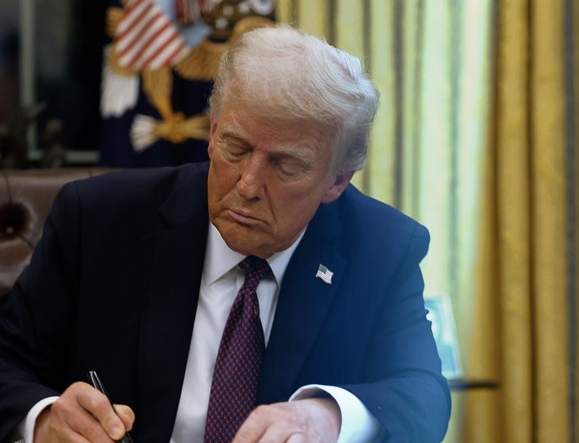
The First Amendment is being tested in many arenas not only in response to various Executive Orders which Donald Trump has issued in his second term, but also in state legislatures which are experimenting with how far the government can go in restricting freedom of speech.
In Free Speech Coalition v. Paxton, the US Supreme Court upheld a Texas law requiring age verification for access to Internet porn sites. In 2024, Mississippi enacted House Bill 1126 after a Mississippi teen became the victim of sextortion on Instagram and died by suicide. That law requires young people to obtain their parents’ consent before they can create social-media accounts. On August 13, the US Supreme Court issued a brief unsigned order allowing that law to go forward despite a lower court injunction.
Meanwhile, South Park is savagely ridiculing Donald Trump, CBS capitulated when Trump sued them over a 60 Minutes segment, and a conservative federal appeals court struck down an injunction for an on-campus drag show. There’s a lot going on when it comes to free speech.
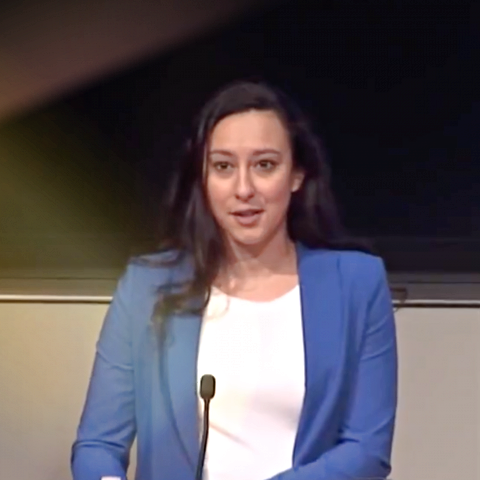
Guest – Robert Corn Revere has been a First Amendment litigator for more than four decades. He is Chief Counsel for the Foundation for Individual Rights and Expression or FIRE. He is the author of The Mind of the Censor and the Eye of the Beholder: The First Amendment and the Censor’s Dilemma, which explores how free expression became a part of America’s identity. FIRE filed an amicus brief in support of Net Choice in one of the cases we’re discussing today.
—-
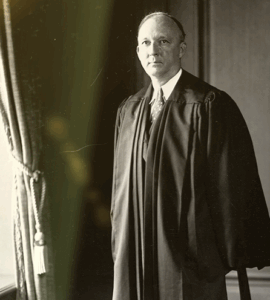
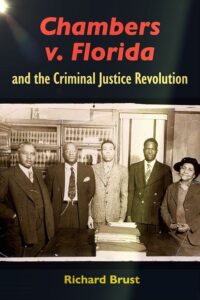
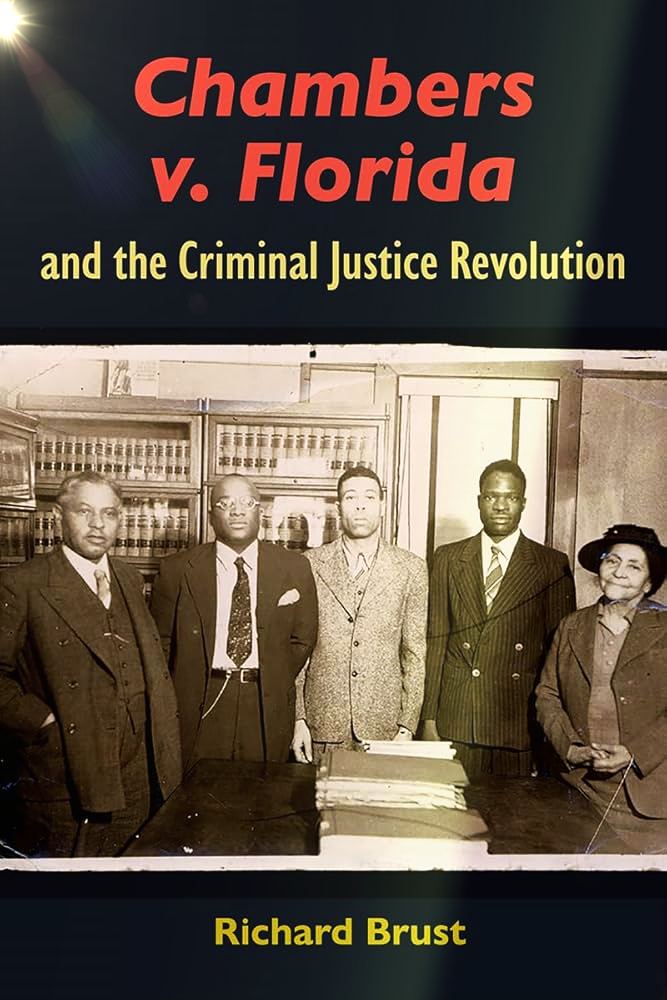
Chambers v. Florida and the Criminal Justice Revolution
In 1933, four young Black farm workers in Pompano, Florida, were arrested for the murder of a white shopkeeper. With no lawyers and no meaningful due process, for a week they were held, beaten, threatened with lynching, and ultimately forced to sign confessions. Their convictions and death sentences seemed almost certain in the Jim Crow South. But 7 years later, the U.S. Supreme Court reversed those verdicts in a unanimous ruling, declaring that confessions obtained under psychological coercion rendered them involuntary and violated the 14th Amendment.
In Chambers v. Florida and the Criminal Justice Revolution, author Richard Brust vividly revisits this often-overlooked case. Chambers opened the door to the Warren Court’s criminal procedure revolution, laying the foundation for decisions such as Miranda v. Arizona. The book also highlights the lawyers and communities behind the case. Jacksonville attorney Simuel McGill, one of Florida’s few Black lawyers, kept the appeals alive until the case reached Washington.
Guest – Richard Brust is a journalist and historian whose work focuses on law, politics, and American history. He was a longtime editor for the American Bar Association’s ABA Journal and has written extensively about the courts and the evolution of U.S. legal culture.

——————————-
Gaza, genocide, Human Rights, Targeting Muslims, Violations of U.S. and International Law
Podcast: Play in new window | Download
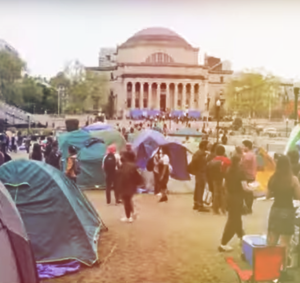
University Capitulates To Censorship Policies
VI. Lenin, the leader of the Russian Revolution, observed that sometimes decades go by without very much happening and other times decades happen within weeks. In a sense we are living through such a time. It is comparable to the great transformation several centuries ago, when feudalism was finally subdued and capitalism flowered. The obligations of the master to the serf were severed and workers were left on their own in the new ruthless capitalist society.
The harshness of capitalism was ameliorated by social legislation, most notably by the reforms instituted in the 1930s in the Roosevelt era when we got Social Security, unemployment compensation, government jobs, workers compensation, and later Medicare and Medicaid and food supplements.
These ameliorative measures are now targeted and have been partially been taken away by the ruling rich, the new kings of capital, the 800 and some billionaires we have in America now and their MAGA movement led by the odious Donald Trump. One of the goals of the MAGA movement,which they’ve been largely successful, has been to dominate relations over the major institutions of our society, including the mass media, the Supreme Court, independent government agencies, major law firms, the Congress, and most lately, the large private universities, such as Harvard and Brown and Columbia.
Guest – retired Columbia University Professor Rashid Khalidi held the Edward Said Chair of Middle Eastern history for nearly two decades. He is the author of numerous books, including The Hundred Years’ War on Palestine: A History of Settler Colonialism and Resistance, 1917–2017. Although retired he had been scheduled to teach his long standing popular class on Middle East history. After Columbia University capitulated to the Trump administration with respect the administration taking control over the university, Professor Khalidi was no longer able to teach his class in an honest unfettered fashion. We discuss the situation and his open letter denouncing the perfidy of acting Columbia University president Carol Shipman in her school’s capitulation and we put this in historical context.
—-

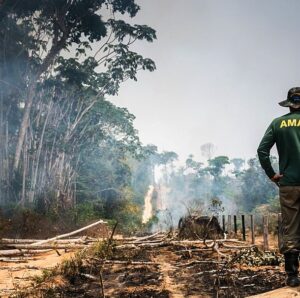
US-Brazil Relations Diverge
The United States isn’t the only country grappling with profound political polarization. As the 2026 presidential elections in Brazil draw near, the world’s eyes are on the criminal prosecution and house arrest of its former president, the far right, Jair Bolsonaro, sometimes known as the Trump of the Tropics.
In 2022, Bolsonaro lost re-election, but it was by one of the most narrow margins in Brazil’s history. And his supporters and allies continue to hold substantial influence within Brazil’s government. Donald Trump is a personal friend and ally of Bolsonaro, and since the latter’s prosecution, he’s levied massive tariffs against Brazil and imposed sanctions against the country’s chief judge, including revoking his U.S. visa.
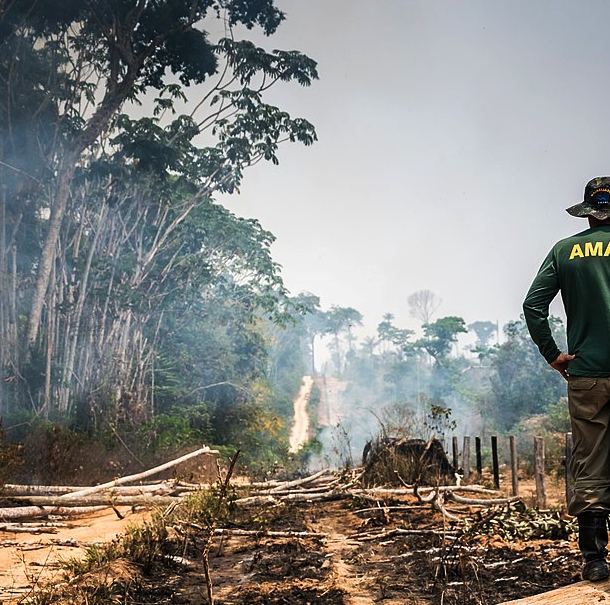
Our guest sees the fraying of US-Brazil relations to be troubling. Brazil is the world’s fourth largest democracy and seventh-largest economy. It has the greatest biodiversity on the planet, and is known as the earth’s lungs because it is home to a third of the world’s rain forests. The air we breathe literally depends on Brazil.
Guest – James N. Green is Professor of Brazilian History and Culture at Brown University, and former President of the Brazilian Studies Association. He is the author or co-editor of eleven books on Brazil, including Brazil: Five Centuries of Change; Beyond Carnival: Male Homosexuality in Twentieth-Century Brazil and We Cannot Remain Silent: Opposition to the Brazilian Military Dictatorship in the United States. Professor Green serves as National Co-Coordinator of the US Network for Democracy in Brazil, and he’s the President of the Board of Directors of the Washington Brazil Office.
—————
Become A Supporter of Law and Disorder

Civil Liberties, Civil Rights, Human Rights, Human Trafficking, U.S. Militarism
Podcast: Play in new window | Download
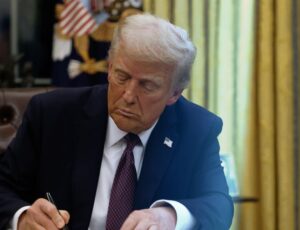
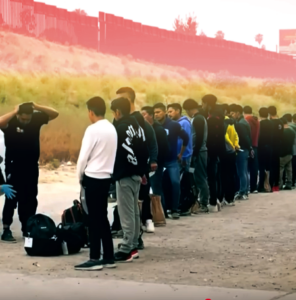
The Trump Administration and ACLU Legal Counteraction Strategy
The very day President Donald Trump returned to the White House on January 20, 2025, the American Civil Liberties Union celebrated the beginning of its 106th year. Based on its long experience combating repressive governments, the ACLU had been carefully planning for the possibility of Trump’s reelection. That day it announced that it was fully prepared for the threat Trump posed to our constitutional democracy.
The ACLU recalled that “Since first leaving office in 2020, Trump has threatened to enact policies that would endanger immigrant families, further restrict reproductive health, and weaponize the federal government against protesters and political opponents. Now that he has returned to the White House and will be buoyed by many allies in his cabinet and in Congress, these threats could become real.” And they certainly have.
During the first Trump’s administration, the ACLU took legal action more than 430 times. In the last six months, they have followed a clear playbook to fight back – and win – challenging a wide range of Trump’s policies that are aimed at destroying our civil rights and civil liberties.
Guest – Ben Wizner, Deputy Legal Director of the ACLU, and Director of the ACLU’s Center for Democracy, which encompasses the organization’s work on free speech, privacy, immigrants’ rights, voting rights, human rights, and national security. For more than two decades at the ACLU, Ben has litigated cases involving the right to protest, freedom of expression online, government surveillance practices, airport security policies, targeted killing, and torture. Since July of 2013, he has been the principal legal advisor to NSA whistleblower Edward Snowden and advised Julian Assange. I’ve known Ben since he started at the ACLU of Southern California over 20 years ago. I witnessed how he devotes his keen legal mind and deep compassion to defending the people he represents who are struggle to vindicate their constitutional rights.
—-
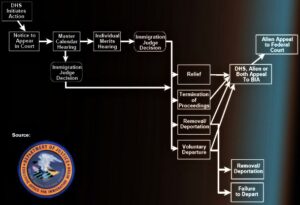

The Mexican Reintegration Project
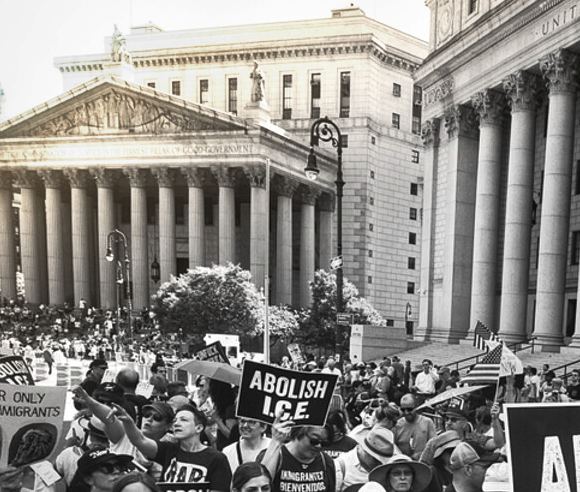
Immigration news continues to dominate headlines: from the approval of the bill that provides another $170 billion for immigration enforcement to the images of masked men in unmarked vehicles roaming around cities like Houston, Los Angeles, New York and Chicago… and arresting people from their homes, workplaces, or even just off the street.
Now, these controversial strong-arm tactics haven’t been a total success: court battles, community opposition, and even ICE officer burnout are throwing a wrench into the administration’s deportation goals. Yet still, for millions of noncitizens living in the US, it is impossible not to wonder: what happens if I — or my loved one – is taken from our family and home here without notice…. And transplanted to a country where we no longer have roots? Or community? Or safety?
Our guests today, Professors Luz Herrera and Nancy Plankey-Videla, are among a team of researchers who studied what happens when people are deported or otherwise return to Mexico after they’ve made their home in the US. Were they able to find work? Reunite with family? Find support?
Guest – Luz Herrera is an attorney and Law Professor at Texas A&M University Law School. Her roots are in Los Angeles: In 2005, she co-founded Community Lawyers, Inc. in Compton which – 20 years later – continues to provide access to justice and legal help to under-served communities.
Guest – Dr. Nancy Plankey-Videla is associate professor of sociology at Texas A&M University and currently coordinates the Latino/a and Mexican American Studies Program. She’s also the Director of Graduate Studies in the Sociology Dept. and has a joint appointment in the School of Law. Her research and teaching is informed by a global perspective on inequality and agency.

Civil Liberties, Civil Rights, Gaza, genocide, Human Rights, War Resister
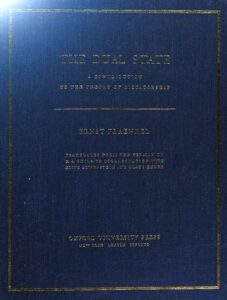
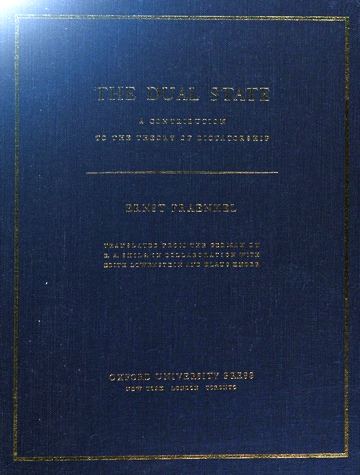
The Dual State: A Contribution to Theory of Dictatorship.
The German Jewish lawyer Ernst Fraenkel escaped from fascist Germany and settled in the United States. In 1941 he wrote an extremely important book which we’re going to discuss today. The book is titled The Dual State: A Contribution to Theory of Dictatorship.
The book explains how Hitler availed himself of two systems of law. The first Fraenkel called the normative state. This is your traditional law that regulates things like contracts and property. It was practiced in Nazi Germany and kept things stable. The second Fraenkel called the prerogative state. These are the arbitrary violence and unlawful actions taken by Hitler and the Nazis. These two systems of law existed side-by-side in Germany. This is what we see developing now in the United States of America.
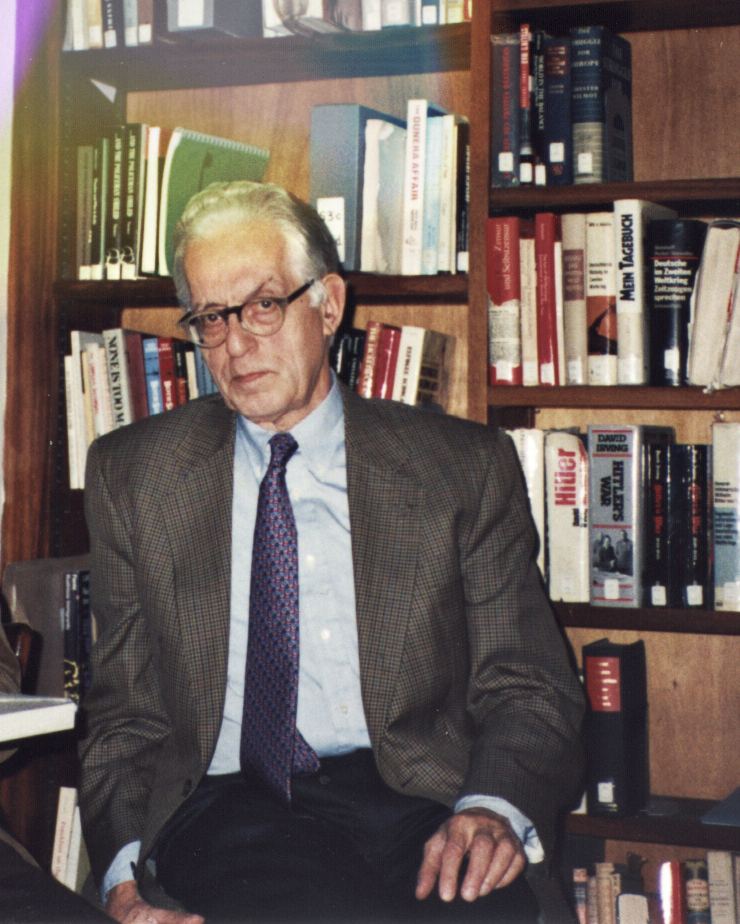
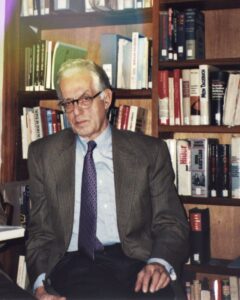
Guest – Bill Mullen is professor emeritus of American studies at Purdue University and the co-founder of The Campus Anti-fascist Network. He’s also co-author of The Black Antifascist Tradition and We Charge Genocide: American Ashes and the Rule of Law. He’s a contributor to the just published Law And Disorder book From the Flag to the Cross: Fascism American Style.
—-
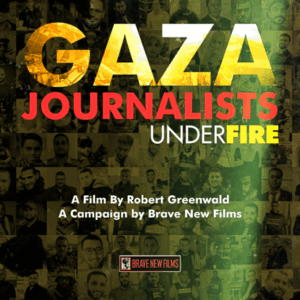

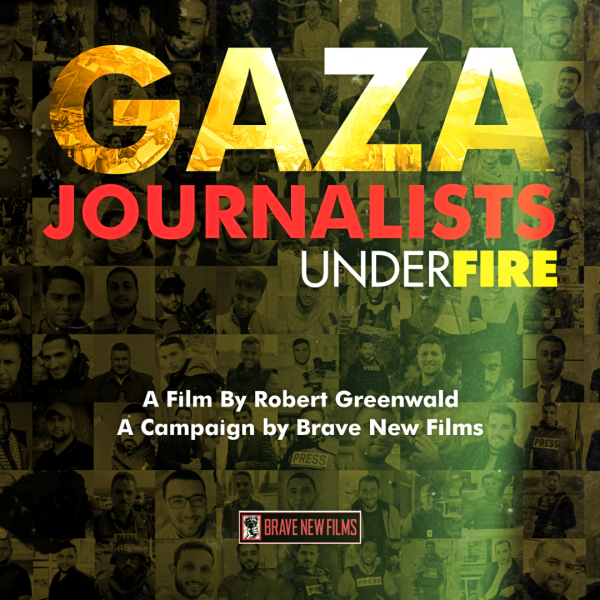
Gaza: Journalists Under Fire
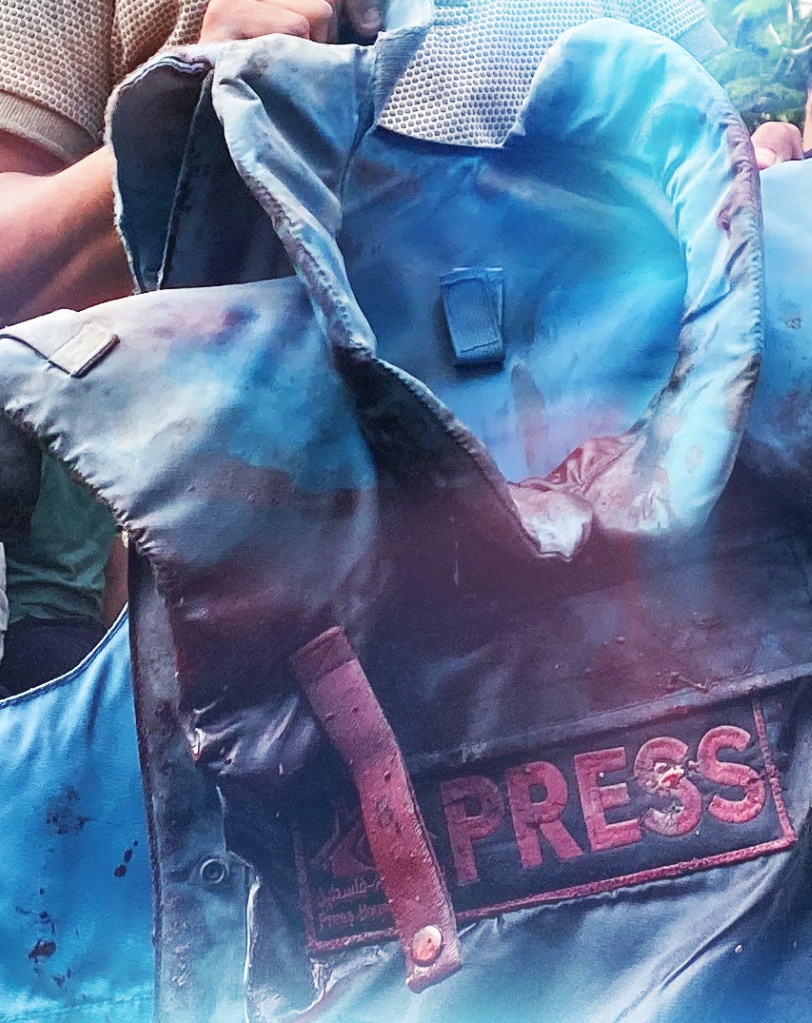
There are so many horrendous consequences from Israel’s genocidal war in Gaza: the tens of thousands of lost lives, with who knows how many thousands still buried under the rubble of war, the intentional starvation of the Palestinian people, the vast destruction of their schools and hospitals and homes and places of business. And then there is the targeting of journalists in Gaza trying to report the news of the war. To date, more of them have already been killed by the Israeli military than were killed in the Civil War, First and Second World wars, the Korean War, the Vietnam War and the war on Afghanistan combined!
So today we cover the story of Israel’s attempt to keep complete and accurate news coverage of the war from the rest of the world, and the costly results of its attempt to do so: the hundreds of lost lives of those brave journalists who are determined to report news of the war no matter what the personal risks and costs may be.
There is now a documentary film that tells the story of what is at stake for the journalists covering the news of the war in Gaza. It is called Gaza: Journalists Under Fire.
Guest – Director and producer Robert Greenwald is the founder of Brave New Films, a nonprofit social justice media organization, and the director of numerous long and short form documentaries including Uncovered: The War on Iraq, Unmanned: Americas Drone Wars, Rethink Afghanistan, and more.
———————–
Civil Liberties, Civil Rights, Economics, Human Rights, police accountability
Podcast: Play in new window | Download

AI Generated Police Reports
Police departments across the U.S. are beginning to use artificial intelligence tools like Axon’s “Draft One” to automate the writing of police reports based on body-worn camera audio. While the goal is to save time and reduce paperwork, digital rights advocates are raising serious concerns. The Electronic Frontier Foundation warns that Draft One lacks transparency, making it hard to tell whether errors or biases in reports come from the AI or the officer. They argue this could compromise accountability and justice. The ACLU has also flagged risks tied to AI’s potential for inaccuracy and bias.
Some agencies are moving forward with these tools, but others—like the King County prosecutor’s office in Washington—are banning them outright. As this technology spreads, it’s prompting critical questions: Should AI be trusted to shape official police narratives? And what safeguards are in place to protect the public?
Atlas Of Surveillance
Guest – Beryl Lipton is a Senior Investigative Researcher for the Electronic Frontier Foundation specializing in government transparency and surveillance technology. She leads large-scale public records campaigns and contributes to projects like the Atlas of Surveillance, a searchable database and map that documents the use of surveillance technologies by law enforcement agencies across the United States. Before joining EFF, Beryl worked at MuckRock focusing on prison privatization and public-private partnerships. She serves on the board of Spare Change News and contributes to Gannett New York, where she has helped expose police misconduct records across the state.
—-
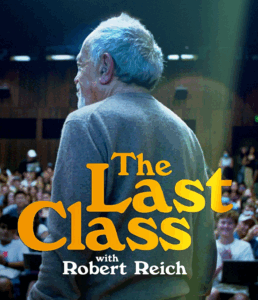

Documentary: The Last Class
We’re pleased to be joined by Heather Kinlaw Lofthouse, the Executive Director of Inequality Media Civic Action. She is the producer of the new documentary, The Last Class, a personal portrait of Robert Reich as he reflects on a period of immense transformation, personally and globally. Reich is of course the well-known political economist, professor, and author, who has worked for four presidents, including as Secretary of Labor for Bill Clinton. He is also the co-founder of Inequality Media Civic Action.
For 40 years, Reich has taught more than 40,000 students and has now retired. Drawing on his lifetime in politics, he has used his class, Wealth and Poverty to offer a deeper look at why inequalities of income and wealth have widened significantly since the late 1970s, and why this poses dangerous risks to our society and democracy itself.
Guest – Heather Kinlaw Lofthouse is the Executive Director of both Inequality Media and Inequality Media Civic Action, nonprofits founded by Robert Reich to make compelling digital content about inequality and threats to American democracy. She serves as Robert Reich’s co-host on the weekly Coffee Klatch podcast, and she produced The Last Class film as part of her new endeavor, CoffeeKlatch Productions.
——————–
Academic Freedom, Civil Liberties, Civil Rights, Human Rights, Immigration, police accountability
Podcast: Play in new window | Download
American Association of University Professors v. Rubio
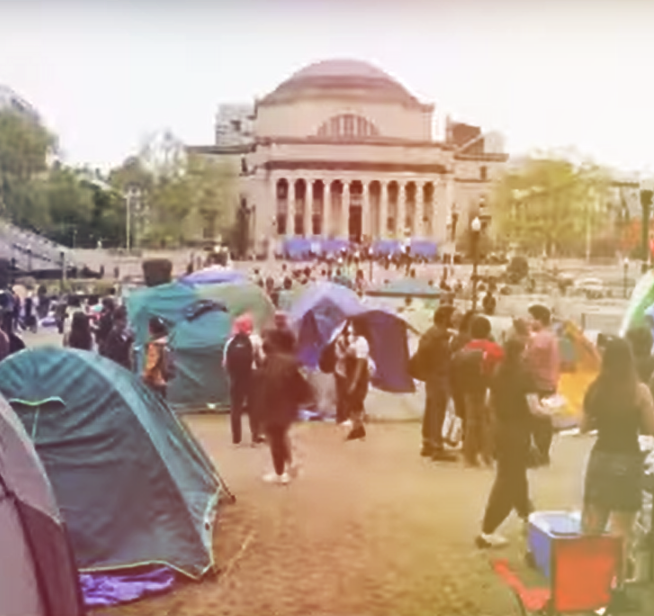
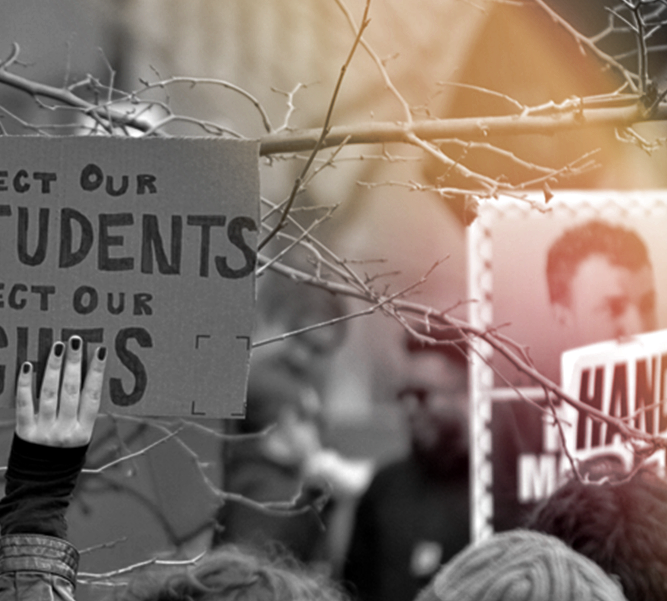
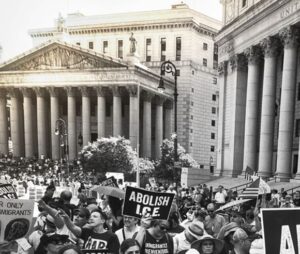
Sadly, listeners to Law & Disorder are all too familiar with how the Trump administration has systematically created a climate of repression and fear on our university campuses. Federal agencies are attempting to deport multiple individuals for their pro-Palestinian advocacy, including Mahmoud Khalil, a leader of the pro-Palestinian protests at Columbia University. These actions have sent chills through the community of noncitizen students and faculty on campuses around the country, causing some to pull out of academic conferences, stay home from protests, and withdraw from other forms of public advocacy and engagement.
While Khalil and other students are actively pursuing their own lawsuits and habeas corpus petitions defending their own First Amendment rights, the Knight First Amendment Institute at Columbia University has filed an innovative lawsuit attacking the Trump administration from a different angle. On March 25, 2025, the Knight Institute filed a lawsuit on behalf of the American Association of University Professors (AAUP), AAUP’s Harvard, NYU, and Rutgers campus chapters, and the Middle East Studies Association, alleging that the Trump administration’s policy of arresting, detaining, and deporting noncitizen students and faculty who participate in pro-Palestinian activism, chills noncitizens from speaking and, by extension, robs these organizations and their U.S. citizen members of noncitizens’ perspectives on a matter of significant public debate. The suit seeks a court order declaring that the policy is unlawful and enjoining the federal government from enforcing it.
In the lawsuit, titled American Association of University Professors v. Rubio, US District Judge William G. Young in Mass. denied the government’s motion to dismiss and set a trial for July 7.
Guest – Xiangnong (George) Wang is a staff attorney at the Knight First Amendment Institute at Columbia University. He first joined the Institute as a legal fellow from 2020 to 2021 before serving as a law clerk to the Hon. William J. Kayatta, Jr. of the U.S. Court of Appeals for the First Circuit. Wang received a B.A. in public policy from Stanford University and a J.D. from Yale Law School.
—–

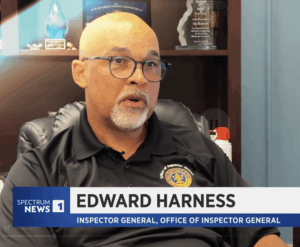
Police Accountability Enforcement In Louisville, KY
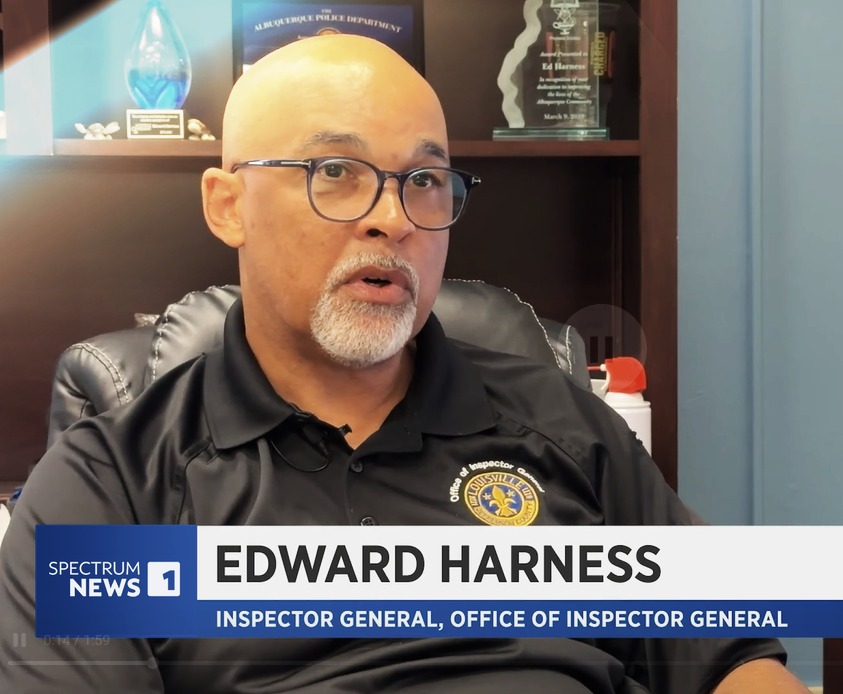
In the wake of Breonna Taylor’s 2020 murder, the city of Louisville created the Office of Inspector General to provide independent oversight of the Louisville Metro Police Department. In 2021, Ed Harness was appointed the city’s first Inspector General, tasked with investigating police misconduct and recommending policy reforms. His term ends this November, and community groups—including the Louisville NAACP—are calling for his reappointment.
But questions remain about how local reforms will be enforced, especially as the federal government steps back. A recent executive order gives the U.S. Attorney General authority to unilaterally end consent decrees, raising concerns about long-term accountability.
Guest – Ed Harness is a former U.S. Army Military Police officer and Milwaukee police officer, Ed previously served as Executive Director of the Civilian Police Oversight Agency in Albuquerque and led the Dispute Resolution Division of the Wisconsin Better Business Bureau. In addition to his duties in Louisville, he serves as a Board Member at Large for the National Association for Civilian Oversight of Law Enforcement (NACOLE).
—————-