Civil Liberties, Civil Rights, Human Rights, Immigration, Violations of U.S. and International Law
Podcast: Play in new window | Download
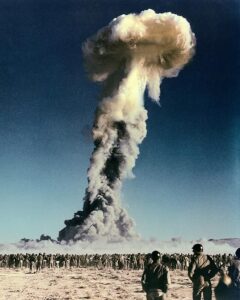
How to Stop a Nuclear War – Part 2
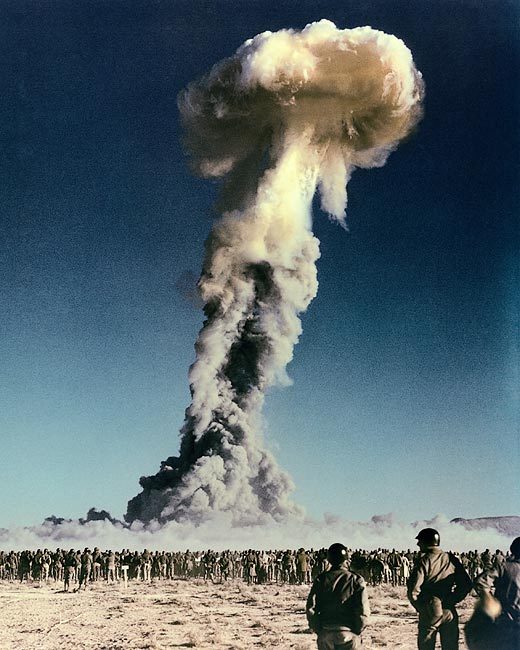
Two weeks ago, we spoke with award-winning journalist and filmmaker Paul Jay about his upcoming documentary, How to Stop a Nuclear War. Scheduled for release in fall 2027, the film draws on in-depth interviews with Daniel Ellsberg and is narrated by Emma Thompson. It examines just how close humanity has come to nuclear catastrophe — and why Ellsberg’s decades-long warnings about nuclear policy and power remain urgently relevant today.
We ran out of time in that conversation, so we’re very glad to welcome Paul Jay back to the show to pick up where we left off. Today, we’ll continue our discussion about the ongoing nuclear threat, how it’s shaped by political and corporate interests, and what the public needs to understand in order to push for meaningful change.
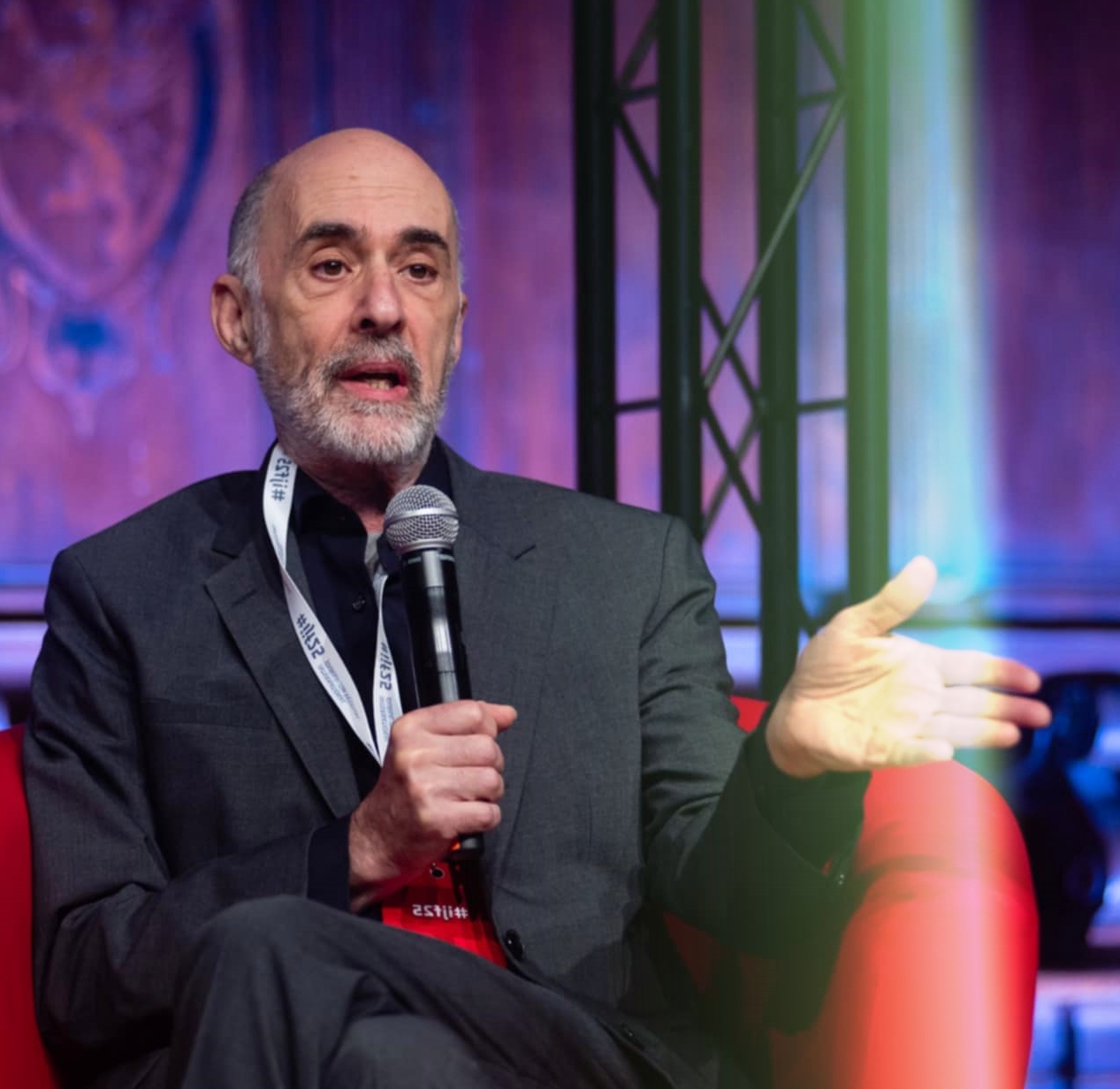
Guest – Paul Jay, award-winning journalist, filmmaker, and founder of theAnalysis.news. Jay has spent decades investigating the inner workings of government, corporate power, and military policy, combining investigative rigor with a storyteller’s clarity. He is currently working on a new project, How to Stop a Nuclear War, a groundbreaking documentary set to be released in the fall of 2027 based on extensive interviews with Daniel Ellsberg and narrated by Emma Thomson. Through rare interviews and in-depth research, the film examines how close humanity has come to nuclear catastrophe—and why Ellsberg’s warnings remain urgently relevant today.
—-
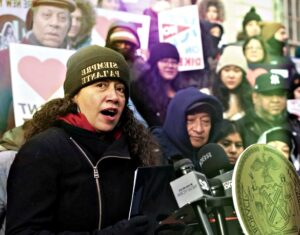
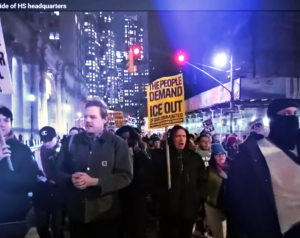
New York City Council Member Organizes Against ICE Raids
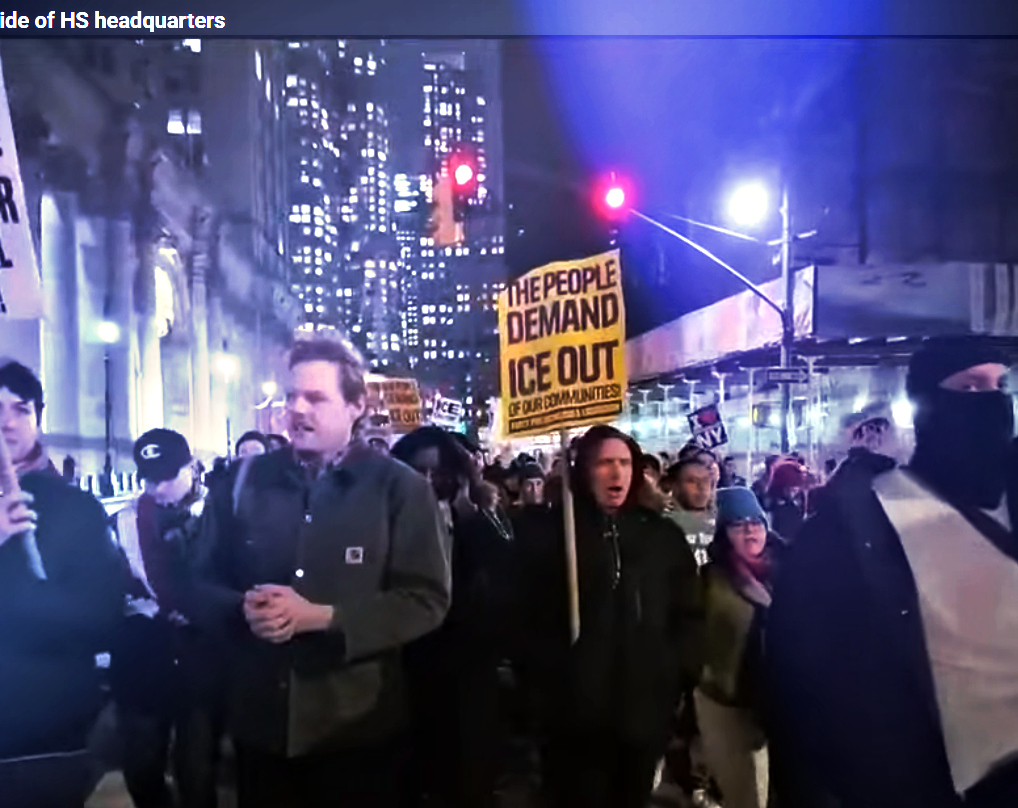
We are at a turning point in the history of the United States. If the people in the city of Minneapolis, can defeat ICE, they will have demonstrated they can win anywhere. This is a strong momentum in rolling back fascism here in the USA. ICE, above all, is criticized as being a terrorist outfit with a purpose to terrorize the population. Yet in contrast, ICE claims to be looking to capture and deport illegal immigrant criminals. It has a massive budget of $179 billion for the next three years. They have sent 3000 agents into Minneapolis and outnumber the Minneapolis police force five to one.
Two weeks ago, Renee Good, a poet and mother of three children was murdered during a confrontation with ICE agents. The official claim is that she’d threatened an ICE agent with her car. Last week Alex Pretti, an intensive care nurse at the VA hospital was murdered during an anti-ICE protest. Did Kristi Noem, the Trump appointed head of the Department of Homeland Security lied when she said that Pretti was out to massacre ICE agents? Both murders were filmed by people in Minneapolis and showed widely online and on television, exposing ICE for what it is, and the government for the false narratives it attempts to spread.
If they can get away with it in Minneapolis it will spread fear in Los Angeles and New York, or Philadelphia and Memphis, Washington DC and Portland, Maine, or everywhere and anywhere. Despite ICE’s huge budget of billions, it can be defeated. The actions of the people of Minneapolis have inspired communities with hope. And without hope, we tend to do nothing.
What can we do to resist and defeat ICE? The people of Minneapolis have shown the way. They’ve created a network of people working together, providing aid and support, block by block, Signal chat by Signal chat. They’ve provided food for those afraid to leave their homes, driven their kids to school, protested in the streets constantly, no matter how extreme the cold weather.
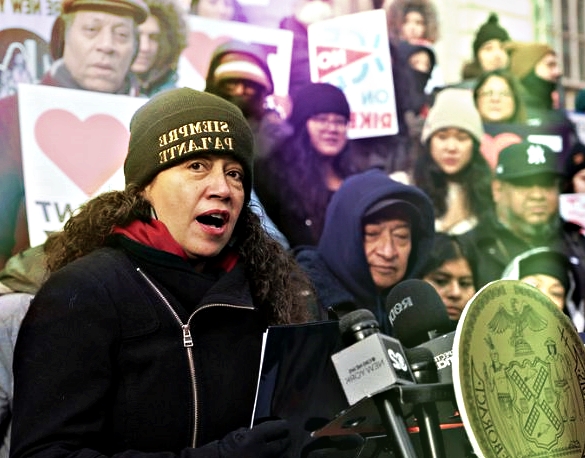
We speak today with New York City Councilwoman Alexa Aviles. She represents the heavily immigrant neighborhood of Sunset Park in Brooklyn, New York, and has been organizing against ICE.
Guest – Alexa Aviles is a socialist and a member of the Democratic Socialists of America (the “DSA”). She was born in Puerto Rico, the youngest of seven children. She came to the United States as a young girl. Aviles attended Columbia University and recieved her Master’s degree in public administration. She’s the mother of two daughters. Before being elected to her position on the City Council in 2021, she worked for decades in social justice work. She was elected to the City Council five years ago and ran on a platform supporting affordable housing, workers’ rights, immigrants, and environmental health. She’s Chair of the Immigration Committee of the Council.

—————–
Academic Freedom, Censorship, Civil Liberties, Civil Rights, Freedom Of Speech, Human Rights, Immigration
Podcast: Play in new window | Download


Federal Funding Capitulation: Northwestern Joins Columbia and Brown University
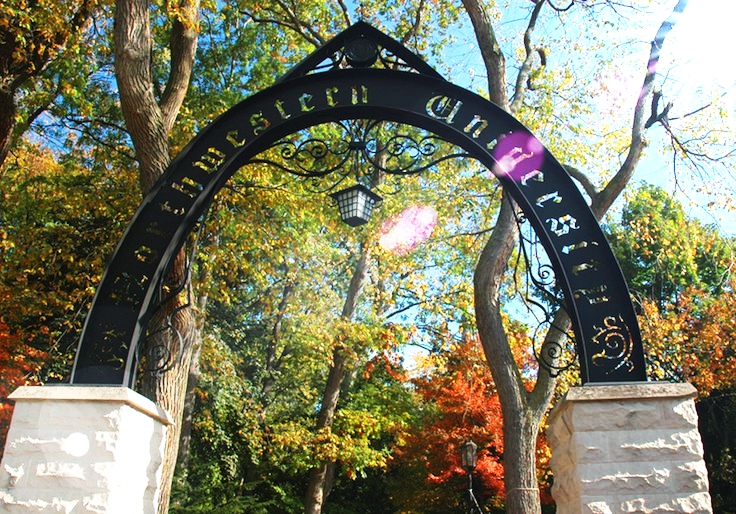
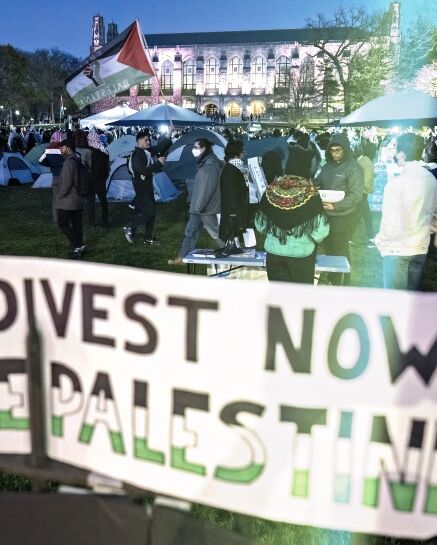
The day after Thanksgiving last year, in an deserved win for Donald Trump and a sad loss for higher education, Northwestern University joined Columbia and Brown universities by capitulating to Trump’s yearlong campaign to bribe American colleges and universities into paying ransom to restore millions of dollars of federal research grants he had illegally suspended on the pretext that the universities had failed to adequately monitor antisemitism on their campuses. Northwestern agreed to pay the Trump administration $75 million and entered into a three-year settlement agreement containing a host of provisions seriously impairing Northwestern’s educational independence and academic freedom.
Within days of the settlement, two law professors from Northwestern’s own law school, Heidi Kitrosser and Paul Gowder, went public alleging that the agreement was illegal and unconstitutional. They wrote: “Our analysis lays bare that the government’s extortion of Northwestern –unlawfully freezing funds to force the university to make a ‘deal’ – has nothing to do with actual legal violations at Northwestern (which, if they existed, could and should have been addressed through established legal channels), and everything to do with a campaign to encroach on the autonomy of Northwestern and other institutions of higher education, and to impose on them the Trump Administration’s reactionary political agenda.”
Guest – Heidi Kitrosser is the William W. Gurley Professor of Law at Northwestern Pritzker School of Law. She is an expert on the constitutional law, government secrecy and free speech law. Her book, Reclaiming Accountability: Transparency, Executive Power, and the U.S. Constitution, was awarded the 2014 IIT Chicago-Kent College of Law / Roy C. Palmer Civil Liberties Prize. She is a 2017 recipient of a Guggenheim Fellowship. Prof Kitrosser has been involved in drafting several amicus briefs in recent years challenging threats to free speech, academic freedom, and government accountability. She is also a founding steering committee member of the Free Expression Legal Network. FELN is a network of law school clinics, academics, and practitioners (including nonprofits) across the country that seeks to promote and protect free speech, free press, and the flow of information.
—-


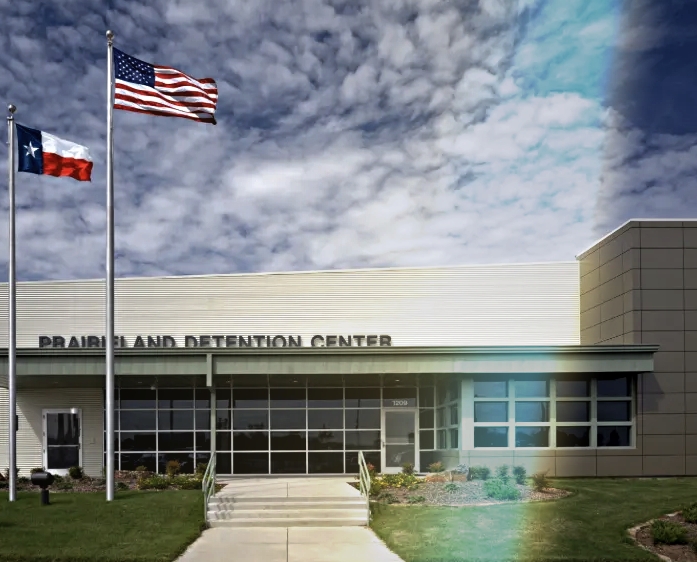
Prairieland Case Labeled First Prosecution of Antifa
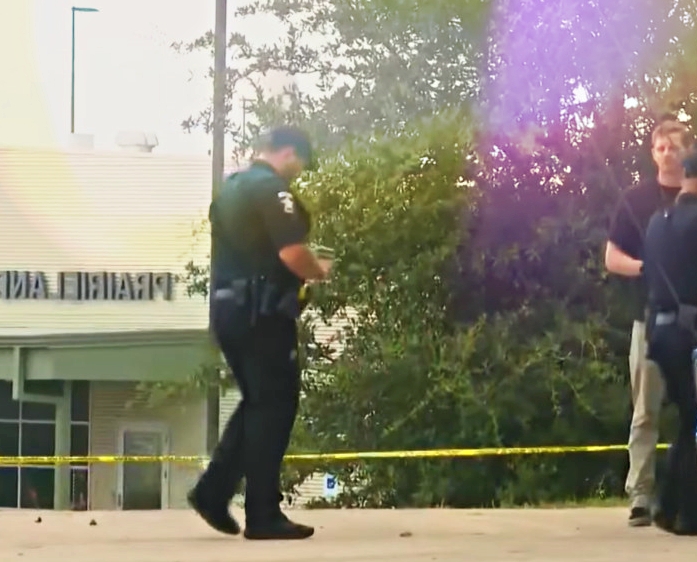
On July 4, a small group of people gathered in front of the Prairieland Detention Center in Alvarado, Texas. They were protesting in solidarity with immigrants and ICE detainees, using noise and fireworks—ordinary tools on Independence Day. Police later claimed that an Alvarado officer was involved in an exchange of gunfire after arriving near the protest, sustaining minor injuries. Six months later, authorities have still not produced hospital records substantiating those claims.
Despite that, a federal grand jury in Fort Worth indicted nine people in connection with the July protest/ Seven others were charged separately. Charges include rioting, use of weapons and explosives, obstruction, providing material support to terrorists, and attempted murder of an Alvarado police officer and unarmed correctional officers.
The Trump administration has publicly framed the Prairieland case as the first prosecution of “Antifa.” On September 25, the White House issued a directive ordering federal law enforcement to prioritize so-called Antifa-linked activity as domestic terrorism. Kash Patel has echoed that framing, publicly labeling the defendants “Antifa-aligned anarchist violent extremists.”
Guest – Dario Sanchez, one of the defendants. A computer science teacher, Dario is caretaking for his injured partner since 2024. He was arrested at a pre-dawn raid on their home with no resistance. https://prairielanddefendants.com/
—————————-
Civil Liberties, Civil Rights, Freedom Of Speech, Human Rights, Illegal Immigration, Immigration
Podcast: Play in new window | Download
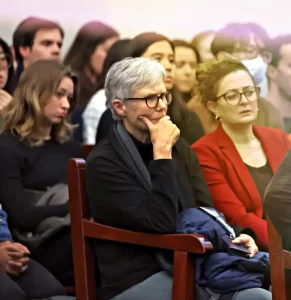

Court Watchers: Immigrant Solidarity Working Group Monitor Deportation Cases
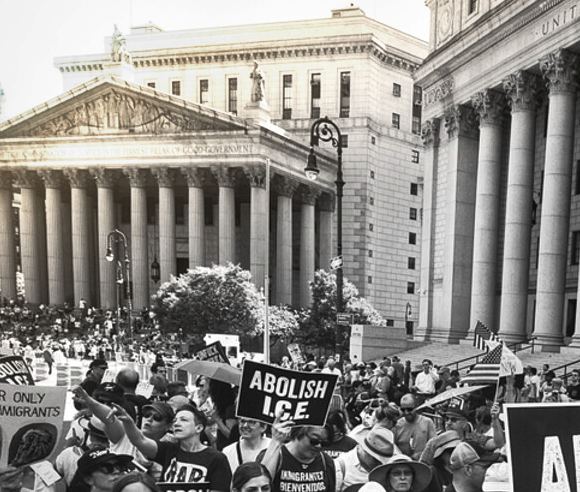
In New York City, a quiet act of resistance is taking place every week inside the federal immigration courts. Members of the Professional Staff Congress—the union representing faculty and staff across the City University of New York—have been showing up not as lawyers or law enforcement, but as witnesses. They call themselves court watchers. Their goal: to stand beside immigrants facing possible deportation, document abuses, and assert the public’s right to observe what happens inside these halls of power.
The union’s Immigrant Solidarity Working Group launched this effort over the summer, after reports that armed ICE agents were making mass arrests in and around federal courthouses—even detaining people who had appeared voluntarily for hearings. For many PSC members, this was a line they couldn’t ignore. Each Friday morning in Foley Square, educators gather before entering the courthouse. They’re trained to document what they see, to provide moral support, and to help loved ones locate those taken into detention. Their presence sends a message: that New Yorkers will not turn away from injustice carried out in their name.
What began as an act of witness has become a form of civic education. Teachers who spend their days in classrooms are now learning new lessons about power, vulnerability, and courage. In the process, they’re showing their students—and the city—what solidarity looks like in action.
Guest – PSC Secretary Andrea Vásquez is an associate director of the American Social History Project at the CUNY Graduate Center, and a managing director of the New Media Lab.
—-
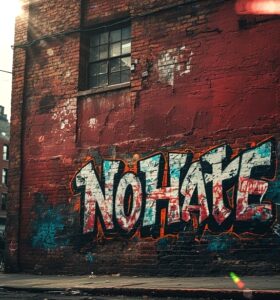
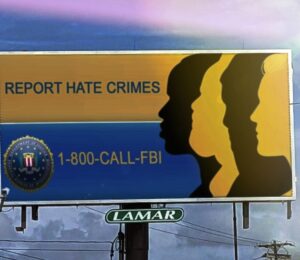
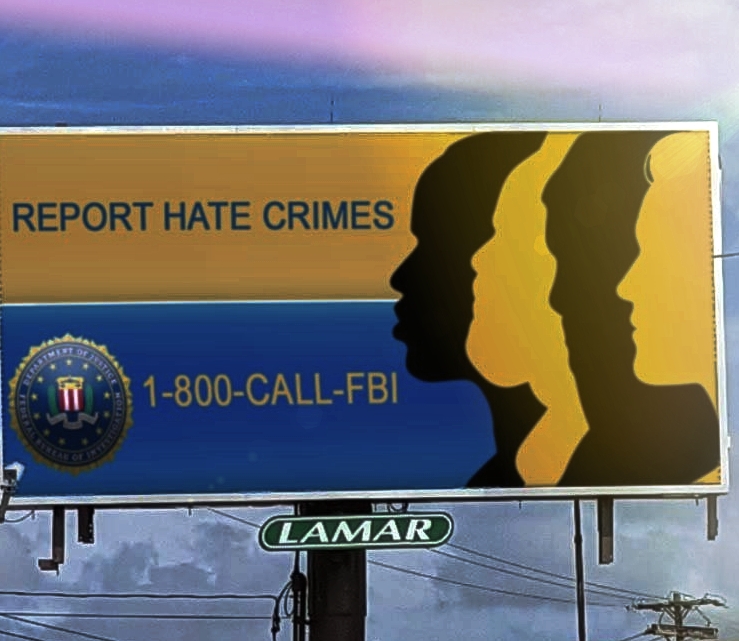
Defining Hate Crimes
Across the country, tensions are high as hate-fueled incidents make headlines almost daily. Just last month, a transgender woman in Washington State was assaulted by a mob yelling transphobic slurs while one attacker choked her. In this charged environment, politicians are weighing in — some pledging to crack down, others blurring the line between hateful speech and protected expression.
The Trump administration formed a Federal Task Force to Combat Anti-Semitism and is targeting universities across the nation. Attorney General Pam Bondi has said the Department of Justice will “target” and “go after” individuals who threaten others with hate speech. But what does it mean when political figures invoke hate crime laws as tools of ideology rather than justice? And what are the real implications for free speech, civil rights, and public safety?
Guest – Zachary Wolfe, editor of Hate Crimes Law and a leading scholar on how the United States defines, prosecutes, and debates hate-motivated offenses. He’s here to help us understand how these laws are being used—and sometimes misused—in today’s polarized climate. Blog: profzwolfe.com
——————————————–
Academic Freedom, Civil Liberties, Civil Rights, Human Rights, Immigration, police accountability
Podcast: Play in new window | Download
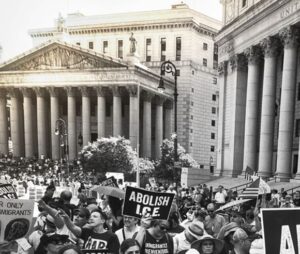
American Association of University Professors v. Rubio
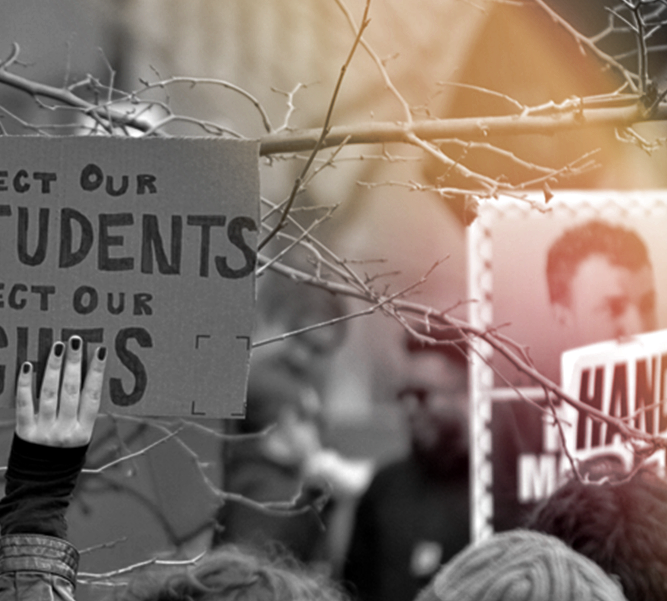
Sadly, listeners to Law & Disorder are all too familiar with how the Trump administration has systematically created a climate of repression and fear on our university campuses. Federal agencies are attempting to deport multiple individuals for their pro-Palestinian advocacy, including Mahmoud Khalil, a leader of the pro-Palestinian protests at Columbia University. These actions have sent chills through the community of noncitizen students and faculty on campuses around the country, causing some to pull out of academic conferences, stay home from protests, and withdraw from other forms of public advocacy and engagement.
While Khalil and other students are actively pursuing their own lawsuits and habeas corpus petitions defending their own First Amendment rights, the Knight First Amendment Institute at Columbia University has filed an innovative lawsuit attacking the Trump administration from a different angle. On March 25, 2025, the Knight Institute filed a lawsuit on behalf of the American Association of University Professors (AAUP), AAUP’s Harvard, NYU, and Rutgers campus chapters, and the Middle East Studies Association, alleging that the Trump administration’s policy of arresting, detaining, and deporting noncitizen students and faculty who participate in pro-Palestinian activism, chills noncitizens from speaking and, by extension, robs these organizations and their U.S. citizen members of noncitizens’ perspectives on a matter of significant public debate. The suit seeks a court order declaring that the policy is unlawful and enjoining the federal government from enforcing it.
In the lawsuit, titled American Association of University Professors v. Rubio, US District Judge William G. Young in Mass. denied the government’s motion to dismiss and set a trial for July 7.
Guest – Xiangnong (George) Wang is a staff attorney at the Knight First Amendment Institute at Columbia University. He first joined the Institute as a legal fellow from 2020 to 2021 before serving as a law clerk to the Hon. William J. Kayatta, Jr. of the U.S. Court of Appeals for the First Circuit. Wang received a B.A. in public policy from Stanford University and a J.D. from Yale Law School.
—–

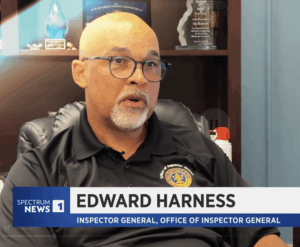
Police Accountability Enforcement In Louisville, KY
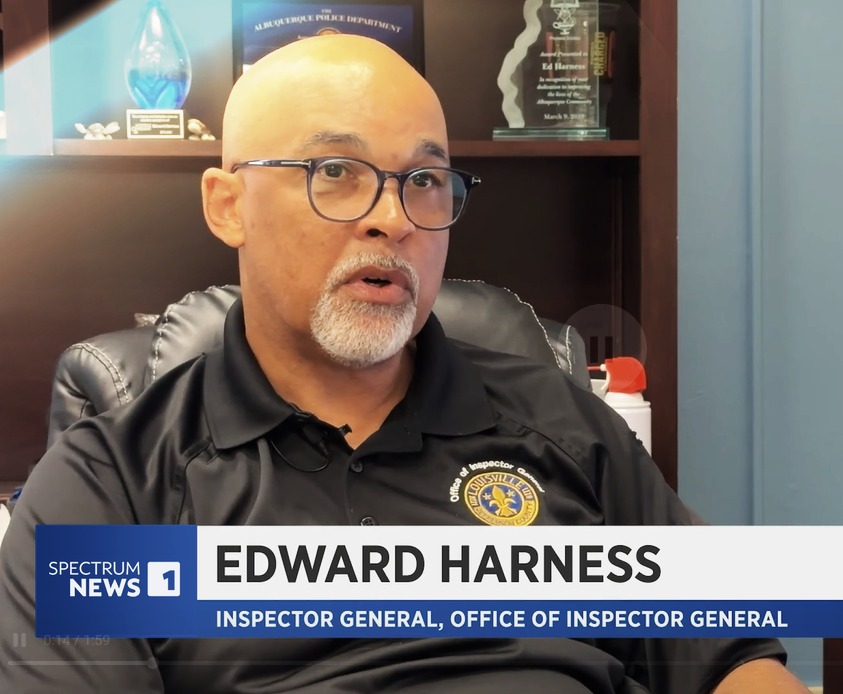
In the wake of Breonna Taylor’s 2020 murder, the city of Louisville created the Office of Inspector General to provide independent oversight of the Louisville Metro Police Department. In 2021, Ed Harness was appointed the city’s first Inspector General, tasked with investigating police misconduct and recommending policy reforms. His term ends this November, and community groups—including the Louisville NAACP—are calling for his reappointment.
But questions remain about how local reforms will be enforced, especially as the federal government steps back. A recent executive order gives the U.S. Attorney General authority to unilaterally end consent decrees, raising concerns about long-term accountability.
Guest – Ed Harness is a former U.S. Army Military Police officer and Milwaukee police officer, Ed previously served as Executive Director of the Civilian Police Oversight Agency in Albuquerque and led the Dispute Resolution Division of the Wisconsin Better Business Bureau. In addition to his duties in Louisville, he serves as a Board Member at Large for the National Association for Civilian Oversight of Law Enforcement (NACOLE).
—————-
Civil Liberties, Civil Rights, Human Rights, Immigration, Right To Dissent, U.S. Militarism
Podcast: Play in new window | Download
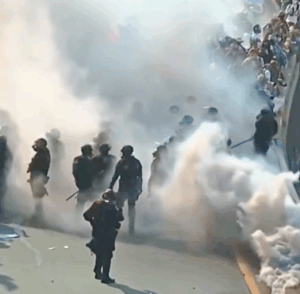
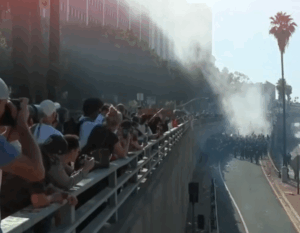
Leadership Failure Within The Democratic Party
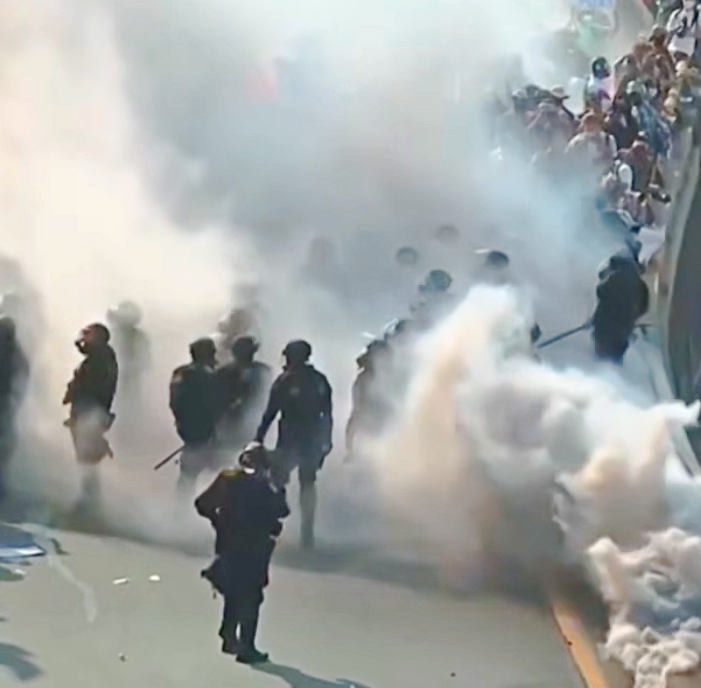
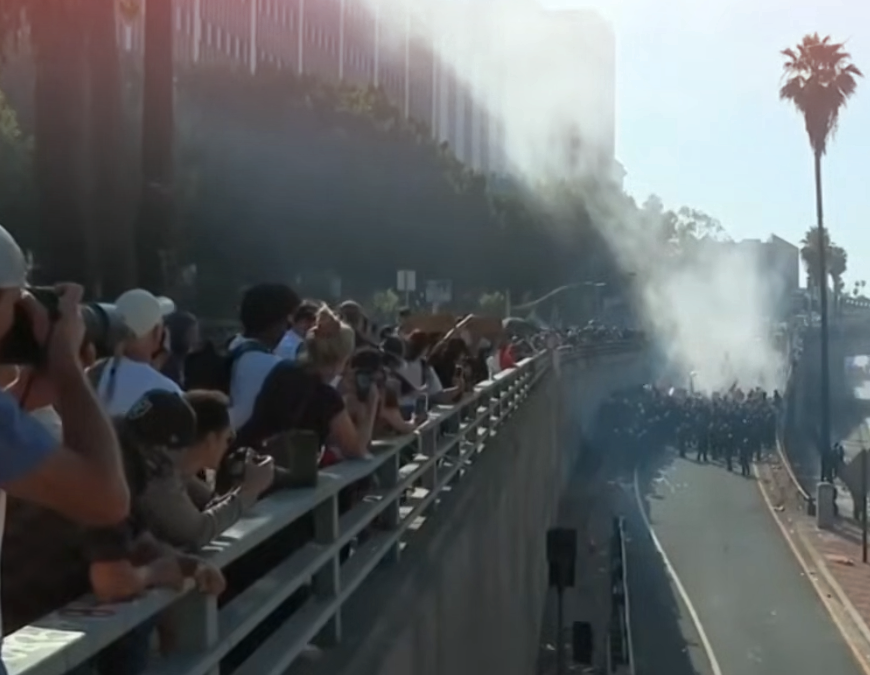
The unfolding events in Los Angeles after Donald Trump called up the National Guard in violation of federal law and his threat to invoke the Insurrection Act are but his latest assault on democracy and the Constitution. Lawyers, social justice organizations, and watchdog groups are fighting back in over 245 lawsuits against the Trump administration winning over 180 injunctions. Last Saturday, thousands of NO KINGS rallies were held in every state of the Union.
But many are asking: Where is the Democratic Party in all this? Opinion surveys show the public is not impressed with Democratic leadership. What are Democrats in Congress and in state governments doing to oppose Trump and offer the American people an alternative? And what more should they be doing?
Guest – Alan Minsky, the Executive Director of Progressive Democrats of America (PDA). Previously, Alan was the longtime Program Director at KPFK Radio Los Angeles and the coordinator of Pacifica Radio’s national political coverage. Progressive Democrats of America was founded in 2004 to transform the Democratic Party and our country. PDA seeks to build a party and government controlled by citizens, not monied interests, with policies that serve the public and the planet. PDA is proud to say that they transformed American politics by successfully drafting Bernie Sanders to run for President as a Democrat in 2016.
—-

Protests Erupt Over University and U.S. Customs and Border Protection Partnership
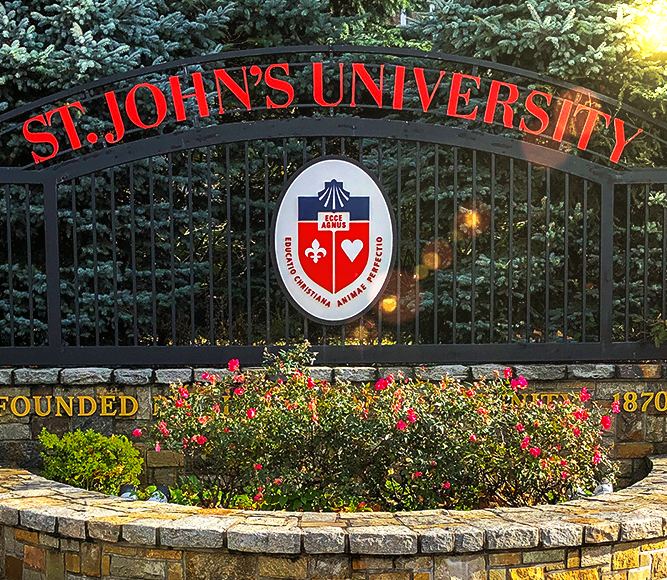
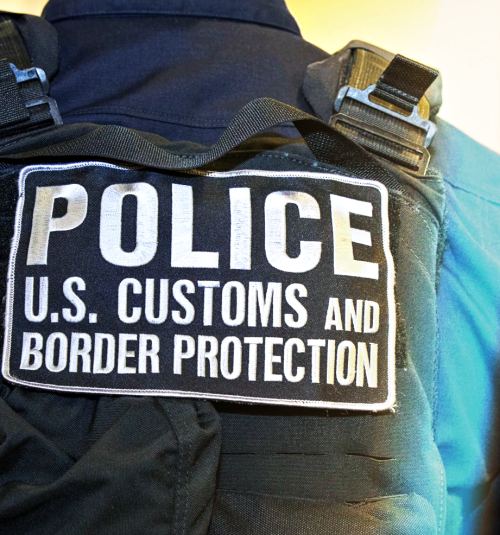
A controversy is brewing at St. John’s University in Queens in New York—an institution known for its Catholic and Vincentian mission to serve the poor, the immigrant, and the marginalized. A recently announced partnership between the university and U.S. Customs and Border Protection (CBP) has sparked backlash among faculty, students, alumni, and human rights advocates. In dispute is a new Institute for Border Security and Intelligence Studies, a training center for homeland security professionals created in collaboration with CBP’s New York Field Office.
Since the announcement, more than 900 members of the St. John’s community have signed a petition calling for the immediate termination of the partnership. They contend that working with an agency accused of human rights violations—notably against immigrants and communities of color—is in opposition to the university’s core religious and moral code. The petition to university leadership, notes concerns about academic freedom, the safety of immigrant students and faculty, and the ethical implications of normalizing CBP practices on campus.
Like any controversy, there are many angles. Supporters of the partnership cite the benefits of real world training and federal job opportunities. However, our guest today will tell us about potential downsides.
Guest – Professor Gary Mongiovi’s main area of specialization is the history of economic ideas, particularly those of John Maynard KAYnes and Karl Marx, and non-mainstream approaches in economics. Recently he has been working on the ideological role that economics plays in society. He has been a member of the editorial board of the Review of Radical Political Economics since 1994. His writings have appeared in the Cambridge Journal of Economics, Catalyst, Critical Sociology, Social Research, Metroeconomica, and The Nation.
———————
Civil Rights, Human Rights, Human Trafficking, Immigration
Podcast: Play in new window | Download

Attacking Those In Academia Who Condemn The Israel-Gaza War
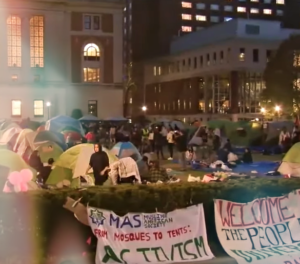
All across this country, academic freedom is once again under severe attack. Why?…because at colleges and universities, professors who dare to speak out in defense of the Palestinian people and condemn Israel’s genocidal war against the Palestinian people, are being censored, disciplined and fired. These attacks on academic freedom are not limited to actions by university administrators, but include those by the federal government, as well. Visiting scholars, adjuncts and lecturers without tenure have also had their contracts terminated, or not renewed. Some had their classes suddenly cancelled. Faculty members who espouse views contrary to official U.S. policy vis-a-vis the Israeli/U.S. war in Palestine have been criticized in ways that have trampled on their reputations and hurt their careers. As an excuse for this present-day McCarthyism, college and university administrators often claim their censorious actions are undertaken only on behalf of ensuring their Jewish students feel “safe” on campus. But there is a distinct lack of evidence to support their claimed motivation. And, in fact, the largest pro-Palestinian actions on campuses are generally organized by Jewish groups, such as Jewish Voice for Peace.
So today we’ve invited a professor from the University of Michigan to join us. We’ll ask him about McCarthy-styled witch hunts against academic personnel, both in the past and again today. Learn how federal law is being misused as a mechanism of political repression against academia. And discuss the role that controversy over slogans condemning Zionism play in this new attack on academic freedom, and what strategies are best employed today by the anti-war movement in its fight back against these attacks, as the ever more deadly Israeli/U.S. war in Palestine continues.
Guest – Professor Alan Wald, the H. Chandler Davis Collegiate Professor Emeritus at the University of Michigan. Prof. Wald has authored eight books related to today’s topic. He has been a socialist scholar since the 1960’s, and is currently an editor of the journal Against the Current, as well as a member of the editorial board of Science and Society. And Prof. Wald was a founder of the University of Michigan’s Faculty and Staff for Justice in Palestine committee.
—-
New Leadership Within The Department of Homeland Security
The Department of Homeland Security was created in 2002. Trump has nominated Kristi Neer, the Governor of South Dakota, to be its new head. The DHS has consolidated previous separate departments and brought into a single sprawling entity 22 pre-existing agencies. It became the nation’s third largest government department. Today it has a budget of over $100 billion and employs a quarter of a million people. Every danger is now conceived as a threat to homeland security.
As governor, Neer sent South Dakota National Guard troops to Texas eight times to fight what she called “the Biden border crisis”.
Trump said, “she will work closely with “Border Tsar” Tom Holman to secure the border and will guarantee that our American homeland is secure from our adversaries.”
Neer said, “I look forward to working with Border Tsar Tom Homan to make America safe again. With Donald Trump, we will secure the border, and restore safety to American communities, so that families will again have an opportunity to pursue the American dream”.
In 2017 she supported the Trump Muslim travel ban. In 2021 she opposed Afghan refugees coming into South Dakota.
In her memoir, she wrote about how she shot and killed her fourteen month old dog “Cricket” because he was not a good hunter.
Guest – Arun Kundnani, a Philadelphia based writer who moved from London to the U.S. in 2010. He has recently co-authored the pamphlet, Homeland Security: Myths and Monsters. His books include What is Anti-racism? And Why it Means Anti-capitalism, The Muslims Are Coming, and The End of Tolerance. A former editor of the journal Race and Class, Kundnani has been described by the Guardian newspaper as “one of Britain’s best political writers.“
—————————