Civil Liberties, Civil Rights, Human Rights, Prison Industry, Right To Dissent, Supreme Court, Torture, Violations of U.S. and International Law, War Resister, Whistleblowers
Podcast: Play in new window | Download

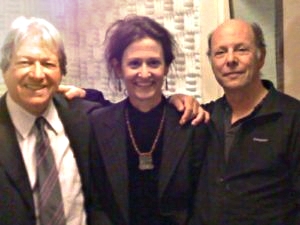
Remembering Michael Ratner
Hosts Heidi Boghosian and Michael Smith interviewed some of Michael Ratner’s closest friends and colleagues as part of a special broadcast highlighting Michael Ratner’s legal work and mentorship. The special also marked the upcoming release of Michael Ratner’s autobiography Moving The Bar: My Life As A Radical Lawyer published by OR Books. We hear from attorneys including Eleanor Stein, Richard Levy, Ray Brescia and David Cole.
Michael Ratner’s pathbreaking legal and political work is unmatched. He provided crucial support for the Cuban Revolution and won the seminal case in the Supreme Court guaranteeing the right of habeas corpus to Guantanamo detainees. Michael also challenged U.S. policy in Iraq, Haiti, Nicaragua, Guatemala, Puerto Rico and Israel-Palestine. This book is a testament to his unflagging efforts on behalf of the poor and oppressed around the world.
– Marjorie Cohn, Professor Emerita, Thomas Jefferson School of Law
Michael Ratner personified lawyering that brought both radical and human values into challenges to the use of governmental power to violate the essence of the Bill of Rights. From the torture of prisoners after 911 to the massive racial profiling by the New York Police Department, Michael’s voice and vision continue to resonate. This book provides a powerful testament to the spirit of this extraordinary man.
– Attorney Bill Goodman
—-
![]()
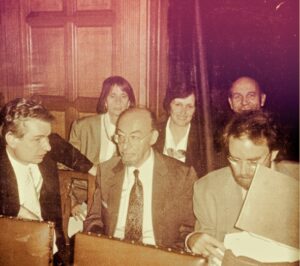
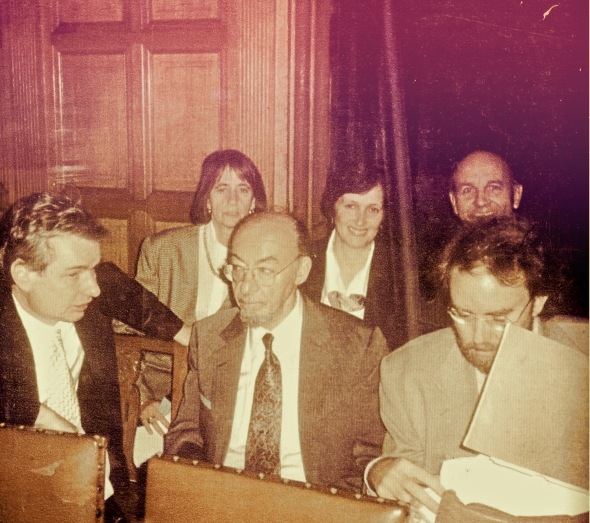
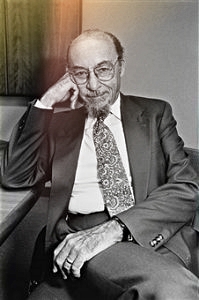
In Memory of Attorney Peter Weiss
Attorney Peter Weiss was a frequent guest here on Law and Disorder. He was a guest several times to discuss pressing issues of nuclear policy, International Human Rights Law and the Royal Dutch Shell Settlement and in 2007, Peter was a Lawyers You’ll Like guest.
We go now to hear that 2007 interview co-hosted by Michael Ratner and Michael Smith. Peter Weiss died one month short of his 100th birthday on November 3, 2025. Peter was the founder and head of the Lawyers Committee on Nuclear Policy. His field was international law. He won the historic case for universal jurisdiction which allowed foreign war criminals to be tried in the United States under certain circumstances.
Mr. Weiss is a graduate of Yale Law School and was the principle author of the draft brief on the illegality of threat or use of nuclear weapons used by many countries in making written submissions to the International Court of Justice in the 1996 nuclear weapons advisory opinion. Mr Weiss served as counsel to Malaysia at those hearings. He has published several articles on the ICJ opinion, including in the fall 1997 issue of Transnational Law and Contemporary Problems. Mr. Weiss litigated the seminal case establishing the right of victims of torture to sue their torturers in US courts (Filartiga v. Pena-Irala).
Since his retirement in 1996 from Weiss Dawid Fross Zelnick & Lehrman, a leading trademark firm, he has been Senior Intellectual Property Counsel to The Chanel Company Limited. He is also a founder and former President of the American Committee on Africa and former Chairman of the Board of the Institute for Policy Studies in Washington. He has also long been an activist for peace in the Middle East and is currently a member of the Arab-Jewish Peace Group in New York and of the Executive Committee of Americans for Peace Now, which supports the Peace Now movement in Israel.

———————
Artificial Intelligence, Civil Liberties, Civil Rights, Executive Branch Law Breaking, Human Rights, Right To Dissent, Supreme Court
Podcast: Play in new window | Download
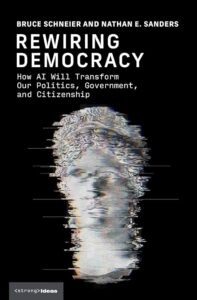
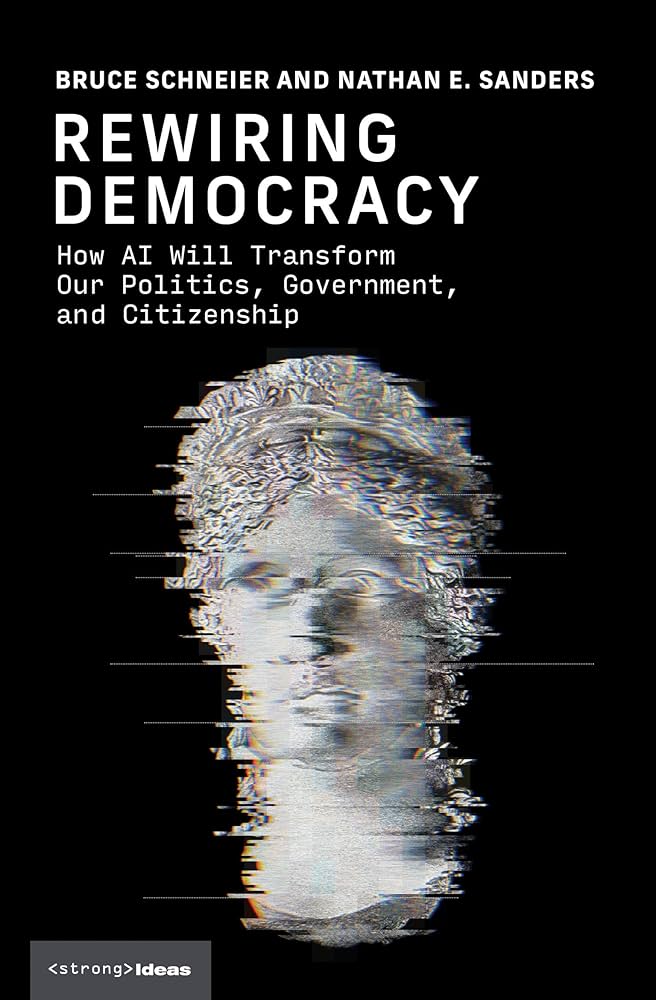
Rewiring Democracy: How AI Will Transform Our Politics, Government, and Citizenship
Artificial intelligence and democracy are two of the most charged words in the news right now. To hear the headlines tell it, AI is either about to save us—or quietly break everything that makes self-government possible. A new book refuses that false choice. It asks a more uncomfortable—and more political—question: who is using AI, how, and for whose benefit?
The book is Rewiring Democracy: How AI Will Transform Our Politics, Government, and Citizenship, published by MIT Press. It starts from a deceptively simple idea: democracy is an information-processing system—one that gathers people’s preferences and turns them into law, policy, and power. From that perspective, AI isn’t inherently democratic or dangerous. It’s a power-amplifying tool. In democratic hands, it can broaden participation, increase transparency, and make government more responsive. But in the hands of monopolistic tech companies or authoritarian states, it can just as easily intensify surveillance, manipulation, and control.
Instead of treating AI as a distant sci-fi threat, Rewiring Democracy looks at what’s already happening—AI in lawmaking, courts, elections, public services, and everyday citizenship—and asks the question too often left out of the debate: not what the technology can do, but who controls it—and who is left out.
Guest – Nathan E. Sanders, a data scientist affiliated with Harvard’s Berkman Klein Center for Internet & Society. His work focuses on using technology to strengthen democratic participation, especially for communities historically excluded from decision-making. He’s the co-author of Rewiring Democracy, along with cybersecurity expert Bruce Schneier.
—-
The Unitary Presidency: Trump’s Second Term, the Supreme Court, and the Consolidation of Power
The American system of democracy was built on a simple, stubborn idea: power must be divided if liberty is going to survive. James Madison warned that concentrating legislative, executive, and judicial authority in the same hands is “the very definition of tyranny,” and George Washington cautioned that power’s abuse is as predictable as gravity. Those weren’t poetic lines—they were the operating instructions for a constitutional democracy.
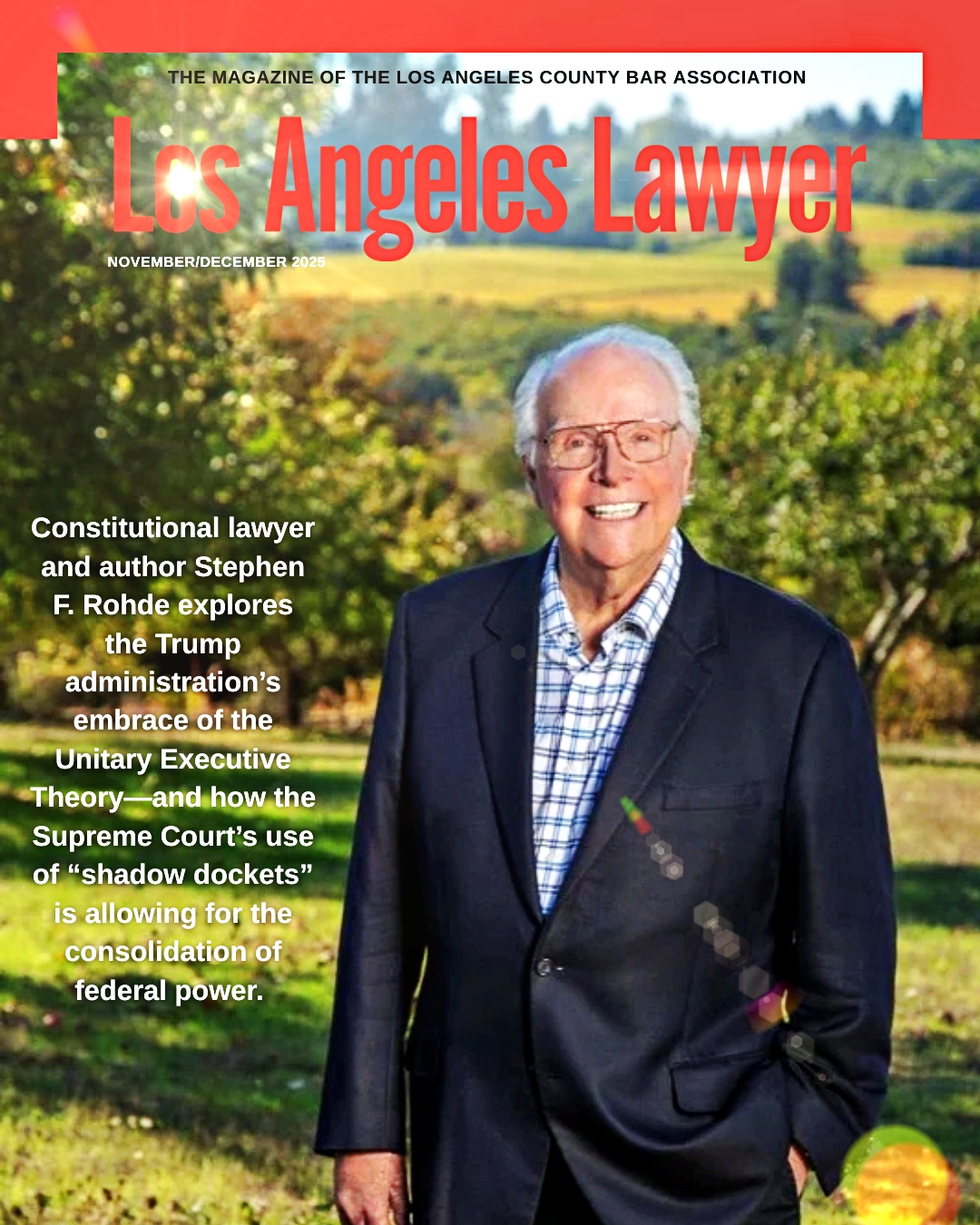
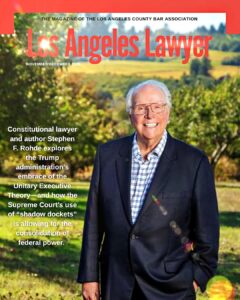
Our own cohost Stephen Rohde argues that those instructions are being ignored in plain sight. In The Unitary Presidency: Trump’s Second Term, the Supreme Court, and the Consolidation of Power, just published in Los Angeles Lawyer magazine, he says we’re not dealing with isolated controversies. We’re watching a sustained push to consolidate authority in the presidency—backed by legal theory, executive machinery, and a political ecosystem willing to treat norms and limits as optional.
Steve traces how an extreme version of the Unitary Executive Theory has become the rationale for purges of independent agencies, mass removals of officials, and executive actions that pressure universities, law firms, immigrants, protesters, and the press. In his account, the point isn’t just what’s being done—it’s the precedent being set: that the president can control, punish, and dismantle without meaningful restraint.
And the most alarming part, Steve argues, is the Supreme Court’s role—especially through its emergency “shadow docket,” where consequential decisions can be issued at lightening speed, often without full briefing or transparent reasoning. He asks readers: are we witnessing a temporary political lurch, or a lasting constitutional redesign—one that leaves checks and balances as a ceremonial relic?
Guest – Stephen Rohde is a retired constitutional attorney, lecturer, writer and political activist. He is the Chair Emeritus of several organizations including Bend the Arc, the ACLU Foundation of Southern California, and Death Penalty Focus. He is also a founder and current Chair of Interfaith Communities United for Justice and Peace. He is the author of American Words of Freedom and Freedom of Assembly.
——————————–
Civil Liberties, Civil Rights, Freedom Of Speech, Human Rights, Right To Dissent, War Resister
Podcast: Play in new window | Download
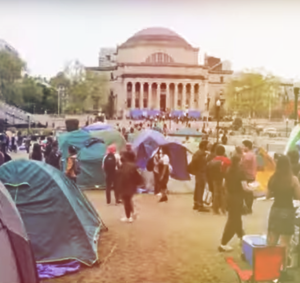
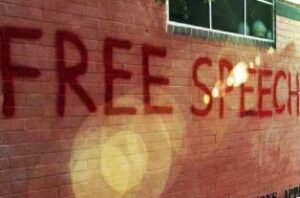
Non Citizens And Free Speech Rights: AAUP v Rubio
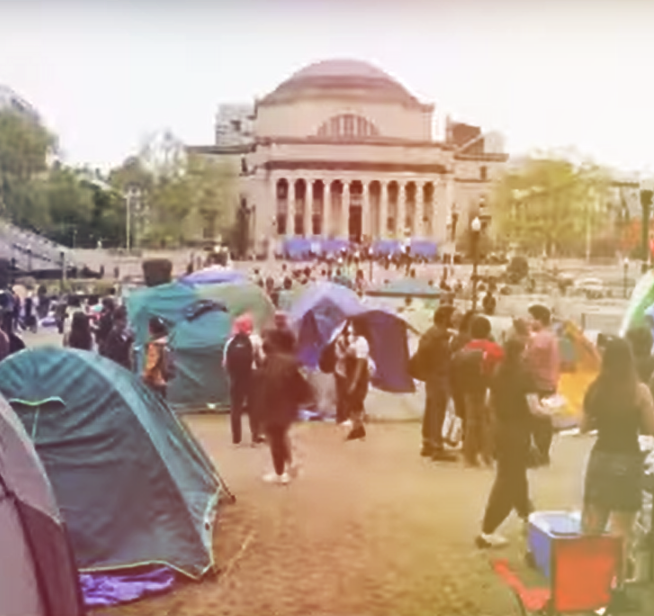
On September 30, 2025 a federal judge in Boston issued one of the most important decisions that has been rendered during the 9 months of Donald Trump’s second term. Following a nine-day trial in July that included the testimony of 15 witnesses and the admission of scores of documents, US District Judge William G. Young of the U.S. District Court for the District of Massachusetts ruled that the Trump administration’s policy of arresting, detaining, and deporting noncitizen students and faculty members for their pro-Palestinian advocacy violates the First Amendment. Judge Young was nominated by President Ronald Reagan and has served on the court for over 40 years. While there have been over 200 other court rulings involving Trump since January, this was the first decision following a full-dress trial.
The case, known as AAUP v Rubio, was brought by the Knight First Amendment Institute at Columbia University, partnering with the law firm of Sher Tremonte LLP, representing the American Association of University Professors, including AAUP chapters at Harvard, Rutgers, and NYU, and the Middle East Studies Association (MESA). The associations’ members include tens of thousands of faculty and students across the country.
In his historic ruling, Judge Young wrote, “This case—perhaps the most important ever to fall within the jurisdiction of this district court—squarely presents the issue whether non-citizens lawfully present here in [the] United States actually have the same free speech rights as the rest of us. The Court answers this Constitutional question unequivocally ‘yes, they do.’ ‘No law’ means ‘no law.’ The First Amendment does not draw President Trump’s invidious distinction and it is not to be found in our history or jurisprudence.”
Jameel Jaffer, executive director at the Knight First Amendment Institute, called it “a historic ruling that should have immediate implications for the Trump administration’s policies. If the First Amendment means anything, it means the government can’t imprison people simply because it disagrees with their political views. We welcome the court’s reaffirmation of this basic idea, which is foundational to our democracy.” Todd Wolfson, president of the AAUP, issued the following statement shortly after Judge Young issued his historic ruling: “The Trump administration’s attempt to deport students for their political views is an assault on the Constitution and a betrayal of American values. This trial exposed their true aim: to intimidate and silence anyone who dares oppose them. If we fail to fight back, Trump’s thought police won’t stop at pro-Palestinian voices—they will come for anyone who speaks out. Defending democracy means standing up now—loudly, visibly, and together.”
Having found that the policy violates the First Amendment, in the coming weeks, Judge Young is expected to turn to the question of what appropriate judicial relief should be granted.
Guest – Ramya Krishnan, senior staff attorney at the Knight First Amendment Institute. Ramya served as lead counsel at the trial and presented the opening and closing arguments to the court. She holds a B.A. and LL.B. from the University of Sydney, where she served as an editor of the Sydney Law Review, and an LL.M. from Columbia Law School, where she was a Raymond J. Baer Scholar.
—
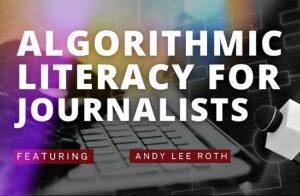

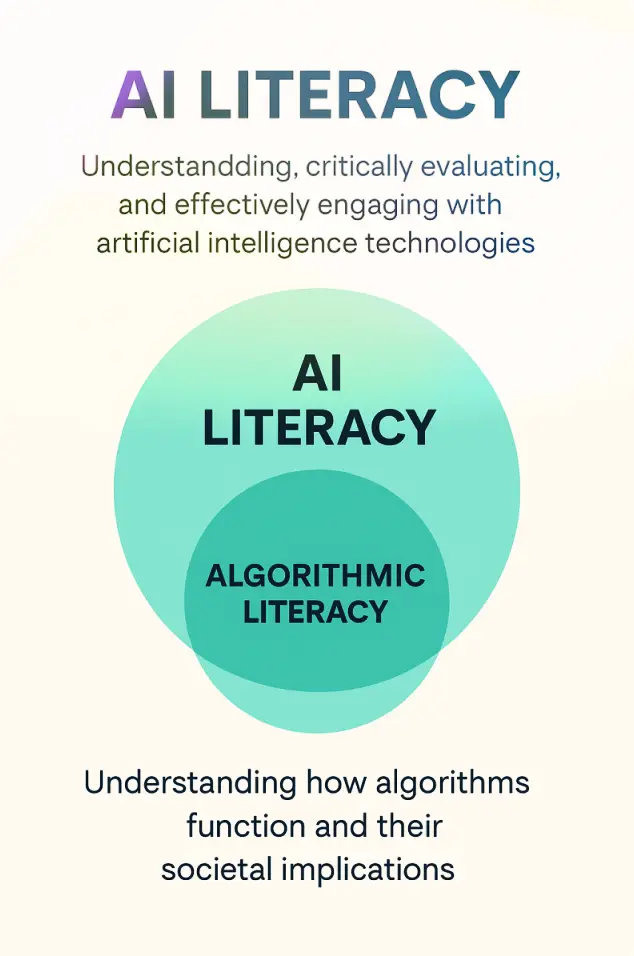
Algorithmic Literacy for Journalists
Artificial intelligence is transforming the newsroom—from how stories are written, and headlines are chosen, to which readers see which articles. Algorithms, those invisible sets of instructions that guide everything from Google searches to social media feeds, are now shaping journalism itself. They can amplify—or silence—voices, and determine which stories gain traction in the public sphere. For journalists, understanding how these systems work isn’t just technical—it’s essential to democracy.
Algorithmic Literacy for Journalists is a new online resource that helps reporters and editors navigate this complex new terrain. The project equips journalists to hold technology platforms accountable, explain AI’s influence to the public, and confront the hidden biases and power structures embedded in algorithmic systems.
Guest – founder of Algorithmic Literacy for Journalists, Dr. Andy Lee Roth the editor-at-large for Project Censored and its publishing imprint, The Censored Press. He co-edits the State of the Free Press yearbook series and co-authored The Media and Me: A Guide to Critical Media Literacy for Young People. A sociologist, since joining Project Censored in 2006, Andy has led media literacy initiatives, including developing Algorithmic Literacy for Journalists, a web resource helping reporters understand how AI shapes—and sometimes distorts—news and society.
———————-
Academic Freedom, Censorship, Civil Liberties, Freedom Of Speech, Right To Dissent
Podcast: Play in new window | Download
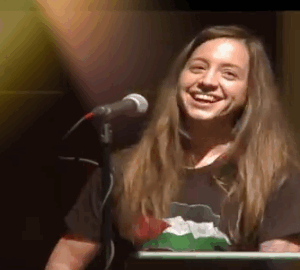

The Library Freedom Project
Soon after the attacks of September 11, 2001, when federal agents demanded library circulation records under the USA Patriot Act, librarians became unlikely whistleblowers for democracy. The “Connecticut Four” successfully sued the FBI in 2005 over secret National Security Letters that sought patron data and imposed gag orders. They reminded the nation that a book borrowed in silence should never be grounds for suspicion.
The Library Freedom Project was born in this climate of intrusion. It equips librarians with new skills: teaching prompt literacy so they can critically evaluate generative AI outputs; training them in deepfake and voice-clone detection; and raising awareness about the growing use of AI surveillance in schools and communities. In doing so, the project prepares librarians to guide the public through one of the most disruptive technologies of our time.
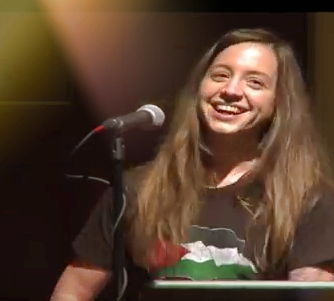
Guest – Alison Macrina, activist librarian and founder of the Project. Since 2015, she has built a network of librarians committed to protecting privacy, defending intellectual freedom, and challenging power structures through organizing and education. Recognized with a 2023 Electronic Frontier Foundation Award, Macrina and her colleagues argue that libraries are among the last truly public goods—accessible to everyone, regardless of income or background—and that defending these spaces means defending the very foundation of free expression and information democracy.
—-
Media Censorship: A Structural Problem
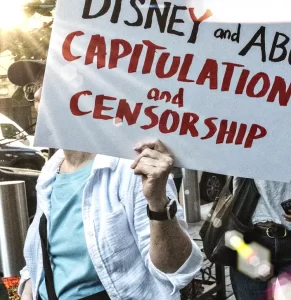
As the Trump administration seeks to expand presidential authority, it’s not surprising that the First Amendment is making headlines. Enacted in 1791 to protect fundamental freedoms – such as speech and the press – it serves as a safeguard against potential abuses of government power, including censorship and other efforts to stifle dissent. Trump and his allies have made no secret about their intention to silence prominent comedians who are critical of the administration.
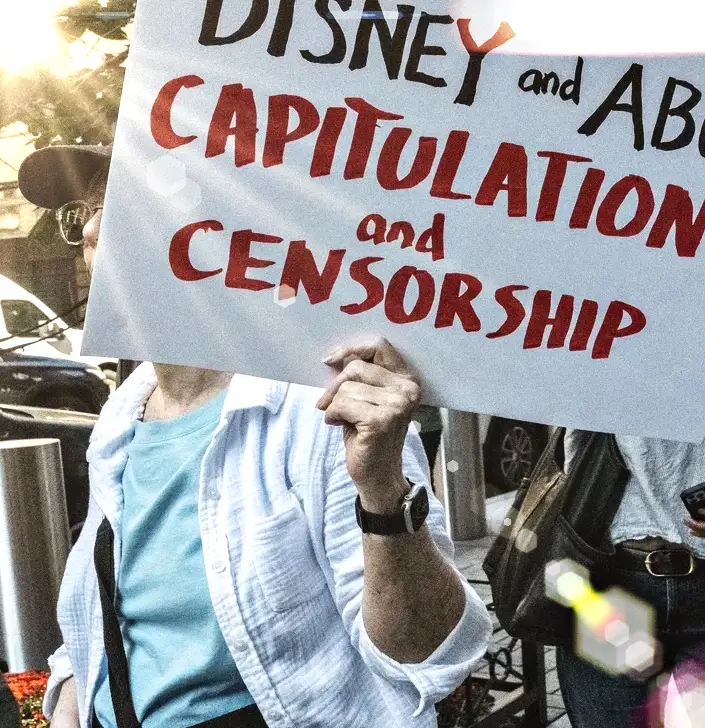
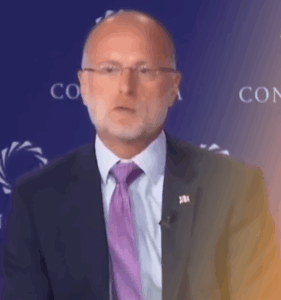
On July 17th, CBS announced the cancellation of The Late Show with Stephen Colbert, a move that Trump publicly applauded, adding that Jimmy Kimmel would be next. Within days, the FCC approved a merger involving CBS’s parent company, Paramount. On Sept. 17th, FCC Chair Brendan Carr warned that if Disney did not suspend Jimmy Kimmel for making comments about MAGA and Charlie Kirk, the FCC could get involved with ABC’s licensing. Disney immediately took Jimmy Kimmel Live off the air. And even though it started back up on Sept. 23rd, many ABC affiliates refuse to air it. Oh, and by the way, Trump has warned that Jimmy Fallon and Seth Meyers at NBC will be next to go.
Guest – Jeff Cohen is a highly regarded progressive critic of the media. Indeed, he was recently quoted in an important article in the Washington Post about the disclosure that FOX News hosts were advising the White House during the January 6th insurrection. Jeff Cohen, along with Martin Lee, were the co-founders of Fairness and Accuracy in Reporting, or “F.A.I.R.,” which is the anti-corporate media group that monitors and reports on the mainstream media’s bias, spin and misinformation. Jeff Cohen is also a lecturer on these matters and the author of the book, Cable News Confidential.
————————-
Civil Liberties, Civil Rights, Freedom Of Speech, Human Rights, Right To Dissent, Surveillance, U.S. Militarism
Podcast: Play in new window | Download
![]()
![]()
Law Firms Targeted By Trump Administration
Trump and the MAGA movement behind him have taken huge steps to upend and overturn the kind of democracy, however limited by race and class, that we have lived with since our independence from England some 250 years ago. In order to secure their rule, these fascists, like those in the Hitler movement 90 years ago, attempted to get control of the various apparatuses of our society. They aimed at the major media, the universities, the states like California, the scientific establishment, the medical profession, the cultural apparatus, the top brass in the military, and the big law firms.
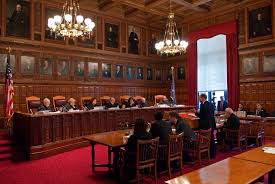
Hitler’s fascist party in Germany called this effort “bringing it into line”. What we are going to examine today is Trump’s efforts to dominate the major law firms in America. He has succeeded in dominating some, but not all, of these law firms, which are known as “big law.“ The resistance has been impressive and a tribute to the spirit of fairness in the American legal tradition.
What did Trump do? He told the big law firms that he would sign an executive order banning them from federal buildings, including the courthouses where they practiced. Further, he would take away their security clearances and he would cancel any contracts they had with the federal government. This was calculated to break these firms and they knew it. A target was the venerable firm of Paul Weiss, established in 1875, which was active in the civil rights movement in the 50s. It helped to win the landmark desegregation victory in “Brown vs the Board of Education.” Paul Weiss initially tried to resist. It asked other firms for help. But to no avail.
The other firms refused and instead began to pick off their clients. Faced with financial ruin Paul Weiss gave in and agreed to donate millions of dollars in free legal work to projects of Trump‘s choice. So did other famous firms. Collectively, these firms agreed to furnish Trump with over $1 billion in pro bono assistance to Trump and his projects, like defending cops in cases of police abuse and murder, as in the George Floyd case.
Guest – Los Angeles attorney John Burton was the president of the Board of Directors of the National Police Accountability Project, an organization representing more than 600 police misconduct, lawyers and other professionals throughout the United States. He established his law firm in 1984. Mr. Burton has covered the story for the World Socialist Website. As he has written, the battle Trump started is not over. Four judges have ruled against him. 24 friend of the court amicus briefs have been filed. 1000 law firms have come on board.
—-
Strengthening and Unleashing America’s Law Enforcement to Pursue Criminals and Protect Innocent Citizens
Among the tsunami of Trump‘s executive orders is EO number 14288. Trump signed it on April 25, 2025. It is ominous. The order is titled Strengthening and Unleashing America’s Law Enforcement to Pursue Criminals and Protect Innocent Citizens.
It orders review and likely cancellation of police/citizen consent decrees like the one the movement in Minneapolis won against the Minneapolis Police Department after they murdered George Floyd several years ago. It militarizes law-enforcement by distributing military assets to local police forces and encouraging coordination between the Department of Defense and Federal-local law-enforcement. One of its core objectives is to establish pro bono representation by some of the biggest law firms in America to help shield offending police from suits against them for abuse of local citizens. Trump previously secured agreements with these firms to provide over $1 billion with a representation for free to entities that he designates.
Guest – Russ Bellant has researched rightist, fascist, and the Nazi forces in the United States for over 50 years. He has published articles in many magazines and has written three books based on his research. They include Old Nazis, The New Right and the Republican Party and The Religious Right In Michigan Politics. Email: RussBellant (at) gmail.com (reply that you want to be on the email list)
————
Civil Liberties, Civil Rights, Human Rights, Immigration, Right To Dissent, U.S. Militarism
Podcast: Play in new window | Download
Leadership Failure Within The Democratic Party
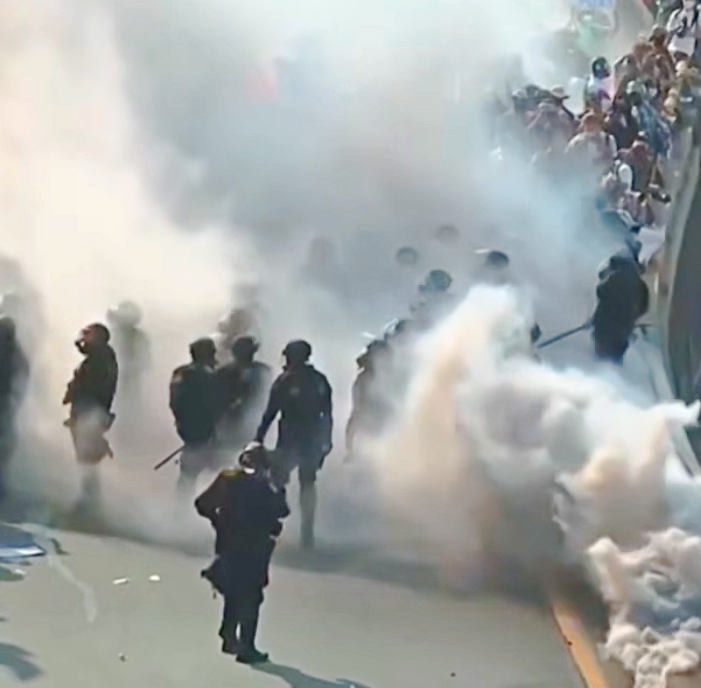
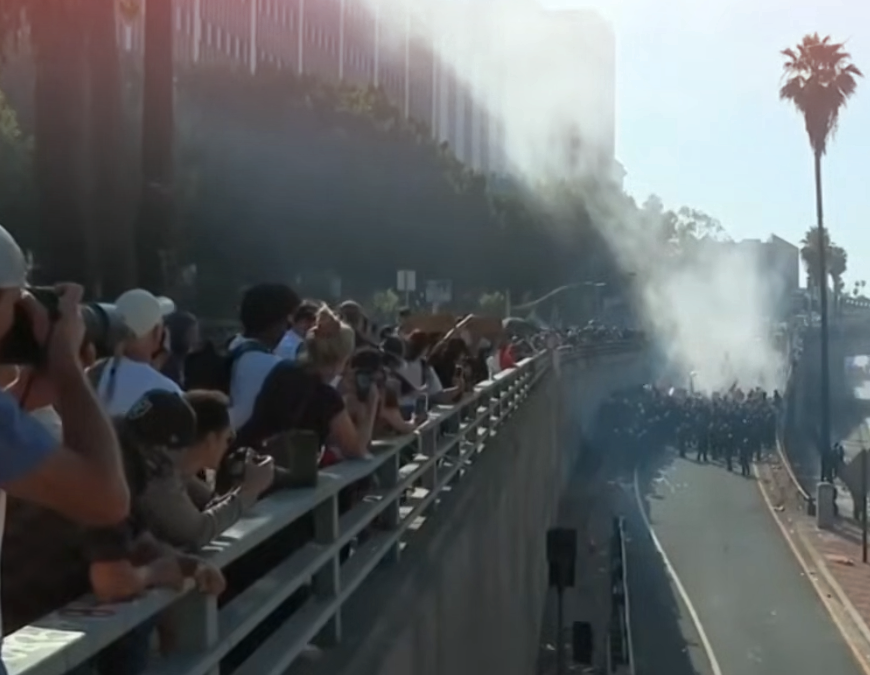
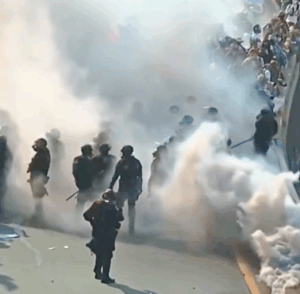
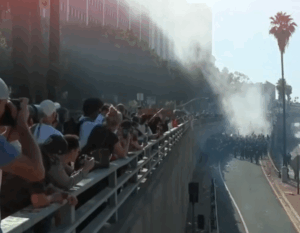
The unfolding events in Los Angeles after Donald Trump called up the National Guard in violation of federal law and his threat to invoke the Insurrection Act are but his latest assault on democracy and the Constitution. Lawyers, social justice organizations, and watchdog groups are fighting back in over 245 lawsuits against the Trump administration winning over 180 injunctions. Last Saturday, thousands of NO KINGS rallies were held in every state of the Union.
But many are asking: Where is the Democratic Party in all this? Opinion surveys show the public is not impressed with Democratic leadership. What are Democrats in Congress and in state governments doing to oppose Trump and offer the American people an alternative? And what more should they be doing?
Guest – Alan Minsky, the Executive Director of Progressive Democrats of America (PDA). Previously, Alan was the longtime Program Director at KPFK Radio Los Angeles and the coordinator of Pacifica Radio’s national political coverage. Progressive Democrats of America was founded in 2004 to transform the Democratic Party and our country. PDA seeks to build a party and government controlled by citizens, not monied interests, with policies that serve the public and the planet. PDA is proud to say that they transformed American politics by successfully drafting Bernie Sanders to run for President as a Democrat in 2016.
—-
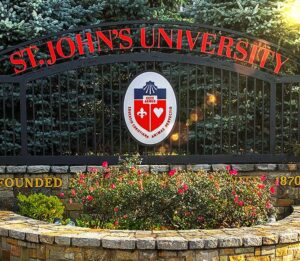

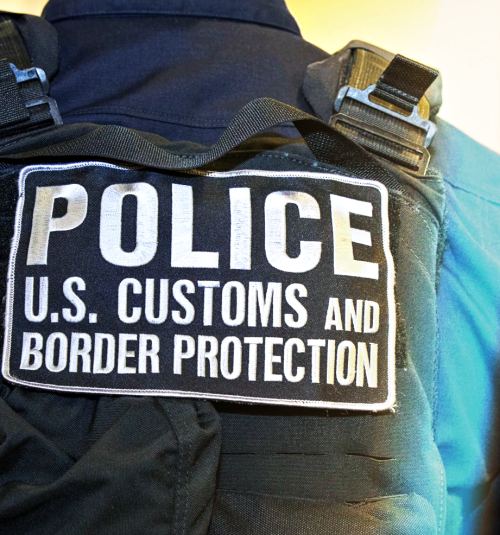
Protests Erupt Over University and U.S. Customs and Border Protection Partnership
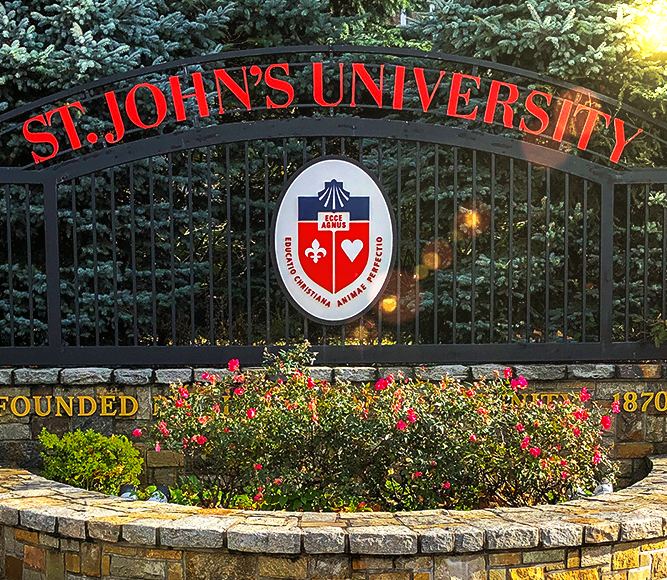
A controversy is brewing at St. John’s University in Queens in New York—an institution known for its Catholic and Vincentian mission to serve the poor, the immigrant, and the marginalized. A recently announced partnership between the university and U.S. Customs and Border Protection (CBP) has sparked backlash among faculty, students, alumni, and human rights advocates. In dispute is a new Institute for Border Security and Intelligence Studies, a training center for homeland security professionals created in collaboration with CBP’s New York Field Office.
Since the announcement, more than 900 members of the St. John’s community have signed a petition calling for the immediate termination of the partnership. They contend that working with an agency accused of human rights violations—notably against immigrants and communities of color—is in opposition to the university’s core religious and moral code. The petition to university leadership, notes concerns about academic freedom, the safety of immigrant students and faculty, and the ethical implications of normalizing CBP practices on campus.
Like any controversy, there are many angles. Supporters of the partnership cite the benefits of real world training and federal job opportunities. However, our guest today will tell us about potential downsides.
Guest – Professor Gary Mongiovi’s main area of specialization is the history of economic ideas, particularly those of John Maynard KAYnes and Karl Marx, and non-mainstream approaches in economics. Recently he has been working on the ideological role that economics plays in society. He has been a member of the editorial board of the Review of Radical Political Economics since 1994. His writings have appeared in the Cambridge Journal of Economics, Catalyst, Critical Sociology, Social Research, Metroeconomica, and The Nation.
———————