CIA Sponsored Terror, Civil Liberties, Criminalizing Dissent, Human Rights, Supreme Court, Truth to Power
Podcast: Play in new window | Download
—-
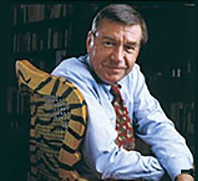
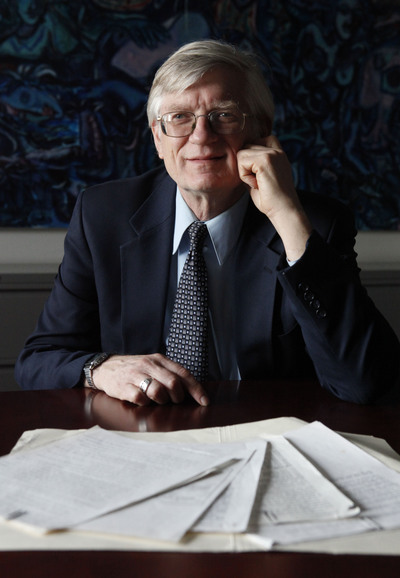
Attorney Michael Tigar: Sensing Justice
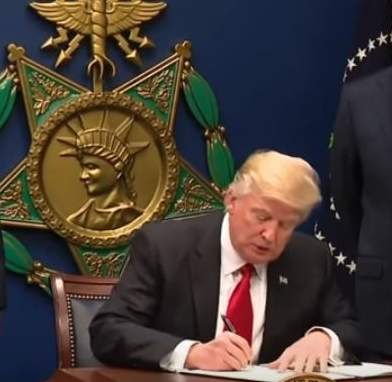
Democracy and the rule of law have been in decline long before the Trump administration came at the office. The decline is accelerating. We can trace it back at least 19 years to the terrorist attack on the World Trade Center. The Patriot Act resulted and put in place the surveillance state making Americans the most spied on people in history.
The Supreme Court decision in Citizens United allowed for dark money guided by the right wing Federalist Society to pack the federal judiciary with 200+ Trump appointed right wing judges, Amy Comey Barrett being the latest. Local police forces have been militarized and we have seen the results of this in the Black Lives Matter uprisings since June.
The attack on democracy has been bipartisan. The Obama administration claimed the right to assassinate anyone without due process including American citizens, even children. They put more whistleblowers in prison than ever before. Trump initiated the unprecedented prosecution of Julian Assange, a whistleblowing publisher who exposed US war crimes. Now Trump, with the backing of the Republican Party and gun toting militias have promised not to honor the results of the upcoming election if he loses.
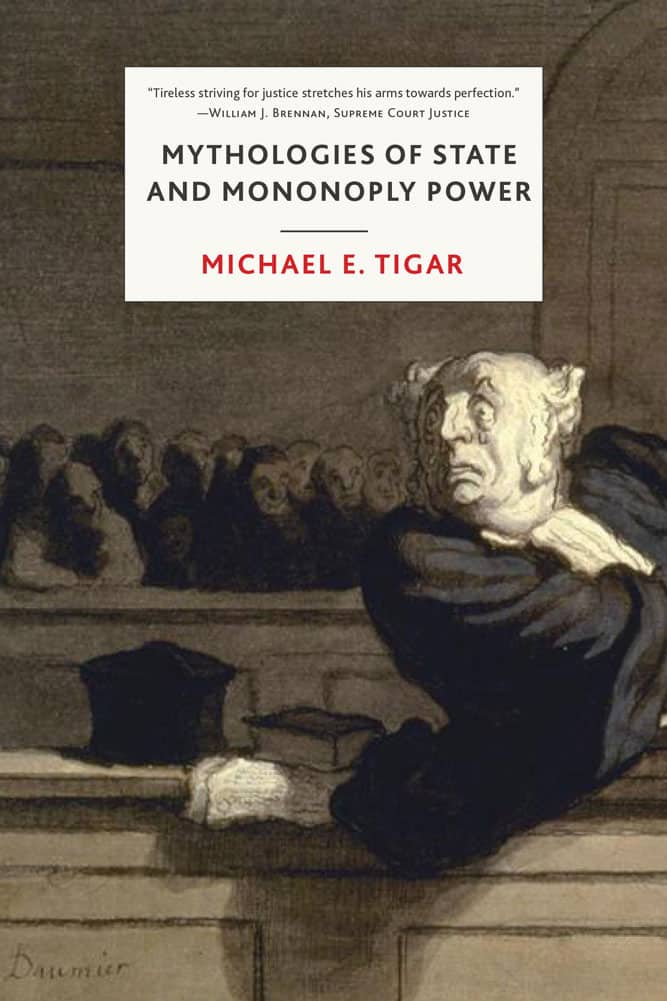
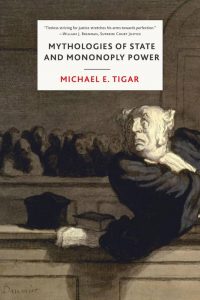
Guest – Constitutional attorney Michael Tigar, professor emeritus from The Washington College of Law and has taught at the University of Texas and Duke University. He is the author of Mythologies of State and Monopoly Power. He has practice before the Supreme Court, arguing his first case when he was 24 years old. Tigar has written or edited more than a dozen of important books including “Law and the Rise of Capitalism.“ Since 1996 he has practiced law with his wife Jane B. Tigar. Michael Tigar’s blog Tigarbytes.
—-
The Chicago Seven: Attorney Bill Kunstler At Carolines Comedy Club
We hear part of the presentation by William Kunstler at Carolines Comedy Club in 1995.
———————————————–
———————————————–
CIA Sponsored Terror, Civil Liberties, Human Rights, Supreme Court, Truth to Power
Podcast: Play in new window | Download
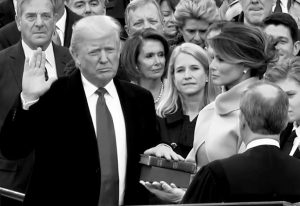
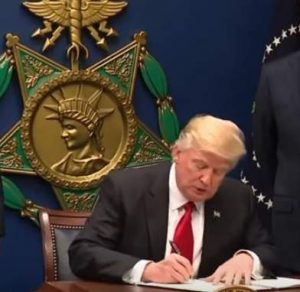
Socialist Perspective of Pre-Election Society In The United States
The word “chaos” best describes the current American public health, economic, race, and political situation. America leads the world in the number of COVID-19 cases and in the number of deaths which are now approaching 200,000. President Trump lies when he promises the quick development of a vaccine. He attacks the head of the Center for Disease Control and advises not to wear masks and leads huge rallies of maskless supporters.
The economy is a disaster. Perhaps 20 million people are unemployed. Small businesses are shuttered. The economic stimulus package has run out. Millions face eviction. Hunger is rampant especially among children. Democracy and rule of law are being trashed.
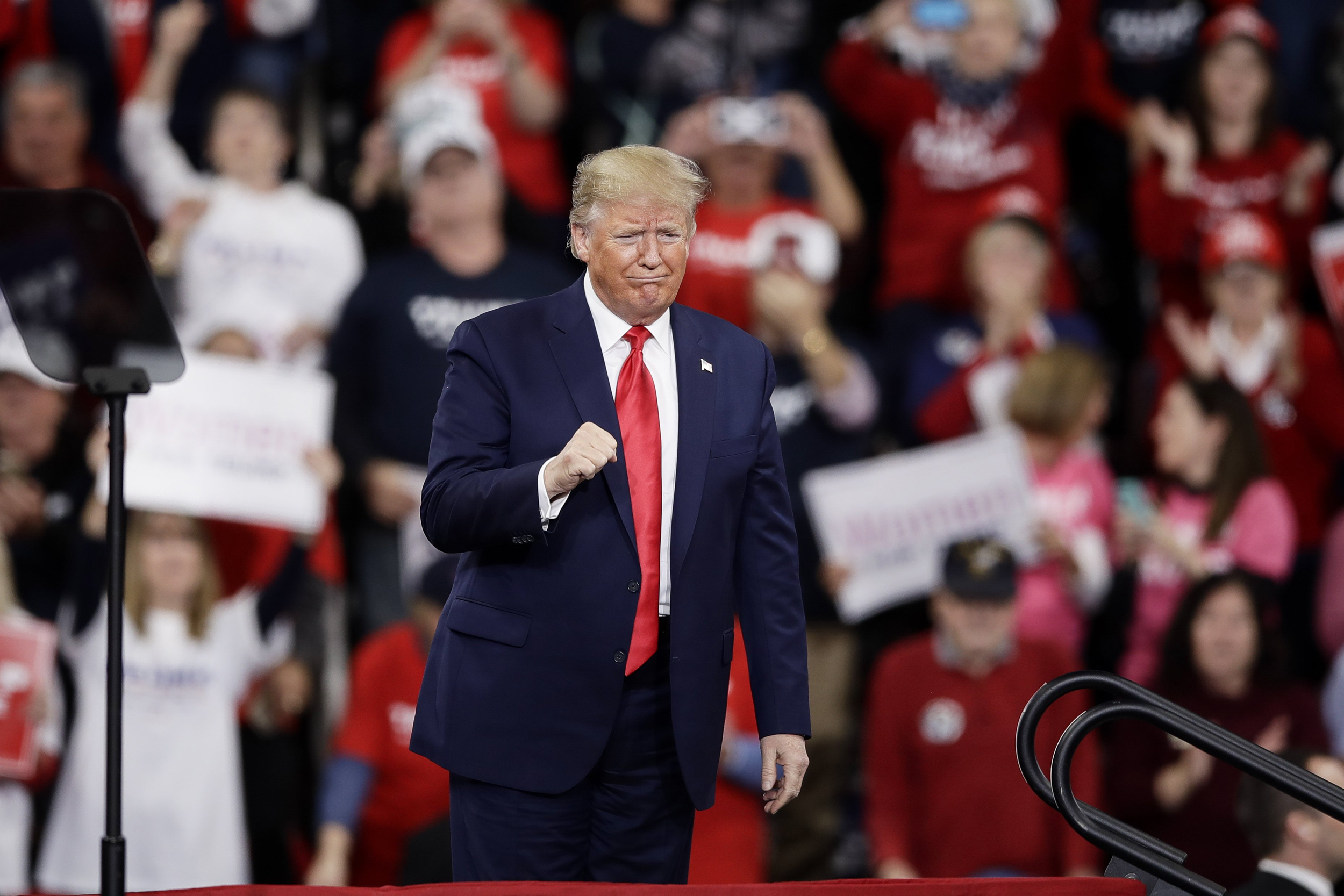
President Trump has cast doubt on the efficacy of the upcoming election first suggesting that it be postponed, then advising his supporters to vote twice, and assuring people that unless he won the election would be fraudulent. He has indicated that if he loses the election he will not vacate the White House in January 20, 2021.
Despite the unprecedented mass demonstrations of perhaps 20 million people in the streets since June, cops continue to murder people, especially black people, with impunity. The Republican convention put forward no platform to address the catastrophe. President Trump spoke at all for nights presenting himself as the solution for all of America’s problems.
The best that could be said about Joe Biden is that he’s not Trump. He has run a lackluster campaign and now finds himself neck and neck with Trump who got 60 million votes in the last election and whose popularity seems undiminished.
Guest – Doug Henwood, an economic, finance, and political analyst. He is host of the radio show Behind the News. He is a contributor to Jacobin magazine and a contributing editor to the Nation magazine. His latest book on Hillary Clinton is called My Turn.
—-
President Trump And The 2020 Election
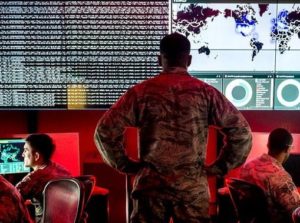
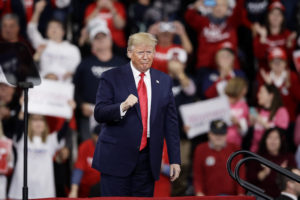
What if President Donald Trump is voted out of office on November 3, 2020 but on January 20, 2021 when he is scheduled to vacate the White House he refuses to go. His lawyer and fixer Michael Cohen predicted this in his congressional testimony before he went off to prison.
President Trump is already casting doubt on the legitimacy of the election which is less than two months away. He says there will be massive voter fraud, that absentee balloting, which will be widely prevalent because of the Covid crisis, is easily open the fraud.
Can Trump send federal troops to Washington DC, or other cities? Can he deploy the National Guard of the various states? Can he suspend habeas corpus, arbitrarily detained people, or declare martial law? Can he investigate opponents, freeze their assets, control communications, initiate a foreign crisis, or get help from attorney general William Barr? What can we do about it?
Guest – Attorney Marjorie Cohn, the past president of the National Lawyers Guild and former professor at the Thomas Jefferson School of Law in San Diego.
—————————–
—————————–
CIA Sponsored Terror, Civil Liberties, Criminalizing Dissent, Human Rights, Political Prisoner, Supreme Court, Surveillance, Truth to Power, War Resister
Podcast: Play in new window | Download
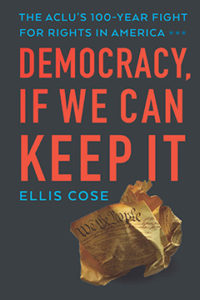
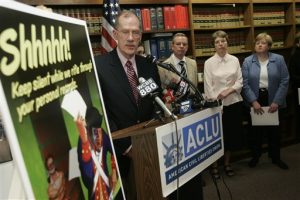
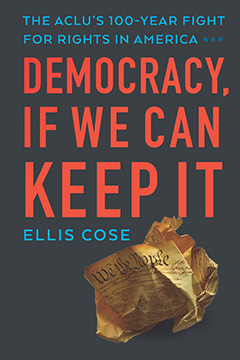
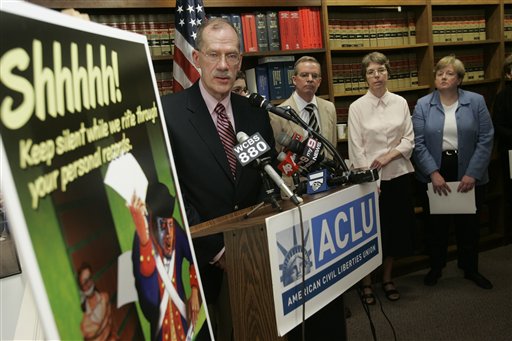
Democracy, If We Can Keep Keep It: The ACLU’s 100 Year Fight For Rights In America
The American Civil Liberties Union was formed 100 years ago in 1920 in a climate of fear in our country not unlike what exists today. Anarchists and socialists were scapegoated. They were rounded up, tried under the newly passed espionage act, and hundreds were deported or imprisoned, Eugene V Debs being the most prominent.
To mark a century of defense of the first amendment and the Bill of Rights, Ellis Close has written an important history of the ACLU titled Democracy, If We Can Keep Keep It: The ACLU’s 100 year fight for rights in America. The Los Angeles review of books recently featured an extensive appreciation of Closs’ book written by constitutional lawyer Stephen Rhode.
Guest – Attorney Stephen Rohde has been on the board of the southern California ACLU over 25 years. He has taught constitutional law and has written a number of books on civil liberties.
—-

Dakota Access Pipeline: Update
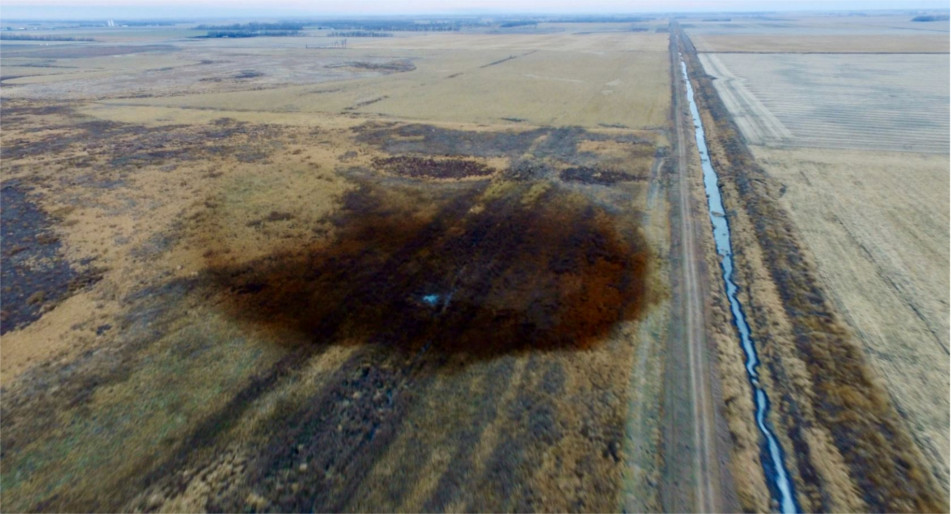
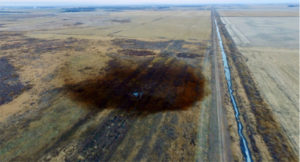
July has been a legal roller coaster ride with respect to efforts to shut down the Dakota Access and Keystone XL Pipelines. First, a judge invalidated federal permits saying that the Army Corps of Engineers failed to address the potential damage from oil spills in the Dakota pipeline. He ordered the company Energy Transfer to stop pumping crude oil through South Dakota. On the heels of that order, a federal appellate court temporarily blocked that shutdown.
As for KXL, which would carry tar sands oil from Alberta Canada through Montana and South Dakota before reaching Nebraska, the Supreme Court in early July rejected the Trump administration’s request to allow construction of the KXL Pipeline by TC Energy. A Montana court ruling halting construction therefore still stands.
As listeners will recall, protesters and lawsuits against both pipelines cite the devastation that pipeline leaks would cause to the environment. In the case of tar sands oil, it is thicker, highly volatile, and more corrosive than conventional crude oil. This increases the likelihood of a leak. That renders it far more difficult, if not impossible, to clean up such a spill.
https://www.wecaninternational.org/divest-invest-protect
Guest – Attorney Natali Segovia is the Staff Attorney for the Water Protector Legal Collective – the organization that grew out of the legal tent at Oceti Sakowin camp in the Standing Rock resistance to the Dakota Access Pipeline. She chairs the Indigenous Peoples’ Rights Committee of the National Lawyers Guild and serves on the Board of Directors of the Alliance for Global Justice. She also serves on the Indian Law Section Executive Council of the Arizona State Bar.
———————————–
———————————–
CIA Sponsored Terror, Civil Liberties, Criminalizing Dissent, Human Rights, Political Prisoner, Prison Industry, Supreme Court, Surveillance, Torture, Truth to Power
Podcast: Play in new window | Download
Attorney Marjorie Cohn: Trump, Assange, Democracy And Rule of Law
Without democracy and the rule of law there can be no significant social change. However, much democracy was constricted by race and class before the attacks on September 11, 2001 and before Trump, democracy and the rule of law are now facing lethal attacks on many fronts.
Trump has successfully put 198 young, reactionary, and some ignorant judges on the federal bench. He has illegally called out troops to violently disperse peaceful protesters in the park in front of the White House. Trump has threatened the personnel of the International Criminal Court who are attempting to investigate US war crimes in Iraq and Afghanistan. These include the crime of torture. These crimes, perpetrated under the Bush administration, went unprosecuted by President Obama who infamously said “we must look forward not backward.”
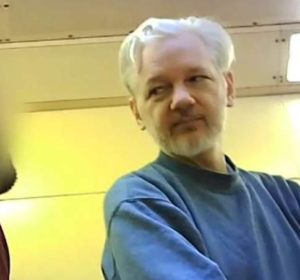
Trump’s Justice Department is pursuing and attempting to extradite truth telling whistle blowing journalist Julian Assange who 10 years ago released the “collateral murder” video showing the commission of American war crimes in Iraq, among other embarrassing information. Assange is confined in London’s Belmarsh prison. He is sick, in solitary, and has been psychologically tortured. He faces 175 years in prison in the United States if convicted under the old Espionage Act for activities protected by the first amendment.
Guest – Attorney Marjorie Cohn, professor emerita at the Thomas Jefferson School of Law where she taught for 25 years. She is a former president of the National Lawyers Guild, a criminal defense attorney, a legal scholar, and a political analyst. She writes books and articles and lectures throughout the world about human rights, US foreign policy, and the contradiction between the two. She has testified before Congress and debated at the prestigious Oxford Union.
——————————-
——————————-
CIA Sponsored Terror, Civil Liberties, Human Rights, NSA Spying, Political Prisoner, Prison Industry, Supreme Court, Surveillance, Truth to Power
Podcast: Play in new window | Download
Police Unions Are Racist Power Brokers in Opposition to Movement for Black Lives
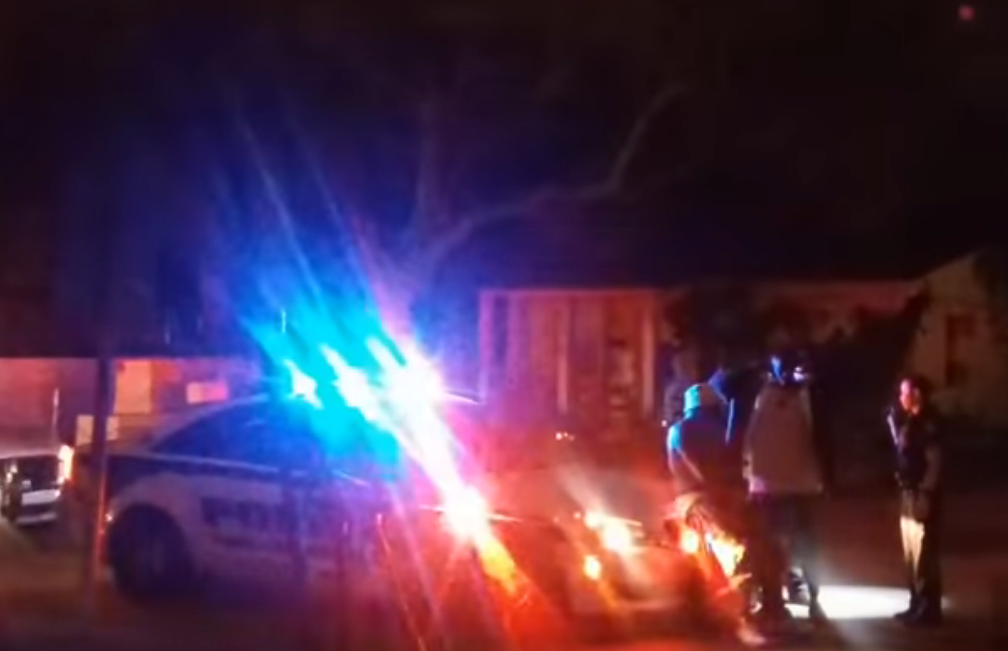
When they commit violence against civilians, abusive police in the United States are protected in various ways. The power elite, whose property police protect, have given them almost complete legal immunity from successful lawsuits for damages under the doctrine of qualified immunity. When a cop has illegally hurt someone he or she can count on what’s known as – the blue wall of silence – knowing that a fellow officer will not contradict their defense.
What is the role of police unions regarding the protection of police who have abused and even murdered citizens? Police unions act as power brokers in opposition to the rights of victimized citizens. They provide legal defense funds, public relations, and political pressure in defense of abusive cops. And they are a very powerful force in these respects.
The US Congressman from Chicago Bobby Rush has recently said that the Chicago police union, the Fraternal Order of Police, is “the number one cause that prevents police accountability, that protects police corruption, that protects police lawlessness. They are the organized guardians of continuous police lawlessness, police murder, and police brutality. They are the most rabid, racist body of criminal lawlessness in the land and stand shoulder to shoulder with the KKK then and the KKK now.”
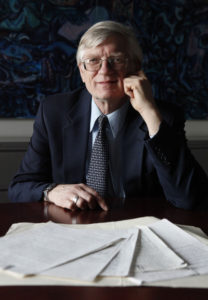
Guest – Attorney G. Flint Taylor is a founding partner of the People Law Office in Chicago starting out over 50 years ago representing the family of Black Panther leader Fred Hampton, Who was assassinated by the Chicago Police Department with the help of the FBI. He has represented numerous police torture survivors during the past 33 years. Taylor was one of the lawyers involved in the struggle for reparations and has chronicled the decade long fight against Chicago police torture in his award-winning book “The Torture Machine : Racism and Violence in Chicago.
—-
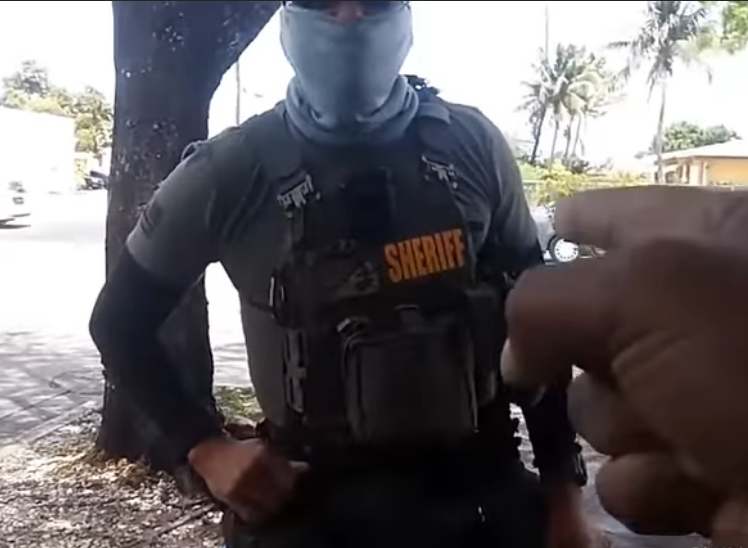
First Amendment Auditor: Big Nick South Florida Accountability
Most of the populace, some police officers and federal employees may not realize that its every photographers right to take photos and video of federal buildings on public property. The easing of restrictions began when the New York Civil Liberties Union had looked into several cases of people who were wrongly harassed, detained and arrested by federal agents while photographing or shooting video of federal buildings from public plazas and sidewalks.
In 2010, the NYCLU brought a suit against the US Department of Homeland Security in federal court to end this practice. In October of 2010, a judge actually signed a settlement where the US government agreed that no federal statures or regulations bar people from photographing the exterior of federal buildings.
The US government agreed to issue a directive to members of the Federal Protective Service on photographer’s rights. A decade later, the rights attained in this decision are recently being put to the test in what’s known as First Amendment audits.
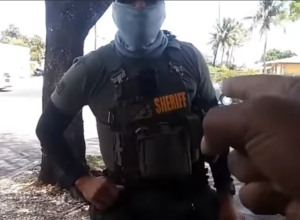
Guest – Nick Freeman – First Amendment Auditor with millions in view counts joins us to talk about his work in Fort Lauderdale being part of a long emerging trend to educate local law enforcement about the right to photography and subsequent issues such as police accountability.
——————————-
——————————-
CIA Sponsored Terror, Civil Liberties, Criminalizing Dissent, Human Rights, Prison Industry, Supreme Court, Surveillance, Truth to Power
Podcast: Play in new window | Download
Update: U.S. Judge Sides With Chevron, Blocks $9.5 Billion Judgement
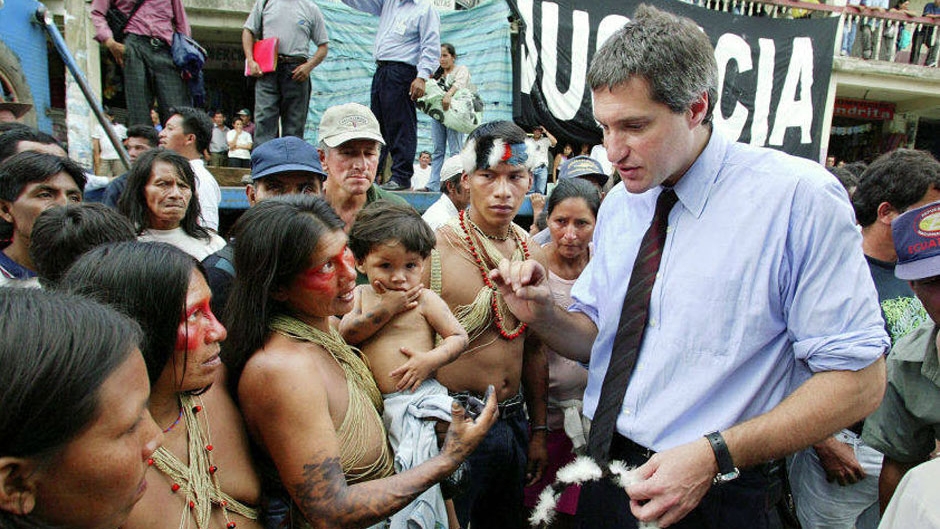
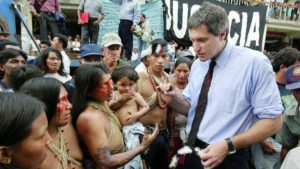
What the Chevron oil company is doing to environmental and human rights attorney Steven Donziger is a cautionary tale. Donziger has been under house arrest in New York City wearing an ankle bracelet for the last 10 months. He’s charged with contempt of court for refusing to turn over confidential material on his computer to Chevron’s lawyers. He. goes to trial in September where he is likely to be convicted by a hostile judge.
Donzinger bravely and skillfully succeeded in obtaining a 9 1/2 billion dollar judgment against Chevron. This oil giant company is the epitome of a ruling class institution with its origins in the Rockefeller family. Chevron bought Texaco, which had polluted an area the size of Rhode Island in the Ecuadorian Amazon region. The indigenous people there are plagued with cancer. Five tribes are affected. It’ll cost at least 9 billion to clean up the area. Chevron refuses to pay it and instead has spent over $2 billion in resisting the lawsuit and victimizing Donziger.
Top Federal Judge Louis A. Kaplan of New York‘s Southern District has presided over the case in America where Donziger is seeking to enforce the judgment.
Judge Kaplan has shown pronounced favoritism towards Chevron throughout the progress of the case. Kaplan made public comments about Chevron’s importance to the global economy, expressed skepticism about the Ecuadorian judgment due to what he called the “socialist government” of Raphael Correa, and held investments in multiple funds with Chevron holdings at the time of his rulings.
The Chevron case is the most important environmental and corporate responsibility case of our time.
DonzigerDefense.com
ChevronToxico.com
ChevronInEcuador.com
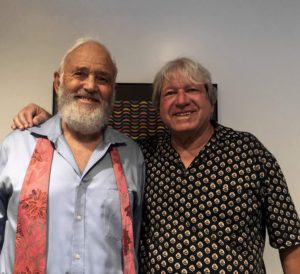
Guest – Attorney Martin Garbus, one of three pro bono lawyers representing Donziger in an attempt to get his law license restored. Garbus has a long and distinguished career as a civil rights and first amendment litigator.
—-
The Cooperating Witness: Attorney Michael Avery
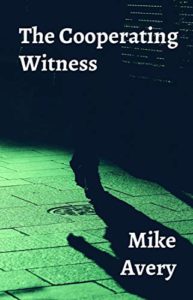
As summer begins in the time of COVID-19, many people are returning to or discovering the age-old pleasure of reading. With that in mind, Law & Disorder is delighted to recommend our first thriller read. One of our longtime legal expert guests, civil rights attorney Mike Avery, has written The Cooperating Witness. While Mike has been writing for decades, this is his first nonfiction book. As prestigious as are his other titles—one on the Federalist Society, others on legal topics such as the laws of evidence in Massachusetts—The Cooperating Witness is sure to have far greater appeal to our listeners.
The book starts by introducing readers to Susan Sorella, a law student at Suffolk Law School where Mike used to teach. From the start we learn that Susan is no ordinary student. As she waits on tables at her father’s restaurant in Boston’s North End, the head of the local mob pays her a surprise visit. He is just one of several shady characters Susan will encounter on her quest to help a jaded defense attorney save an innocent man charged with killing the mob’s accountant.
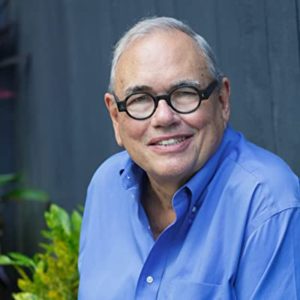
Guest – Mike Avery is a civil rights lawyer. He’s has defended victims of police abuse and racial and sexual discrimination in the last four decades. He has served as the President of the National Lawyers Guild, and the National Police Accountability Project. He co-authored The Federalist Society: How Conservatives Took the Law Back from Liberals, which we have covered on Law and Disorder.
——————————————
——————————————