Civil Liberties, Criminalizing Dissent, Guantanamo, Habeas Corpus, Human Rights, Surveillance, Truth to Power
Podcast: Play in new window | Download
Updates:
—
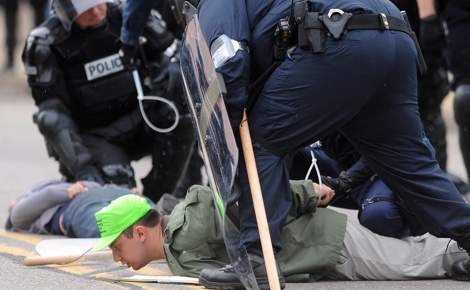
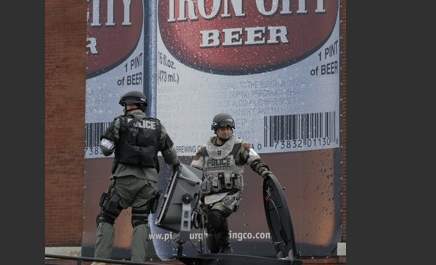
Pittsburgh’s Citizen Police Review Board Demands G20 Police Records, Faces Dismantling
Pittsburgh’s city council is worried that if the city’s Citizen Police Review Board are allowed to scrutinize secret records of officer conduct during the G-20 economic summit, more protesters will sue and possibly jeopardize a $20 million liability insurance policy the city bought before the International Summit last year. We could lose our homes over this,” said City Councilwoman Theresa Smith, chairwoman of the public safety committee.. “If we don’t have insurance, then it falls to us.” The Seeds of Peace Collective and Three Rivers Climate Convergence have filed a joint federal lawsuit against the city charging that police violated their First and 14th Amendment rights at two events. Meanwhile, city hall has started the nomination process to remove most of the members of the Pittsburgh Citizen Police Review Board.
Elizabeth Pittinger:
- The Pittsburgh Citizen Police Review Board does have subpoena power and when they initiated their inquiry last October, a general request of a number of documents to be turned over so we could begin the inquiry. The city resisted providing that information.
- In December the chair of the Citizen Police Review Board issued a subpoena demanding that police reports specified by number be turned over in addition to operational material and documents.
- On March 18, the courts issued an order directing the city to provide the documents. They finally gave us a stack of more than 300 pages of police reports that were so heavily redacted they were substantively illegible.
- We went back to court seeking that they would have to provide the information in an un-redacted form and that has led to this controversy with city council.
- The Pittsburgh City Council is coming forward with a document called “the will of council” urging the police review board to slow down its inquiry.
- What has happened now is that the request of these G20 documents is really the vehicle that the city has now created to challenge the board’s right of access to any document.
- Protesters hit with OC Vapor – Invisible Vaporized Pepper Spray
Guest – Elizabeth Pittinger, the Executive Director of the Pittsburgh Citizen Police Review Board.
——–
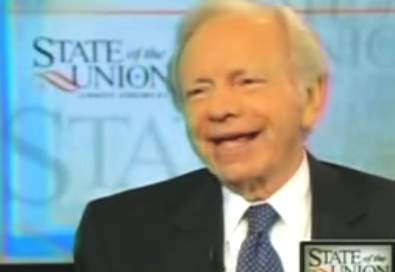
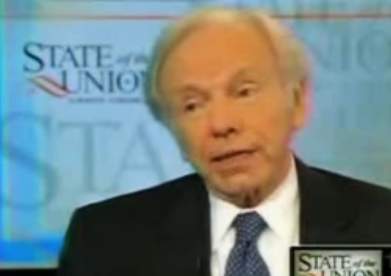
“Cyber War” Creates Need For Internet “Kill Switch”
Senator Lieberman and Senator Susan Collins have the attention of civil liberties and privacy experts as they craft a bill that would allow the take over of the civilian internet network during an emergency. After initial outcry, Senator Lieberman told the media, the Internet Kill Switch bill is a matter of national security, and a kill switch is needed to disconnect immediately from a foreign nation in case of an attack. He continues, “Right now, China, the government, can disconnect parts of its Internet in a case of war. We need to have that here too,” Protecting Cyberspace as a National Asset Act of 2010 is the name of the bill, and supporters argue that it is not a kill switch, but a way to divert traffic away from another country. It is added that the President already has broad powers to shut off any and all regulated telecommunications in the 1934 Telecommunications Act.
Tracy Rosenberg:
- I think its clear by the way the bill is currently written, the president could target political groups, but that’s not the intent of the bill. It doesn’t mean it couldn’t be used in that fashion. The information sharing is quite similar to what happened after 9/11. It potentially creates a situation where corporate providers basically rat out parties at the instructions of the government. That could certainly be directed at political viewpoints.
- Internet sites could potentially be shut down. Information about who is posting to them, who is reading them and who owns them will become the property of the federal government.
- Another motivation behind the bill – Litigation and liability protection for internet companies.
- Internet use in China is considerably compromised
Guest – Tracy Rosenberg, Executive Director of Media Alliance since 2007. She has organized and advocated for a free, accountable and accessible media system,focusing on the protection and sustainability of alternative media outlets from Pacifica Radio to low-power FM, public access and Indymedia, monitored the mainstream media for accuracy and fair representation and facilitated the training of numerous nonprofit organizations and citizen’s groups in effective communications.
—–
A Dark Day For Human Rights
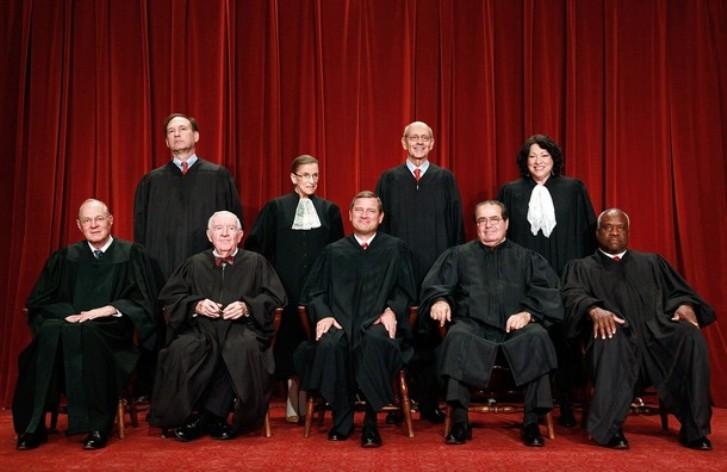
The Supreme Court’s decision to preserve a vague prohibition on aiding and associating with terrorist groups severely reduced the First Amendment rights of American citizens. The decision could have serious impact on lawyers, journalists and academics who represent or study terrorist groups. The new decision came from a case by the Humanitarian Law Project that challenged the law of prohibiting “material support” to terror groups. The law projected wanted to provide advice to two terrorist groups on how to peacefully resolve their disputes with the United Nations and International Law. The Supreme Court ruled that the peaceful assistance is aiding terrorism.
Shane Kadidal:
- A number of Justices were skeptical about the ways this law may be applied to journalists, to lawyers representing unpopular clients. “Speech discouraging violence can be banned under the First Amendment.”
- Solicitor General Kagan was asked if a lawyer is entitled to represent someone on the FTO list.
- Foreign Terrorist Organization List.
- Kagan says if you have some Constitutional right to be in court then the statutes should be interpreted in a way to allow the lawyer to represent someone in those circumstances.
- If you think about it, it took the Guantanamo lawyers 7 years to establish if there was a Constitutional right to challenge your detention if you’re a non-citizen.
- Kagan is saying that lawyers were taking their chances to represent Guantanamo lawyers in the first place.
- Lynn Cheney’s group : Keep America Safe.
- You couldn’t send books on Federalism to the Tigers of Tamil Eelam who are on the FTO list.
- The law defines material support to be more than tangible things like guns, and money but also things like personal services, expert advice and assistance. Those terms are so broad.
- (Treating a wounded person with your medical skills) Humanitarian aid during crisis at risk.
- That’s one of the fundamental problems with vague statutes. They give too much discretion to law enforcement, if everything is prohibited than law enforcement is going to be selective on who they choose to prosecute. The government likes that. Greenpeace would easily qualify.
- President Clinton was the first to use this law directed at whole nations such as Nazi Germany or Cuba and instead direct them at political organizations.
- The government has used this law 150 times since 9/11. Statute of limitations of 8 years.
Guest – Shane Kadidal senior managing attorney of the Guantánamo Global Justice Initiative at the Center for Constitutional Rights in New York City. He is a graduate of the Yale Law School and a former law clerk to Judge Kermit Lipez of the United States Court of Appeals for the First Circuit.
————————————————————————
Afghanistan War, Civil Liberties, Habeas Corpus, Human Rights, Surveillance, Targeting Muslims, Torture, Truth to Power
Podcast: Play in new window | Download

No End In Sight, Number One In War
What will you remember on Memorial Day? US law officially proclaims Memorial Day “as a day of prayer for permanent peace.” – However, the US is much closer to permanent war than permanent peace – writes Bill Quigley, legal director of the Center for Constitutional Rights in his recent article titled No End In Sight, Number One In War. The article outlines, the rising costs of war, the damage to country and who reaping massive profits. At what point do we begin to transition to permanent peace?
Bill Quigley:
- Yes, politicians are making hay from the permanent war, but there’s also a lot of people who are making an awful lot of money from the US military.
- We discount the role they’re playing, in keeping the US constantly fearful and preparing for and perpetrating war in every place across the globe.
- This is something that people are afraid to talk about.
- The “Axis of Evil” spends less than one percent of what the US spends. This coming year the US will spend 708 billion dollars on war and another $125 billion for Veterans Affairs.
- Al-Qaeda spends less than one percent of one percent of what the US spends.
- You have to ask yourself “why?” Why are people in the United States more afraid than anybody in the whole world? Fanning the flames of fear. Behind the scenes are huge corporations that are making billions of dollars.
- We talk about Blackwater, but there are a couple corporations that dwarf Blackwater.
- Lockheed Martin, a huge corporation that runs almost entirely on tax payer money. 140 thousand employees.
- A corporation totally reliant on the United States Congress. You spend 125 thousand lobbying Congress and Congress doesn’t get some benefit from that.
- The US is spending 10 times more on the military than China. Who is calling for accountability on this spending?
Guest – Bill Quigley. Bill is the Legal Director for the Center for Constitutional Rights, a national legal and educational organization dedicated to advancing and defending the rights guaranteed by the United States Constitution and the Universal Declaration of Human Rights. Bill joined CCR on sabbatical from his position as law professor and Director of the Law Clinic and the Gillis Long Poverty Law Center at Loyola University New Orleans. He has been an active public interest lawyer since 1977.
—

End The Korean War
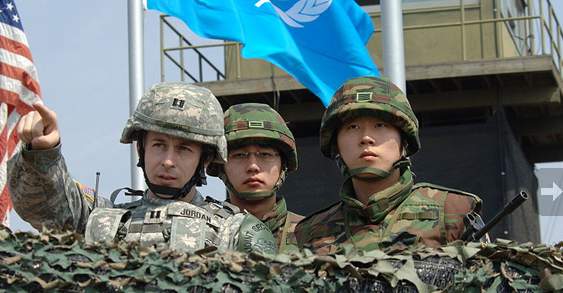
Hosts get an update on the uneasy tensions between North and South Korea. A multinational investigation concluded last week that a North Korean submarine had torpedoed the 1200 ton warship called the Cheonan back in March killing 45 people. North Korea denies involvement in the sinking, South Korean defense ministry denies that any of its ships had crossed “Northern Limit Line.” Meanwhile, the threat of sanctions against the already oppressed North Korean population escalate. South Korea and the Obama administration have agreed to initiate joint anti-submarine military exercises near North Korean border. Right now, there are almost 29,000 U.S. troops in South Korea.
Eric Sirotkin:
- When you look into the history of the conflict, and we are still technically at war, as an armistice doesn’t technically end a war only stops the shooting.
- These kind of incidences occur because you don’t have a peace regimen to fall back on.
- There is a very conservative South Korean government. Very hawkish toward the North
- The intitial report of them torpedoing the boat, there are a lot of questions, there are people who are writing about Tonkin Bay, and thinking about.
- You have a choice to march toward war or go toward peace.
- The United States at this point is ramping up the rhetoric.
- Before this situation with the South and the North, we had a lot more exchanges and things were going in a positive direction. If you think there’s no exit strategy after Iraq, look at Korea, sixty years later.
- We’re working with a campaign to end the Korean War.
Guest – Attorney Eric Sirotkin, is a member of the National Lawyers Guild and helped found Korean Peace Project. Eric Sirotkin, the founder and Director of Ubuntuworks, LLC mixes his experience as a human rights lawyer, film producer, author and peacemaker. Over the years his peacemaking activities have taken him around the world, including India, Peru, Cuba, South Africa, Japan, North and South Korea, France, Netherlands, Canada and China. He contributed to dialogue on the new Constitution in South Africa, was a UN sponsored election observer at President Mandela’s election and coordinated an international monitoring Project of the South African Truth and Reconciliation Commission.
——

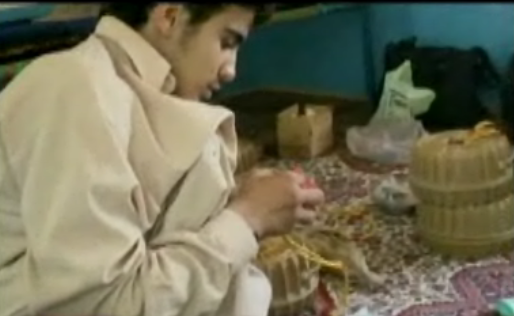
Omar Khadr, First Military Commission Trial Under Obama
Last week the first military tribunal opened under the Obama administration. It is the case of Omar Khadr, the Canadian citizen, military prosecutors say that Omar Kadr threw a grenade that killed a US Special Forces medic in Afghanistan and helped build roadside bombs to use against American soldiers. We look at why the Obama Administration is putting a detainee on trial who was 15 when he was captured and whether the self – incriminating statements he has made can be used as evidence. Unless the Prime Minister acts to request repatriation, Khadr could face conviction by a jury of U.S. military officers based on evidence extracted by torture.
Attorney Jonathan Hafetz:
- International law is very clear on how you treat child soldiers. In 2001, military commissions were struck down by the Supreme Court, in 2006 in the Hamdan Case, Congress created them again.
- The hope was that Obama was going to close this chapter and end military commissions.
- Obama suspended military commissions for 4 months and brought it back.
- You have huge issues in Khadr’s case. He was a child soldier. He was accused of killing an American soldier in a fire fight. Number one, the US doesn’t seem to have any credible evidence not derived from torture or other abuse that Khadr actually killed the serviceman.
- Even if they had evidence that Khadr was responsible for the death of this serviceman, it’s not a war crime. It’s part of war but not a war crime. The US government’s theory of war is totally distorted.
- On the day of the first war crimes trial of a juvenile in US history, the day its starts and new rules are handed out, I don’t think they had enough copies to give to all the council.
Guest – Jonathan Hafetz, attorney with the ACLU’s National Security Project.
——————————————————
Civil Liberties, Habeas Corpus, Human Rights, Prosecution of the Bush Administration, Surveillance, Targeting Muslims, Truth to Power
Podcast: Play in new window | Download
Updates:
—-

Update on BP Oil Disaster in the Gulf of Mexico
There are reports that nearly 200 thousand gallons of crude oil is spilling into the Gulf of Mexico each day as engineers work to cap the well head. Meanwhile an oil dispersant is deployed on the water surface to break up the oil slick before it reaches sensitive estuaries and shoreline. On the edge of what human engineering can accomplish, BP says it would use a giant, 100-ton dome-like device placed over the wellhead that might collect oil gushing out of the well.
Jackie Savitz:
- 200 thousand gallons per day, possibly 10 times more than that. It’s been gushing for almost 2 weeks.
- May take another week to stop, not guaranteed. Back up plan could take months.
- Gulf of Mexico: rich area biologically, a lot of our shellfish come from there. Many of the species that make their home in the Gulf are endangered, such as sea turtles, North Atlantic Right Whale, Bluefin Tuna, Snapper, Grouper
- In many cases, these animals are using the Gulf as a nursery. We may never fully know the impacts on populations of these animals. Fishing ban.
- Why do they let companies like BP drill in these dangerous circumstances that can pose these types of impacts without a plan? The public was convinced on offshore drilling by 3 myths. 1. Lower the price of gas at pump. 2 Energy Independence. 3. Drilling was safe.
- Why would we let these companies gamble with our lifestyle with no actual return.
- We’re looking at a potential reset moment. Politicians respond to public sentiment.
- We’re working toward a ban on exploratory drilling. This was an exploratory well.
Guest – Jackie Savitz, Senior Campaign Director for Oceana’s Pollution Campaigns. Savitz has shaped and led campaigns and projects dealing with global warming pollution from ships, mercury contamination of fish, and cruise ship pollution among other issues. Savitz has a background in marine biology and environmental toxicology combined with more than fifteen years of policy analysis experience through which she has developed expertise on a variety of pollution issues involving toxic contamination, water pollution and air pollution
————
ICE Media Spin / Immigration Law Movement
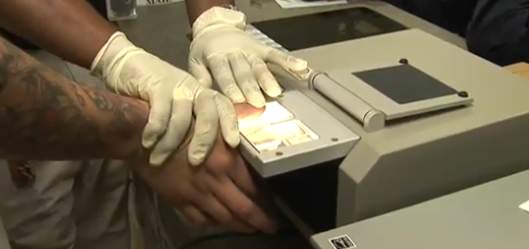
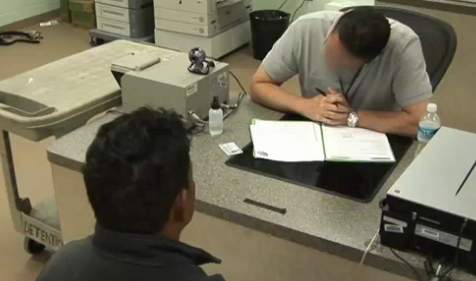
Center for Constitutional Rights staff attorney, Sunita Patel joins us today to give an update on the recent six-page internal memo from United States Immigration and Customs Enforcement (ICE) that was leaked to the press. The memo was a response to civil rights groups Uncovering the Truth on ICE and Police Collaboration, but specifically aiming at their campaign of week long rallies in 14 cities. The week of advocacy was launched on Tuesday in conjunction with a FOIA lawsuit filed in the Southern District of New York by the National Day Laborer Organizing Network, the Center for Constitutional Rights and the Immigration Justice Clinic of Benjamin Cardozo School of Law to demand records relating to the Secure Communities program.
Sunita Patel:
- ICE launches media offensive against community organizations. Exposed: DHS plans to publish Op Eds by the head of ICE.
- DHS interface with local law enforcement – incentives to racial profile to determine status that could lead to: Non citizens to stay in jail even if there is police misconduct or unlawful arrest
- We want more information so communities can make reasonable decisions.
- FOIA lawsuit requests information on “Secure Communities” Program, a finger printing system operating inside jails. To be deployed to all jails in US by 2013.
- We want to stop these collaborations with local law enforcements, they make the community less safe and less secure.
Guest – Sunita Patel, Center for Constitutional Rights Staff Attorney, she is involved with racial profiling, immigrant rights and other human rights litigation. Prior to her position at CCR, she held a Soros Justice Fellowship at The Legal Aid Society, Immigration Law Unit in New York where she represented immigrant detainees in removal proceedings and worked with criminal justice and human rights groups to create independent community oversight for detention operations through public accountability boards
———————
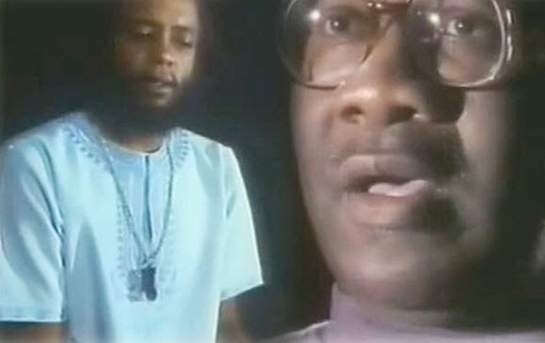
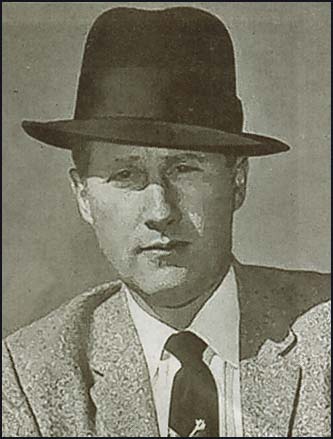
Omaha Two / Black Panthers
We talk today with Claus Walischewski, a representative of Amnesty International in Germany. Claus has been working with Amnesty International following and investigating the case of 2 former Black Panthers Ed Poindexter and Mondo we Langa (David Rice). The case is known as the Omaha 2. Amnesty International has found that the two men were unjustly convicted of murder and have been in prison since the 1970s. Amnesty has called for a retrial or release for these men.
Claus Walischewski:
- We don’t call them political prisoners because in the US you can have a fair trial.
- They were both Black Panthers in Omaha in the 1970s.
- The police answered a 9/11 call and went to a vacant building, there was a bomb in a suitcase, the police picked it up, it detonated, and the policeman was killed. The police thought it was the Black Panthers.
- Information that the FBI were working COINTELPRO in Omaha during this time.
- An individual named Dwayne Peak was arrested for the crime, and named the two Black Panthers.
- When he saw the 2 men and was asked if they were involved, he said “no.”
- The 9/11 call was not Dwayne Peak’s voice, it’s the voice of a much older man, not a 15 year old.
- Analysis has shown it’s not the same voice, still no re-trial. Caught and arrested in 1970, Poindexter 62, Mondo 67. I’ve visted them 10 years ago, they’re both very educated, no threat to anybody.
Guest – Claus Walischewski, a representative of Amnesty International
—————————————————
Civil Liberties, Human Rights, Prison Industry, Surveillance, Truth to Power
Podcast: Play in new window | Download
Updates:
—-
SB-1070 v. Human Rights
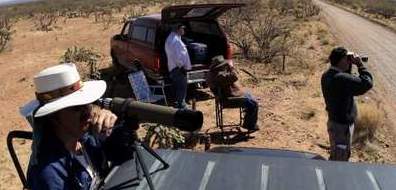
Today we get a perspective from the Arizona border on how the state’s new immigrant law will impact human rights. Many have expressed outrage at the state law that would force police to determine the immigration status of someone suspected of being an undocumented immigrant. Jennifer Allen, Executive Director of Border Action Network joins co-host Heidi Boghosian. Border Action Network was formed in 1999 and members work with immigrants and border communities in Southern Arizona to ensure human rights are respected, and human dignity upheld.
Jennifer Allen – Border Action Network:
- SB 1070 is a broad stroke, back door approach of enforcement of federal immigration laws.
- Other components of the legislation, include criminalizing day laborers and those who seek to hire them.
- Other provisions in the bill would require local cities, towns, agencies to save information about people’s immigration / citizenship status and then share that information with other agencies.
- Law enforcement being required, with lawsuits threatened against them, to ask people about their immigration status, based on their appearance. Indeed we do need a sensible immigration policy. We need borders that are safe, secure, orderly.
- If SB 1070 is not stopped in Arizona, it will surely spread throughout the country.
- SB 1070 fiscal analysis for 1 county in Arizona: would cost 10s of millions of dollars for trying to implement law.
- We’ve been calling on the Obama Administration to oppose this legislation.
- This law is a combination of six or seven pieces of legislation that the bill’s sponsor, Senator Russel Pierce has been trying to get through the Arizona legislature, the last 5 years.
- Targets of attrition, wearing people out so they leave Arizona.
- It’s not motivated by public safety and increasing security, it’s much more about pushing families out of the state of Arizona.
- A strong presence of white nationalists groups in Arizona. Minutemen style, state sponsored vigilante group – Border Security Commission Bill.
Guest – Jennifer Allen – Executive Director of Border Action Network
———

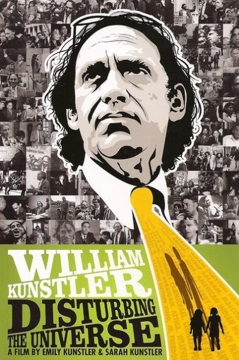
William Kunstler: Disturbing the Universe on DVD
We are excited to welcome back Sarah Kunstler, daughter of the late radical civil rights lawyer William Kunstler, and co-director of a biographical documentary about her father, titled William Kunstler: Disturbing the Universe. The movie is now available on DVD, with extras. In our last interview, Emily told us that it was frightening for us to share the film with the world. She says the first 10 times watching with the audience, she clenched fists, couldn’t even look. The movie is the work of 4 years, but really 30 years says Sarah. Since they were children, she and her sister have been collecting footage and material for the film.
The movie has been described as a sensitive, truthful and insightful film about a man who stood at the center of a confrontational movement and became the public spokesperson for communities standing up to injustice. The story of this radical attorney is told by his daughters in an intimate narrative, from the Chicago 7 to the Attica trials, then the American Indian Movement’s occupation of Wounded Knee.
Sarah Kunstler:
- We had a theatrical run in about 25 cities.
- Chicago 8, DVD Extra: What you hear is someone unafraid of being held in contempt, someone outraged by the treatment of his clients the court room is an intimidating place. He didn’t let the austere surroundings get to him.
- What I’ve learned since making the film, is my relationship with my father continues.
- When Emily and I started making this film, we thought it would be something we would be getting over.
- This film was written in pieces, it was a struggle, I didn’t know how to write around something or Emily and I would fight in how to say something.
- He seems that he was painfully aware that he was being followed from state to state. The FBI had been listening to his speeches and trying to indict him with trying to incite a riot.
- He makes a differentiation between picayune violence and real demonstration.
Guest – Sarah Kunstler, co-producer and attorney. Sarah Kunstler graduated from Yale University with a BA in Photography in 1998 and from Columbia Law School with a JD in 2004. She is currently a criminal defense attorney practicing in the Eastern and Southern Districts of New York. Emily, her sister is a film major and former video producer for Democracy Now. They recently won the L’Oreal Women of Worth Vision Award at the 2009 Sundance Film Festival and the Special Jury Prize for Best New Filmmakers at the Traverse City Film Festival.
————————————————————————————————
Afghanistan War, Civil Liberties, FBI Intrusion, Habeas Corpus, Human Rights, Prison Industry, Surveillance, Targeting Muslims, Torture
Podcast: Play in new window | Download
Updates:
—–
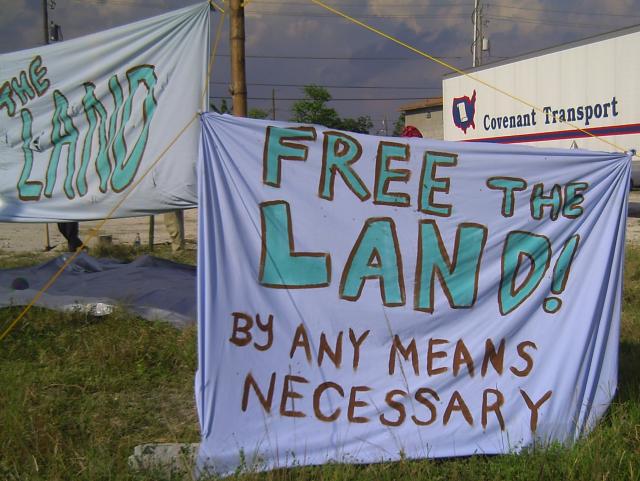
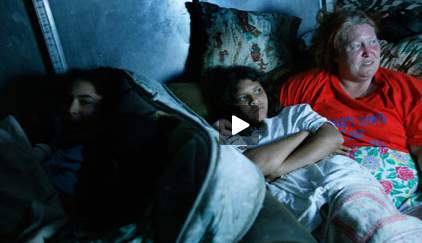
Take Back The Land and The Center For Constitutional Rights Delegation To South Africa
The national movement, Take Back the Land has demanded housing for the homeless in Miami, New York City and is in South Africa to engage in anti-eviction and land reform work. Lawyers with the Center for Constitutional Rights will also join Take Back the Land and provide legal support to the social justice movements. The two groups will be in Cape Town with the Anti-Eviction Campaign and 3 days in Durban with Abahlali bs Mjondolo or (ABM). Among the core beliefs of this project called the Center for Pan African Development are, land is an essential element of liberation, the black community must collectively control land in the black community and the path to liberation is pave through self-determination, not the accommodation of those in power.
Sunita Patel:
- The history of Apartheid is so connected to land and redistribution of land. We spent a few days in Cape Town with the Anti-Eviction Campaign. We traveled to Durban and visited with ABM there. Throughout the trip activists and community members had shared stories of displacement and mass evictions at the government’s hands, without any redress. We have a lot to learn from the movement in South Africa.
- In the United States, we can’t think beyond the private ownership of land.
- Housing is not a constitutionally protected right. Where we can gain from international human rights law, we need to infuse that into our work. The Universal Declaration of Human Rights, recognizes housing as a human right.
- South African Constitution states in articles 26 and 33 affording one house for one family.
Guest – CCR staff attorney, Sunita Patel is involved with racial profiling, immigrant rights and other human rights litigation. Prior to her position at CCR, she held a Soros Justice Fellowship at The Legal Aid Society, Immigration Law Unit in New York where she represented immigrant detainees in removal proceedings and worked with criminal justice and human rights groups to create independent community oversight for detention operations through public accountability boards.
————–

CCR Challenges Experimental Prison Units that Restrict Communication
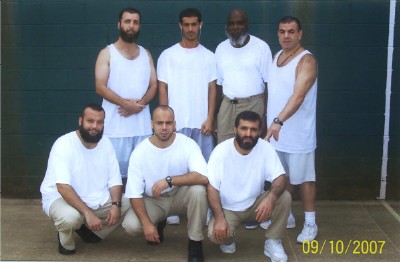
The Center for Constitutional Rights filed a lawsuit challenging violations of fundamental constitutional rights, including the right to due process, at two experimental federal prison units called “Communications Management Units” (CMUs). The units are being used overwhelmingly to hold Muslim prisoners and prisoners with unpopular political beliefs.
CCR filed Aref v. Holder in the D.C. District Court on behalf of five current and former prisoners of the units in Terre Haute, IN and Marion, IL; two other plaintiffs are the spouses of prisoners. The CMUs were secretly opened under the Bush administration in 2006 and 2007 respectively and were designed to monitor and control the communications of certain prisoners and to isolate them from other prisoners and the outside world. More about Aref
Rachel Meeropol:
- It’s the first time we’ve seen units like this in the federal system. The Bureau of Prisons secretly created these prisons in 2006 and 2007 under the Bush Administration.
- The bureau of prisons initially offered a public comment period and were flooded with comments of what a bad idea this is. They withdrew the public comment and continued to build the prison in secret.
- There’s no meaningful process at all as to who should be put in this unit.
- The Bureau of Prisons has published very broad criteria about the types of individuals, it thinks belongs there.
- The criteria is so broad it could encompass tens of thousands of prisoners.
- When we look at who is being sent the unit, it’s mostly Middle Eastern Muslims, African Americans who have converted to Islam in prison, and also a lot of people with unpopular political views.
- One of our clients Daniel McGowan, is an environmental activist who is serving a term in prison. He never violated a prison rule, he was a low security prison for the first part of his sentence, and then without any reason, he is moved to this highly restricted unit.
- The CMU is an experiment in social isolation. Very few opportunities for visits. Uniquely cruel for individuals who have to undergo it.
- Bad public policy, these individuals are going to be released at some point.
- We are seeking to challenge the extreme limitations on their phone calls and visits.
- Most inmates get 300 minutes a month of phone calls, my clients for years had only one 15 minute call a week.
- For prisoners with large families, this is incredibly difficult. It seems to me this is truly about silencing advocacy from inside the prison.
- Some of our clients including Mr Aref were convicted on terrorism related charges, in his case material support.
- When prisons move prisoners into the CMU of extremely restricted confinement without any process or explanation, of course leads to putting prisoners in the CMU for discriminatory or retaliatory reasons.
Guest – Rachel Meeropol has worked at the Center for Constitutional Rights (CCR) since 2002. She is the co-editor and primary author of the Jailhouse Lawyers Handbook, a widely-requested resource for prisoners, and the editor of America’s Disappeared: Secret Imprisonment, Detainees, and the “War on Terror,” (Seven Stories Press, 2005).
—————–
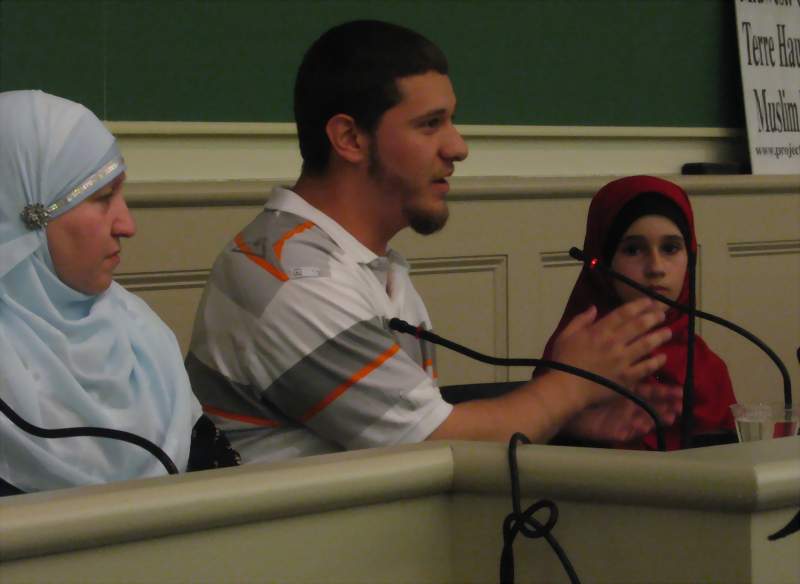
FBI Entrapment: Personal Stories of Preemptive Prosecution
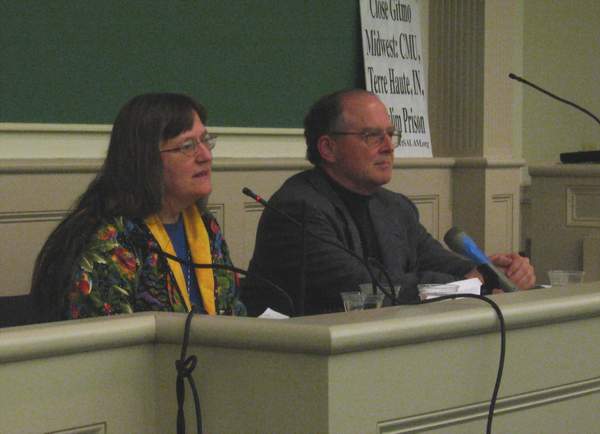
We go now to hear segments from the event titled FBI Entrapment: Personal Stories of Preemptive Prosecution sponsored by the National Lawyers Guild, Middle Eastern Law Students Association (MELSA), Islamic Law Students Association (ILSA) and Law Students for Human Rights.
Families and community members gathered in a room at NYU to discuss their cases, and how their family members were entrapped by FBI informants and agent provocateur tactics. As we have reported in the past years, the FBI have used these tactics to target Muslims and others by offering money and assets within impoverished communities. Some FBI groups target mosques and incite violent action. Most informants are felons, that have made plea-deals with the FBI. As we have seen, these stories make headlines across the country on Memorial Day or the 4th of July, meanwhile, these men implicated in the FBI stings are serving long sentences. We get an inside perspective from their families. We hear from Lynne Jackson and Attorney Stephen Downs from Project Salam. We also hear from 12 year old Lejla Duka, and her cousin, family members with the Fort Dix Five case.
Lynne Jackson / Attorney Stephen Downs
- CCR filed Aref v. Holder in the D.C. District Court
- Aref/Hossain have left behind 2 families, 10 children, ranging in ages 4-16 years old.
- What is going on with our country?
- We formed Project Salam, we need to look at all these case together, there are hundreds of cases.
- We’ve had no response at all from President Obama or Attorney General Holder
- The Cheney one percent doctrine. If there is one percent chance that a Muslim will commit a terrorist act down the road you have to take them out.
- One of the worst things you can do as Muslim is be generous. The government made good use of the material support for terrorism statute.
- Certainly from my point of view, as a lawyer I assume every conversation I have is being monitored. I think all of you should to.
- Check out prisoner database at CMU’s (PDF)
Lynne Jackson, volunteer and co-founder of Project Salam, Attorney Stephen Downs, a retired New York State attorney and a volunteer attorney for the Yassin Aref case. Listen to last year’s Law and Disorder interview.
————————————————————————–
Civil Liberties, Criminalizing Dissent, Gaza, Human Rights, Prosecution of the Bush Administration, Supreme Court, Surveillance, Targeting Muslims, Torture
Podcast: Play in new window | Download
Updates:
—
People v Bush, Charlotte Dennett
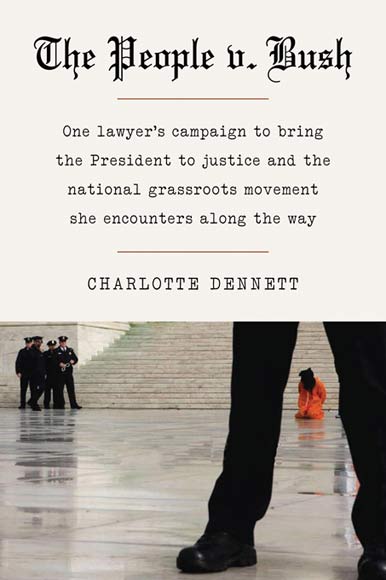
Today we talk with former Vermont Attorney General Candidate Charlotte Dennett. Listeners may remember Charlotte ran for office of Attorney General on the platform that if elected she would immediately undertake the prosecution of George W. Bush for the unnecessary deaths of Vermont soldiers in Iraq. The strategy was to establish jurisdiction in the cases for Attorneys General in each state as outlined in The Prosecution of George W. Bush for Murder, written by former prosecutor Vincent Bugliosi. Charlotte Dennett didn’t get the votes to become Vermont’s new attorney general. Now, a year later Charlotte describes from an inside perspective the “accountability movement” in her new book titled The People v. Bush. Is impeachment or prosecution still off the table?
Charlotte Dennett:
- If we don’t act on them now, then the impunity will get worse, we have to clamour for Cheney’s prosecution. We’ve got to keep the pressure on the department of justice. We know that the Spanish prosecutors have done that.
- I’ve come to realize that Obama’s mantra that we have to move forward and not look backward is really translated into: Don’t Prosecute.
- Brennan who was involved with crafting torture policy is playing a role advising Obama not to prosecute.
- It’s up to the accountability movement to step forward. There are going to be major events on March 20th, the anniversary of the war on Iraq.
- In my book the People v. Bush, I’ve got 10 pages in the appendix of all the different resources that people can turn to, to pressure Congress, sign petitions.
- The first half of the book is about my campaign for attorney general in Vermont, where I pledged to prosecute Bush for murder. I also lay out the evidence of how we can still do this, we can still do this by the way.
- I became hooked on accountability, this is a struggle for democracy and the soul of our nation.
- The book also looks at how the Obama Administration deals with the crimes of its predecessors.
- I have to tell you Michael Ratner, you were one of the first people to start raising the alarms (Obama Administration). My book shows the gradual shock and disillusionment of his supporters.
- People are upset that John Yoo, is doing talk shows, he showed up on John Stewart recently (OUCH)
- Regarding Sen. Leahy of Vermont: I tracked his effort to put together a truth commission and not prosecution. There were 37 towns in Vermont, that in their town meetings, voted for impeachment.
Guest – Charlotte Dennett, is an author and attorney who resides in Cambridge Vermont. She and her husband, Gerard Colby, have lived in Vermont since 1984. Charlotte has been practicing law since 1997, representing injured Vermonters in negligence, medical malpractice and wrongful death cases, as well as civil rights litigation and family law, and has argued before the Vermont Supreme Court.
——-

Lawyers You’ll Like: Center For Constitutional Rights Legal Director, Bill Quiqley
This week, CCR Legal Director Bill Quigley joined Law and Disorder hosts during a marathon 3 hour fund raiser for Pacifica’s WBAI. Bill talked about his trip to Gaza during Operation Cast Lead, his recent trip to Haiti and his death penalty work in Louisiana.
Bill Quigley:
- I went to Gaza with activist Audrey Stewart and Kathy Kelly, an International Peace Activist.
- We went over there, a year ago January, while the bombing was still going on. We were on the Egyptian side of the border where we could see the bombing of Gaza
- There were constant drones going over head, they had aerial balloons that were doing surveillance. It was sort of like a sociopath beating a baby. There was no defense, there was no anti-aircraft, people were literally sitting ducks.
- In my life, it compared to a time when one of my clients was being executed, in death row in Louisiana. To see the apparatus of the state, move into action, very calm, step by step.
- Then with full force and the respect of state behind it, pull on a switch and my client was no more. (at that time) It was a surprise that anyone in the U.S. would support the Palestinians.
- Death Penalty: there really is a community of deathy penalty advocates who train themselves how to communicate with juries. It is trending in the right direction by it still continues as a terrible tool, that the state has an opportunity to use when they choose to.
- Stop and frisk case update: New York is fighting this every step of the way. The term they use to justify this is: Furtive activity
- Culture of Intimidation: If young men don’t look at them the way they want to be looked at, if people don’t recognize their presence with the kind of respect that the police department thinks that they’re entitled to by the mere fact that they’re wearing a uniform and carrying a weapon.
- It is something that clearly could stop if the message was sent from the top.
- But clearly something has a green light from the top to engage in this. Authoritarian order that inconsistent with law and order, with the constitution.
- Endemic: If you have a society that values violence, the violence we institute around the world, the way we support Israel, the way they deal with Palestine. If we value deep racism, then what else what would we expect from a police or a military. The police and military are tools of a violent and racist regime.
- Part of our job is to re-educate police officers. We are going to be engaged in this activity over again, in every city in the country in varying degrees. The root problem is that we have a racist and violent criminal justice system, education system, a racist and marginalizing housing system, employment system.
- Most people don’t have the educational opportunities to know what’s going on with Haiti, Gaza, Iraq and even within our own country. Haiti: You could travel for miles and see no indication that international community even cared about what happened in Haiti. Most people were under a sheet or a blanket, could break some of the sun.
Guest – Bill Quigley. Bill is the Legal Director for the Center for Constitutional Rights, a national legal and educational organization dedicated to advancing and defending the rights guaranteed by the United States Constitution and the Universal Declaration of Human Rights. Bill joined CCR on sabbatical from his position as law professor and Director of the Law Clinic and the Gillis Long Poverty Law Center at Loyola University New Orleans. He has been an active public interest lawyer since 1977.
———————————————-