Civil Liberties, Habeas Corpus, Human Rights, Prison Industry, Supreme Court, Surveillance, Targeting Muslims, Torture
Podcast: Play in new window | Download
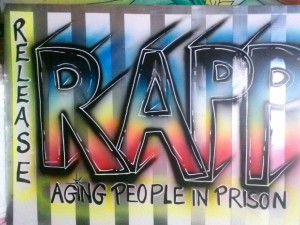
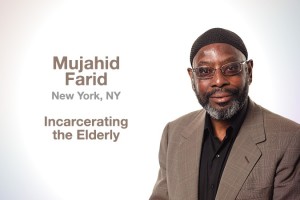
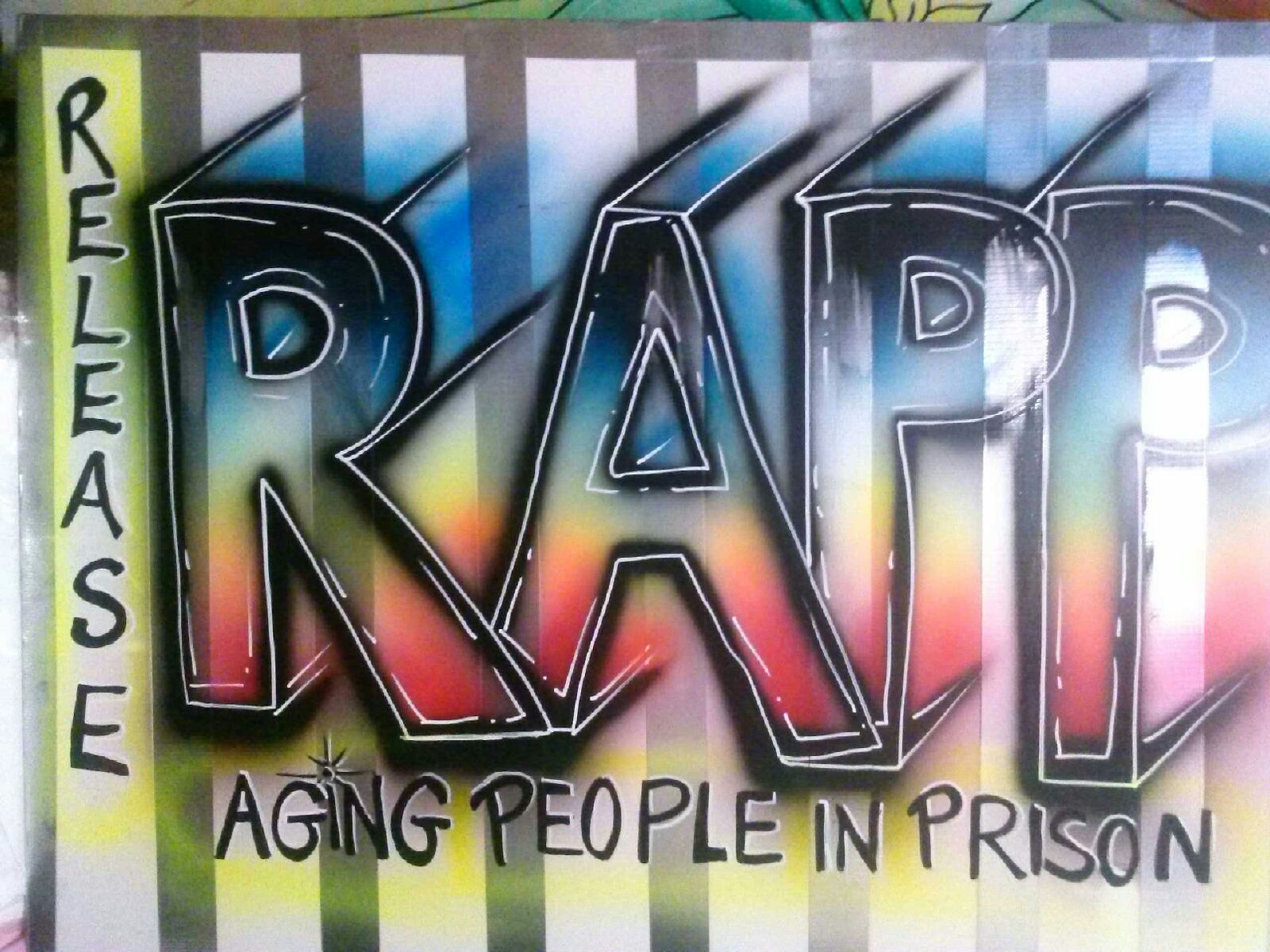
Release Aging People in Prison Campaign
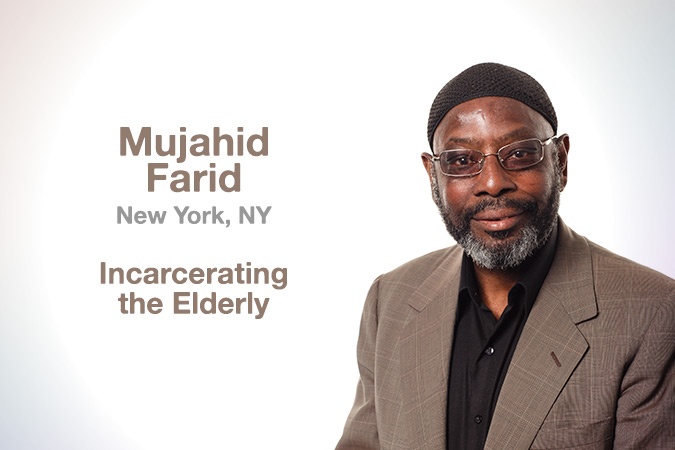
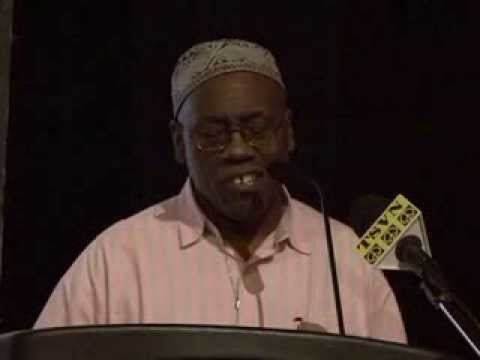
Mujahid Farid spent 33 years in prison where he was a successful jailhouse lawyer. He is now involved with RAPP(Release Aging People in Prison, RAPPCampaign.com) and has been the organizer of much of the legal response to parole board intransigence. RAPP activists are pushing the parole board to apply the law regarding their hearings, using recognized standards to measure whether an applicant would be a risk to public safety if they were released, rather than their current practice of simply reciting “you have to stay in prison because of the nature of your crime.”
Guest – Laura Whitehorn is a former political prisoner and native New Yorker, who was active in supporting groups such as the Black Panther Party, the Black Liberation Movement and was active with Students for a Democratic Society and the Weather Underground. Laura worked to help expose the FBI’s Counter Intelligence programs.
Guest – Mujahid Farid co-founded the Prisoners AIDS Counseling and Education program and helped design prison-based sociology and theology courses that allowed others to earn college-credited in prison. He also earned four college degrees and other certifications while incarcerated, including his paralegal certificate, NYS Department of Labor Certificate in Human Development Counseling, and NYC Department of Health Certificate in HIV/AIDS Counseling.
—-

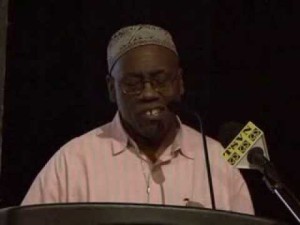
Raymond Nat Turner : New York City Poet
Raymond Nat Turner is an acclaimed New York City poet whose words–both on the page and stage–are powerful, political and timely. Artistic Director of the JazzPoetry Ensemble UpSurge, Turner is a member of the National Writer’s Union’s New York Local Steering Committee who recently read at the Harriet Tubman Centennial Symposium. He has appeared at numerous festivals and venues around the globe, from the Monterey Jazz Festival to Panafest in Ghana West Africa.
Guest – Raymond Nat Turner, currently Poet-in-Residence at Black Agenda Report, Turner has been the opening act for such people as James Baldwin, Cynthia McKinney, radical sportswriter Dave Zirin and Congresswoman Barbara Lee after her lone vote against attacking Afghanistan.
—-
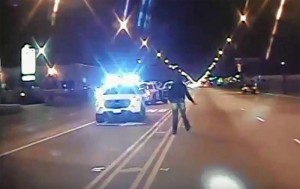

Chicago Mayor Fires Police Superintendent After Massive Public Pressure
Attorney Flint Taylor co-founder of the People’s Law Office in Chicago gives a perspective on the Chicago police shooting of Laquan McDonald. As listeners may know the footage of this shooting was caught on tape and released 13 months later. Last week, Chicago mayor Rahm Emanuel announced that he asked for Chicago Police Superintendent Garry McCarthy’s resignation after massive public protests. The community protests also demanded the resignation of the mayor, the state’s attorney general and other leadership positions.
Guest – Attorney G.Flint Taylor, a graduate of Brown University and Northwestern Law School, is a founding partner of the People’s Law Office in Chicago, an office which has been dedicated to litigating civil rights, police violence, government misconduct, and death penalty cases for more than 40 years.
——————————————————————–
CIA Sponsored Terror, Civil Liberties, Criminalizing Dissent, Gaza, Human Rights, Iran, NSA Spying, Torture, War Resister
Podcast: Play in new window | Download
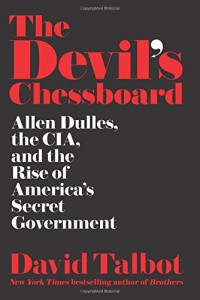
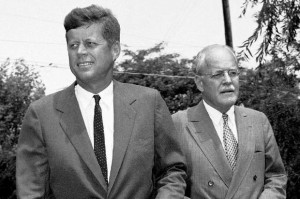
The Devil’s Chessboard: Allen Dulles, the CIA, and the Rise of America’s Secret Government
As director of the CIA, from 1952 until Kennedy fired him, Allen Dulles has been said to exemplify unbridled authority at the height of the Cold War. Under his leadership the CIA became a lawless force domestically and internationally that engaged, with impunity, in covert acts such as the assassination of foreign leaders including Patrice Lumubo in the Congo and Jacobo Arbenz in Guatemala and the over throw of a number of foreign governments.
As an attorney for the law firm Sullivan and Cromwell in the 1930s, Dulles protected and promoted Nazi-controlled cartels. He wielded his influence in the Office of Strategic Services during World War II and then in the CIA to shield former Nazis from prosecution for war crimes in the ’40s and ’50s. David Talbot writes in book The Devil’s Chessboard, ” over the final months of the JFK presidency, a clear consensus took shape within the American “deep state” Kennedy was a national security threat. For the good of the country he must be removed and Dulles was the only man with the stature, connections and decisive will to make something of this enormity happen. so he could enlist them to fight communists. In addition to assisting with the assassination of Congo leader Patrice Lumumba, he organized the Bay of Pigs invasion and tried repeatedly to murder Fidel Castro.
Guest – David Talbot, the author of the New York Times bestseller Brothers: The Hidden History of the Kennedy Years and the acclaimed national bestseller Season of the Witch: Enchantment, Terror, and Deliverance in the City of Love. He is the founder and former editor in chief of Salon, and was a senior editor at Mother Jones and the features editor at the San Francisco Examiner. He has written for The New Yorker, Rolling Stone, Time, The Guardian, and other major publications. Talbot lives in San Francisco, California.
—-
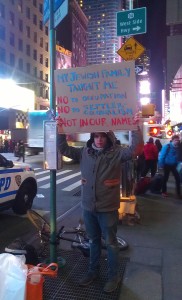

Palestinian Uprising And The Growing BDS Movement
This past October more than 49 Palestinians were shot dead by Israeli occupation forces while 500 others were injured by live ammunition and thousands more injured. As a mass popular rebellion, often attracting tens of thousands of Palestinians, asserts its right to self-determination and freedom, Israel has escalated a brutal response, especially in occupied East Jerusalem.
The Palestinian BDS National Committee, a diverse coalition of Palestinian unions and organizations which leads the global BDS movement, recently called for a wave of BDS solidarity with Palestinian popular resistance and to pressure governments, institutions and businesses to end support for Israel’s violations of international law. Tens of thousands of people across 100 cities took to the streets to show Israel that it will be held to account for its crimes against the Palestinians. Despite this, mainstream media coverage remains for the most part biased, echoing Israel’s propaganda.
Guest – Rebecca Vilkomerson, the Executive Director of Jewish Voice for Peace. JVP is a national grassroots organization rooted in Jewish tradition, human rights, and international law that works for a just peace, self-determination and full equality for all people of Palestine and Israel.
—————————————-
CIA Sponsored Terror, Civil Liberties, Criminalizing Dissent, FBI Intrusion, Habeas Corpus, Human Rights, Targeting Muslims, Torture
Podcast: Play in new window | Download
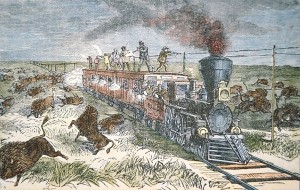
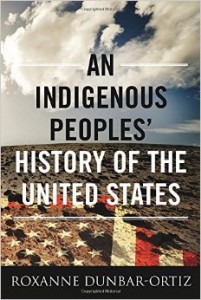
An Indigenous Peoples’ History of the United States
In the United States today, there are more than 500 federally recognized indigenous communities and nations comprising nearly three million people. These are the descendants of the 15 million people who once inhabited this land and are the subject of the latest book by Roxanne Dunbar-Ortiz. In An Indigenous Peoples’ History of the United States, Dunbar-Ortiz challenges the founding myth of the United States and shows how policy against the indigenous peoples was genocidal and imperialist—designed to crush the original inhabitants. Spanning more than 300 years, this classic bottom-up history significantly reframes how we view our past. Told from the viewpoint of the indigenous, it reveals how Native Americans, for centuries, actively resisted expansion of the U.S. empire.
Roxanne Dunbar-Ortiz:
- It’s absolutely necessary to know this history of settler colonialism and how it effects consciousness today of U.S. people and in the world because everyone is convinced of this myth of the United States and somehow its always going off the path of this destiny that has never been true in the first place.
- It’s like a fairy tale except its extremely deadly and dangerous.
- Other countries have romantic myths as their form of nationalism but they don’t control the world with this ideology.
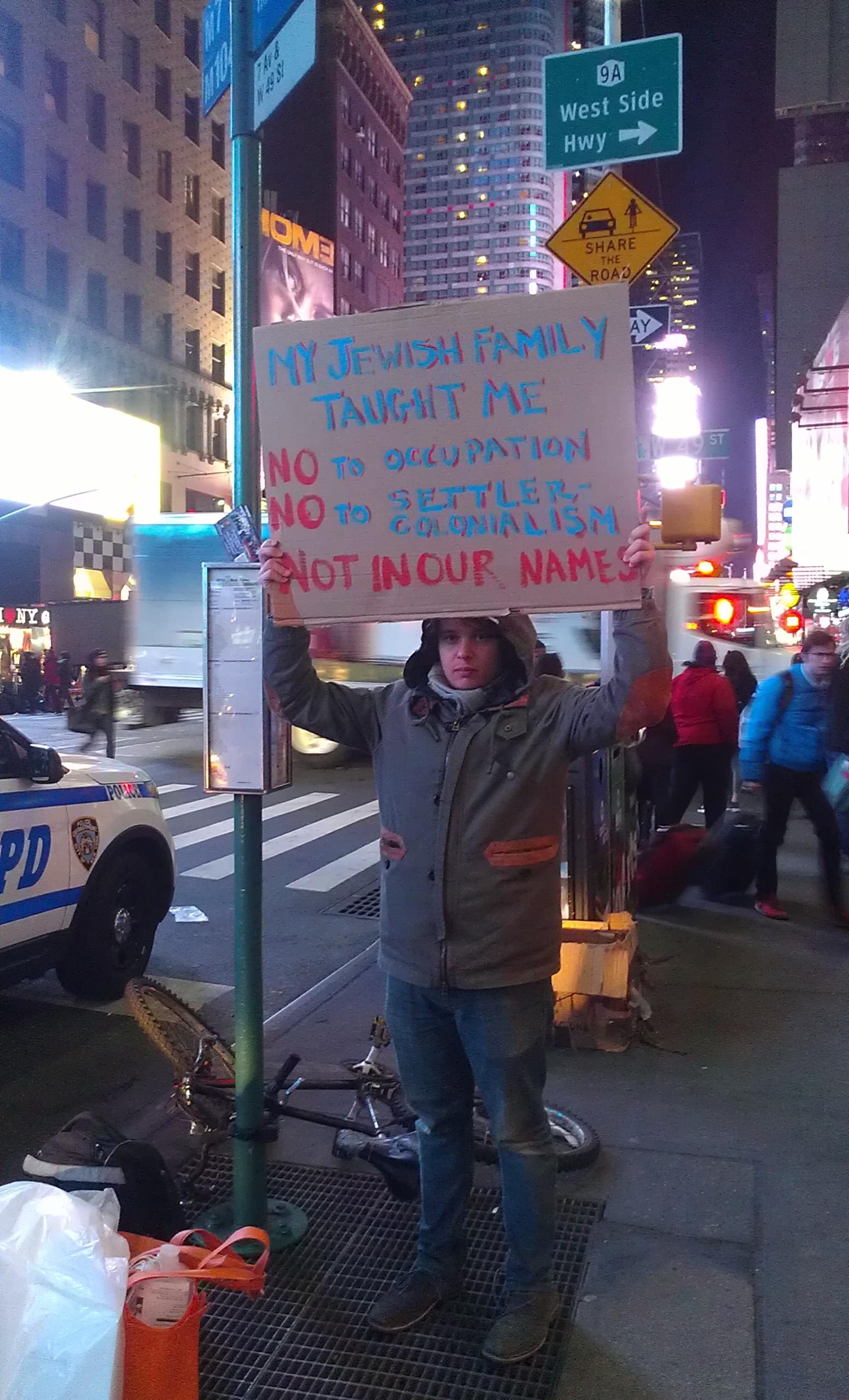
- The myth is that it was a birth of settler democracy but we know from apartheid South Africa, we know from colonialism, particularly settler colonialism such as Israel.
- There are so many parallels with Israel because the Puritans and this became embedded in all settlers, had this idea of the new Jerusalem of Zion. They used that terminology.
- That God had given them this land to settle, it wasn’t just a right it was a responsibility to destiny, to the world.
- This made the native farmer and fisherman, ordinary people like other people in the world into savages and monsters, sort of like the Israelis to do the Palestinians today.
- Throughout the book I have a theme of the militarism and the counterinsurgency that attacks civilians and a food fight they call it, burns the food, supplies, the crops, burns the houses of the people in their towns, creates refugees. This then becomes the pattern.
- Every generation there is this Indian war. Vietnam looked like an Indian war, even the language they use – Indian country for enemy territory, all of the weapons they name after native people.
- This is not how we think of the United States, supposedly a civilian country, the military is always under control of civilians but that civilian president is commander and chief of the armed forces.
- There’s also a theory, the Bering Strait the one entrance to the whole continent, which is absurd because all of the people on the coast were great seafaring people.
- A part of European imperialism say as the beginning of everything that it connected people up. Actually what it did was separate people each other and their tradition.
- My specialization is the southwest and central Mexico, Central America. I knew there were complex trade routes and roads all over the place, irrigation canals, how they developed agriculture.
- The first chapter, Follow the Corn, I did just that. I followed out of Mexico, the dispersion of corn agriculture all the way to Tierra Del Fuego to the sub Arctic and coast to coast.
- What you find in the Americas is when they get to the point of abusing the environment and become dictatorial, there tends to be revolts to overthrow, that was happening when Cortez came to Mexico.
- The Quetzalcoatl cult that took over the Aztec government became abusive and was doing slave raiding. Had done a wonderful job of dispersing trade routes. Cortez simply allied with the rebels and overthrew the central government.
- Course they couldn’t know his intentions of simply wiping out their civilization.
- When British colonialism came to North America with these peculiar characteristics of the puritan ideology settling in. With 2 centuries of settler colonialism they developed this idea of ownership.
- It went from owning human beings to the idea of owning the land.
- George Washington was a surveyor and you have to ask why was such a super wealthy – a lowly surveyor?
- Surveyors got to choose the best land, and got to mark it up. They had already developed this idea of a Platte, creating territories that would then become states once they had a majority settler population.
- That’s why it took so long for Oklahoma, Oklahoma was the 47th state, New Mexico, Arizona, these places that had a majority native population.
- It was rough being native in the United States, it still is. I grew up in Canadian county Oklahoma, my dad sharecropped, and was a tenant farmer throughout that area until the depression wiped it out.
- The people went to California as refugees.
- I’m cautious about the identity because native nationalism Cherokee or Onondaga or Shawnee or Creek Muskogee
- There was an instance in 1917, I think its one of the most important moments in US history and hardly anyone knows about it. Jack Womack and I had written about it Monthly Review, it was called the Green Corn Rebellion.
- That is the main demand, land base, nationhood, the ability to prosper and exist as people, not just as individuals being assimilated out, that’s another form of genocide.
Guest – Roxanne Dunbar-Ortiz, grew up in rural Oklahoma, the daughter of a farmer and half-Indian mother. She has been active in the American Indian Movement for more than four decades and is known for her lifelong commitment to national and international social justice issues. After receiving her PhD in history at the University of California at Los Angeles, she taught in the newly established Native American Studies Program at California State University and helped found the departments of Ethnic Studies and Women’s Studies. Her 1977 book The Great Sioux Nation was the fundamental document at the first international conference on Indians in the Americas, held at the United Nations’ headquarters in Geneva. She is the author or editor of seven books.
—-
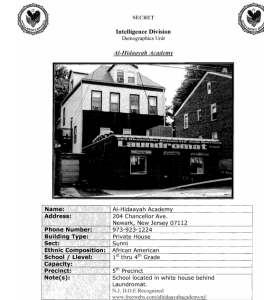

NYPD Muslim Surveillance Case Reinstated
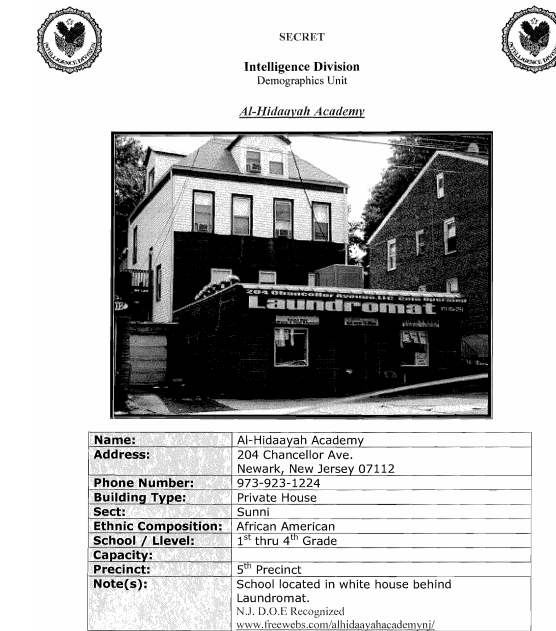
After the 9/11 attacks, the New York City Police Department created a vast and covert suspicion-less surveillance program targeting Muslim American communities in New York, New Jersey, and beyond. The federal lawsuit Hassan v. City of New York challenges the constitutionality of this program. The original complaint was filed by Muslim Advocates in the District Court of New Jersey and later joined by the Center for Constitutional Rights. The lawsuit seeks an end to the program and destruction of any records gathered. Our client Zaimah Abdur-Rahim was spied on by the NYPD because she operates a grade-school for Muslim girls. NYPD officers recorded details about the school, such as the fact that it was run from Abdur-Rahim’s home and that its students were predominantly African-American. As the Associated Press reported in an award-winning series, the NYPD monitored and/or infiltrated almost every aspect of Muslim life, from mosques and student associations, to halal butcher shops, restaurants, and private citizens. Internal NYPD documents confirm that the program produced zero leads to terrorist activity after more than a decade in operation.
Guest – Ghita Schwarz, a senior staff attorney at the Center for Constitutional Rights. She works on racial justice, immigrants’ rights and government misconduct cases. Her current cases include the Freedom of Information Act cases Detention Watch Network v. ICE and Immigrant Defense Project v. ICE, seeking government transparency about controversial immigration detention and enforcement practices; Hassan v. City of New York, challenging the NYPD’s discriminatory program of surveilling Muslims; and United States and Vulcan Society v. City of New York, challenging long-term employment discrimination by the New York City Fire Department. Ghita’s past work includes Aguilar v. ICE, fighting ICE’s practice of warrantless home raids, and NDLON v. ICE, challenging government secrecy regarding DHS’ Secure Communities program. Prior to coming to the Center for Constitutional Rights, she worked at LatinoJustice PRLDEF, the Door Legal Services Center, and Legal Services for New York City. Ghita graduated from Harvard College and Columbia Law School. Ghita’s recent writing includes “Why New York is Still the Capital of Immigrant America,” published in The Nation.
—-
CIA Sponsored Terror, Civil Liberties, Criminalizing Dissent, Habeas Corpus, Human Rights, Iraq War, Political Prisoner, Surveillance, Targeting Muslims, Torture, Truth to Power, War Resister
Podcast: Play in new window | Download


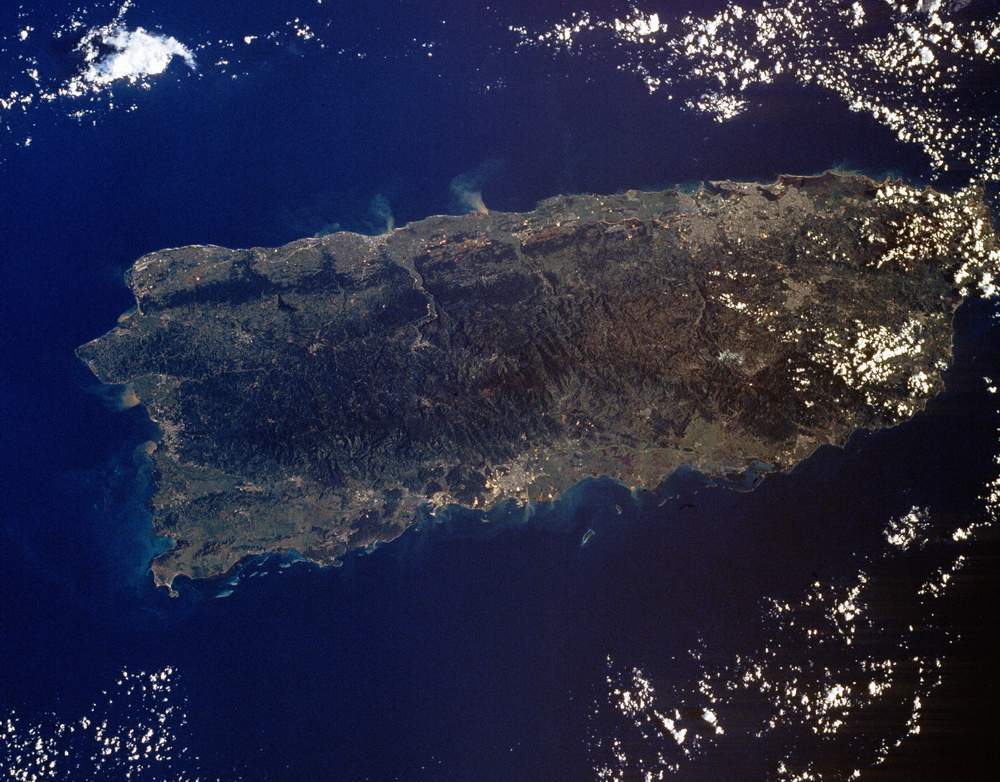
Puerto Rico: The Crisis Is About Colonialism, Not Debt
The commonwealth of Puerto Rico is in a social and financial crisis owing some 73 billion dollars to U.S. banks, hedge funds and vulture funds. The people of Puerto Rico are extraordinarily impoverished particularly the children. Last August the government of Puerto Rico failed to make a 58 million dollar debt payment on what they call a moral obligation bond held by U.S. banks and corporations. The crisis reflects centuries long colonialism and in particular the last centuries of American policies toward Puerto Rico which favored American investments which were then taken out of the island.
Guest – Attorney Linda Backiel, a criminal defense attorney and poet living and practicing law in San Juan, Puerto Rico. Here is Linda Backiel’s transcript from the talk she gave at the celebration of the 50th anniversary of the Criminal Justice Act.
—-


US Intel Vets Decry CIA’s Use of Torture
Former CIA leaders responsible for allowing torture to become part of the 21st Century landscape are seeking to rehabilitate their sullied reputations with the release of the book, Rebuttal: The CIA Responds to the Senate Intelligence Committee’s Study of Its Detention and Interrogation Program. They claim that the primary allegations against them stem from a partisan report issued by Democrats from the Senate Intelligence Committee. In fact, the Senate Intelligence report on torture enjoyed bipartisan support. But if the public doesn’t carefully read the extensively footnoted Senate Intelligence Committee report it may be easy for many to believe that the CIA officers are victims of a political witch hunt. As well, these officers seem to rely on the erroneous fact that a segment of the population continue to believe that the practice of torture is effective is gleaning information important to national security.
Guest – Raymond L. McGovern, retired CIA officer turned political activist. McGovern was a Federal employee under seven U.S. presidents in the past 27 years. Ray’s opinion pieces have appeared in many leading newspapers here and abroad. His website writings are posted first on consortiumnews.com, and are usually carried on other websites as well. He has debated at the Oxford Forum and appeared on Charlie Rose, The Newshour, CNN, and numerous other TV & radio programs and documentaries. Ray has lectured to a wide variety of audiences here and abroad. Ray studied theology and philosophy (as well as his major, Russian) at Fordham University, from which he holds two degrees. He also holds a Certificate in Theological Studies from Georgetown University.
————————————————
CIA Sponsored Terror, Civil Liberties, Criminalizing Dissent, Human Rights, Political Prisoner, Prison Industry, Surveillance, Targeting Muslims, Torture, Truth to Power
Podcast: Play in new window | Download
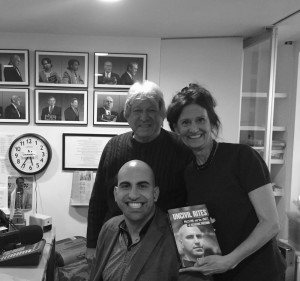
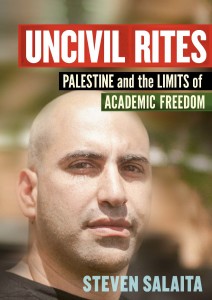
Uncivil Rites: Palestine and the Limits of Academic Freedom
Just before the start of the 2014 academic year, the board of trustees at the University of Illinois at Urbana-Champaign revoked a tenured professorship of renowned American Indian studies professor Steven Salaita. The abrupt termination of employment was in response to Salaita’s public tweets criticizing the Israeli government’s summer assault on Gaza. Enormous public outcry followed the scholar’s firing, with thousands petitioning for his reinstatement, and more than five thousand scholars pledging to boycott UIUC. The case raises significant questions about academic freedom, free speech on campus, and the growing movement for justice in Palestine. In his new book Uncivil Rites, Salaita brings personal reflection and political critique to bear on his high-profile and controversial termination. He deftly positions his case at the intersection of important issues affecting higher education and social justice activism.
Guest – Steven Salaita holds the Edward W. Said Chair of American Studies at the American University of Beirut. The author of six other books, he is a columnist for Electronic Intifada and a member of the Organizing Committee of the US Campaign for the Academic and Cultural Boycott of Israel (USACBI).
—-
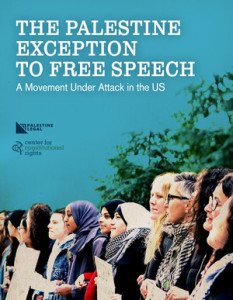
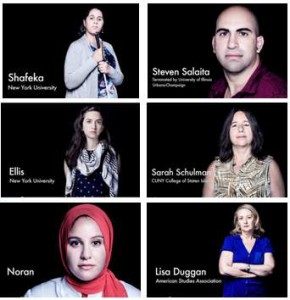
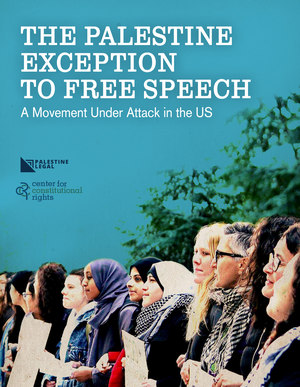
The Palestine Exception to Free Speech: A Movement Under Attack in the US
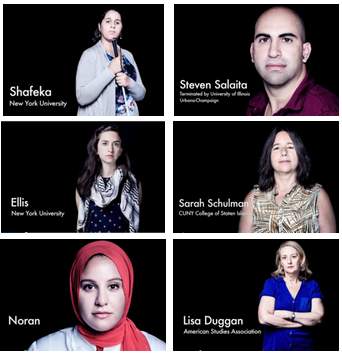
A new report, “The Palestine Exception to Free Speech: A Movement Under Attack in the US,” released by Palestine Legal and the Center for Constitutional Rights, documents for the first time the widespread and growing suppression of Palestinian human rights advocacy in the US. A companion video features students and scholars discussing the backlash they have experienced for engaging in Palestine advocacy.
Palestine Legal, a nonprofit organization dedicated to protecting the civil rights of people in the U.S., responded to nearly 300 incidents over an 18-month period. Eighty-five percent of the incidents—which included baseless legal complaints, administrative disciplinary actions, firings, harassment, and false accusations of terrorism and antisemitism—targeted students and scholars. Driven by a network of Israel advocacy organizations, these efforts target the movement for Palestinian rights in the U.S., which has grown significantly over the last decade.
The report includes case studies and testimony from advocates targeted for their speech. It outlines a notable increase in federal and state legislative efforts to condemn or restrict advocacy for Palestinian human rights, including legislation that conflates criticism of Israeli policy with antisemitism.
Guest – Dima Khalidi is the founder and Director of Palestine Legal and Cooperating Counsel with the Center for Constitutional Rights (CCR). Her work includes providing legal advice to activists, engaging in advocacy to protect their rights to speak out for Palestinian rights, and educating activists and the public about the repression of Palestine advocates. Dima has a JD from DePaul University College of Law with a concentration in International Law, an MA in Comparative Legal Studies from the University of London – School of Oriental and African Studies, and a BA in History and Near Eastern Studies from the University of Michigan.
———————————————
CIA Sponsored Terror, Civil Liberties, Human Rights, Political Prisoner, Prison Industry, Surveillance, Torture
Podcast: Play in new window | Download

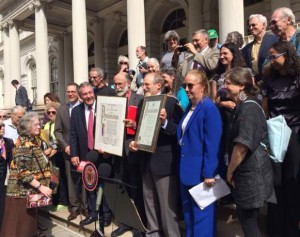
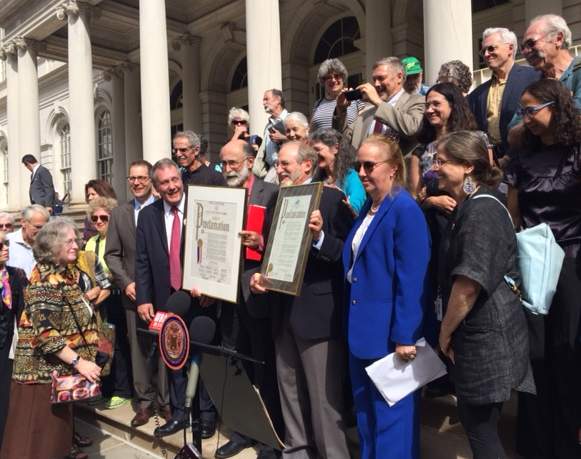
New York City Councilors Issue Proclamation Honoring Ethel Rosenberg on her 100th Birthday
The Rosenberg atomic spy case of 1951 was one of the most famous political trials in American history. Both Julius and Ethel Rosenberg were from New York and had been active in the American Communist Party. When they were arrested in 1950 it was at the height of the hysteria during the infamous red hunting McCarthy decade. In 1950 the Russians first tested their atomic bomb and United States initiated the Korean War to roll back the revolution there. The effects the cold war and the execution of the Rosenbergs was devastating to the Left. Ethel and Julius were electrocuted to death at Sing Sing prison two years later. At the sentencing, federal judge Irving Kaufman said that the Rosenbergs were guilty of facilitating the death of some 50,000 American soldiers in the Korean War and President Eisenhower. Declining to grant clemency, he said they might be responsible for the death of tens of millions of people in an atomic war. The government tried to get Julius Rosenberg to confess and give names. A representative from the Attorney General’s office visited him at Sing Sing prison. Rosenberg said no. He said “We are the victims of a most monstrous frame up.”
Subsequent scholarship has shown that Ethel Rosenberg was totally innocent and that Julius Rosenberg was not an atomic bomb spy and that there was no secret to the atomic bomb, it was a question of industrial technique.
Now, 62 years, later Ethel Rosenberg was honored by the New York city Council on the steps of City Hall September 28 with a proclamation of her innocence. It would have been her one hundredth birthday. We hear audio excerpts from the press conference and from Michael Smith and Heidi Boghosian speaking with Robbie Meeropol, Meriam Moscowitz and Attorney Danny Myers.
—-
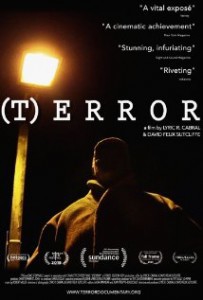
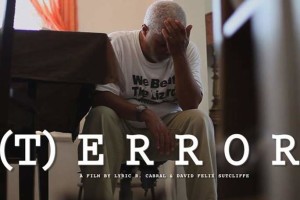
(T)ERROR
In a twist on the confidential informant genre, the new film (T)ERROR chronicles a Bureau investigation without the FBI knowing it’s being watched. Filmmakers David Felix Sutcliffe and Lyric Cabral follow ex-con Saeed “Shariff” Torres, who claims to have made hundreds of thousands of dollars a year befriending Muslim targets accused of pro-terrorism inclinations. Shariff alienated a Brooklyn community of Muslim friends by helping convict jazz bassist Tarik Shah just for talking about training members of Al Qaeda. In 2005 Shariff revealed to filmmaker Cabral that he was an FBI informant. He later agreed to let her and Sutcliffe film details of his work without the FBI’s knowledge. The movie shows how Shariff was directed to befriend Khalifah Al-Akili, a white Muslim convert who has publicly made pro-terrorist statements. After Shariff and the FBI trying to get Khalifah to shift from words to deeds, he goes public with suspicions that the FBI has targeted him.
Guest – David Felix Sutcliffe, is a Sundance award winning documentary filmmaker. In 2013, he was included in Filmmaker Magazine’s annual list of “25 New Faces of Independent Film.” His first film, ADAMA (PBS, 2011), is an hour-long documentary that explores the story of a 16-year-old Muslim girl growing up in Harlem who was arrested by the FBI on suspicion of being a “potential suicide bomber.” (T)ERROR, co-directed with acclaimed photojournalist Lyric R. Cabral, is his feature-length documentary debut, and marks the first time that filmmakers have had access to an active FBI informant in a domestic counterterrorism investigation. (T)ERROR premiered at the 2015 Sundance Film Festival where it won a Special Jury Prize for Break Out First Feature.
———————————