Civil Liberties, Human Rights, Political Prisoner, Targeting Muslims, Torture, Truth to Power, War Resister
Podcast: Play in new window | Download
Israeli Journalist Amira Hass: Israel Elections and Palestinian Refugees
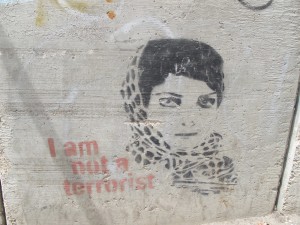
Last week during Israeli elections, Prime Minister Benjamin Netanyahu’s vowed that as long as he leads the country, there will be no Palestinian state, according to the Times of Israel. How can an Israeli government afford to ignore the humanitarian crisis in Gaza while Palestinian leadership advances international legal diplomatic action against Israel? How will these recent elections effect the future of the Palestinian state, Palestinian refugees and the right of return.
Amira Hass:
- I kept saying the right, right wing bloc is very strong it won’t change, maybe some configuration within the bloc. There wouldn’t be a real shift even into the center.
- Netanyahu keeps saying, the left wing, the left wing, and he means the Zionist camp or Labor. Let’s make it clear, its at best center-right.
- The Labor Party paved the way for where we are today. The Labor Party are the real experts in the colonial enterprise. All these peacekeepers Peres, Rabin, Belin arranged a situation that leads nowhere, a status quo in favor of colonialism
- The Palestinians gave us and gave Labor a golden opportunity in 1993 when they signed the Oslo Accords.
- The status quo keeps changing to favor the colonialist Israel
- They (Palestinians) accepted Israeli society, has its faults but also its things to like. They knew Israelis, they met them either at work or in prison . . . and they accepted the Israeli society. They saw it. They knew it exists. It is there, you cannot make it disappear.
- Without the 12 years of Nazi rule, most of the jews would not have chosen to immigrate to Palestine.
- Within the Oslo Accords, from the Palestinian side there was a potential of including these two historiographies that include the state of Israel.
- Palestinians are not a minority in the region. Indigenous Americans were made a minority very quickly with white’s immigration.
- The Palestinians are a majority in the region.
- Also, the Israeli policies, we have to be very strict about this, are not genocidal policies.
- The essence of Israeli oppression and colonialism is not about the elimination of the people, thankfully.
- It’s almost 70 years since the state of Israel and the Palestinians as a people, they grow. They were about 2-3 millions, and now they are about 13. So, we’re not talking about genocide.
- What Israel did very artfully and this is again credit to the main colonialist philosophy of the Labor Party, it concentrated Palestinians into their areas. You look at the map and you see the Palestinian enclaves. Before Oslo, the map that everyone had in his or her mind – the map of the West Bank was Israeli settlements scattered like spots in the W est Bank which was considered Palestinian.
- There were all kinds of Palestinian villages and Palestinians had the freedom of movement.
- When you look at the geography of Palestinians in Israel, they are encircled in enclaves. They are deprived of their land.
- Israelis will not change the situation. That is true about any privileged group in the world.
- The good thing that these elections brought us is the joint list of Arab-dominated parties.
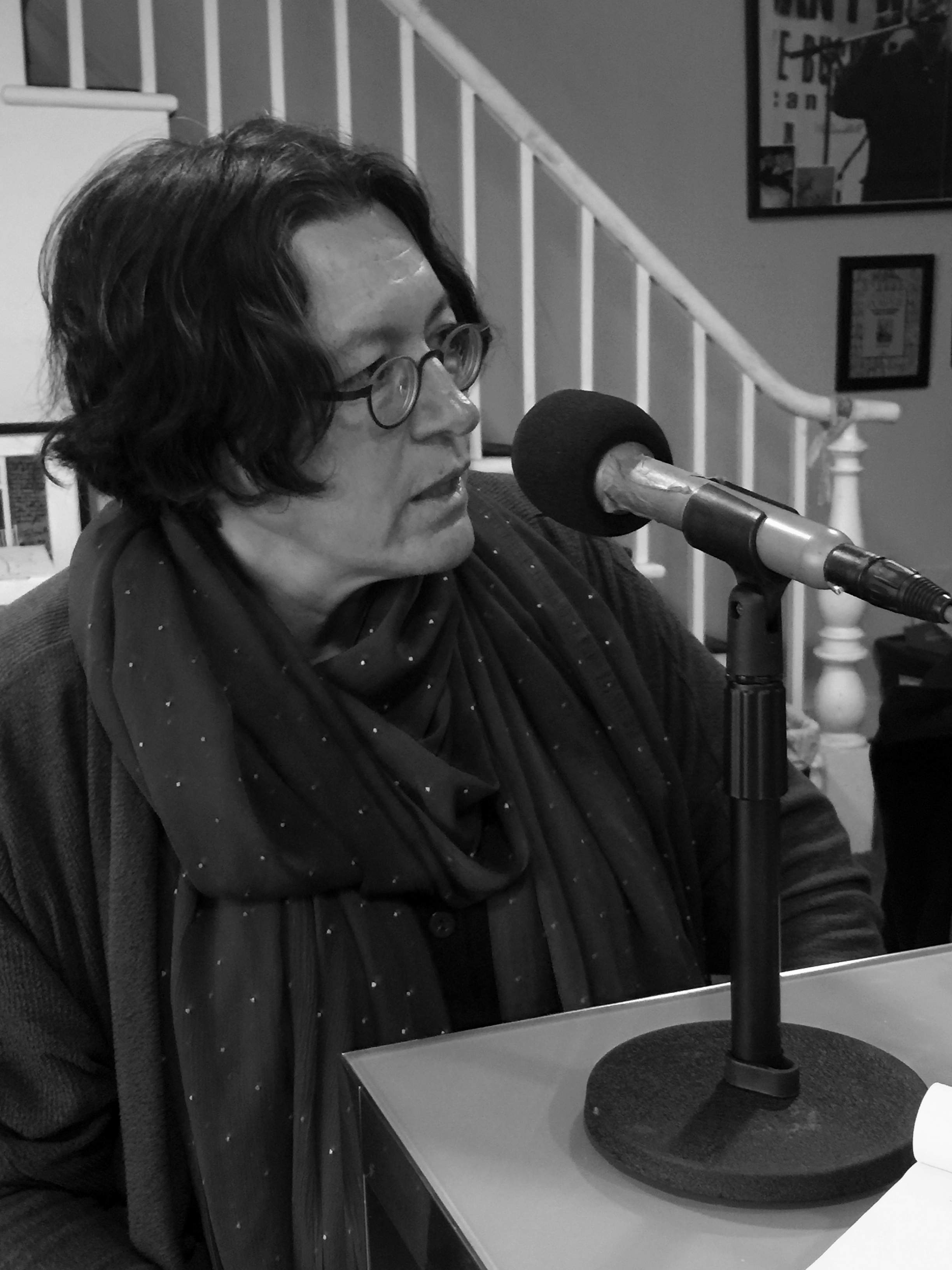
Guest – Amira Hass, the only Israeli journalist to have spent several years living in and reporting from Gaza and the West Bank. Amira Hass writes a regular column in Ha’aretz newspaper, and is the author of Drinking the Sea at Gaza: Days and Nights in a Land under Siege, and Reporting from Ramallah: An Israeli Journalist in an Occupied Land, and also The Diary of Bergen Belsen – Haymarket Books 2009.
—–
Jewish Voices For Peace And Students For Justice In Palestine
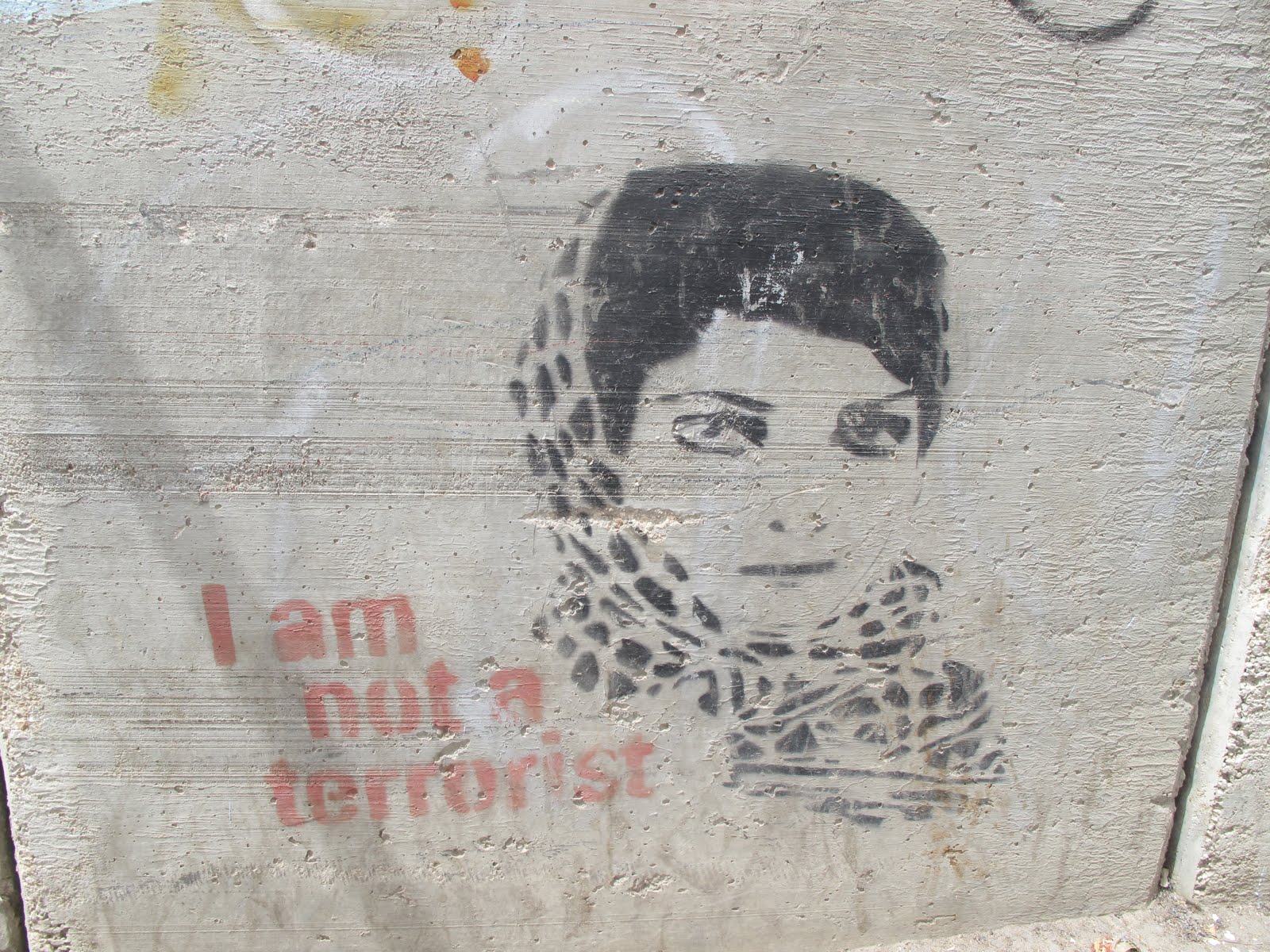
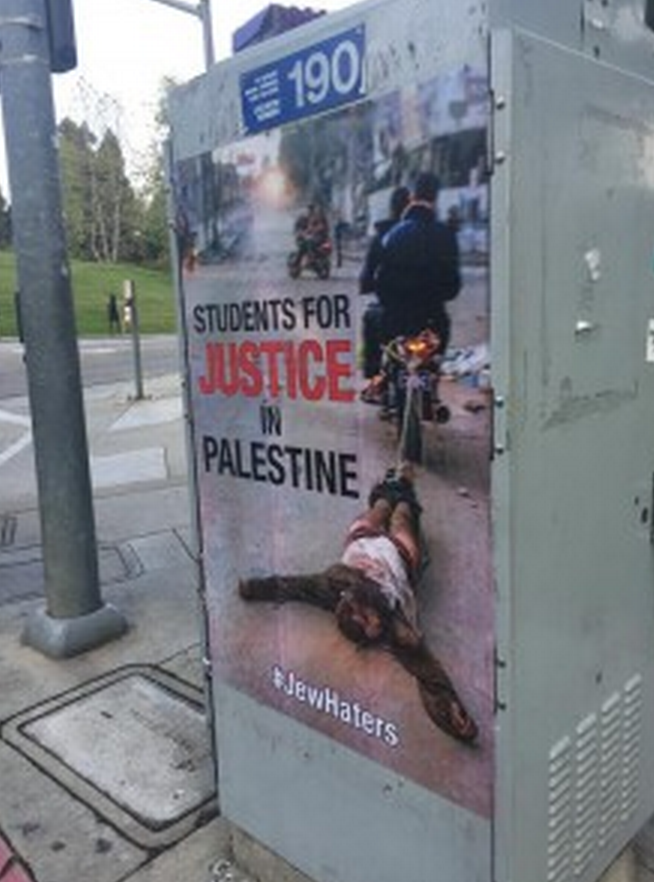
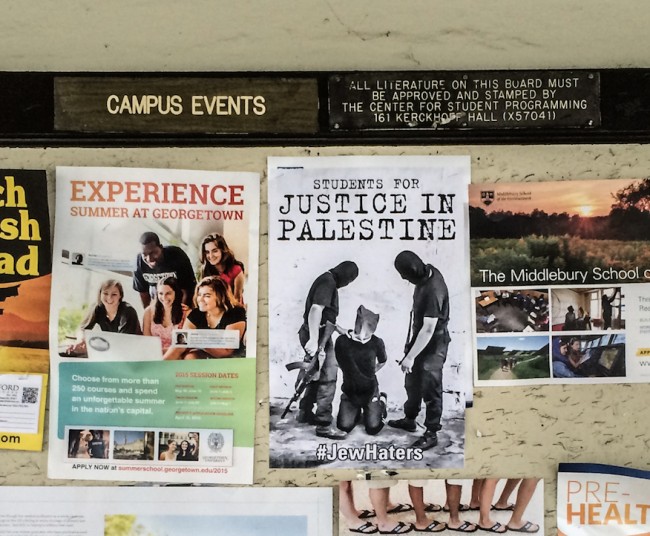
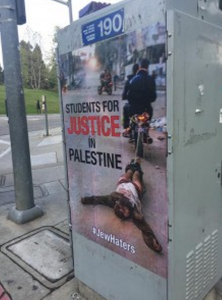
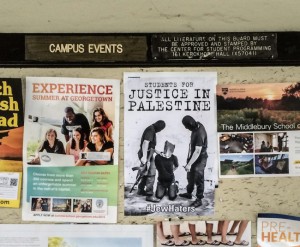
As the Boycott, Divestment, Sanction or BDS movement gains traction on college campuses, anti-Arab sentiment rears its head in many forms. For example, since the University of California Student Association passed a resolution recommending divestment, posters with violent images, calling Palestine solidarity activists anti-Semites and terrorists have appeared at multiple college campuses. Campuses include Drake University, DePaul, UMass Amherst, University of California, Irvine and the University of California, Los Angeles. We talk about that and also in another show of solidarity with Palestinians, the annual Jewish Voices For Peace national gathering had record attendance. Last summer’s assault on Gaza lead to a boom in JVP membership and donations, and a shift to the left among some liberal Zionists who decided to join JVP.
Alex Kane:
- Jewish Voices For Peace will continue to grow as the situation gets worse in Israel. That’s the productive tension from this conference.
- The Netanyahu win that you referenced is a gift to Jewish Voices For Peace and Students For Justice In Palestine and the larger Boycott, Divestment, Sanctions movement.
- There’s one stream of thought that as things get worse, as Netanyahu stays in office that it exposes the true face of Israel to the world.
- Since 2005, when hundreds of organizations within Palestinian society called for Boycott, Divestment, Sanction targeting Israel, the campus movement – Justice In Palestine has grown exponentially.
- You have dozens of new Students For Justice In Palestine chapters cropping up, even Jewish Voices For Peace chapters on campus. They’re broadening the discourse on campus. They’re bringing up the issue of Palestinian human rights and they’re pushing for divestment resolutions.
- Most of the resolutions are symbolic because they can’t force the universities to divest but it does lead to a push in media coverage and an increase with solidarity with Palestine.
- The opposition has come out strongly. The opposition ranges from well-funded right wing pro-Israel groups to even the Israeli government.
- It’s really remarkable; you have the Israeli consulate getting involved with campus politics in the U.S.
- It’s very easy for university presidents to come out against these incredibly hateful anti-Muslim posters. On the other hand, the same university presidents are part of this larger crackdown on Palestine solidarity on campus.
- Last year at Northwestern in Boston, they suspended their Students For Justice In Palestine chapter.
- Benjamin Netanyahu is the greatest gift to the Boycott, Divestment, Sanctions movement.
- The tensions between Obama and Netanhayu and the disrespect that Netanyahu has shown to the U.S. president has created some space on the left for them to get their message out that the U.S. should not be funding Israel to the tune of 3.1 billion dollars a year.
- The U.S. doesn’t care whether the Palestinians have a state or not. I don’t think this is a huge core issue of the Obama Administration.
Guest – Alex Kane is a freelance journalist writing for Mondoweiss and a graduate student at New York University’s Near East Studies.
——————————————————————–

Is Law and Disorder important to you? Consider a tax deductible donation to the show. By making a donation, you’ll be helping Law and Disorder continue to provide the consistent high quality content on some of the most pressing legal, human rights and international issues. This radio show is now a sponsored project of Fractured Atlas, a non-profit arts service organization. Contributions for the charitable purposes of Law and Disorder must be made payable to Fractured Atlas only and are tax-deductible to the extent permitted by law.
CIA Sponsored Terror, Criminalizing Dissent, Guantanamo, Human Rights, Political Prisoner, Prison Industry, Torture, Truth to Power
Podcast: Play in new window | Download
Updates:
- Michael Ratner: Palestine Not Recognized As State By U.S. Thus Allowed To Be Sued In Federal Court For Attacks on Israel
- Michael Ratner: Why Is Obama Trying To Get An AUMF When The U.S. Is Already At War With ISIS? If Passed, The U.S. Under This Act Can Make War Everywhere
- ICC En Vogue? – Hosts Talk About NBC Drama “Crossing Lines.”
—–
Pelican Bay Solitary Confinement Case Update
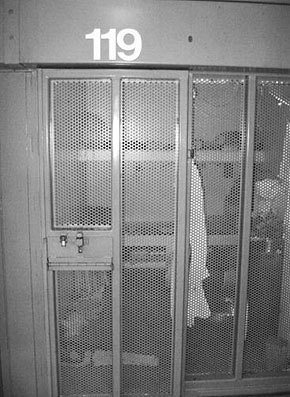
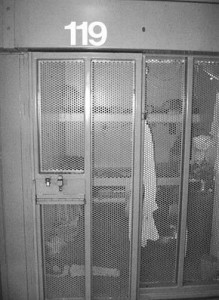
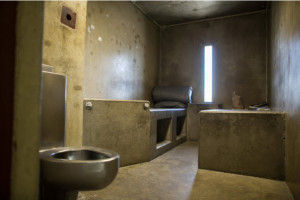
We bring you an update on the Pelican Bay Prison Solitary Confinement Case. As you may recall Pelican Bay Prison had more than 1000 prisoners in long term solitary confinement at 10-20 years or more. The Center for Constitutional Rights and its lead attorney Jules Lobel have been challenging this practice for a number of years since 2012. Recently, the state of California in an effort to blunt the lawsuit has transferred some of the named plaintiffs to other prisons. Their theory, once we’re rid of the plaintiffs maybe we’re rid of the lawsuit. CCR and Jules Lobel went out to California to argue that this is not a Constitutional practice. That transferring a person from Pelican Bay to another prison in California should not blunt the lawsuit and in fact CCR we should be able to challenge solitary confinement in those prisons as well. The judge agreed and now the CCR case will not just challenge Pelican Bay Prison solitary confinement practices but those in other prisons throughout California.
Attorney Jules Lobel:
- Because of 3 hunger strikes and our litigation the California prison officials are now instituting reforms. They realize they have to do something.
- There are over 1000 people in solitary. When we started the case 500 people were there for over 10 years.
- Because of the reforms they’ve made under pressure from our litigation there are now only 230. Still 230 people for over 10 years is a huge amount.
- They’re also moving people out not only to general population prisons, but to other solitary units in other prisons. Other SHOES, its called Special Housing Unit.
- Four of our ten plaintiffs are moving to another SHOE to a place called Tahachapi and the defendants say, they’re no longer part of your case.
- That’s what the argument was about. The argument was about whether or not you can expand the case beyond Pelican Bay.
- If you were at Pelican Bay and transferred to another prison, still in solitary, you’re still part of our class.
- The judge accepted that we can expand the case, rejecting the state’s argument.
- We bifurcated the trial so we could have a relatively quick trial on Pelican Bay. The fundamental question for Pelican Bay trial is whether keeping people for a prolonged period of time in solitary confinement at Pelican Bay is cruel and unusual punishment.
- We also have a claim in that way that they are placed there. It violates due process.
- These guys only get reviews every six years. So, you stay in your cell for six years and then after six years somebody comes and reviews whether you should be kept in solitary.
- No state in the country has six years. Usually its 30 days, 90 days, six months, maybe at most a year.
- California unlike most states puts people into solitary simply because they’re a member of a gang or associated with a gang.
Guest – Attorney Jules Lobel, has litigated important issues regarding the application of international law in the U.S. courts. In the late 1980’s, he advised the Nicaraguan government on the development of its first democratic constitution, and has also advised the Burundi government on constitutional law issues. Professor Lobel is editor of a text on civil rights litigation and of a collection of essays on the U.S. Constitution, A Less Than Perfect Union (Monthly Review Press, 1988). He is author of numerous articles on international law, foreign affairs, and the U.S. Constitution in publications including Yale Law Journal, Harvard International Law Journal, Cornell Law Review, and Virginia Law Review. He is a member of the American Society of International Law.
——

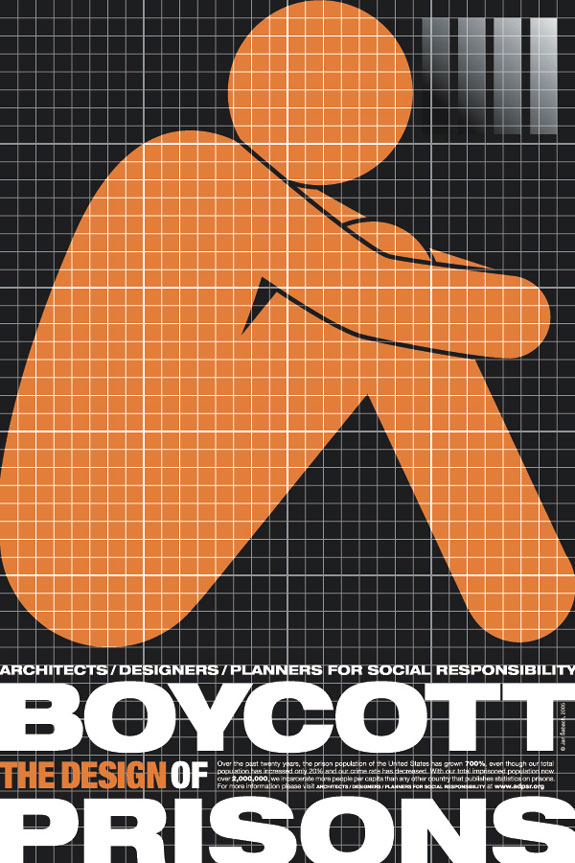
Architect’s Human Rights Code of Ethics Petition
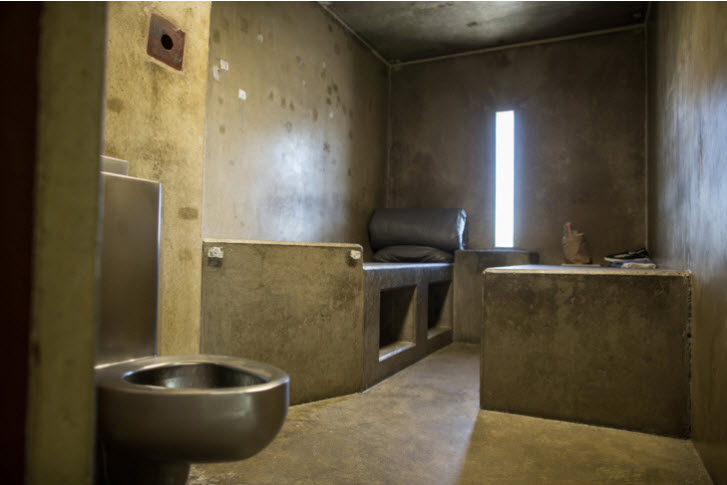
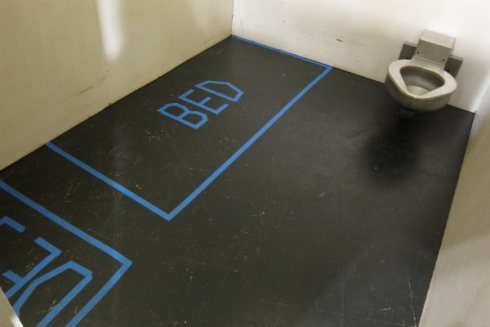
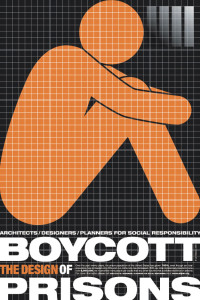
In our coverage of psychologists involved with torture continuing to hold their professional licenses to practice we look at a similar concern with licensed architects who design prisons, solitary confinement cells and death chambers. Research has show that the design of a prison can influence many aspects of prisoners lives including recidivism rates. Recently, the American Institute of Architects rejected a petition to censure members who design solitary confinement cells and death chambers.
Raphael Sperry:
- In 2013 when the UN Special Rapporteur on Torture announced that spending more than 15 days in solitary confinement was a human rights violation and we’re aware that people in the United States are routinely held in solitary for years if not decades, and that there had been dozens of supermax prisons that housed thousands of people in those conditions, specially designed for that purpose, that really tipped the scales.
- That was really shocking to realize the same tools that architects use everyday trying to make the world a better place for people can be used to torture and kill people.
- The question of what constitutes a torture chamber is complicated. There are many buildings that have been used to house prisoners in solitary confinement that were never designed for that purpose.
- There are a subset of prisons that are designed for solitary confinement. They’re usually called administrated segregation units.
- Supermax prisons are the most egregious. There’s no space for people to eat together. There are no tables with seats clustered around them even.
- The recreation spaces that prisoners have a right to go into for an hour a day, are shrunk down to size that they’re for just one person.
- You guys are probably familiar with ADX Prison in Florence, the Federal Supermax which is supposed to be the most secure supermax in the United States.
- In that facility they actually have showers in every cell. The prisoners then actually don’t have to get into the hallway. They might walk by somebody elses’ cell or walk by somebody elses’ cell to get to a shower.
- The AIA has a code of ethics for members and it already had a statement saying members should uphold human rights in all their professional responsibilities.
- It’s not directly enforceable. If members set out to design a space intended to kill somebody or to torture them or degrade them which is a human rights violation. AIA is not prepared to take any disciplinary action to someone who does that.
- We were asking them to simply add a rule that clarified if a member designed a space that is intended for human rights violations specifically execution and prolonged solitary confinement that it would be clear they’re in violation of the code of ethics and then AIA could take disciplinary action that include censure and expelling them from the institute.
- The National Board of Directors gets to set the ethics code for the whole organization including all the chapters. They took in our petition. They took in all the letters of support we sent in.
- Then they didn’t communicate with us . . they referred it to an internal group. They never let us know who was on that panel. They sent a brief letter back to me head of the ADPSR saying that they weren’t going to make the change and they were concerned about potential anti-trust violations and how hard it would to enforce.
- Lastly, they don’t want to restrict their members from designing any particular building type. I just found that to be the worst.
- To me if you’re going to be a professional and take on the responsibility of protecting public health, safety and welfare every time you put your pencil down then there should be limits to what you do with that specialized knowledge.
- To us its not a political issue, its a human rights issue and they said they’re an organization that’s for human rights. It didn’t seem right to us that they should pick and choose which human rights they’re ok with and which ones they would restrict.
Guest – Raphael Sperry, president of Architects / Designers / Planners for Social Responsibility (ADPSR), a 32-year old independent non-profit organization. He researches the intersection of architecture and planning with human rights with a special focus on prisons and jails, and advocates for design professionals to play a larger role in supporting human rights in the built environment. He directs ADPSR’s human rights advocacy, including ADPSR’s petition urging the AIA to amend their Code of Ethics and Professional Conduct to address buildings that violate human rights. He was the first architect to receive a Soros Justice Fellowship from the Open Society Foundations, hosted jointly by the University of California at Berkeley College of Environmental Design and Berkeley Law School, in 2012. He is an active member of the AIA Academy of Architecture for Justice and a leader of its subcommittee on sustainability.He holds an M.Arch. from the Yale School of Architecture and a BA summa cum Laude from Harvard University.
—————————————
Please help support Law and Disorder by clicking on Fractured Atlas graphic. This radio show is now a sponsored project of Fractured Atlas, a non-profit arts service organization. Contributions for the charitable purposes of Law and Disorder must be made payable to Fractured Atlas only and are tax-deductible to the extent permitted by law. You can donate as little as 5.00 a month.
CIA Sponsored Terror, Civil Liberties, Criminalizing Dissent, Crony Capitalism, Human Rights, Political Prisoner, Prison Industry, Surveillance, Targeting Muslims, Truth to Power
Podcast: Play in new window | Download


City and County of San Francisco v. Sheehan
In early December of 2014, the Supreme court agreed to hear the case City and County of San Francisco v. Sheehan. The case involves San Francisco police officers who reported to a group home to transport Teresa Sheehan, who was known to be mentally ill, to mental health facility. The situation ended with police firing six shots on Sheehan. She survived and filed a lawsuit arguing that officers had a responsibility under federal law to consider her mental disability. The case is not about police criminal liability, this one is about whether police are obligated to take special precautions in using deadly force, and also in entering an individual’s home without a warrant or permission. Read Michael Avery’s observation about details of case.
Attorney Michael Avery:
- Teresa Sheehan is a woman in her mid-fifties who was living in a group home in San Francisco, a home for people with mental disabilities.
- Officers came to the house and ended up shooting her five times at point blank range.
- The case raises some issues for the federal courts in which the lower courts are in disagreement, and the court (Supreme Court) took the case hoping to resolve those disagreements.
- The police came because the social worker had become concerned with Ms Sheehan, and wanted to send her to a hospital for 72 hours of evaluation and requested the assistance of the police in transporting her to the hospital.
- Ms. Sheehan on the other hand didn’t want to be taken to the hospital, didn’t want the social worker in her room, did not want the police in her room, she just wanted to be left alone.
- In the course of asserting her right to be left alone, she threatened the police and the social worker with a knife.
- The police then ended up breaking through her door. Forcing open her door and when she was standing there with the knife, they tried to pepper spray her. That didn’t seem to have much effect on her and so they shot her five times.
- Miraculously she survived but now she’s permanently disabled and disfigured. One of the bullets entered the left side of her temple, shattered her eye socket and then exited through her mouth causing serious injuries to her jaw.
- Officers encounter people with mental disabilities extremely frequently. In large cities and towns in the United States its estimated 1 out every 15 people that the police interact with has some form of mental illness.
- Officers are trained to try to diffuse the incident, not to threaten the person, to ask open ended questions, to listen to what the person has to say, try to establish some rapport with the person, respect the person’s space and not crowd the person, and at the same allow the incident to go on as long as it has to in order to have a peaceful resolution.
- Several years ago I wrote an article called Unreasonable Seizures of Unreasonable People making the point that officers ought to be held to standard that requires them to follow their own training.
- When I saw this case was in the courts, I volunteered to provide some assistance to the lawyers in connection with the brief they were writing.
- There are two claims in the case. One is a claim under the Fourth Amendment of the Bill of Rights, which is the part that says government cannot make unreasonable searches of our home or seizures of our person and the other is a claim under the Americans With Disabilities Act.
- In effect they discriminated against her on the basis of her disability by not following their training and not making the accommodations that they were trained to make for a mentally ill person.
- Secondly, the argument is, when they forced open the door to her apartment and entered and used deadly force against her, they were not behaving reasonably and that again is based on the same idea it would have been reasonable to follow their training. Frankly, they just threw their training out the window.
- Oral argument is scheduled for March 23, 2015.
Guest – Civil rights lawyer Michael Avery, professor at Suffolk University Law School and former president of the National Lawyers Guild from 2003 to 2006. He’s also worked with the National Police Accountability Project.
—-
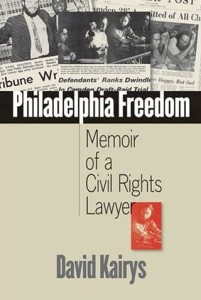
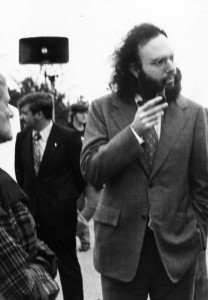
Lawyers You’ll Like: David Kairys
David Kairy began his career at the Philadelphia public defender’s office in the late 1960s. Since then, he’s been a leader in effort to fight discrimination and protect individual rights, now he’s regarded as one of the nation’s preeminent civil rights attorneys. David is a professor at the University of Temple Law School, where he teaches civil rights and constitutional law. He has written several books, including Philadelphia Freedom: Memoir of a Civil Rights Lawyer, which was published last year.
David Kairys:
- We were of a number of young firms dedicated to civil rights and representation of progressive groups.
- The Camden 28, caught in the act of breaking into a Camden, New Jersey draft board and destroying all of the files. This was a Catholic Left action.
- FBI had informant in the group, who the FBI was paying on an hourly rate. The informant supplied the means to make the action happen.
- One hundred FBI agents sat around and waited til they destroyed all the files in the office. Many of the 28 were priests. There were more than 300 draft board raids during Vietnam.
- Father Michael Doyle said when your government is napalming children, the place you should be is in jail.
- Father Doyle and I strategized a way to start talking to the FBI informant Bob Hardy and eventually got an affidavit saying that the FBI manufactured this crime.
- I filed the affidavit and it was on the front page of the New York Times.
Guest – David Kairys, Professor of Law, the first James E. Beasley Chair (2001-07), and one of the nation’s leading civil rights lawyers. He authored Philadelphia Freedom, Memoir of a Civil Rights Lawyer and With Liberty and Justice for Some and co-authored the bestselling progressive critique of the law, The Politics of Law, and authored With Liberty and Justice for Some and over 35 articles and book chapters. His columns have appeared in major periodicals, and he has been profiled in the Chronicle of Higher Education, Wall Street Journal, and Philadelphia Inquirer Sunday Magazine. Kairys’s Public Nuisance Theory.
——————————————————-
Please help support Law and Disorder by clicking on Fractured Atlas graphic. This radio show is now a sponsored project of Fractured Atlas, a non-profit arts service organization. Contributions for the charitable purposes of Law and Disorder must be made payable to Fractured Atlas only and are tax-deductible to the extent permitted by law. You can donate as little as 5.00 a month.
CIA Sponsored Terror, Civil Liberties, Criminalizing Dissent, Gaza, Guantanamo, Habeas Corpus, Human Rights, Political Prisoner, Surveillance, Torture, Truth to Power
Podcast: Play in new window | Download

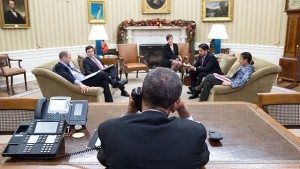
U.S. Cuban Foreign Policy Changes Strategy: Normalizing Relations
We’re joined today by attorney Michael Krinsky, a partner in the famous law firm of Rabinowitz, Boudin, Standard, Krinsky & Lieberman. This the firm that almost has been from the beginning representing the government of Cuba. We speak with Michael about the dramatic reversal of policy and the recognition by the United States of the Cuban government and the eventual establishment of joint embassies. We also speak about the returning to Cuba of the three remaining anti-terrorist Cuban fighters who have been in American prisons for 16 years. Three men of the Cuban Five. That, plus we discuss the changing of the commercial relationships between the United States and Cuba.
Attorney Michael Kinsky:
- It was an extraordinary moment. Word got around that Raul Castro was going to talk to the Cuban people on television at Noon, so everyone ran to find a television, including me.
- I think many people expected Obama to take some minor measures to test the waters perhaps to get things moving.
- Most people were quite surprised about the tone of his speech and what he said.
- I happen to be at a conference of US and Cuban scholars, which were talking about US-Cuban relations, that’s where I saw President Castro’s speech. The first thing he said of course was the cuban heroes. The 3 of the remaining Cuban Five and the place broke into pandemonium. People jumped up literally hugging each other. People were crying, then they quieted down and they listened to the next thing.
- And then when he said President Obama and I have agreed to reestablish normal diplomatic relations. There was silence. Then people half a second later absorbed and again there was a tremendous commotion.
- People felt a sense of triumph. After 55 years of holding despite the Bay of Pigs, despite the economic blockade, despite the special period when the trade with the Soviet Union collapsed, they had held on. In the end, someone put it, the United States came to us.
- You could see it in the streets, you could see it in the restaurants, you could see it in the offices. People were happy.
- They were literally smiling for days afterward.
- The embargo has been in effect for 54 years. It’s as comprehensive an embargo as this country has ever imposed, as any country has every imposed against any country.
- It’s not simply the US saying we the United States won’t trade with Cuba. A major part of it is extra-territorial reach. The effort for Cuba to make trade with third countries difficult and impossible.
- They can’t get US parts for their equipment.
- They can’t use US dollars for international transactions, which is the currency of international trade.
- Shipping to Cuba is made extremely difficult because of the US law that says if a ship goes to Cuba it can’t come to the United States for six months.
- Everyone in Cuba lives on a daily basis what they rightfully call a blockade.
- A blockade implies an effort to interrupt, disrupt trade between Cuba and a third country.
- There is nothing there about Cuban products being sold in the United States. It’s all one way.
- Cubans have developed a lot of innovative medical products that doctors are very excited about.
- There was nothing in the announcements about regular airplane service between the two countries.
- (Michael Ratner: The president has the authority to license almost everything, every economic transaction with Cuba at this point)?
- Right export, import, financial transactions, loans, credits, investments, all of these things are within the president’s licensing authority.
- The United States did not want a left wing socialist revolution to succeed in the Americas.
- The theme publicly and internally in the US government, until about 1991, 1992 and then there was a shift. Then for the first time, the United States publicly started talking about the goal of US policy including the blockade was to change the internal character of the Cuban system. The Cuban government.
- Civil liberties, free elections, free speech – those became for the first time the articulated goals of US policy.
- Guantanamo Bay used to be a Naval Station for coaling, ships operated on coal then. There was a 99 year lease between a captive Cuban government and the United States.
- I’m trying to find the right balance between a great deal of enthusiasm and not necessarily skepticism, but caution.
- It was nice to see the State Department make reference to this, the United States has claims for the nationalization the properties of its companies in Cuba in the early days. Cuba has articulated it has much greater claims against the United States for the blockade and for acts of economic sabotage which have died actually over the years.
- There are claims on both sides that have been articulated in the past.
Guest – Attorney Michael Krinsky, has been practicing law for forty-five years. For three decades, he has led the Firm’s representation of Cuba and other foreign governments, and their agencies and enterprises, as well as the Firm’s practice in the area of U.S. embargoes and export controls. Mr. Krinsky graduated from the University of Chicago’s College in 1965 and its Law School in 1968. After working with the American Civil Liberties Union in Newark, New Jersey, he joined the Firm in 1971.
——
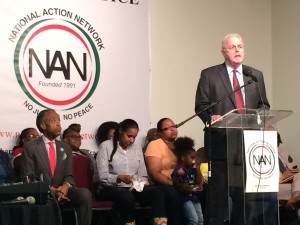
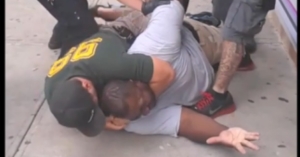
NYPD Unions Respond To Police Shootings, Says Protests At Fault
In the wake of the killing of two NYPD officers, a rift has widened amid police unions and the mayor of New York City. The New York City Police Benevolent Association Officers has suggested that the recent demonstrations against police misconduct and police violence have played a role in the execution style murders. To discuss the rhetoric from the police union and the tabloid media, we’re joined by attorney Jonathan Moore.
Attorney Jonathan Moore:
- It is a critical moment here in New York City and around the country on the issue of dealing with over aggressive policing and the militarization of police, I think they go hand in hand.
- We’ve been fighting this battle in New York for at least 15 years going back to the killing of Amadu Diallo and litigated the stop and frisk cases until the end of last year in to this year.
- Police unions have been an absolute impediment to any reform of the police department in the city of New York over the last several years.
- The union of that police department doesn’t reflect the membership anymore. The police department is close to being majority minority. Patrick Lynch is the vestiges of the old guard who never saw a police officer who did anything wrong.
- The overwhelming majority of these protests have been peaceful and law abiding. They have not been about calling for the death of police officers. They’ve been about calling for fair bias-free, constitutional policing.
- To use the death of these two officers as an attempt to stifle what as you say is growing mass movement, that hasn’t been seen in many years, is unfortunate and should be resisted.
- I’m glad that people are out there, these are important issues.
- The daily use of excessive force that goes on in many communities is never registered, never gathered by the police department. That’s a problem.
- The systemic problem is a culture within the New York City police department that has adopted an us against them mentality.
- There has to be a cultural change within the police department.
- In 2011, the police department was doing close to 700 thousand stops and frisks a year. The fear was that if you impeded the stop and frisks in the way they were doing it. We of course they were doing it based on race, and the federal court found that.
- Their alarmist response was if we stop doing stop and frisk, the crime rate will soar.
- They did 50 thousand stop and frisks this year, that’s down 650 thousand. That’s because they made a change. They stopped imposing quotas on police officers.
- By the way, on the pace of doing 50 thousand this year, and crime is still going down.
- What does that tell you. It tells you for all these years, they were unnecessarily harassing and stopping and frisking, young black men and young Hispanic men, mostly in our communities for no good reason.
- These unions blindly defend officers when they engage in misconduct and that hurts all police officers, all correction officers.
- In an organization like the NYPD of 35 thousand sworn officers, there are going to be people who don’t do what they should do. They should be rooted out and removed from the police department.
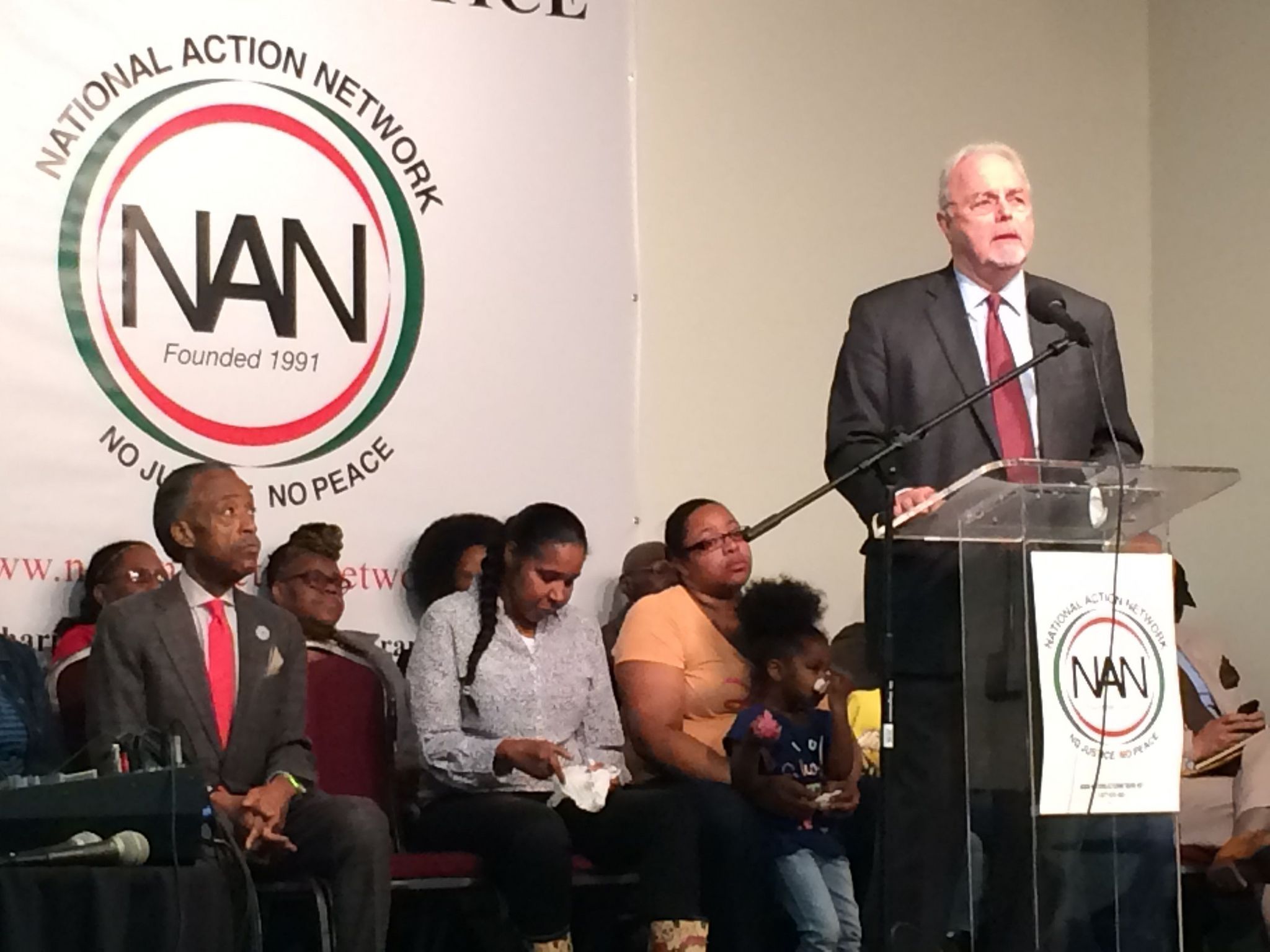
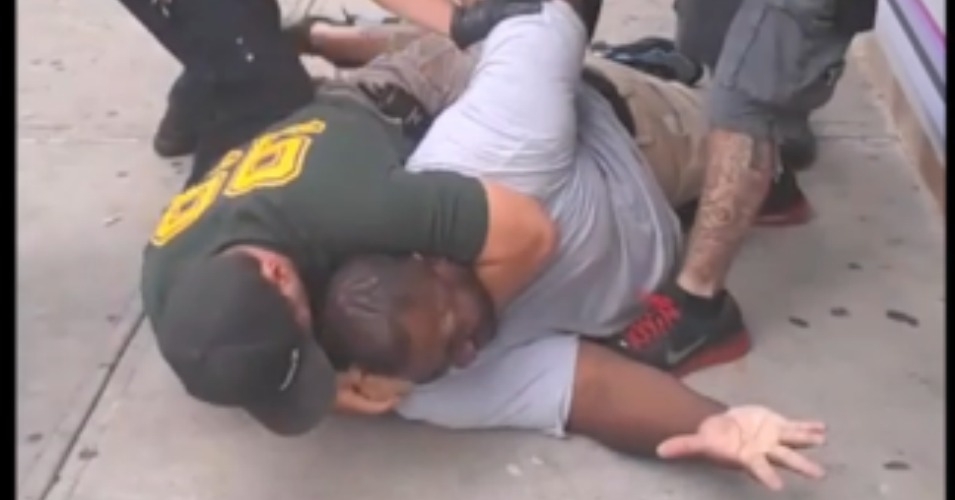
Guest – Attorney Jonathan Moore, is a civil rights lawyer known for his work in the stop and frisk suit against the city and representing 3 of the 5 wrongly convicted men in the Central Park jogger case in 1989. He is now representing the family of Eric Garner, a father of six who died from a police choke hold.
—————————————————
Please help support Law and Disorder by clicking on Fractured Atlas graphic (link is fixed). This radio show is now a sponsored project of Fractured Atlas, a non-profit arts service organization. Contributions for the charitable purposes of Law and Disorder must be made payable to Fractured Atlas only and are tax-deductible to the extent permitted by law. You can donate as little as 5.00 a month.
CIA Sponsored Terror, Civil Liberties, Criminalizing Dissent, Death Penalty, Guantanamo, Human Rights, NSA Spying, Political Prisoner, Surveillance, Torture, Truth to Power
Podcast: Play in new window | Download
Updates:
Michael Ratner: Is Congress’ Decision On Obama’s Plan To Close GTMO Really A Setback As Newspapers Report?
- Congress was considering whether to allow Guantanamo detainees to be resettled in the United States.
- That’s something Obama wants to do because so far he’s been unwilling to settle them in other countries.
- That bill failed and so when we get the NDAA or whatever legislation it will be put in, it will have transfer restrictions of a sort but it will not permit detainees to be transferred to the United States.
- Obama has had 6 years to make good on his promise that he would close Guantanamo in a year.
- Guantanamo remains, more than 142 people. More than half 73, have been cleared for release.
- On January 11, 2015, I urge all of us to get in the streets demonstrate and tell Obama to shut it down.
——-
Michael Ratner: The Right Livelihood Awards In Stockholm, Sweden
- I just came back from Stockholm, Sweden where the Right Livelihood Awards, also known as the alternate Nobel Prize are given out annually.
- Amy Goodman has received such an award. This time there were five awardees.
- One of whom is Edward Snowden. That was one of the reasons I was there because who are involved in defending protecting whistleblowers were in Stockholm for that award.
- The awards are not given by the Swedish government. Sweden is not a progressive government. It’s tied with Israel as the 3rd biggest arms dealer in the world.
- Sweden did recognize that Palestine should be a state.
United Nations Committee May Question U.S. Officials On Handling Of Michael Brown Shooting
——-
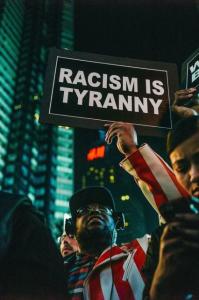
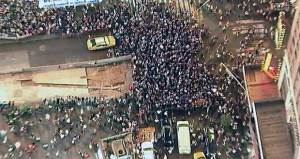
Ferguson: It is Right to Resist, By Any and All Means Necessary
Two weeks after the non-indictment of former officer Darren Wilson over the killing of Michael Brown, protests continue nationwide from classrooms to places of work. Will a genuine movement gain traction in the wake of outrage and defiance to the grand jury decision? A movement coalescing against police violence will need to confront police, and resist the legitimacy of the state writes Glen Ford founder of the Black Agenda Report. He says the people of Ferguson’s mass violations of the curfews and countless decrees of the militarized city, county and state police were, by definition, illegal acts – which is what made the small town a model of resistance.
Glen Ford:
- Not to belittle all the work people have put into this. There’s been a pent up energy that has been building and I mean for literally decades. We have to compare this explosion as you call it of activism to the period of quietude for decades even as the contradictions that led to Michael Brown’s murder and a multitude of murders kept on becoming more acute.
- We have to understand that there were forces that were keeping a lid on the explosion, and finally those forces could no longer do so and we see the explosion in 170 or more cities.
- Black folks have never trusted the police and never had any reason to trust the police. It’s never been about trust its been about power. The power of a community to protect its youth, its sons and daughters from being gunned down on the streets by these police or sucked up into the mass black incarceration machinery.
- The helplessness has not been something inherent to black folks its because we’ve had a kind of fifth column in our midst that we at Black Agenda Report call the black misleadership class which has engaged in very enthusiastic collaboration with the same people who created this black mass incarceration state.
- Back in June there was a vote in the house and the senate on a bill that would’ve prevented the Pentagon from transferring its weaponry and all of its militarized gear to local and state police departments.
- Four out of five Congressional Black Caucus members either voted against that bill or abstained. 32 out of the 40 members, so 80 percent of the Congressional Black Caucus. I guess its fitting that they stand in for this black misleadership class. They were financing the murder of people like Michael Brown.
- So, this is our problem, that these are the people that keep the lid on.
- What should be an ongoing, not simmering distrust, but an ongoing explosion of resistance.
- All of this started in terms of legislative form with the Law Enforcement Assistance Administration that was part of an omnibus crime bill that was passed in 1968 signed by Lyndon B Johnson which began by transferring massive federal resources to local police departments.
- It’s been gradual, steady and now institutionalized.
- This is the movement that does not yet have a name and it doesn’t have a name because its not yet clear about its objectives.
- The response to this civil rights and black power movement was the mass black incarceration state.
- Community control of the police and its a very very difficult subject. It was the subject that the Black Panther Party was born to tackle.
- The community should be empowered to fire police, just like communities are being empowered through their mayor to fire teachers.
- This movement can’t treat police as legitimate, that is coercive mechanisms of the state.
- Their police, their security apparatus, their intelligence apparatus has to be seen and opposed as illegitimate.
- He’s always in a huddle with President Obama (Al Sharpton) and that’s why I call him “king rat.”
- The real ratting that he does is that he goes across the country and he makes an assessment of who is in opposition to the administration’s policy or mass incarceration order and then goes right back to the commander and chief of the regime and tells him who might be creating trouble and how those troublemakers can be neutralized. That’s the real rat.
- Mass arrests and provocateurs and such. This is what Sharpton’s really talking about when he talks about the full weight of the president’s office.
Guest – Glen Ford, founder of the Black Agenda Report and many other media forums. Ford was a founding member of the Washington chapter of the National Association of Black Journalists (NABJ); executive board member of the National Alliance of Third World Journalists (NATWJ); media specialist for the National Minority Purchasing Council; and has spoken at scores of colleges and universities.
——-

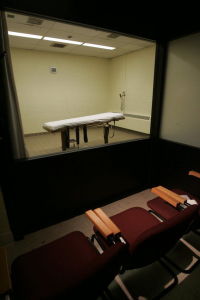
Ohio Republicans Push Law to Keep All Details of Executions Secret
Republican lawmakers in Ohio are rushing through one of the most extreme secrecy bills yet attempted by a death penalty state. It’s called HB 663 and it withhold information on every aspect of the execution process from the public, media and even the courts. Ohio has experienced four botched executions in eight years. The most recent was the 26 minute death of Dennis McGuire in January 2014. An experimental two-drug combination was used and it was reported that Dennis was gasping and fight for breath. Another aspect of HB 663 is that seeks to undermine strict distribution controls that have been placed on foreign companies that manufacture pentobarbital.
Attorney Mike Brickner:
- They’re really trying to ram through the last few weeks of our lame duck session.
- I think they want to resume executions here in the state of Ohio in 2015.
- We’ve had a moratorium on executions since the beginning of 2014 when we had a botched execution of Dennis McGuire and the federal court has been trying to come with new protocol, new drugs that won’t lead to a botched execution.
- I think the legislators want to move forward with the next scheduled execution in February so they’re trying to push it through as quickly as possible.
- I think they’re interested in secrecy because of all the controversy that has plagued Ohio executions over the last decades.
- I think this a natural concern from the government – when something is not going well, they want to hide it from the public.
- Unfortunately that never really works out well for the government because when you operate in secret, the only things that follow are corruption, abuse, negligence and incompetence.
- The legislation would shield anyone who really touches the lethal injection process from public records laws.
- For those medical professionals who advise or assist on the executions, it would prevent the state licensing board from holding them accountable for violating their oath.
- Unfortunately bad ideas often travel quickly. We have five states with secrecy legislation of some sort in place, we have 15 states that tried to enact secrecy legislation.
- Compounding pharmacies are smaller companies, often one or two pharmacists. They make small batches of drugs made to order. They’re not regulated in any meaningful way by the FDA.
- When they make these drugs in small batches, one batch could be more effective or less effective than another batch. When you’re talking about a lethal injection where you need to insure a humane and constitutional way, if you have a drug that’s being used in the lethal injection process that’s not effective, you have a very high chance of that person going through an execution that will violate our constitution.
- We have to accept that the death penalty does exist in states like Ohio and if we are to have the death penalty then we need to make sure that it complies with our laws and that those who are subjected to the death penalty are not treated inhumanely and in a way that will violate our constitution.
- I think we can do that while moving toward abolishing the death penalty.
Guest – Attorney Mike Brickner, senior policy director of the American Civil Liberties Union (ACLU) in Ohio. Brickner recently opposed the new bill in front of a committee at the Ohio State legislature. In 2013, Mike co-authored two reports focusing on the intersection of poverty and the criminal justice system. The Outskirts of Hope: How Debtors’ Prisons are Ruining Lives and Costing Communities chronicled how courts were illegally imprisoning low-income Ohioans because they could not afford to pay their fines. The report culminated in the Ohio Supreme Court increasing education and training for court personnel and issuing bench cards with clear rules for collecting fines and court costs. He also co-authored and designed the ACLU’s April 2011 report, Prisons for Profit: A Look at Private Prisons. The report highlights the problems faced by other states who have privatized prisons, including: increased costs, safety problems, a lack of transparency, and increased recidivism.
—————————————————————————–
Please help support Law and Disorder by clicking on Fractured Atlas graphic (link is fixed). This radio show is now a sponsored project of Fractured Atlas, a non-profit arts service organization. Contributions for the charitable purposes of Law and Disorder must be made payable to Fractured Atlas only and are tax-deductible to the extent permitted by law. You can donate as little as 5.00 a month.
CIA Sponsored Terror, Civil Liberties, Criminalizing Dissent, FBI Intrusion, Habeas Corpus, Human Rights, Political Prisoner, Prison Industry, Surveillance, Targeting Muslims, Truth to Power
Podcast: Play in new window | Download
Updates:
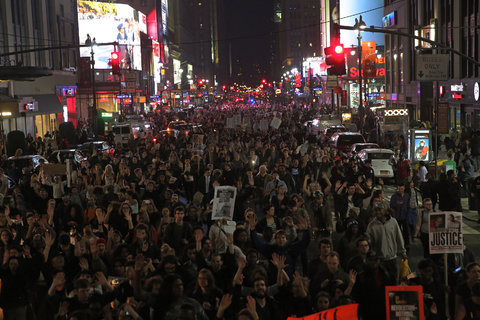
- Hosts Discuss Mass Demonstrations In Wake Of Ferguson Grand Jury Verdict
—-
Mumia Abu Jamal Responds To Grand Jury Not Indicting Ferguson Police Officer Darren Wilson
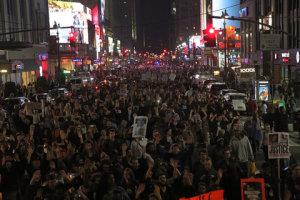
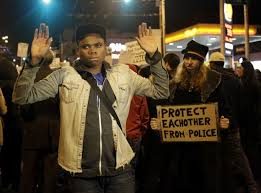
We talk today about the wide scale pattern of police violence against people of color in the context of the grand jury decision in St. Louis, Missouri to not indict Ferguson police officer Darren Wilson for the fatal shooting of Michael Brown, an unarmed 18 year old African American. The decision sparked more outrage within the community of Ferguson and launched tens of thousands into the streets in cities across the country. The grand jury is comprised of 12 members and 10 out of the 12 would have to agree to indict. The grand jury had a number of choices, such as first degree murder, second degree murder, voluntary manslaughter or involuntary manslaughter. First degree murder would have required evidence that Wilson set out to kill Brown. Second degree murder charges were possible, but this choice was unlikely if jurors decided that Wilson was negligent when he shot Brown, they could have gone with a charge of voluntary or involuntary manslaughter.
Mumia Abu Jamal:
- When you think back through American history, there are actually few periods where you see this range of protest.
- You’ll see throughout the 20th century protest. Think about April 4, 1968, the day Martin Luther King Jr. was killed and you saw protests all across the country over hundred cities.
- And look what happened a few hours ago, perhaps a greater range of protest in over 170 cities tells you I think better than anything I can say, that things are very bad indeed for the African American community and their expectation of justice in this system.
- Think about the weather, people coming out in the dire cold, right, to protest at night. That’s not an easy thing, people don’t do that easily and they do it at considerable risk and some danger.
- That speaks to the depth of the feeling in their hearts that something is broken in the American justice system.
- The recent midterm election was the lowest turnout since the 1940s. That says something about American discontent with the political system.
- It actually reminds me about the demonstrations before the 2003 Iraq War, where all around the world in hundreds of countries you saw demonstrations that were unprecedented.
- People feel that. Now that can dissipate until a new provocation.
- This is the time where organizers should be on their p’s and q’s and out there taking phone numbers and taking emails and building lists.
- To stand up at this moment, the first African American president in America’s history and talk about that people need to observe and respect the rule of law is I think frankly absurd.
- Barack Hussein Obama was born August 4, 1961. In that year there were about 20 states that made it illegal for a white person to marry a black person.
- People went to jail for what they called interracial fornication.
- When you talk about the rule of law, you have to talk about the rule of right and the rule of wrong.
- To quote John Africa, who said just cause its legal don’t make it right.
- We live in a country that legalized slavery.
- Many things are done in the name of law, but they’re wrong, they’re simply wrong.
- I was reading in the USA Today last week, (I’m little behind in my reading) they said 461 people were killed by police in 2013.
- This is something that’s systemic in the United States, and the people are trying to draw attention and I don’t think its successful, but its a damn good beginning.
Guest – Mumia Abu-Jamal is a renowned journalist from Philadelphia who has been in prison since 1981 and was on death row since 1983 for allegedly shooting Philadelphia police officer Daniel Faulkner. After decades of appeals, he left death row in 2012 but is still facing a life sentence. He is known as the “Voice of the Voiceless” for his award-winning reporting on police/state violence brutality and other social and racial epidemics that plague communities of color in Philadelphia and throughout the world.
—-

Civil Forfeiture: Federal Government Seizes Property Of Business Owners
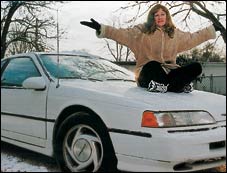
In May of 2013, two Internal Revenue Service agents seized the checking account of Carole Hinders and the 32 thousand dollar balance. Hinders was accuses of structuring her deposits to be less than 10 thousand dollars to avoid filing required government reports. This is a tactic often used by drug dealers and other criminals to move money around without detection. However, Carl Hinders owns a Mexican restaurant and her business is cash only. She did explain to the IRS agents that she made deposits almost daily to avoid having thousands of cash on hand. Hinders wasn’t charged with a crime, yet the IRS still seized the money. There are many cases of civil forfeiture similar to Carol’s where the property is taken without proper due process and investigation.
Attorney Larry Salzman:
- Civil forfeiture is a set of laws that allow government agencies to take your property when they suspect its been involved in crime but they don’t need to charge you with any crime to take that property.
- One of the incredible things about civil forfeiture is that the agencies that seize your money based on a mere suspicion actually get to keep that money to fund their agencies.
- That’s true in most states and also for the federal law.
- Every state is engaged in civil forfeiture. Minnesota had a reform. They no longer use strictly civil forfeiture, they’ll only take your property after you’ve been convicted of a criminal offense.
- The federal government uses it (civil forfeiture) almost every major agency of the federal government, the Drug Enforcement Administration, the IRS, the DHS, ICE.
- You can’t have both civil forfeiture and an impartial enforcement of the law if the agencies enforcing that law get the money.
- In federal cases there’s another lack of due process. The federal agencies seize cash like a bank account, the law doesn’t provide any prompt post seizure hearings. So, there’s no right for you to quickly contest the validity of the seizure. You might wait a hear without your money before you get to see a judge.
- It’s very hard to get it back because it means mounting a full scale defense in state or federal court against well funded prosecutors.
- There’s that financial incentive, so the government is doing more and more of these civil forfeitures as their budgets are coming under constraint.
- If local law enforcement involves themselves in a federal forfeiture action, they’ll get paid a bounty by the feds for their participation. That becomes a very meaningful part of police department budgets.
- That equitable sharing program has ballooned from nothing to something over 450 million dollars a year given to local police departments.
- We’re seeing it again with another set of clients. We have 3 brothers who own a convenient store distribution business on Long Island, the IRS again took 446 thousand dollars from them.
- This is a modest business almost all of that money was money that was owed to vendors for inventory. They grabbed their bank account when it was its fullest basically. The allegation again was structuring.
- There’s not even a civil forfeiture action that’s been filed, that’s a violation of law in itself the government’s committed.
- Many of the worst aspects of civil forfeiture were ushered in on the premise that they were needed to combat drug trafficking but now we see civil forfeiture being used to treat legitimate small businesses like criminals, just because they’re making frequent cash deposits.
Guest – Attorney Larry Salzman is with the Institute for Justice. He joined the Institute in April 2011 and litigates cutting-edge constitutional cases protecting individual rights, including free speech, property rights, and economic liberties, in federal and state courts. He is originally from San Diego. His commitment to both entrepreneurship and law is reflected in his career prior to joining IJ. Larry co-founded an ecommerce company with his family in 2000, while attending law school at night, and returned to the business for several years as CEO upon its sale in 2007. During the interim, he was an attorney with Pacific Legal Foundation, in Sacramento, California, litigating property rights cases in federal and state courts, and served as a clerk to Judge Bohdan A. Futey on the United States Court of Federal Claims. Larry received his law degree in 2002 from the University of San Diego, where he was Assistant Editor of the San Diego Law Review. He received an undergraduate degree in Finance from Arizona State University in 1993.
——————————————————————————————————————————–