Censorship, Criminalizing Dissent, FBI Intrusion, Habeas Corpus, Human Rights, Impeachment, Iraq War, Prosecution of the Bush Administration, Supreme Court, Surveillance, Targeting Muslims, Truth to Power
Podcast: Play in new window | Download
Host Updates:
—
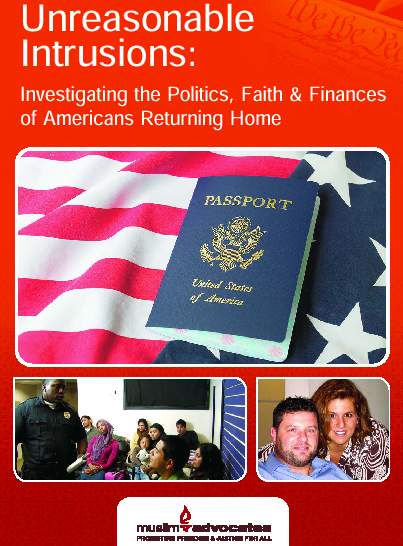
Unreasonable Intrusions Report
Last month, the Muslim Advocates released a report titled Unreasonable Intrusions: Investigating the Politics, Faith & Finances of Americans Returning Home. The report documents the systematic and widespread practice of federal agents interrogating Americans returning home after overseas travel at our nation’s borders and international airports. Muslim Advocates, a sister group with the National Association of Muslim Lawyers (NAML), which is a group of approximately 500 Muslim lawyers, law students and other legal professionals.
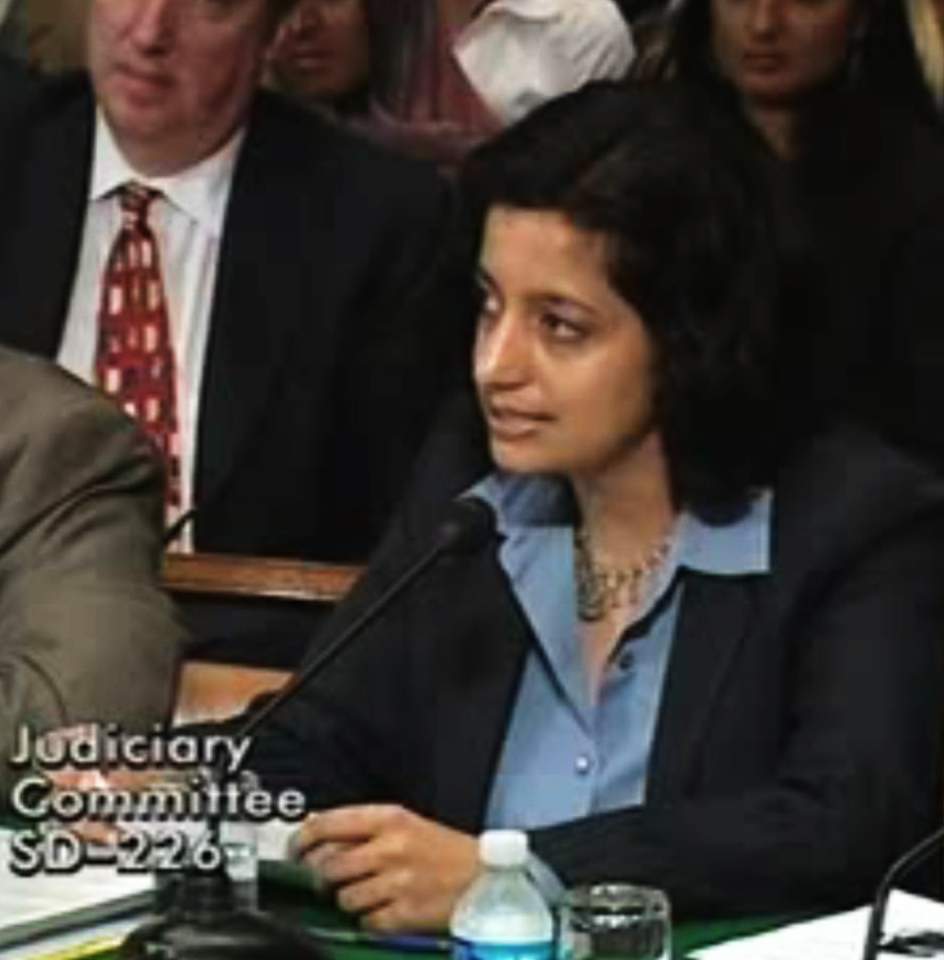
Farhana Khera:
- These are folks who are returning home from travel and they’re being stopped at borders, land crossings.
- After showing valid US passports, federal agents are engaging in very invasive questioning and searches of these Americans.
- Muslim or those Americans who may look Muslim.
- The questions (from border agents) go into first amendment protected areas. What mosque do you attend? How often do you pray?
- We want to educate federal policy makers, members of Congress, Homeland Security and the Obama Administration about this practice.
- Laptops, cameras and phones searched, in some cases asking about people in images, and how they particular individuals.
- Again, all of this without any evidence or suspicion.
- Ninth Circuit Decision US v Arnold, pretty much gives blanket authority to federal agents at the border to search laptops and electronic devices of law abiding Americans.
- We really need some standards in place that address the need of probable cause and reasonable suspicion before seizing personal data.
- We believe that Americans have the right to enter the country and not be compelled to answer questions, particularly about first amendment protected beliefs.
- We are giving practical advice in saying that you think this line of questioning is inappropriate. Get badge #’s of officers who have your stuff, then file a complaint.
- Traveler’s Privacy Protection Act – Proposed Legislation, to be re-introduced.
Guest – Farhana Khera, first Executive Director of Muslim Advocates and the National Association of Muslim Lawyers (NAML). Prior to joining Muslim Advocates and NAML in 2005, Ms. Khera was Counsel to the U.S. Senate Judiciary Committee, Subcommittee on the Constitution, Civil Rights, and Property Rights. In the Senate, she worked for six years directly for Senator Russell D. Feingold (D_WI), the Chairman of the Constitution Subcommittee. Ms. Khera focused substantially on the USA PATRIOT Act, racial and religious profiling, and other civil liberties issues raised by the government’s anti_terrorism policies since September 11, 2001. She was the Senator’s lead staff member in developing anti_racial profiling legislation and organizing subcommittee hearings on racial profiling.
—-
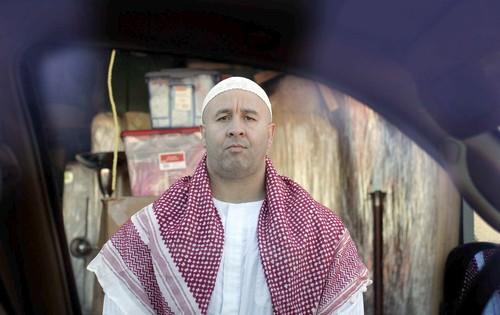
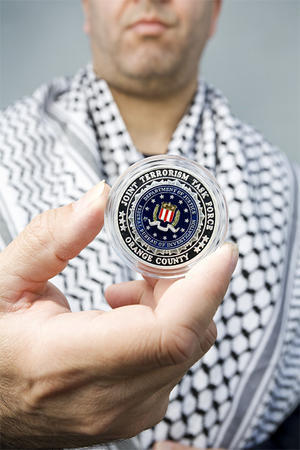
FBI Exposed: Federal Judge Orders FBI to Provide Full Muslim Surveillance Records
Last week a federal judge ordered the FBI to submit 100 documents detailing the bureau’s surveillance of Muslim leaders and organizations in Southern California and specifically, documents relating to the Council on American_Islamic Relations of Greater Los Angeles and its executive director. The court’s decision came in response to a 2007 lawsuit filed by the ACLU of Southern California that claimed the government’s incomplete and long_delayed response violated the Freedom of Information Act.
An attorney with the ACLU of Southern California says the surveillance records will show how the FBI infiltrated Southern California mosques and invasively monitored members of the Muslim community as if they were criminals.
“Truth can never be redacted. Only full disclosure will satisfy us and alleviate the pervasive fear in our communities and congregations,” said Shakeel Syed, executive director of the Islamic Shura Council of Southern California, who joins us today.
Shakeel Syed:
- It was confirmed in a court of law, under oath, that the FBI had employed informants, in one case, the informant was a former convicted felon.
- Craig Monteilh has multiple identities, he was given a different by the FBI and sent into one of the mosques.
- He embraced Islam proclaiming that he wanted to become Muslim and wanted to make his faith public.
- He abused the Islamic platform to gain trust in the community. The FBI told him the best way for you to infiltrate is to become Muslim and pretend to be a slow learner.
- The people at the mosque were alarmed when Craig Montel was encouraging others to blow up buildings in LA
- They called the FBI office on Craig Monteilh unaware that he was an informant. They brushed the report aside.
- Radiation monitoring of mosques
- We filed a FOIA request jointly not individually, which was good because what was suspected is now fully confirmed in the court of law that informants were paid as provocateurs in the area.
- In 2006, one of our members of the mosque, a student, ambushed an agent that was following him and he was apprehended by the University of Irvine campus police. We later filed a case against this individual and later never heard back from the campus police or the FBI.
- We received similar reports in our conversations with other community leaders in other areas such as Chicago, New York, Dallas, Detroit, Houston, Atlanta, Miami, San Francisco.
- It was revealed in some of the FBI surveillance documents that my private speeches were mentioned that were against the war in Iraq. Dalia Hashad – “They were in the mosque.”
- We continue to receive reports from the community on an almost ongoing basis from within the regions of Southern CA that the FBI has approached them to become informants, threatened them, intimidated them, offered them convenience of getting their naturalization papers expedited or immigration papers duly adjusted.
- I’m disgusted, but more emboldened to stand up and assert my rights.
Guest – Shakeel Syed, executive director of the Islamic Shura Council of Southern California.
———————————————————————————-
Afghanistan War, Civil Liberties, Extraordinary Rendition, Guantanamo, Habeas Corpus, Human Rights, Impeachment, Military Tribunal, Prosecution of the Bush Administration, Targeting Muslims, Torture, Truth to Power
Podcast: Play in new window | Download
Host Updates:
Hear more of the Jim Lehrer Newshour interview with Michael Ratner and Jeffrey Smith
—-
US To Escalate War in Afghanistan
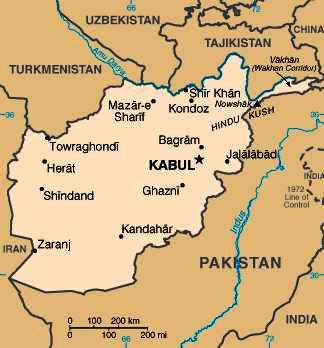
Nearly 15 thousand US troops have been recently committed to Afghanistan, and progressive think tanks are pushing the Obama Administration to send an additional 17 thousand which would bring the total to 70 thousand troops. Expansions are being built onto the Bagram prison, as mass incarceration is expected. Progressive Think Tank Tells Obama to Escalate
Tom Hayden:
- Global Phoenix Program – in testimony last week, 10 – 12 years overall to win the Afghanistan War. Two years of hard fighting, a couple extra billion dollars a month. I think they plan to send the troops into Southern Afghanistan and to take on the Taliban or who ever the local resistance forces are.
- I think people need to buckle their seat belts for a war. We’re going to have a war in Afghanistan that’s soft on torture. Where are the human rights groups, we’re sending US troops into a dirty war that incarcerates without evidence, tens of thousands of people.
- Center for American Progress – I’m disappointed in them, they’re usually good liberal democrats. Now they’ve come out for a military surge in Afghanistan.
- Obama has narrowed it down to one goal. Can we prevent Al-Quaeda from getting a base area from which they can attack Europe or the United States. The more we go into Pakistan with the predators and drones, the more Pakistan turns against us. It becomes a recruiting tool for more militants.
- The other way to go would be to address the grievances of the Muslim world that give al-queda some support base.
- 1. The US unconditional support for Israel
- 2. 150 thousand troops still in Iraq
- 3. US troops in countries where Muslims control their own oil.
- It’s all laid out in a book by Michael Scheuer -Imperial Hubris: Why the West is Losing the War on Terror
- I work very closely with Robert Greenwald at Brave New Foundation. Getting Afghanistan Right. There’s a huge sectarian problem in the anti-war movement. Nonetheless there’s always a peace and justice community in every city I go to.
- One wonders what it will take for someone in the House or Senate to stand up and say I want to lead the anti-war movement.
Guest – Political and social activist Tom Hayden joins us today to fill in the detail and time line in this escalation of war. Tom is also the author of Ending The War In Iraq.
—–
US War in Afghanistan and Pakistan – Follow Up
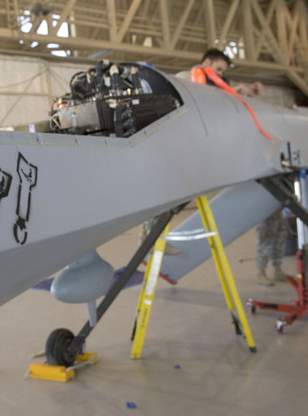
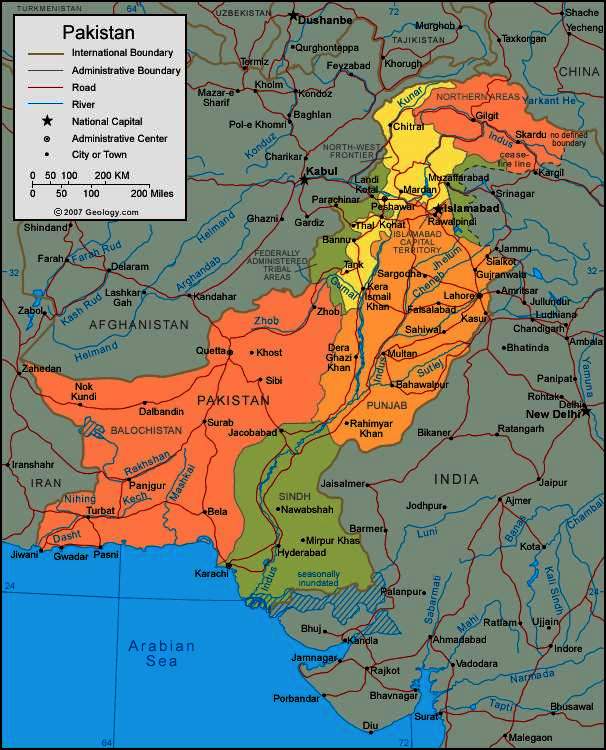
As tensions rise between Pakistan and the United States, President Obama recently mentioned that stability in Afghanistan depends on what will happen in Pakistan. The United States and Pakistan have been allies in their interest to purge Islamist extremism, however the two countries are now embroiled in miscommunication, drone wars and mistrust that is centered around a 10 billion dollar military aid fund. Analysts say the Obama administration is asking a lot from a fragile Pakistani government that has been in power for now only a year.
Michael Schwartz:
- President Obama’s speech – on Pakistan, tells the whole story. You have to unpack it.
- Not a lot of people have read the speech, Obama starts by saying a campaign against extremism will not succeed by bullets and bombs alone then he launches into the peaceful side of American policy.
- The US is planning to make Pakistan another outpost of globalization creating an opportunity for multinational corporations to invest into a local economy and basically take it over.
- What they’re saying is they’re trying to execute a policy to bring Pakistan into full economic domination of American capitalism. – a globalized version of American capitalism. The military aspect of this is only a part to secure the farthest reaches of the middle east, the part of instability.
- Obama’s speech is filled with being “adminstratively involved with Afghanistan and Pakistan.
- The delivery is profound American presence. American enterprises, adminstrators, experts, trainers, a kind of colonial presence, then on the other side of this, an integration into the global system.
- Private multinational enterprises will build schools, infrastructure.
- This same neo-liberal process has ocurred in Africa, South America and what we know about this process is that there is an extraction of large profits by these multinational corporations. The Taliban would set up a social organization that is incompatible with the globalized agenda, so you can see this as a counter-insurgency maneuver.
- The military part of this is that they’re not going to be able to do this in a peaceful way, they’re going to have to conquer the area.
- In a period of two years with more than 90 drone attacks have killed 5000 innocent Pakistanis. They want to kill civilians
- The sense that people are waiting to see whether Obama and Congress move to escalate the war is a big part of the lack of energy in the anti-war movement.
- These are colonial wars, because the United States seeks to have a real administrative hold over these countries.
- The United States can’t withdraw from Afghanistan because it borders on the three Caspian Sea oil companies. Those oil companies are gravitating toward China and Russia in the grand scheme of things.
- Regarding the Poppy agriculture in Afghanistan, the Taliban had gotten rid of the poppies, since the US had invaded Afghanistan, the poppy agriculture has come backWe talk today with Michael Schwartz about the current relations amid Pakistan, the United States and the war in Afghanistan.
- $1.5 billion in direct support to the Pakistani people every year over the next five years – resources that will build schools, roads, and hospitals, and strengthen Pakistan’s democracy. I’m also calling on Congress to pass a bipartisan bill co-sponsored by Maria Cantwell, Chris Van Hollen and Peter Hoekstra that creates opportunity zones in the border region to develop the economy and bring hope to places plagued by violence. And we will ask our friends and allies to do their part – including at the donors conference in Tokyo next month.
Guest – Michael Schwartz is a professor of Sociology and Faculty Director of the Undergraduate College of Global Studies at Stony Brook University, has written extensively on popular protest and insurgency as well as on American business and government dynamics. His books include the recently published War Without End.
———

Cuba, South America and the Summit of the Americas
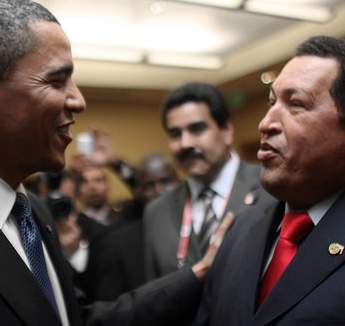
Earlier this year we spoke with film maker and Cuban scholar Saul Landau about the Cuban 50th anniversary and its significance. Now Saul describes the changes we can expect with regard to Cuban / US relations from the Obama Administration. The discussion also covers some detail of the recent talks at the Summit of the Americas in Trinidad.
Saul Landau:
- Obama has allowed Cuban Americans to travel freely to Cuba and allowing more loose travel regulations as well.
- What can Cuba really do except to promise to stop hitting the US in the fist with its face.
- What did Cuba do to the United States to merit 50 years of punishment?
- I don’t think Cubans are prepared to have 100 thousand Spring Breakers descend upon Havana.
- Nor are they prepared for American investors with big wads of cash, trying to buy up everybody and everything that they see.
- I think Obama is one of the cleverist, winsome, brightest people I can ever imagine, he’s a hard man to resist. But you have to get behind his optimistic rhetoric, his humility, his smile and his handshake and remember that prize fighters also shake hands before the first round.
- Cuba will have a lower profile in the future, we’ve seen the most publicity we’re going to see for quite a while now.
- I think things are little better, they’re a little quieter and less hostile. I think Cuba has its own problems that it really has to deal with
Guest – Saul Landau is an internationally known author, commentator, and film maker on foreign and domestic policy issues. Landau’s most widely praised achievements are the over forty films he has produced on social, political and historical issues, and worldwide human rights, for which he won the Letelier-Moffitt Human Rights Award, the George Polk Award for Investigative Reporting, and the First Amendment Award, as well as an Emmy for “Paul Jacobs and the Nuclear Gang.” In 2008, the Chilean government presented him withthe Bernardo O’Higgins Award for his human rights work. Landau has written fourteen books including a book of poems, “My Dad Was Not Hamlet.” He received an Edgar Allen Poe Award for Assassination on Embassy Row, a report on the 1976 murders of Chilean Ambassador Orlando Letelier and his colleague, Ronni Moffitt.
He is Professor Emeritus at California State University, Pomona. He is a senior Fellow at and Vice Chair of the Institute for Policy Studies.
————————————————————-
.
Afghanistan War, Civil Liberties, Criminalizing Dissent, Human Rights, Surveillance, Truth to Power
Podcast: Play in new window | Download
Hosts Updates:
——————-
Mumia Exception: Supreme Court Denies Appeal For Mumia Abu-Jamal
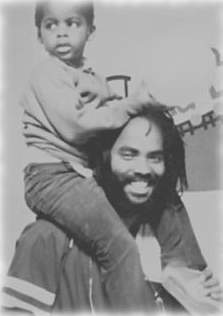
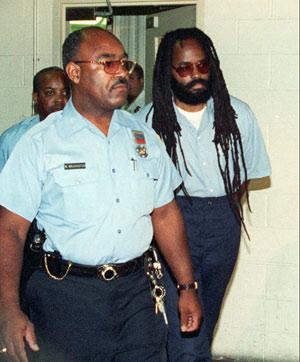
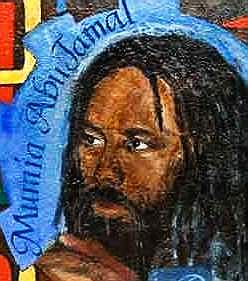
In early April the Supreme Court denied a petition for writ of certiorari in the longstanding case of Mumia Abu Jamal. The appeal to the high Court included an examination of the so-called culture of discrimination operative among Philadelphia prosecutors. It cited 11 separate rulings in which federal and Pennsylvania state courts specifically faulted Philadelphia prosecutors for engaging in intentional discrimination during jury selection. Mumia Exception
Citing dozens of court rulings nationwide, it noted a U.S. Supreme Court ruling where one justice used a statistical study documenting Philadelphia prosecutors purging potential Black jurors at twice the rate of whites during death penalty trials between 1981 and 1997.
Linn Washington:
- Courts, be they city courts in Philadelphia, apellate courts in Pennsylvania or federal courts at the trial level and appeals level,
- they will either ignore or alter their established rulings, their precedent . . .when it comes to the Mumia case.
- In Mumia’s case, we have a situation where police actually, withheld evidence, they altered evidence, we now know this clearly, but the courts have helped suppress that
- Prison authorities have barred photographing or recording for broadcast purposes of inmates in institutions, just as a way to get at Mumia. You can go in with a notebook and pen.
- Batson Case: In the first 3 years of prosecution in Mumia’s trial, there was deliberate purging of black people from the jurors, for racially discriminatory purposes.
- A video tape had surfaced of a training session, a formal training session in the office, where a senior prosecutor was instructing other prosecuters, on how to purge blacks for juries, in a way that it would mask what they’re doing and thus get around the Batson ruling.
- In March 2008, the US Supreme Court issued relief to an inmate on death row in Louisiana, citing Batson, the essence of it was, if there was one provable instance of discrimination against a black juror – you would have a new trial.
- Two months later, the US Third Circuit, ignored that ruling and created new law, new restriction, higher burden for inmates to raise, in Batson cases.
- Justice Samuel Alito had initially ruled if one legal juror was discriminated against, it was provable, . . to get a new trial – Batson case. Then he changed his view.
- Here we had an award winning journalist, at that time the head of the black journalist association in Philadelphia.
- This has been fascinating in terms of the police withholding evidence, perjury, intimidating witnesses, prosecuters engaged in egregious misconduct and judges from the trial court level, all the up to the US Supreme Court ignoring their duty to justice
- Regarding Judge Sabo’s remark ” to fry that n-word” a court stenographer overheard this and years later came forward to make it public.
Guest – Linn Washington is an Associate Professor of Journalism at Temple University in Philadelphia and a weekly columnist for The Philadelphia Tribune – America’s oldest black owned newspaper. He has reported on the Abu-Jamal case for nearly thirty years. Linn Washington is currently writing a book on police brutality, the thesis is why we have police brutality. We have a continuation of police brutality decade after decade because prosecutors actually aid by ignoring the misconduct of officers.
————–
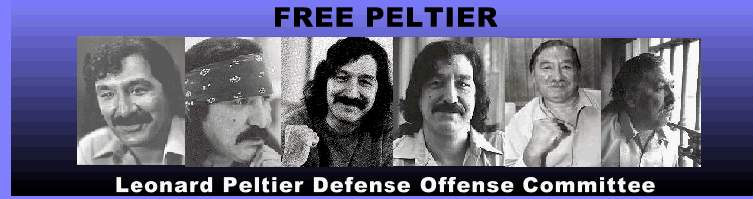
Leonard Peltier: Update On A Political Prisoner
Leonard Peltier is a Native American activist who was convicted of killing two FBI agents during a shootout on the Pine Ridge Indian Reservation in 1975. He was recently transferred back to prison in Lewisburg, Pennsylvania after being attacked and beaten. Leonard Peltier was also denied clemency by the Bush Administration, the request had been pending for 8 years. He is featured in the recently published book, Let Freedom Ring, A Collection of Documents From the Movements to Free US Political Prisoners, brings together the voices of numerous US political prisoners who have taken great risk and sacrifice to stand up for human and civil rights.
Political prisoners such as Leonard Peltier, receive some of the harshest treatment behind bars, such as torture, inhumane and degrading treatment, they’re also subjected to disproportionately lengthy prison sentences. Attorney Michael Kuzma will give us an update on Leonard Peltier’s current condition and case.
Michael Kuzmar
- Two FBI agents, Kohler and Williams allegedly had a warrant they were trying to serve on Jimmy Eagle, who had allegedly stolen some cowboy boots. They went to execute the warrant, a fire fight erupted and the next thing you know, Joe Stunts and the two agents are dead. Subsequently, Leonard Peltier, Bob Robado, Dino Butler, were charged with murdering the two agents.
- For Leonard Peltier’s case it was tragic in that the lead attorney Eliot Takiff, had never tried a murder case before, you had an unfriendly judge and the prosecutors had a field day with ramping up the fear.
- When Bill Kunstler picked up the case on a Habeas, after losing appeals. It was about the bullet not matching.
- There was a balistics report that was withheld from defense attorneys in 1977, it was later unearthed by John Privatera and Michael Tigar.
- When Leonard was arrested on February 6, 1976, he was with an individual named Frank Blackhorse. Blackhorse was wanted for several offenses and indicted in 1973 for wounding at FBI agent at Wounded Knee.
- The most curious thing about this case is that Frank Blackhorse is not extradicted, he’s allowed to roam free in Western Canada. Turns out also, Frank Blackhorse isn’t his real name.
- The head of security for the American Indian Movement was a paid FBI operative.
- Based on the work I’ve done with the FOIA requests, its clear that along with others in the AIM, Leonard Peltier had been targeted by the FBI under Cointel Pro.
- We’ve been fighting to get documents that show how the FBI used a host of dirty tricks against Leonard.
- One of the prosecutors who is now retired, Len Krooks, has publicly stated that they don’t know who shot the agents.
- What we discovered is that the government turned over 3500 pages of material to Leonard’s defense attorneys and said this is all we have. As a result of a FOIA case brought in the late seventies we discovered the FBI had 18 thousand pages of material.
- Twelve thousand pages were released, 6 thousand pages withheld. Then as a result of another FOIA request in 2001 we found the FBI had 142, 579 pages of material.
- We have a suit still pending, we’re waiting for a decision from the court of appeals, for the 8th circuit. We’re trying to get 90 thousand pages, that’s what we’re sueing for. The government is fighting to hold onto 11 thousand pages of material. The reason they say is that the material if released will hamper the nation’s war on trans-national terrorism.
- The FBI can’t afford to have this information come out, because if people learned how extensive the informants and under cover agents were
- Leonard Peltier will be 65 on September 12, 2009. He has diabetes, his eyesight is not the best. There’s no threat whatsoever if Leonard was released today. William Kunstler believed Peltier did not shoot the FBI agents.
- Leonard is considered to be an old law inmate.
- Leonard had been in Ft. Leavenworth Prison and was transferred to the Lewisburg Federal Penitentiary. He was then transfere
- January 13th. Leonard was brutally attacked by two other inmates and suffered a possible concussion, he was kicked around the ribcage, he’s having headaches, his knee was bruised.
- What we’ve been hoping to do is get Leonard transferred to a medium security prison, he’s eligible.
Guest – Michael Kuzma, attorney for Leonard Peltier. As many know, Leonard Peltier is a Native American activist who was convicted of killing two FBI agents during a shootout on the Pine Ridge Indian Reservation in 1975. He was recently transferred back to prison in Lewisburg, Pennsylvania after being attacked and beaten. Leonard Peltier was also denied clemency by the Bush Administration, the request had been pending for 8 years.
——————————————————————-
Afghanistan War, CIA Sponsored Terror, Civil Liberties, Extraordinary Rendition, Guantanamo, Habeas Corpus, Human Rights, Iraq War, Military Tribunal, Targeting Muslims, Torture, Truth to Power
Podcast: Play in new window | Download
Host Updates
———
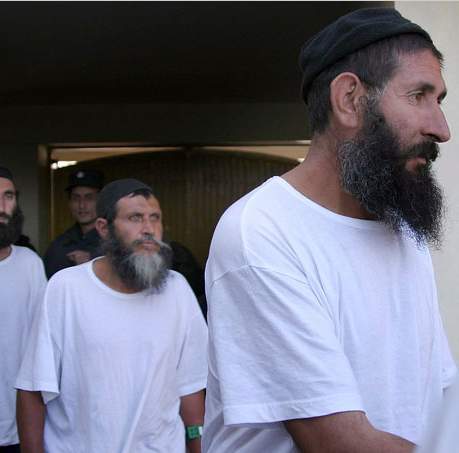
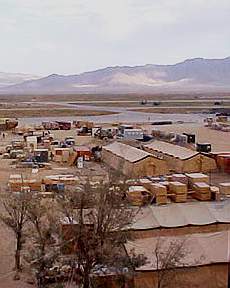
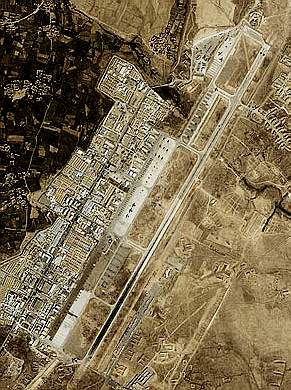
Some Prisoners at Bagram AFB, Afghanistan May Challenge Detention
Last week a federal judge ruled that some prisoners held by the US military at Bagram Air Base prison in Afghanistan have the right to challenge their imprisonment. There are more than 600 people being held at the Bagram prison in Afghanistan without charges.
The federal ruling does not apply to prisoners captured on the battlefield in Afghanistan, citizenship and location of the capture will determine if prisoners could challenge their detention in court.
Tina Foster, the executive director of the International Justice Network said that the Bagram ruling meant that changes to the Bush detention policies would go beyond merely closing Guantánamo and extend “to any place where the United States seeks to hold individuals in a legal black hole.”
Attorney Tina Foster:
- Filed writ of Habeas Corpus for the 4 detainees to challenge their detentions.
- Judge Bates: The US cannot manipulate the jurisdiction of the courts by holding people deliberately in places where the courts have not traditionally exercised jurisdiction.
- Bagram is the main military base in Afghanistan, it was an old Soviet air hangar, that’s where they’ve established a prison.
- 600 in Bagram prison.
- There are other coalition forces at Bagram AFB with military presence, but as “guests” of the US.
- US Government: Unlike Guantanamo, Bagram is in the middle of a war zone.
- Bagram was the original Guantanamo, a lot of the people at Guantanamo first spent time at Bagram.
- A few years ago, working with you Michael (Ratner) one of the happy tasks I had, was to travel all over the world, contacting the families of the detainees at Guantanamo. It also became clear that there were people locked up in other places besides Guantanamo.
- Shockingly,the Obama Administration has adopted the Bush Administration policy on Bagram. All of their legal arguments, all of their secrecy, still deciding not to disclose any information.
- What has been different than the Bush Administration, is that when Obama signed orders to close Guantanamo, he set up a task force to look at detainee policy more broadly. That report is due in July.
Guest – Tina Monshipour Foster is the founder and Executive Director of the International Justice Network (“IJN”), and serves as lead counsel in several of IJN’s legal cases on behalf detainees imprisoned without charge at Bagram Airfield in Afghanistan. Ms. Foster’s work on behalf of prisoners and other victims of human rights violations has been featured in major media outlets in the US and abroad, including The New York Times, Wall Street Journal, Washington Post, Harper’s Magazine, Smithsonian, Al Jazeera channel, and others.
From November 2004 to May 2006, Ms. Foster was an attorney with the Center for Constitutional Rights (“CCR”) and Counsel for CCR’s Guantanamo Global Justice Initiative. Prior to joining CCR, she was a litigation associate at Clifford Chance US LLP and previously served as a law clerk for Hon. Delissa A. Ridgway at the United States Court of International Trade. Ms. Foster is a graduate of Cornell Law School, where she was an editor of the Cornell International Law Journal.
——
Guantanamo Bay Prison, Update
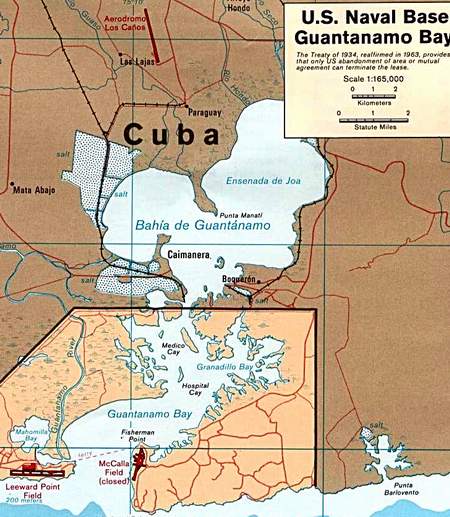
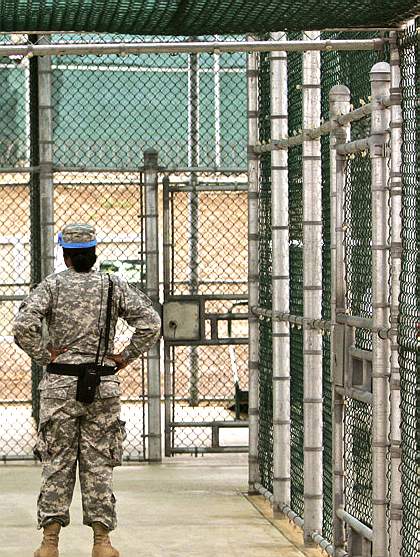
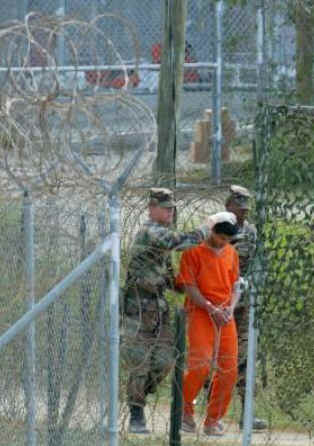
Today we talk with Emi MacLean, staff attorney for the Center for Constitutional Rights to get an update, an impression of where things stand with Guantanamo Bay prisoners, their status of Habeas Corpus, and the Obama administration’s position. There are also 17 innocent Chinese muslims called Uighurs asking, again for their release. Our guest Emi MacLean has worked with the Guantánamo Global Justice Initiative and other forms of executive detention, including secret prisons and transfers to torture.
Attorney Emi MacLean:
- More Guantanamo prisoners have left in the last weeks of the Bush Administration then the first 100 days of the Obama Administration.
- 240 people at Guantanamo right now. Approximately, 20 Guantanamo prisoners will face any prosecution.
- We’ve held more than 775 people at Guantanamo
- The people at Guantanamo right now are not there because of some greater threat assessment, they are there because of their country of nationality.
- Almost all the Europeans were released early on, almost all the Yemenis remain behind.
- A federal district judge ordered the release of the Uighers last October, the Bush Administration challenged the release.
- When we asked the Obama Administration to drop the challenge, they have yet to do so.
- I remember seeing civil liberties groups celebrating the executive order calling for the closure of Guantanamo in one year. But nothing has really changed for the reality of those men in Guantanamo. This is a consistent devaluation of the life of the men imprisoned there.
- We’ve seen the Obama Administration lawyers refuse to back away from the Bush Administration’s position on states secrets.
- It’s very hard for people to give up power.
- What makes our work difficult, is that it usually takes a couple of weeks for our communications to clear. The communication between counsels on what the Guantanamo conditions are.
- The Obama Review Team determined that the conditions at Guantanamo complied with Geneva Convention, which was certainly not what we were hearing and certainly not what we were seeing.
- The overwhelming majority of the men at Guantanamo were still in brutal conditions of solitary confinement and still reporting severe psychological and religious abuses at Guantanamo.
- No middle ground, these men should be tried or released.
Guest – Attorney Emi MacLean has worked at the Center for Constitutional Rights (CCR) with the Guantánamo Global Justice Initiative (GGJI) since June 2006. She works on issues related to Guantánamo and other forms of executive detention, including secret prisons and transfers-to-torture. She helps coordinate the pro bono attorneys representing the hundreds of men still detained at Guantánamo and supports CCR’s direct representation of a number of current detainees.
In addition, Emi is involved in civil actions brought on behalf of former prisoners released from Guantánamo (Rasul v. Rumsfeld and Celikgogus v. Rumsfeld) and actions under the Freedom Of Information Act (FOIA) challenging the government’s refusal to disclose information about the NSA’s warrantless surveillance of Guantánamo attorneys (Wilner v. NSA) and the CIA’s secret detention program (Amnesty International, CCR, et al. v. CIA). In addition to direct litigation, Emi’s work with CCR includes legislative and international advocacy.
Emi has previously worked or volunteered with the United States Senate Judiciary Committee, Center for Justice and International Law (CEJIL), Human Rights First, and the American Civil Liberties Union (ACLU). Prior to law school, Emi worked with South Africa’s National Association of Democratic Lawyers (NADEL), and Médecins Sans Frontieres (Doctors without Borders). Emi graduated magna cum laude from Harvard College and Georgetown University Law Center.
———————–
Afghanistan War, Civil Liberties, Criminalizing Dissent, Habeas Corpus, Human Rights, Surveillance, Targeting Muslims, Torture, Truth to Power
Podcast: Play in new window | Download
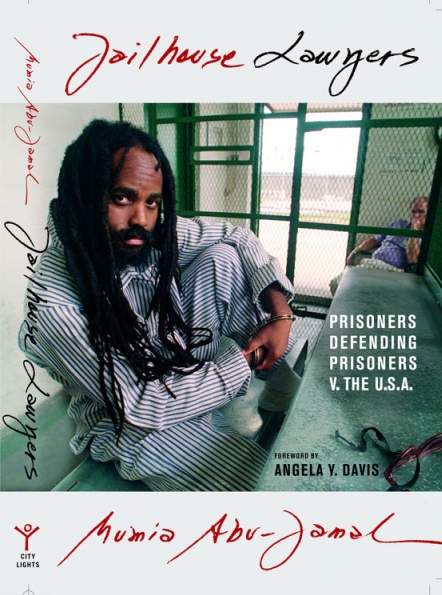
Frances Golden: Jailhouse Lawyers, Prisoners Defending Prisoners Against the United States of America by Mumia Abu Jamal
Frances Golden joins us today to discuss a very well known political prisoner, as we continue our political prisoner series based on the book Let Freedom Ring. Frances is the literary agent for Mumia Abu Jamal. Mumia as many know, was convicted and sentenced to death for the 1981 murder of police officer Daniel Faulkner. Mumia was a Black Panther Party activist, cab driver, and journalist. Since his conviction, Mumia has become an international cultural icon for political prisoners. A previous guest here on Law and Disorder, author/ journalist J. Patrick O’Connor who wrote The Framing of Mumia Abu Jamal, says the real shooter was Kenneth Freeman a business partner of Mumia’s brother. Freeman, was found dead in 1985, bound and cuffed in a Philadelphia parking lot.
We get a another perspective today from Mumia’s literary agent Frances Golden. Frances also visits six death row in a Pittsburgh maximum security prison. Jailhouse Lawyers, Prisoners Defending Prisoners Against the United States of America by Mumia Abu Jamal.
Frances Golden:
- Visiting death row inmates happened because I went to visit Mumia as a visitor.
- I had to become a member of the Pennsylvania prison society. 40 bucks a year you can see any prisoner anywhere.
- Now, because the PPS applications were flooded to see Mumia, they changed the policy that only Pennsylvania residents can become members of PPS.
- You have to see more than one prisoner as a PPS member. So, Mumia gave me names of others including Robert Lark aka Sugar Bear.
- I hope I don’t cry when I say this, out of the 6 death row inmates I see, 5 of them are innocent.
- You’re behind very thick glass, there are quarter inch thick screens on each side of the cell where your voice can travel through. It’s awful, insulting but it’s what exists on death row.
- I have a little book with their names in it, with 100 pages(of notes) between each name.
- The prison system is illegal and inhuman. The person who speaks most clearly about that is Angela Davis.
- One prisoner nicknamed Slim was on the streets of Philadelphia without a home at 10 years old. Never went to school, got in trouble ended up on death row. He learned to read in prison, he’s a phenomenal jail house lawyer.
- Two of the five could get out, that’s Sugar Bear and Osiris.
- I have a prisoner friend whose name is Russel Shoates. He will never be executed but he’s on death row because he escaped 3 times. Russell is shackled and tied to his waist. I dance with them and do yoga. I can’t do that with Russell. I asked the warden to unshackle him. This man is gentle, he’s small, he’s wickedly intelligent.
- Philadelphia, the most corrupt city in the United States, from beginning to end. –Judges lock up kids for kickbacks in Pennsylvania
Guest: Frances Golden, activist and literary agent for Mumia Abu-Jamal, Frances is a member of the Pennsylvania Prison Society and visits 6 death row inmates monthly.
————
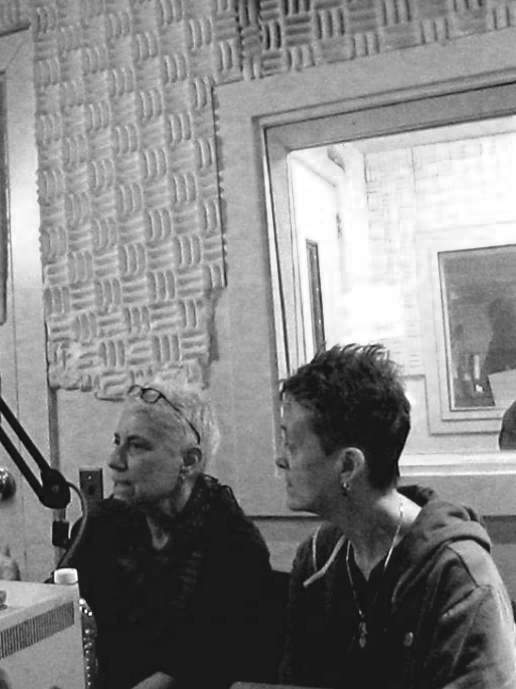
Laura Whitehorn and Susie Day – Let Freedom Ring, A Collection of Documents From the Movements to Free US Political Prisoners.
Among the many contributors to the book Let Freedom Ring is revolutionary ex-political prisoner and native New Yorker Laura Whitehorn. Since the 1960s Laura was active in supporting groups such as the Black Panther Party, the Black Liberation Movement and was active with Students for a Democratic Society and the Weather Underground. Laura also worked to expose the FBI’s Counter Intelligence Program. Laura was arrested in 1985, convicted of the 1983 US Capitol bombing and charged with… “conspiracy to oppose, protest and change the policies and practices of the United States government in domestic and international matters by violence and illegal means.” She was sentenced to 20 years in prison, and was released August 1999 after 14 years. Laura lives in New York City and is active in a wide range of progressive issues.
Laura’s partner Susie Day, activist, writer and contributer to Let Freedom Ring also joins Law and Disorder hosts in the studio.
Laura Whitehorn:
- I’m in my sixties now, I was moved by the Black Liberation struggle and the struggle of the Vietnamese people against the United States.
- But I ended up spending years in prison later, in a case called the conspiracy case and our indictment was a thing of beauty – using the words violent and illegal means. It was a series of bombings of buildings. No one was ever hurt, great care was taken. One of the buildings was the U.S. Capitol.
- But in that period in 1988, we were in the DC jail for 3 years and it was the beginning of the huge epidemic of AIDS in Washington DC. It was a time of absolute fear, stigma, no drugs to treat HIV, and so we started to learn about HIV and did counseling, almost all the political prisoners had done that. This is because AIDS is huge in prison. A quarter of the people with AIDS in this country go through the prison system at some point.
- The fact that the government says there are no political prisoners, it’s a denigration of everything that you stand for. So, it was important that we had a lot of support.
- There’s a great interest in the sixties movements, the movies and books etc, but that doesn’t translate into the willingness to say enough is enough. People have been in jail since the late sixties and early seventies. How much time do you have to serve in this country, what kind of country do we have?
- In Europe the maxium is 20 years, sometimes they go farther. That’s a life sentence in Europe, but here, you could have saved the warden’s life but if you were a black panther and go to the parole board, they say you can’t get out.
- We have Obama, but the same justice system. We have to fight for a new justice system. What happens to political prisoners will happen to everyone else. We were held in preventive detention now everyone knows what it is.
- The book is a guide in how to raise these cases, who these people are, what kinds of organizations are out there. What can people do? The Jericho Movement
Susie Day:
- Before I met Laura Whitehorn, I was sort of intrigued by all the compromises most of us make everyday, for decades. We cut corners everyday to go to our jobs, to raise kids, to pay the rent, and we support involuntarily things that we abhor. So, I was interested in people who did not compromise. Who lived underground, who would go to extremes of giving up their lives of basic middle class educated comfort. . .and give up their identities to fight an establishment that made it so easy for everyone else to just get along.
Guest: Laura Whitehorn – revolutionary ex-political prisoner and native New Yorker Laura Whitehorn. Since the 1960s Laura was active in supporting groups such as the Black Panther Party, the Black Liberation Movement and was active with Students for a Democratic Society and the Weather Underground. Laura also worked to expose the FBI’s Counter Intelligence.
Guest: Susie Day lives in New York City where she writes a humor column for feminist and gay publications. She has also written on U.S. political prisoners and labor issues and thinks her girlfriend, Laura Whitehorn, is hot stuff. Can’t get enough of Susie? Read other pieces by Susie Day in MRZine: Susie Day, “Fugitive Offers Reward for Rumsfeld’s Capture” (22 July 2005); “Street Life of a Mad Activist” (28 July 2005);
—
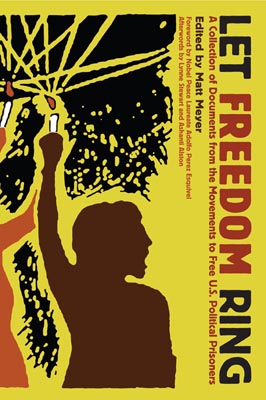

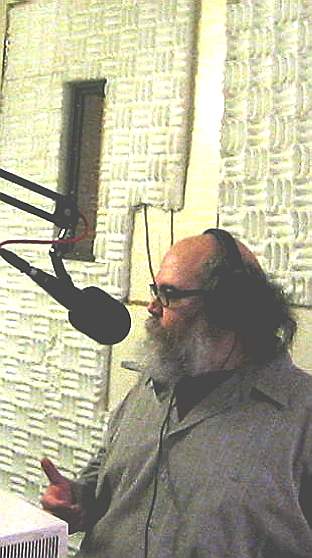
Matt Meyer – Let Freedom Ring, A Collection of Documents From the Movements to Free US Political Prisoners.
New York based educator and activist Matt Meyer. Matt is the editor of several books including the recently published Let Freedom Ring, A Collection of Documents From the Movements to Free US Political Prisoners. – The book nicely pulls together two decades of essays, interviews and resolutions of US political prisoners. These are the voices and intimate writings of those who have challenged the US empire from within, Black Panthers, Puerto Rican independentistas, white anti-imperialists, environmental and animal rights militants and Arab and Muslim activists. Meyer is a former public draft registration resister and chair of the War Resisters League.
Matt Meyer:
- We wanted to bring awareness to that yes, there are political prisoners in the US.
- There’s been a history to support those movements and free them.
- This book focuses on the last 25 years as a key era that took us through the late sixties and seventies of social change.
- The majority of peoples that have been in prison come from the black civil rights liberation movement, come from the American Indian Movement, come from the Puerto Rican and Chicano movements and come from some white allies and supporters.
- Political prisoners are in jail because of the ideas they’ve had as much as the acts they’ve committed. They’re political actions and beliefs and who are in jail 20, 30 years, incredibly long sentences and harsh conditions.
- It is also a collection of documents from the movement to free them. For example from the Puerto Rican movement. We have a collection of documents that began to help free 12 Puerto Rican political prisoners – this shows how this came through by a combination of grassroots support and international pressure.
- This book says to activists and all readers that we can build upon the strategies that have been used in the last 20 years. We can look at some of the documents and get a sense of how to use these strategies today to help not only political prisoners but prisoners in the ever increasing US prison system. There is a growing sense that we should all pay more attention to these folks who are languishing in jail.
- The fact that the information in this book was not readily available, it was scattered here and there. This volume was designed as a tool with the hope to spark new movements.
- What can people do? The Jericho Movement
Guest: Matt Meyer – Founding PJSA Co-Chair along with USF Dean Jennifer Turpin, Meyer has long worked to bring together academics and activists for lasting social change. A former public draft registration resister and chair of the War Resisters League, he continues to serve as convener of the War Resisters International Africa Working Group. With Bill Sutherland, Meyer authored Guns and Gandhi in Africa: Pan-African Insights on Nonviolence, Armed Struggle and Liberation, of which Archbishop Desmond Tutu wrote, “Sutherland and Meyer have looked beyond the short-term strategies and tactics which too often divide progressive people.
—————————————
Extraordinary Rendition, Guantanamo, Habeas Corpus, Human Rights, Supreme Court, Surveillance, Targeting Muslims, Torture, Truth to Power
Podcast: Play in new window | Download
Updates:
——-
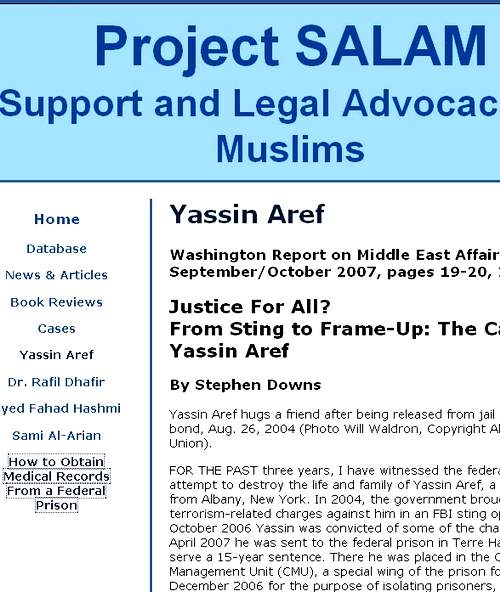
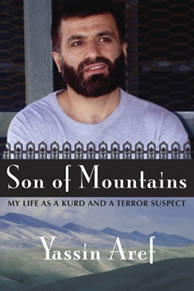
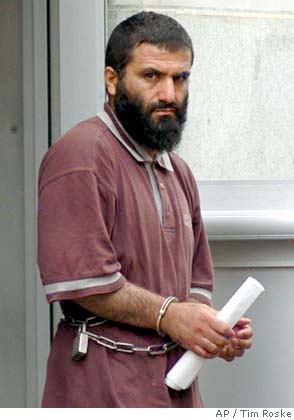
Steve Downs: The Yassin Aref Story and Muslim Database, Project Salam
Imam Yassin Aref is among numerous Muslim men in the United States who were targeted by the FBI framed and wrongly convicted. Aref is Iraqi Kurd who came to Albany, New York in 1999 as refugee from Kurdistan. He later became the leader at a local mosque. After 9/11 the FBI began to illegally wiretap and eavesdrop on the mosque and Yassin. It was later reported in the New York Times that these wiretaps were conducted without court approval. As retired attorney Stephen Downs explains, Yassin is one of 400 in a database site, Project Salam that keeps track of Muslim men in United States prison.
Stephen Downs:
- Whatever it was that triggered suspicion, the FBI decided they wanted to convict Yassir
- So, they set up sting operation, it was run by a guy who was convicted of a number of felonies.
- Yassin was convicted and sentence to 15 years in communication management units at Terra Haute Prison, Indiana,
- They’re trying to seal them off from the prison population and society at large.
- They’re being treated like they have some horrible disease and would infect anyone that they’d come in contact with.
- I have a suspicion that the Bush Administration was thinking of closing Guantanamo and I can’t help thinking that because the size of this place is about right, that they’d consider transferring prisoners there, but that didn’t happen.
- There is room for 400 prisoners, there are 50 or 60.
- We began to realize that all over the country there were groups that were forming around certain people in their communities that had been simply, locked away.
- So, we got together at Albany Law School and decided to set up a database of all the Muslims in the country who had been improperly gone after. They were under suspicion from the government for some reason.
- We just wrote to President Obama and Attorney General Holder regarding what has happened under the Bush Administration in that we change the paradigm in how we prosecute people.
- Now we’re going to be writing letters about specific cases. We got 900 people to sign the first letter.
- We are asking people to adopt a defendant.
- We have about 400 Muslims in the database. We can’t say that all 400 are innocent. Some people are overcharged.
- We appealed and lost. There was a secret appeal and a top secret brief that even the prosecutor wasn’t allowed to see.
- The appellate decision was harsh, it either mischaracterized what we had to say or brushed them aside immediately.
- We thought it was a victory because the standard is a 30 year prison sentence, based on the all the “enhancements” that they added.
Guest – Stephen Downs, a retired New York State attorney and a volunteer attorney for the Yassin Aref case.
———————————————–
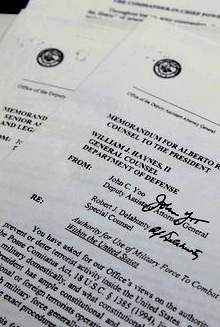
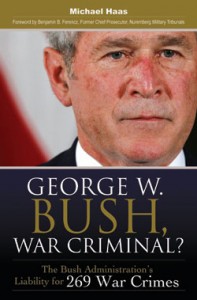
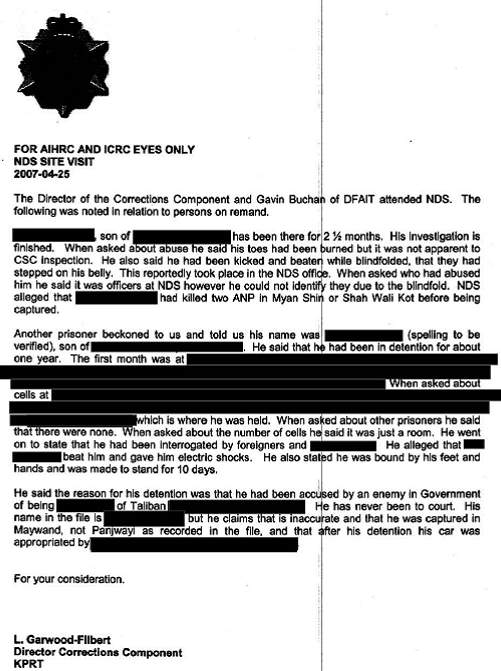
George W. Bush, War Criminal ? by Michael Haas
In the book titled George W. Bush, War Criminal? author Michael Haas counts 269 war crimes that the Bush Administration are liable to be prosecuted for. He itemizes each war crime into a specific category of four classes, such 36 war crimes committed in the conduct of war, 175 war crimes committed in the treatment of prisoners and so on. This book carefully documents the war crime evidence, making it quick work to investigate how George W. Bush, the military officers under his command and the staff in his administration can be brought to justice.
Michael Haas:
- The illegality of the war.
- The misconduct during war, militarily, the mistreatment of prisoner.
- The misgovernment of the occupations of Iraq and Afghanistan.
- The decision to indiscriminately bomb without giving proper notice to the civilian population and then the use of illegal weapons such as Daisy Cutters, White Phosphorous and Depleted Uranium Weapons which not only affected the civilian population in Iraq, but the American soldiers who came in to occupy.
- I have a table in the book indicating 40 international agreements that are war crimes treaties.
- The most prominent to begin with is the Red Cross Convention of 1864 and then going on to the Hague Conventions, the Geneva Conventions before and after WWII and then the subsequent conventions against torture and forced disappearances.
- Any kind of torture is illegal involving prisoners of war.
- When they couldn’t get information out of Guantanamo prisoners, the Geneva Convention orders to not torture prisoners was countermanded to try other techniques by then Secretary of Defense Donald Rumsfeld – by executive order through George Bush.
- Most of the war crimes are from the mistreatment of prisoners, because the Geneva Convention is very detailed and specific about what cannot be done.
- The Bush executive order details what had happened and in fact is an admission of abuse.
- Extraordinary renditions, to send someone to another country to be tortured is itself a war crime.
- War crimes are ongoing now, they’re happening under the Obama Administration.
- If we can’t focus on now, which apparently isn’t happening, then we can’t learn lessons from the past.
- At Guantanamo, the following war crimes are taking place: Failure to transmit legal documents to prisoners, secret judicial proceedings, refusal to cooperate in investigations and prosecution of torturers. The wreckless endangerment of health in prison, the violation of medical ethics, that is the force feeding. Indefinite imprisonment of children, cruel treatment, that is the beatings after force feedings.
- These are what I’ve counted to be 22 war crimes since the inauguration of President Obama.
- The thesis of the book is to have a truth commission on the war crimes published in this book so that people know, the public what is a war crime, what is not a war crime.
- Some of the war crimes are only heresay right now, so we need sworn testimony, though some of the war crimes are signed by George W Bush. www.uswarcrimes.com
- I was writing a textbook on human rights, I’m a scholar, political scientist, while I was reading the Geneva Conventions to summarize them for the purpose of a chapter, I was also reading the newspaper, I realized that the violations of the Geneva Conventions, and reading them item by item – its very dry reading, but I can make it much more interesting.
- I quit my job as a professor, and relentlessly began getting up at 5 AM and going to bed at 1AM day after day to finish this book, so it would be coming out just a few days before the inauguration of the new president.
Guest – Michael Haas, has written more than 30 books on human rights, he is currently Professor Emeritus of Political Science at the University of Hawaii and the Chairman of the International Academic Advisory Board of the University of Cambodia. He played a role in stopping the secret funding of the Khmer Rouge by the administration of President George H. W. Bush. He has taught political science at the University of London, Northwestern University, Purdue University, and the University of California, Riverside.The argument is that all 4 types of war crimes were violated with great impunity by George W Bush and members of his administration.
——————————————-