Welcome to Law and Disorder Radio
Law and Disorder is a weekly independent civil liberties radio program airing on more than 150 stations and on Apple podcast. Law and Disorder provides timely legal perspectives on issues concerning civil liberties, privacy, right to dissent and practices of torture exercised by the US government and private corporations.
Law and Disorder November 9, 2020
Podcast: Play in new window | Download
Democrats, Republicans, Vote Counts And The Green Party
We are recording this interview with Margaret Kimberley on November 4th, the day after the election. Over 90 million people voted early. Their ballots are still being counted. Trump doesn’t want them counted and is relying on the Supreme Court to back him up just like the Supreme Court in the year 2000 stopped the counting of ballots in Dade County Florida, thus allowing George W. Bush to steal the election. Trump wants to be able to say, as former Nicaraguan dictator Somoza bragged, “It is true you won the voting. But I won the counting.” The overwhelming consensus on the left was to hold your nose, vote for Biden, and then attempt to influence him when he takes office. Biden kept a low profile during the campaign. He didn’t have much to say programmatically. His strongest appeal was that he was not Trump, whom Noam Chomsky called the most.
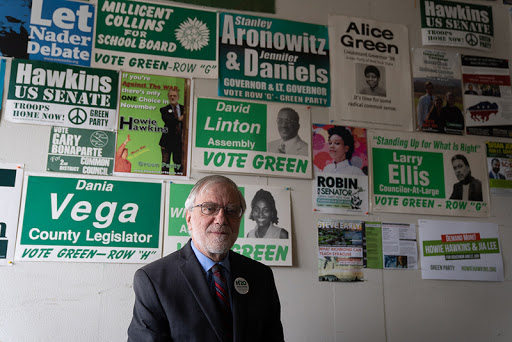
The eco-socialist Green Party led by Howie Hawkins and Angela Walker got very little attention from neither the main stream press nor the left of center media. His campaign was vilified with critics stating that a vote for the Greens was tantamount to a vote for Trump. The Democratic Party in Wisconsin went so far as to help successfully prevent Hawkins and Walker from staying on the ballot in that state after Walker changed her home address after her papers were filed. Regardless of how people on the left voted, the immediate question, which is always the key political question, is what are we to do next?
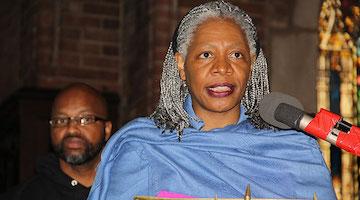
Guest – Green Party supporter Margaret Kimberley, senior editor at the Black Agenda Report and the author of the widely read book ”Prejudential”.
—-
Pre-Election Unrest and Aftermath
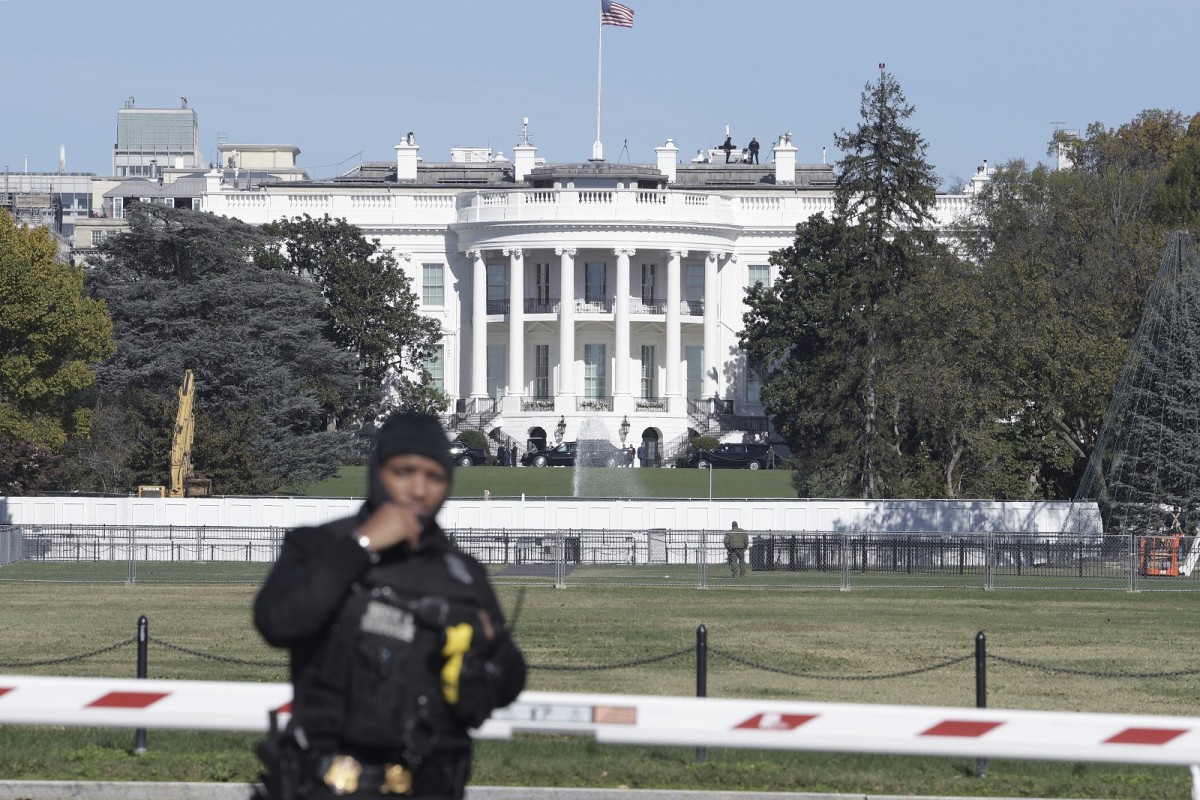
Days before last week’s November 3 presidential election, businesses across the nation boarded up storefronts in anticipation of violent protests. Cities prepared for election-related unrest as activists get ready for what could be weeks of sustained street actions, depending on how the vote count goes and how President Donald Trump acts after his repeated refusals to say if he will accept election results.
At the time of this recording, not surprisingly, results from several states were still pending.
We can be sure, however, that even if Joe Biden is declared the winner, Donald Trump will challenge the results as fraudulent, laying the groundwork for a series of protracted legal battles. But a larger issue remains: While mass uprisings in the streets have altered the social discourse around racism, several larger issues are still at play, determined to keep Donald Trump in office.
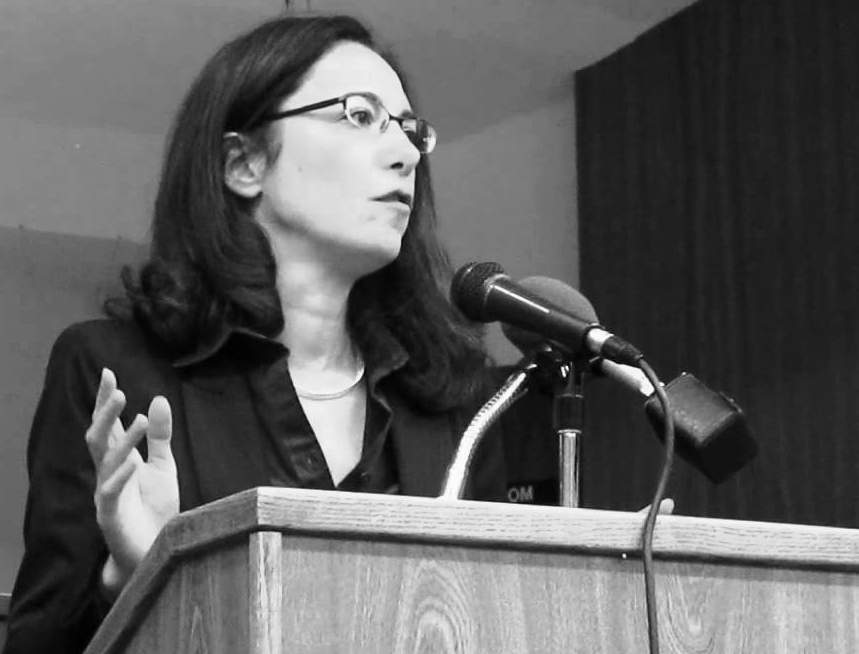
Guest – Mara Verheyden-Hilliard with the Partnership for Civil Justice Fund. Mara is one of the nation’s pre-eminent authorities on the policing of First Amendment protected activities including the right to peaceably assemble and associate.
———————————–
———————————–
Law and Disorder November 2, 2020
Podcast: Play in new window | Download
The Federalist Society, Charles Koch, The Bradley Foundation and The U.S. Supreme Court
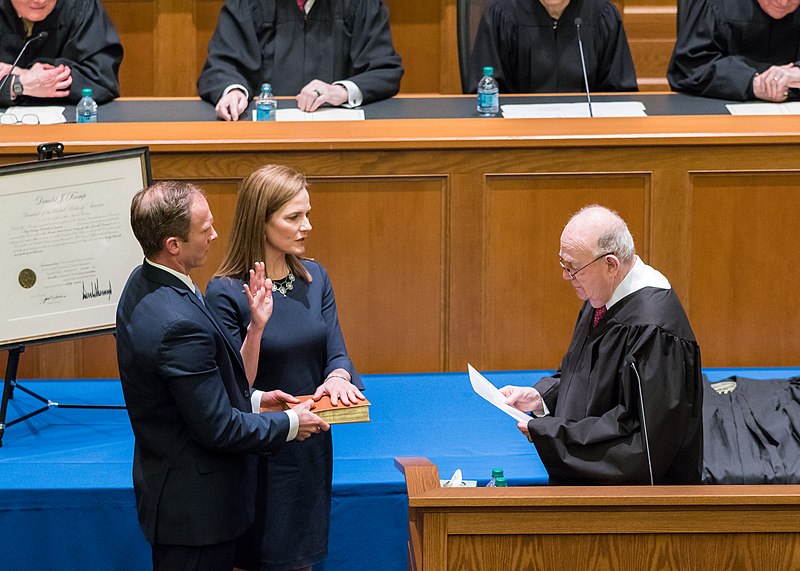
Despite the clear language of the constitution that Congress shall have no religious test for the office of judge last week every Republican in the Senate except one put Amy Coney Barrett on an already packed right wing Supreme Court.
Barrett is a leader of the charismatic Christian cult called “ People of Promise.” It is a group of Protestant and Catholic evangelicals who reportedly speak in tongues. They believe in the subjugation of women, oppose their right to choose, oppose gay marriage, and are authoritarian and pro corporate in the extreme.
Garrett earned her bones by first clerking for the now dead Justice Antonin Scalia. She was part of the legal team along with John Roberts who helped republican George W. Bush steal the presidency by stopping the the recount of ballots in Florida in the year 2000.
The Federalist Society, led by Leonard Leo, has been responsible for packing the federal courts with over 200 largely unqualified young ideologues who serve for life. Leo, like the 6 of 9 Supreme Court justices, is an ultra right wing Catholic. For 20 years he has guided the Federalist Society. He is a member of Opus Dei, Latin for God’s work. It was founded on 1928 by a Spanish priest who was also a lawyer and supporter of the Spanish dictator Francisco Franco.
Ultra right wing billionaire Charles Koch and the Bradley foundation have contributed to the efforts of the Federalist Society. Dark money is behind the appointments of the over 200 judges to the federal judiciary. Organizations funded by dark money find and encourage plaintiffs to bring cases challenging laws they don’t like and write the briefs to submit to the judges they helped appoint.
Guest – Attorney Lisa Graves, created True North Research and is it executive director and editor-in-chief. Her research and analysis has been cited by every major paper in the country. Attorney Graves has served as a senior advisor in all three branches of government. She has served as chief counsel for nominations for the US Senate Judiciary Committee for Senator Patrick Leahy. She was a career deputy assistant attorney general at the US Department of Justice. Graves has spent the past 10 years investigating the impact of dark money on judicial selection.
—-
The Future of Academic Freedom and Big Tech Intrusion
Big tech companies rather than leaders of academic institutions, it seems, are fast becoming an arbiter of academic speech.
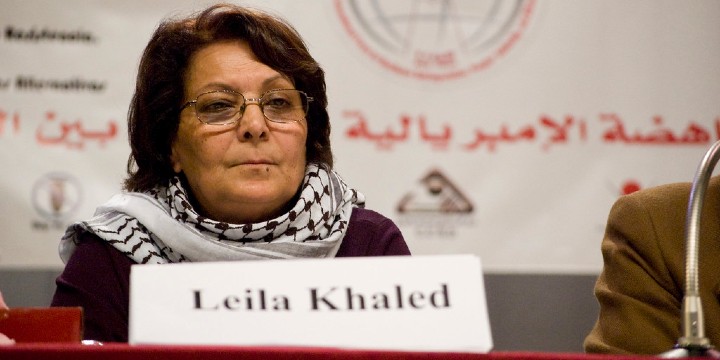
Two weeks ago Zoom shut down a New York University-organized webinar; ironically it was on the issue of censorship by tech platforms. The webinar was going to take up the censorship of an earlier open classroom session at San Francisco State University, featuring Palestinian rights advocate Leila Khaled. It was part of a so-called “Day of Action Against the Criminalization and Censorship of Campus Political Speech.”
Canceling a campus event violates the principle of academic freedom that universities must observe. Allowing Zoom to override this bedrock principle, at the behest of organized, politically motivated groups, is a grave error for any university administration to make, and it should not escape censure from faculty
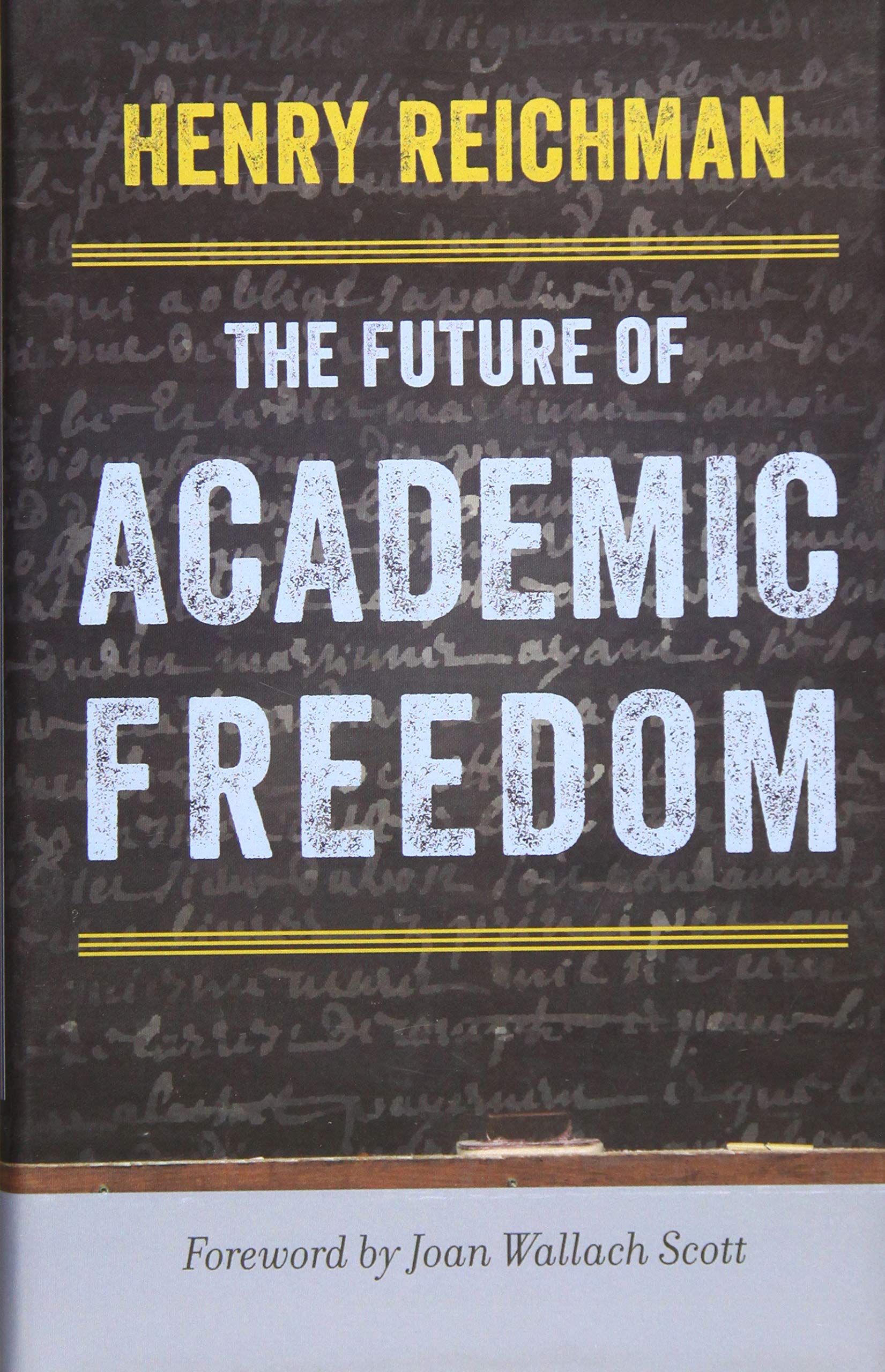
Guest – Professor Henry Reichman, former vice president of the American Association of University Professors and longtime chair of its committee on academic freedom and tenure. Reichman is especially qualified to discuss the issue. Professor emeritus of history at California State University at East Bay, Professor Reichman devotes nearly 300 pages doing so in his new book by Johns Hopkins University Press.
—————————-
—————————-
Law and Disorder October 26, 2020
Podcast: Play in new window | Download
—-
Attorney Michael Tigar: Sensing Justice
Democracy and the rule of law have been in decline long before the Trump administration came at the office. The decline is accelerating. We can trace it back at least 19 years to the terrorist attack on the World Trade Center. The Patriot Act resulted and put in place the surveillance state making Americans the most spied on people in history.
The Supreme Court decision in Citizens United allowed for dark money guided by the right wing Federalist Society to pack the federal judiciary with 200+ Trump appointed right wing judges, Amy Comey Barrett being the latest. Local police forces have been militarized and we have seen the results of this in the Black Lives Matter uprisings since June.
The attack on democracy has been bipartisan. The Obama administration claimed the right to assassinate anyone without due process including American citizens, even children. They put more whistleblowers in prison than ever before. Trump initiated the unprecedented prosecution of Julian Assange, a whistleblowing publisher who exposed US war crimes. Now Trump, with the backing of the Republican Party and gun toting militias have promised not to honor the results of the upcoming election if he loses.
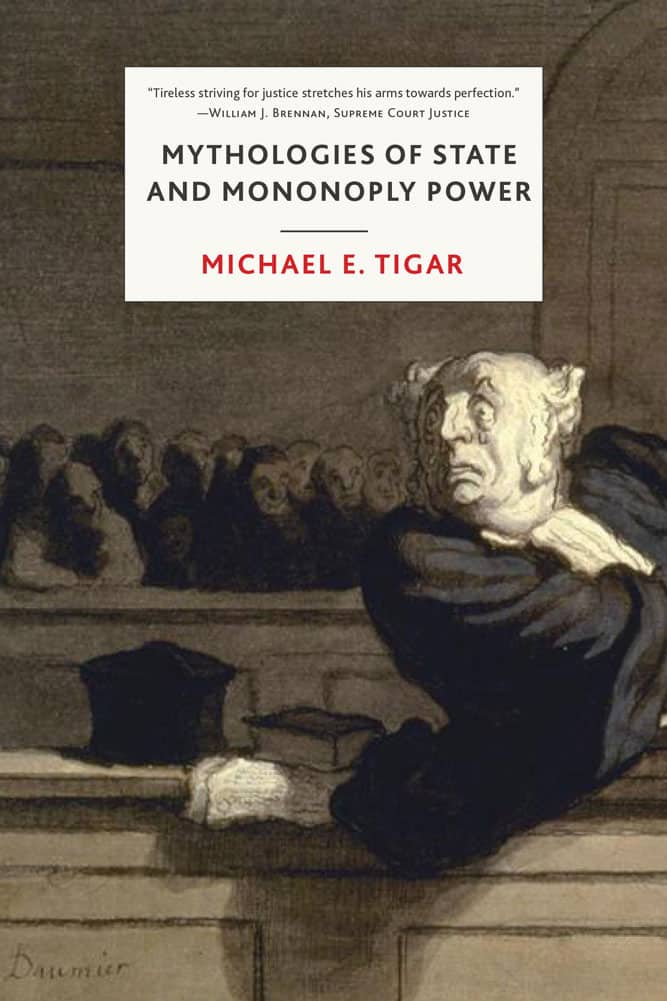
Guest – Constitutional attorney Michael Tigar, professor emeritus from The Washington College of Law and has taught at the University of Texas and Duke University. He is the author of Mythologies of State and Monopoly Power. He has practice before the Supreme Court, arguing his first case when he was 24 years old. Tigar has written or edited more than a dozen of important books including “Law and the Rise of Capitalism.“ Since 1996 he has practiced law with his wife Jane B. Tigar. Michael Tigar’s blog Tigarbytes.
—-
The Chicago Seven: Attorney Bill Kunstler At Carolines Comedy Club
We hear part of the presentation by William Kunstler at Carolines Comedy Club in 1995.
———————————————–
———————————————–