Welcome to Law and Disorder Radio
Law and Disorder is a weekly independent civil liberties radio program airing on more than 150 stations and on Apple podcast. Law and Disorder provides timely legal perspectives on issues concerning civil liberties, privacy, right to dissent and practices of torture exercised by the US government and private corporations.
Law and Disorder October 19, 2020
Podcast: Play in new window | Download
How Can You Steal The U.S. Presidential Election?
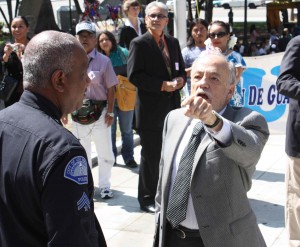
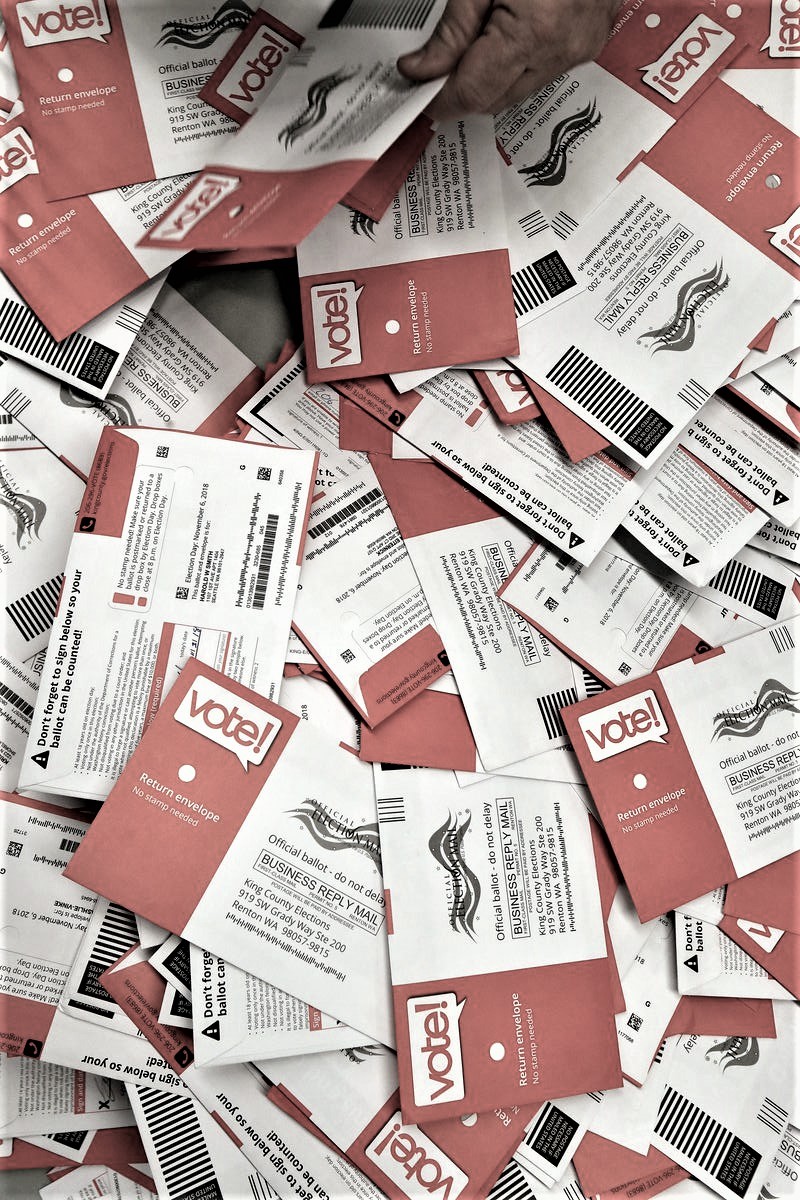
How can you steal a U.S. presidential election? Let us count the ways. That’s the topic of a front-page article in the LA Progressive. It details the likely ways President Donald Trump will try to steal the election, and what the progressive movement should do to try and stop it. As we’re less than one month away from November 3 we’re delighted to welcome back Jim Lafferty.
Guest – Attorney Jim Lafferty, Executive Director Emeritus of the Los Angeles National Lawyers Guild. Jim is also host of The Lawyers Guild Show on sister station KPFK in Los Angeles; and a frequent contributor to the LA Progressive on-line magazine. His most recent article, and the subject of our interview today, is: Massive Mobilization: Only Sure Way to Save the Election.
—-
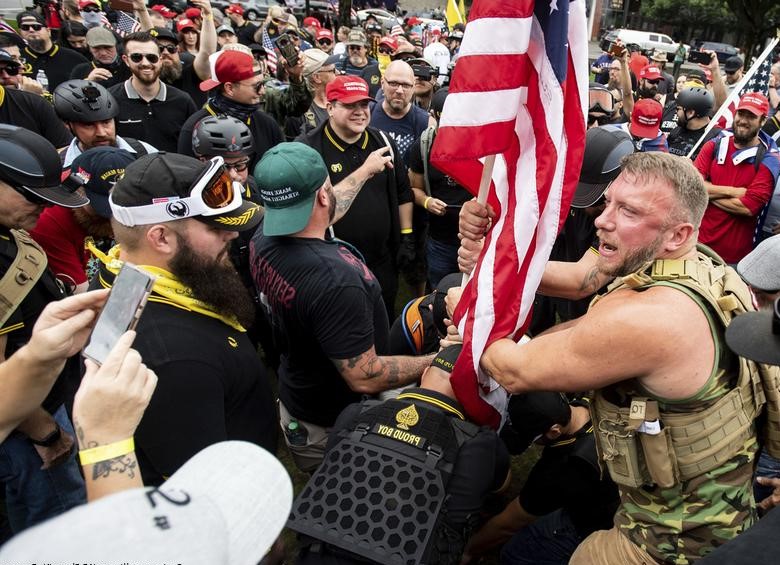
One People’s Project: Proud Boys Update
During President Trump’s presidential debate with former VP Joe Biden on September 29, Trump refused to condemn white supremacists. He commented that the Proud Boys, a far-right extremist group, should “stand by.”
When moderator Chris Wallace asked the president if he would condemn white supremacist groups, Trump said he was “willing to do that.” But he went on to blame the “left wing” for most of the unrest in cities across the nation. Trump asked Wallace “who would you like me to condemn,” and Biden asked the president to respond to the Proud Boys. Trump said: “The Proud Boys — stand back and stand by,”
Members of the Proud Boys took the president’s words as encouragement. They went so far as to add the phrase “stand back and stand by” to their logo on the social media platform Telegram. Joe Biggs, one of the group’s leaders, wrote on the conservative social media platform Parler that Mr. Trump’s comment “makes me so happy.” Many social media platforms, including Twitter and Facebook, have suspended the group.
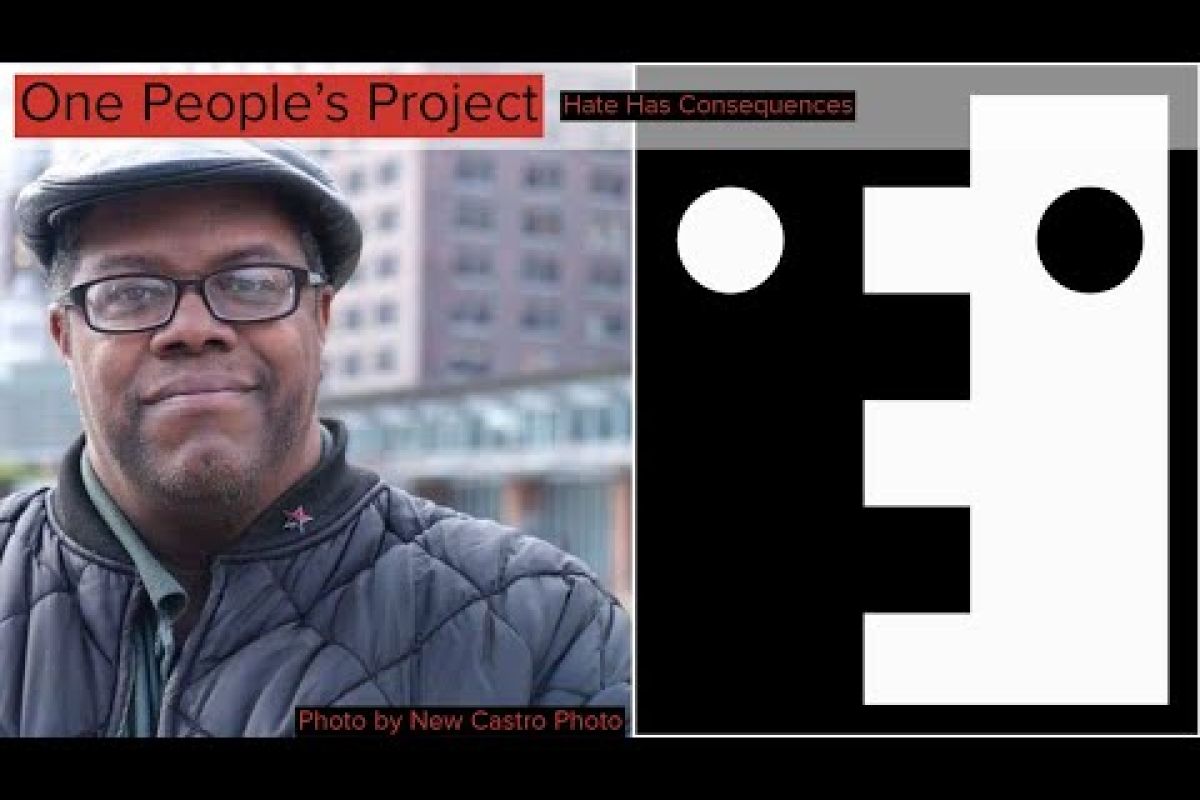
Guest – Daryle Lamont Jenkins, founder of One People’s Project, joins us today. Since 1988 Daryle has been documenting and writing about right-wing individuals and organizations even while serving as a police officer in the US Air Force. In 2000, he founded One’s People’s Project out of a counter-protest to a rally in Morristown, NJ. The organization soon gained a reputation of publicly documenting hate groups and their activities.
————————————
————————————
Law and Disorder October 12, 2020
Podcast: Play in new window | Download

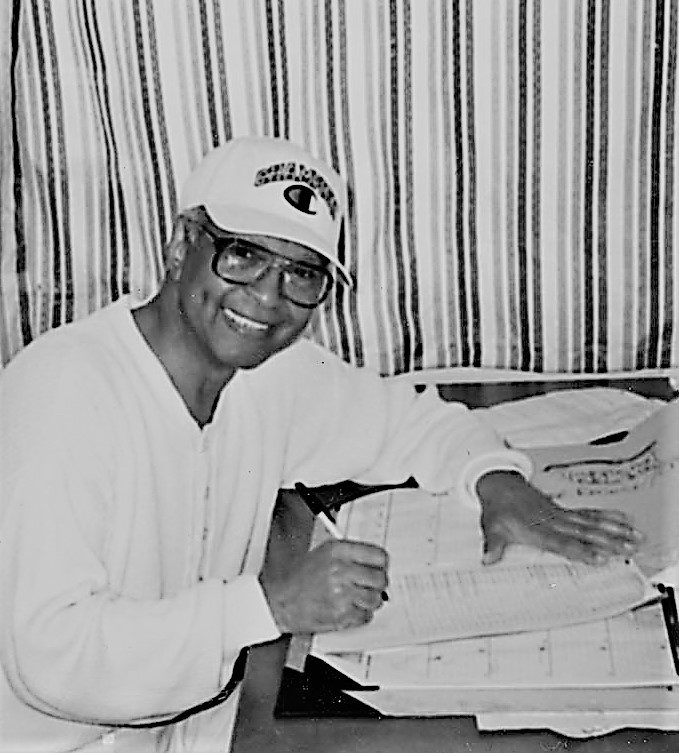
Pen Pal: Prison Letters From a Free Spirit on Slow Death Row
Tiyo Attalla Salah-El died in 2018 on “ Slow Death Row” while serving a life sentence in a Pennsylvania prison. He was a man with a dizzying array of talents and vocations: author, scholar, teacher, musician, and activist: he was the founder of the Coalition for the Abolition of Prisons. He was also an extraordinarily eloquent correspondent.
Today we are going to talk with his friend Paul Alan Smith about the letters that Smith exchanged with Tiyo which were written over a decade and a half. We will also speak with Paul’s friend the actor Carl Weathers who read the letters for the audiobook. The book is called Pen Pal: Prison Letters From a Free Spirit on Slow Death Row. It has a preface by Mike Africa, Jr.
Guest – Carl Weathers, multi-talented director, actor and former professional football athlete. Carl Weathers learned about the life and letters of Tiyo and read the letters for the audio book version of Pen Pal.
Guest – Paul Alan Smith, an agent and manager representing directors working in both film and TV. He’s most recently known as the founder of New Deal Mfg. Co., which seeks to shift representation to a more client-centric approach, rather than focusing on the needs of corporations.
—-
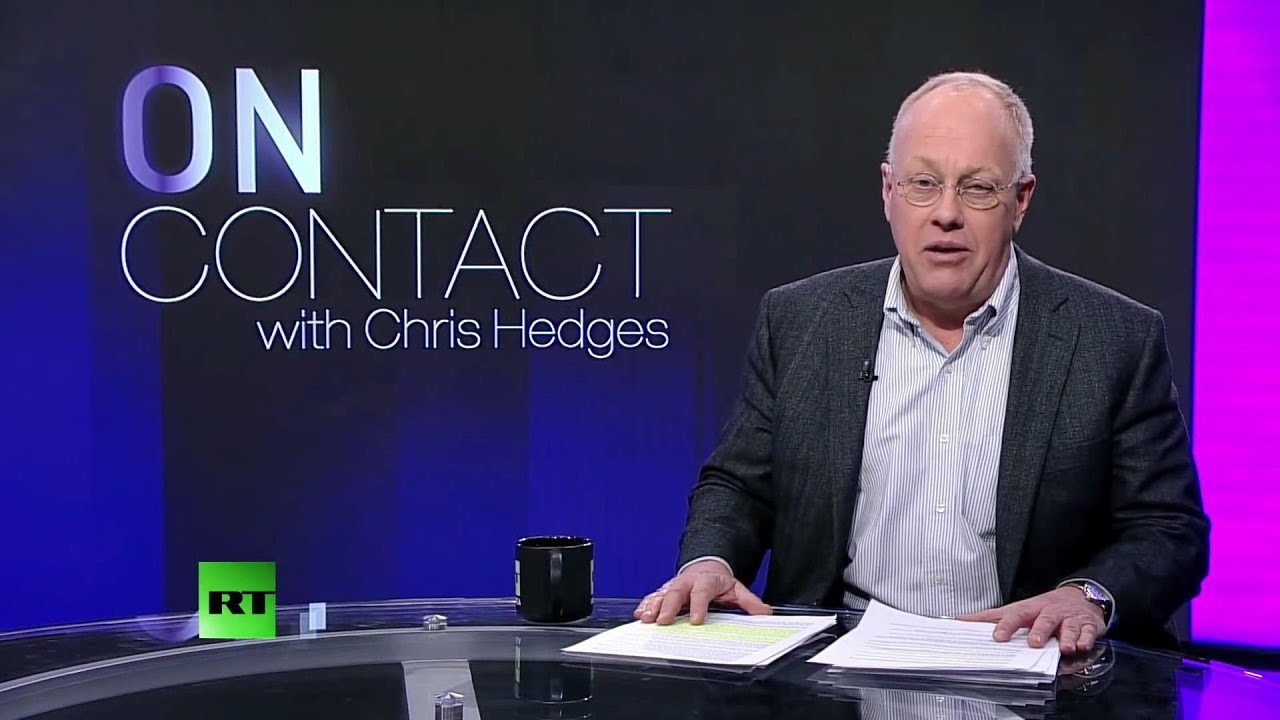
Chris Hedges Analysis Of Pre-Election Society In The United States
We are living in extraordinary times. At the same time we face both tremendous danger and extraordinary opportunity. The danger comes from a failed state, a failed racist capitalist state they cannot afford safety let alone opportunity to its citizens. Our opportunity comes from the massive social mobilizations that we have not seen in 75 years. A young generation has risen up. White people are involved with black people who are providing leadership. Perhaps 20 million have taken to the streets.
Trump is desperate and resorts to stoking fear of violence, race baiting, lying, explaining to his followers that all the unrest is due to agitators, antifa, Marxist and socialists.
The Democratic Party has chosen to oppose Trump with Joe Biden. The best you can say about him is that he’s not Trump. He has vowed to veto a medicare for all bill if it comes across his desk and has suggested that police violence could be curbed if they shot people in the legs, not the chest. He is for giving police departments more money. The worst you can say about Biden and the Democratic Party is that they are not a bulwark against fascism.
The big financial backers of the Democratic Party crushed the Sanders campaign indicating they would rather have Trump than a social democrat who would cost them money and raise expectations. Sanders for his part missed his historic moment, twice, when he refused to break from the Democratic Party in both 2016 and 2020.
Instead he performs the function of a sheepdog herding people back into a moribund capitalist party that has nothing to offer as a way out of the combined climate, economic, race, the health crisis, and nuclear annihilation and nuclear annihilation
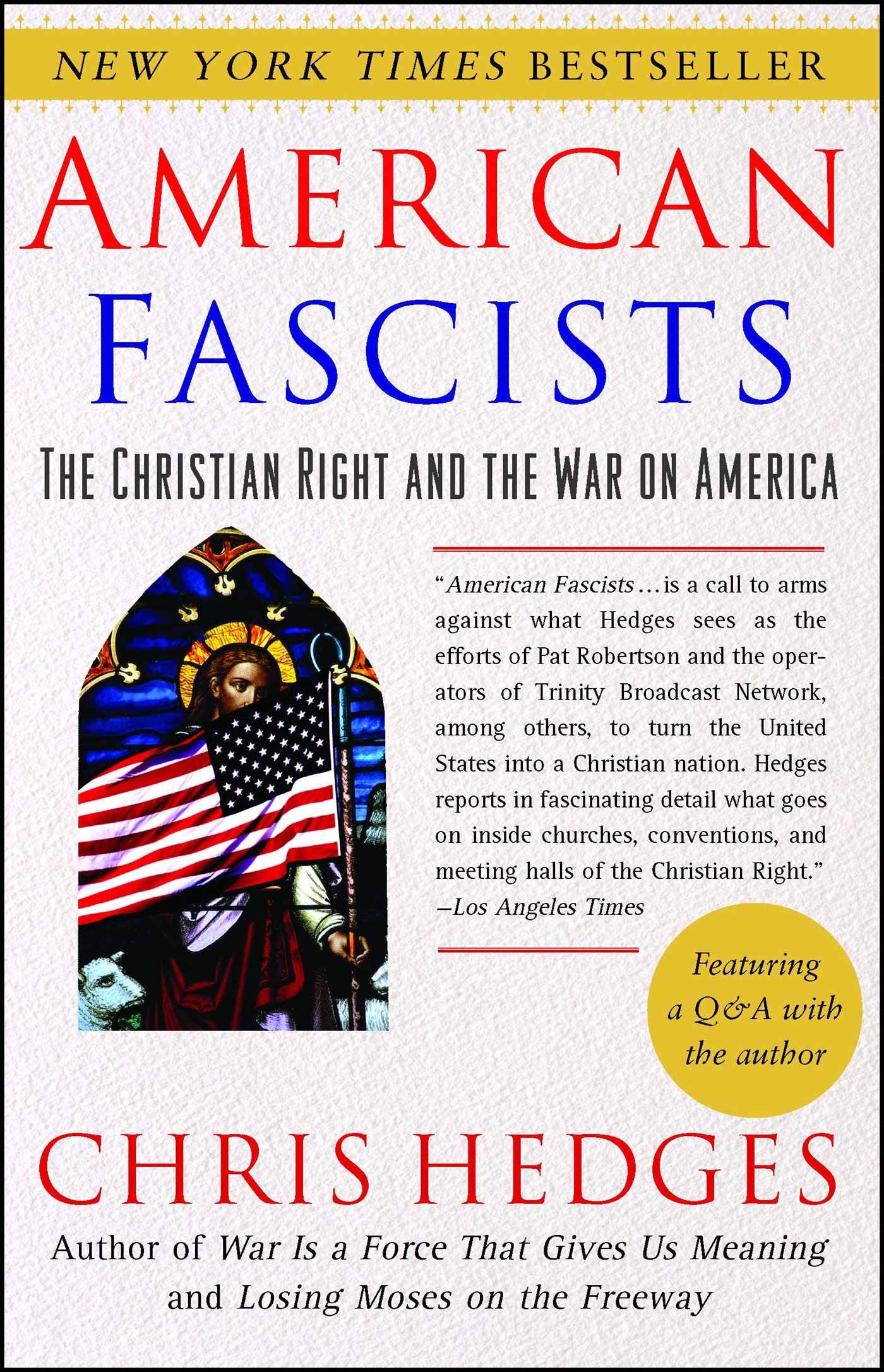
Guest – Chris Hedges about where we are at, how we got here, and what to do next. Chris Hedges is a Pulitzer Prize winning journalist. He was the foreign correspondent for the New York Times for 15 years and served as middle eastern bureau chief. He is the host of Emmy award nominated RT America show On Contact and the author of numerous books Including America: The Fairwell Tour, Empire of Illusion, and American Fascists: The Christian Right and the War on America.
————————————-
————————————-
Law and Disorder October 5, 2020
Podcast: Play in new window | Download
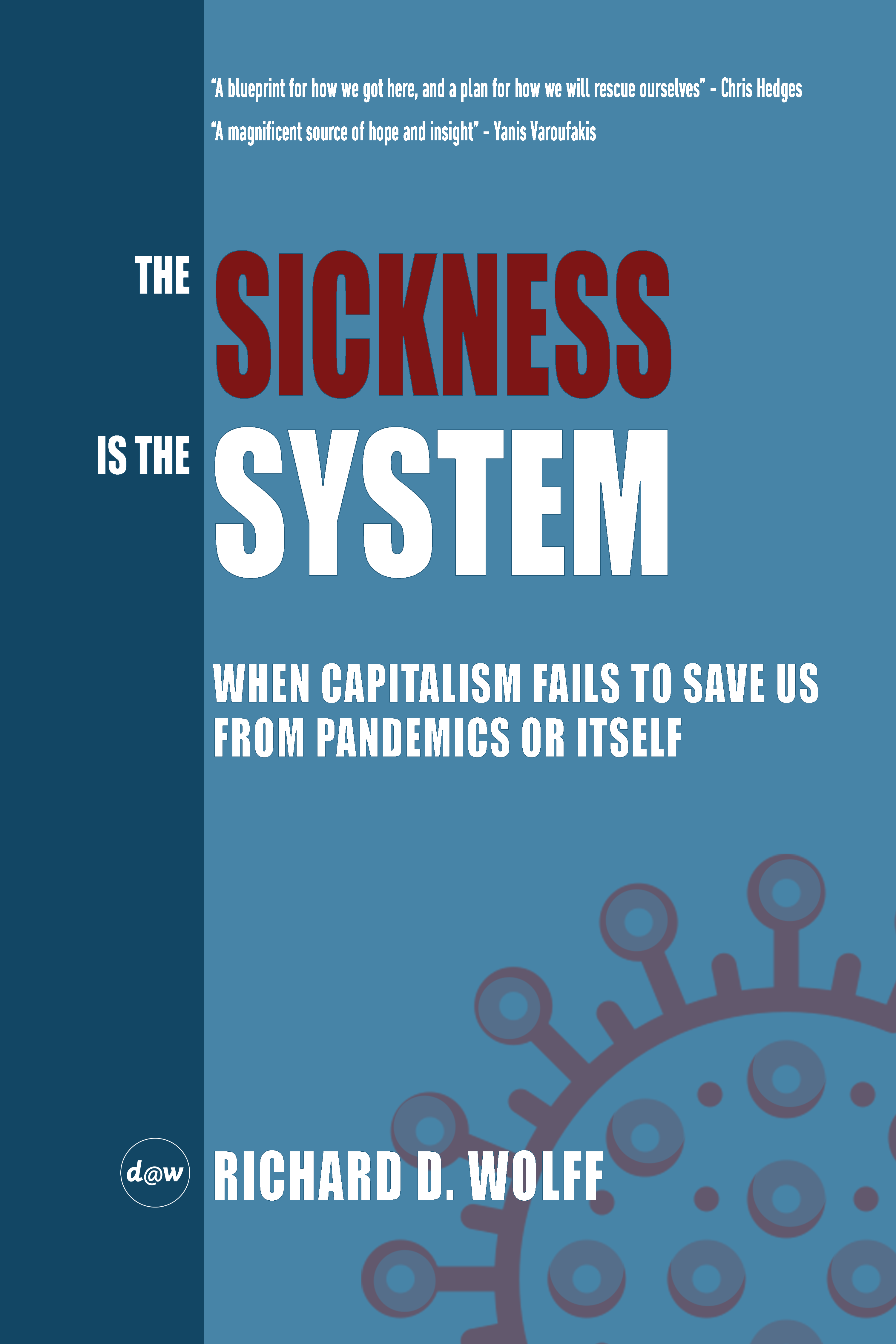
The Sickness is the System: When Capitalism Fails To Save Us From Pandemics or Itself
COVID-19 did not cause the current economic devastation to billions of people around the world. It triggered the crisis. It illuminated the inherent instability in the capitalist system itself. Capitalism exacerbates unemployment, inequality, racism, and patriarchy and threatens the health and safety of workers and our communities.
We are in the worst economic crisis since the great depression of 90 years ago. Half of the American population is poor or near poor. Twenty million people are unemployed. It is estimated that 400,000 Americans will die from COVID-19 by the end of the year. Most of these people will be Black, Latino, the poor and the elderly.
The large corporations have bought out both the Republican and Democratic parties. Neither one of these parties has put forward an effective plan on what to do to get us out of this catastrophic situation.
Guest – Professor Richard Wolff, author of The Sickness is the System: When Capitalism Fails To Save Us From Pandemics or Itself. Richard D. Wolff is Professor of Economics Emeritus, University of Massachusetts, Amherst where he taught economics from 1973 to 2008. He is currently a Visiting Professor in the Graduate Program of International Affairs of the New School University, New York City. His previous books are Understanding Socialism and Understanding Marxism.
—-
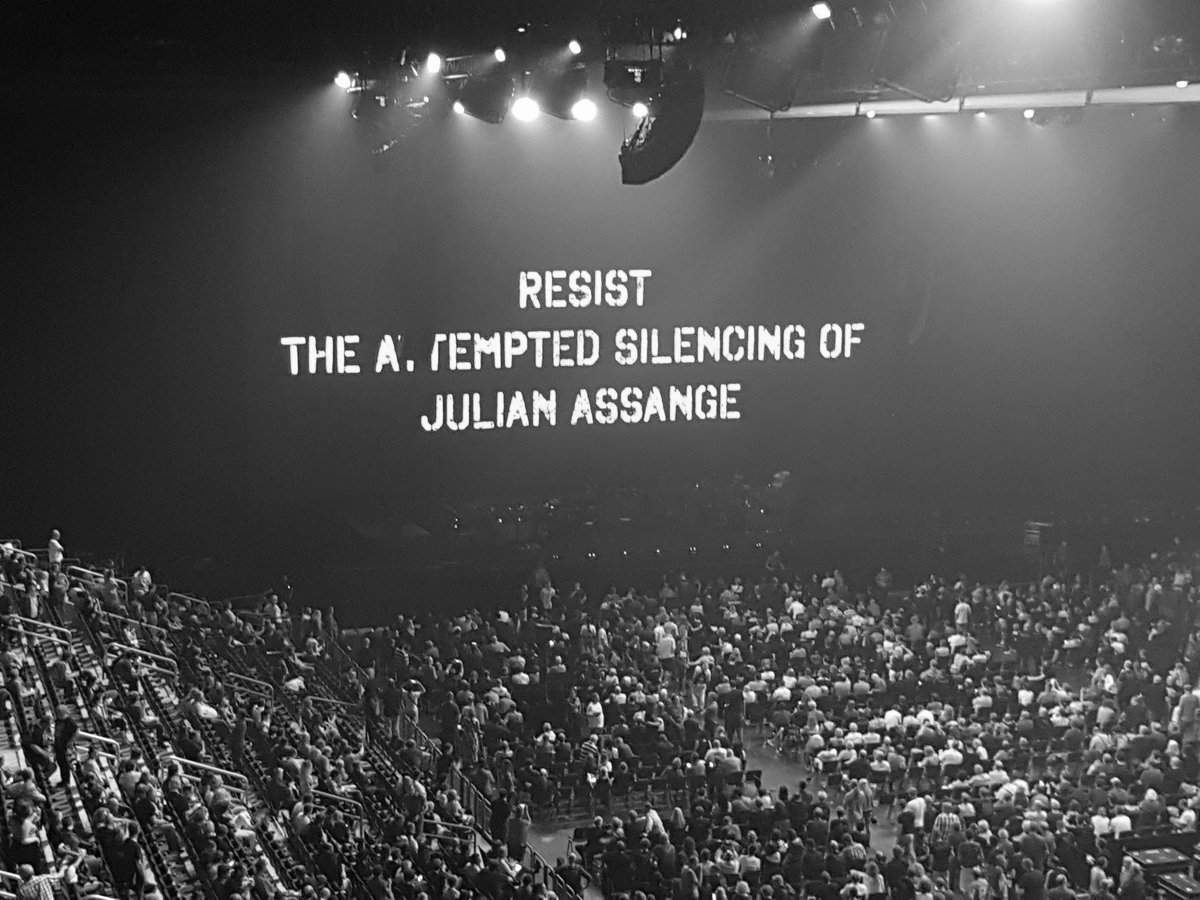
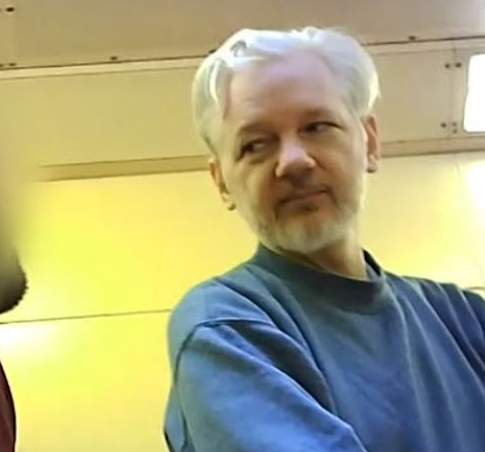
Julian Assange Extradition Case Update
The decline of democracy and the rule of law, already advanced under Obama , has accelerated under Trump. By his own admission it is widely known that President Trump will not consent to leaving office if he loses the election. What is not so widely known is the case that he caused to be prosecuted against journalist and whistleblower Julian Assange.
Assange is being railroaded in the Old Bailey courthouse in London in an effort by US government, in collaboration with its British ally, to extradite Assange and send him to the federal court in the Eastern District of Virginia to be tried under the 1917 Espionage Act.
Assange told the truth about American war crimes in Iraq and Afghanistan back in 2010. He is 49 years old and in terrible mental and physical health. If he loses and is sent to the Eastern District of Virginia for trial and successfully prosecuted, which is a given, it will be the death of free journalism and a blow to the first amendment which is a keystone of our democracy because it involves the right to learn.
@defenseassange – Nathan Fuller twitter
Guest – Attorney Nathan Fuller who has been attending Julian Assange’s extradition hearing in London. He leads the London-based Courage Foundation and the director of the newly formed Committee to Defend Julian Assange and Civil Liberties.
—————————
—————————