Welcome to Law and Disorder Radio
Law and Disorder is a weekly independent civil liberties radio program airing on more than 150 stations and on Apple podcast. Law and Disorder provides timely legal perspectives on issues concerning civil liberties, privacy, right to dissent and practices of torture exercised by the US government and private corporations.
Law and Disorder September 28, 2020
Podcast: Play in new window | Download
Socialist Perspective of Pre-Election Society In The United States
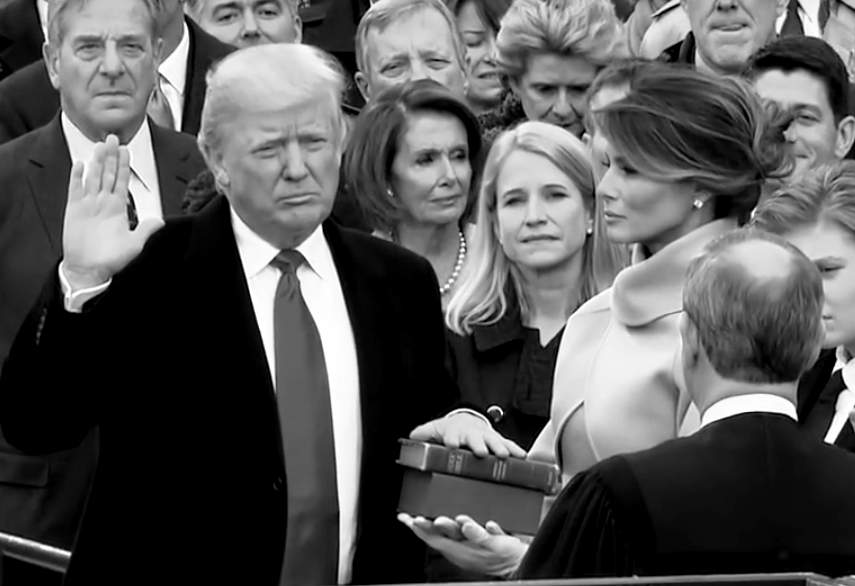
The word “chaos” best describes the current American public health, economic, race, and political situation. America leads the world in the number of COVID-19 cases and in the number of deaths which are now approaching 200,000. President Trump lies when he promises the quick development of a vaccine. He attacks the head of the Center for Disease Control and advises not to wear masks and leads huge rallies of maskless supporters.
The economy is a disaster. Perhaps 20 million people are unemployed. Small businesses are shuttered. The economic stimulus package has run out. Millions face eviction. Hunger is rampant especially among children. Democracy and rule of law are being trashed.
President Trump has cast doubt on the efficacy of the upcoming election first suggesting that it be postponed, then advising his supporters to vote twice, and assuring people that unless he won the election would be fraudulent. He has indicated that if he loses the election he will not vacate the White House in January 20, 2021.
Despite the unprecedented mass demonstrations of perhaps 20 million people in the streets since June, cops continue to murder people, especially black people, with impunity. The Republican convention put forward no platform to address the catastrophe. President Trump spoke at all for nights presenting himself as the solution for all of America’s problems.
The best that could be said about Joe Biden is that he’s not Trump. He has run a lackluster campaign and now finds himself neck and neck with Trump who got 60 million votes in the last election and whose popularity seems undiminished.
Guest – Doug Henwood, an economic, finance, and political analyst. He is host of the radio show Behind the News. He is a contributor to Jacobin magazine and a contributing editor to the Nation magazine. His latest book on Hillary Clinton is called My Turn.
—-
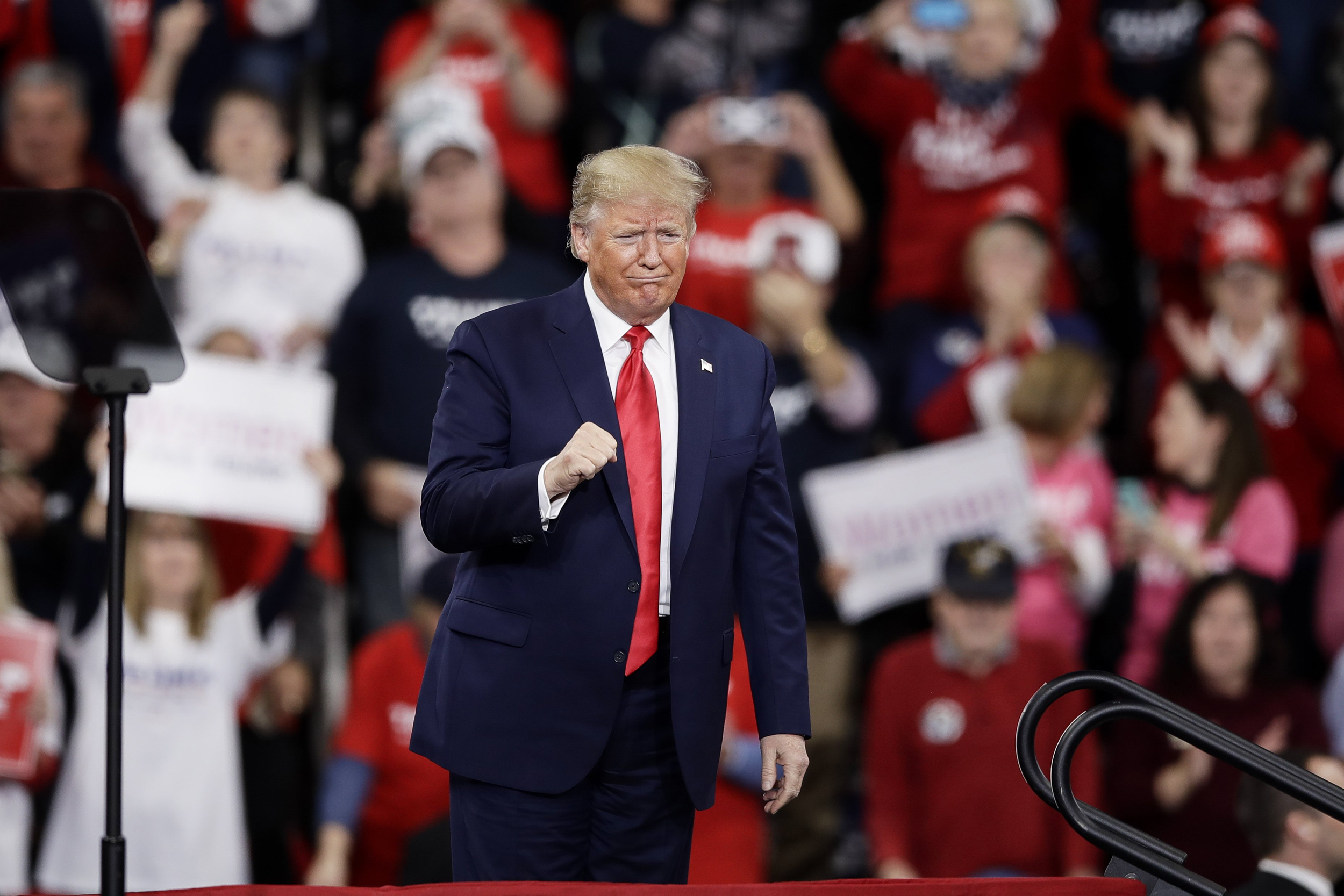
President Trump And The 2020 Election
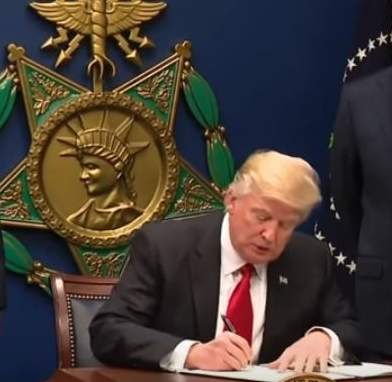
What if President Donald Trump is voted out of office on November 3, 2020 but on January 20, 2021 when he is scheduled to vacate the White House he refuses to go. His lawyer and fixer Michael Cohen predicted this in his congressional testimony before he went off to prison.
President Trump is already casting doubt on the legitimacy of the election which is less than two months away. He says there will be massive voter fraud, that absentee balloting, which will be widely prevalent because of the Covid crisis, is easily open the fraud.
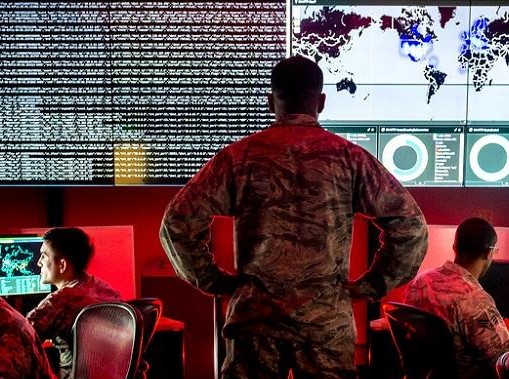
Can Trump send federal troops to Washington DC, or other cities? Can he deploy the National Guard of the various states? Can he suspend habeas corpus, arbitrarily detained people, or declare martial law? Can he investigate opponents, freeze their assets, control communications, initiate a foreign crisis, or get help from attorney general William Barr? What can we do about it?
Guest – Attorney Marjorie Cohn, the past president of the National Lawyers Guild and former professor at the Thomas Jefferson School of Law in San Diego.
—————————–
—————————–
Law and Disorder September 21, 2020
Podcast: Play in new window | Download
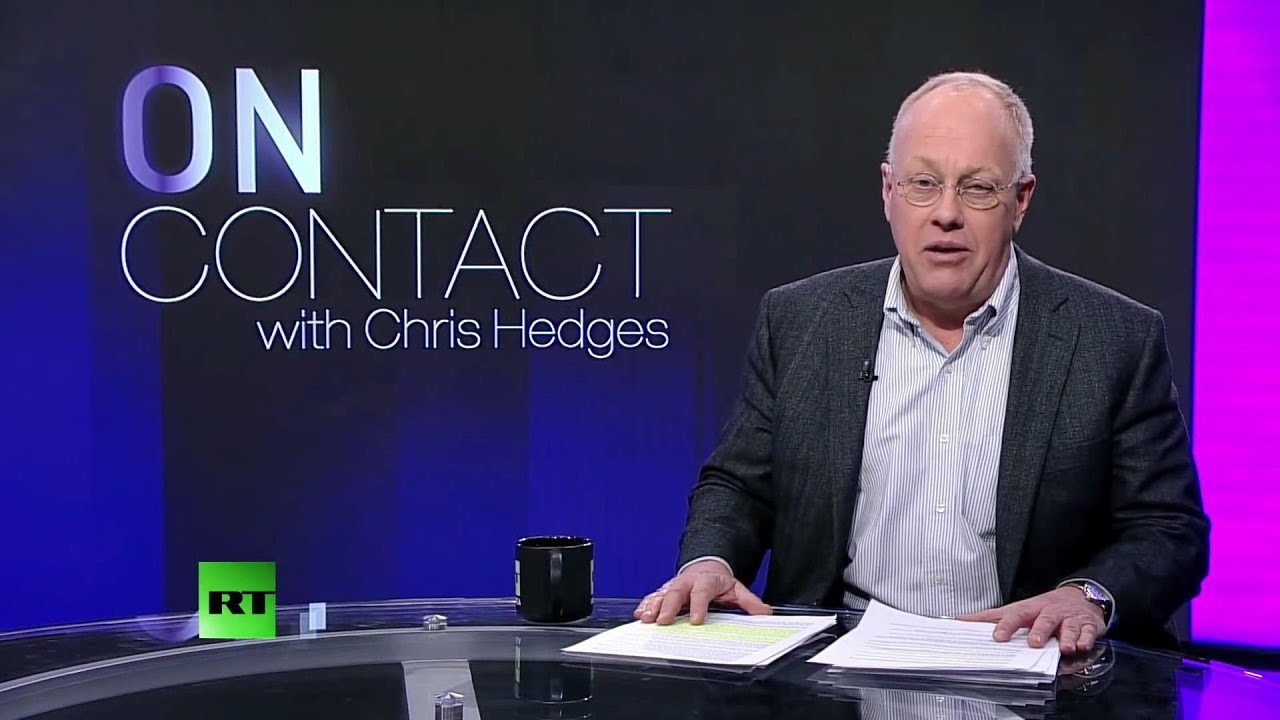
Chris Hedges Analysis Of Pre-Election Society In The United States
We are living in extraordinary times. At the same time we face both tremendous danger and extraordinary opportunity.
The danger comes from a failed state, a failed racist capitalist state they cannot afford safety let alone opportunity to its citizens. Our opportunity comes from the massive social mobilizations that we have not seen in 75 years. A young generation has risen up. White people are involved with black people who are providing leadership. Perhaps 20 million have taken to the streets.
Trump is desperate and resorts to stoking fear of violence, race baiting, lying, explaining to his followers that all the unrest is due to agitators, antifa, Marxist and socialists.
The Democratic Party has chosen to oppose Trump with Joe Biden. The best you can say about him is that he’s not Trump. He has vowed to veto a medicare for all bill if it comes across his desk and has suggested that police violence could be curbed if they shot people in the legs, not the chest. He is for giving police departments more money. The worst you can say about Biden and the Democratic Party is that they are not a bulwark against fascism.
The big financial backers of the Democratic Party crushed the Sanders campaign indicating they would rather have Trump than a social democrat who would cost them money and raise expectations. Sanders for his part missed his historic moment, twice, when he refused to break from the Democratic Party in both 2016 and 2020.
Instead he performs the function of a sheepdog herding people back into a moribund capitalist party that has nothing to offer as a way out of the combined climate, economic, race, the health crisis, and nuclear annihilation and nuclear annihilation
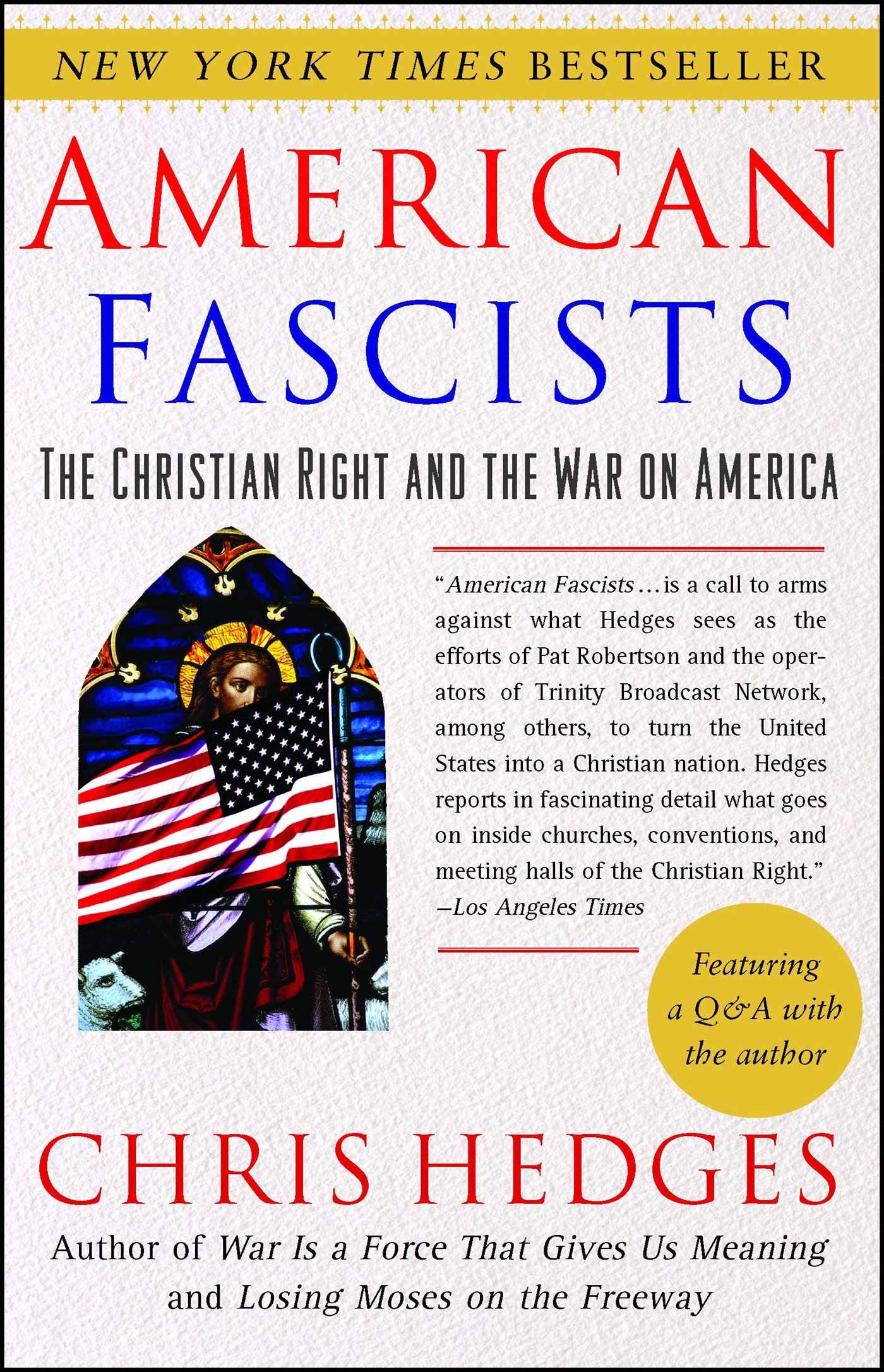
Guest – Chris Hedges about where we are at, how we got here, and what to do next. Chris Hedges is a Pulitzer Prize winning journalist. He was the foreign correspondent for the New York Times for 15 years and served as middle eastern bureau chief. He is the host of Emmy award nominated RT America show On Contact and the author of numerous books Including America: The Fairwell Tour, Empire of Illusion, and American Fascists: The Christian Right and the War on America.
—-


Global Peace Film Festival 2020
At the end of September each year since 2003, the Global Peace Film Festival has used the power of the film to advance peace on earth. The Festival views “peace” not as the absence of conflict but as a framework for channeling, processing and resolving conflict through respectful and non-violent means. This year, the festival will be virtual, and runs from Monday September 21 until Sunday October 4.
In keeping with the spirit of the festival, the films highlight themes such as civil rights, environmental justice, ethics, human rights, immigration, LGBTQ+, music, social justice, voting, wellness and wildlife. Each year, our program is carefully curated to create a place for open dialogue, using the films as catalysts for change.
Guest – Nina Streich, The Global Peace Film Festival founder and executive director.
———————————-
———————————-
Law and Disorder September 14, 2020
Podcast: Play in new window | Download
Update:
- Hosts Remember Attorney Kevin Zeese
—-
President Trump And The 2020 Election
What if President Donald Trump is voted out of office on November 3, 2020 but on January 20, 2021 when he is scheduled to vacate the White House he refuses to go. His lawyer and fixer Michael Cohen predicted this in his congressional testimony before he went off to prison.
President Trump is already casting doubt on the legitimacy of the election which is less than two months away. He says there will be massive voter fraud, that absentee balloting, which will be widely prevalent because of the Covid crisis, is easily open the fraud.
Can Trump send federal troops to Washington DC, or other cities? Can he deploy the National Guard of the various states? Can he suspend habeas corpus, arbitrarily detained people, or declare martial law? Can he investigate opponents, freeze their assets, control communications, initiate a foreign crisis, or get help from attorney general William Barr? What can we do about it?
Guest – Attorney Marjorie Cohn, the past president of the National Lawyers Guild and former professor at the Thomas Jefferson School of Law in San Diego.
—-
Detroit Will Breathe, et al, v. City of Detroit
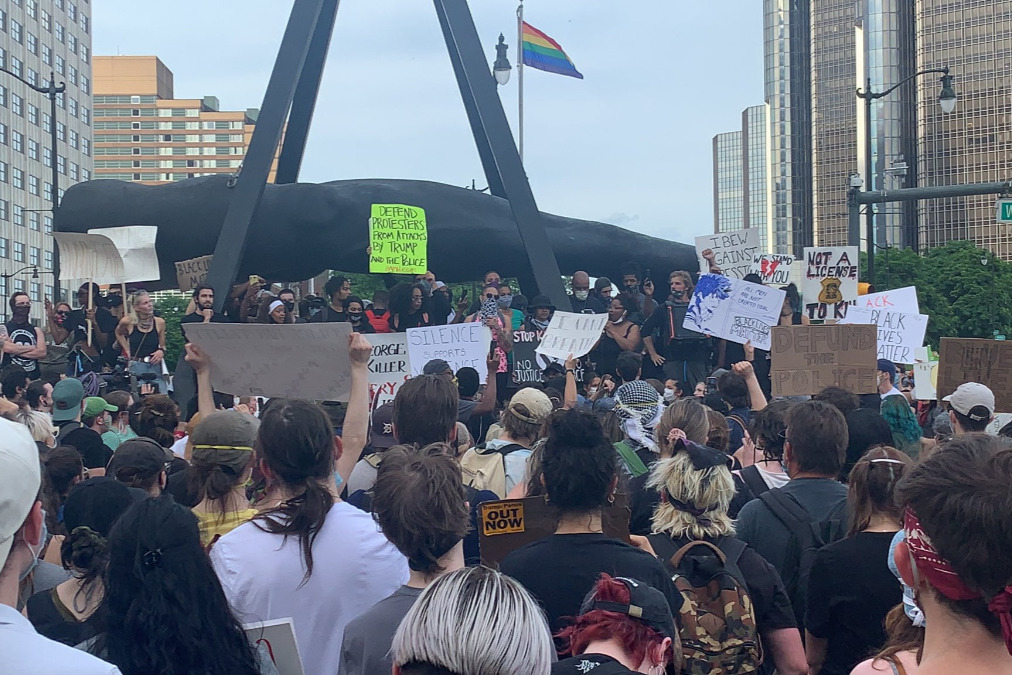
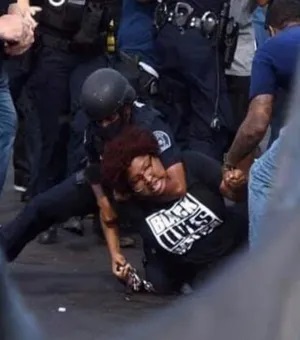
Black Lives Matter protests have occurred in Detroit since May 29. For the first five days Detroit Police responded to the protests with excessive force. They used tear gas and rubber munitions, and freely using batons and shields to assault and beat protesters. In total, they arrested more than 400 protesters.
The local NLG chapter joined the Detroit Coordinated Legal Defense Coalition to provide legal support. The other groups are: The National Conference of Black Lawyers, Detroit Chapter; the Detroit Justice Center; the Neighborhood Defender Services; the Wayne County Criminal Defense Bar Association; and Michigan Liberation. As well, the protesters formed an organization called Detroit Will Breathe, which continues to hold daily protests.
On August 31 the Coalition filed a civil lawsuit against the Detroit Police Department to obtain injunctive relief from the use of unlawful violence against protesters. Detroit Will Breathe, et al, v. City of Detroit.
On Sept. 4 the court granted in part the plaintiffs’ motion for a Temporary Restraining Order. Police Chief Craig is continuing his public relations campaign and continuing to falsely claim that the Detroit Police have acted lawfully.
Guest – Detroit attorney Julie Hurwitz, a longtime National Lawyers Guild member based out of Detroit, Michigan.
——————————–
——————————–