Welcome to Law and Disorder Radio
Law and Disorder is a weekly independent civil liberties radio program airing on more than 150 stations and on Apple podcast. Law and Disorder provides timely legal perspectives on issues concerning civil liberties, privacy, right to dissent and practices of torture exercised by the US government and private corporations.
Law and Disorder September 7, 2020
Podcast: Play in new window | Download
Complaint Filed Against Judge Demanding Release of Attorney In Chevron Case
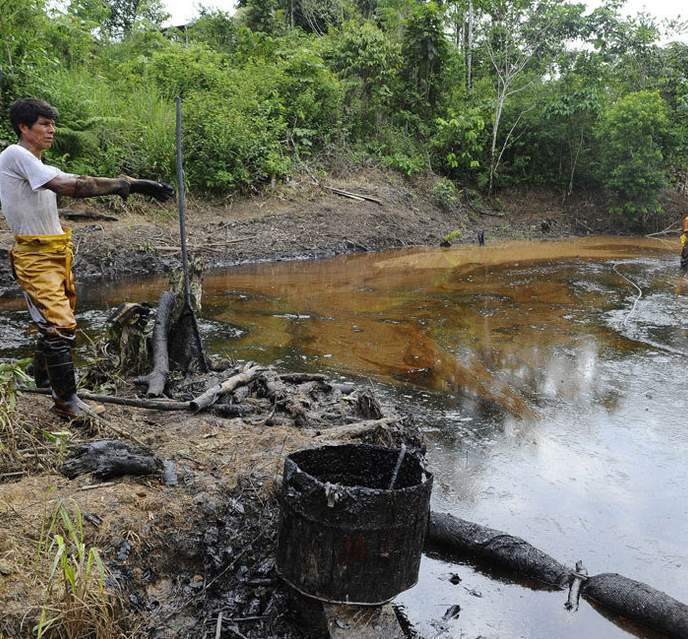
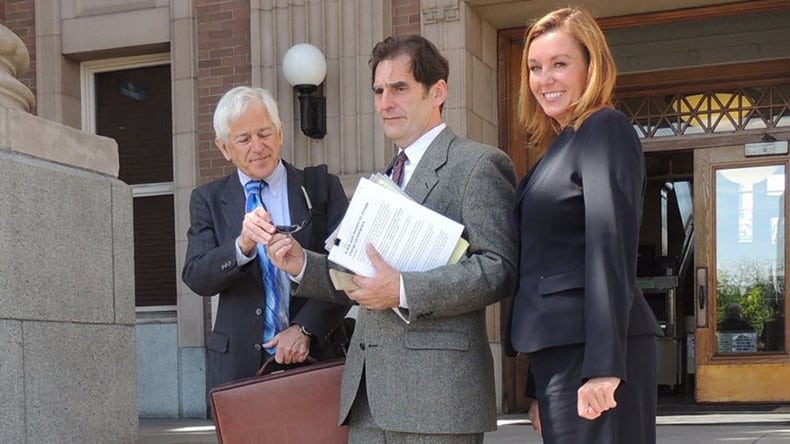
Last week dozens of legal organizations representing more than 500,000 lawyers along with more than 200 individual lawyers submitted a judicial complaint against Judge Lewis A. Kaplan in New York. The violations were directed at human rights lawyer Steven Donziger whose case we’ve been following on Law and Disorder. Donziger, listeners will recall, won a historic judgment against Chevron in Ecuador to clean up the pollution caused by decades of oil drilling with no environmental controls.
The complaint was filed by the National Lawyers Guild and the International Association of Democratic Lawyers (IADL). The Chief Judge of the Second Circuit Court of Appeals, Robert Katzmann, has a duty to read the complaint and determine if he will appoint a committee to investigate and issue findings.
The complaint documents is a pattern of ethics violations committed by Judge Kaplan, a former tobacco industry lawyer.
Kaplan denied Donziger a jury trial, put in place a series of unusual courtroom tactics, severely restricted Donziger’s ability to mount a defense, and detained him at home for more than one year on contempt charges that were rejected by the U.S. Attorney. Kaplan allowed Donziger to be prosecuted by a private law firm that has Chevron as a client. He imposed enormous fines on Donziger that have all but bankrupted him.
The complaint alleges that the “statements and actions of Judge Kaplan over the last ten years show him to have taken on the role of counsel for Chevron … rather than that of a judge adjudicating a live controversy before him.”
Despite accepting jurisdiction in Ecuador, Chevron came back to the US and filed a civil “racketeering” case against the Donziger and all 47 named plaintiffs. They potentially sought $60 billion in damages — the highest personal liability in US history. Judge Kaplan denied Donziger a jury and let Chevron pay a witness at least $2 million while moving him and his entire family from Ecuador to the US. Chevron lawyers coached the witness, Alberto Guerra, for 53 days before Kaplan let him testify against Donziger; Guerra later admitted under oath that he had lied on the stand. Kaplan also refused to let Donziger testify on direct examination.
Twenty-nine Nobel laureates and several human rights organizations have criticized the harassment of Donziger by judicial authorities and have demanded his immediate release.
Guest – Lauren Regan, a member of Steven Donziger’s defense team. She is also executive director of the Civil Liberties Defense Center and a member of the National Lawyers Guild.
—-

The Tragedy of American Science: From Truman To Trump
Science came out of the enlightenment. Research then was unbiased and done in the interest of the public. This is no longer the case with the militarization of science and it’s corporatization.
In our times biased research has been conducted to show that tobacco doesn’t cause cancer, that chemicals and pesticides used in agriculture do no harm, that opioids will not kill thousands, and that there is no such thing as human caused climate change.
Science and technology has been chained to the military where trillions of dollars have been spent in the effort to more effectively kill people.
The US economy’s addiction to military spending distorts and deformed science by making it overwhelmingly subservient to military interests. This has transformed science from the classic idea of a creative force for the advancement of humankind into its destructive and anti-human opposite. That trillions of dollars in resources and scientific talent are not devoted to solving the problems of poverty, disease, and environmental destruction is one of the greatest tragedies of our times.
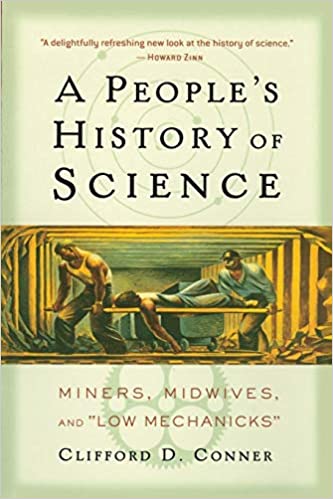
Guest – Dr. Clifford D Conner is a historian and he teaches the history of science at the School of Professional Studies, CUNY Graduate Center. He is the author of A People’s History of Science: Miners, Midwives, and Low Mechanicks and biographies of three revolutionaries: John Palmer Road, Arthur O’Connor, and Colonel Edward Marcus Despard.
—————————————-
—————————————-
Law and Disorder August 31, 2020
Podcast: Play in new window | Download
Update:
$600M to Settle Flint Water Crisis Litigation
—-
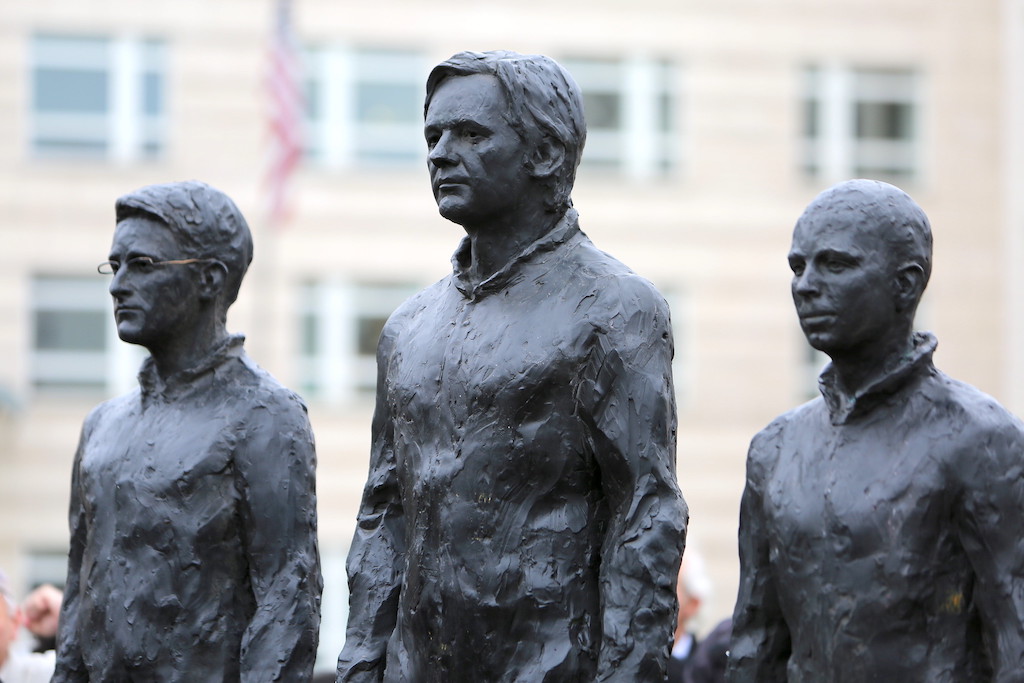
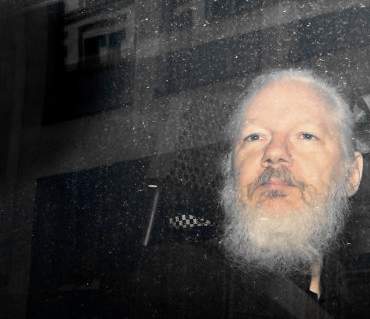
Julian Assange Update August 2020
President Obama prosecuted and imprisoned more whistleblowers than any other president. But President Trump did one thing that Obama did not do. He indicted Julian Assange for conspiracy under the Espionage Act charging that in 2010 Assange and his publishing organization WikiLeaks released truthful information about American war crimes.
Obama held off making such a charge because the US government has never before gone after a publisher; not even the New York Times for publishing the Pentagon papers.
Assange sits in solitary confinement in the notorious Belmarsh prison in London. He awaits the outcome of the USA’s extradition request.
His partner, Stella Moris, the mother of their two young children said: “Julian is being targeted by the United States for the crime of journalism. He helped expose the war crimes and human rights abuses which the US would have preferred to keep hidden from public view. He revealed the killing of unarmed civilians and the torture of innocent people. No one has been held responsible for the serious crimes Julian has exposed. This extradition aims to entomb and silence him forever.”
He is in bad shape mentally and physically. Nels Melzer, The United Nations Special Rapporteur on Torture visited Julian and reported that he was being tortured by the months on end of solitary confinement. He hasn’t seen his lawyer in five months nor his companion and their two children. He can’t prepare his defense. He was finally given a computer but the keys were glued down. When he last appear in court he could barely pronounce his name. Defend.wikileaks.org
What is at stake is the future of free journalism. Journalists have a right to publish and we, their audience, have a right to learn. This is what the US government is attempting to take away.
Guest – Nathan Fuller, the American head of the London-based Courage Foundation and the director of the newly formed Committee to Defend Julian Assange and Civil Liberties.
—-
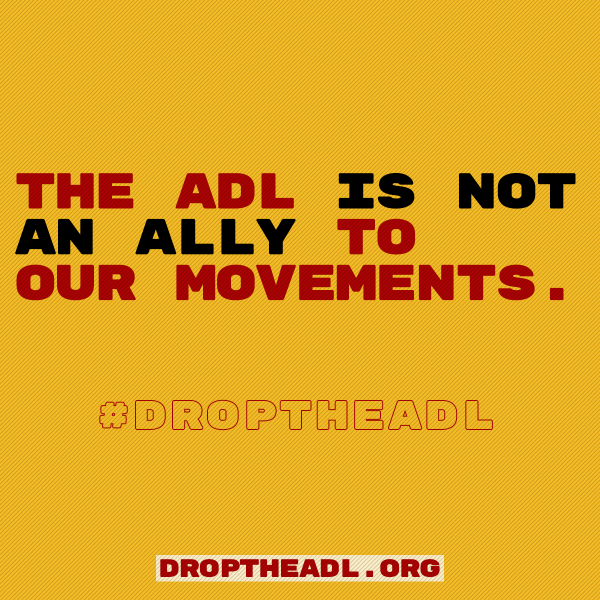
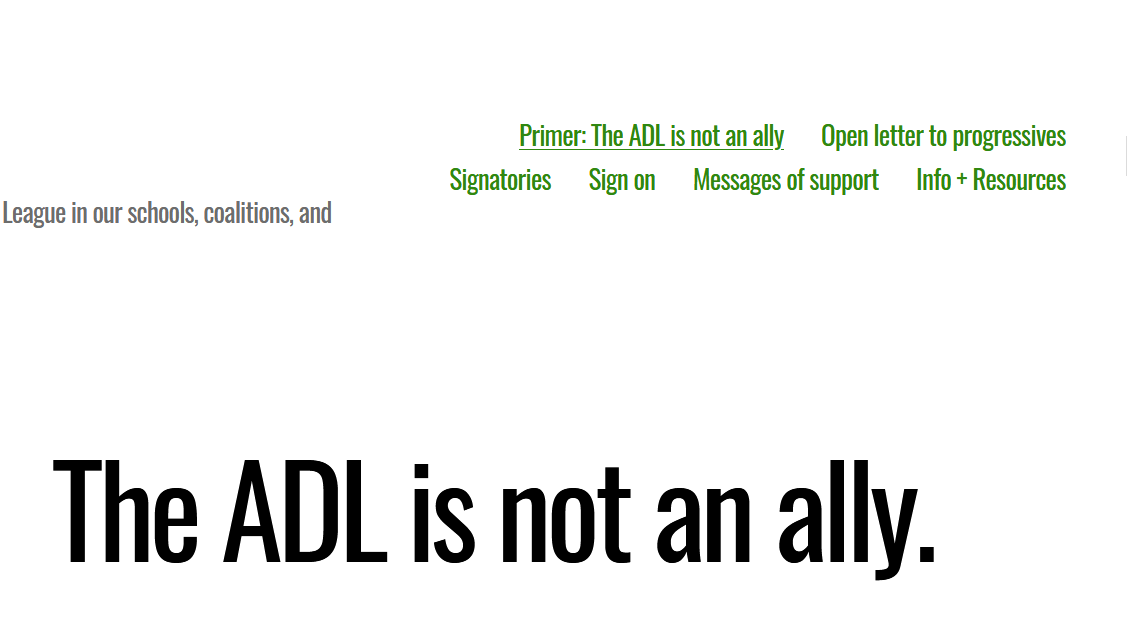
Open Letter To The Anti-Defamation League
The Anti-Defamation League pretends to be a civil rights organization, but the ADL is not an ally. It has a legacy of supporting racist policing, surveillance, colonialism and the silencing of social justice activism. It has branded itself as a civil rights organization in ways that conceal and legitimatize is right wing activities, undermined the rights of Black, immigrant, queer, Muslim, and Arabs.
In August 2020, 100 organizations signed an open letter exposing the ADL. Among the signatory organizations whose work Law And Disorder has covered on this radio program include the Center for Constitutional Rights, the National Lawyers Guild and Palestine Legal.
These 100 organizations signed an open letter announcing the publication of a pamphlet written by a working group with contributions from the American Friends Service Committee, Jewish Voice for Peace, and Palestine Legal.
Guest – Lesley Williams, member of the coordinating committee for Jewish Voice for Peace in Chicago, the advisory board of speakers bureau for Jews Against Anti-Muslim Racism, and a founding member of the Tzedek Chicago, a non-Zionist pro social justice synagogue in Chicago. She is the author of “The Anti-Defamation League Kills the Black Jewish Alliance” and “We Can’t Fight Anti-Semitism and anti-Black Racism in Isolaton“. She works with a local coalition of teachers and activists to bring Palestinian history into school curricula.
—————————————-
—————————————-
Law and Disorder August 24, 2020
Podcast: Play in new window | Download
USPS, Election Integrity and the U.S. Postmaster General
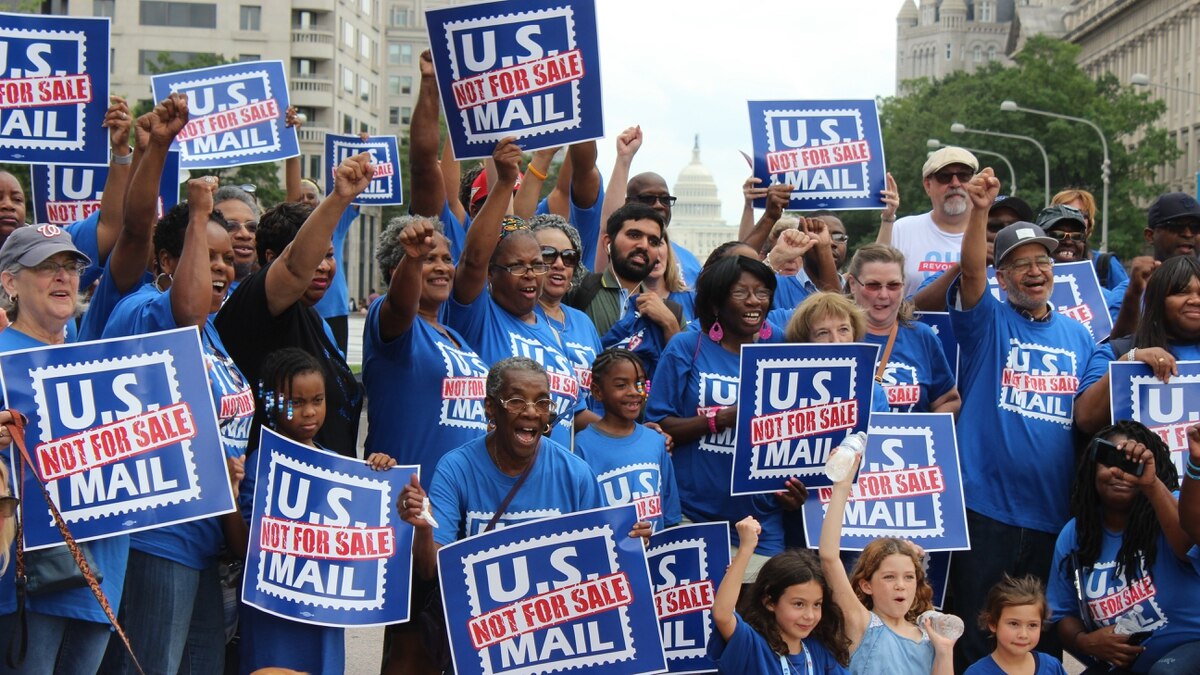
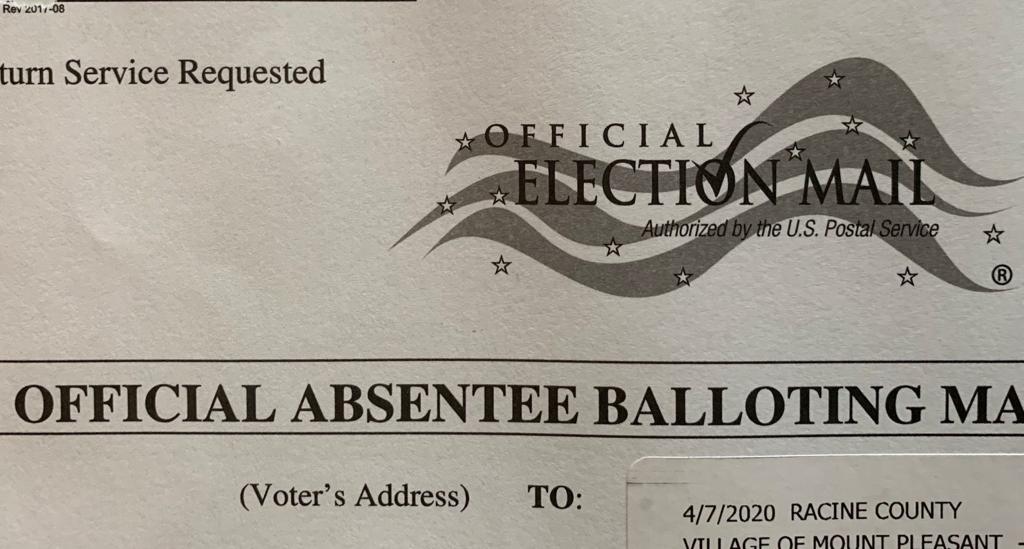
Hours after Democrats asked Postal Service officials to testify on Capitol Hill about new policies posing “a grave threat to the integrity of the election,” Nancy Pelosi cut short the House summer recess. Representatives will vote on legislation to block new changes at the USPS that voting advocates assert will undermine casting mail ballots during the pandemic.
As we’ve been reporting, the new postmaster general Louis DeJoy—a staunch Trump supporter—wasted no time enacting such changes as ending overtime pay and removing some sorting machines. Not surprisingly, these changes have created great delays in service. In response, the White House chief of staff has indicated openness to provide emergency funding to help the USPS deal with a surge in mail-in ballots.
DeJoy has significant and personal financial interests in the Postal Service’s corporate rivals and contractors. The November election is expected to bring in up to 80 million ballots by Americans nervous about in person voting because of COVID 19. The Postal Service notified states in July that it might not be able to meet their deadlines for delivering last-minute mail-in ballots. As a result, state attorneys general are considering suing the administration.
President Trump has unabashedly criticized mail voting as vulnerable to fraud. At the same time he requested an absentee ballot from his now home state of Florida.
Guest – Chuck Zlatkin, legislative director of the New York Metro Area Postal Union.
—-
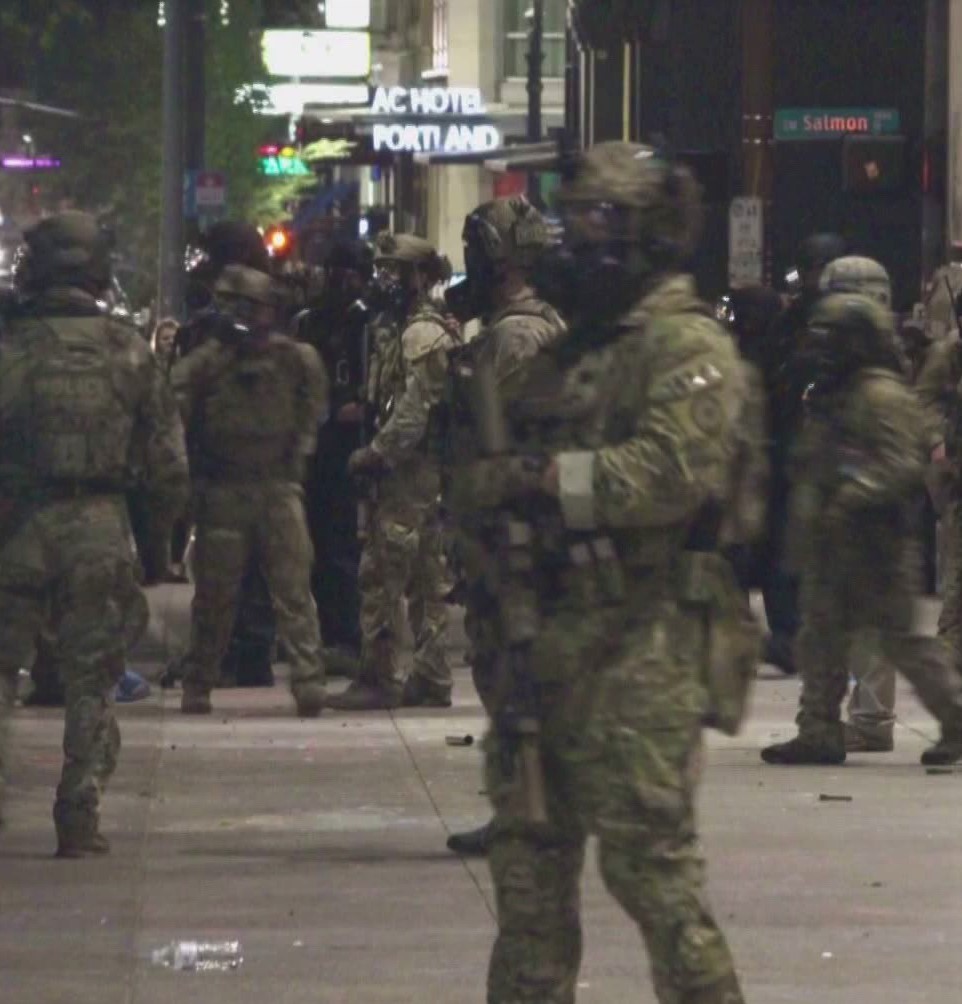
Politically this is a time of great opportunity and great peril. The economic, racial, and health crisis we have been put in will deepen in the coming months. As the pandemic spreads, the depression gets worse and racist police brutality does not go away. There has been a massive corporate bail out disguised as a stimulus package. It has left millions of people jobless, broke, sick, and facing homelessness.
Trump and his Republican Party, venal and incompetent, have given up trying to contain the pandemic, ameliorate the economic catastrophe, or rein in the police. The Republicans left Washington two weeks ago refusing to pass an economic package that would aid the unemployed, which now number more than 30 million. 175,000 people have already died from COVID-19 and millions face eviction.
The massive demonstrations in the streets, black led with the support of the majority of whites, has been an insurgency unprecedented in American history.
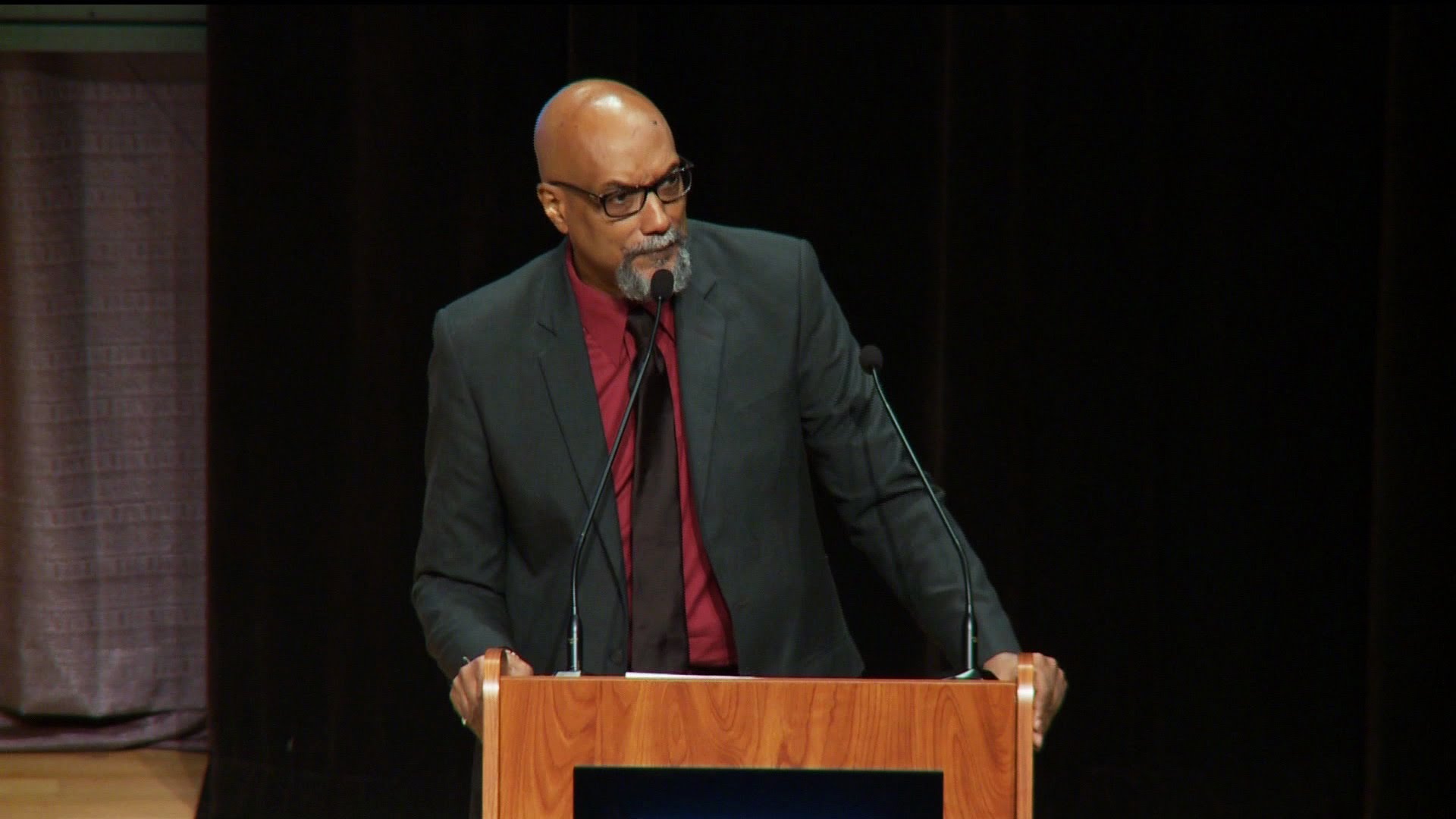
Guest – Ajamu Baraka was the 2016 vice presidential candidate of the Green Party. He is a leader of the Black Alliance for Peace, a contributor to Black Agenda Report and an activist in the Black is Back Coalition.
———————————–
———————————–