Welcome to Law and Disorder Radio
Law and Disorder is a weekly independent civil liberties radio program airing on more than 150 stations and on Apple podcast. Law and Disorder provides timely legal perspectives on issues concerning civil liberties, privacy, right to dissent and practices of torture exercised by the US government and private corporations.
Law and Disorder May 25, 2020
Podcast: Play in new window | Download

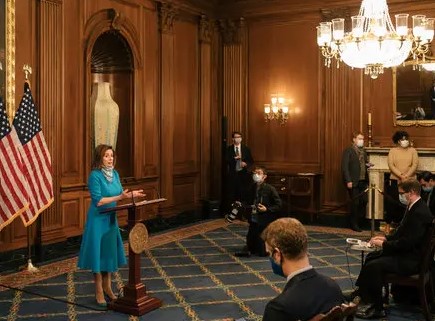
USPS Crisis During Pandemic
During the COVID-19 pandemic, U.S. postal workers have been considered essential workers who continue to perform their jobs. Yet the Postal Service is in imminent danger of shutting down entirely due to lack of funding. A permanent shutdown of this quasi-government agency would leave hundreds of thousands out of work, and threaten privatization of a beloved and venerable institution.
The nation relies on the delivery of critical goods and services that mail service allows, including life-saving medications. More than one billion prescription drugs were shipped last year alone. And in rural areas, millions of Americans rely on the Postal Service to deliver essential goods.
When President Donald Trump signed into law a $2 trillion coronavirus emergency spending bill, it allowed USPS to borrow a mere $10 billion from the Treasury Department. Fredric V. Rolando, president of the National Association of Letter Carriers, called this “woefully inadequate,” and said, the administration clearly does not understand the importance of the Postal Service, especially now. Trump has said that the administration won’t approve the $10 billion loan if the postal service doesn’t quote, “take his advice” to raise package and shipping rates “approximately four times.”
Postmaster General Megan Brennan recently warned members of the House Oversight Reform Committee that “the sudden drop in mail volumes, our most profitable revenue stream, is steep and may never fully recover.
Help save the USPS – USMailIsNotForSale.org / NationalRuralOrganizing
The Postal Service is the most popular federal agency among the public. In a recent Pew Research poll, more than 91% of respondents said they have a favorable opinion of USPS. That rating is higher than the CDC or the Census Bureau.
Guest – Chuck Zlatkin. Chuck is the legislative director of the New York Metro Area Postal Union.
—-
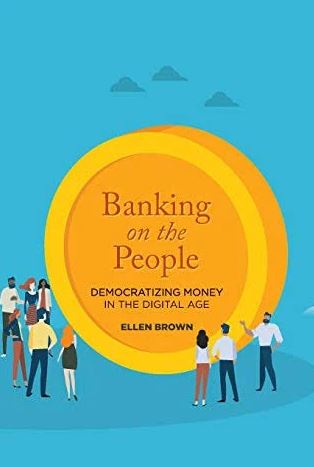
Banking On The People: Ellen Brown
So far President Donald Trump and Congress have authorized $6 trillion to be given out in effort to stem an ongoing economic depression. One trillion is 1000 billion dollars and $1 billion is 1000 million dollars. There are so many zeros in $6 trillion that the number when written down stretches from one side of the page to the other. Six trillion if divided up and given to each American worker would mean that each one of them would have gotten tens of thousands of dollars. But instead most of the money went to the hedge funds, banks, and big corporations.
The average American got very little. Small businesses got very little and are now pressured to open up. State and municipal governments received very little. Millions of people got nothing at all.
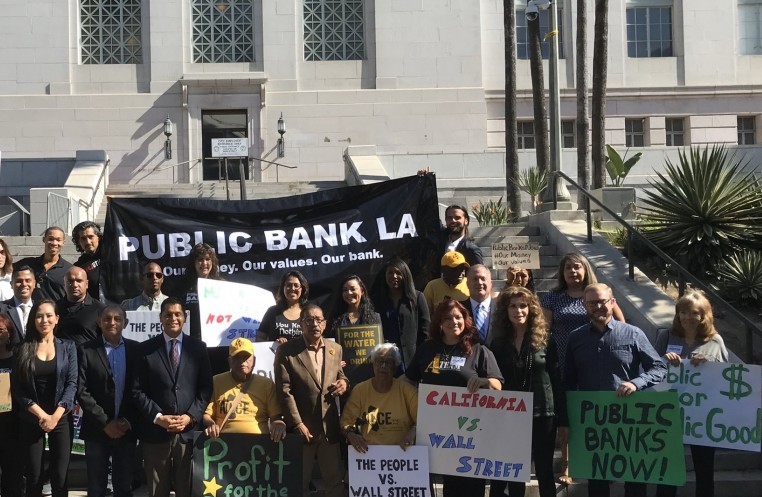
Under the bailout legislation, money could go to finance public banks. These funds could be used to finance a better society, particularly a green new deal. Public banks could be like a utility operating on the principal of doing public good.
Guest – Attorney and economist Ellen Brown who has written 13 books on economics and is the founder of The Public Banking Institute. We will be speaking about the COVID-19 bailouts and how they will betray Americans just as the 2008 stimulus aid did. Ellen Brown is the cohost of a radio program on The progressive radio network, prn.fm, called It’s Our Money.
—————————–
—————————–
Law and Disorder May 18, 2020
Podcast: Play in new window | Download
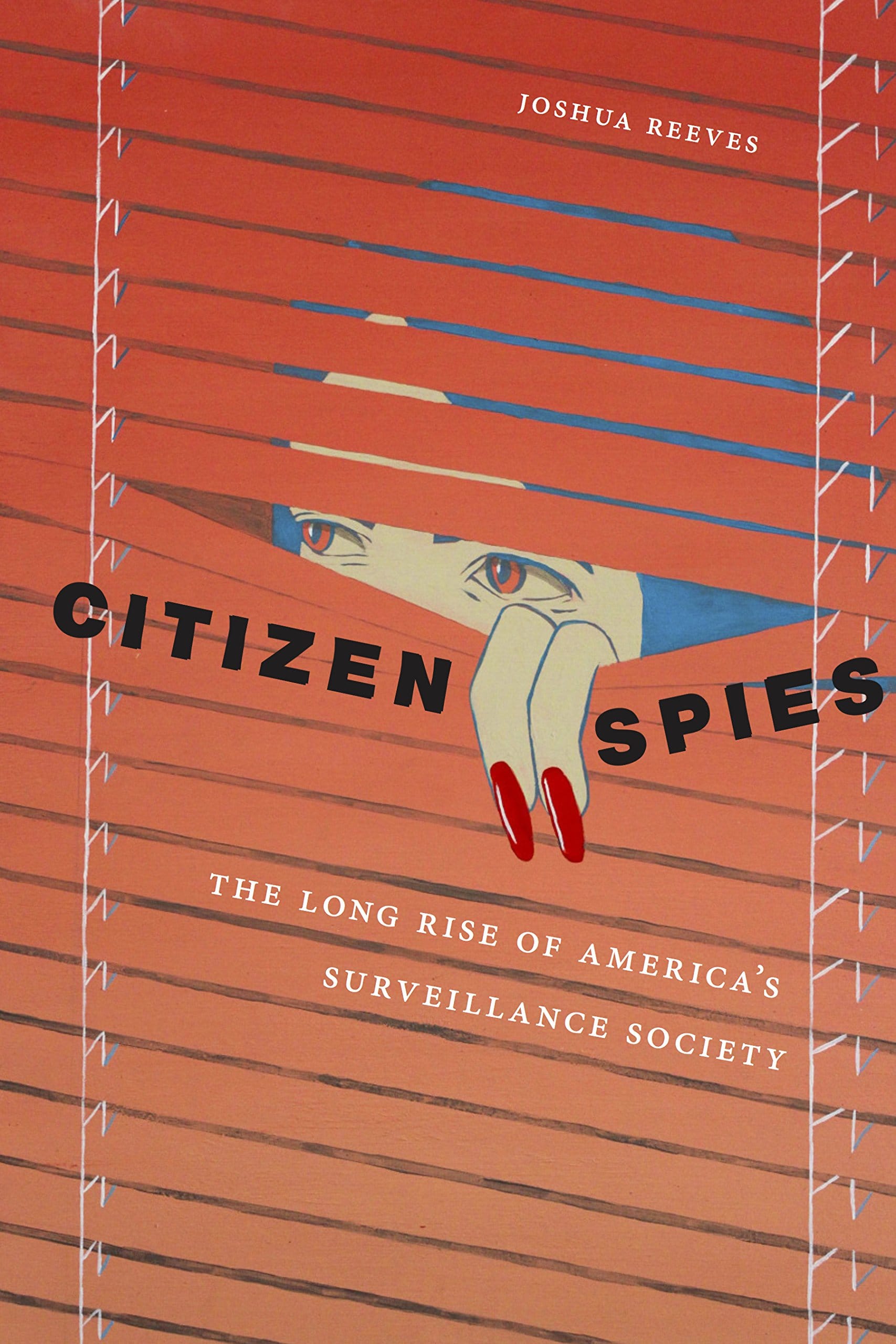
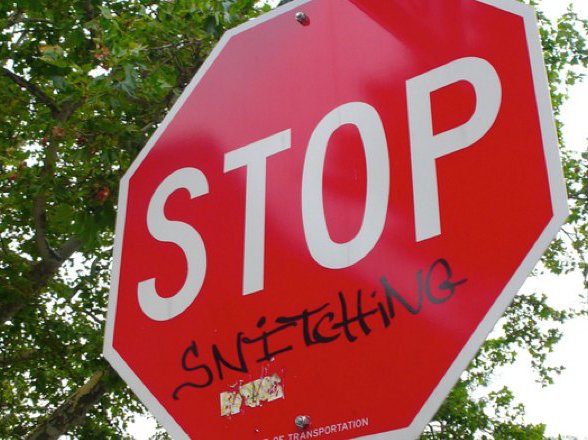
Citizen Spies: The Long Rise of America’s Surveillance Society
The U.S. Department of Homeland Security’s program “If You See Something, Say Something,” launched in 2010, urges citizens to be aware of and to report, potential threats. Examples of suspicious activity include unattended packages or baggage; circumstances that appear out of the ordinary, like an open door that is usually closed; a person asking for detailed information about a building’s layout or purpose, and changes in security protocol or shifts. Also of concern is any person seen loitering around a building, writing notes, sketches, and taking photographs or measurements.
The DHS website is careful to note that, “Factors such as race, ethnicity, and/or religious affiliation are not suspicious.” Yet as listeners know, incidents of ethnic profiling are many, including one in which a Southwest Airlines passenger was taken off a flight for speaking Arabic.
The history of citizen spying and reporting on others is not new in this country. And the “See Something” campaign isn’t the only civilian spying program around. Many jurisdictions have Neighborhood Watch programs. The U.S. Department of Justice’s National Neighborhood Watch initiative enlists community members to assist crime prevention and to prepare neighborhoods for disasters and emergency response.
Guest – Joshua Reeves author of Citizen Spies, The Long Rise of America’s Surveillance Society . He is associate professor of New Media Communications and Speech Communication at Oregon State University, where he’s also a fellow in their Center for the Humanities. An associate editor of the journal Surveillance and Society, he’s also written the just-released book, Killer Apps: War, Media, Machine.
—-

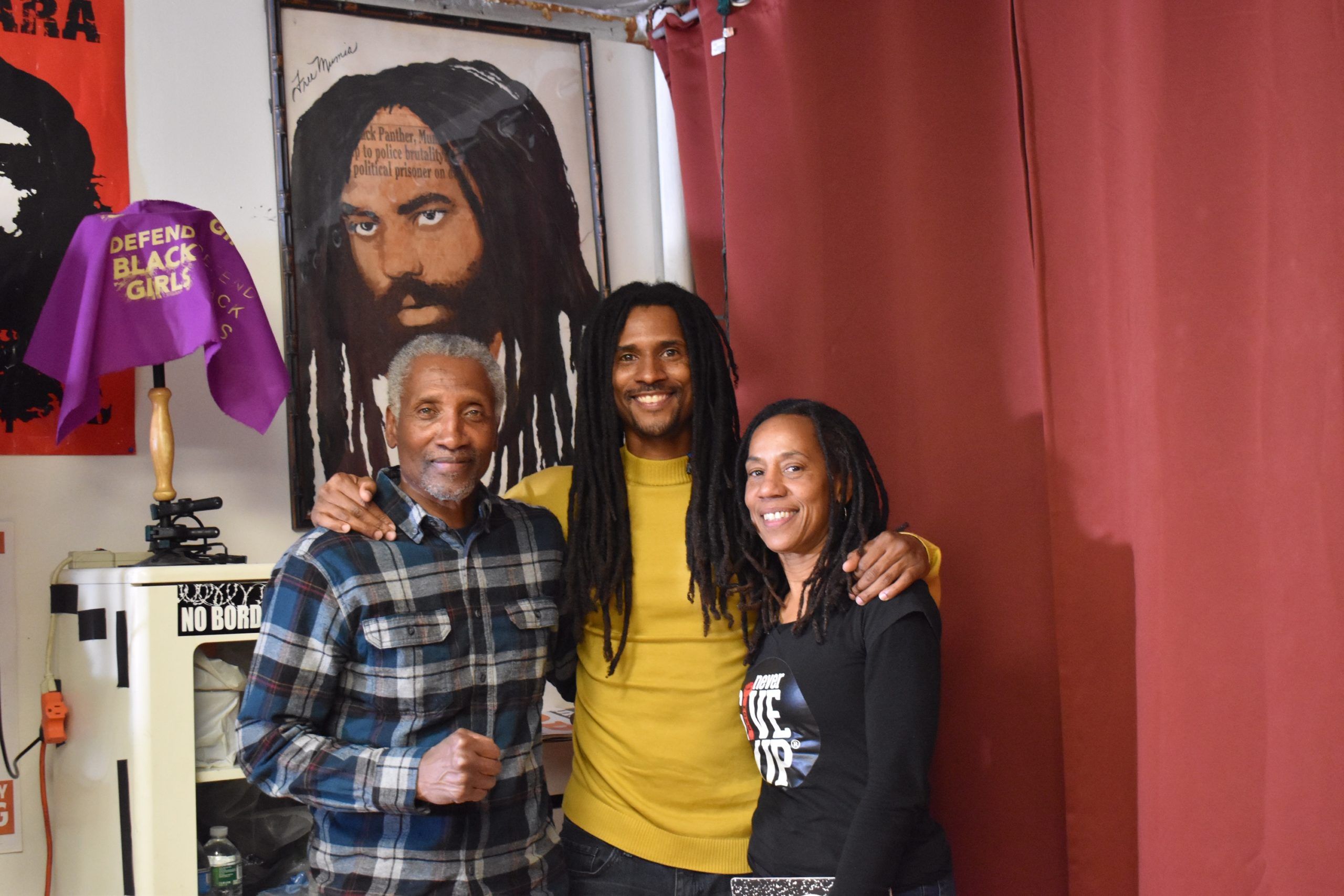
Former Philadelphia Mayor Calls For A Formal Apology To MOVE
The former Philadelphia mayor who led the city when police dropped a bomb on the MOVE house in 1985 has called for a formal apology from the city. The bomb and subsequent fire killed 11 people and destroyed more than 60 homes in the neighborhood. Five children were among the 11 who died.
Former mayor W. Wilson Goode Sr. said in an op-ed in the Guardian that “after 35 years it would be helpful for the healing of all involved, especially the victims of this terrible event.”
After dropping an explosive from a helicopter, the Philadelphia Fire Department let the fire burn, knowing there were men, women and children inside. Goode insists he knew nothing about police and fire department’s plan of action even though he was ultimately responsible for the actions.
Ramona Africa, one of the survivors, has described police opening fire on MOVE members trying to flee the burning home.
Janine Africa, who was one of nine MOVE members sentenced to between 30 and 100 years in prison and who served 41 years of that sentence in the 1978 shooting death of Officer James Ramp, maintains her innocence but said she and other MOVE members were judged on alleged actions of one day. MOVE members have said they believe that Ramp was shot by friendly fire.
Former Gov. Ed Rendell, who succeeded Goode as mayor and was the district attorney who prosecuted MOVE members, told The Philadelphia Inquirer that he now regrets his handling of the prosecution of some members. He said if he had to do it over again, he would have offered those who weren’t leaders plea deals that included less severe sentences.
“I followed the law, but the prosecutor always has the discretion to use their judgment,” Rendell said. “For what they did compared to what some other people do in Philadelphia, they served far too much time.”
Guest – Mike Africa Jr. Founder of Seeds of Wisdom, Musician, Instagram Account
—————–
—————–
Law and Disorder May 11, 2020
Podcast: Play in new window | Download
Library Freedom, TOR And Right To Privacy
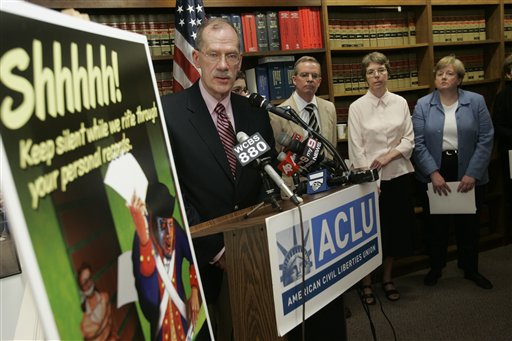
Libraries in this country have long been sanctuaries in which to read, think, dream and pursue intellectual pursuits free from judgment or outside intrusion. But historically outside forces HAVE tried to intrude on this sanctitude. During the Cold War, for example, librarians exposed the FBI’s efforts to recruit library staff to spy on certain patrons, especially Russians, through the so-called Library Awareness Program. And after the attacks of September 11, 2001, the USA Patriot Act’s Section 215 has often been dubbed the “library provision” because it allows patron’s library records to be accessed and monitored by law enforcement agencies without a warrant.
In 2015 Law & Disorder reported on a New Hampshire Library that installed the Tor relay node to allow patrons to privately browse computers. Tor is anonymizing software that lets users conduct online searches without being monitored. Soon after, the Department of Homeland Security contacted local officials who visited the library, warning that Tor could aid criminal behavior.
Alison asks to please visit your local library website and facebook pages to increase their usage metrics which in turn help when applying for funding.
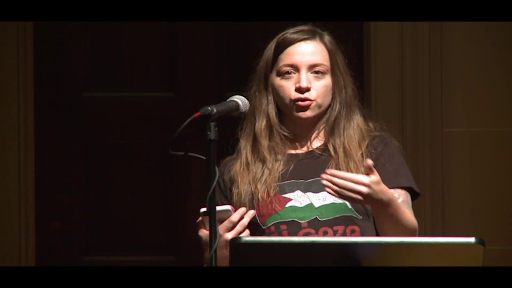
Guest – Alison Macrina was one of the people responsible for the New Hampshire library’s privacy tools. Alison is a librarian, privacy rights activist, and the founder and director of the Library Freedom Project, an initiative that helps educate librarians and their local communities about surveillance threats, privacy rights and law, and privacy-protecting technology tools to help safeguard digital freedoms.
—-
Julian Assange Extradition Update
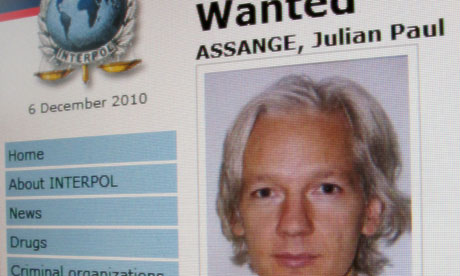
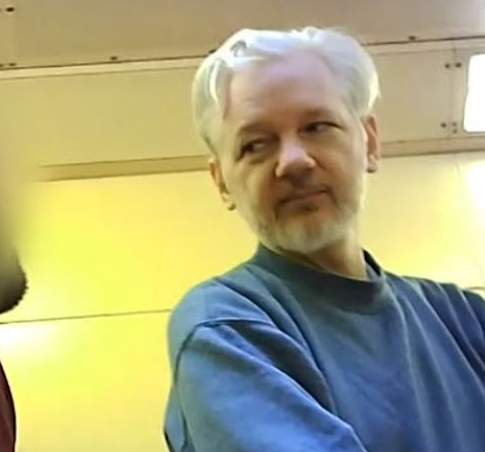
Wikileaks founder Julian Assange’s extradition hearing began in January but is on hiatus at least until September 2020. At the January appearance, the prosecution pleaded for the media to stop characterizing the US effort as a politicized war on journalism. In response, Julian’s defense provided a comprehensive summary of the many reasons that journalists and human rights activists have called Julian’s indictment a threat to a free press.
James Lewis argued for the Crown Prosecution Service, which acts on behalf of the United States in its extradition request. Lewis explicitly asked journalists covering the case not to report that it represents a matter of free speech or the right to publish. Lewis depicted the indictment as solely a matter of exposing informants in the Iraq and Afghanistan war logs and the State Department cables.
Julian’s defense lawyer Edward Fitzgerald detailed how extradition proceedings constitute an abuse of process. He asserted that they have been brought for ulterior political purposes, as an attack on freedom of speech, and fundamentally misrepresent the facts in order to extradite Julian to the US, where he faces torture, unusual and degrading treatment.
Guest – NYC attorney Nathan Fuller, Executive Director of the Courage Foundation.
—————————————
—————————————