Welcome to Law and Disorder Radio
Law and Disorder is a weekly independent civil liberties radio program airing on more than 150 stations and on Apple podcast. Law and Disorder provides timely legal perspectives on issues concerning civil liberties, privacy, right to dissent and practices of torture exercised by the US government and private corporations.
Law and Disorder June 22, 2015
Podcast: Play in new window | Download
Updates:
- Michael Smith: Supreme Court Justice Scalia Calls Justice Ginsberg, “Goldberg”
—-
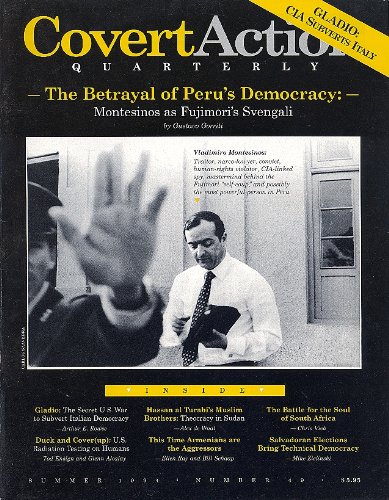
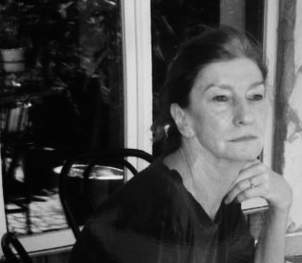
Law and Disorder Hosts Remember Ellen Ray, Co-Publisher of Covert Action Information Bulletin
Law and Disorder hosts remember Ellen Ray. She was a documentary filmmaker, publisher, journalist and activist. Ellen Ray was co-publisher of the magazine Covert Action Information Bulletin, which exposed CIA covert actions around the world, publishing the names of hundreds of CIA agents. As a result, the law changed (The Intelligence Identities Protection Act of 1982) making it illegal. As head of Sheridan Square Press, Ellen Ray published the memoir of New Orleans District Attorney Jim Garrison, which became the basis of Oliver Stone’s film, “JFK.” Ray is survived by her husband, attorney Bill Schaap, she was 75.
——
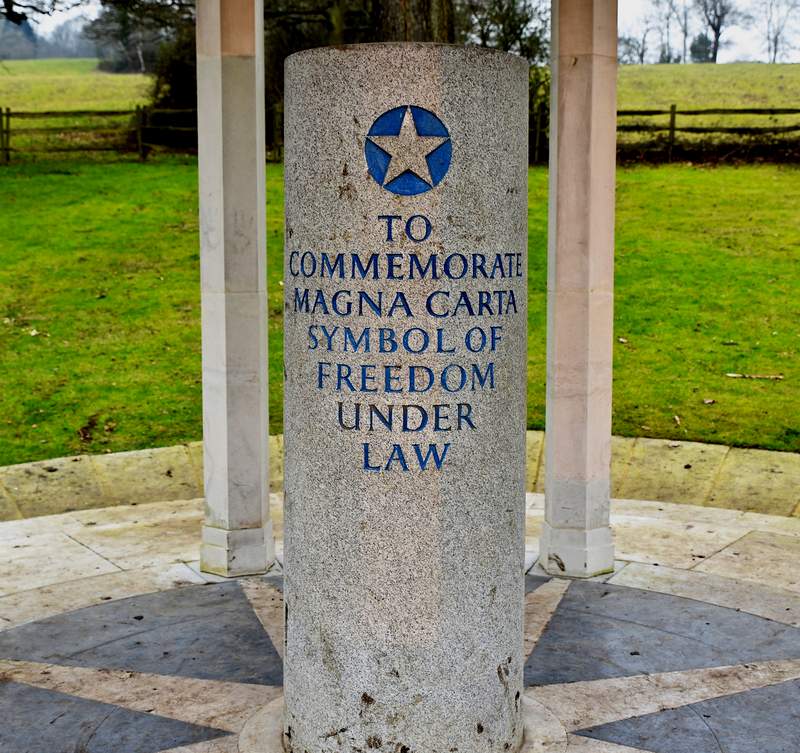
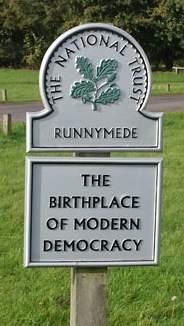
Magna Carta and Charter of the Forest 800 Year Anniversary
Law and Disorder Co-host Michael Ratner describes the meaning behind “Freedom Under Law” inscribed on a plinth that’s erected at the site commemorating the Magna Carta in England. Michael references past guest Peter Linebaugh and his books including The London Hanged when discussing the sister document The Charter of the Forest. The Charter of the Forest formed the protection of subsistence rights for people to the woodlands. The woods was the form that hydrocarbon energy took. There’s a parallel with the protection of woodlands for all, back then, and our own oil economy. Common Rights for oil, share in the wealth of commons.
Law and Disorder Co-host Attorney Michael Ratner, President Emeritus of the Center for Constitutional Rights (CCR), a non-profit human rights litigation organization based in New York City and president of the European Center for Constitutional and Human Rights (ECCHR) based in Berlin. Ratner and CCR are currently the attorneys in the United States for publishers Julian Assange and Wikileaks. He was co-counsel in representing the Guantanamo Bay detainees in the United States Supreme Court, where, in June 2004, the court decided his clients have the right to test the legality of their detentions in court. Ratner is also a past president of the National Lawyers Guild and the author of numerous books and articles, including the books Who Killed Che? How the CIA Got Away With Murder, The Trial of Donald Rumsfeld: A Prosecution by Book, Against War with Iraq and Guantanamo: What the World Should Know, as well as a textbook on international human rights.
—–
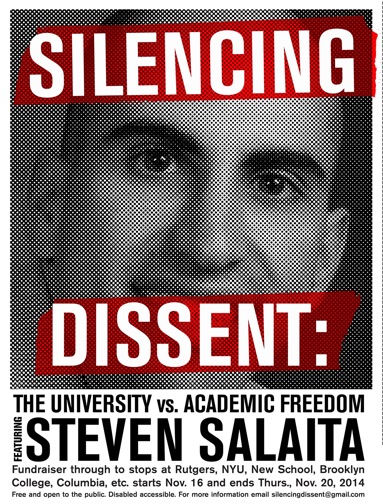
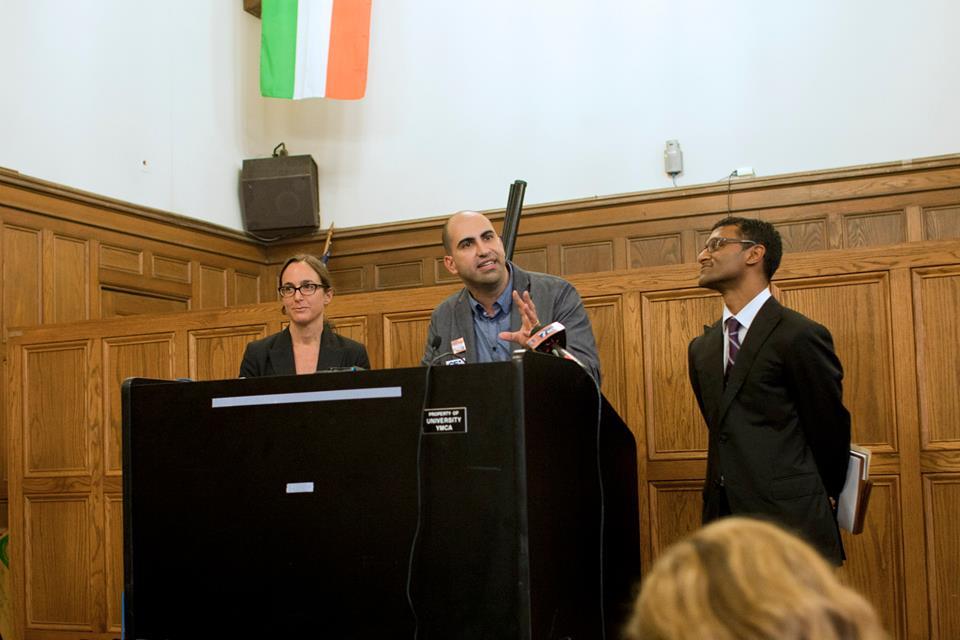
Academic Freedom Case Update: Professor Steven Salaita
Today we want to bring you important updates on the case of Professor Steven Salaita. Steven Salaita was about to take his tenured job at the University of Illinois-Urbana when he got fired. He got fired because of his impassioned defense of Palestinians and his criticism of the massive Gaza war that was killing thousands of Palestinians. He brought a lawsuit and is represented by the Center for Constitutional Rights and a firm in Chicago Loevy and Loevy. As part of the whole process of fighting back against the University of Illinois, lawyers filed a FOIA request for all the letters sent to the University of Illinois regarding Steven Salaita. A lot of these most likely came from donors who were objecting to the hiring of Steven Salaita. We don’t know yet but last the court gave an order that 9000 emails to Steven Salaita and his lawyers. We’ll talk about that victory. In addition there was a meeting last week of the AAUP, the American Association of University Professors and they censured the University of Illinois Urbana for firing Steven Salaita.
Guest – Maria LaHood, Deputy Legal Director at the Center for Constitutional Rights with expertise in constitutional rights and international human rights. She works to defend the constitutional rights of Palestinian human rights advocates in the United States in cases such as Davis v. Cox, defending Olympia Food Co-op board members for boycotting Israeli goods; Salaita v. Kennedy,representing Steven Salaita, who was terminated from a tenured position for tweets critical of Israel; and CCR v. DOD, seeking U.S. government records under the Freedom of Information Act (FOIA) regarding Israel’s 2010 attack on the flotilla to Gaza. She works closely with Palestine Legal to support students and others whose speech is being suppressed for their Palestine advocacy around the country. She also works on the Right to Heal initiative with Iraqi civil society and Iraq Veterans seeking accountability for the lasting health effects of the Iraq war.
—————————————————–
Law and Disorder June 15, 2015
Podcast: Play in new window | Download
Updates
- Michael Ratner Update: Iraqi Woman Sues Bush Administration for Illegal Iraq War
- Remembering Ronnie Gilbert from The Weavers
—-
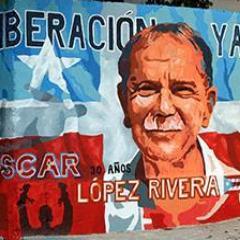
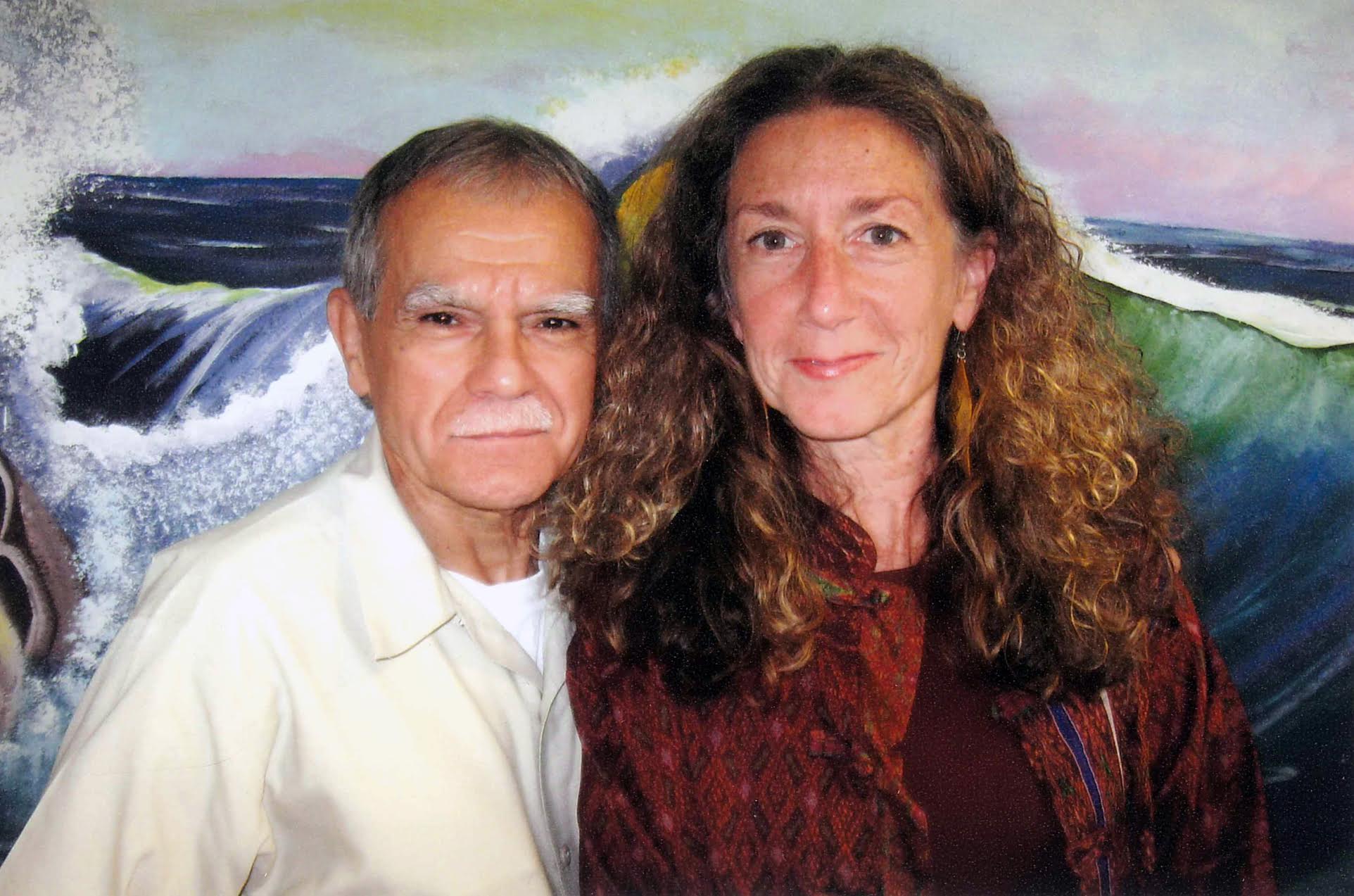
The Campaign To Free Oscar Lopez Riviera
There’s been a long struggle by Puerto Ricans here in the United States for the independence of their native land Puerto Rico. Oscar Lopez Riviera was one of these people. He was framed up on the political charge of seditious conspiracy and has been in prison since the 1980s. All his co-defendants in the original trial have now been freed but he remains locked up and there is a campaign going on in the United States right now to free Oscar Lopez Riviera.
Guest – Attorney Jan Susler joined People’s Law Office in 1982 after working for six years as a Clinical Law Professor at the legal clinic at Southern Illinois University’s School of Law, Prison Legal Aid. At the People’s Law Office she continued her litigation and advocacy work on prisoners’ rights issues and also took on representing people wrongfully imprisoned, falsely arrested, strip searched, or subjected to excessive force by police officers.
Her long history of work on behalf of political prisoners and prisoners’ rights includes litigation, advocacy and educational work around federal and state control unit prisons in the U.S. Her work with the Puerto Rican Independence Movement and with progressive movements challenging U.S. foreign and domestic policies has been a constant throughout her 36 years as a lawyer. She was an adjunct professor of criminal justice at Northeastern Illinois University, and taught constitutional law at the University of Puerto Rico. For over three decades she has represented Puerto Rican political prisoners, and she served as lead counsel in the efforts culminating in the 1999 presidential commutation of their sentences. She continues to represent those who remain imprisoned.
—–
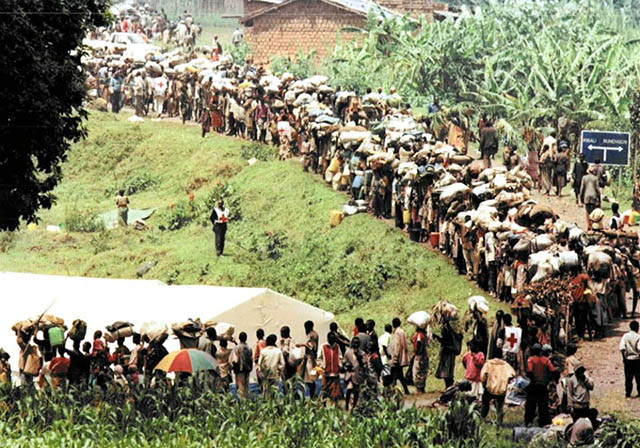
Genocide In The Middle East, The Ottoman Empire, Iraq and Sudan
Here on Law and Disorder we’ve discussed genocide. Genocide of course, we’ve most recently discussed with our co-host whose family was effected by the Armenian genocide, we’ve discussed that genocide. We’ve also discussed the question of whether what has happened to Palestinians the Middle East also constitutes as genocide.
Guest – Hannibal Travis teaches and conducts research in the fields of cyberlaw, intellectual property, antitrust, international and comparative law, and human rights. He joined FIU after several years practicing intellectual property and Internet law at O’Melveny & Myers in San Francisco, California, and at Debevoise & Plimpton in New York. He has also served as Visiting Associate Professor of Law at Villanova University, and a Visiting Fellow at Oxford. He graduated summa cum laude in philosophy from Washington University, where he was named to Phi Beta Kappa. He graduated magna cum laude from Harvard Law School, where he served as a member of the Harvard Journal of Law and Technology and the Harvard Human Rights Journal, and as a teaching assistant in Harvard College. After law school, Professor Travis clerked for the United States District Court in Los Angeles, California. Professor Travis has published articles on copyright, trademark, and antitrust law in the Berkeley Technology Law Journal, Hofstra Law Review, the Journal of the Copyright Society of the USA, Notre Dame Law Review, Pepperdine Law Review, University of Miami Law Review, Vanderbilt Journal of Entertainment and Technology Law, Virginia Journal of Law and Technology, and Yale Journal of Law and Technology.
———————————————
Law and Disorder June 8, 2015
Podcast: Play in new window | Download
Updates:
- Ireland Same Sex Marriages
- DOJ Reaches Settlement With Cleveland Over Police Excessive Use Of Force
- Inquiry to Examine Racial Bias in the San Francisco Police
- Wyoming Criminalizes Sharing Photos And Citizen Science
—–
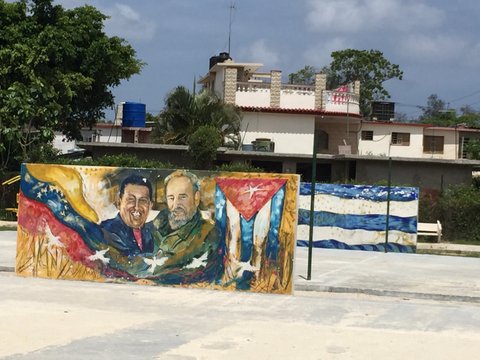
Understanding The Cuban Reality: Michael Ratner
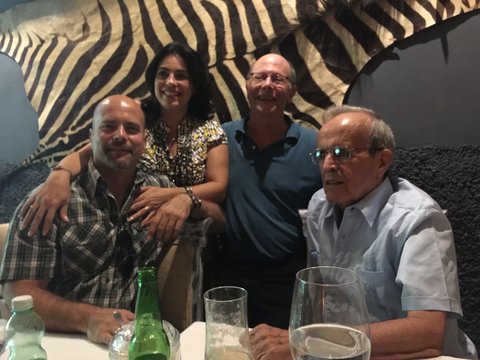
Our own Michael Ratner returns from Cuba and dispatches this update. The United States officially takes Cuba off the terrorist list. Cuba was placed on the terrorist list years ago along with Iran, Syria and Sudan. Getting to Cuba is easier now that travel restrictions are decreased. Michael explains the importance in how Cuba maintains its fundamental economic rights in a non-capitalist government structure. Cuba also represents solidarity with the oppressed around the world and shares his personal experiences at Revolution Square in the early 70s. As the economic embargo continues to impact many facets of life for the people of Cuba, Michael Ratner points out the specific trade lifted by the Obama Administration were goods going from the United States to Cuba and not Cuba selling to the United States. The goal of every U.S. administration was to choke off and kill the Cuban Revolution. Lastly, Michael asserts that Cuba won’t become a U.S. neo-colony with IMF austerity plans privatizing state run enterprise.
Law and Disorder Co-host Attorney Michael Ratner, President Emeritus of the Center for Constitutional Rights (CCR), a non-profit human rights litigation organization based in New York City and president of the European Center for Constitutional and Human Rights (ECCHR) based in Berlin. Ratner and CCR are currently the attorneys in the United States for publishers Julian Assange and Wikileaks. He was co-counsel in representing the Guantanamo Bay detainees in the United States Supreme Court, where, in June 2004, the court decided his clients have the right to test the legality of their detentions in court. Ratner is also a past president of the National Lawyers Guild and the author of numerous books and articles, including the books Who Killed Che? How the CIA Got Away With Murder, The Trial of Donald Rumsfeld: A Prosecution by Book, Against War with Iraq and Guantanamo: What the World Should Know, as well as a textbook on international human rights.
—–
US-Cuba Relations: What does “Normalization” Mean?
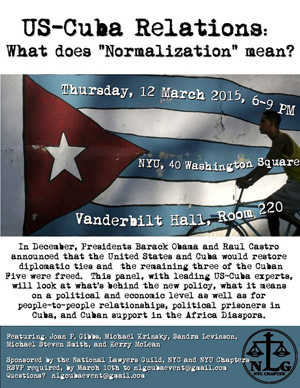
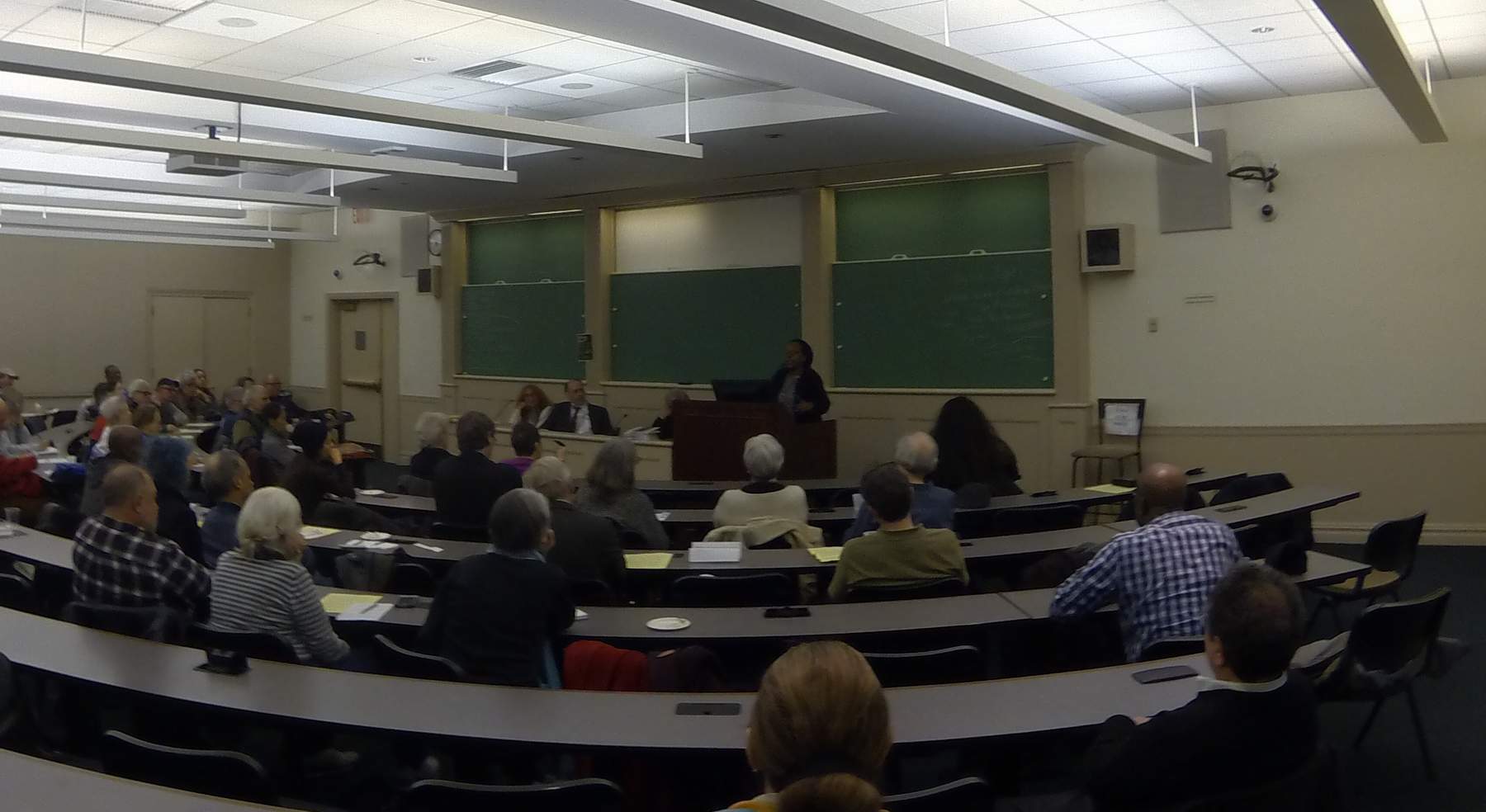
In December, Presidents Barack Obama and Raul Castro announced that the United States and Cuba would restore diplomatic ties and the remaining three of the Cuban Five were freed. This panel, with leading US-Cuba experts,will look at what’s behind the new policy, what it means on a political and economic level as well as for people-to-people relationships, political prisoners in Cuba, and Cuban support in the African Diaspora.
Speaker – Sandra Levinson, founder and Executive Director of the Center for Cuban Studies in New York City and Director of the Center’s Cuban Art Space who has traveled to Cuba more than 300 times, often as consultant to major news organizations. Sponsored by the National Lawyers Guild, NYC and NYU Chapters and International Committee.
——————————————————–