Welcome to Law and Disorder Radio
Law and Disorder is a weekly independent civil liberties radio program airing on more than 150 stations and on Apple podcast. Law and Disorder provides timely legal perspectives on issues concerning civil liberties, privacy, right to dissent and practices of torture exercised by the US government and private corporations.
Law and Disorder February 16, 2026
Podcast: Play in new window | Download
On Friday, following the taping of this show, the UK High Court ruled that the ban on Palestine Action, which we examine, was unlawful.
Our guest Fahad Ansari released this statement: “With jurors repeatedly refusing to convict individuals for smashing up Israeli weapons factories and now the High Court quashing the government’s proscription of a group dedicated to that goal, it is evident that the British public overwhelmingly opposes Britain’s support for Israeli genocide.”
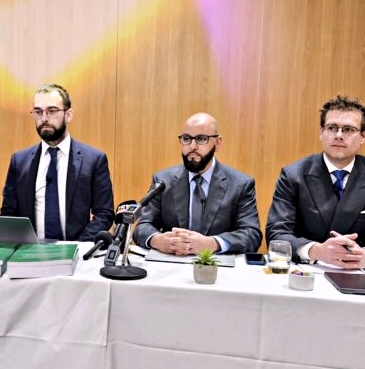

British Movement Lawyer Exposes Being Targeted By Senior Politicians and Cointel Police
When repressive governments around the world attack their own people and liberal democracies fight back, some of the first responders are movement lawyers. Unlike cowardly law firms that capitulate in advance, as we have seen here in the United States, movement lawyers work hand-in-hand with activists not merely challenging what the government is doing but putting the government itself on trial.
The roots of movement lawyering in the United States can be traced back to the civil rights movements of the 1960s and 1970s, where lawyers challenged laws that upheld segregation and other forms of discrimination. These lawyers used the legal system not just as a passive tool but as an active agent of change. They helped litigate landmark cases that desegregated schools, secured voting rights, dismantled discriminatory laws, challenged draft laws and questioned the legality of the Vietnam War.
The founders of this program Law and Disorder, Michael Ratner, Michael Smith, Jim Lafferty, and Heidi Boghosian are all prominent movement lawyers. But movement lawyers are not confined to the United States.
Guest- Fahad Ansari, is a senior civil liberties solicitor based in London. As a movement lawyer, he developed a niche in representing individuals and communities affected by counter-terrorism legislation, state surveillance, and discriminatory policing. His career has been defined by taking on some of Britain’s most sensitive cases including representing those stripped of their citizenship on grounds of national security and representing Hamas in its 2025 application to be removed from the British government’s list of proscribed terrorist organizations.
The Hamas case resulted in Ansari being smeared by senior politicians and targeted by British counter-terrorism police and the government agency that regulates the practice of law in the UK.
On August 6, 2025, Ansari was stopped by officers at the port of Holyhead as he returned from a family holiday in Ireland with his wife and four children. Ansari said the bulk of the questioning was about Palestine Action, a group recently proscribed under the Terrorism Act. He was also asked about Hamas but refused to answer, citing client confidentiality. Ansari said he was held by police for three hours, fingerprinted, photographed and swabbed for DNA and told to remove his face ID and pin from his phone or face arrest. The following day, the contents of his phone were copied by the police.
Ansari said that “In the decade that I have been involved in national security cases, I have never heard of lawyers in England being targeted to this extent because of their clients. Some have complained that representing Hamas brings the profession into disrepute. Yet, what really undermines the integrity of the profession is when unpopular clients are unable to secure legal representation because of fear of public opprobrium and state intimidation.”
—-
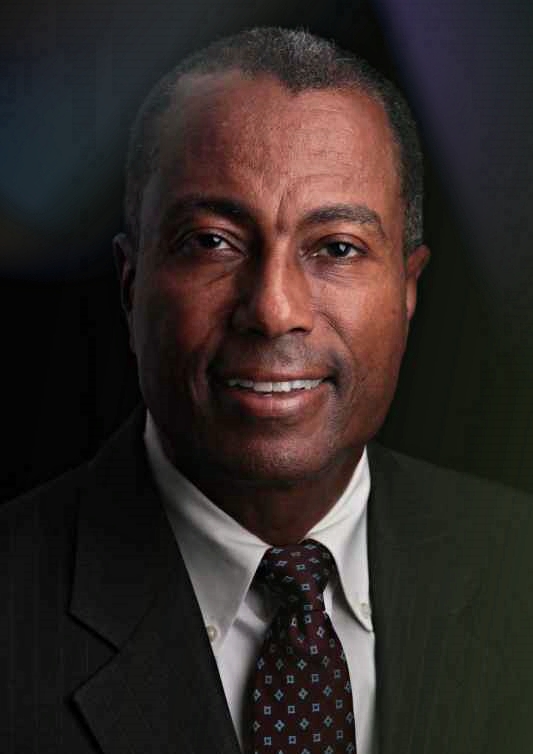
Michigan Movement Lawyer Mark Fancher
As we celebrate Black History Month, conversations often drift toward a comfortable, sanitized narrative of progress. But our guest today, Mark Fancher, has spent his career in the uncomfortable spaces where the struggle for racial justice remains ongoing, contested, and— for far too many communities—urgent.
Mark recently retired as Senior Staff Attorney with the Racial Justice Project of the ACLU of Michigan. But his commitment to justice did not begin there. A longtime leader in the National Conference of Black Lawyers and an active member of the National Lawyers Guild, he has devoted decades to challenging the systems that produce inequality—not merely documenting them.
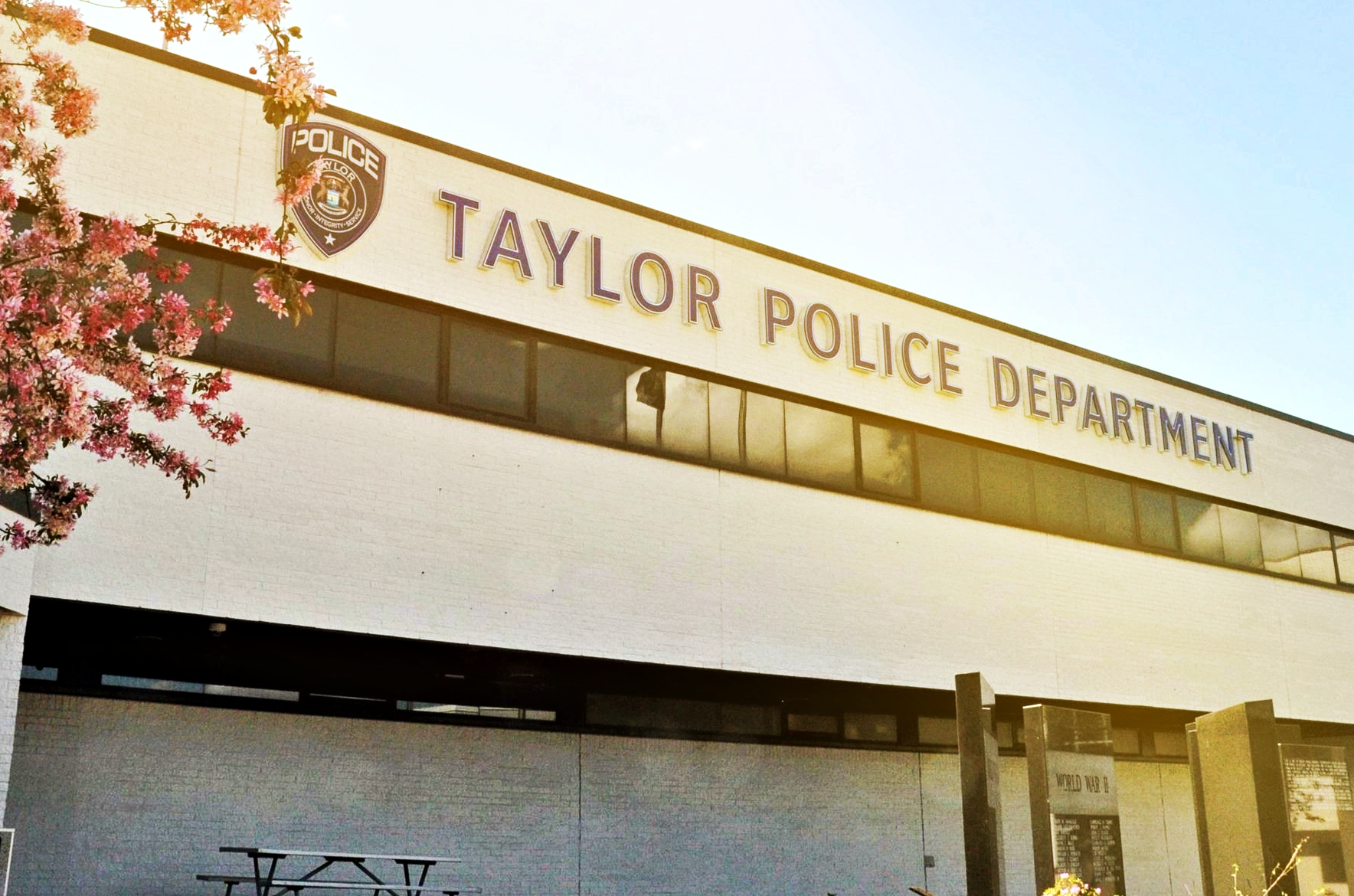
In Michigan, those systems are stark, and those injustices are often enforced by the badge. Black residents comprise roughly 14 percent of the state’s population, yet account for nearly half of those incarcerated. That disparity is not incidental. It reflects policies, practices, and policing strategies entrenched over generations. Mark has litigated the human consequences behind those numbers—from confronting a culture of brutality in the City of Taylor, which he described as functioning like an “occupying army,” to defending Black officers such as Johnny Strickland, who faced retaliation within their own departments for speaking out.
Mark is no stranger to the friction that truth-telling provokes. More than a decade ago, at a “Unity Breakfast” in Muskegon, his remarks about white privilege and police misconduct prompted audience members to walk out. He was labeled “divisive.” But as Mark reminded them then—and reminds us now—Dr. King did not preach comfort. He taught the oppressed to confront injustice without fear and without retreat.

———————
Law and Disorder February 9, 2026
Podcast: Play in new window | Download
How to Stop a Nuclear War – Part 2
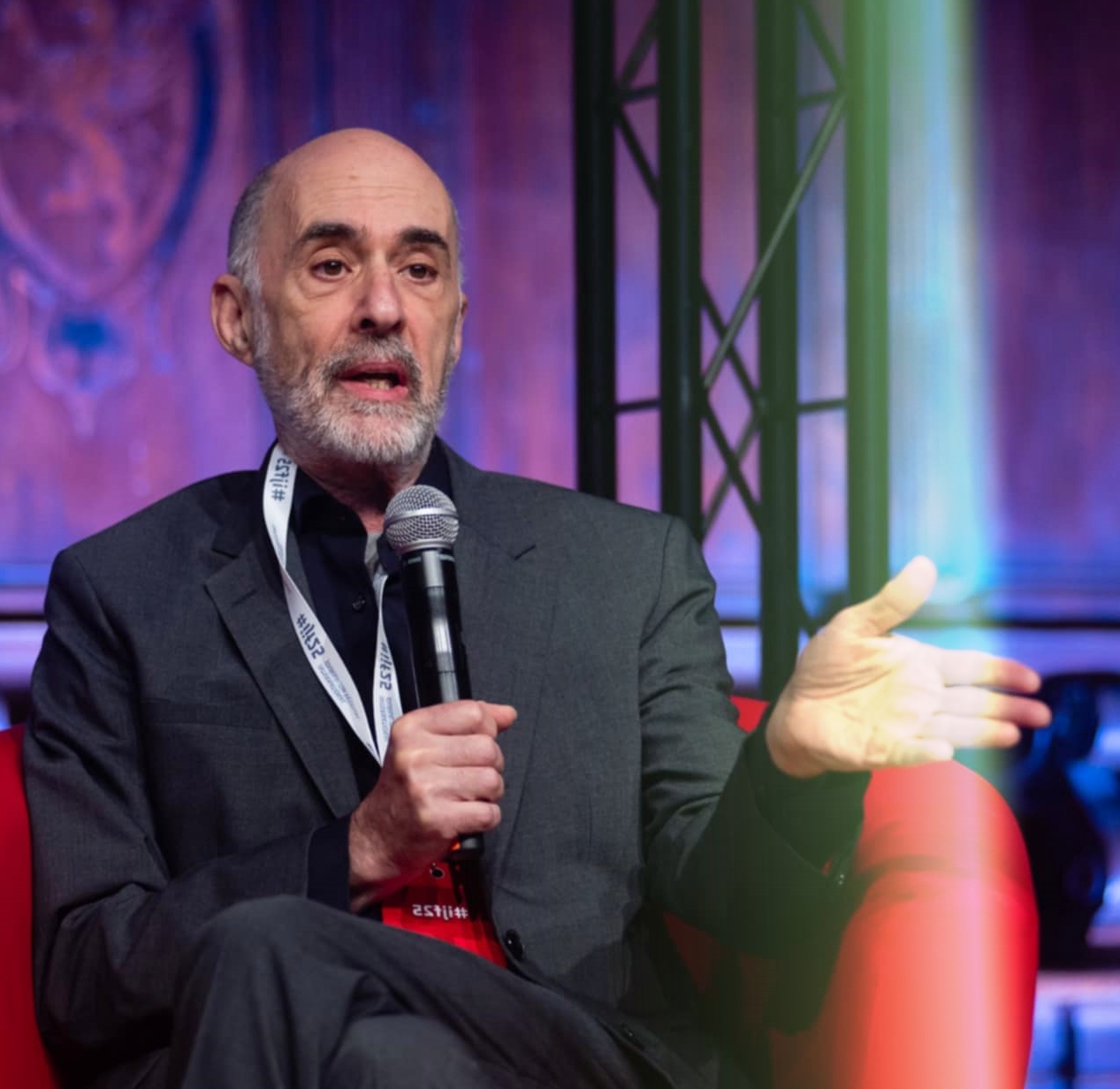
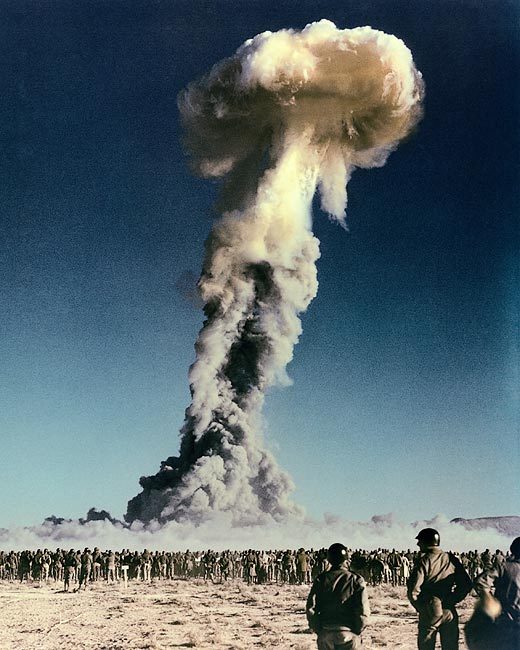
Two weeks ago, we spoke with award-winning journalist and filmmaker Paul Jay about his upcoming documentary, How to Stop a Nuclear War. Scheduled for release in fall 2027, the film draws on in-depth interviews with Daniel Ellsberg and is narrated by Emma Thompson. It examines just how close humanity has come to nuclear catastrophe — and why Ellsberg’s decades-long warnings about nuclear policy and power remain urgently relevant today.
We ran out of time in that conversation, so we’re very glad to welcome Paul Jay back to the show to pick up where we left off. Today, we’ll continue our discussion about the ongoing nuclear threat, how it’s shaped by political and corporate interests, and what the public needs to understand in order to push for meaningful change.
Guest – Paul Jay, award-winning journalist, filmmaker, and founder of theAnalysis.news. Jay has spent decades investigating the inner workings of government, corporate power, and military policy, combining investigative rigor with a storyteller’s clarity. He is currently working on a new project, How to Stop a Nuclear War, a groundbreaking documentary set to be released in the fall of 2027 based on extensive interviews with Daniel Ellsberg and narrated by Emma Thomson. Through rare interviews and in-depth research, the film examines how close humanity has come to nuclear catastrophe—and why Ellsberg’s warnings remain urgently relevant today.
—-
New York City Council Member Organizes Against ICE Raids
We are at a turning point in the history of the United States. If the people in the city of Minneapolis, can defeat ICE, they will have demonstrated they can win anywhere. This is a strong momentum in rolling back fascism here in the USA. ICE, above all, is criticized as being a terrorist outfit with a purpose to terrorize the population. Yet in contrast, ICE claims to be looking to capture and deport illegal immigrant criminals. It has a massive budget of $179 billion for the next three years. They have sent 3000 agents into Minneapolis and outnumber the Minneapolis police force five to one.
Two weeks ago, Renee Good, a poet and mother of three children was murdered during a confrontation with ICE agents. The official claim is that she’d threatened an ICE agent with her car. Last week Alex Pretti, an intensive care nurse at the VA hospital was murdered during an anti-ICE protest. Did Kristi Noem, the Trump appointed head of the Department of Homeland Security lied when she said that Pretti was out to massacre ICE agents? Both murders were filmed by people in Minneapolis and showed widely online and on television, exposing ICE for what it is, and the government for the false narratives it attempts to spread.
If they can get away with it in Minneapolis it will spread fear in Los Angeles and New York, or Philadelphia and Memphis, Washington DC and Portland, Maine, or everywhere and anywhere. Despite ICE’s huge budget of billions, it can be defeated. The actions of the people of Minneapolis have inspired communities with hope. And without hope, we tend to do nothing.
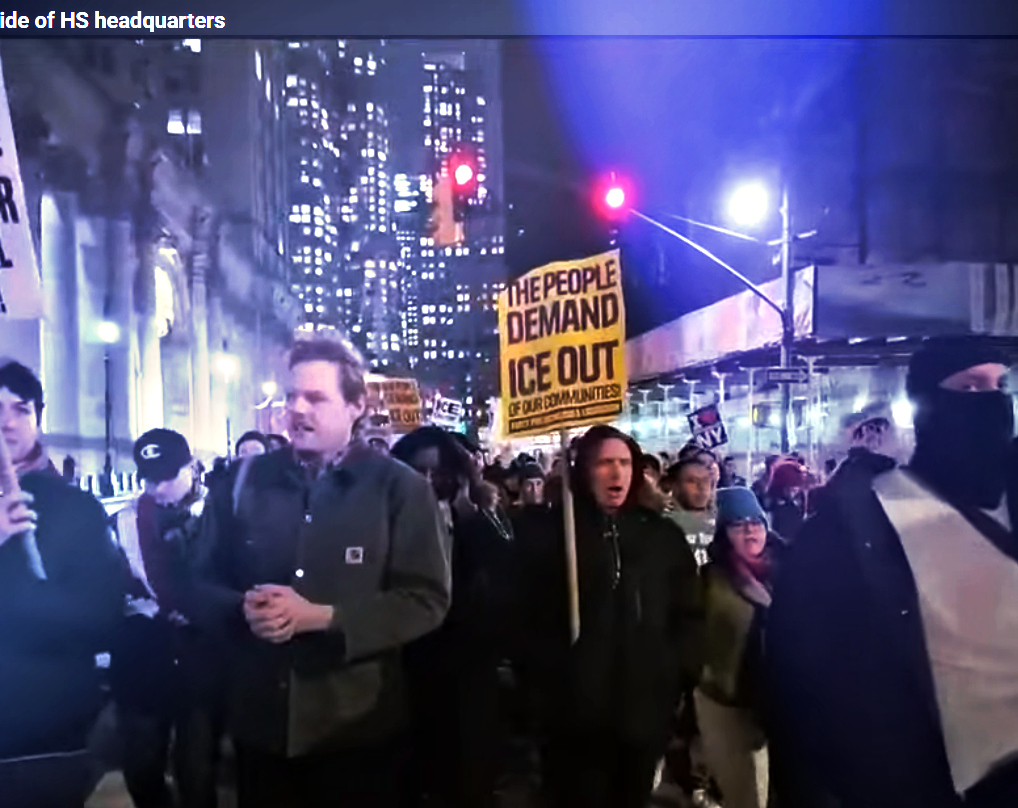
What can we do to resist and defeat ICE? The people of Minneapolis have shown the way. They’ve created a network of people working together, providing aid and support, block by block, Signal chat by Signal chat. They’ve provided food for those afraid to leave their homes, driven their kids to school, protested in the streets constantly, no matter how extreme the cold weather.
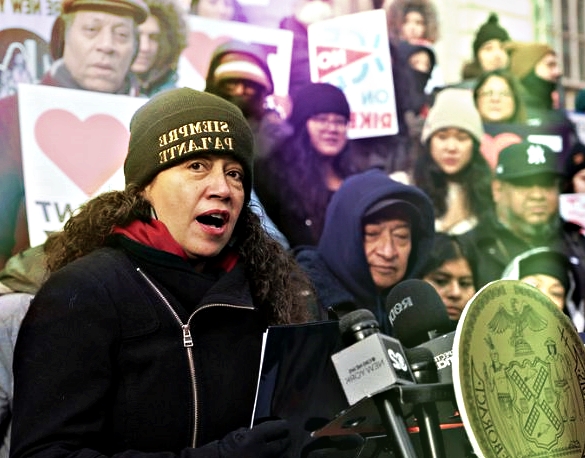
We speak today with New York City Councilwoman Alexa Aviles. She represents the heavily immigrant neighborhood of Sunset Park in Brooklyn, New York, and has been organizing against ICE.
Guest – Alexa Aviles is a socialist and a member of the Democratic Socialists of America (the “DSA”). She was born in Puerto Rico, the youngest of seven children. She came to the United States as a young girl. Aviles attended Columbia University and recieved her Master’s degree in public administration. She’s the mother of two daughters. Before being elected to her position on the City Council in 2021, she worked for decades in social justice work. She was elected to the City Council five years ago and ran on a platform supporting affordable housing, workers’ rights, immigrants, and environmental health. She’s Chair of the Immigration Committee of the Council.
—————–
Law and Disorder February 2, 2026
Podcast: Play in new window | Download
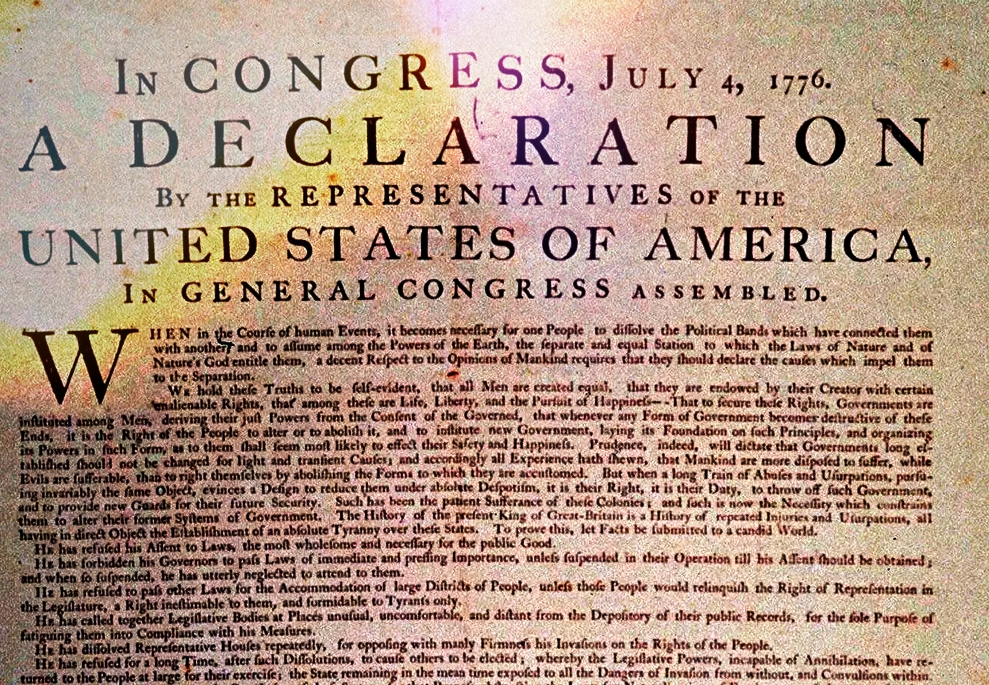
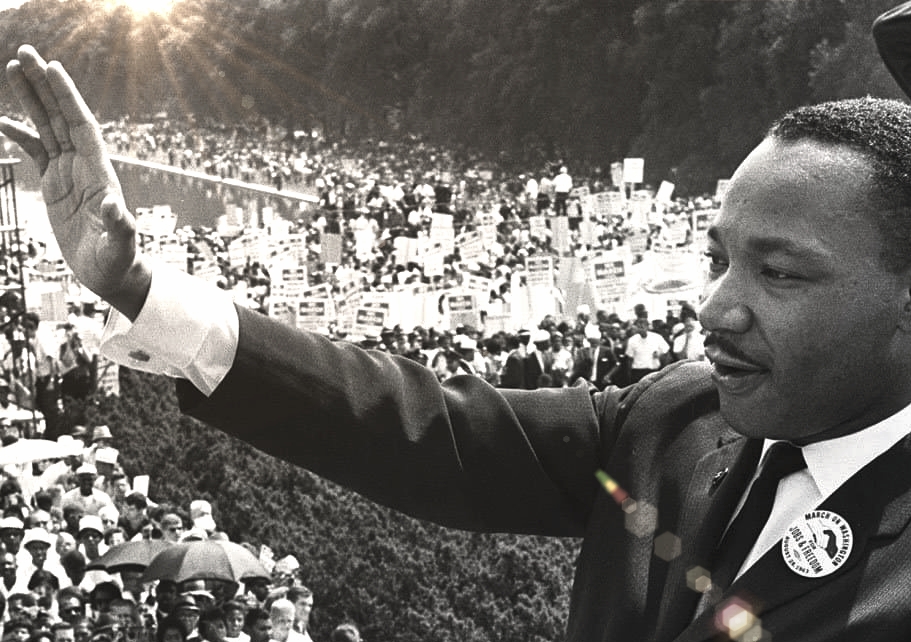
250th anniversary of the Declaration of Independence Signing
2026 is the 250th anniversary of signing of the Declaration of Independence and the founding of the United States of America. Festivities and events are being organized all over the country all year long. Here at Law and Disorder, we intend to invite guests throughout 2026 who can help us explore the Founding of our country in a way that is truthful, authentic, and comprehensive.
But like so much else in these dangerous times, President Donald Trump is ruining this rare opportunity to celebrate the enduring values of pluralism, justice, and equality on which this country was founded.
Instead, Trump is enlisting the entire federal government and billions of public and private dollars into converting this national anniversary into an opportunity to whitewash American history, pursuing his obsession to destroy diversity, equity and inclusion; crushing institutions like the Smithsonian Museums, that for 175 years have served as “a welcoming place of knowledge and discovery for all Americans;” and imposing his reactionary vision of White Christian nationalism.
Seeing how Trump is already exploiting the 250th anniversary of the Founding by peddling his distorted version of American history, our very own co-host Steve Rohde has been investigating what Trump is doing and how the rest of us need to redouble our efforts to immerse ourselves and the American people in an accurate and comprehensive account of our history.
Guest – Stephen Rohde is a writer, lecturer and political activist. For almost 50 years, he practiced civil rights, civil liberties, and intellectual property law. He is a past chair of the ACLU Foundation of Southern California and past National Chair of Bend the Arc, a Jewish Partnership for Justice. He is a founder and current chair of Interfaith Communities United for Justice and Peace; member of the Board of Directors of Death Penalty Focus, and a member of the Black Jewish Justice Alliance. He is the Special Advisor on Free Speech and the First Amendment for the Muslim Public Affairs Council. Mr. Rohde is the author of the books American Words of Freedom: The Words That Define Our Nation and Freedom of Assembly and numerous articles and book reviews on civil liberties and constitutional history. He is a co-host of Law and Disorder Radio and Podcast. His new podcast Speaking Freely: Exploring the First Amendment with Stephen Rohde is available on Spotify. Rohde’s articles and book reviews can be found at Muck Rack | For journalists and public relations.
—-
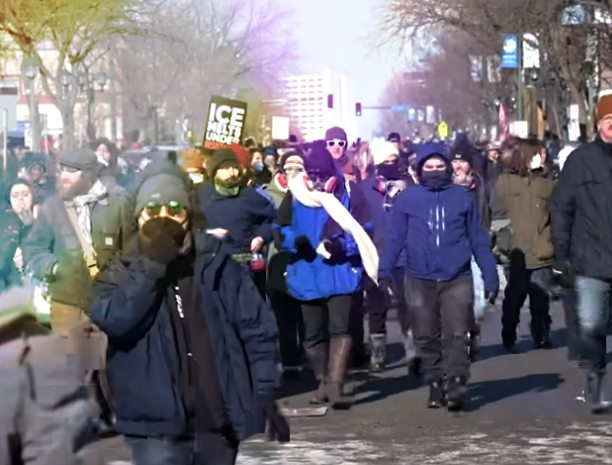
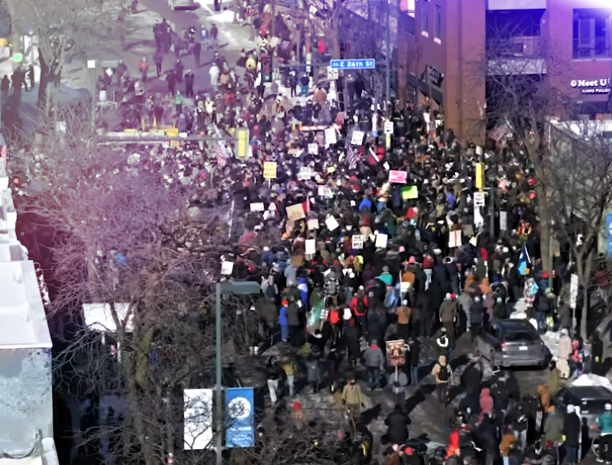
Protesters Converge in Minneapolis Amid Tragic Aftermath
On a sub-zero afternoon on January 23, thousands gathered in Minneapolis to demand an end to ICE deportations and to confront the human cost of immigration enforcement. Many called openly for the abolition of ICE. Faculty, students, union members, and community organizers stood shoulder to shoulder in the freezing cold—bundled beyond recognition, passing out signs and hand warmers, chanting “ICE OUT” as Prince played over loudspeakers. It was a show of collective resolve: people braving the cold to insist on dignity, safety, and solidarity.
What made the day especially striking was how far people traveled to be there. Faculty drove hours across Minnesota; others flew in from across the country. Among them was Sandor John, a faculty leader from the Professional Staff Congress at CUNY, who came with students to stand alongside Minnesota educators and labor organizers. A small button reading “Education Not Deportation” captured the deeper message: this was not only about immigration policy, but about who belongs and whose labor is valued.
The conversation unfolded in the shadow of tragedy. The march occurred just one day before Minneapolis became the scene of another fatal encounter between federal immigration agents and a resident—37-year-old ICU nurse Alex Pretti, who was shot and killed by federal agents during an enforcement action. His death, and that of Renee Good, underscored that immigration enforcement is not an abstract policy debate. It’s a system with deadly consequences for people, including Black Americans, in the community.
Guest – Sandor John joins us today to describe what he saw on the ground in Minneapolis. Sandor is on the faculty at the City University of New York’s Hunter College. He’s a member of the Professional Staff Congress (PSC) faculty/staff union there and of the PSC’s Immigrant Solidarity Working Group.
——————-