
Welcome to Law and Disorder Radio
Law and Disorder is a weekly independent civil liberties radio program airing on more than 150 stations and on Apple podcast. Law and Disorder provides timely legal perspectives on issues concerning civil liberties, privacy, right to dissent and practices of torture exercised by the US government and private corporations.
Law and Disorder June 15, 2009
Podcast: Play in new window | Download
Host Updates:
- Dr. Alan Berkman Remembered – Michael Smith
- Troy Davis Update /Amnesty USA Action / NAACP Action
- Holy Land Case Update
Segments This Week:
- Disgraceful Coverage: New York Times Article Riddled With Inaccuracy
- US “Preventive Detention” System In Place
———-
Disgraceful Coverage: New York Times Article Riddled With Inaccuracy
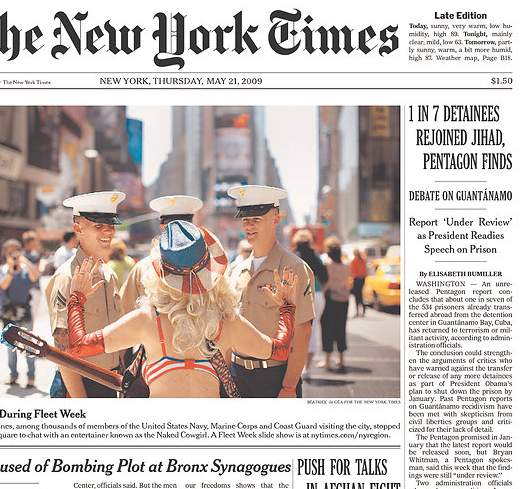
On May 21, the New York Times newspaper published a front page story, titled 1 in 7 Detainees Rejoined Jihad, Pentagon Finds. Journalist, Elisabeth Bumiller stated from the Pentagon report that 74 prisoners released from Guantanamo had “returned to terrorism.” Many have criticized Bumiller for parroting the Pentagon without investigation or at least being aware of the Seton Hall Law School’s work in challenging the Pentagon’s many recidivism reports. Using the phrase “rejoining jihad” assumes guilt to all former Guantanamo prisoners. The DOD counted Uighers and the Tipton 3, to have returned to the battlefields. The Myth of Return To The Battlefield from Guantanamo
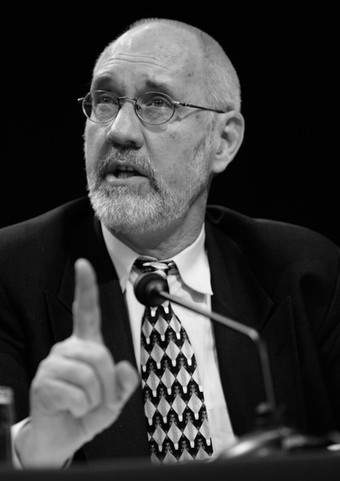
Mark Denbeaux:
- Pentagon playing with numbers, first they said people (in Guantanamo) returned to the fight who were never in the fight, and then they said they returned to the fight from Guantanamo who were never in Guantanamo and never in the fight.
- None of the people that the DOD has listed in its 45 times has ever attacked American troops or its American interests or Americans anywhere in the world. With one exception, none of them have left their home country to whom they’ve returned.
- I was quoted in that article, the reporter called me for 2 days in a row, saying she’s under enormous pressure from her NYTimes editors.
- Talking with the Public Editor we both agreed comparing Elisabeth Bumiller with Judith Miller wasn’t fair but he said it was reminiscent of the lead up to the Iraq War
- A disgrace in the coverage of Guantanamo, a grotesque statement that was wrong with huge political consequences and they (NY Times) couldn’t un-ring that bell.
- There are NY Times reporters immersed in Guantanamo and National Security issues, why did they drop this in the lap of Elisabeth Bumiller? She said (Elisabeth Bumiller) that the Pentagon can’t release information because of politics. I said at least say that politics are involved. She said, I can’t say that.
- Add to that, that the editors were pushing her to get this story out. (Memorial Day Weekend)
- I think everyone agrees that the headline was grotesque and everyone noted the story came out on the morning of Cheney’s speech, and he had it at the ready in his speech.
- I was able with a group of Seton Hall Law students to go through the data the AP produced from a FOIA application.
- My students discovered that only 4 percent of those in Guantanamo were picked up by US forces, 86 percent were bounties in Pakistan and Afghanistan.
- It turned out that if you had 4 or 5 Arabs in a truck that was 20 or 25 thousand US dollars. But for one bounty, it 5 thousand dollars.
- For that 5 thousand dollar bounty you could feed your village as it said in the (CIA brochure) for a year. . .etc
- 55 percent of those in Guantanamo were not accused of commiting a hostile act.
- One of my conservative students asked, Where’s Mr. Big? We’re reading through the lists, he says what about this guy? He turns out to be under US allegation conscripted by the Taliban to be an assistant cook.
- This person surrendered but considered to be among the 45 percent of GTMO prisoners accused of hostile acts. His hostile act was surrendering to the Northern Alliance.
Guest – Seton Hall Law School Professor Mark Denbeaux gives an accurate reading on the Guantanamo prisoner recidivism rates. Professor Mark Denbeaux, one of Seton Hall’s most senior faculty members, is also the Director of the Seton Hall Law School Center for Policy and Research, which is best known for its dissemination of the internationally recognized series of reports on the Guantánamo Bay Detention Camp.
—-
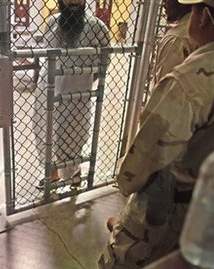
US “Preventive Detention” System In Place
President Obama has held on to the power to allow for a “preventive detention” system that would indefinitely jail terror suspects in the United States without a trial. In a number of Guantanamo habeas corpus cases, the US government’s arguments set up a framework to give the president power to hold terror suspects indefinitely without charge or trial. This is the same broad executive power wielded by the Bush Administration that essentially defines a police state. It would be a total disaster if Congress were to pass a preventive detention regime into law say concerned civil rights lawyers.
- One of my colleagues called CCR and asked how can we help, and CCR doled out 13 Yemenis to represent at Guantanamo.
- We represented them since July 2004, along the way we’ve picked Albanians, more Yemenis and a Pakistani.
- I have my own non-profit human rights litigation firm called Appeal For Justice. I’ve had this up and running since it became clear I could no longer continue at a corporate law firm.
- I really lost interest in the corporate work that I was doing. I would come back from Guantanamo thinking on the way back, nothing else matters.
- I am right now at the secure facility at Arlington Virginia. This is a facility that the government set up to hold our interview notes and exhibits that are deemed to be classified information. It’s not a very pleasant place to work.
- So here are now in June, a year after the Supreme Court said that the men could bring Habeas cases, and they’re still here, five months after the Obama Administration said they would determine case by case who could be released.
- President Obama has released two men.
- My client Adnan Latif with severe psychological issues and a variety of neglected medical conditions. He’s tried to commit suicide a number of times that we know about.
- He’s a very intelligent young man, he writes beautiful poetry. In the last meeting I had with him, but under the table he had chipped off a piece of the formica and started sawing into the vein in his wrist.
- Then at a certain point he said I have a gift for you. I want something for you to remember me by, and he threw a small cup of his blood at me.
- Guantanamo prisoner suicides are considered acts of war against the US.
- I think the idea of preventive detention is an idea that goes too far analytically, because if you can preventively detain people why try them at all.
- I’m afraid that the Obama Administration may pursue legislation, that would strip jurisdiction and deny the right of Habeas.
- Forty percent of Guantanamo prisoners are Yemenis. This is diplomatic problem, not a case by case review.
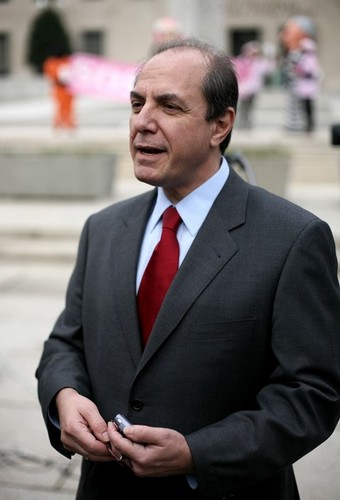
Guest – Attorney David Remes , who represents 16 Guantanamo detainees from Yemen. Remes played a role in a challenge focused around the captives’ detention based on an avenue of appeal that the Detainee Treatment Act of 2005 (DTA) opened. The DTA closed the opportunity for captives who had not yet had writs of habeas corpus filed on their behalf. But the DTA allowed captives to challenge the determinations of their Combatant Status Review Tribunals, that they were properly classified as “enemy combatants”.
_______________________________________________________________
Law and Disorder June 8, 2009
Podcast: Play in new window | Download
Host Updates:
- Susan Jordan Remembered by Lynne Stewart and Heidi Boghosian
- Activist Lawyer Susan Jordan Killed In Plane Crash
———
Segments This Week:
- A Look Into the Memorial Day Weekend Terror Plot – Guest Mike German
- A Revolution Books Town Hall Meeting: TORTURE AND THE NEED FOR JUSTICE
- WBAI: Obama’s Animal Farm: Bigger, Bloodier Wars Equal Peace and Justice
———-
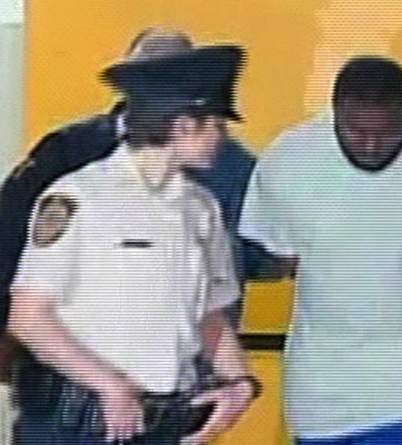
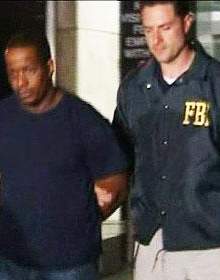
A Look Into the Memorial Day Weekend Terror Plot
A few weeks ago we spoke with Shakeel Syed, executive director of the Islamic Shura Council of Southern California about how the FBI infiltrated Southern California mosques and intrusively monitored members of the Muslim community as if they were criminals. Similar news broke the Friday before Memorial Day weekend, prosecutors called it the latest in a string of homegrown terrorism plots hatched after Sept. 11.
Onta Williams, James Cromitie, David Williams, and Laguerre Payen were ex cons and drug addicts who were probably entrapped by an all too familiar FBI informant sting that lured them into plotting to commit political violence.
Columnist for the Nation, Robert Dreyfuss writes in his article titled, Yet Another Bogus ‘Terror’ Plot since 9/11 not a single American has even been punched in the nose by an angry Muslim, as far as I can tell. Plot after plot the destruction of the Brooklyn Bridge! bombing the New York Subways! taking down the Sears Tower! bombing the Prudential building in Newark! proved to be utter nonsense.
- Typically what I do is completely ignore the news stories and go straight to the indictment.
- There were a couple things in the indictment that were shocking. One, the indictment made clear that the informant was convicted in a fraud scheme. The FBI sent this criminal into a mosque. Sending a criminal into a house of worship seems like a misguided approach.
- These hapless unemployed guys were not going to get their hands on heavy weaponry any time soon, the fact that FBI brought in the SAM (Surface To Air) missle is a problem. It makes these people more dangerous than they ever would have been.
- Reading through the indictment, these guys weren’t able to find a gun in New York City, let alone a Stinger missile.
- It was also the informant who introduced the terrorist organization into the discussion.
- Bottomline is you don’t want the government inventing a crime than enticing innocent people into that crime.
- The argument against that is that the people were pre-disposed to commit the crime and the government presented the opportunity. In this case the informant seemed to bringing all the important facts into the game.
- Fits into pattern – you can turn to the Liberty 7 Case, The Ft. Dix Case, the California Lodi Case that involve informants.
- I worked as an undercover agent and it surprises me why these aren’t long term projects with undercover agents. (instead using ex-con informants)
- For the most part the undercover agents’ motives are pure, they’re better trained on how not to commit entrapment and document the planning of the crime instead of using enticements.
- The indictment says that the informant was offering money in an impoverished community. 10 – 15 thousand dollars to join the team. If you’re out of work, it’s kind of hard to turn that down.
- The facts will have to come out in the case as far as documented history of whether these people are involved.
- They could have wrapped this up without making it seem like they’re saving New York City from this terrible destruction.
Guest – ACLU attorney and former FBI agent, Mike German, German develops policy positions and proactive strategies on pending legislation and executive branch actions concerning domestic surveillance, data mining, freedom to travel, medical and financial privacy, national ID cards, whistleblower protection, military commissions and law enforcement conduct. German currently serves as an adjunct professor for Law Enforcement and Terrorism at the National Defense University and is a Senior Fellow with GlobalSecurity.org. German graduated from the Northwestern University Law School , and graduated cum laude from Wake Forest University with a B.A. in Philosophy. A sixteen-year veteran of federal law enforcement, German served as a special agent with the Federal Bureau of Investigation, where he specialized in domestic terrorism and covert operations. As an undercover agent, German twice infiltrated extremist groups using constitutionally sound law enforcement techniques. These operations successfully prevented terrorist attacks by winning criminal convictions against terrorists.
——————–
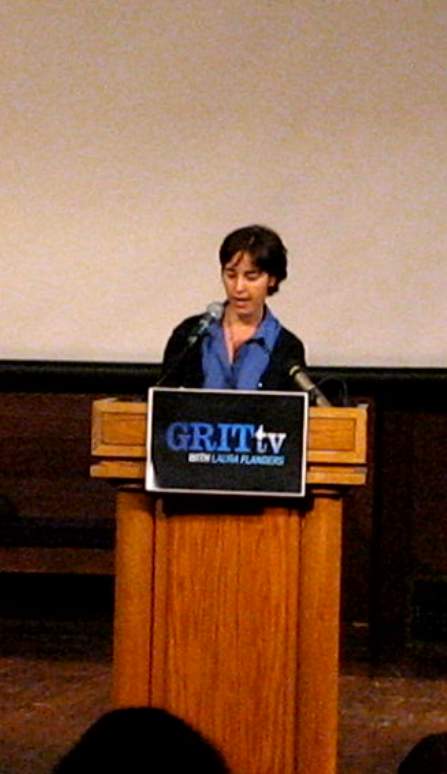
A Revolution Books Town Hall Meeting: TORTURE AND THE NEED FOR JUSTICE
We hear from Sister Dianna Ortiz, who was abducted in 1989 by right-wing forces in Guatemala and brutally tortured. She wrote about her experiences and recovery in the book The Blindfold’s Eyes. My Journey From Torture to Truth. Ortiz is the founder and director of Torture Abolition and Survivors Support Coalition International (TASSC). We listen also to Jeremy Scahill, investigative reporter and author of Blackwater: The Rise of the World’s Most Powerful Mercenary Army. Jeremy is also a frequent contributor to the Nation. Lastly we hear an excerpt from Michael Ratner’s speech. Co-host Michael Ratner, is the president, Center for Constitutional Rights, and an international human rights lawyer who in 2006 filed a criminal complaint in the courts of Germany requesting the criminal prosecution of U.S. Secretary of Defense Donald Rumsfeld.
Speakers :
- Michael Ratner, is the president, Center for Constitutional Rights, and an international human rights lawyer
- Laura Flanders, journalist and host of GRITtv
- Jeremy Scahill, investigative reporter and author of Blackwater: The Rise of the World’s Most Powerful Mercenary Army
- Sister Dianna Ortiz –founder and director of Torture Abolition and Survivors Support Coalition International (TASSC)
- Gitanjali Gutierrez, attorney for the Center for Constitutional Rights representing prisoners held at Guantanamo
- Chris Hedges, former New York Times Mideast bureau chief, author “American Fascists”
- Andy Zee, spokesperson for Revolution Books and author of “The Collapse of ‘The Movement’; the Resistance and the Revolutionary Movement We Need”
Organized by Revolution Books / Libros Revolucion
————————-
For WBAI Listeners:
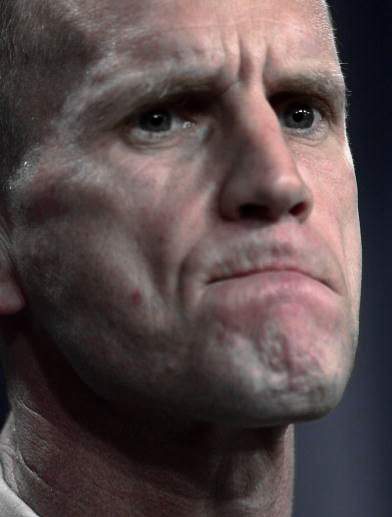
Obama’s Animal Farm: Bigger, Bloodier Wars Equal Peace and Justice
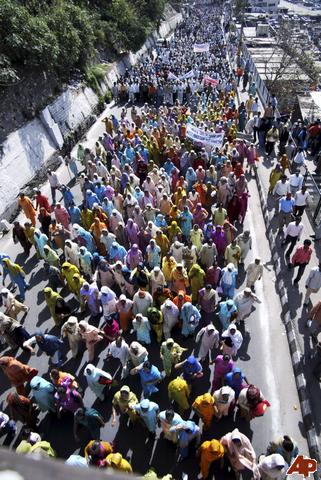
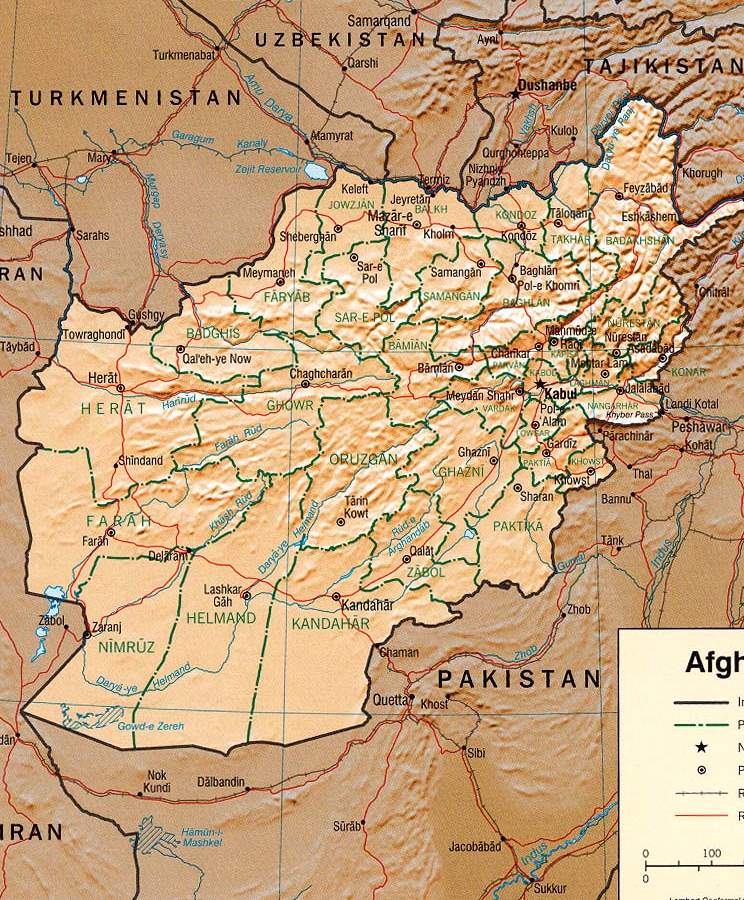
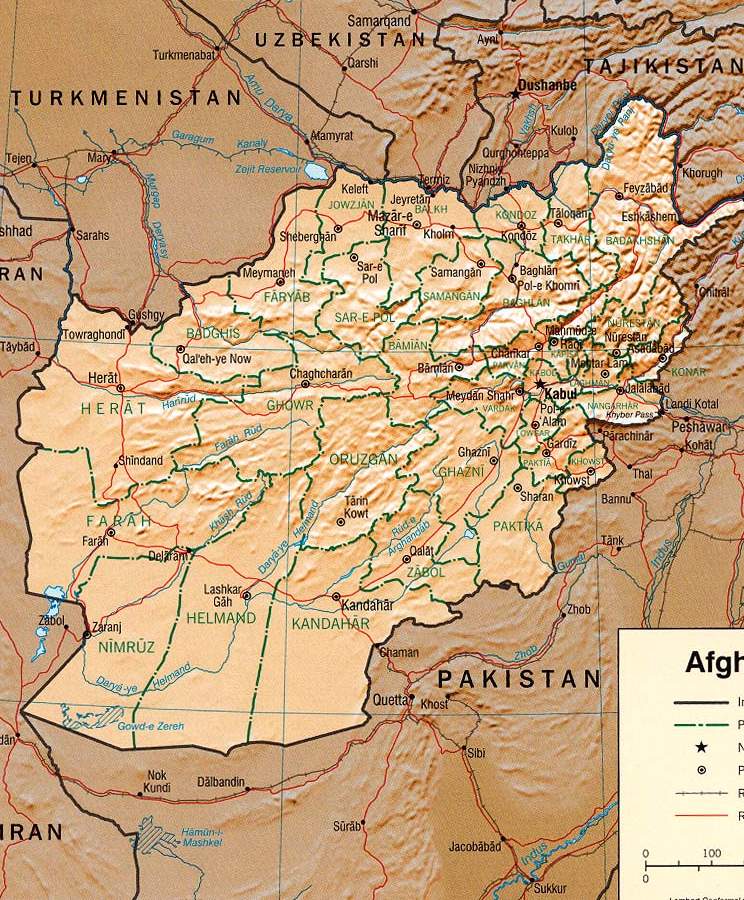
Here on Law and Disorder we recently talked with several guests on the escalation of war in Afghanistan under the Obama Administration. Last week Obama appointed General Stanley McChrystal to head the US and NATO military command in Afghanistan, – another decision revealing how Obama has restored the most notorious Bush era policies according to James Petra, a former Professor of Sociology at Binghamton University, New York. In his article titled Obama’s Animal Farm: Bigger, Bloodier Wars, Petra outlines how McChrystal’s past brutal leadership is marked by systematic torture, bombing of civilian communities and extrajudicial assassinations. Between September 2003 and August 2008, Petra writes – McChrystal directed the Pentagon’s Joint Special Operations Command which operates special teams in overseas assassinations. Petra also mentions that McChrystal is one reason why Obama is fighting to prevent the release of graphic photos that document torture by US soldiers and interrogators. Related: Mysterious Chip-CIA’s Latest Weapon Against Taliban.
- It’s very clear that Obama wants a bigger and more ferocious counterinsurgency program.
- Obama is also concerned because the entire Pakistan and Afghanistan borders are supporting resistance. Indigenous, anti-colonial forces have taken over.
- He’s going all out now, he’s pressured the puppet president of Pakistan to launch this humanitarian crime against the Pakistani people, creating 2 million Pakistani refugees, destruction and civil war.
- The overall picture that we get is a tremendous boost in militarization. In the last couple of months it’s one attack after another on the Pakistan military.
- McCrystal is gung-ho, he’s a greater asset to destroy the social networks among the resistance. Similar to Vietnam, to go into villages and assassinate local leaders.
- General McCrystal is a proponent of direct action strictly involved in US terrrorist operations. Slitting throats and strangling anyone remotely connected with the armed resistance.
- There was effort to distinguish between civilians and armed resistors. McCrystals approach is to empty the pond to catch the fish. There going in to drive out millions of people in Pakistan to catch a few thousand resistance fighters.
- This is a monstrous humanitarian disaster compared to Rwanda.
- Torture Photos: You can’t publicize the worst activities of the person you appoint to be the head honcho in this phase of the war.
- Navy Seals, Delta Force, Special Operations Command. I was at Ft. Bragg, in a debate with military officers regarding death squads in Central America. These are killing operations, no surrender. The people that go into it are psycopaths.
- That Obama appointed McCrystal to this position builds bridges back to the worst part of the Bush Administration. Obama has accepted the general paradigm of the past presidents, he has a vision of military empire building, rather than realizing that much more power is achieved in economic expansion and investment.
- The US thought they could do both, economic and military empire building, but with the loss of manufacturing and rise of financial businesses there was no counterweight to the military side of empire. American power can only be realized through a massive military commitment.
- This is a war against a people, it’s going to be a long dirty war. It’s already shaping up. It’s a cost for big oil and manufacturing, rather than a benefit.
Guest – James Petras, a former Professor of Sociology at Binghamton University, New York, owns a 50_year membership in the class struggle, is an adviser to the landless and jobless in Brazil and Argentina, and is co_author of Globalization Unmasked (Zed Books). His latest books are The Power of Israel in the United States (Clarity Press, 2006); Rulers and Ruled in the US Empire: Bankers, Zionists, Militants (Clarity Press, 2007) and Zionism, Militarism and the Decline of US Power (Clarity Press 2008)
————————————————————————–
Law and Disorder June 1, 2009
Podcast: Play in new window | Download
WBAI Listeners Click Here For June 1, Rundown
Torture And The Need For Justice – Wednesday June 3, at the New York Society For Ethical Culture.
Updates:
Obama’s Animal Farm: Bigger, Bloodier Wars Equal Peace and Justice
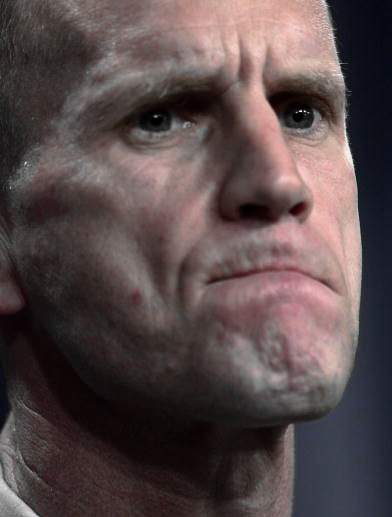
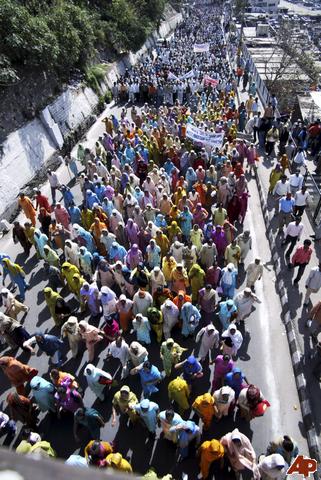
Here on Law and Disorder we recently talked with several guests on the escalation of war in Afghanistan under the Obama Administration. Last week Obama appointed General Stanley McChrystal to head the US and NATO military command in Afghanistan, – another decision revealing how Obama has restored the most notorious Bush era policies according to James Petra, a former Professor of Sociology at Binghamton University, New York. In his article titled Obama’s Animal Farm: Bigger, Bloodier Wars, Petra outlines how McChrystal’s past brutal leadership is marked by systematic torture, bombing of civilian communities and extrajudicial assassinations. Between September 2003 and August 2008, Petra writes – McChrystal directed the Pentagon’s Joint Special Operations Command which operates special teams in overseas assassinations. Petra also mentions that McChrystal is one reason why Obama is fighting to prevent the release of graphic photos that document torture by US soldiers and interrogators. Related: Mysterious Chip-CIA’s Latest Weapon Against Taliban.
- It’s very clear that Obama wants a bigger and more ferocious counterinsurgency program.
- Obama is also concerned because the entire Pakistan and Afghanistan borders are supporting resistance. Indigenous, anti-colonial forces have taken over.
- He’s going all out now, he’s pressured the puppet president of Pakistan to launch this humanitarian crime against the Pakistani people, creating 2 million Pakistani refugees, destruction and civil war.
- The overall picture that we get is a tremendous boost in militarization. In the last couple of months it’s one attack after another on the Pakistan military.
- McCrystal is gung-ho, he’s a greater asset to destroy the social networks among the resistance. Similar to Vietnam, to go into villages and assassinate local leaders.
- General McCrystal is a proponent of direct action strictly involved in US terrrorist operations. Slitting throats and strangling anyone remotely connected with the armed resistance.
- There was effort to distinguish between civilians and armed resistors. McCrystals approach is to empty the pond to catch the fish. There going in to drive out millions of people in Pakistan to catch a few thousand resistance fighters.
- This is a monstrous humanitarian disaster compared to Rwanda.
- Torture Photos: You can’t publicize the worst activities of the person you appoint to be the head honcho in this phase of the war.
- Navy Seals, Delta Force, Special Operations Command. I was at Ft. Bragg, in a debate with military officers regarding death squads in Central America. These are killing operations, no surrender. The people that go into it are psycopaths.
- That Obama appointed McCrystal to this position builds bridges back to the worst part of the Bush Administration. Obama has accepted the general paradigm of the past presidents, he has a vision of military empire building, rather than realizing that much more power is achieved in economic expansion and investment.
- The US thought they could do both, economic and military empire building, but with the loss of manufacturing and rise of financial businesses there was no counterweight to the military side of empire. American power can only be realized through a massive military commitment.
- This is a war against a people, it’s going to be a long dirty war. It’s already shaping up. It’s a cost for big oil and manufacturing, rather than a benefit.
Guest – James Petras, a former Professor of Sociology at Binghamton University, New York, owns a 50_year membership in the class struggle, is an adviser to the landless and jobless in Brazil and Argentina, and is co_author of Globalization Unmasked (Zed Books). His latest books are The Power of Israel in the United States (Clarity Press, 2006); Rulers and Ruled in the US Empire: Bankers, Zionists, Militants (Clarity Press, 2007) and Zionism, Militarism and the Decline of US Power (Clarity Press 2008)
—

Gringo – A Coming of Age in Latin America
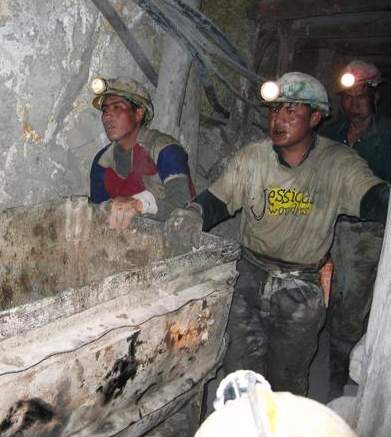
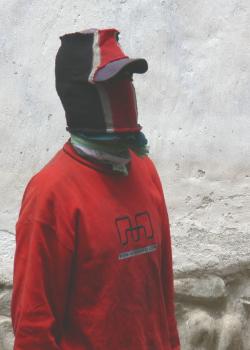
In the book Gringo – A Coming of Age in Latin America, author Chesa Boudin travels through parts of Venezuela, the streets of Guatemala and to protests in Santiago. Boudin’s narrative chronicles nearly a decade of on-the-road experiences in Latin America. He’s captured the transformation in Latin American politics through the voices of the wealthy and the desperately poor.
One review called Gringo, a quote – compelling firsthand account of the unregulated greed, social neglect, and deliberate misrule that has provoked so many Latin Americans to demand a better life for themselves and their children.”
Seymour Hersch says in another review, it’s quote – cheap beer, fried plantains, long dusty bus rides, radical politics, the repeated kindness of desperately poor people sharing what they have with an outsider, and Chesa Boudin’s eagerness to share what he’s seeing and what he’s feeling, with sympathy and empathy __ as he tries to sort it all out. There’s much to learn in this book.”
Chesa Boudin:
- This is a book that weaves together two different threads. One is my own personal journey, my own effort to make sense of my identity, my place in the world as a white, priveledged North American man. But also, in the context of where I was traveling, working and studying in Latin America at a time when the region was experiencing a dramatic political shift to the left.
- I had grown up in a very political family. All 4 of my parents had been very involved in the anti-war movement. Both of my biological parents Kathy Boudin and David Gilbert were incarcerated in New York State maximum security prisons.
- I grew up in two very different worlds, one of prison and one of privelege and opportunity.
- I took public buses mainly, interacted with the poorest and most humble as well as the elite rich.
- I went to Guatemala and from there I went to Chile, which was a classic example of what Naomi Klein writes about in the Shock Doctrine of the US with Pinochet imposing the neo-liberal model on the people.
- I sat for hours and hours in line to change money into pesos, I watched entire families digging through garbage on the street.
- The irony Michael is that I found time and again, the most downtrodden, the most humble, the ones living 17 people in a 2 bed room apartment that took me in. Those were the ones that were the most generous.
- When the political and economic models come out of Washington, it became difficult to fathom what another government approach would look like.
- In Venezuela, I watched the recreation of system based not on shutting people out but rather giving them a stake in the day to day functioning of their government and empowering poor people.
- Instead of having people from another country or economic class come in and tell them what they need to do.
- Venezuela is exciting, its hard to predict what may happen. Ten years into Chavez’s presidency, an opposition opinion poll places him at 60 percent.
- One of the controversies in Venezuela is the constitutional reform of term limits.
- The people voted for this not only for the president but for other offices as well, the New York Times framed it as the downfall of democracy.
- Bolivia has been my favorite country to visit, it’s a beautiful country. Visiting the mines and talking with the miners is something I use as a lens to view the country’s current politics and the political development that led to the election of Evo Morales.
- One thing I’ve noticed in Bolivia is the left has gotten much more experience being critical from the outside then from actually learning to govern from the inside.
Guest – Chesa Boudin – a Rhodes Scholar, is a student at Yale Law School and author of Gringo: A Coming-of-Age in Latin America (Scribner)
—————————————————————————————-