
Welcome to Law and Disorder Radio
Law and Disorder is a weekly independent civil liberties radio program airing on more than 150 stations and on Apple podcast. Law and Disorder provides timely legal perspectives on issues concerning civil liberties, privacy, right to dissent and practices of torture exercised by the US government and private corporations.
Law and Disorder April 13, 2009
Podcast: Play in new window | Download
Host Updates
- Michael Ratner: NATO Laws allow for extraordinary rendition
- US Can Pressure European Countries For Authority To Use Their Airports To Render People
- Michael Ratner Visits Karl Marx’s House
- Spain to Indict Six Top US Attorneys Involved With Torture
———
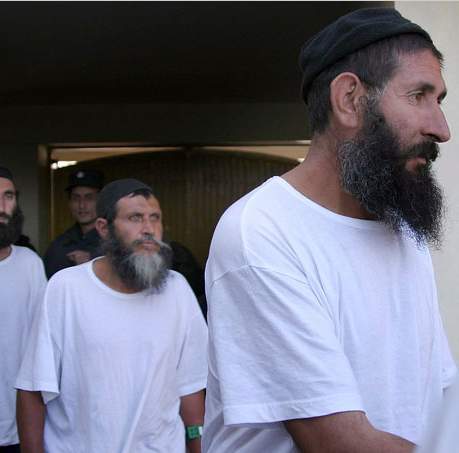
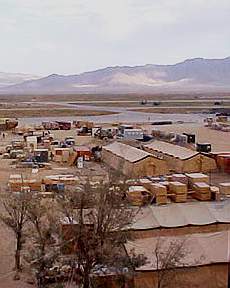
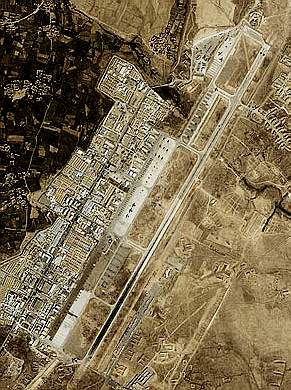
Some Prisoners at Bagram AFB, Afghanistan May Challenge Detention
Last week a federal judge ruled that some prisoners held by the US military at Bagram Air Base prison in Afghanistan have the right to challenge their imprisonment. There are more than 600 people being held at the Bagram prison in Afghanistan without charges.
The federal ruling does not apply to prisoners captured on the battlefield in Afghanistan, citizenship and location of the capture will determine if prisoners could challenge their detention in court.
Tina Foster, the executive director of the International Justice Network said that the Bagram ruling meant that changes to the Bush detention policies would go beyond merely closing Guantánamo and extend “to any place where the United States seeks to hold individuals in a legal black hole.”
Attorney Tina Foster:
- Filed writ of Habeas Corpus for the 4 detainees to challenge their detentions.
- Judge Bates: The US cannot manipulate the jurisdiction of the courts by holding people deliberately in places where the courts have not traditionally exercised jurisdiction.
- Bagram is the main military base in Afghanistan, it was an old Soviet air hangar, that’s where they’ve established a prison.
- 600 in Bagram prison.
- There are other coalition forces at Bagram AFB with military presence, but as “guests” of the US.
- US Government: Unlike Guantanamo, Bagram is in the middle of a war zone.
- Bagram was the original Guantanamo, a lot of the people at Guantanamo first spent time at Bagram.
- A few years ago, working with you Michael (Ratner) one of the happy tasks I had, was to travel all over the world, contacting the families of the detainees at Guantanamo. It also became clear that there were people locked up in other places besides Guantanamo.
- Shockingly,the Obama Administration has adopted the Bush Administration policy on Bagram. All of their legal arguments, all of their secrecy, still deciding not to disclose any information.
- What has been different than the Bush Administration, is that when Obama signed orders to close Guantanamo, he set up a task force to look at detainee policy more broadly. That report is due in July.
Guest – Tina Monshipour Foster is the founder and Executive Director of the International Justice Network (“IJN”), and serves as lead counsel in several of IJN’s legal cases on behalf detainees imprisoned without charge at Bagram Airfield in Afghanistan. Ms. Foster’s work on behalf of prisoners and other victims of human rights violations has been featured in major media outlets in the US and abroad, including The New York Times, Wall Street Journal, Washington Post, Harper’s Magazine, Smithsonian, Al Jazeera channel, and others.
From November 2004 to May 2006, Ms. Foster was an attorney with the Center for Constitutional Rights (“CCR”) and Counsel for CCR’s Guantanamo Global Justice Initiative. Prior to joining CCR, she was a litigation associate at Clifford Chance US LLP and previously served as a law clerk for Hon. Delissa A. Ridgway at the United States Court of International Trade. Ms. Foster is a graduate of Cornell Law School, where she was an editor of the Cornell International Law Journal.
——
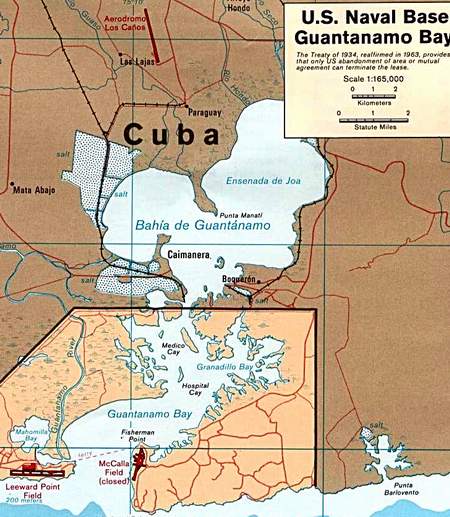
Guantanamo Bay Prison, Update
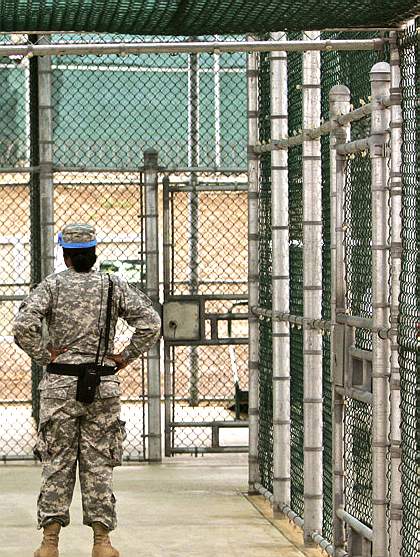
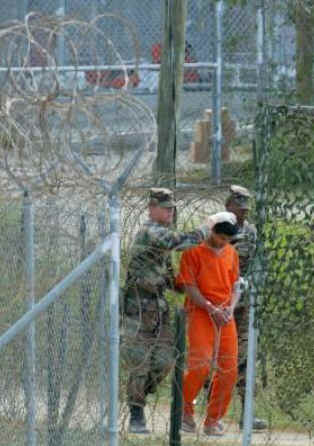
Today we talk with Emi MacLean, staff attorney for the Center for Constitutional Rights to get an update, an impression of where things stand with Guantanamo Bay prisoners, their status of Habeas Corpus, and the Obama administration’s position. There are also 17 innocent Chinese muslims called Uighurs asking, again for their release. Our guest Emi MacLean has worked with the Guantánamo Global Justice Initiative and other forms of executive detention, including secret prisons and transfers to torture.
- More Guantanamo prisoners have left in the last weeks of the Bush Administration then the first 100 days of the Obama Administration.
- 240 people at Guantanamo right now. Approximately, 20 Guantanamo prisoners will face any prosecution.
- We’ve held more than 775 people at Guantanamo
- The people at Guantanamo right now are not there because of some greater threat assessment, they are there because of their country of nationality.
- Almost all the Europeans were released early on, almost all the Yemenis remain behind.
- A federal district judge ordered the release of the Uighers last October, the Bush Administration challenged the release.
- When we asked the Obama Administration to drop the challenge, they have yet to do so.
- I remember seeing civil liberties groups celebrating the executive order calling for the closure of Guantanamo in one year. But nothing has really changed for the reality of those men in Guantanamo. This is a consistent devaluation of the life of the men imprisoned there.
- We’ve seen the Obama Administration lawyers refuse to back away from the Bush Administration’s position on states secrets.
- It’s very hard for people to give up power.
- What makes our work difficult, is that it usually takes a couple of weeks for our communications to clear. The communication between counsels on what the Guantanamo conditions are.
- The Obama Review Team determined that the conditions at Guantanamo complied with Geneva Convention, which was certainly not what we were hearing and certainly not what we were seeing.
- The overwhelming majority of the men at Guantanamo were still in brutal conditions of solitary confinement and still reporting severe psychological and religious abuses at Guantanamo.
- No middle ground, these men should be tried or released.
Guest – Attorney Emi MacLean has worked at the Center for Constitutional Rights (CCR) with the Guantánamo Global Justice Initiative (GGJI) since June 2006. She works on issues related to Guantánamo and other forms of executive detention, including secret prisons and transfers-to-torture. She helps coordinate the pro bono attorneys representing the hundreds of men still detained at Guantánamo and supports CCR’s direct representation of a number of current detainees.
In addition, Emi is involved in civil actions brought on behalf of former prisoners released from Guantánamo (Rasul v. Rumsfeld and Celikgogus v. Rumsfeld) and actions under the Freedom Of Information Act (FOIA) challenging the government’s refusal to disclose information about the NSA’s warrantless surveillance of Guantánamo attorneys (Wilner v. NSA) and the CIA’s secret detention program (Amnesty International, CCR, et al. v. CIA). In addition to direct litigation, Emi’s work with CCR includes legislative and international advocacy.
Emi has previously worked or volunteered with the United States Senate Judiciary Committee, Center for Justice and International Law (CEJIL), Human Rights First, and the American Civil Liberties Union (ACLU). Prior to law school, Emi worked with South Africa’s National Association of Democratic Lawyers (NADEL), and Médecins Sans Frontieres (Doctors without Borders). Emi graduated magna cum laude from Harvard College and Georgetown University Law Center.
———————–
Law and Disorder April 6, 2009
Podcast: Play in new window | Download
Update news stories:
- CCR Applauds Spanish Efforts to Hold U.S. Torture Conspirators Accountable
- Judge: Bagram Detainees Can Challenge Detention
- U.S. Delivers Weapons to Israel
- Guantanamo, Now “Relaxing, Calm and Beautiful
—-

Code Pink Delegation Returns From Gaza
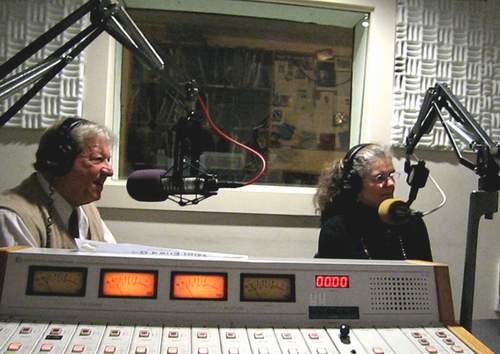
Recently a delegation from Code Pink and other organizations brought humanitarian and emotional support to women and women organizations in Gaza. They also pressured the US, Egyptian and Israeli governments to lift the blockade against the Palestinians. According to the United Nations Children’s Fund, the Israeli attack that began on December 27 left over 1,000 dead, including 412 children and 110 women, and more than 5,000 injured which include – – (1855 children and 795 women).
The UN also reports that hundreds of millions of dollars in humanitarian aid are needed to help Gaza’s 1.4 million people.
Helen Schiff / Felice Gelman:
- Helen Schiff: Growing up in Great Neck in the 50s, a lot of Jewish community were liberal and in support of civil rights movement. I learned about colonialism, and that Israel was created at the behest of US and British colonialism. I learned that Israel supported the French in Algeria, they supported France and British against Egypt in a war for the Suez Canal.
- So I realized the Palestinian struggle is a colonial struggle.
- Code Pink organized a delegation to Gaza and we did bring 10 thousand dollars in aid. We are drawing attention to the blockade also.
- We throw around the words siege and blockade, modern war doesn’t have sieges.
- The last siege was the battle of Leningrad, which is people blocked in to an area and attacked with all military armament.
- Gaza is about the size of Philadelphia. The current number of trucks that bring supplies into Gaza are about 100 a day. , 8700 supply trucks arrive in Philadelphia, on just one bridge in one day.
- The claim that Hamas broke the truce by firing missles is false. The truce also meant to open up borders. That hasn’t happen since Hamas were elected.
- We brought baskets for a thousand women, filled with different products that women would appreciate. We brought this on International Women’s Day.
- Psychiatrists say that the children of Gaza are exhibiting caged rat syndrome.(PDF link)
- When you are in Gaza you say to yourself, why does Israel care about Gaza, what’s the big deal?
- Two things, Gaza is an example to the West Bank and in 1999 natural gas reserves where discovered in the coastal waters of Gaza. 1.4 trillion cubic feet of natural gas. Israel has tried to negiotiate for control of the reserves since 1999.
- They have two drilling platforms north of Gaza that some believe are slant drilling into the natural gas reserves.
- The Israelis are wearing down the fighting spirit of the people in Gaza by forbidding pasta, jam, candy and any building materials. Desalinization plants have been bombed, children have kidney disease because Israelis have siphoned off the good water and there’s too much salt seeping into the wells.
- It was a targeted attempt to breakdown the infrastructure. Wanton killing of civilians and destroying infrastructure.
- Every single day we were in Gaza there was bombing or shelling. Tunnels being bombed and fishermen being shelled. Permanent tent cities.
- More delegations planned to visit Gaza to open borders. May 22 – June 14
- Palestinian Committee For Human Rights – accountability – documenting evidence.ple and billions of dollars will be required to rebuild its shattered buildings and infrastructure.
Guests – Code Pink members/activists Helen Schiff and Felice Gelman, they both had boots on the ground in Gaza and give their first hand accounts of the devastating aftermath.
—
Left Forum – Vivek Chibber: American Violence: Actually Existing Barbarism?
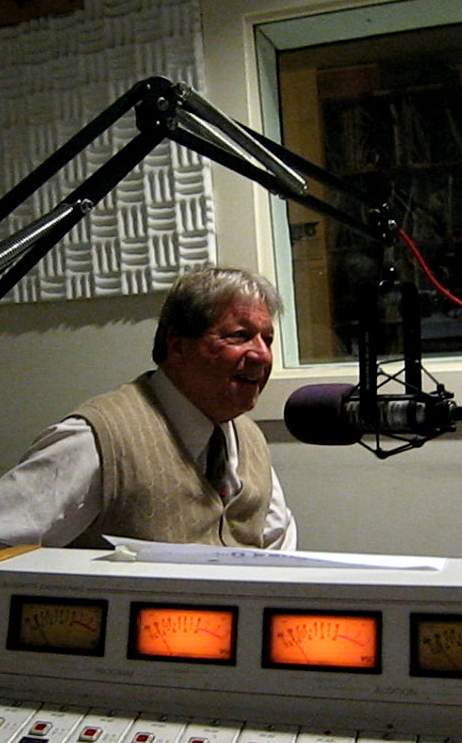
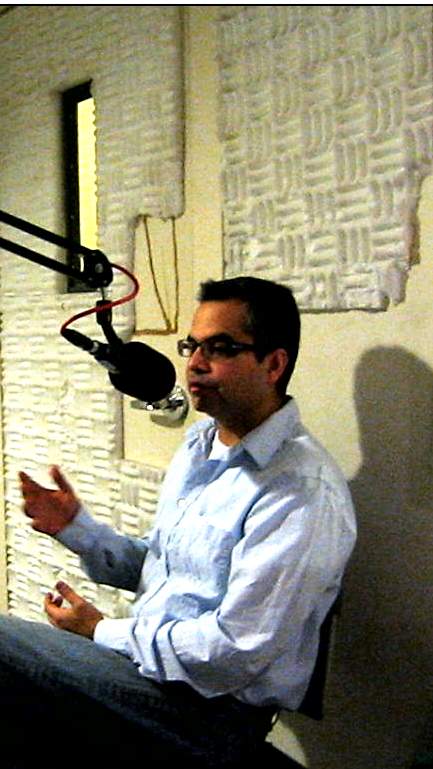
This year’s Left Forum panels are addressing the many facets in the current global economic crisis and subsequent political conditions. Author and professor Vivek Chibber joins us today in the studio to tell us about the 2009 Left Forum at Pace University and the panel titled American Violence: Actually Existing Barbarism? The panel will explore the roots of violence, military, terrorist, criminal and casual in contemporary society that includes America’s inner cities and prisons.
Vivek Chibber:
- The Left Forum used to be known as the Socialist Scholars Conference.
- My panel on America Barbarism is from the annual volume of the Socialist Register, this years theme is around the issue of violence. The various forms violence takes under capitalism.
- I’ll be focusing on the violence of American foreign policy. Iraq in particular. The motives and interest behind Bush’s invasion of Iraq.
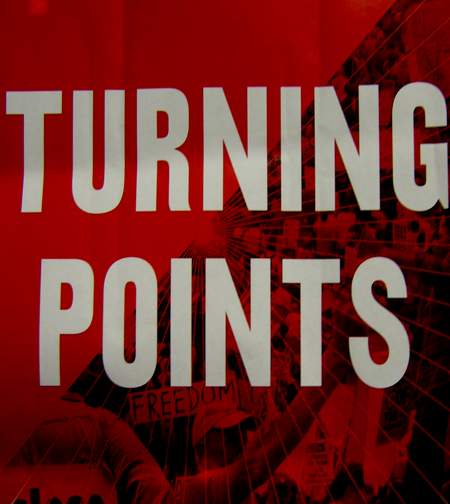
- Turning Points – theme for Left Forum. We’re seeing tremors in American power, which historically is the time to build progressive movements. Social welfare, pro-labor policies in favor of women, recognizing the plight of minorities.
- It’s the largest Left Forum conference ever. Everyone realizes that this is a time when we got to get some analysis of what’s going on.
- Right now, there’s a complete loss of legitimacy for the economic model of neoliberalism and a corresponding loss for all the journalists, the media gurus and intellectuals who were promoting it all this time.
- If you look carefully at Obama , his primary worry, has been not to take advantage of the opportunity of this crisis to enact any type of progressive social agenda. His main worry is to contain the pressure and not take advantage of that.
Guest – Vivek Chibber, professor of sociology at NYU and the author of Locked in Place: State_Building and Late Industrialization in India.
—————————————————
Law and Disorder March 30, 2009
Podcast: Play in new window | Download
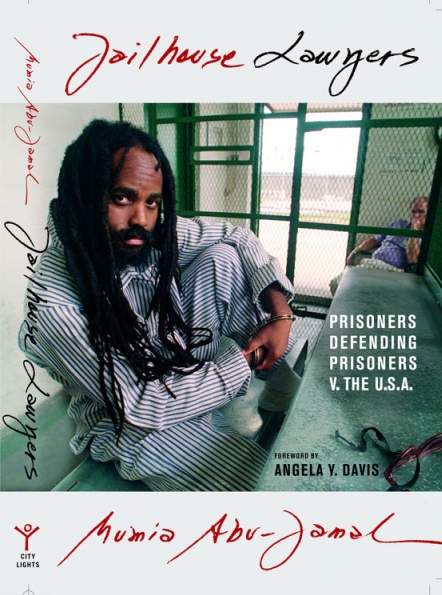
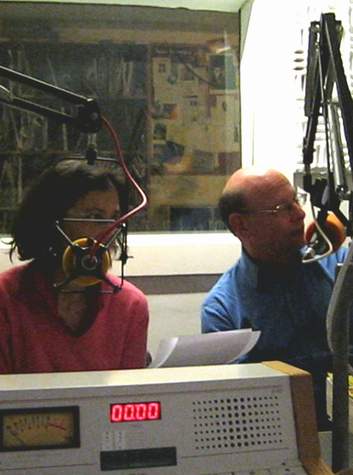
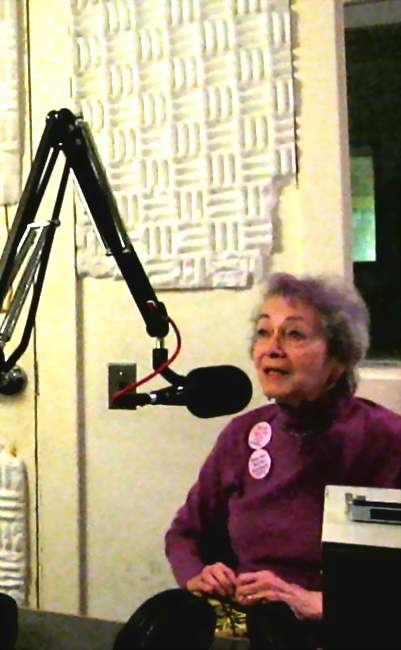
Frances Golden: Jailhouse Lawyers, Prisoners Defending Prisoners Against the United States of America by Mumia Abu Jamal
Frances Golden joins us today to discuss a very well known political prisoner, as we continue our political prisoner series based on the book Let Freedom Ring. Frances is the literary agent for Mumia Abu Jamal. Mumia as many know, was convicted and sentenced to death for the 1981 murder of police officer Daniel Faulkner. Mumia was a Black Panther Party activist, cab driver, and journalist. Since his conviction, Mumia has become an international cultural icon for political prisoners. A previous guest here on Law and Disorder, author/ journalist J. Patrick O’Connor who wrote The Framing of Mumia Abu Jamal, says the real shooter was Kenneth Freeman a business partner of Mumia’s brother. Freeman, was found dead in 1985, bound and cuffed in a Philadelphia parking lot.
We get a another perspective today from Mumia’s literary agent Frances Golden. Frances also visits six death row in a Pittsburgh maximum security prison. Jailhouse Lawyers, Prisoners Defending Prisoners Against the United States of America by Mumia Abu Jamal.
Frances Golden:
- Visiting death row inmates happened because I went to visit Mumia as a visitor.
- I had to become a member of the Pennsylvania prison society. 40 bucks a year you can see any prisoner anywhere.
- Now, because the PPS applications were flooded to see Mumia, they changed the policy that only Pennsylvania residents can become members of PPS.
- You have to see more than one prisoner as a PPS member. So, Mumia gave me names of others including Robert Lark aka Sugar Bear.
- I hope I don’t cry when I say this, out of the 6 death row inmates I see, 5 of them are innocent.
- You’re behind very thick glass, there are quarter inch thick screens on each side of the cell where your voice can travel through. It’s awful, insulting but it’s what exists on death row.
- I have a little book with their names in it, with 100 pages(of notes) between each name.
- The prison system is illegal and inhuman. The person who speaks most clearly about that is Angela Davis.
- One prisoner nicknamed Slim was on the streets of Philadelphia without a home at 10 years old. Never went to school, got in trouble ended up on death row. He learned to read in prison, he’s a phenomenal jail house lawyer.
- Two of the five could get out, that’s Sugar Bear and Osiris.
- I have a prisoner friend whose name is Russel Shoates. He will never be executed but he’s on death row because he escaped 3 times. Russell is shackled and tied to his waist. I dance with them and do yoga. I can’t do that with Russell. I asked the warden to unshackle him. This man is gentle, he’s small, he’s wickedly intelligent.
- Philadelphia, the most corrupt city in the United States, from beginning to end. –Judges lock up kids for kickbacks in Pennsylvania
Guest: Frances Golden, activist and literary agent for Mumia Abu-Jamal, Frances is a member of the Pennsylvania Prison Society and visits 6 death row inmates monthly.
————
Laura Whitehorn and Susie Day – Let Freedom Ring, A Collection of Documents From the Movements to Free US Political Prisoners.
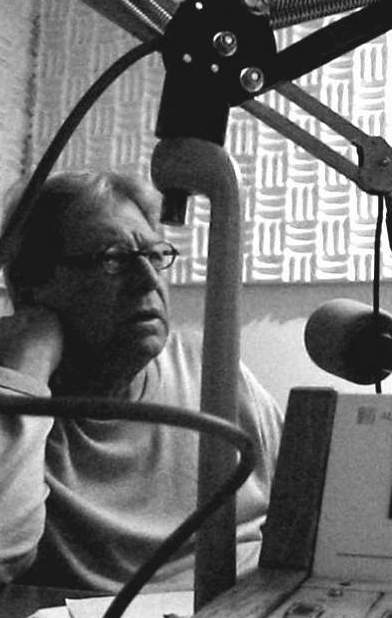
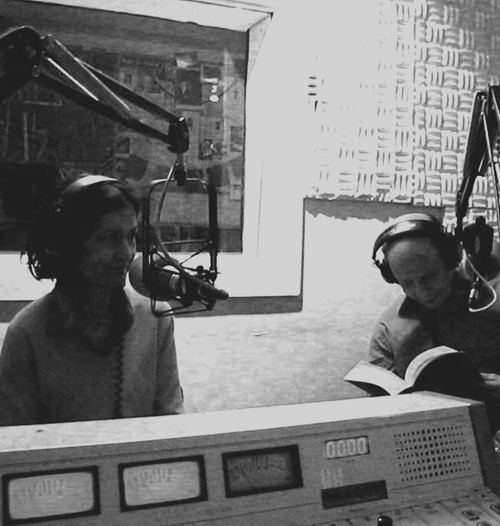
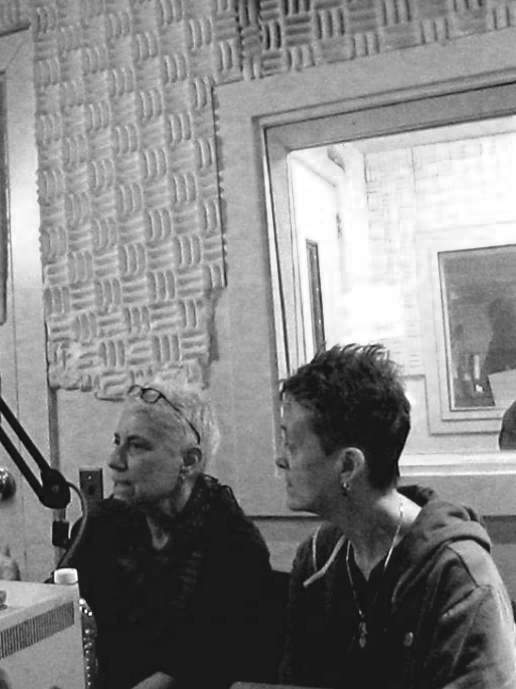
Among the many contributors to the book Let Freedom Ring is revolutionary ex-political prisoner and native New Yorker Laura Whitehorn. Since the 1960s Laura was active in supporting groups such as the Black Panther Party, the Black Liberation Movement and was active with Students for a Democratic Society and the Weather Underground. Laura also worked to expose the FBI’s Counter Intelligence Program. Laura was arrested in 1985, convicted of the 1983 US Capitol bombing and charged with… “conspiracy to oppose, protest and change the policies and practices of the United States government in domestic and international matters by violence and illegal means.” She was sentenced to 20 years in prison, and was released August 1999 after 14 years. Laura lives in New York City and is active in a wide range of progressive issues.
Laura’s partner Susie Day, activist, writer and contributer to Let Freedom Ring also joins Law and Disorder hosts in the studio.
- I’m in my sixties now, I was moved by the Black Liberation struggle and the struggle of the Vietnamese people against the United States.
- But I ended up spending years in prison later, in a case called the conspiracy case and our indictment was a thing of beauty – using the words violent and illegal means. It was a series of bombings of buildings. No one was ever hurt, great care was taken. One of the buildings was the U.S. Capitol.
- But in that period in 1988, we were in the DC jail for 3 years and it was the beginning of the huge epidemic of AIDS in Washington DC. It was a time of absolute fear, stigma, no drugs to treat HIV, and so we started to learn about HIV and did counseling, almost all the political prisoners had done that. This is because AIDS is huge in prison. A quarter of the people with AIDS in this country go through the prison system at some point.
- The fact that the government says there are no political prisoners, it’s a denigration of everything that you stand for. So, it was important that we had a lot of support.
- There’s a great interest in the sixties movements, the movies and books etc, but that doesn’t translate into the willingness to say enough is enough. People have been in jail since the late sixties and early seventies. How much time do you have to serve in this country, what kind of country do we have?
- In Europe the maxium is 20 years, sometimes they go farther. That’s a life sentence in Europe, but here, you could have saved the warden’s life but if you were a black panther and go to the parole board, they say you can’t get out.
- We have Obama, but the same justice system. We have to fight for a new justice system. What happens to political prisoners will happen to everyone else. We were held in preventive detention now everyone knows what it is.
- The book is a guide in how to raise these cases, who these people are, what kinds of organizations are out there. What can people do? The Jericho Movement
Susie Day:
- Before I met Laura Whitehorn, I was sort of intrigued by all the compromises most of us make everyday, for decades. We cut corners everyday to go to our jobs, to raise kids, to pay the rent, and we support involuntarily things that we abhor. So, I was interested in people who did not compromise. Who lived underground, who would go to extremes of giving up their lives of basic middle class educated comfort. . .and give up their identities to fight an establishment that made it so easy for everyone else to just get along.
Guest: Laura Whitehorn – revolutionary ex-political prisoner and native New Yorker Laura Whitehorn. Since the 1960s Laura was active in supporting groups such as the Black Panther Party, the Black Liberation Movement and was active with Students for a Democratic Society and the Weather Underground. Laura also worked to expose the FBI’s Counter Intelligence.
Guest: Susie Day lives in New York City where she writes a humor column for feminist and gay publications. She has also written on U.S. political prisoners and labor issues and thinks her girlfriend, Laura Whitehorn, is hot stuff. Can’t get enough of Susie? Read other pieces by Susie Day in MRZine: Susie Day, “Fugitive Offers Reward for Rumsfeld’s Capture” (22 July 2005); “Street Life of a Mad Activist” (28 July 2005);
—
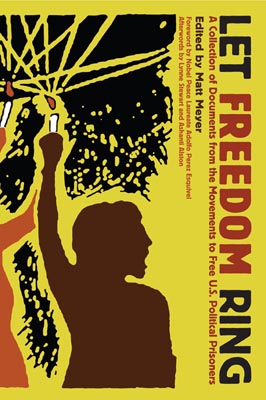

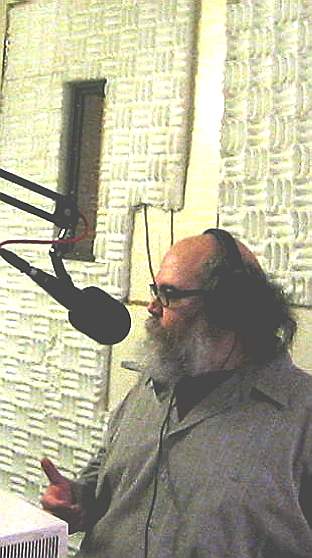
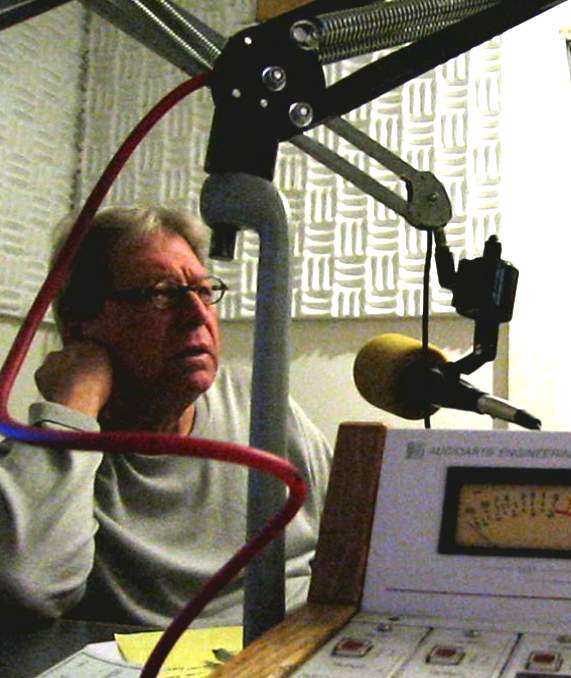
Matt Meyer – Let Freedom Ring, A Collection of Documents From the Movements to Free US Political Prisoners.
New York based educator and activist Matt Meyer. Matt is the editor of several books including the recently published Let Freedom Ring, A Collection of Documents From the Movements to Free US Political Prisoners. – The book nicely pulls together two decades of essays, interviews and resolutions of US political prisoners. These are the voices and intimate writings of those who have challenged the US empire from within, Black Panthers, Puerto Rican independentistas, white anti-imperialists, environmental and animal rights militants and Arab and Muslim activists. Meyer is a former public draft registration resister and chair of the War Resisters League.
Matt Meyer:
- We wanted to bring awareness to that yes, there are political prisoners in the US.
- There’s been a history to support those movements and free them.
- This book focuses on the last 25 years as a key era that took us through the late sixties and seventies of social change.
- The majority of peoples that have been in prison come from the black civil rights liberation movement, come from the American Indian Movement, come from the Puerto Rican and Chicano movements and come from some white allies and supporters.
- Political prisoners are in jail because of the ideas they’ve had as much as the acts they’ve committed. They’re political actions and beliefs and who are in jail 20, 30 years, incredibly long sentences and harsh conditions.
- It is also a collection of documents from the movement to free them. For example from the Puerto Rican movement. We have a collection of documents that began to help free 12 Puerto Rican political prisoners – this shows how this came through by a combination of grassroots support and international pressure.
- This book says to activists and all readers that we can build upon the strategies that have been used in the last 20 years. We can look at some of the documents and get a sense of how to use these strategies today to help not only political prisoners but prisoners in the ever increasing US prison system. There is a growing sense that we should all pay more attention to these folks who are languishing in jail.
- The fact that the information in this book was not readily available, it was scattered here and there. This volume was designed as a tool with the hope to spark new movements.
- What can people do? The Jericho Movement
Guest: Matt Meyer – Founding PJSA Co-Chair along with USF Dean Jennifer Turpin, Meyer has long worked to bring together academics and activists for lasting social change. A former public draft registration resister and chair of the War Resisters League, he continues to serve as convener of the War Resisters International Africa Working Group. With Bill Sutherland, Meyer authored Guns and Gandhi in Africa: Pan-African Insights on Nonviolence, Armed Struggle and Liberation, of which Archbishop Desmond Tutu wrote, “Sutherland and Meyer have looked beyond the short-term strategies and tactics which too often divide progressive people.
—————————————