Welcome to Law and Disorder Radio
Law and Disorder is a weekly independent civil liberties radio program airing on more than 150 stations and on Apple podcast. Law and Disorder provides timely legal perspectives on issues concerning civil liberties, privacy, right to dissent and practices of torture exercised by the US government and private corporations.
Law and Disorder August 3, 2026
Challenges To The Trump Administration’s Executive Orders
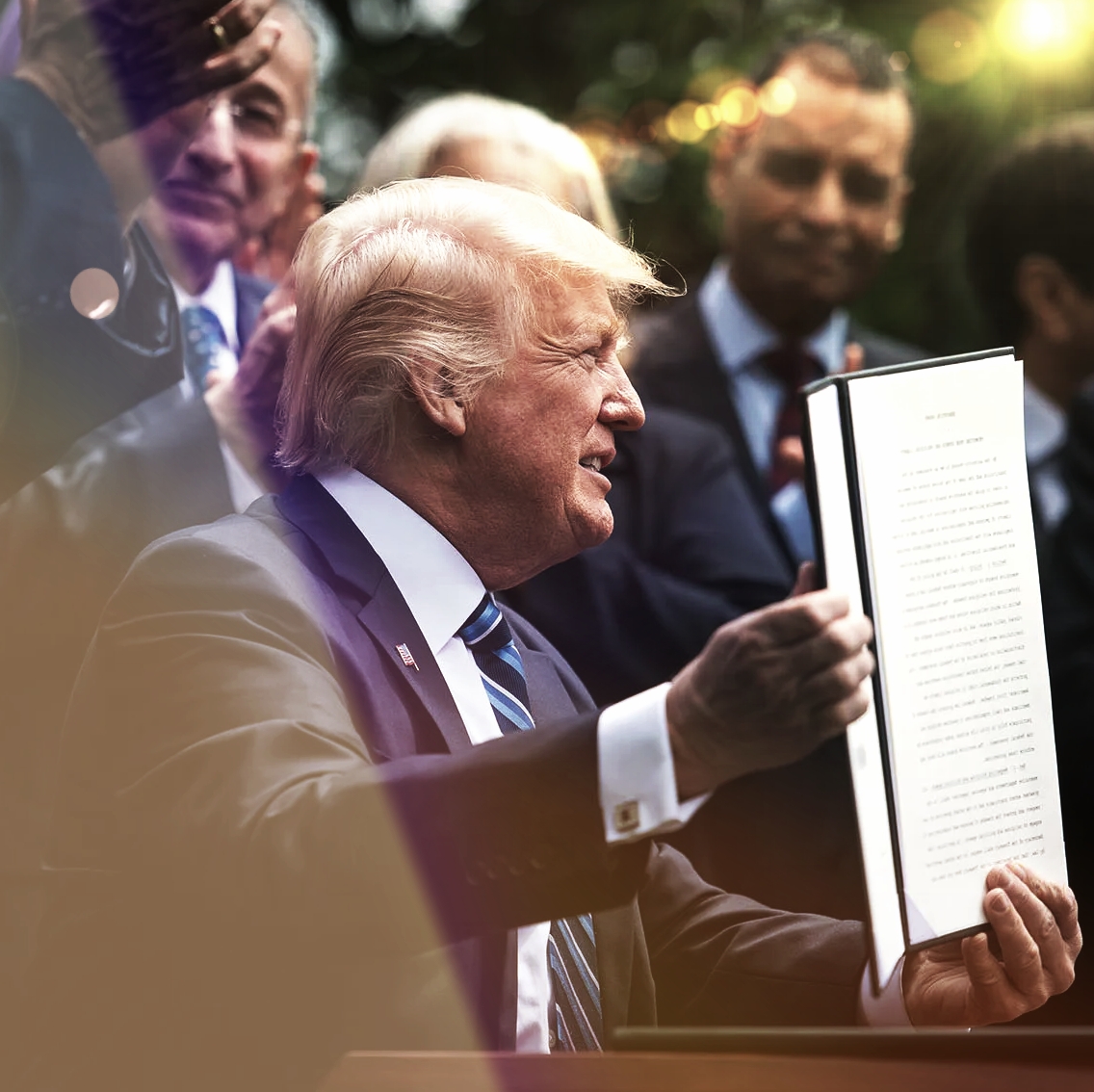
The legal system is straining as it tries to hold the Trump administration accountable for its unprecedented assault on our constitutional rights. Close to a thousand lawsuits have been filed challenging Trump’s Executive Orders and their implementation, plus more than ten thousand separate habeas corpus petitions filed by people targeted by Trump’s immigration crackdown.
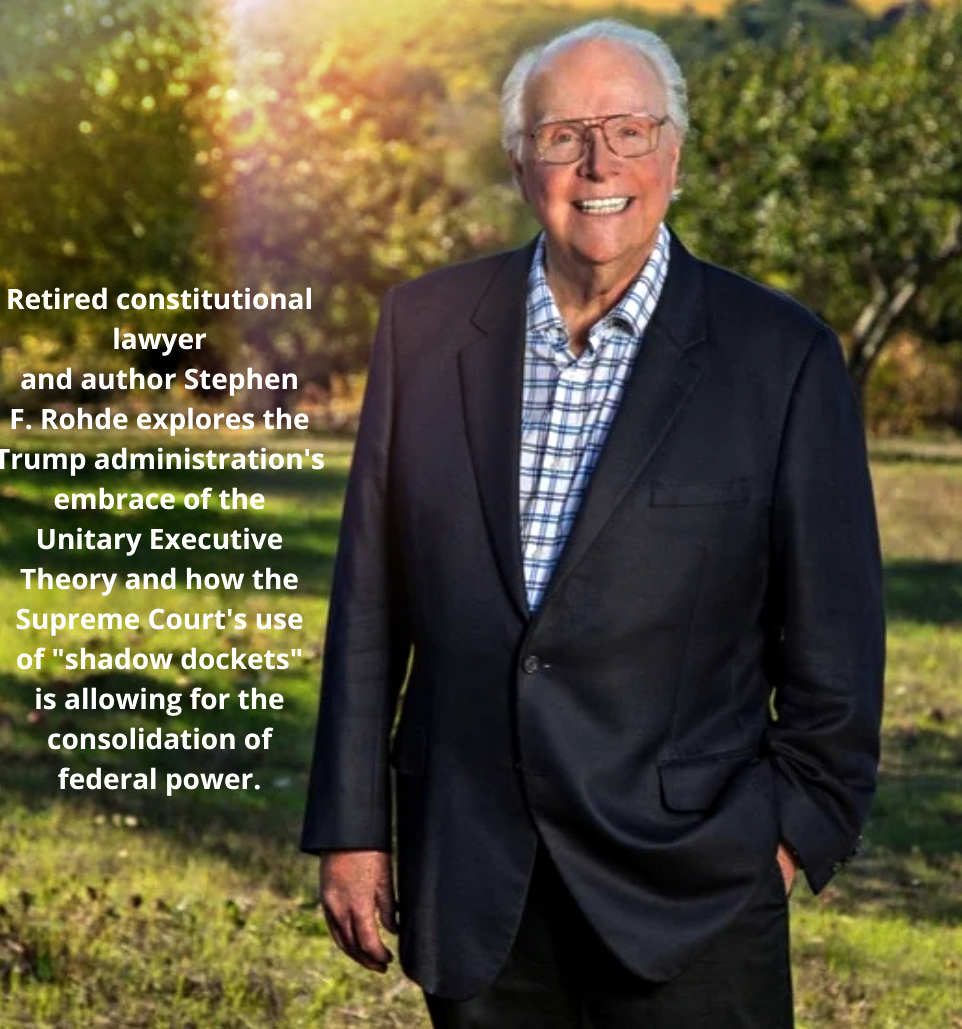
We take a deeper look at some of these legal and political developments. We’re joined by our very own co-host Steve Rohde, who practiced constitutional law for almost 50 years. He is a former Chair of the ACLU Foundation of Southern California, the author or two books and numerous articles on the courts and the law.
Guest – Stephen Rohde is a journalist, lecturer and political activist. For almost 50 years, he practiced civil rights, civil liberties, and intellectual property law and has won significant First Amendment victories in state and federal appellate courts.Steve is past chair of the ACLU Foundation of Southern California and Chair Emeritus of Bend the Arc, a Jewish Partnership for Justice. He is a founder and current chair of Interfaith Communities United for Justice and Peace; and a member of the Board of Directors of Death Penalty Focus. He is the Special Advisor on Free Speech and the First Amendment for the Muslim Public Affairs Council.Steve is the author of the books American Words of Freedom: The Words That Define Our Nation and Freedom of Assembly and numerous articles and book reviews on civil liberties and constitutional history. He is co-author of Foundations of Freedom published by the Constitutional Rights Foundation. Steve is also the host of Speaking Freely: A First Amendment Podcast exploring the most important Supreme Court cases in the area of free speech and free press.
—-
Student Journalism Supported By Law Center
Student journalism is one of the most vital—and often overlooked—front lines in the fight for a free press. Across the country, student reporters expose such topics as sexual misconduct, financial mismanagement, and government secrecy. Yet without the institutional legal backing enjoyed by newsrooms, they frequently face censorship, retaliation, and lawsuit threats from administrators and public officials.
For more than fifty years, the Student Press Law Center has stood as the nation’s leading legal advocate for student journalists. Founded in 1974, the nonprofit offers free legal help via a nationwide hotline, advises on First Amendment issues—from libel to public records access—and spearheads the “New Voices” movement for state-level legal protections.
Guest – SPLC staff attorney Jonathan Gaston-Falk. A former student journalist himself at York High School in Virginia, Jonathan joined the center in March 2022 after a five-year tenure leading the Education Law Unit at the Legal Aid Society of Rochester, New York. There, he advocated for student free speech rights before school boards and the state Commissioner of Education.

———————–
Law and Disorder July 27, 2026
Podcast: Play in new window | Download
Unitary Executive Theory
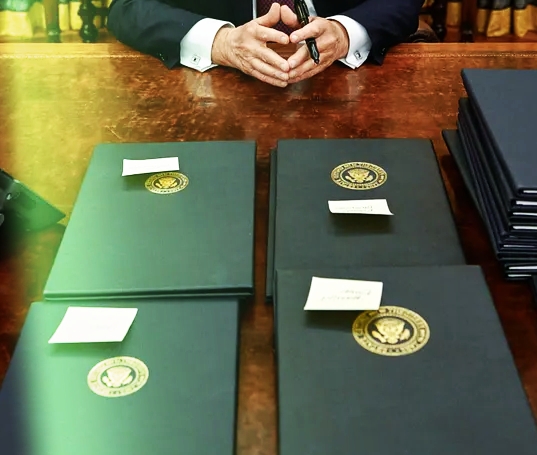
The US Supreme Court just ended a momentous term further entrenching the reactionary Republican agenda. Our sometimes consideration of relevant court cases and other legal developments, today includes a review of the conservative legal doctrine known as the Unitary Executive Theory, now favored by the conservative majority on the Supreme Court, and the conservative doctrine of Originalism. We’ll also look at a new opinion poll of Americans showing that at least half of Americans disapprove of the job the Supreme Court is doing.
Guest – Stephen Rohde is the author of two books and numerous articles and book reviews on constitutional law and history. He is the former president of the ACLU Foundation of Southern California and is a special Advisor on Free Speech and the First Amendment for the Muslim Public Affairs Council. He is host of the new podcast Speaking Freely produced by MS Studios and is available on Spotify and I Heart radio and other streaming platforms. Steve Rohde is also, of course, one of the co-hosts here on the Law and Disorder radio show.
—-
Hold Your Representative Accountable
A dozen years ago, two professors from prestigious universities, Martin Gillens and Benjamin Gage conducted a study of decision-making in our government. Their conclusion was a bombshell destroying as it did the myth that America is a majoritarian democracy. Their conclusion, in the most widely cited quote from their study, was that “the preferences of the average American appear to have only a minuscule, nearly 0 statistically, non-significant impact on public policy.”
So who decides the policies of the government? Not us. It is the economic leaders, the business interests and the organized lobbies that call the shots. The American people by and large are way to the left of their government. However, they are ignorant of the true record of the Congress people who claim to represent them. What can be done about this?
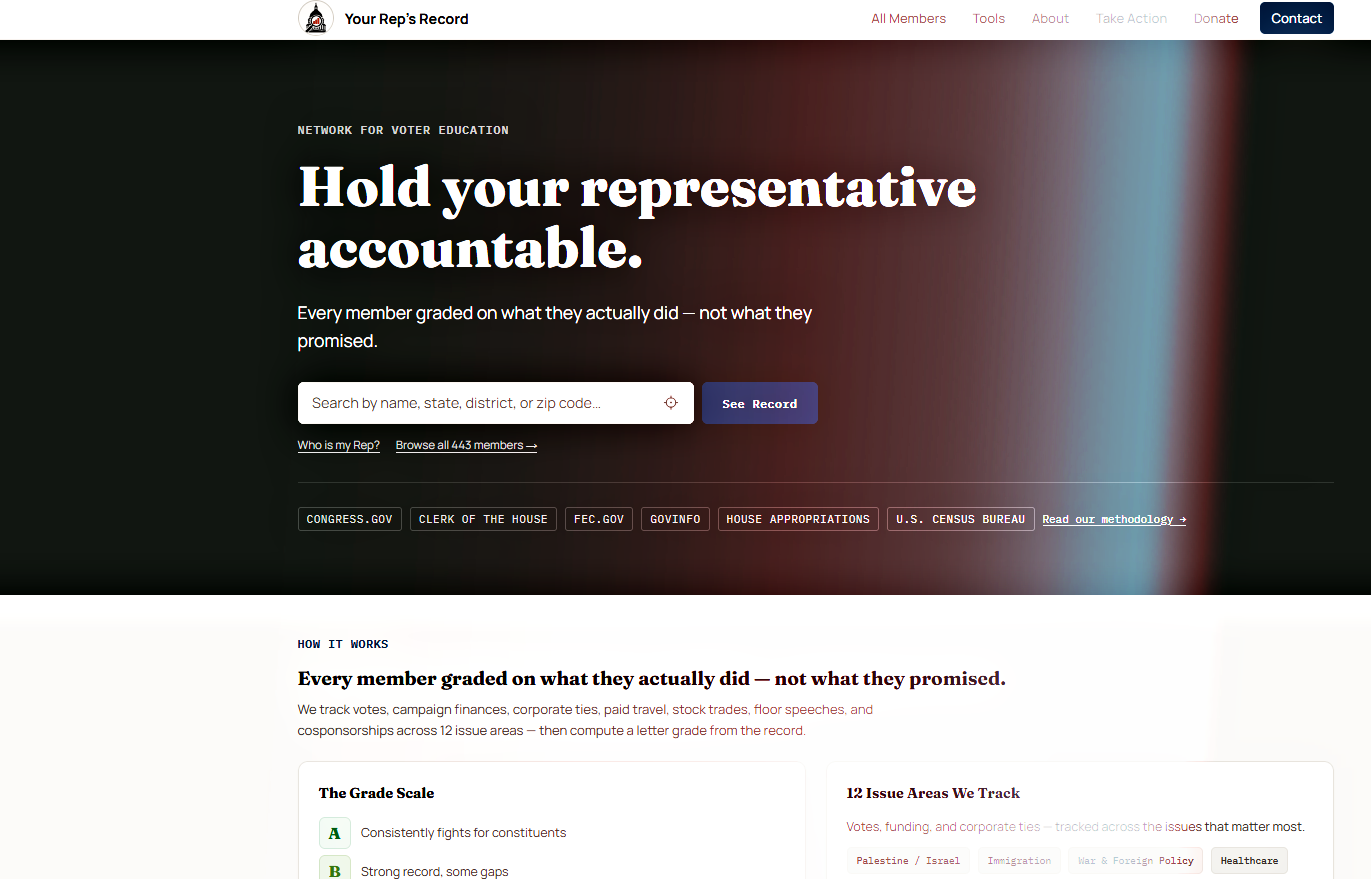
Guest – Felice Gelman is a long time movement activist and part of The Network For Voter Education, a non-partisan effort that has created an Internet tool called yourreprecord.org which people can use to look up the true record of members of Congress.
————————-
Law and Disorder July 20, 2026
Podcast: Play in new window | Download
PEN America Writer’s Organization President Resigns Amid Controversy
On July 9, 2026, a long-simmering controversy burst into the headlines pitting allies of robust freedom of expression against each other over how writers, publishers and literary agents should respond to Israel’s genocide in Gaza. The dispute was so divisive that Professor Dinaw Mengestu resigned as president of the free expression group PEN America.
Guest – Professor Dinaw Mengestu is the John D. and Catherine T. MacArthur Professor of the Humanities and Director of the Written Arts Program at Bard College, where he has taught since 2016. He is the author of three novels, all of which were named New York Times Notable Books. A native of Ethiopia, he came with his family to the United States at the age of two. Professor Mengestu is also a freelance journalist. His articles and fiction have appeared in the New York Times, New Yorker, Harper’s, Granta, Jane, and Rolling Stone. He is a 2012 MacArthur Fellow and recipient of a Lannan Literary Fellowship for Fiction, National Book Foundation 5 Under 35 Award, Guardian First Book Award, and Los Angeles Times Book Prize, among other honors. He was elected President of PEN America in December 2025, having served on its Board of Directors for about a decade.
—-
For decades, debates over sex work have been shaped by criminal law, morality, and public safety. Supporters of tougher enforcement argue that prostitution fuels exploitation and human trafficking. Advocates for decriminalization contend that criminal penalties often make sex workers less safe and discourage people from seeking help when they need it. It’s a conversation that raises difficult questions about policing, labor, consent, and human rights.
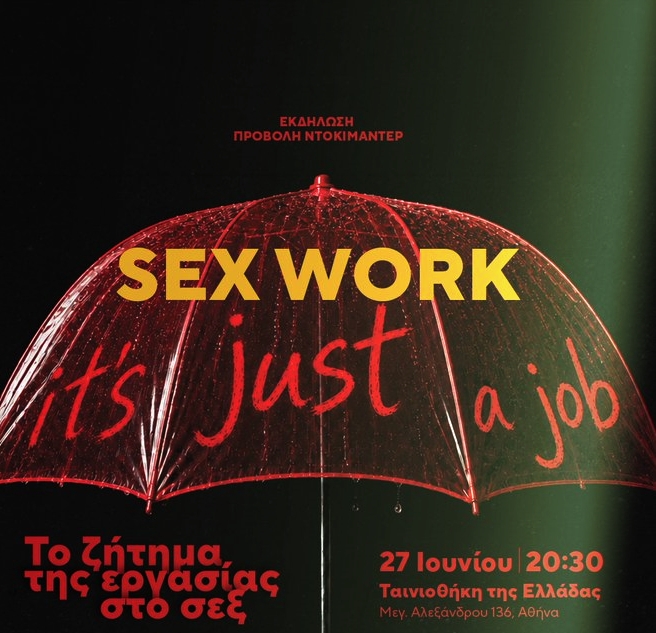
A 2025 documentary, Sex Work: It’s Just a Job, enters that debate. The film was directed by documentary filmmaker Tami Gold from the Film Department at Hunter College. Through the voices of current and former sex workers, organizers, and researchers, it explores the movement to decriminalize sex work and the broader social consequences. The film also distinguishes consensual sex work from human trafficking.
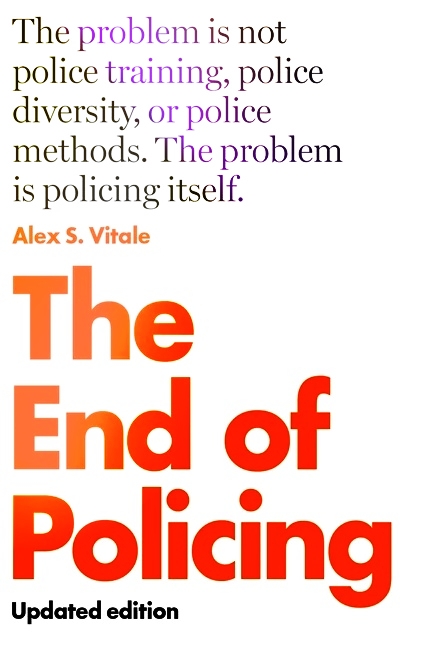
Guest – Sociologist Alex Vitale, Professor at Brooklyn College and the CUNY Graduate Center, and co-producer of the film. The populations and advocates for decriminalization and non-police safety interventions in the documentary is inspired by Vitale’s book The End of Policing, which argues that criminalizing sex work harms vulnerable.
————-