Welcome to Law and Disorder Radio
Law and Disorder is a weekly independent civil liberties radio program airing on more than 150 stations and on Apple podcast. Law and Disorder provides timely legal perspectives on issues concerning civil liberties, privacy, right to dissent and practices of torture exercised by the US government and private corporations.
Law and Disorder January 16, 2023
Podcast: Play in new window | Download
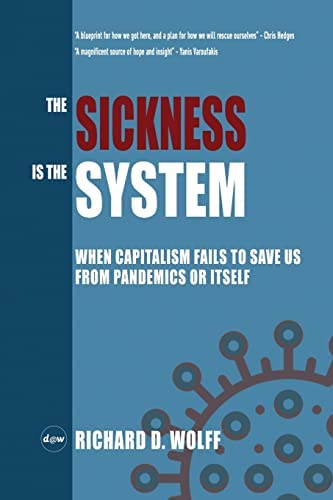
The Sickness is the System: When Capitalism Fails to Save Us from Pandemics or Itself
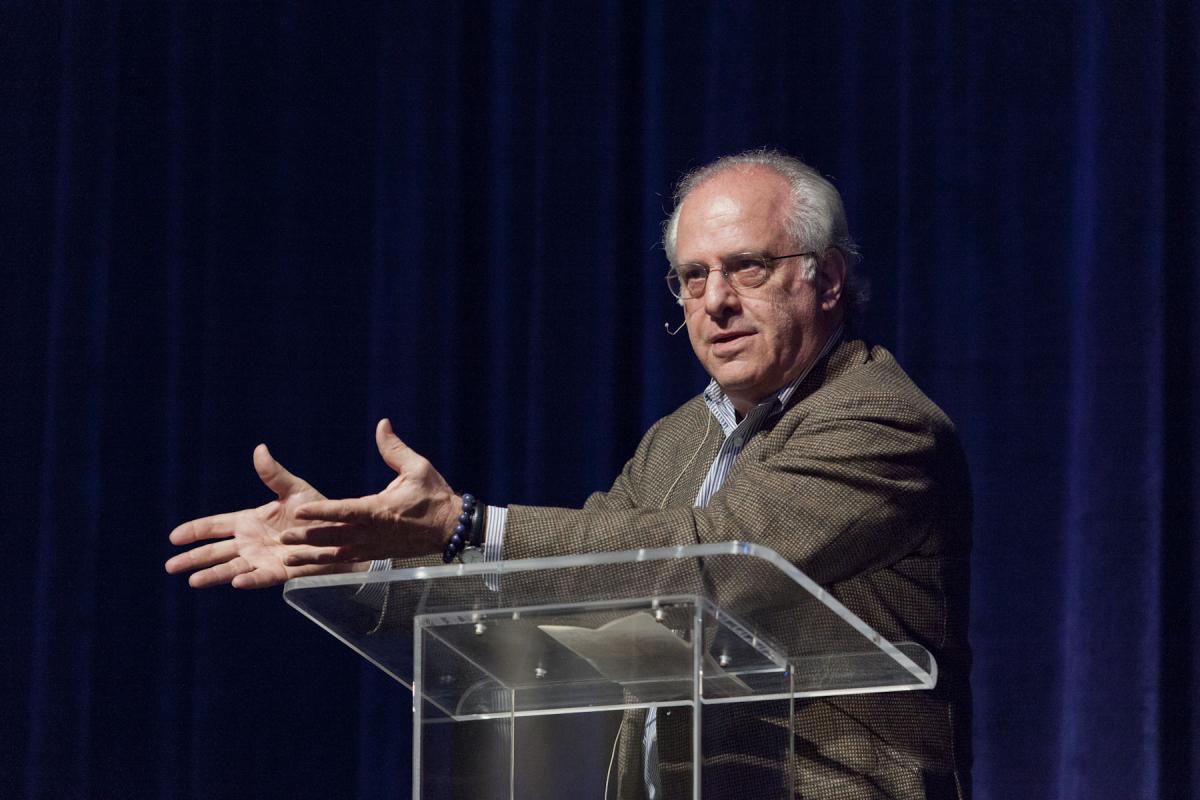
We all know almost instinctively that there is a connection between politics and economics. Today we talk with Professor Richard Wolff about that connection. We live in a world in economic turmoil, all the more so because of the US and NATO proxy war against Russia in Ukraine.
At home in the United States, we have the greatest wealth disparity and income disparity in a century. When Standard Old,now Exxon, owner John D. Rockefeller died he was worth $3 billion. Now Jeff Bezos is worth about $180 billion. There has not been a national increase in the minimum wage of $7.25 an hour in decades. Half the people in America are poor or near poor.
There has been a dramatic increase in labor militancy by American workers not seen since just before and just after World War II. US world hegemony is starting to fray even as the military budget increases.
This month Congress passed a budget bill with half of it going to the military. The military received 45 billion dollars more than they even asked for. What is going on? What are the prospects for political action independent of these two capitalist parties?
Guest – Richard D. Wolff is Professor of Economics Emeritus, University of Massachusetts, Amherst, and a Visiting Professor in the Graduate Program in International Affairs of the New School University, NYC. He is the founder of Democracy at Work and host of their nationally syndicated show Economic Update. His latest book is The Sickness is the System: When Capitalism Fails to Save Us from Pandemics or Itself, which can be found along with his other books Understanding Socialism and Understanding Marxism at www.democracyatwork.info.
—-
Israel’s Far Right Agenda
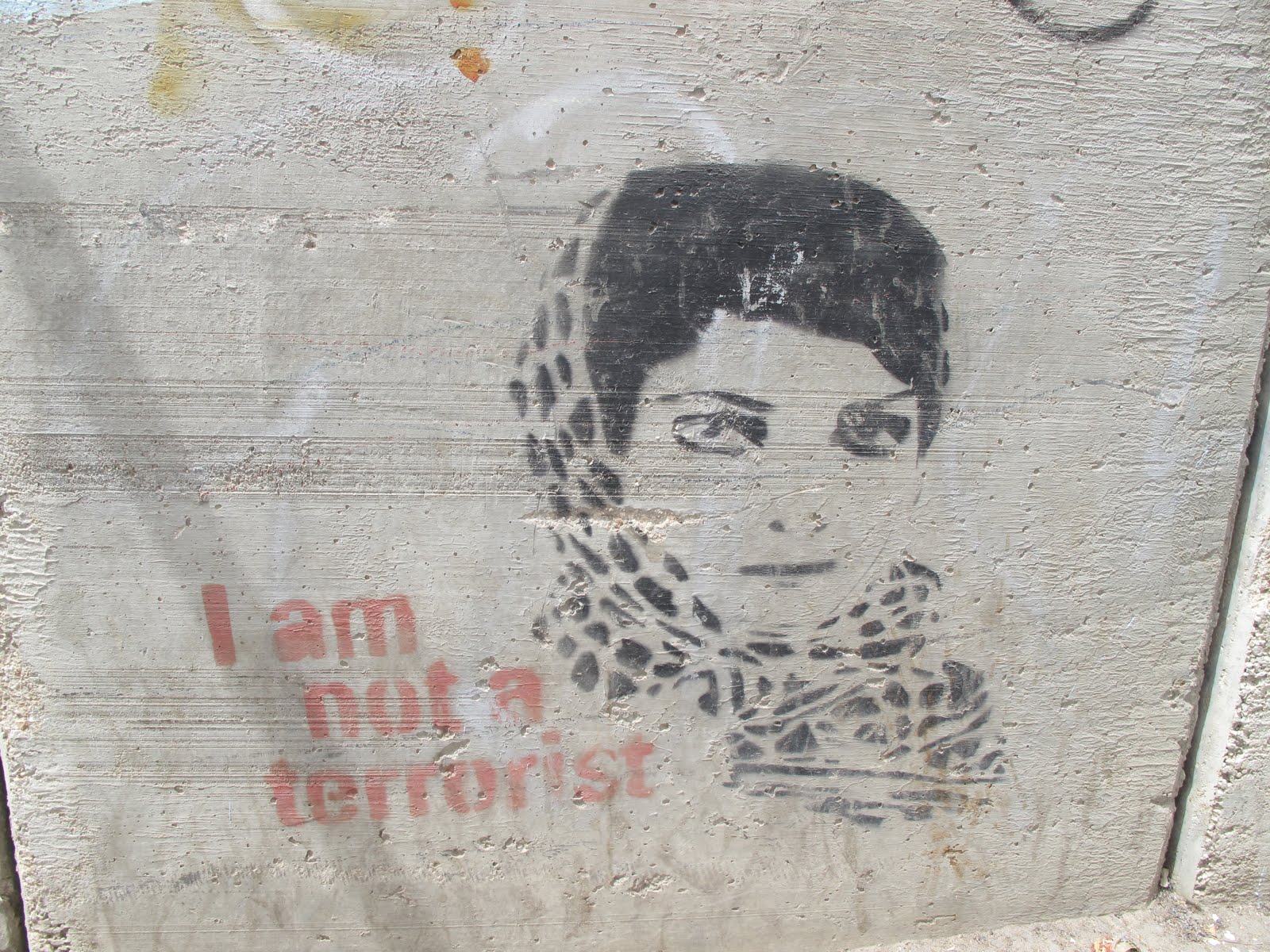
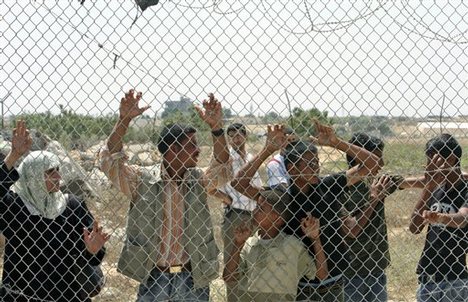
As reported in the New York Times, less than two weeks into its tenure, Israel’s new and extreme neo-fascist right-wing government has already undertaken a wave of items from its far-right agenda. Items that are designed to weaken the judiciary, entrench Israel’s control of the West Bank, and bifurcate the military’s chain of command so as to give far-right ministers greater control of matters related to Israel’s occupation.
It is likely to have profoundly negative implications for the Palestinian people, as well as profound implications for the already dismal chances of finding a peaceful resolution of the decades long Israeli/Palestinian conflict. Even a great numbers of Israelis have grave concerns about its new government and what its announced plans may mean for them.
Guest – Sandra Tamari is a Palestinian organizer and the Executive Director of Adalah Justice Project. She was the Co-chair of the Steering Committee for the U.S. Campaign for Palestinian Rights from 2015-2018 and a lead organizer of the Palestinian contingent to Ferguson, Missouri, in 2014.

———————————-
Law and Disorder January 9, 2023
Podcast: Play in new window | Download
You Might Go to Prison, Even Though You’re Innocent
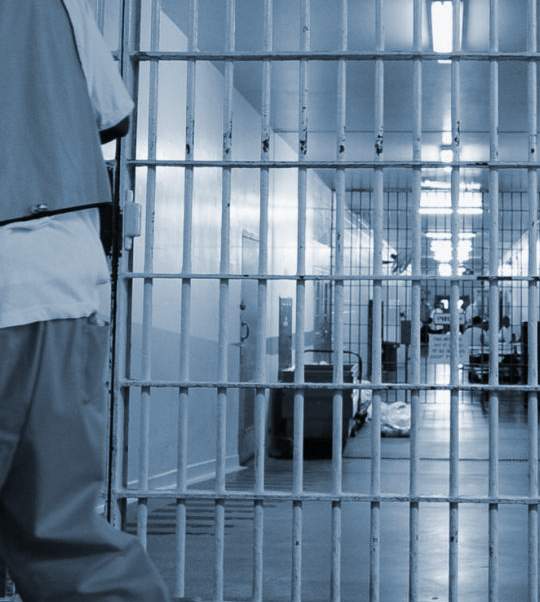
There is a common belief that if you’re arrested, you are probably guilty because “where there’s smoke, there’s fire.” People assume that only the guilty confess to crimes because why would an innocent person confess to a crime they didn’t commit? And when a person pleads guilty or is convicted by a jury, that’s the end of the matter, in the minds of most people.
In fact, many innocent people are arrested, especially people of color, due to racial profiling and other forms of discrimination by law enforcement. Implicit bias often infects the case as it moves through the criminal legal system – from the initial police stop, to interrogation, arrest, charging, trial and sentencing. This is particularly tragic when a person is charged with a capital crime for which the death penalty is imposed and that sentence is carried out.
However, it is estimated that 10,000 to 20,000 people are currently serving time in prison after being convicted of crimes they did not commit, largely due to prosecutorial misconduct and police misconduct. Unfortunately, even when exonerated, the psychological and physical damage done is so extensive that many people are never able to fully recover from the trauma. In addition, when the wrongful conviction is solely the result of prosecutorial misconduct, those convicted have no legal recourse to be compensated for the wrong done to them because of prosecutorial immunity.
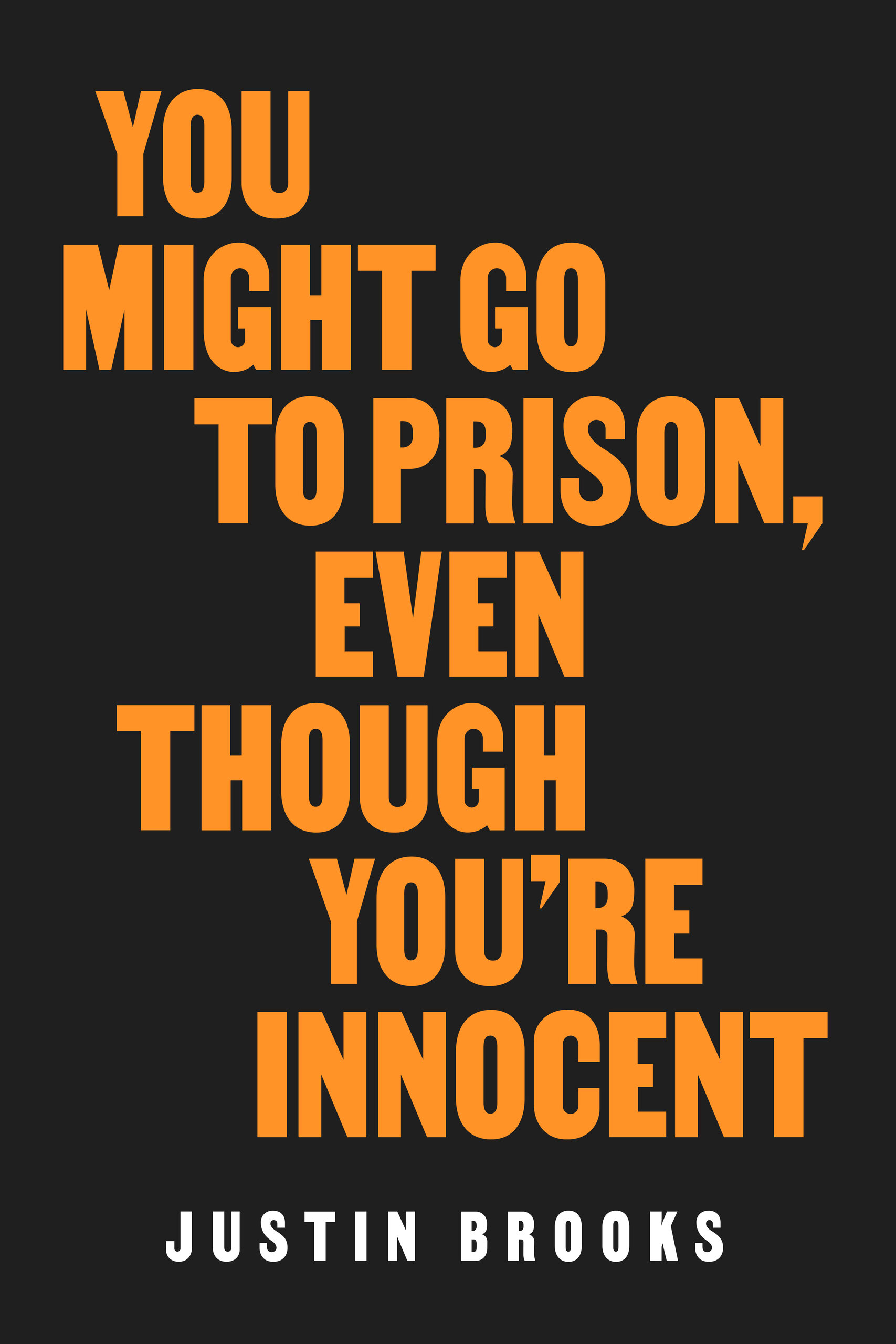
Guest – Justin Brooks criminal defense attorney and law professor has spent decades working to free innocent people from prison. The Founding Director of the California Innocence Project, Brooks is the author of the provocative new book, “You Might Go to Prison, Even Though You’re Innocent.” In it, he discusses false identifications, junk science, lying snitches, and incompetent defense lawyers – which too often lead to the imprisonment of innocent people.
—–
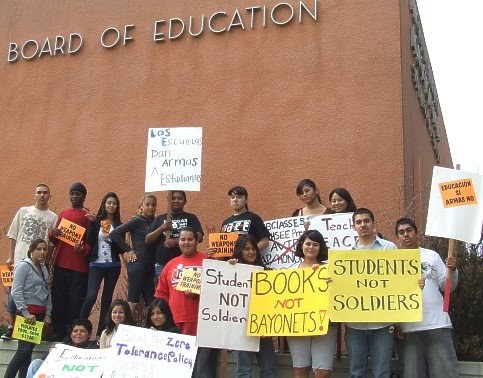
Junior ROTC In High Schools: Pressure To Join
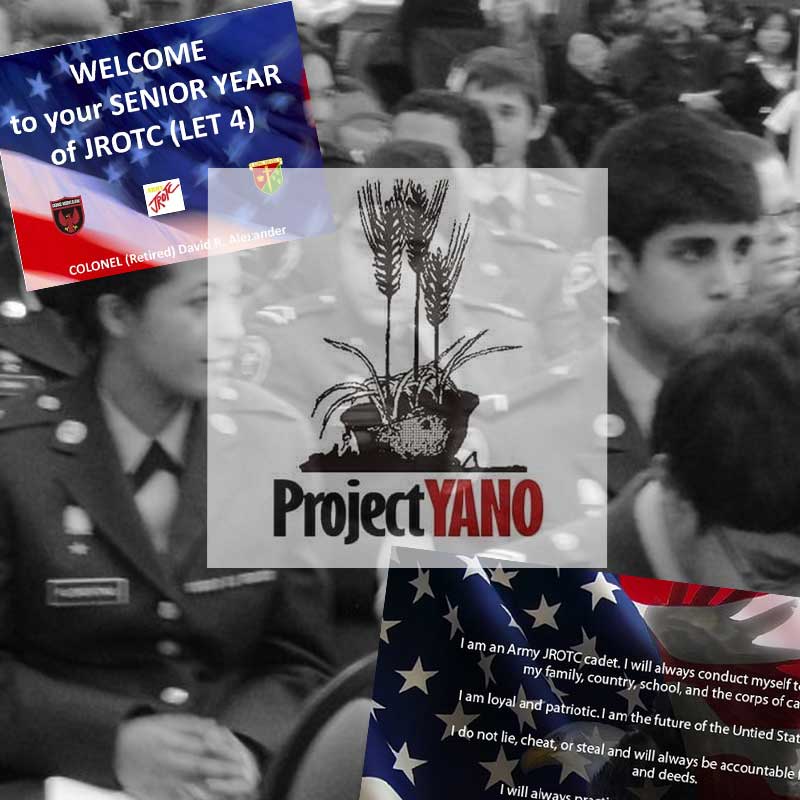
On her first day of high school, Andreya Thomas and several other freshmen at Detroit’s Pershing High School learned they were enrolled in a class called J.R.O.T.C., or Junior Reserve Officers’ Training Corps. School administrators told them the program was mandatory.
Funded by the U.S. military, the program required students to wear military uniforms in class, recite patriotic declarations, and obey orders from an instructor who often yelled at them. When several tried to drop the class, school officials refused permission, even though the Pentagon says that requiring students to take the programs runs counter to its guidelines. The New York Times recently learned that thousands of public-school students were enrolled in J.R.O.T.C. either as a requirement or through automatic enrollment. Most of the schools with high enrollment numbers were attended largely by nonwhite students and those from low-income households.
Critics of Junior ROTC say that the program’s militaristic discipline prioritizes obedience over independence and critical thinking. And as we reported earlier on Law and Disorder, and now noted by the Times, the program’s textbooks often rewrite or downplay the failings of the U.S. government. With its concentration in schools with low-income and nonwhite students, some claim J.R.O.T.C. encourages students to enlist in the military rather than explore other routes to college or jobs in the civilian economy.
Guest – Rick Jahnkow works for two San Diego-based anti-militarist organizations, the Project on Youth and Non-Military Opportunities, or YANO, and the Committee Opposed to Militarism and the Draft. We spoke earlier with Rick about YANO’s J.R.O.T.C. textbook review project.
Hosted by Attorneys Heidi Boghosian, Marjorie Cohn and Julie Hurwitz
—————————————–
Law and Disorder January 2, 2023
Podcast: Play in new window | Download
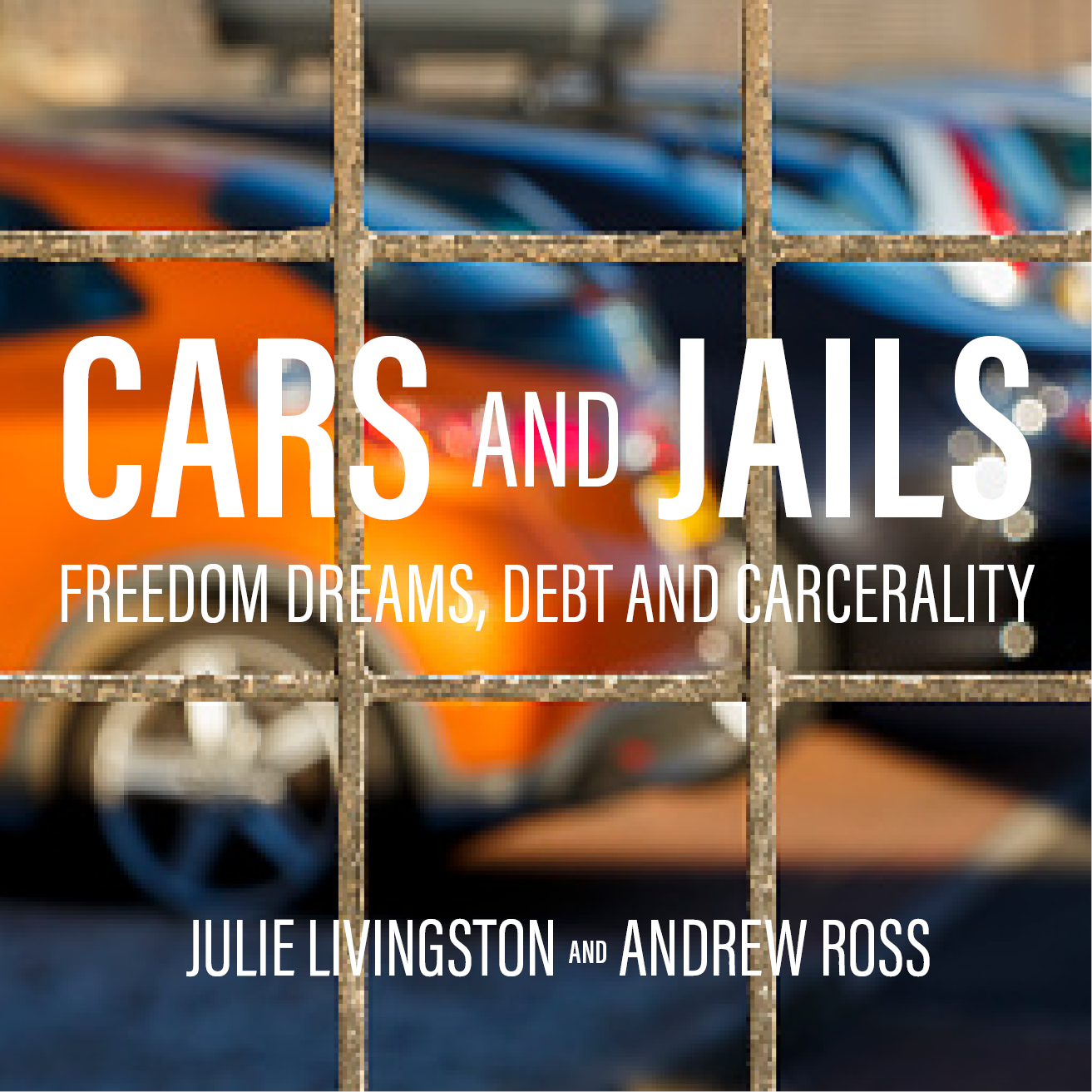
Cars and Jails: Freedom, Dreams, Debt and Carcerality
What is the connection between cars and jails? Every day more than 50,000 Americans are pulled over by police officers while driving. Most of them will come away from this encounter owing money to the municipality or county in which they were stopped. Some will be arrested. They will join the nearly 9,000,000 Americans to cycle through our countries’ jails each year.
Police can choose from hundreds of traffic code violations to make a pretext stop and conduct a vehicle search. This may result in a fine or or an arrest.
American consumer lore has long held the automobile to be “freedom machine” consecrating the mobility of a free people. Yet paradoxically, the car also functions at the crossroads of two great systems of unfreedom and immobility – the credit economy and the American carceral system.
Guest – Andrew Ross who along with his co-author Julie Livingston has investigated this paradox and written the book “Cars and Jails: Freedom, Dreams, Debt and Carcerality”. It was just published by OR Books. The book shows how the long arms of debt and the carceral state operate in tandem in the daily life of car use and ownership. Andrew Ross is a professor of social and cultural analysis at New York University, and a social activist and analyst. He has authored and edited numerous books and has written for the New York Times, the Guardian, The Nation, and Al Jazeera.
—-
Remembering Michael Ratner
Hosts Heidi Boghosian and Michael Smith remember Michael Ratner as cohost, activist, radical attorney, author and close friend. In this show, hosts reflect on Michael’s work and listen back to several monologue updates. They include his work as co-counsel for Wikileaks founder Julian Assange, the Dahiya Doctrine, SNAP- Survivors Network of those Abused by Priests, NSA survelliance in the Bahamas and Guantanamo Bay prisoner exchange.
- EFF: Rest In Power
- CCR Statement
- Guardian: Michael Ratner – Wikileaks
- New York Times: Michael Ratner
Michael Ratner (1943-2016) was president emeritus of the Center for Constitutional Rights and author of Guantanamo: What the World Should Know. Michael worked for decades, as a crusader for human rights both at home and abroad litigating many cases against international human rights violators resulting in millions of dollars in judgments for abuse victims and expanding the possibilities of international law. He acted as a principal counsel in the successful suit to close the camp for HIV-positive Haitian refugees on Guantanamo Base, Cuba. Michael Ratner has litigated a dozen cases challenging a President’s authority to go to war, without congressional approval. In the wake of the September 11 attacks, the Center has focused its efforts on the constitutionality of indefinite detention and the restrictions on civil liberties as defined by the unfolding terms of a permanent war. Among his many honors were: Trial Lawyer of the Year from the Trial lawyers for Public Justice, The Columbia Law School Public Interest Law Foundation Award, and the North Star Community Frederick Douglass Award.
Hosted by Attorneys Michael Smith and Heidi Boghosian
——————————