Welcome to Law and Disorder Radio
Law and Disorder is a weekly independent civil liberties radio program airing on more than 150 stations and on Apple podcast. Law and Disorder provides timely legal perspectives on issues concerning civil liberties, privacy, right to dissent and practices of torture exercised by the US government and private corporations.
Law and Disorder December 5, 2022
Podcast: Play in new window | Download
Authoritarian institutions and regimes ban books. They tell people what they can and cannot read. The Catholic Church once banned the book by mathematician Johannes Kepler which demonstrated that the earth travels around the sun and not vice versa.
Many of us know about the bonfires of banned books by the “degenerate Jews” Sigmund Freud and Karl Marx that the Fascist Hitler regime lit with a frenzy.
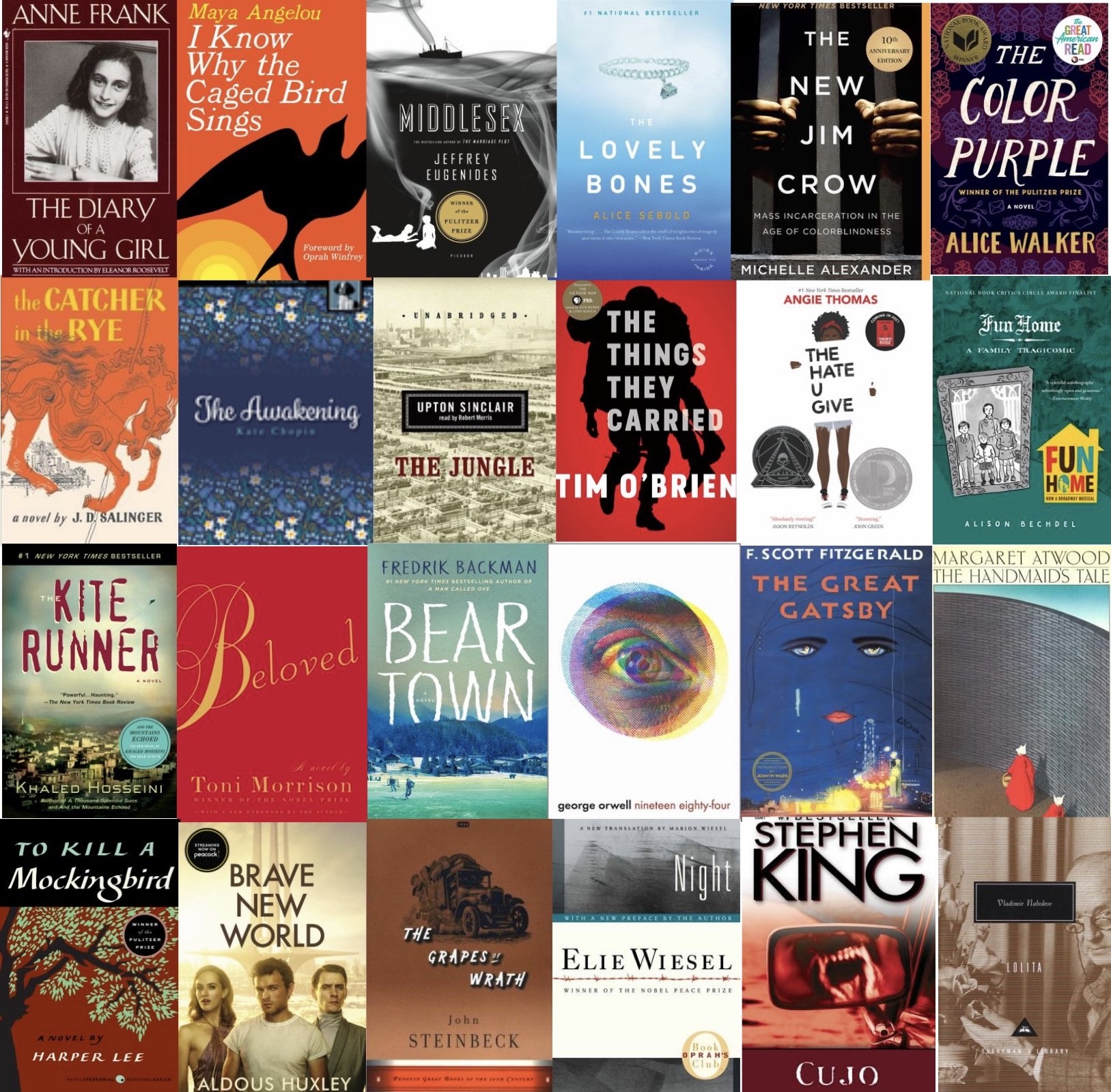
Can this happen in America? It has already started. Many state legislatures have moved to ban books. Some 250 titles have been put on a list of books that cannot be assigned to grade schoolers and highschoolers including such classics in the American canon as “To Kill a Mockingbird”’ and even “ Catcher in the Rye”
The censors don’t want to encourage free spirits. They don’t like criticism. For them the ideal citizen does not think for himself or herself, keeps her mouth shut, and goes along.
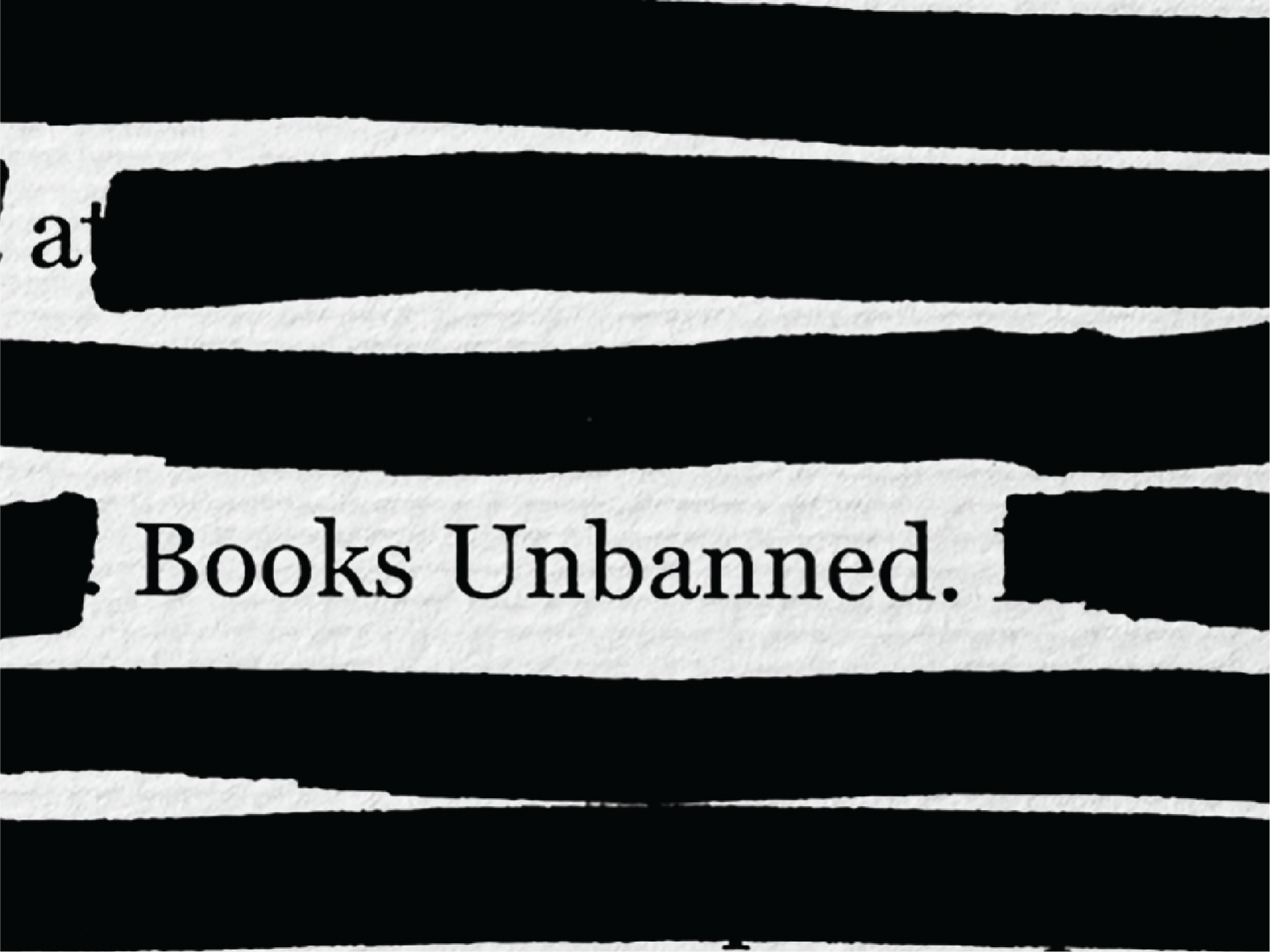
The Brooklyn public library is fighting for the rights of teenagers and young adults to read what they like, discover themselves, and form their own opinions. The library launched a campaign called “Books Unbanned” in response to the increasingly coordinated and effective effort to remove books from shelves which tackle a wide range of topics.
There were 1597 individual book challenges last year, the highest of 20 years since the American Library Association has been keeping track.
The Brooklyn public library is the sixth largest in the country. It started defending the right to read last April by giving free library cards to young people in every state in the union. So far 5100 cards have been given out. 52,000 e-books or audiobooks have been checked out. The books that are most frequently challenged are those on sexuality and those on racism.
Guest – Nick Higgins, Chief Librarian at Brooklyn Public Library, leading the development of transformative library services and spaces for the borough’s residents at 61 sites. Along with providing traditional programs and experiences for Brooklynites, Nick and his team have expanded the Library’s reach by creating unique programs for older adults, individuals and families impacted by the justice system, immigrants, and people experiencing homelessness. Nick holds a BA in Literature from Hunter College and a MLS from the Pratt Institute. Booksunbanned@bklynlibrary.org
—-
Law and Disorder hosts Heidi Boghosian and Michael Smith remember New York City Attorney and publisher Bill Schaap.
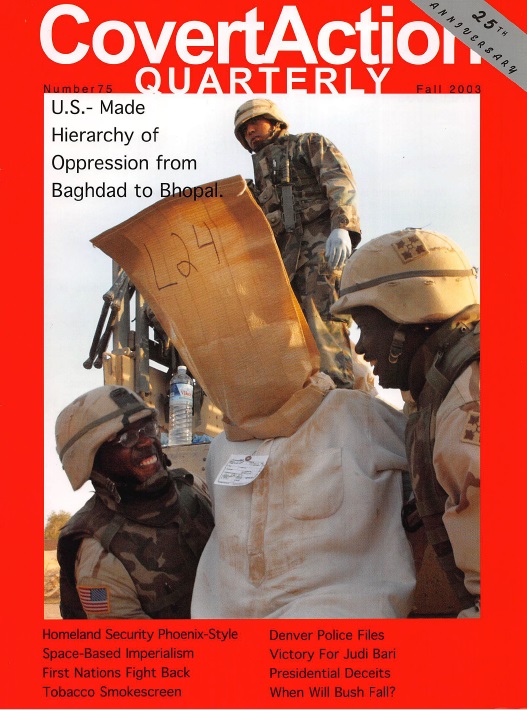
Bill Schaap died in his home on February 25th after a long illness. He was 75. After graduating from the University of Chicago Law school in 1964 Schaap worked for the Center for Constitutional Rights on its project in Japan representing antiwar GIs during the Vietnam war. For 20 years he and his companion the late Ellen Ray lived in Washington DC and published and wrote for the magazine “Covert Action Quarterly” which exposed the crimes of the CIA. In its early years they named CIA agents, until a naming names act was passed by Congress making the exposure of agents a crime. In the early 80s they moved to New York City and founded Sheridan Square Press. They published books about the CIA by former CIA agents. Most prominently they published New Orleans district attorney Jim Garrison’s book “On the Trail of the Assassins” showing CIA involvement in the Kennedy assassination. The book became a New York Times bestseller and was the basis for the Oliver Stone movie “JFK”. In the early 90s they founded the Institute For Media Analysis and began publishing the magazine “Lies of Our Times”, a magazine of media criticism. Bill Schaap was a recognized expert in government propaganda and wrote and spoke widely and frequently on the topic.
—-
Lawyers You’ll Like: Attorney Bill Schaap
Attorney William Schaap graduated from the University of Chicago Law School in 1964 and has been a practicing lawyer since. Bill specialized in military law and practiced in Asia and Europe. He later became the editor in chief of the Military Law Reporter in Washington for a number of years. In the 70’s and 80’s he was a staff counsel of the Center for Constitutional Rights in New York City. In the late 80s, he was an adjunct professor at John J. College of Criminal Justice of the City University of New York where he taught courses on propaganda and disinformation.
Attorney William Schaap:
- One of first cases at this big Wall Street firm, they had some outside counsel working on it, one of whom was David Lubel, and Dave Lubel who had I think been a recruiter for the Communist Party in his youth, was always good at spotting somebody who was always worth recruiting and he started to tell me there was this convention of this lawyers group.
- It was this 1967 Lawyers Guild Convention in New York. He dragged me to one event, I met Bill Kunstler, I met Arthur Kinoy, I met Victor Rabbinowitz. I’d been on Wall Street for a year or two, I said I didn’t know there were lawyers like this.
- I joined the same day and met Bernadine Dorhn and a few weeks she called me and said we need your help.
- She said you gotta defend a bunch of Columbia students. The next thing I knew the riot started at Columbia and she said you have to go down there and defend them.
- I signed up to be staff counsel on the National Lawyers Guild Military Law Project in Okinawa, Japan.
- When you work overseas in that kind of a climate with the military you learn a lot fast about American imperialism.
- Once you learn that, you learn about the CIA.
- That led us to originally working on Counter Spy magazine and then on Covert Action Magazine.
- The original purpose was to expose the CIA. We worked with Lou Wolf who is an expert in uncovering CIA agents in US embassies, not through any classified documents but because if you knew how to read the paperwork and State Department things, you could tell who are the “ringers.”
- We were so successful that Congress passed a law against us.
- Our goal was to make these people ineffective because the only way most CIA could work, particularly the ones that were assigned to an embassy was to have to pretend to be something else.
- They were all third assistant political secretaries and those were all phony things. Their job was to finagle their way into various community organizations in whatever foreign capital they were posted to recruit people to turn against their own countries and become traitors to their own countries, to become spies for the U.S.
- We thought if we identified these people, it might make their job a little bit harder, which it did.
- Of course, the problem with that is the government said we were trying to get them killed which we weren’t trying to do and nobody we did expose ever did get killed.
- He (Philip Agee) had been an adviser to Counter Spy. Counter Spy folded when Welch got killed, cause the pressure was too much and started Covert Action Quarterly.
- He was not the person discovering who the under cover people were, Lou Wolf was doing that.
- Phil wrote articles for us in every issue and we worked very closely with him.
- Once you start exposing these things, they really don’t have any defense.
- They tried to catch us in something phony. We would get tips that would turn out to be CIA trying to get us to print some story that wasn’t true so they could then discredit us.
- We had more interference from the government when we were doing military law work, before Covert Action Quarterly.
- They would plant bugs in our attic in Okinawa, things like that.
- The Intelligence Identity Protection Act has 2 parts. One makes it a crime for someone in the government who has classified information to reveal someone’s identity. The second part makes it a crime to reveal the identity of someone you did not learn from classified information or you position. (But if you were in the business of exposing these people . . .)
- Regarding his newsletter The Lies of Our Times – It was in the 90s, from 1990 to 1995 I think. To a certain extent, the abuses we were crying about got a little bit less over time because that’s sometimes the helpful result of that kind of exposure.
- We were just tired of people thinking that if it was in the New York Times it must be true.
- The fact is that those people lie all the time.
- I think we’ve gotten to a point where people recognize that the government lies to them and that there’s an awful lot that goes on that they don’t know.
Guest – Attorney William Schaap graduated from the University of Chicago Law School in 1964 and has been a practicing lawyer since. Bill specialized in military law and practiced in Asia and Europe. He later became the editor in chief of the Military Law Reporter in Washington for a number of years. In the 70’s and 80’s he was a staff counsel of the Center for Constitutional Rights in New York City. In the late 80s, he was an adjunct professor at John J. College of Criminal Justice of the City University of New York where he taught courses on propaganda and disinformation.
In addition to being a practicing lawyer, Bill was a journalist, publisher and a writer specializing in intelligence as it relates to media. He was the co-publisher of a magazine called the Covert Action Quarterly for more than 20 years. He also published a magazine on propaganda and disinformation titled Lies Of Our Times. Attorney Bill Schapp has written numerous articles and edited many books on the topic of media and intelligence.

—————————-
Law and Disorder November 27, 2022
Podcast: Play in new window | Download
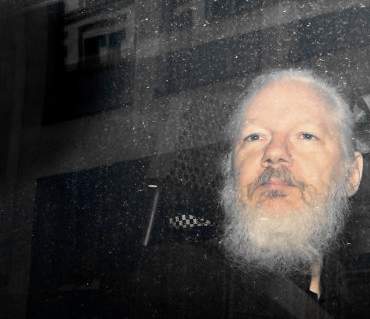
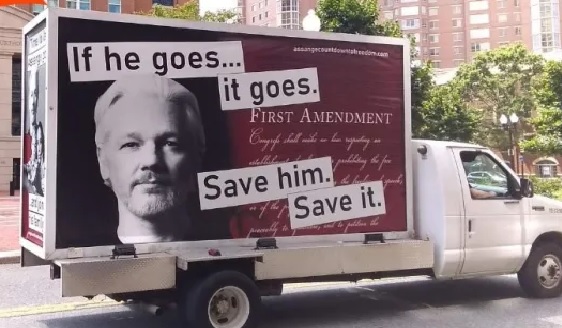
Can A Lawsuit Against The CIA Affect U.S. Extradition Attempt of Julian Assange?
In August 2022, a group of U.S. citizen attorneys and journalists sued the CIA and its former director Mike Pompeo. They alleged that the CIA, during Pompeo’s tenure, spied on them during meetings with Julian Assange at the Ecuadorian Embassy in London. The WikiLeaks founder sheltered there for 7 years in an effort to avoid extradition to the United States.. Assange is charged with 17 counts under the Espionage Act for revealing evidence of U.S. war crimes. If convicted, he faces 175 years in prison.
The lawsuit says that the CIA violated the privacy rights of those journalists and lawyers. Plaintiffs include journalists Charles Glass and John Goetz, and New York City attorneys Margaret Kunstler and Deborah Hrbek, who have represented Assange. The suit seeks compensatory and punitive damages for the plaintiffs for the violations of their rights. It also seeks the removal of any information held by the CIA which was collected from them during their visits to see Assange and prevention of the release of any this information to a third party.
The CIA, as listeners may know, is prohibited from collecting intelligence on U.S. citizens, although several lawmakers have alleged that the agency maintains a secret repository of Americans’ communications data. Richard Roth, the lead attorney in this case, had this to say: “The United States Constitution shields American citizens from U.S. government overreach even when the activities take place in a foreign embassy in a foreign country.”
Journalists and lawyers visiting Assange were required to surrender their electronic devices to Undercover Global before each visit. U.C. Global is a private security company which was providing security to the embassy. The lawsuit alleged that the company copied that information and handed it over to the CIA.
In early November, Deborah Hrbek and our own Marjorie Cohn discussed the lawsuit and the case against Assange, in a program sponsored by the First Unitarian Society of Milwaukee. For our show today, we’re delighted to bring you their remarks and answers to several audience questions. Deborah Hrbek starts off the event. In addition to being a member of the Assange defense team, her law practice focuses on entertainment and small business law. Marjorie is a member of the national advisory board of Assange Defense.
Hosted by Attorney Heidi Boghosian
—————————————–
Law and Disorder November 21, 2022
Podcast: Play in new window | Download
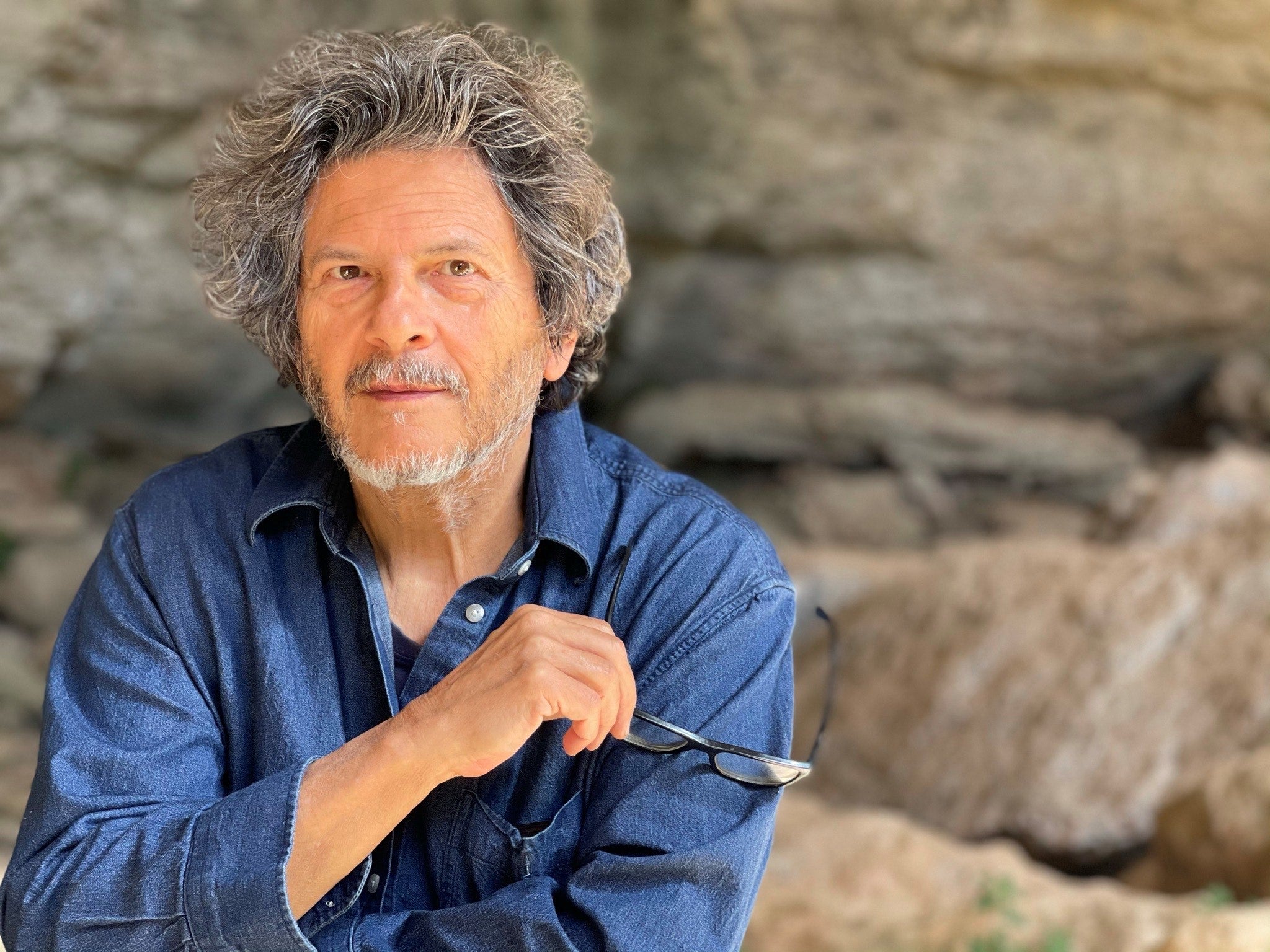
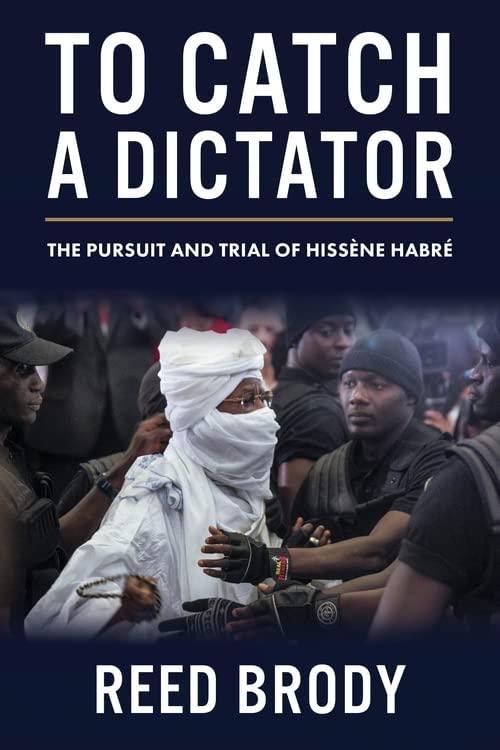
To Catch a Dictator: The Pursuit and Trial of Hissene Habre
Human rights attorney Reed Brody’s page turning book To Catch a Dictator: The Pursuit and Trial of Hissene Habre is being released in November 2022. Habre was the dictator of Chad, a landlocked country in central Africa from 1982 to 1990. He was deposed by a coup and exiled to nearby Senegal.
Attorney Reed Brody of Human Rights Watch led a coalition of human rights activists, lawyers, and victims which brought Habre to justice. The lead trial lawyer for the victims was African attorney Jacqueline Moudeina.
Habre was found guilty in a courtroom in Dakar, Senegal in May 2016 of rape, sexual slavery, torture, and the killing of over 40,000 citizens of Chad. He was the first former head of state to be convicted of crimes against humanity in the courts of another country.
We speak today with Reed Brody who worked for 18 years with Human Rights Watch alongside Hissene Habre’s victims.
Guest – Reed Brody has helped pursue dictators Augusto Pinochet of Chile, Jean Claude “baby doc” Duvalier of Haiti, and Yahya Jamaeh of Ghana. He also uncovered atrocities of US backed contras in Nicaragua, led UN missions in El Salvador, in the Congo, and exposed Bush – administration torture.
—-
Fairness and Accuracy In Election Coverage
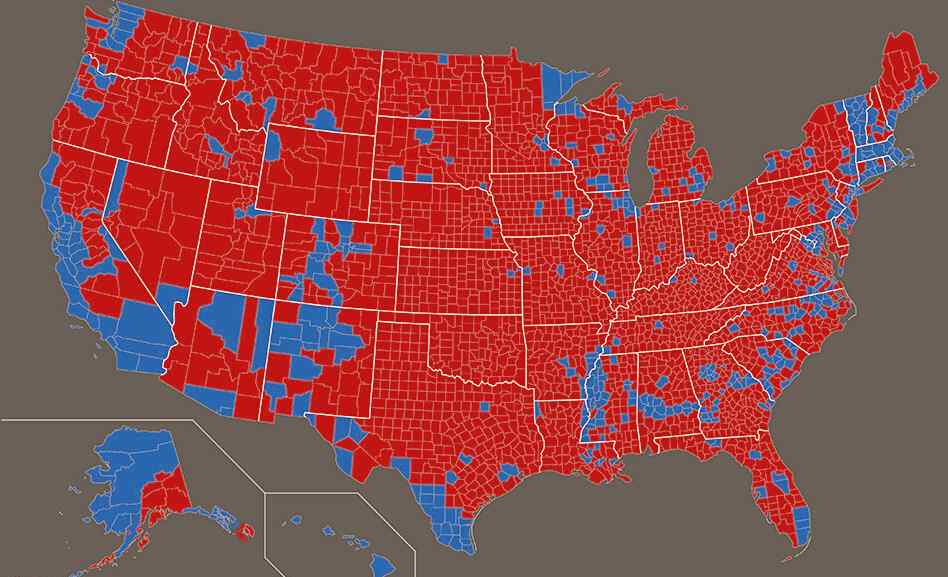
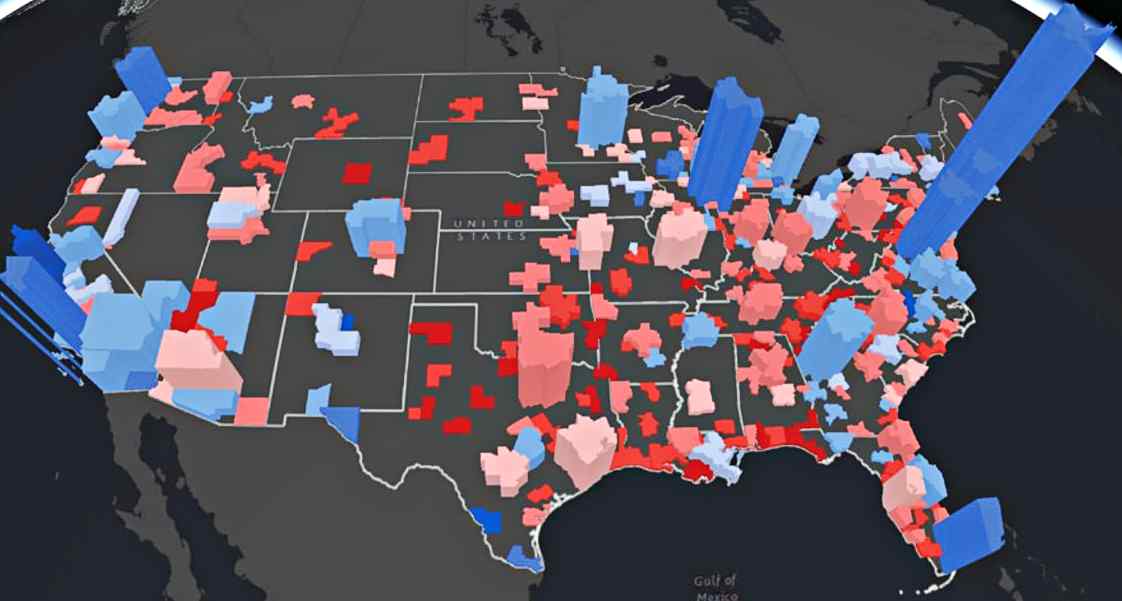
Virtually everyone agrees that the mainstream corporate media in the United States plays a major role in who wins elections. But on the right, a great many are convinced that what they characterize as the “liberal media” is not to be believed, thanks to Trump and his cries of “the lying media”, while on the left, most argue that since the mainstream media is corporate, it operates for the benefit of those candidates most likely to advance the interests of corporate America.
So today we examine the role played by the mainstream media in our elections. How truthful is its election reporting? What role does “social media” play in the electoral process? If, indeed, the mainstream media plays a role in our elections, is it, in fact, a decisive role? And if it is, how does it do that? Well, if you stay tuned, I truly believe you will be surprised by some of what you learn today. I say that because today we’ve got the perfect guest to help us examine this topic in all of its permutations. He is Norman Solomon, certainly one of America’s true champions of a free and honest press.
Guest – Norman Solomon is a longtime associate of Fairness and Accuracy in Reporting (“F.A.I.R.”), which has proved to be a powerful watchdog of the American media. Norman Solomon is the co-founder of the online activist organization RootsAction.org, and he is also the Executive Director of the Institute for Public Accuracy. He is, of course, the author of too many articles to recite here, as well as a number of books, including “War Made Easy: How Presidents and Pundits Keep Spinning Us to Death;” also, the book “Made Love, Got War: Close Encounters with America’s Warfare State.”
A Poem by Raymond Nat Turner About L.A. City Council
Hosted by Attorneys Michael Smith and Jim Lafferty
———————————–