
Welcome to Law and Disorder Radio
Law and Disorder is a weekly independent civil liberties radio program airing on more than 150 stations and on Apple podcast. Law and Disorder provides timely legal perspectives on issues concerning civil liberties, privacy, right to dissent and practices of torture exercised by the US government and private corporations.
Law and Disorder June 22, 2026
Podcast: Play in new window | Download
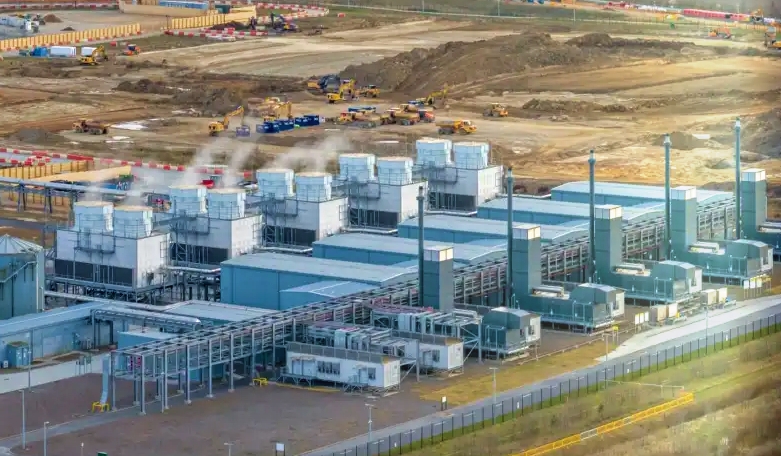
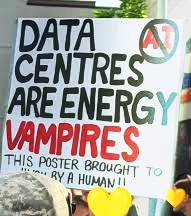
Communities Nationwide Unite Against Data Center Resource Grab
Across the nation, communities are becoming ground zero in a growing fight over data centers. The explosive growth of AI, cloud computing, and cryptocurrency has triggered a massive boom in their construction. These sprawling facilities often cover hundreds of acres and consume enormous amounts of electricity and water. Residents from Virginia to Pennsylvania, Georgia to Arizona, are asking a simple question: who benefits, and who pays the price?
The answer has sparked one of the fastest-growing grassroots movements in the nation. In the past year, local campaigns have blocked or delayed dozens of proposed centers worth billions of dollars. Citizens are challenging developers over rising electricity costs, water consumption, noise pollution, loss of farmland, and the construction of new fossil-fuel infrastructure designed to power these facilities. Nationally, more than 230 organizations have joined calls for stronger regulation and even a moratorium on new large-scale data centers until environmental and community protections are in place.
Guest – Jim Walsh, Policy Director at Food & Water Watch in Washington, DC. It’s one of the leading organizations helping coordinate community resistance to the rapid expansion of data centers. Since joining Food & Water Watch in 2009, Jim has focused on energy, climate, and public water policy. He is a prominent advocate for policies prioritizing environmental protection and community control, from campaigns to ban fracking and challenges to carbon capture projects. Jim worked has also worked with New Jersey Citizen Action and the Progressive Action Network.
—-
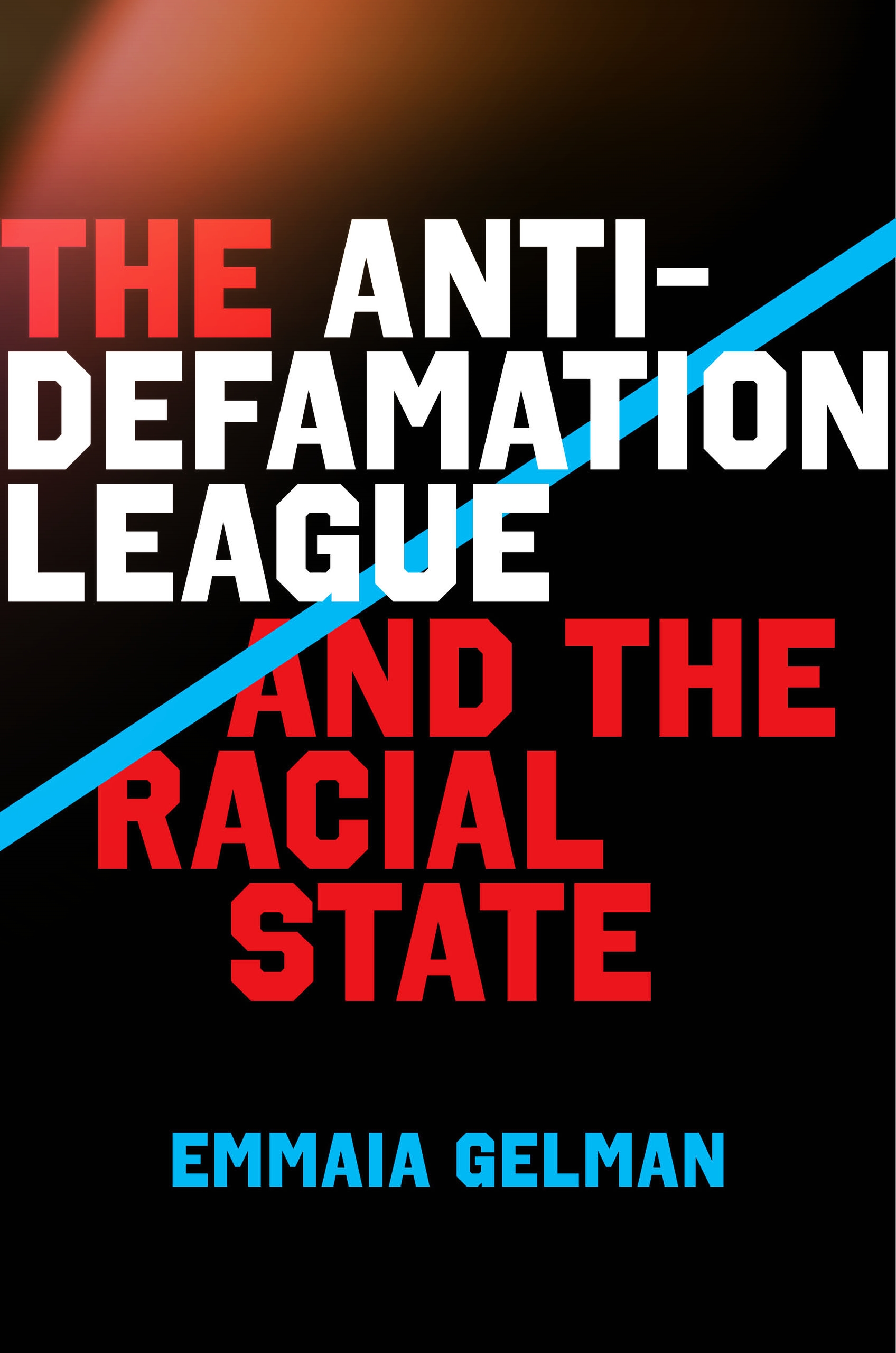
The Anti-Defamation League and the Racial State
Here at Law and Disorder we’ve been exposing how efforts that claim to be combating antisemitism have been weaponized in a concerted effort to silence criticism of Israel and demonize support for the Palestinians. One organization that is playing a leading role in these efforts is the ADL, the Anti-Defamation League.
Many people, including many Jews, may think of the ADL as a long-established civil rights organization that is known for opposing racism in general, and antisemitism, in particular. But as we’ll learn from our guest today, there’s a lot more we need to know about the ADL.
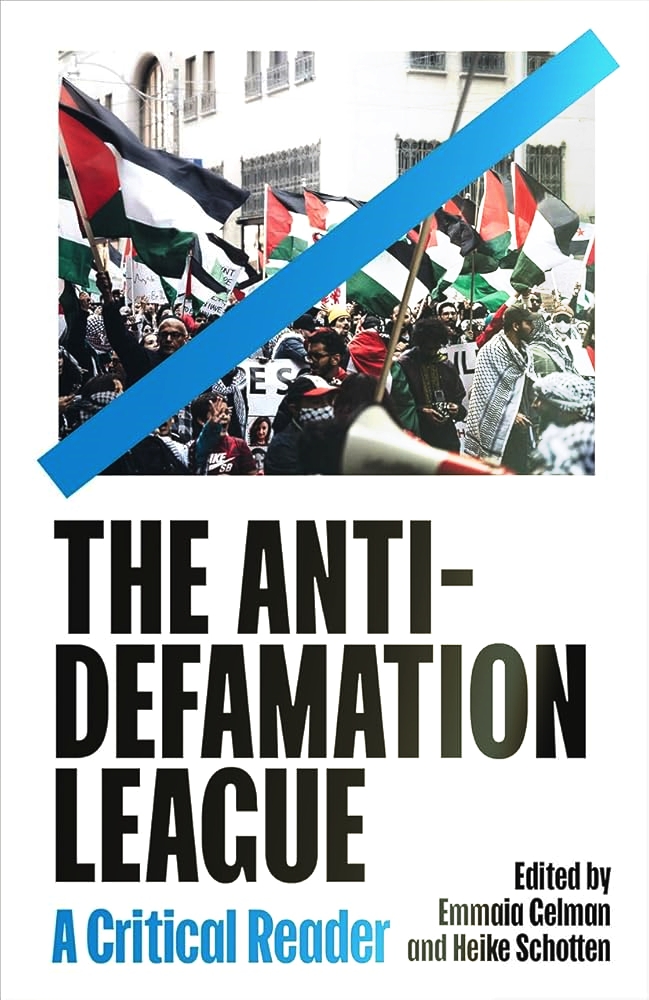
Guest – Emmaia Gelman is the author of the new book The Anti-Defamation League and the Racial State, and co-editor of The Anti-Defamation League: A Critical Reader. She also co-hosts the podcast Unpacking Zionism. Emmaia is co-chair of the American Studies Association Caucus on Academic and Community Activism, and is the founding director of the Institute for the Critical Study of Zionism, which examines the political and ideological work of Zionist institutions in Palestine and transnational contexts. She has taught social and cultural analysis at NYU and social sciences at Sarah Lawrence College. Her writing appears in Jewish Currents, Boston Review, The Forward, and elsewhere.

————————-
Law and Disorder June 15, 2026
Podcast: Play in new window | Download
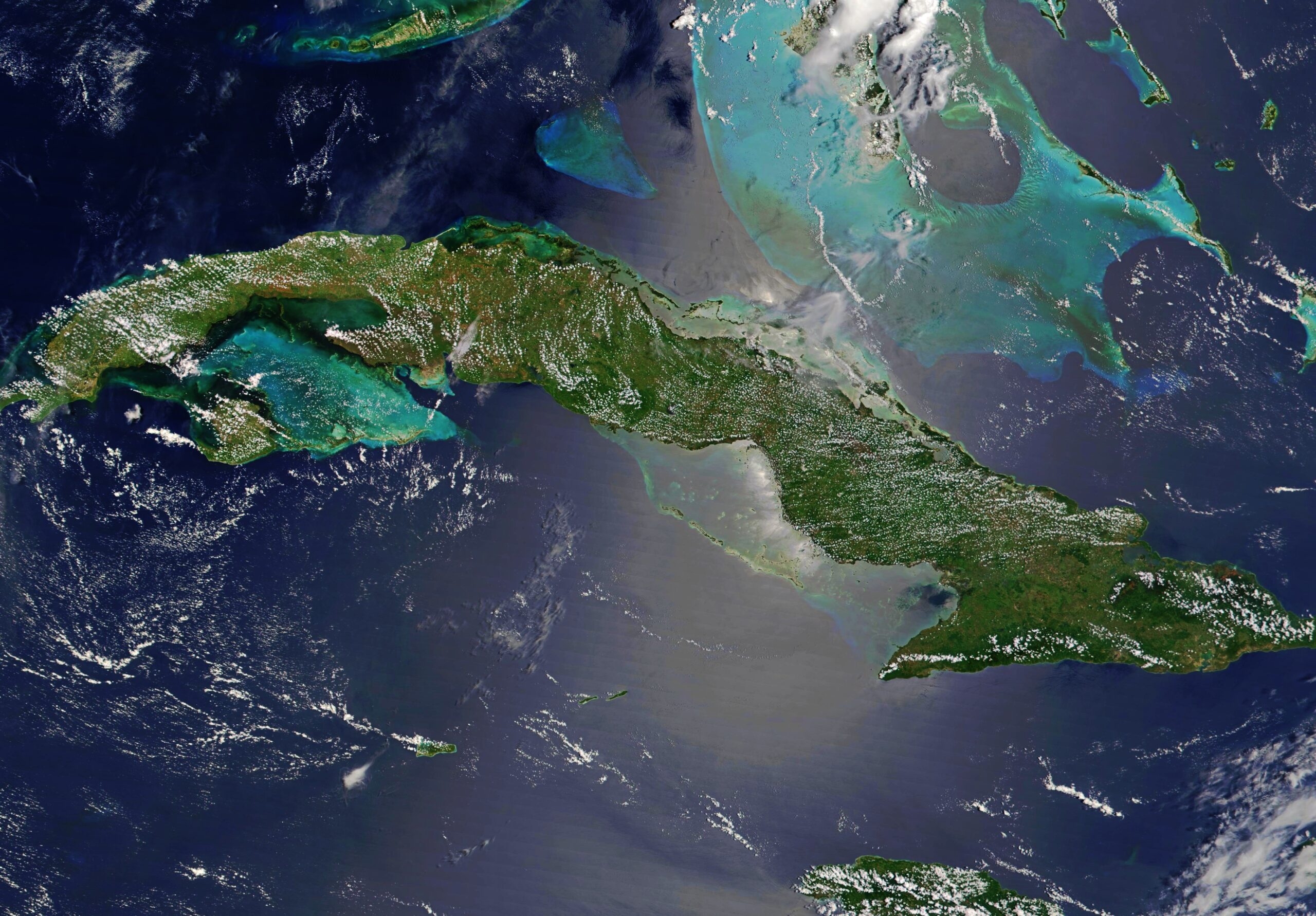
The Future of Cuba
When the Cuban revolution succeeded on January 1, 1959, it drove the American supported Batista dictator out of their country. One of the first things that the revolution government did was to create a law – which is very popular because a lot of people would have fought on the side of the revolution and benefited directly from it – to initiate a comprehensive land reform.
Previously, large tracks of land had been owned by American corporations. The average peasant worked part-time, seasonally, was not literate, and lived from hand to mouth. The revolutionary government nationalized the big properties – which was their right under international law.
Not only did it nationalize the large lands but the government told the former owners that they would be compensated for their losses. They said to the American owners “we will pay you exactly the amount you said the land was worth when you listed it for tax purposes.” The Cuban government was turned down.
In retaliation the United States, which was refining all Cuba oil in American owned oil refineries, stopped refining oil and Cuba was cut off from gasoline. What did the Cubans do? They nationalized the oil refineries, then the bus company was nationalized, the phone company was nationalized, the nickel mines were nationalized, the top levels of the economy were nationalized.
Instead of having production for profit, which is really irrational and anarchical, they had a planned economy – which is called a socialist revolution. That’s what happened very quickly to America’s surprise in Cuba. Getting that property back has been the aim of American foreign policy ever since.
Cuba has great respect and support internationally because of the example it set. It has free education, universal healthcare, inexpensive housing, wonderful art, and music and dance. The United States has aimed to overturn Cuba’s accomplishments and example. Its economic, political, and diplomatic aggression against Cuba has been relentless for 67 years. But under Trump, it’s never been worse. US-CubaNormalization.org
Guest – Ike Nahem, a founder and leader of the New York -New Jersey Cuba Si Coalition. He has organized labor and educational tours of Cuba.Mr. Nahem is a retired Amtrak locomotive engineer.
—-
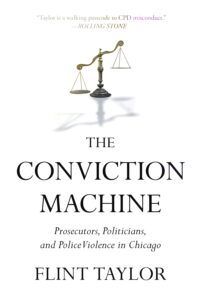

The Conviction Machine: Prosecutors, Politicians and Police Violence in Chicago
The comedian Lenny Bruce used to joke that Chicago was so corrupt. It was thrilling. He had no idea. Bruce was referring to run of the mill bribery of a traffic cop or a police officer taking your floor mats in lieu of a ticket or a pay off from a local bar owner. The corruption in Chicago ran much deeper. It went from the prosecutors who were actually in the police station, listening to the screams of men being tortured, before they went and took a signed confession from them.
It was the commander of a whole section of police who learned how to torture people from a tour of duty in Vietnam. He brought back an electric machine that they had actually used in Vietnam Vietnamese. This machine was used on Black people in Chicago. Three hundred people were convicted on the basis of tortured confessions. The corruption ran all the way up to the mayor’s office. Mayor Richard J Daily knew about it and said nothing.
It was only the work of a few attorneys like Flint Taylor and the community, the Black Panther party, and activists and progressive politicians who exposed it. Their victory included reparations, The torture of people in police stations on the west side and southside of Chicago is now taught to eighth grade and 10th graders in the public schools.
“In the halls of justice the only justice is in the halls“ said H. Rap Brown, the leader of the Student Nonviolent Coordinating Committee (SNCC)
Guest – Flint Taylor, a founding member of Chicago’s Peoples Law Office. He represented the families of slain Black Panther leaders Fred Hampton and Mark Clark. He continues to represent many survivors of police torture and wrongful convictions. Attorney Taylor is co-counsel in the Malcolm X assassination case and is the award-winning author of the historical memoir “The Torture Machine“. Flint’s book is a captivating account of the most corrupt and blood soaked chapter In Chicago law-enforcement history.
——————-
Law and Disorder June 8, 2026
Podcast: Play in new window | Download
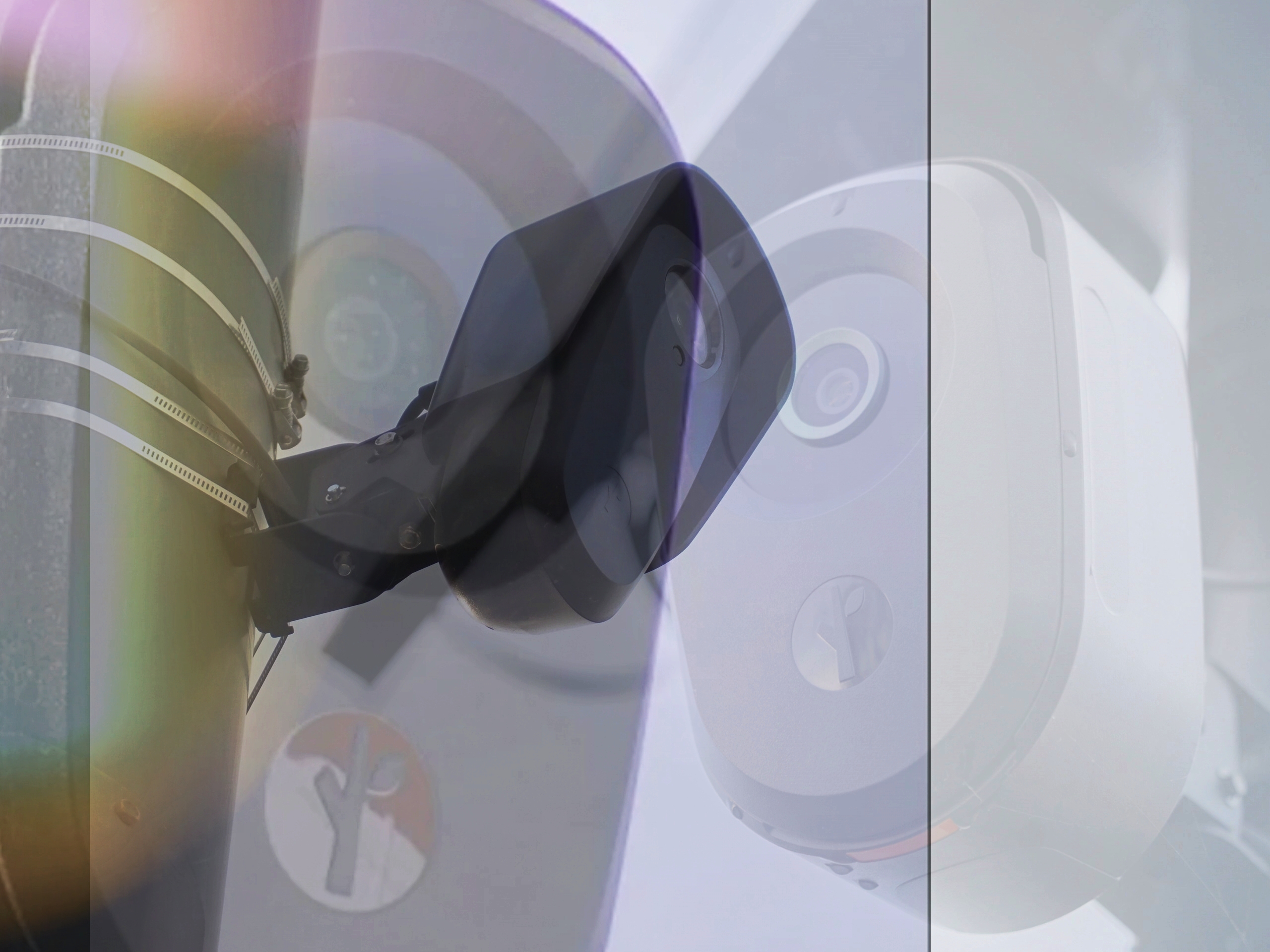
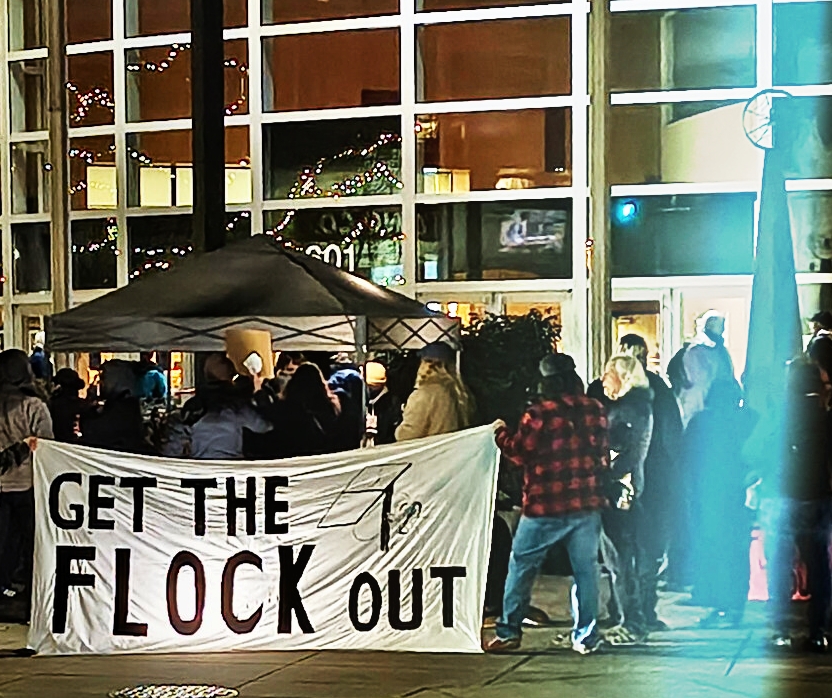
Cities Cancel Flock Camera Agreements After Brazen Privacy Breaches
In 2025, something shifted in the long, largely one-sided battle over surveillance technology in American cities. The Atlanta-based company Flock Safety sells AI-powered license plate readers, or ALPRs, to thousands of police departments. Last year, they started losing. At least two dozen cities and counties cancelled, rejected, or terminated Flock contracts after local communities organized and said no.
In Austin, more than 30 community groups formed a coalition that forced the city to cancel its contract. The city government of Cambridge, Massachusetts, terminated its agreement after catching Flock installing cameras without permission. In Evanston, Illinois, an audit revealed that cameras were quietly feeding data to federal immigration enforcement. The pattern is the same: surveillance sold as a public safety tool is covertly repurposed in ways communities never approved. At the center of this movement is Fight for the Future—the primary digital rights nonprofit running the Flock Out campaign opposing Flock’s80,000+ AI-powered ALPRs.
Guest – Reem Suleiman, Senior Campaign Director at Fight for the Future. She previously served as the U.S. advocacy lead for the Mozilla Foundation, and was an original member of the Oakland Privacy Advisory Commission, working to safeguard civil liberties against surveillance technology. FlockOut.org
—-
Prairieland Texas Case Update
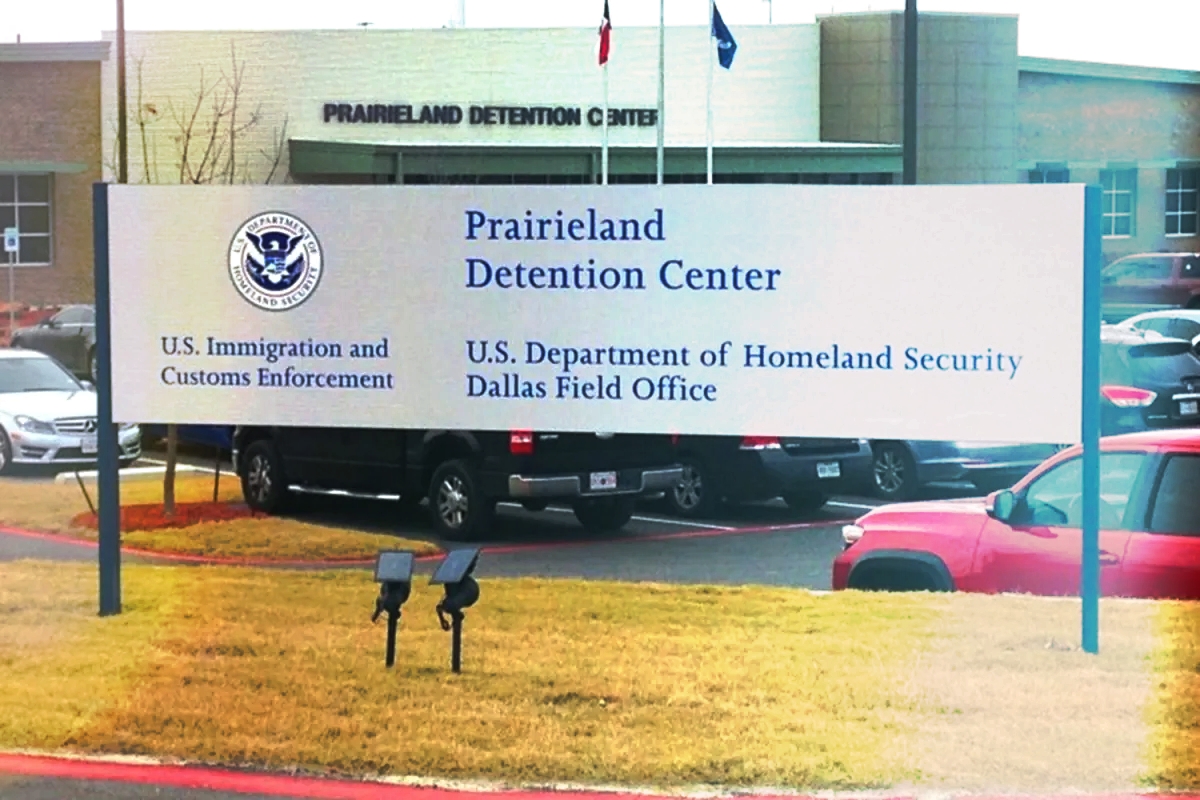
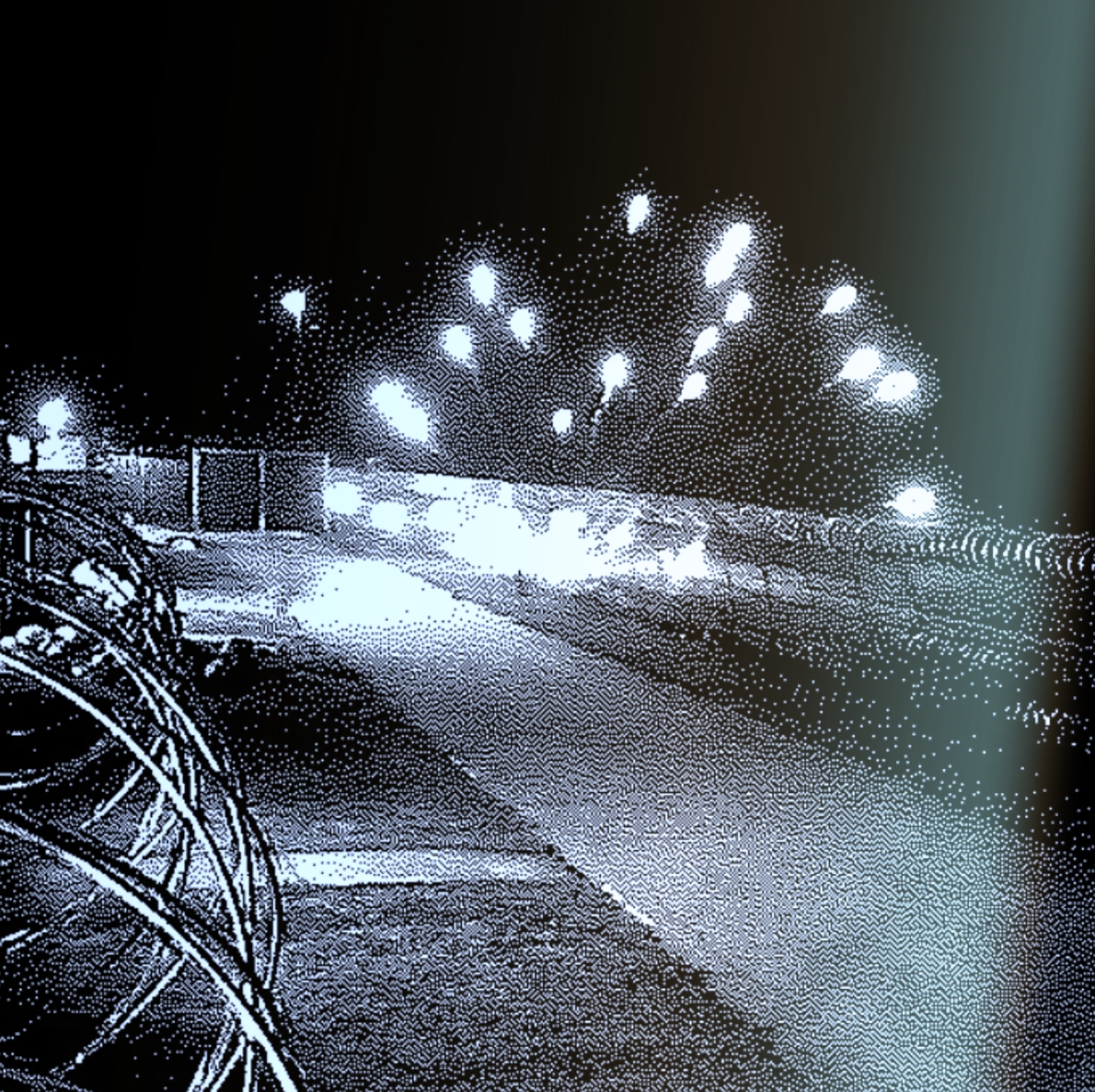
The Prairieland cases have been grinding through both state and federal courts since a noise demonstration nearly one year ago. The demo was in solidarity with detainees at the Prairieland ICE Detention Center in Alvarado, Texas, in early July 2025. It ended when an Alvarado Police Department officer arrived on the scene and became involved in a gunfire exchange. He allegedly sustained minor injuries—though the prosecution has withheld his medical records. What followed has become the nation’s first federal “Antifa” trial, with 22 defendants now facing a combination of state and federal charges, most of them held on bonds as high as $15 million.
In recent weeks, there have been new developments on multiple fronts: a third indictment of defendant Dario Sanchez over allegations that he removed people from group text chats, the quiet indictment of three additional defendants that defense teams say went unannounced, and an approaching trial date that has already been delayed twice. Today we’ll get an update on the cases and what the road ahead looks like for the Prairieland defendants.
Guest – Xavier de Janon is a criminal defense attorney and the Mass Defense Director at the National Lawyers Guild, where he provides protest defense and support for the right to dissent. Based in North Carolina, Xavier also represents individuals in politically motivated cases across the South.
—————————