Welcome to Law and Disorder Radio
Law and Disorder is a weekly independent civil liberties radio program airing on more than 150 stations and on Apple podcast. Law and Disorder provides timely legal perspectives on issues concerning civil liberties, privacy, right to dissent and practices of torture exercised by the US government and private corporations.
Law and Disorder November 14, 2022
Podcast: Play in new window | Download
Israel Authorizes Military to Kill Palestinians With Drones
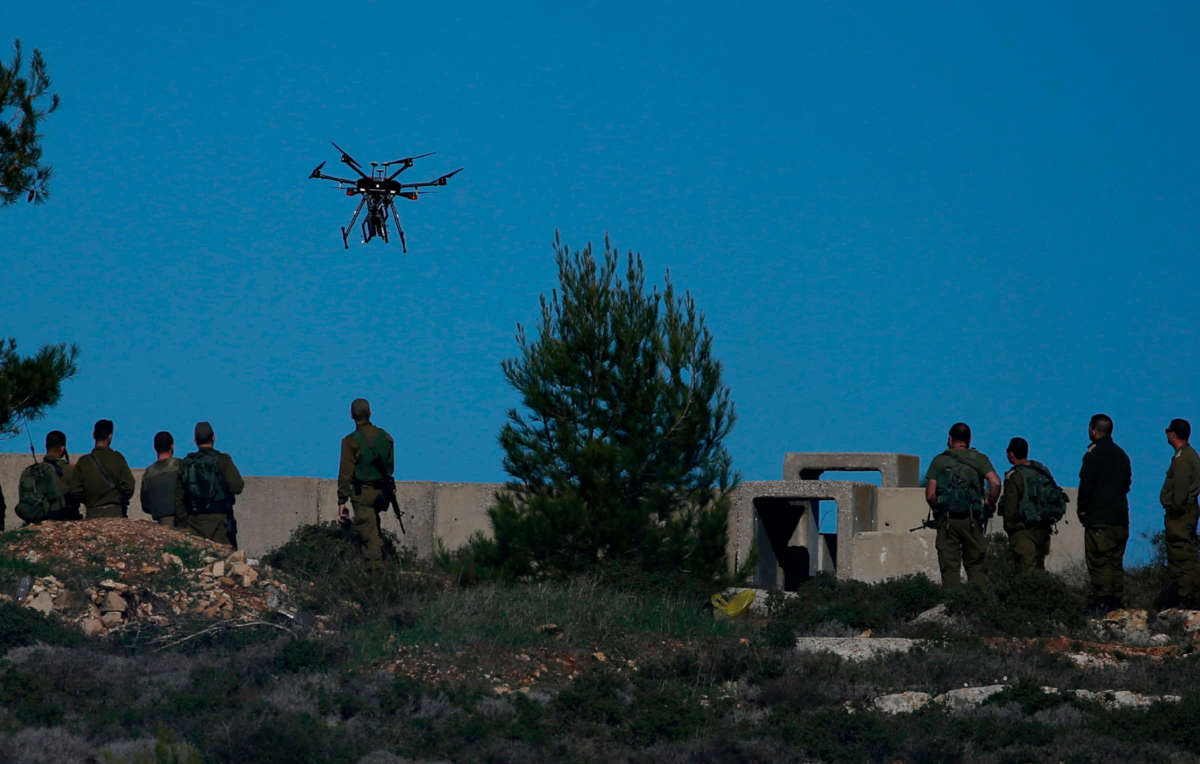
In October, the Israeli government announced that commanders of the Israeli Occupying Forces have been authorized to use armed drones to kill Palestinians in several parts of the occupied West Bank, with the approval of Chief of Staff-Lt. Gen. Aviv Kohavi.
Since 2008, the Israeli Air Force has been killing Palestinians in Gaza with drones, especially during protests against the Annexation Wall and colonies. Drones have also been used to fire gas bombs and live rounds at residents in cities, towns, and refugee camps of occupied Jerusalem. Drones are employed for surveillance, but this is the first time that weaponized drones will be used in the occupied West Bank. Drones make up 80% of the total flight hours in the Israeli Air Force.
Here to discuss this disturbing development is our own Marjorie Cohn, who recently published an article in Truthout titled Israel Authorizes Military to Kill Palestinians With Drones in the West Bank.
Guest – Attorney Marjorie Cohn is a legal and political analyst who provides commentary on local, national and international media. She is professor emerita at Thomas Jefferson School of Law, a member of the bureau of the International Association of Democratic Lawyers and the board of Veterans for Peace. Her most recent book is “Drones and Targeted Killing: Legal, Moral, and Geopolitical Issues.”
—-
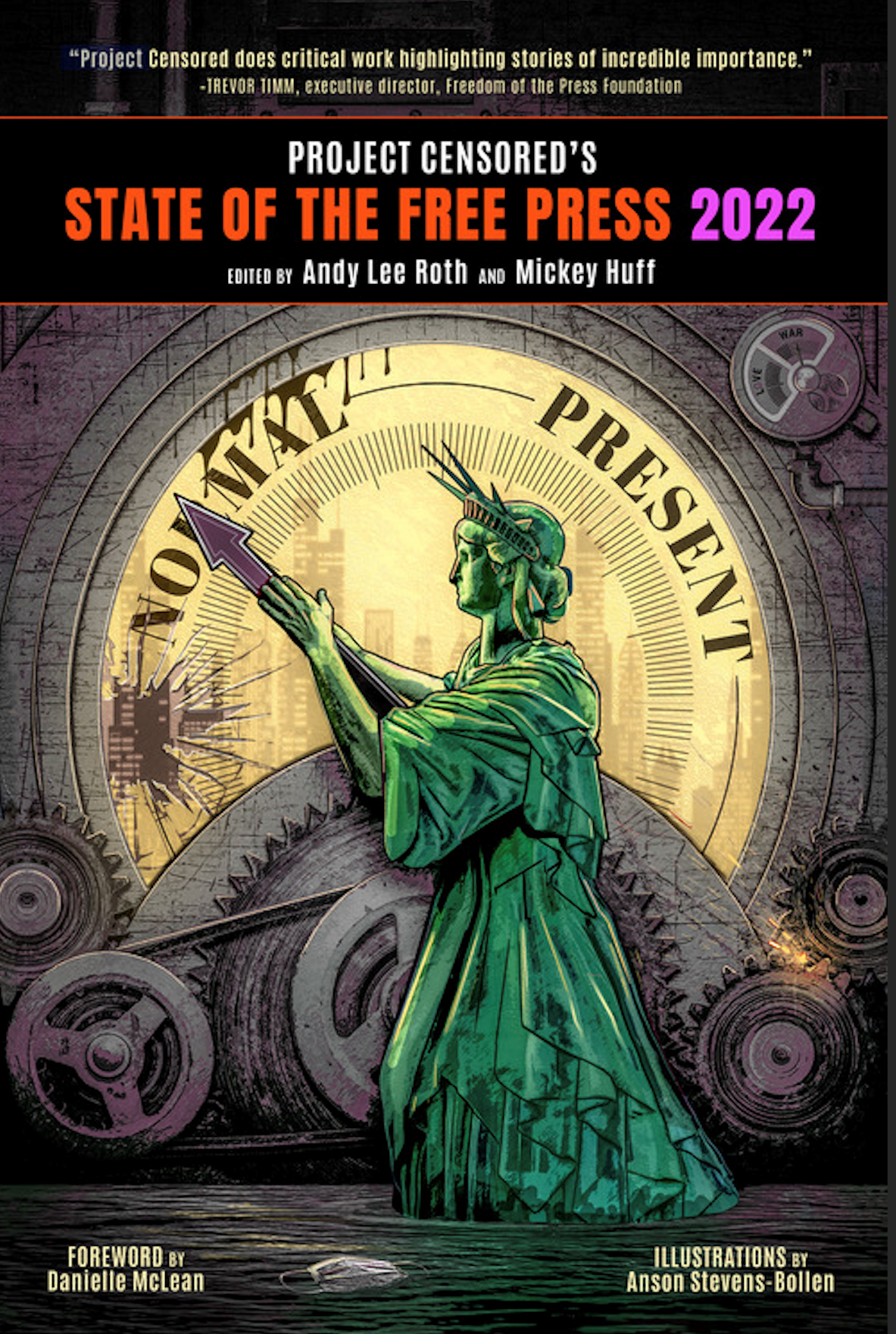
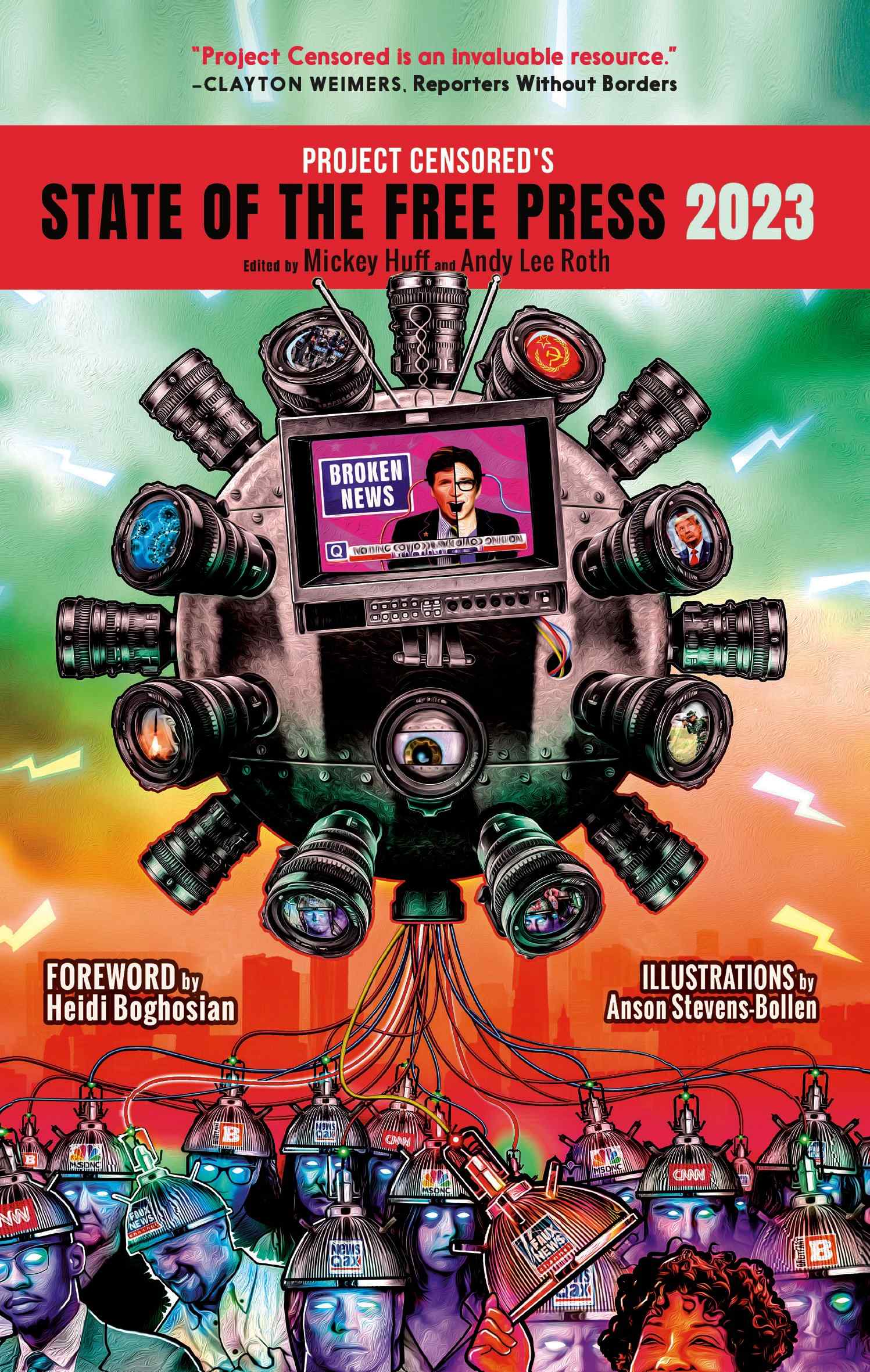
State Of The Free Press: The News That Didn’t Make the News And Why 2023
The United States has a disinformation problem so endemic that the government says it threatens our national security. Effective solutions have proven elusive. When the Department of Homeland Security created a disinformation board in April, critics from all sides denounced it as a potential tool of censorship. That’s no surprise given that censorship is on the minds of many. During the past school year, more than 1,600 books were banned, according to a PEN America report. And the “cancel culture” movement teeters between a tool of accountability and outright shaming, often with little regard for the truth.
Since 1976, one group has been working to raise awareness about censorship in our society, and the urgent need for media literacy. Founded as a media research program, Project Censored focused on student media literacy and critical thinking skills as applied to the US news media. In 1993, the Project began publishing an annual book with a list of what it considered the most significant but most under-reported news stories of the year.
Dr. Andy Lee Roth is associate director of Project Censored. Along with Mickey Huff, he co-edits the State of the Free Press Yearbook series. He also helps coordinate the Project’s Campus Affiliates Program, which links students at faculty at several dozen US college and university campuses in the collective effort to identify and vet important but under reported news stories.
Guest – Andy Lee Roth joins us to talk about the 2023 edition of State Of The Free Press: The News That Didn’t Make the News and Why, that will hit bookstores in December. In addition, the Censored Press and Triangle Square Books for Young Readers recently published The Media and Me. It contains critical thinking skills, practical tools and real-life perspectives, intended to help young adult readers become independent media users.
Hosted by Attorneys Heidi Boghosian and Marjorie Cohn

—-
Law and Disorder November 7, 2022
Podcast: Play in new window | Download
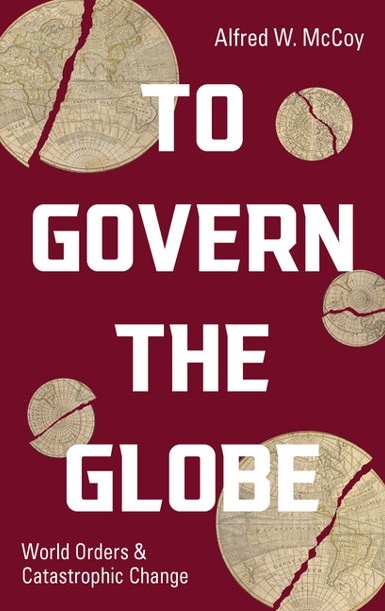
To Govern the Globe: World Orders and Catastrophic Change
Today we speak with University of Wisconsin history professor Alfred McCoy about his new book “To Govern the Globe: World Orders and Catastrophic Change.” The United States of America has been governing the globe now for 80 years, since World War II. This is about to end. By 2030, China will have the world’s largest economy and hold more riches than the U.S., which is deeply in debt.
The America we know will change drastically as a world power just as the previous world powers, the British, and before them the Dutch, and before them the Spanish and the Portuguese, all saw their empires end.
Climate change will upend the world. It has already started. The effects of climate change on the population of the world, especially China, will be catastrophic. The great coastal city of Shanghai, where 18 million people reside, will sink, uprooting millions of the 400 million Chinese people in the North China Plain.
What can we learn from the demise of the great world powers in the past? Where is the United States headed and how soon? What might be done to ameliorate this dire future? Only a prodigious historian could undertake to answer these questions.
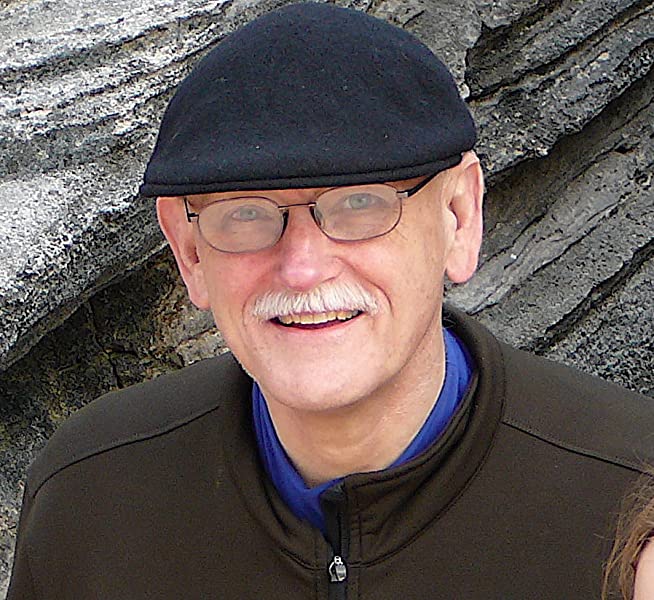
Guest – Alfred W McCoy holds the Fred Harvey Harrington chair of history at the University of Wisconsin. He has written 20 books, including “The Politics of Heroin in Southeast Asia,” for which he became well-known, and recently, “In the Shadows of the American Century.”
—–
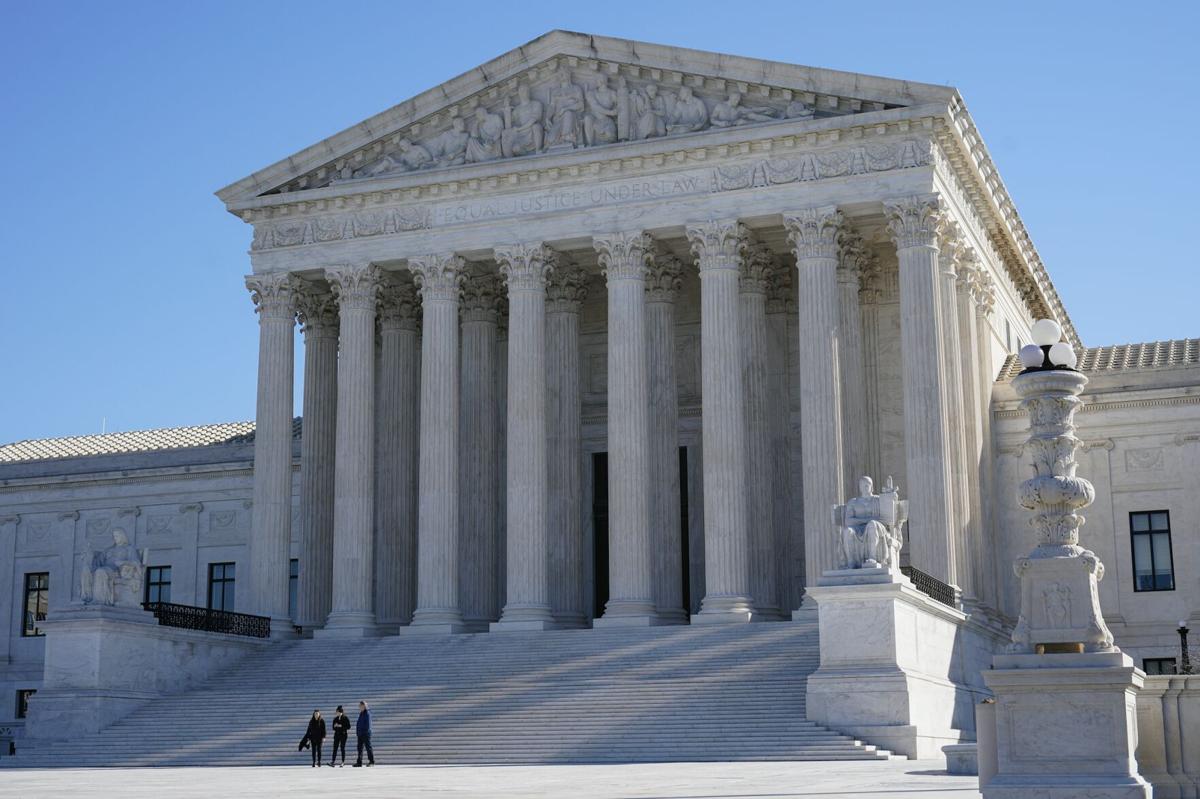
The Federalist Society, Charles Koch, The Bradley Foundation and The U.S. Supreme Court
The nation is still reeling from the Trump administration’s assaults to the rule of law, and their ripple effects on democratic institutions. But these attacks were the result of strategic planning over decades, and the handiwork of networks of well-funded think tanks and lobbyists. Some of the country’s richest and most conservative individuals are, with so-called Dark Money, anonymously supporting these efforts.
Chief among these forces is the Federalist Society. Not well known until recently, the Society has worked quietly since the Reagan administration to overhaul the Supreme Court into a bastion of conservatism. Enriched with Dark Money, it’s had an outsized impact on the composition of the federal and the Supreme Court. Recently, we’ve witnessed how hard-fought social gains of the 20th century have been taken away from Americans, and landmark Supreme Court decisions have been overruled such as Roe v. Wade and a woman’s right to reproductive freedom, and Lemon v. Kurtzman, guaranteeing the separation of church and state.
Guest – Attorney Lisa Graves, is the founder, director, and editor-in-chief of True North Research. Her analysis of such research has been cited by every major newspaper in the country. She has served as a senior advisor in all three branches of government. Lisa served as chief counsel for the US Senate Judiciary Committee for Senator Patrick Leahy. She was also a career deputy assistant attorney general the US Department of Justice. Lisa has spent the past 12 years examining the impact of dark money on judicial selection.
Hosted by Attorneys Michael Smith, Marjorie Cohn and Heidi Boghosian
—————————————————-
Law and Disorder October 31, 2022
Podcast: Play in new window | Download
Project Blueprint: Haiti
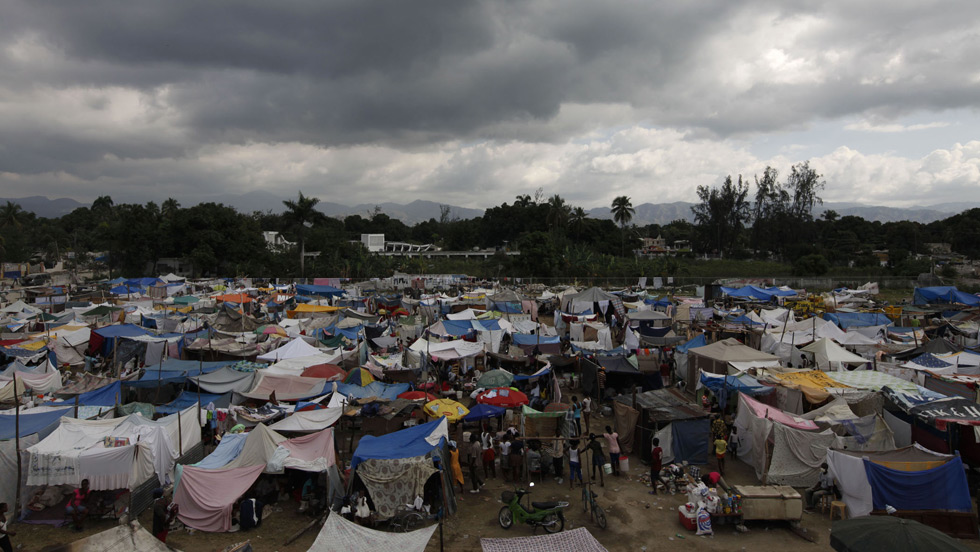
Haiti is a nation in crisis, spiraling out of control since last year’s assassination of its president, Jovenet Moise. The government has cratered, and 200 violent gangs have seized control. There’s no fuel, and food and water are hard to come by. Businesses and schools are shuttered and hospitals, banks, and grocery stores teeter on the brink of closure. Clean water is scarce, and Haiti faces another cholera outbreak. An estimated one million people are starving in the middle of Haiti’s biggest city. Kidnappings, human trafficking, homicides and sexual and gender-based violence are rampant.
Last week, the UN Security Council unanimously adopted a resolution demanding an immediate end to violence and criminal activity in Haiti. It calls for sanctions on groups and individuals threatening peace and stability in the impoverished nation. The sanctions resolution implicated Jimmy “Barbecue” Cherizier, whose gang has blockaded a central fuel terminal. Cherizier is a former police officer leading a group of gangs known as the G9 Family and Allies. He now faces asset freeze, an arms embargo and a travel ban.
Institute For Justice and Democracy In Haiti
Guest – Human rights attorney Brian Concannon, Executive Director of Project Blueprint, and the founder and former Executive Director of the Institute for Justice and Democracy in Haiti. Brian has been qualified as an expert witness on conditions in the country of Haiti in more than 40 cases in courts both in the United States and Canada.
—-
A Century of Repression: The Espionage Act and Freedom of the Press
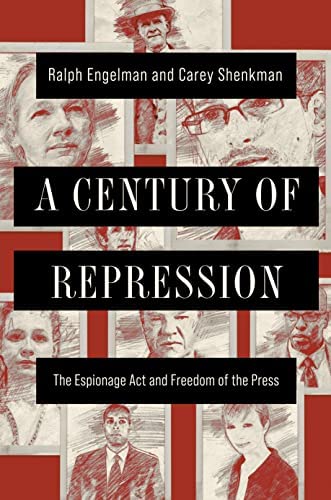
For more than a century, the 1917 Espionage Act has been used by the United States government to target critics of its foreign and military policy. From suppressing criticism of U.S. participation in World War I to present-day attempts to silence whistleblowers, political dissidents and journalists who expose our nation’s war crimes, the Espionage Act is a dangerous weapon in the federal government’s legal arsenal. It has been employed to limit freedom of speech, freedom of the press, and freedom of information.
In their new book, A Century of Repression: The Espionage Act and Freedom of the Press, Ralph Engelman and Carey Shenkman trace the use of the Espionage Act against Eugene Debs, Daniel Ellsberg, Edward Snowden, Chelsea Manning and Julian Assange, among others. During World Wars I and II, the Act was primarily directed at political opposition to government policies. During the Cold War, it was used to criminalize leaks, manipulate the flow of information, and mold public opinion. And during the “War on Terror,” the Act has been used as a means to combat digital disclosure and journalism.
Journalist Julian Assange, founder and publisher of WikiLeaks, is currently locked up in a maximum security prison in London while the Biden administration attempts to have him extradited to the United States to stand trial on Espionage Act charges that could result in 175 years in prison. The basis for the indictment against him is WikiLeaks’ revelation of U.S. war crimes in Iraq and Afghanistan.
Guest – Carey Shenkman is a constitutional lawyer and litigator focusing on freedom of expression, transparency and technology. He serves on the panel of experts at Columbia University’s Global Freedom of Expression Program, and consults on media rights issues before the United Nations and around the world.
Hosted by Attorneys Heidi Boghosian, Marjorie Cohn and Julie Hurwitz
————————————–