Welcome to Law and Disorder Radio
Law and Disorder is a weekly independent civil liberties radio program airing on more than 150 stations and on Apple podcast. Law and Disorder provides timely legal perspectives on issues concerning civil liberties, privacy, right to dissent and practices of torture exercised by the US government and private corporations.
Law and Disorder September 27, 2021
Podcast: Play in new window | Download
- Alarming Growth In Urban Homeless: Commentary by Attorney Jim Lafferty
—-


Judge Rules Attorney Donziger Guilty of Six Contempt Charges; Faces Jail Time
Steven Donziger, who listeners will recall has been embroiled in a decades long fight against Chevron over their pollution in the Amazon rainforest the size of Rhode Island, was found guilty this July of criminal contempt by US district judge Loretta Preska. She ruled that Steven was guilty of six contempt charges for refusing to turn over evidence in a complex legal case that has pitted the lawyer directly against Chevron.
In a 245-page judgement, Judge Preska said Steven had “repeatedly and willfully” defied court orders adding that “it’s time to pay the piper,” with Steven facing six months in jail.
It has now been two years since Steven has been wearing a monitoring bracelet and under house arrests in his NYC home. He said he expected the decision and will appeal.
In 2016, US judge Lewis Kaplan granted Chevron seizure of the lawyer’s laptop and phone. When Steven appealed, he was slapped with the contempt charges and placed under house arrest.
Judge Preska’s judgment explicitly denies the lawyer has been the victim of a conspiracy, however. “Contrary to Mr Donziger’s assertion that his conviction was ‘pre-ordained’, the court finds him guilty on each count for one reason and one reason only: Mr Donziger did that with which he is charged. Period,” she wrote.
Guest – Attorney Martin Garbus, one of three pro bono lawyers representing Donziger in an attempt to get his law license restored. Garbus has a long and distinguished career as a civil rights and first amendment litigator. Attorney Martin Garbus has represented Nelson Mandela, Daniel Ellsberg, and Cesar Chavez and worked in Rwanda, China, and the Soviet Union, among other countries.
—-
Samuel Moyn’s Unprincipled Attack on Human Rights Giant Michael Ratner is Shameful
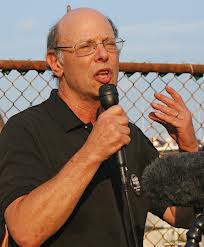
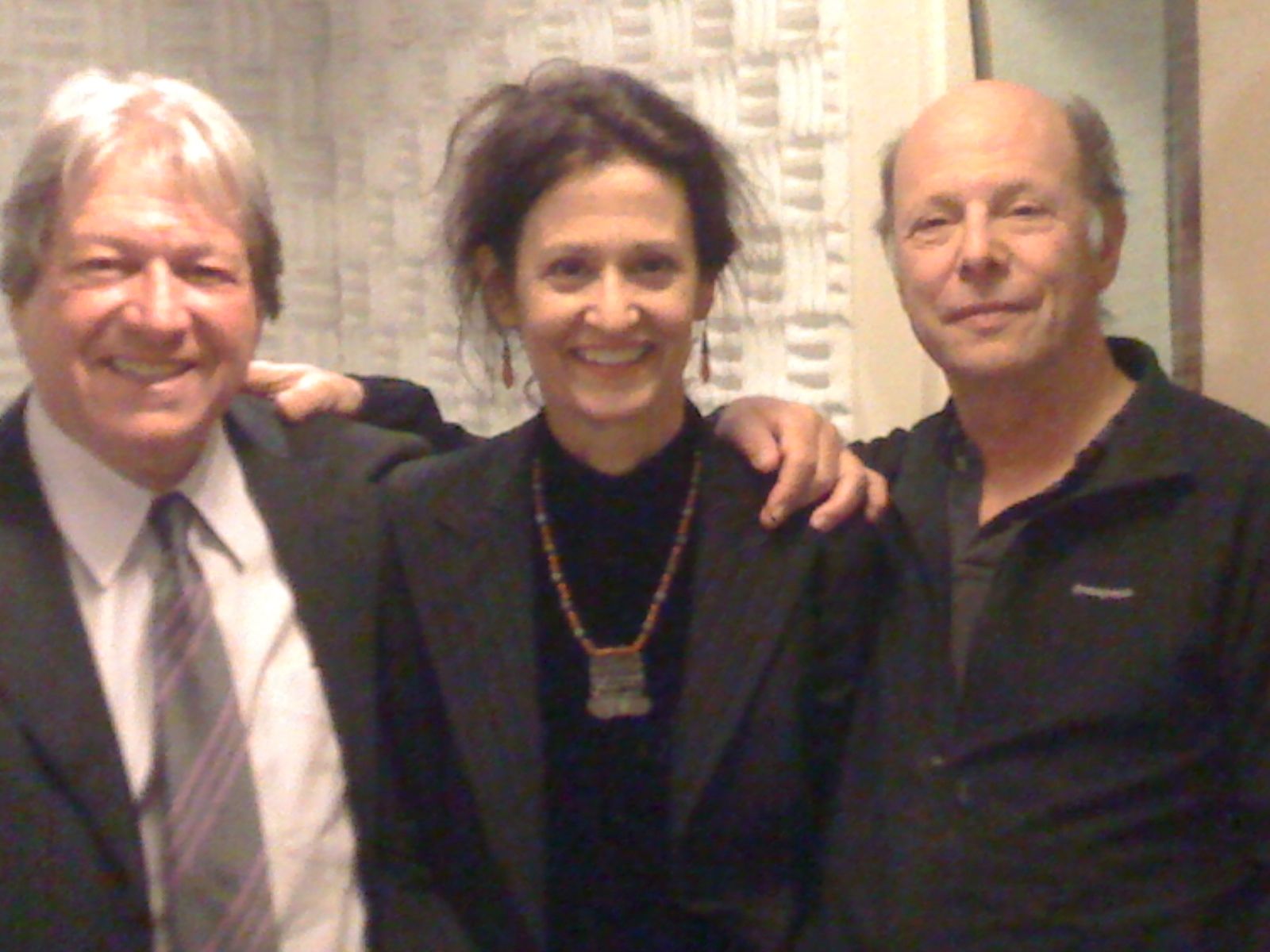
A controversy was ignited two weeks ago when the New York Review of Books published an article by Yale Law Professor Samuel Moyn. The article singled out human rights attorney Michael Ratner, the cofounder of Law Disorder Radio. Ratner was the longtime president of the Center for Constitution Rights. He died five years ago. Professor Moyn uses him as a whipping boy to support his bizarre theory that punishing war crimes prolonged the wars in the Middle East by making them more palatable.
Professor Moyn disingenuously claims that enforcing the conventions against torture and opposing illegal war are mutually exclusive.
Moyn’s book Humane: How the United States abandoned Peace and Reinvented War was recently published. It was a chapter from this book that appeared in the New York Review of Books. Moyn makes the false and astonishing claim that “no one perhaps has done more than Ratner to enable a novel sanitize version of permanent war.”
Moyn wrote that Ratner and the CCR prolonged the Middle Eastern wars by suing the Bush- Cheney administration to stop them from abolishing the right of habeas corpus for Muslims the American government had imprisoned on its offshore prison in Guantánamo. The right of habeas corpus is ancient. It allows for a person held by the government to be informed of the charges against him, to be allowed to have a lawyer, and to be given a trial.
Guest – Marjorie Cohn, former criminal law defense attorney and professor emeritus at the Thomas Jefferson school of Law. She was the past president of the National Lawyer Guild and is a member of the bureau of the International Association of Democratic Lawyers. Professor Cohn has published four books about the war on terror. Last week she had published an article in the prestigious online magazine Jurist titled Samuel Moyn’s Unprincipled Attack on Human Rights Giant Michael Ratner is Shameful.

———————————————-
Law and Disorder September 20, 2021
Podcast: Play in new window | Download
—-
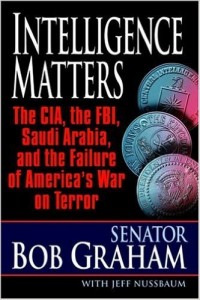
Intelligence Matters: The CIA, the FBI, Saudi Arabia, and the Failure of America’s War on Terror
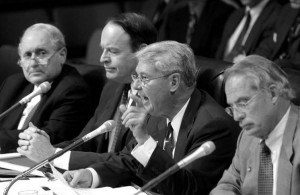
Retired Florida U. S. Senator Bob Graham was the head of the US Senate intelligence committee and also the chairman of the 9/11 commission of inquiry. He is the leading person trying to get President Obama to release to the public the suppressed 28 pages of the 911 report which have been hidden. Senator Graham contends that the 19 hijackers, 15 of whom who were Saudi Arabians, could not have pulled off the operation alone and that in fact they were part of a support network involving the Saudi Arabian monarchy and government which helped plan, pay for and execute the complicated 911 plot which, says Senator Graham, would have otherwise been impossible to accomplish. Senator Graham has written the book Intelligence Matters: The CIA, the FBI, Saudi Arabia, and the Failure of America’s War on Terror. It provides a candid insight to the workings of the US in Saudi relations and their implications on US foreign-policy making as it pertains to the middle east and bags tension, contemporary geopolitics.
Guest – Senator Bob Graham, is the former two–term governor of Florida and served for 18 years in the United States Senate. This is combined with 12 years in the Florida legislature for a total of 38 years of public service. As Governor and Senator, Bob Graham was a centrist, committed to bringing his colleagues together behind programs that served the broadest public interest. He was recognized by the people of Florida when he received an 83% approval ranking as he concluded eight years as Governor. Bob Graham retired from public service in January 2005, following his Presidential campaign in 2004.
—-
“I Have Nothing to Hide” and 20 Other Myths About Surveillance and Privacy
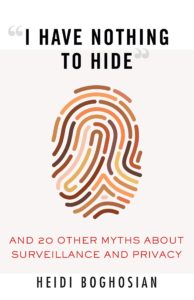
Should we give up our privacy all together because we think we have nothing to hide? This is the perhaps the most pervasive of the myths about surveillance and privacy that Heidi Boghosian explores in her new book titled I Have Nothing to Hide and 20 Other Myths About Surveillance and Privacy.
Other popular misconceptions detailed in the book include the notion that surveillance makes the nation safer, no one wants to spy on kids, police don’t monitor social media, metadata doesn’t reveal much about me, Congress and the courts protect us from surveillance, and there’s nothing I can do to stop surveillance.
Privacy is a fundamental right, and one that we often take for granted in the digital era. In her new book from Beacon Press, Heidi debunks some of the reasons these myths have evolved and why we unquestioningly believe them. She warns of the dangers they present to our freedoms and suggests ways to protect ourselves from the government and corporations.
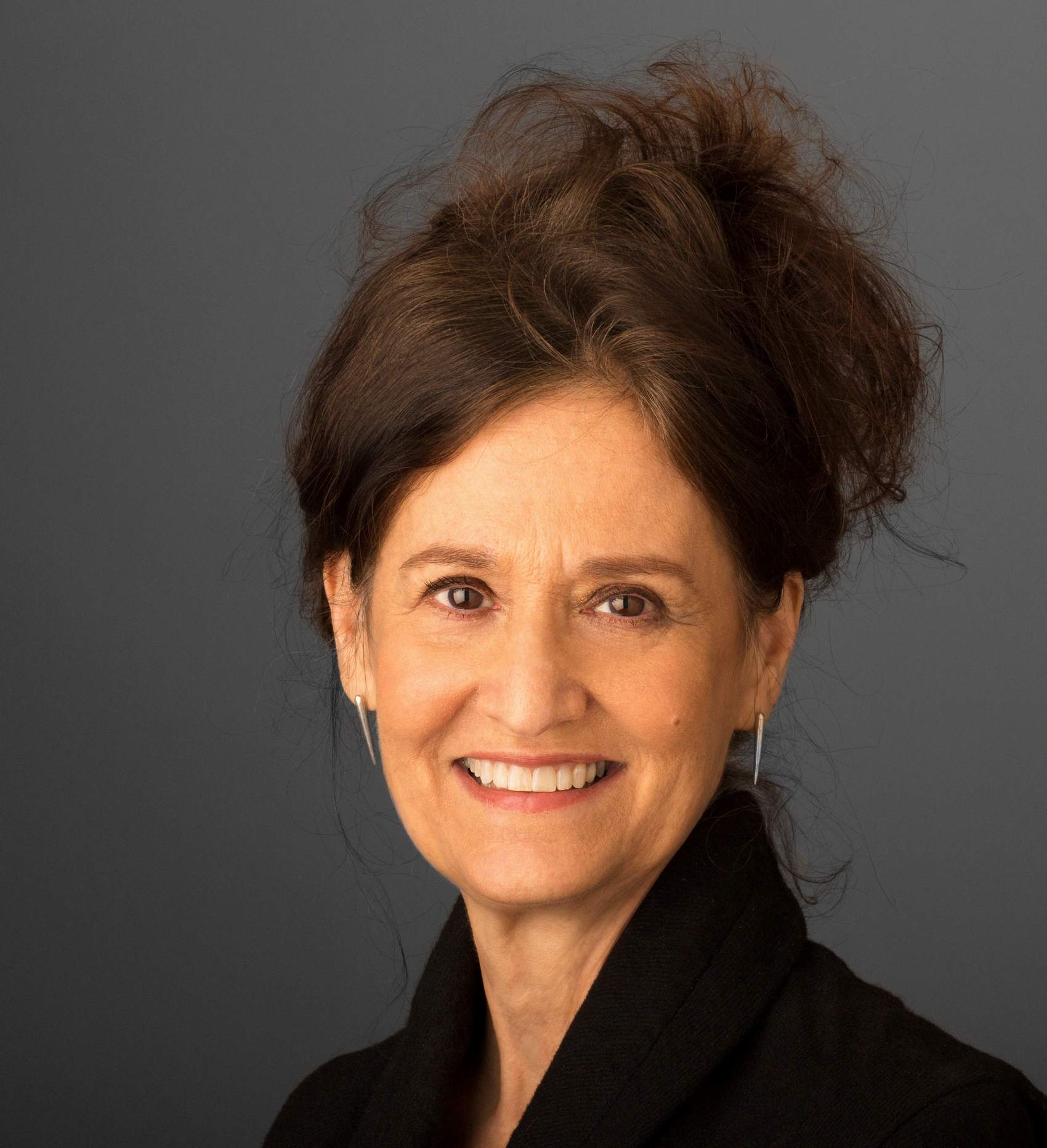
Guest – Attorney Heidi Boghosian is a New York City attorney, activist, and nonprofit director. She currently runs the A.J. Muste Memorial Institute, a charitable organization providing support to activist organizations. Before that she was executive director of the National Lawyers Guild. Her book I Have Nothing to Hide: And 20 Other Myths About Surveillance and Privacy was published in July 2021 (Beacon Press) and her earlier book Spying on Democracy was published in 2013.
————————————————-
Law and Disorder September 13, 2021
Podcast: Play in new window | Download
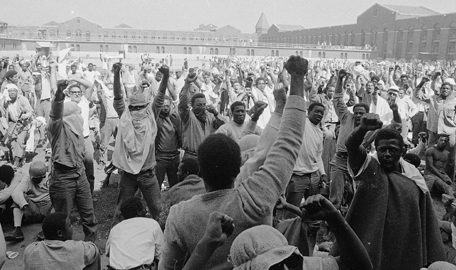
50th Anniversary Of The Attica Prison Uprising
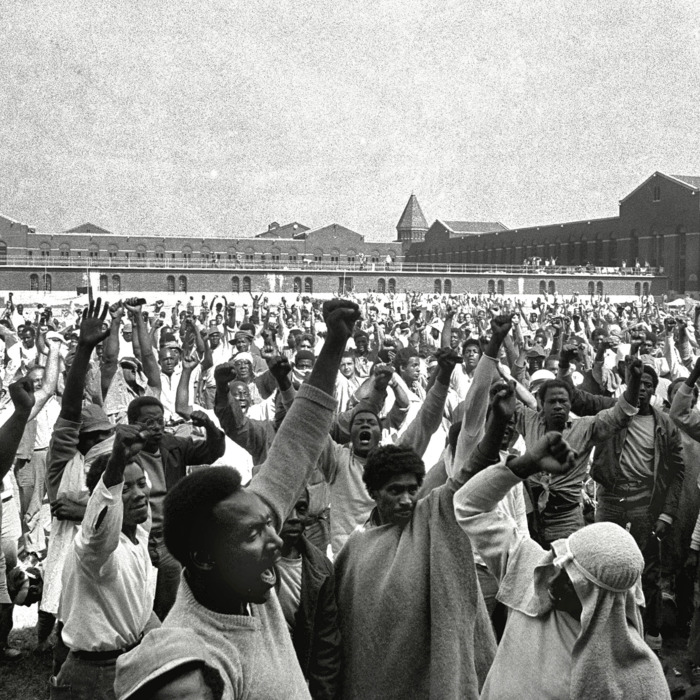
September 9th marks the 50th anniversary of the Attica prison uprising and the subsequent massacre by New York State police and prison guards. The rebellion at Attica prison, a medieval looking place near Buffalo New York, began on September 9, 1971 and ended four days later with governor Nelson Rockefeller, and aspiring presidential candidate, ordering the massacre. It resulted in the most people ever killed in a civil setting in the history of the USA.
The rebellion was inspiring to many around the country and around the world in that it represented a growing movement fighting for prisoners and human rights.
Civil rights attorneys, many from the National Lawyers Guild, came from around the country to immediately respond to the massacre. They provided legal representation to inmates who were charged with crimes due to their involvement in the rebellion.
Many of the participants, particularly key organizers, were subject to abuse and torture by the prison guards after the rebellion was suppressed.
Guest – attorney Michael Deutsch from the Peoples Law Office in Chicago. He along with the late attorney Elizabeth Fink were the main lawyers for the Attica brothers. He represented several Attica brothers in criminal lawsuits and the brothers in a class action civil rights lawsuit which lasted over 20 years and settled in 1999 for $12 million.
—-
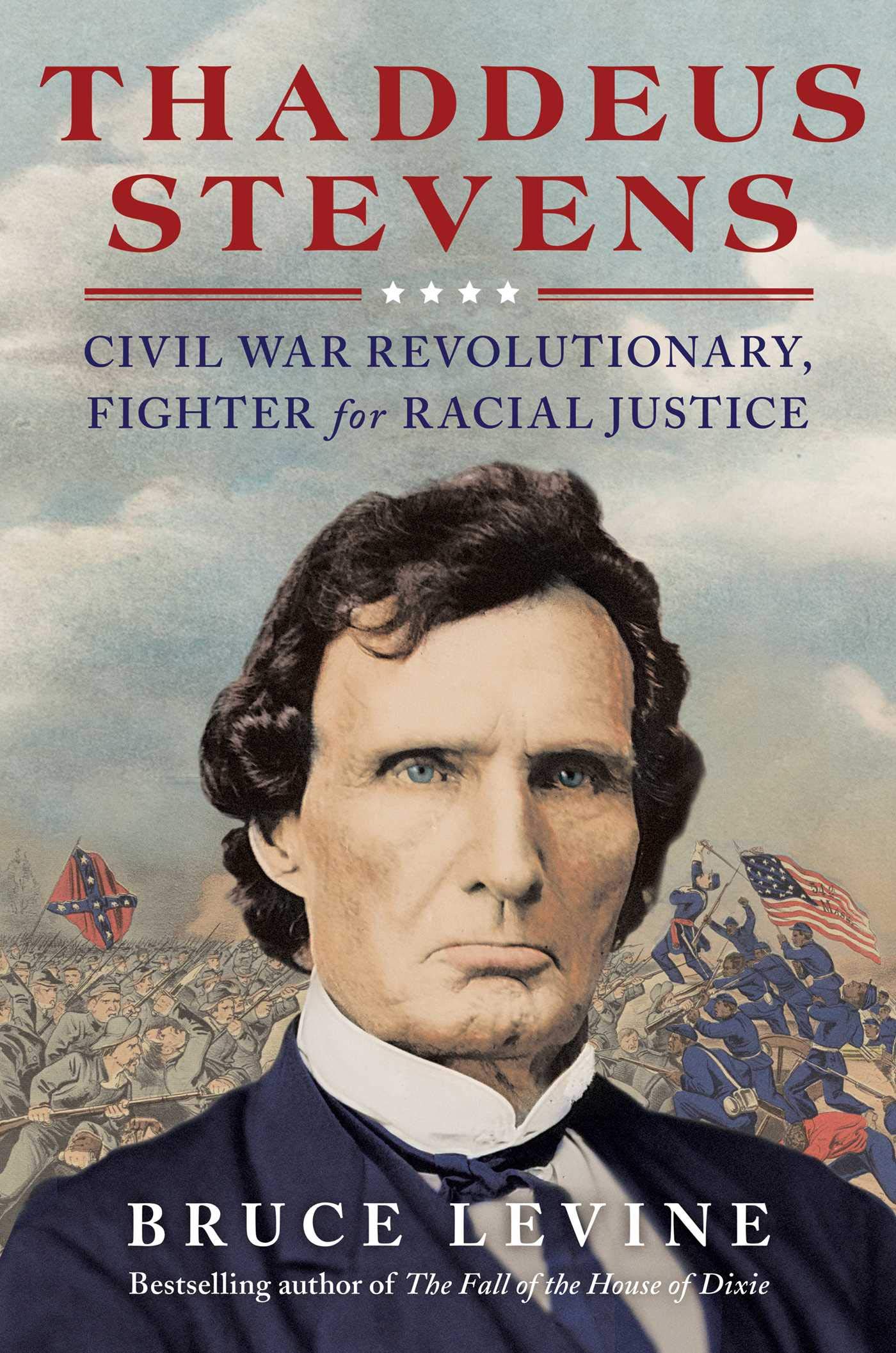
Stevens Thaddeus Stevens: Civil War Revolutionary, Fighter for Racial Justice by Bruce Levine
The 1861 to 1865 Civil War and the reconstruction period which followed it is widely considered to be the second American revolution. The slave-owning planter class in the south was defeated, at least for a while. Slave labor was abolished, but came back in other forms after reconstruction was crushed by 1877.
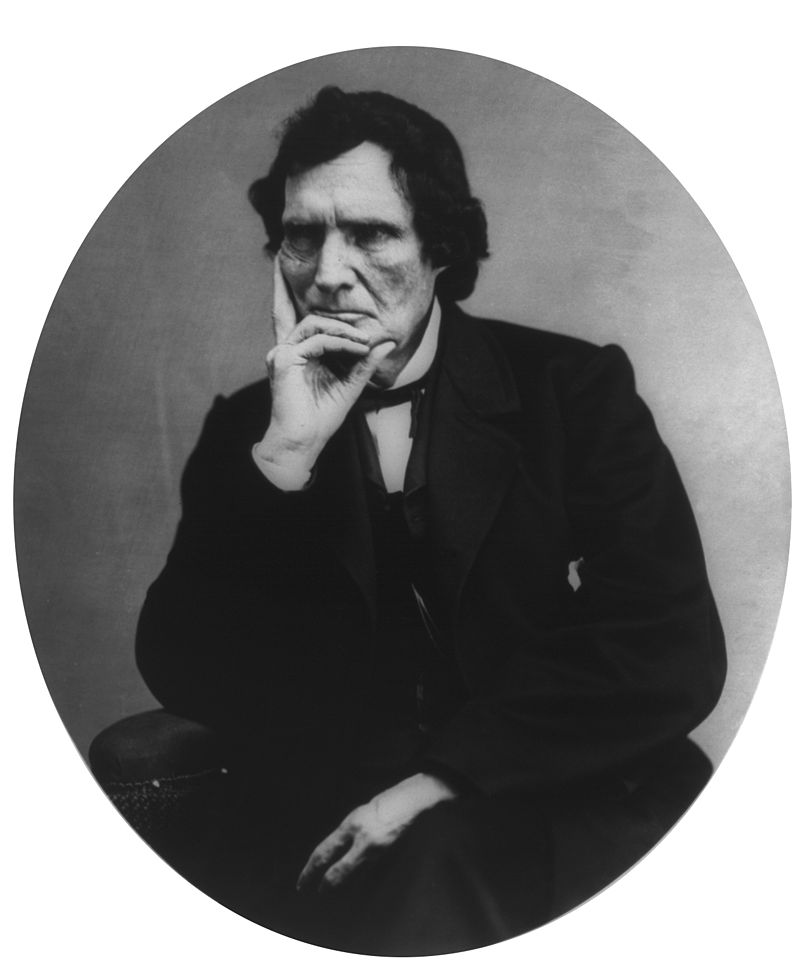
The promise of the declaration of independence that all men are equal before the law was fulfilled, at least for a while. Pennsylvania congressman Thaddeus Stevens was the foremost political leader in the struggle, even more than Abraham Lincoln. Stevens helped to bring about the abolition of slavery and was a leader in the effort during Reconstruct to make the United States a biracial democracy This wise and eloquent revolutionary has been vilified and rendered rendered obscure during most of the years since he died 153 years ago.
The distinguished historian Bruce Levine in his just published biography of Stevens “Thaddeus Stevens: Civil War Revolutionary, Fighter for Racial Justice” has secured a place for him alongside his contemporary John Brown in the pantheon of American revolutionary figures.
Guest – Bruce Levine, emeritus professor of history at the University Illinois and the author of four previous books on the Civil War era.
——————————-