Welcome to Law and Disorder Radio
Law and Disorder is a weekly independent civil liberties radio program airing on more than 150 stations and on Apple podcast. Law and Disorder provides timely legal perspectives on issues concerning civil liberties, privacy, right to dissent and practices of torture exercised by the US government and private corporations.
Law and Disorder December 13, 2021
Podcast: Play in new window | Download
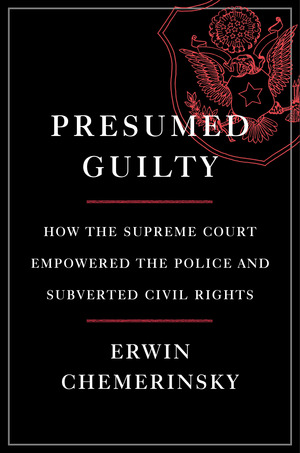
Presumed Guilty: How the Supreme Court Empowered the Police and Subverted Civil Rights
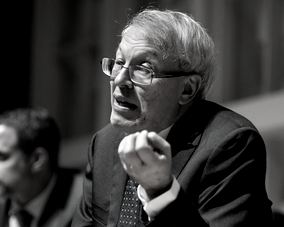
Erwin Chemerinksy is the Jesse H. Choper Distinguished Professor of Law and Dean of the Berkeley Law School. He has also served on the faculties of USC Law School and Duke Law School, and he was the founding dean of the UC Irvine School of Law.
Dean Chemerinsky is a leading constitutional law scholar and teacher who has an uncommon ability to explain complex legal concepts so that non-lawyers can easily understand them. A study of legal publications between 2016 and 2020 found him to be the most frequently cited US legal scholar. He is the author of 14 books, including leading casebooks and treatises about constitutional law, criminal procedure, and federal jurisdiction. Dean Chemerinsky also handles legal cases, and has argued several times before the Supreme Court.
After a 2000 review of the Rampart scandal about corruption and excessive force in the LA Police Department attributed the problems to a few bad apples, Dean Chemerinsky conducted an independent analysis which uncovered systemic and structural issues in the department. In his new book, Presumed Guilty: How the Supreme Court Empowered the Police and Subverted Civil Rights, he writes, “Race has infected policing in the United States since its founding.” People of color are more likely than whites to be stopped, arrested and subjected to police violence.
Dean Chemerinsky cites the slave patrols which tracked and returned runaway slaves. We saw the three men who killed Black jogger Ahmaud Arbery use the logic of those slave patrols in their defense. Due in large part to a video of the killing, they were convicted of murder.
When I served as a commentator for CBS News during the O.J. Simpson trial, the people at KNX Radio called Erwin (who did frequent commentary) “the nicest guy in the world.” He is most generous in sharing his expertise. I can’t remember any time he has turned me down when I have asked him to speak at an event, even if it required traveling to San Diego. I have often said that if I were President of the United States, Erwin would be my first choice for a justice of the Supreme Court. Unlike most of the members of the Court, he would be a “justice” in the true sense of the word.
—-
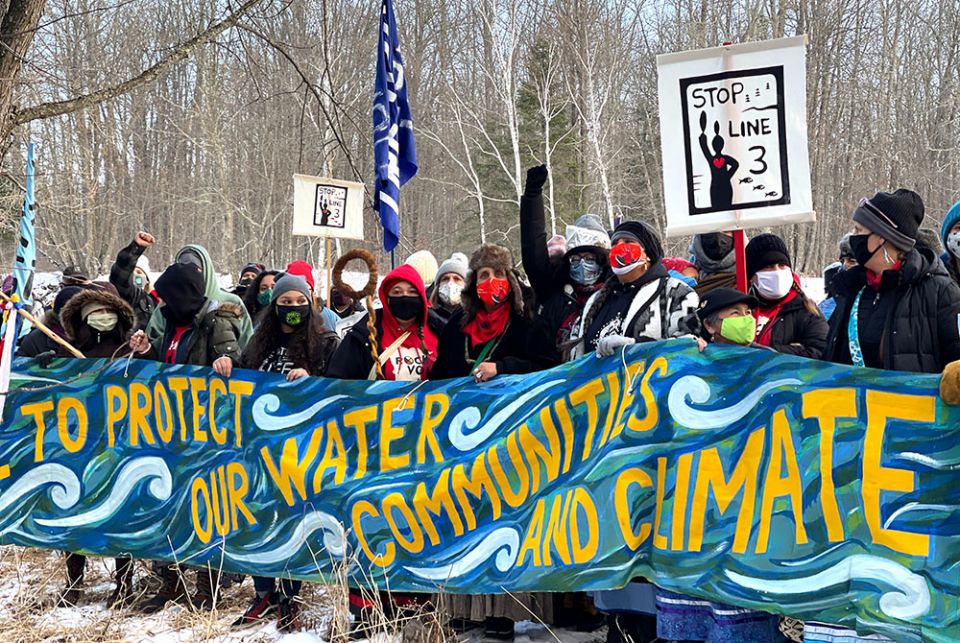
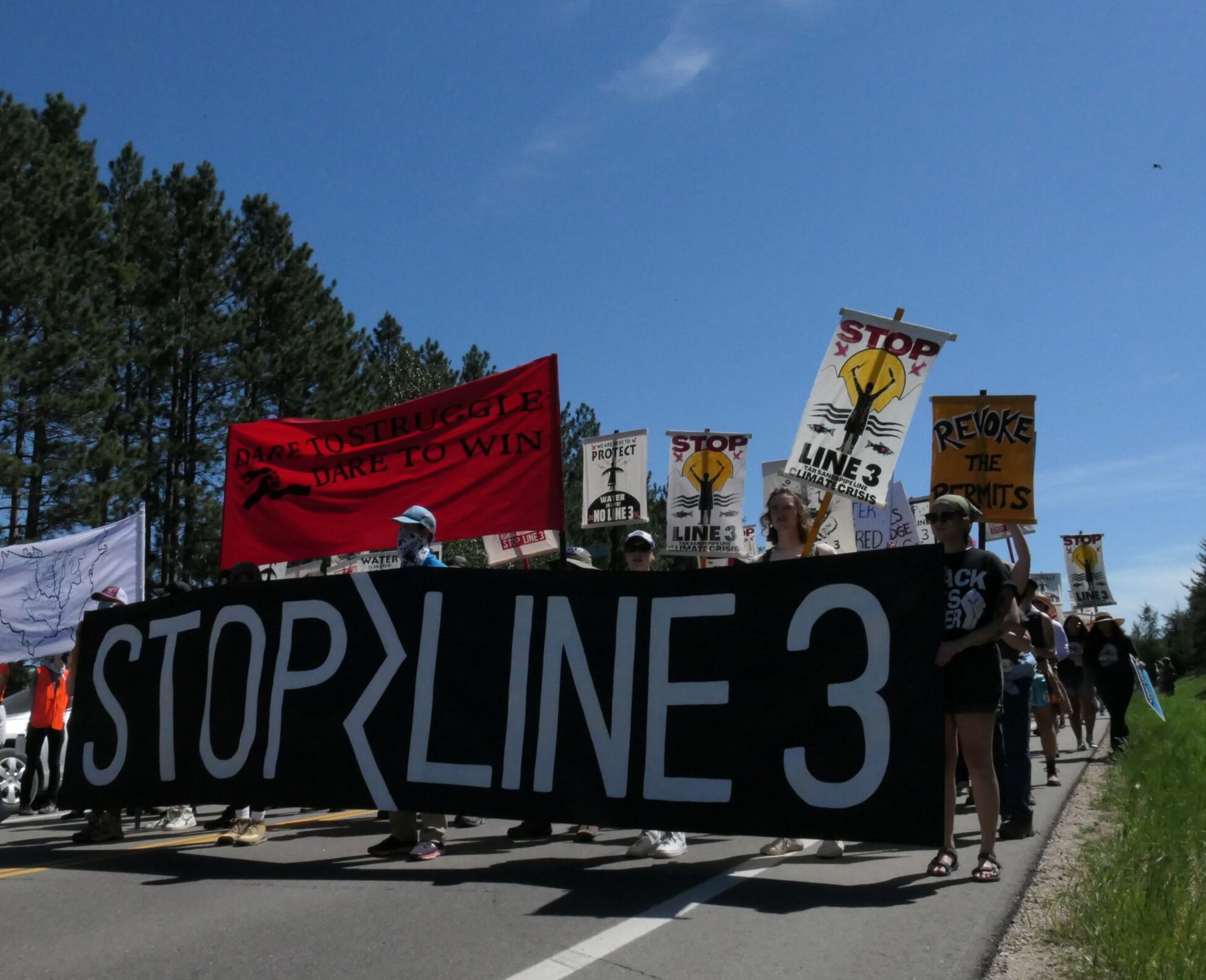
Line 3 Is The New Standing Rock
Our guest today is water protector Chicago attorney Pat Handlin. She has been representing some of the 900 people who’ve been arrested for trying to stop Line 3. Line 3 brings the dirtiest oil on Earth down from Alberta, Canada to the shores of the Great Lakes. It is owned by the Canadian corporation Enbridge. President Trump issued their permit without any environmental impact statement. The governor of Minnesota or the President of United States you can stop Enbridge. But they haven’t.
The Line 3 oil pipeline has been operational since October. It snakes under 200 bodies of water including the Mississippi river. Native Americans from the Chippewa and Ojibwe tribe have treaty rights to the land affected by the Enbridge pipeline. Enbridge has a terrible record for oil spills, 194 of them since the year 2000. Since 1986, more than 7 million gallons have spilled in the Midwest. Much of it has never been cleaned up.
The pipeline runs through sacred land. The land has wild rice which the Native Americans harvest for nutrition and value for spiritual reasons. The land is protected by treaties which are being violated. Tribes are sovereign nations that have entered into treaties with United States. A treaty becomes the supreme law of the land. Biden has said that he would honor the treaties but has not done so.
Guest – Pat Handlin is a criminal defense attorney who represented numerous Water Protectors facing misdemeanor charges stemming from the Standing Rock No DAPL movement, provided legal support at the hearing challenging TC Energy’s permit application to use water for the KXL pipeline and represents Water Protectors charged in Minnesota for opposition to Line 3. She has been a public defender, legal services attorney, administrative law judge on employment discrimination matters, represented Occupy Chicago activists, and has litigated to protect victims of elder abuse, neglect and financial exploitation.
Law and Disorder December 6, 2021
Podcast: Play in new window | Download
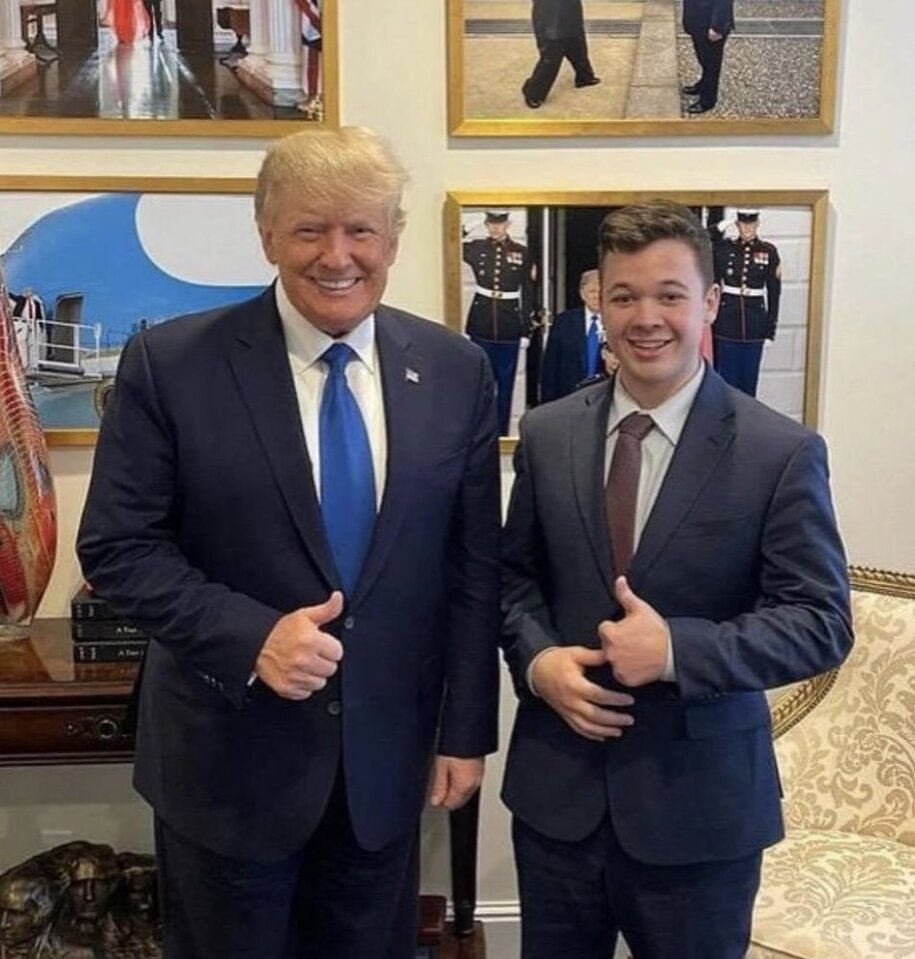
Kyle Rittenhouse got away with murder and the growing forces of violent reaction have been emboldened. Trump invited Rittenhouse to Mar-a-Lago and praised him as a “fine young man.” Street thuggery and violence against the opponents of his fascist party was the hallmark of Hitler’s rise to power. His goons, called Brown Shirts, smashed enemies on the left, trade unionist, and socialists. But Hitler always denied that he had any connection with the Brown Shirts, attempting to perpetuate an illusion that he respected the rule of law.
In 1931, two years before Hitler and the German fascists eventually took power, the courageous young German lawyer Hans Litten sued Hitler in Berlin. He put Hitler on the witness stand grilling him for three hours. He showed Hitler to be a liar. By contrast, and as a measure of how serious things have gotten in our country , Kyle Rittenhouse continues to be wildly praised by the right and the fascists, like the Proud Boys with whom he took publicity shots. They all have mobilized behind Rittenhouse. We rebroadcast what we believe to be two profound interviews on what fascism is and how to fight it.
—-
This is Not Populism : John Bellamy Foster
Is Trump a neofascist? Thoughtful analysts on the left like Cornell West, Noam Chomsky, and Judith Butler think he is. But mainstream liberal commentators refuse to associate the Trump phenomena with fascism. They call him a right wing populist. What is neofascism? Right wing Populism? Does it really matter what Trump is called? The great German playwright and political thinker who lived in Germany during Hitler’s reign, Berthold Brecht, asked in 1935: “How can anyone tell the truth about fascism, unless he’s willing to speak out against capitalism, which brings it fourth?” We speak today with John Bellamy Foster, the editor of the venerable magazine “Monthly Review”. He wrote the lead article in the current June 2017 issue titled “This Is Not Populism.”
Guest – John Bellamy Foster is editor of Monthly Review and professor of sociology at the University of Oregon. He has written widely on political economy and has established a reputation as a major environmental sociologist. He is the author of Marx’s Ecology: Materialism and Nature (2000), The Great Financial Crisis: Causes and Consequences (with Fred Magdoff, 2009), The Ecological Rift: Capitalism’s War on the Earth (with Brett Clark and Richard York, 2010), and The Theory of Monopoly Capitalism: An Elaboration of Marxian Political Economy (New Edition, 2014), among many others.
—-



Crossing Hitler: The Man Who Put the Nazis on the Witness Stand
Author Benjamin Hett outlines the fascinating and tragic story of a young lawyer Hans Litten in his recent book Crossing Hitler: The Man Who Put the Nazis on the Witness Stand. Before the Nazis rose to power in the early 1930s, they incited calculated violence among the working class in German taverns. Four Nazi stormtroopers were charged with firing randomly into a dance hall where a communist hiking club were holding a party. Three young men were wounded. Hans Litton was the advocate for the 3 men.
Hans Litten called Hitler to the witness stand to show that the Nazi party was a violent party, and by cross examining Hitler he tried to prove that. Litten forced Hitler to contradict himself, reducing him to humiliating rage that revealed his true intention. At that time, Hitler wanted to be a legal party in Germany and of course you couldn’t be a party that was extra-constitutional and legal but at the same time he didn’t want to disappoint the base of his party which was this violent working class aspect. Two years later, the Nazi Party rose to power.
What came after the Reichstag Fire was the arrest of about 5 thousand people across Germany who the Nazis have identified as opponents or potential opponents. Hans Litten was among them and sent to a concentration camp. Author Benjamin Hett describes a powerful narrative of Hans facing torture yet still telling stories and teaching art to other prisoners.
Hans Litten was born in 1903 in Halle in Central Germany, his father was a law professor and Jewish but converted to German evangelical (Lutheran).
Guest – Benjamin Hett, author of Crossing Hitler: The Man Who Put the Nazis on the Witness Stand. Hett is a former trial lawyer, and now Associate Professor of History at Hunter College.

———————–
Law and Disorder November 29, 2021
Podcast: Play in new window | Download
Attorney Jim Lafferty Commentary On Rittenhouse Case
—-

Victims of Agent Orange Relief Act of 2021
The Vietnam War ended in 1975, but Vietnamese people today continue to suffer the effects of Agent Orange, the deadly dioxin-containing chemical weapon that the U.S. sprayed over 12 percent of South Vietnam from 1961-1971, poisoning both the people and the land. The defoliant was used to more effectively prosecute the war against the Vietnamese people, exposing their hideouts, destroying their crops and food.
Descendants of approximately 2 to 4 million Vietnamese people, hundreds of thousands of U.S. Vietnam veterans, and Vietnamese-Americans who were exposed to the toxin continue to record disproportionate rates of congenital disabilities and higher rates of many diseases.
U.S. veterans receive some compensation from the U.S. government, but very little assistance has been given to the Vietnamese people, who were the intended victims of the defoliant Agent Orange. Thus, on May 25, Rep. Barbara Lee (D-California) introduced H.R. 3518, the Victims of Agent Orange Relief Act of 2021, in the House of Representatives. The Vietnam Agent Orange Relief & Responsibility Campaign (for which I serve as co-coordinator) assisted Lee in drafting the bill.
Lee said, “The United States has a moral responsibility to compensate the victims of the Agent Orange campaign. In the same way we are focused on beginning to repair the damage of systemic racism in the form of reparations, and the war on drugs with restorative justice, it is also our responsibility to try and atone for this disgraceful campaign during the Vietnam War.”
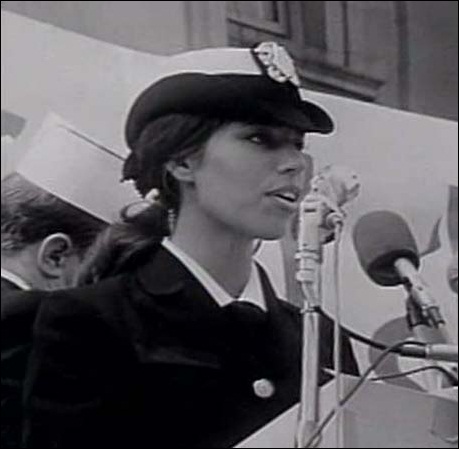
Susan Schnall is co-coordinator of the Vietnam Agent Orange Relief and Responsibility Campaign. She was an active duty Navy nurse during the conflict in Vietnam and in 1969, she was tried and found guilty by general court martial of conduct unbecoming an officer for dropping anti-war flyers over military bases in the San Francisco Bay area and an aircraft, and wearing her uniform in the GI and Veterans March for Peace demonstration in San Francisco.
Guest – Susan Schnall is a member of Vietnam Veterans Against the War and the American Public Health Association. She is also President of the New York City Veterans for Peace chapter and a board member of national Veterans For Peace. Susan organized and led a delegation of Science/Public Health professionals to Vietnam in 2013 to survey the land that had been contaminated by the US use of Agent Orange/dioxin and visit the people who had been harmed by the chemicals. In 2006, Susan was awarded the medal for peace and friendship between peoples by the Vietnam Union of Friendship Organizations.
—-
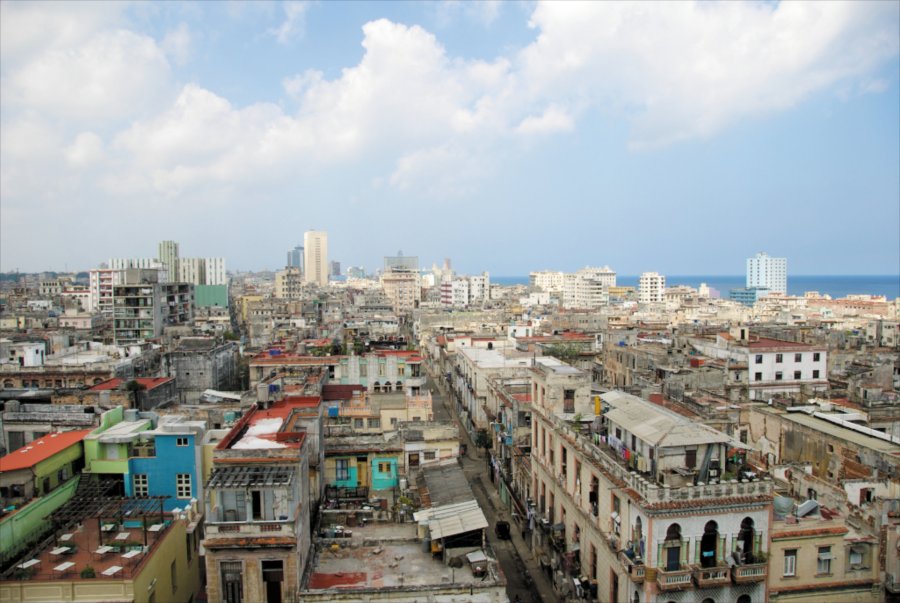
The U.S. Role In Cuba Destabilization
First the Trump and now the Biden administration have accelerated their efforts to destabilize and overthrow the Cuban socialist government with the aim of reestablishing capitalism on the island.
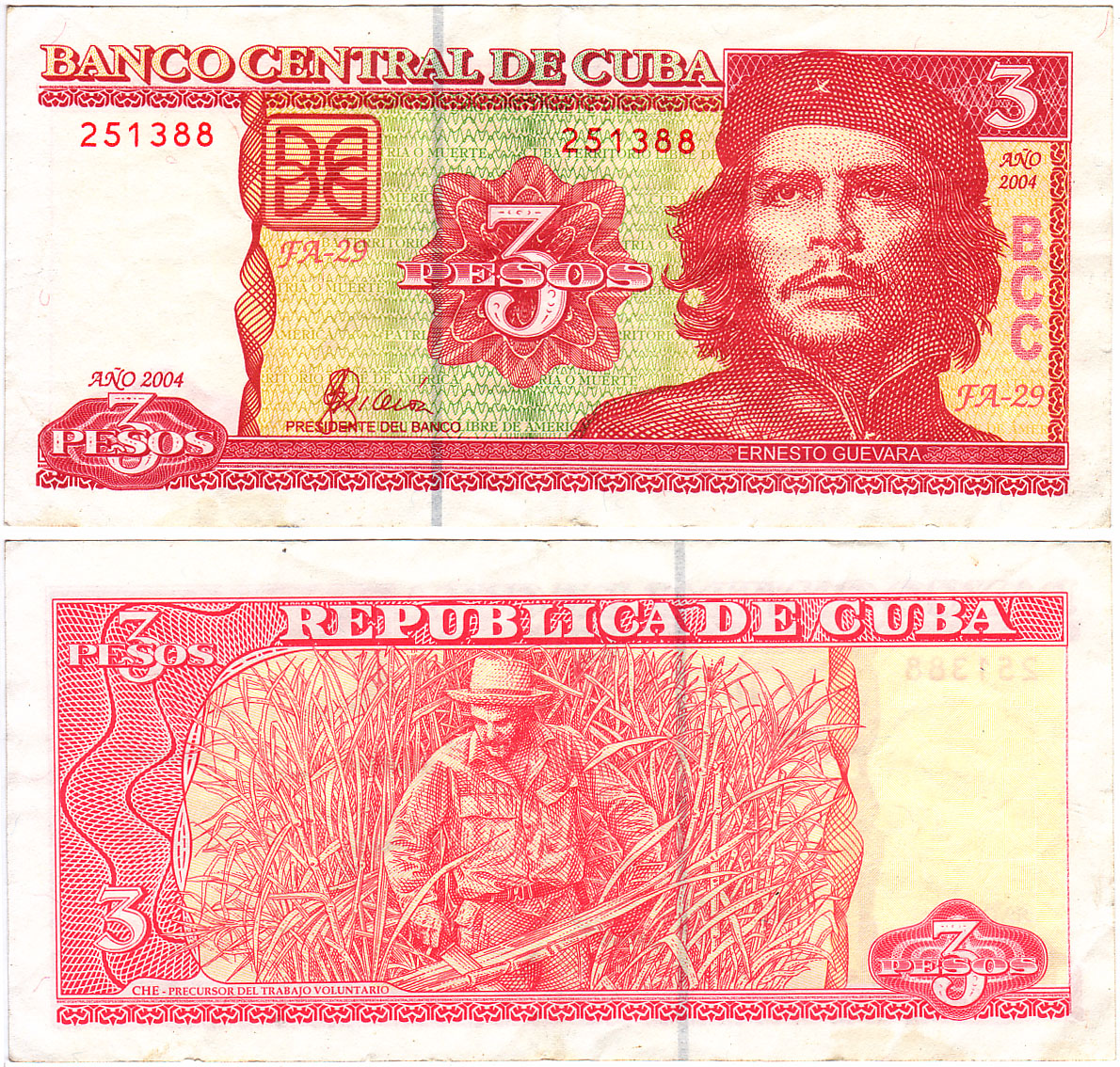
This effort is 62 years old going back to 1959 when a popular revolution lead by Fidel Castro and Che Guevara succeeded in getting rid of the U. S. imposed dictator Batista. The still popular revolution has improved the lives of the Cuban people. Back in 1959 Cuba was a U S. colony. Its resources were owned by US corporations, its dictatorial government was a puppet of the United States.
The population, both urban and rural, was desperately poor. These were the people who made the revolution. The new government instituted land reform. They offered to pay the US corporations for the value of the land. The corporations refused so the Cuban government nationalized the land and re-distributed it to the peasantry, as was their legal right.
In retaliation, the US-owned oil refinery was shut down, crippling the Cuban economy. So the Cubans nationalized the oil refinery, the telephone company, the nickel mines and so on. This all came under control of the Cuban people. This is the essence of the Cuban revolution. The US Government immediately instituted its policy, which continues to this day, of isolation and aggression. It started in 1960, a year after revolution. President Dwight D Eisenhower, pursuant to a 1960 memo written by a senior state department official, the US Government instituted a financial, economic, and commercial blockade of Cuba which is enshrined in our law and continues to this day.
Trump introduced some 200 new measures to overthrow the Cuban revolution. Biden continued this effort with even more measures. The US government and its counter-revolutionary supporters in South Florida promoted the recent July 11 demonstrations in cities throughout the island. These demonstrations were joined by many Cubans who have valid criticisms about bureaucracy, mismanagement, and corruption in the Cuban government. For example, there are long lines people have to wait in to buy food and a lot of items are unavailable.
The situation of the Cuban people is one of hardship brought about by the 60 year old commercial and economic blockade set up at United States. Their suffering has been further exacerbated of course by the pandemic. Cubans suffer a shortage of food and medicine and a blow to the economy which was largely based on tourism. The US counter-revolutionary efforts involve a massive spending of money on social media and a direct role in organizing opponents of the Cuban government. After the July demonstrations a new one was planned for November 15. It was a total flop.
Guest – Attorney Art Heitzer, author and head of the Cuba subcommittee of the National Lawyers Guild.
—–