
Welcome to Law and Disorder Radio
Law and Disorder is a weekly independent civil liberties radio program airing on more than 150 stations and on Apple podcast. Law and Disorder provides timely legal perspectives on issues concerning civil liberties, privacy, right to dissent and practices of torture exercised by the US government and private corporations.
Law and Disorder May 3, 2021
Podcast: Play in new window | Download
- Attorney Jim Lafferty Commentary: 2021 Cold War
—-

Journalist Put On FBI Terrorist Watch List Starts Class Action Case
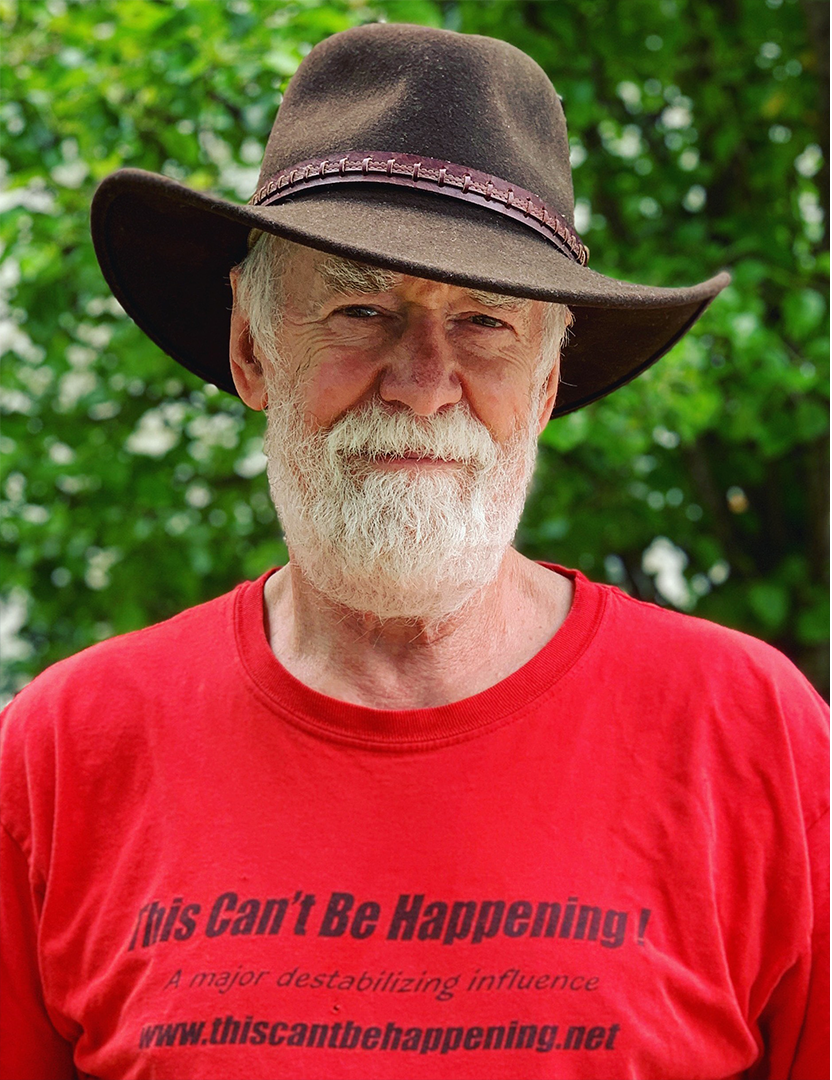
Philadelphia-based journalist Dave Lindorff learned in spring 2019 that he was on the FBI’s Terrorist Watch List, used to require special searches of international fliers from and to the US. The list is readily accessible on computer to all domestic law enforcement agencies and most corporate security departments. Lindorff is about to bring a case against the US government over the list on First Amendment grounds.
Attorney Baruch Weiss, a partner at the major DC law firm, Arnold & Porter, is handling the case on a pro bono basis. Weiss was previously a deputy lead counsel to the Homeland Security Department shortly after it was created in the Bush/Cheney administration. He wants to add to the case any other plaintiffs who have First Amendment grounds for challenging their suspected inclusion on the list before filing the case in federal district court in Philadelphia later this spring, so that it will more likely have an impactful decision if the court finds the list to be unconstitutional.
Examples of First Amendment issues would be a journalist who has written stories that challenge one or another US government agency. If that was followed by a sudden inability to obtain a boarding pass online the day before the flight or being called to the gate on a return flight to the US undergoing a special inspection of person, carry-on luggage and electronics by special security personnel as happened twice to Lindorff. A First Amendment issue might involve being active in a human-rights or antiwar or other anti-establishment protest or advocacy organization and finding it suddenly difficult to obtain early boarding passes or being subjected to lengthy special inspections before being allowed to board a plane.
Guest – Dave Lindorff, contributor to The Nation, and writes for Salon, London Review of Books, and Counterpunch. He is founder of ThisCantBeHappening.net. Author of four books, Dave was a 1990s Hong Kong/China correspondent for Business Week.
—
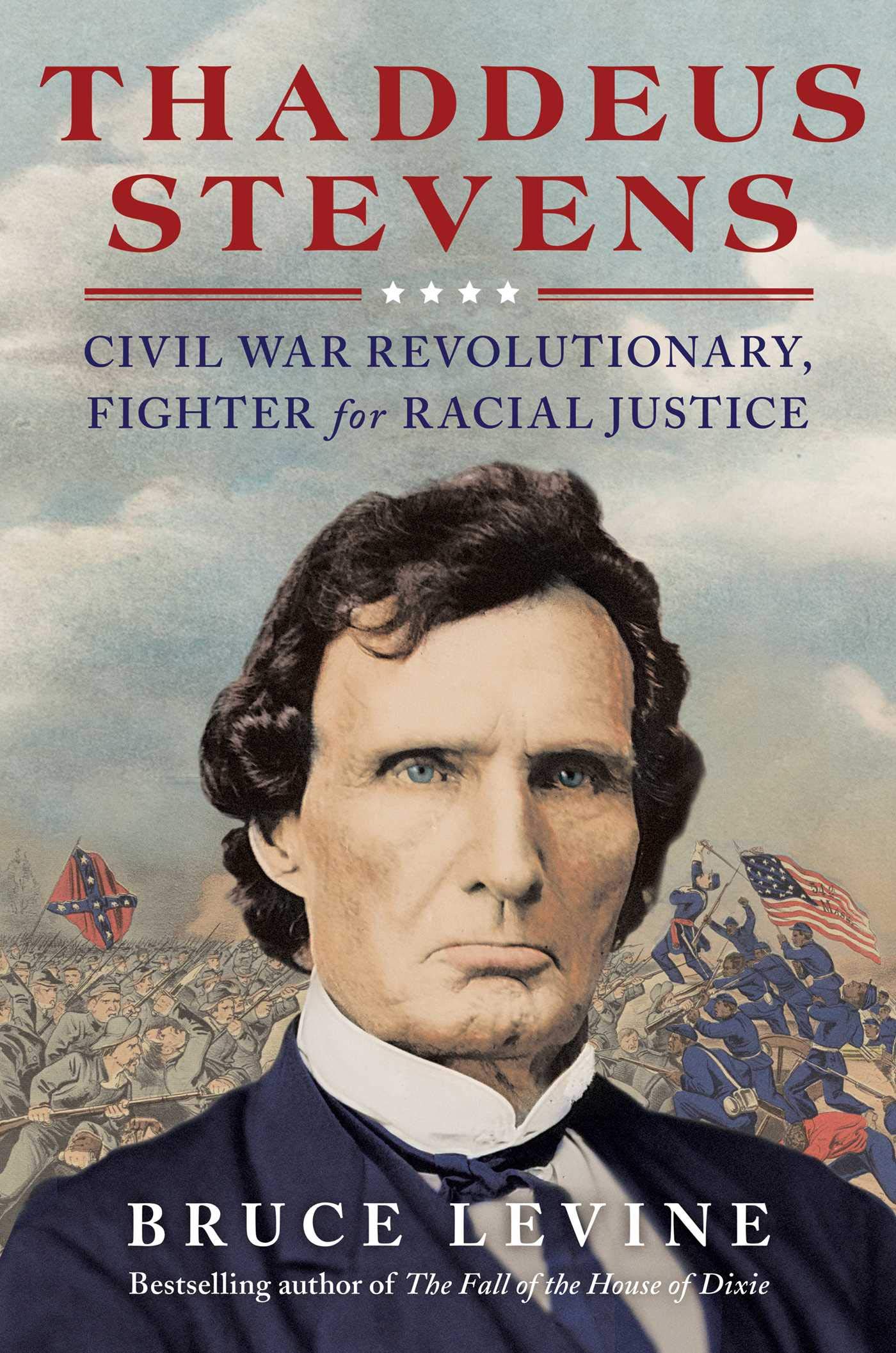
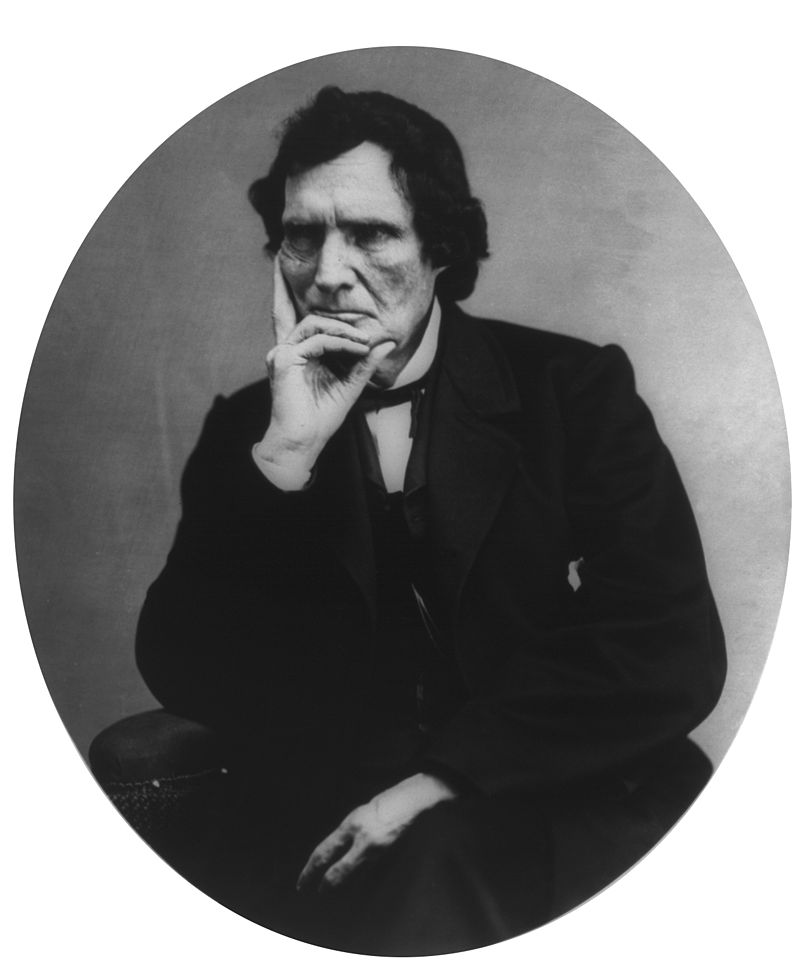
Stevens Thaddeus Stevens: Civil War Revolutionary, Fighter for Racial Justice by Bruce Levine
The 1861 to 1865 Civil War and the reconstruction period which followed it is widely considered to be the second American revolution. The slave-owning planter class in the south was defeated, at least for a while. Slave labor was abolished, but came back in other forms after reconstruction was crushed by 1877.
The promise of the declaration of independence that all men are equal before the law was fulfilled, at least for a while. Pennsylvania congressman Thaddeus Stevens was the foremost political leader in the struggle, even more than Abraham Lincoln. Stevens helped to bring about the abolition of slavery and was a leader in the effort during Reconstruct to make the United States a biracial democracy This wise and eloquent revolutionary has been vilified and rendered rendered obscure during most of the years since he died 153 years ago.
The distinguished historian Bruce Levine in his just published biography of Stevens “Thaddeus Stevens: Civil War Revolutionary, Fighter for Racial Justice” has secured a place for him alongside his contemporary John Brown in the pantheon of American revolutionary figures.
Guest – Bruce Levine, emeritus professor of history at the University Illinois and the author of four previous books on the Civil War era.

————————————-
Law and Disorder April 26, 2021
Podcast: Play in new window | Download
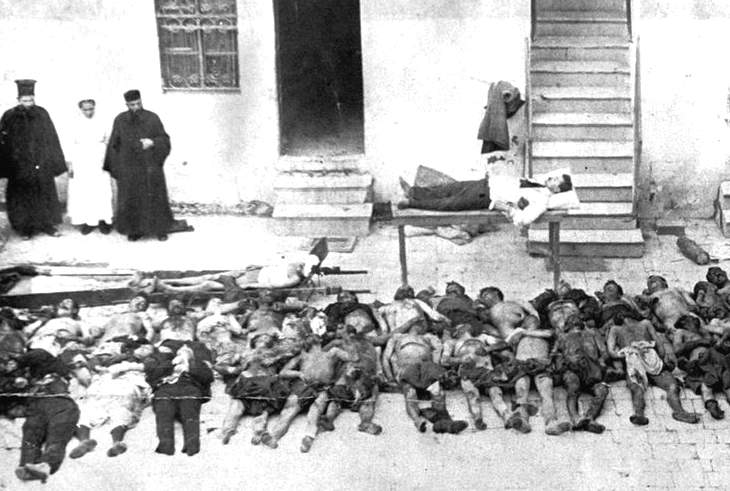
It Was Genocide: Armenian Survivor Stories
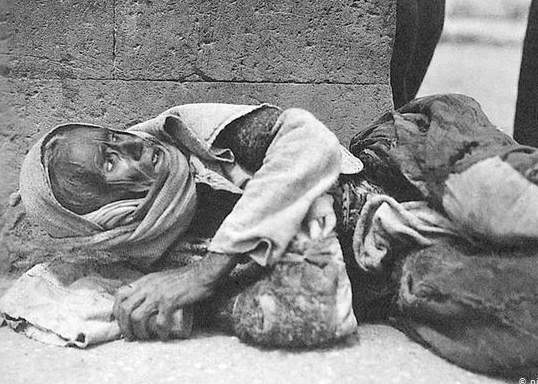
Around the world, April 24 marks the observance of the Armenian Genocide. On that day in 1915 the Interior Minister of the Ottoman Empire ordered the arrest and hangings of Armenian intellectuals and community leaders in Constantinople. It was the beginning of a systematic and well-documented plan to eliminate the Armenians, who were Christian, and who had been under Ottoman rule and treated as second class citizens since the 15th century.
The unspeakable and gruesome nature of the killings—beheadings of groups of babies, dismemberments, mass burnings, mass drownings, use of toxic gas, lethal injections of morphine or injections with the blood of typhoid fever patients—render oral histories particularly difficult for survivors of the victims.
Why did this happen? Despite being deemed inferior to Turkish Muslims, the Armenian community had attained a prestigious position in the Ottoman Empire and the central authorities there grew apprehensive of their power and longing for a homeland. The concerted plan of deportation and extermination was effected, in large part, because World War I demanded the involvement and concern of potential allied countries. As the writer Grigoris Balakian wrote, the war provided the Turkish government “their sole opportunity, one unprecedented” to exploit the chaos of war in order to carry out their extermination plan.
As Armenians escaped to several countries, including the United States, a number came to New Britain, Connecticut in 1892 to work in the factories of what was then known as the hardware capital of the world. By 1940 nearly 3,000 Armenians lived there in a tight-knit community.
Pope Frances calls it a duty not to forget “the senseless slaughter” of an estimated one and a half million Armenians by the Ottoman Turks from 1915 to 1923. “Concealing or denying evil is like allowing a wound to keep bleeding without bandaging it,” the Pope said just two weeks before the 100th anniversary of the systematic implementation of a plan to exterminate the Armenian race.
Special thanks to Jennie Garabedian, Arthur Sheverdian, Ruth Swisher, Harry Mazadoorian, and Roxie Maljanian. Produced and written by Heidi Boghosian and Geoff Brady.
Law and Disorder April 19, 2021
Podcast: Play in new window | Download
Remembering Attorney Ramsey Clark
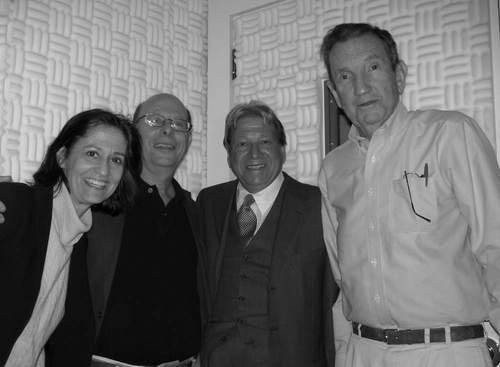
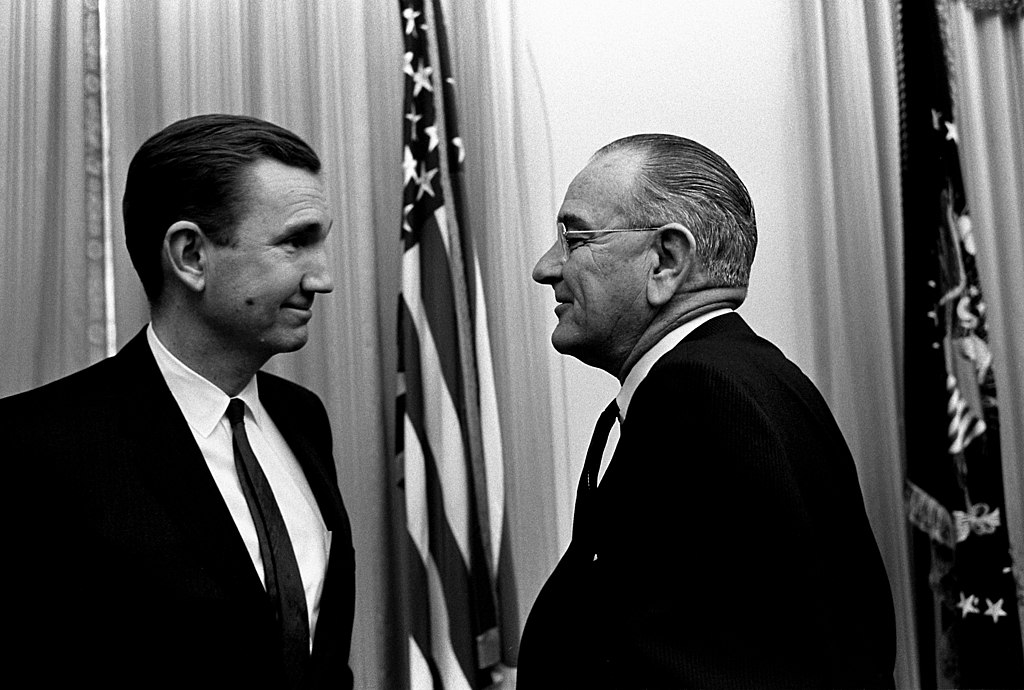
Our friend and colleague Attorney Ramsey Clark died in his home in Greenwich Village from complications from a fall last Friday, April 9, 2021. He was 93 years old. He came from a prominent New Deal Texas family. His father Tom Clark had been the Attorney General of United States and then served on the Supreme Court. The Clark family and the Lyndon Johnson family were friends and political allies.
Lyndon Johnson appointed Ramsey Clark to be the US Attorney General. He served in that position for 18 months severely disappointing Johnson who remarked that he thought he was appointing Tom Clark’s son. “I was wrong.“ said Johnson. Clark opposed the death penalty and declared a moratorium on it when he was in office. He opposed wire tapping.
He supported the civil rights movement and helped draft the historic Civil Rights Act of 1964 and 1968 and the Voting Rights Act of 1965. He was a key person empowering federal desegregation orders. At a cabinet meeting he declared his opposition to the war in Vietnam. That was the last cabinet meeting, he told us, that Johnson ever invited him to.
He also disappointed and baffled many on the left when he took up representation of such figures as Shaikh Abdul Rahman, Milosevich and Saddam Hussein. Clark said they deserved competent counsel.
- Documentary Film – Citizen Clark: A LIfe Of Principle
- Gloria La Riva: An Attorney Who Turned Against Imperialism
- Abdeen Jabara Interview With Randy Credico
Guest – Attorney Mara Verheyden-Hilliard, with the Partnership for Civil Justice Fund, that is partnering with the newly-formed Center for Protest Law and Litigation, to demand a fully public investigation into law enforcement’s handling of the riot on the Capitol Building on that day that shocked much of the nation.
Guest – Attorney Alan Levine, a law partner of Ramsey Clark’s for five years in the firm Clark, Wulf, and Levine. He worked as an attorney with the New York civil Liberties Union and the Puerto Rican Defense Fund.
Guest – Ralph Nader, one of the nation’s most effective and well-known social critics. He has raised public awareness and increased government and corporate accountability. As a young lawyer in 1965 he made headlines with his book Unsafe at Any Speed, leading to congressional hearings and passage of a series of life-saving auto safety laws in 1966. His example has inspired a generation of consumer advocates, citizen activists and public interest attorneys. Full biography.
Past interviews with Attorney Ramsey Clark
———————————————