Welcome to Law and Disorder Radio
Law and Disorder is a weekly independent civil liberties radio program airing on more than 150 stations and on Apple podcast. Law and Disorder provides timely legal perspectives on issues concerning civil liberties, privacy, right to dissent and practices of torture exercised by the US government and private corporations.
Law and Disorder June 28, 2021
Podcast: Play in new window | Download
Building Support To Free Wikileaks’ Julian Assange
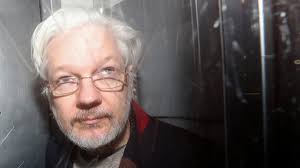
Whistle blowing Australian journalist and the publisher of WikiLeaks Julian Assange sits in a jail cell in solitary confinement in London’s infamous Belmarsh prison. There he awaits the decision of the British High Court as to whether at the behest of the Trump and now Biden administrations he will be extradited to the Eastern District of Virginia to stand trial on 17 counts of espionage under the recently resurrected 1917 Espionage Act which was originally enacted to be used against spies. He will certainly be sentenced to imprisonment for the rest of his life at a super maximum-security prison where communications with the outside world will be cut off.
His case is on appeal to the British High Court. At the recent extradition hearing British magistrate Vanessa Baraitser ruled in favor of the United States on all 17 counts of espionage lodged against him by the Trump administration. She did however rule that Julian Assange would be subjected to terrible conditions in American maximum-security prison and therefore should not be extradite. The Biden administration has appealed this ruling.
The charges Assange faces are a major threat to press freedom. James Goodale, who represented the New York Times in the Pentagon papers case, commented, “The charge against Assange for “conspiracy” with a source is the most dangerous I can think of with respect to the first amendment in all my years representing media organizations.”
It is crucial to build support for Assange and preventive his delivery into the hands of the Biden administration and its prosecutors.
Julian Assange’s crime was to expose the war crimes, murder, and the inner workings of the American empire to the world press. He might pay for this embarrassment with his life.
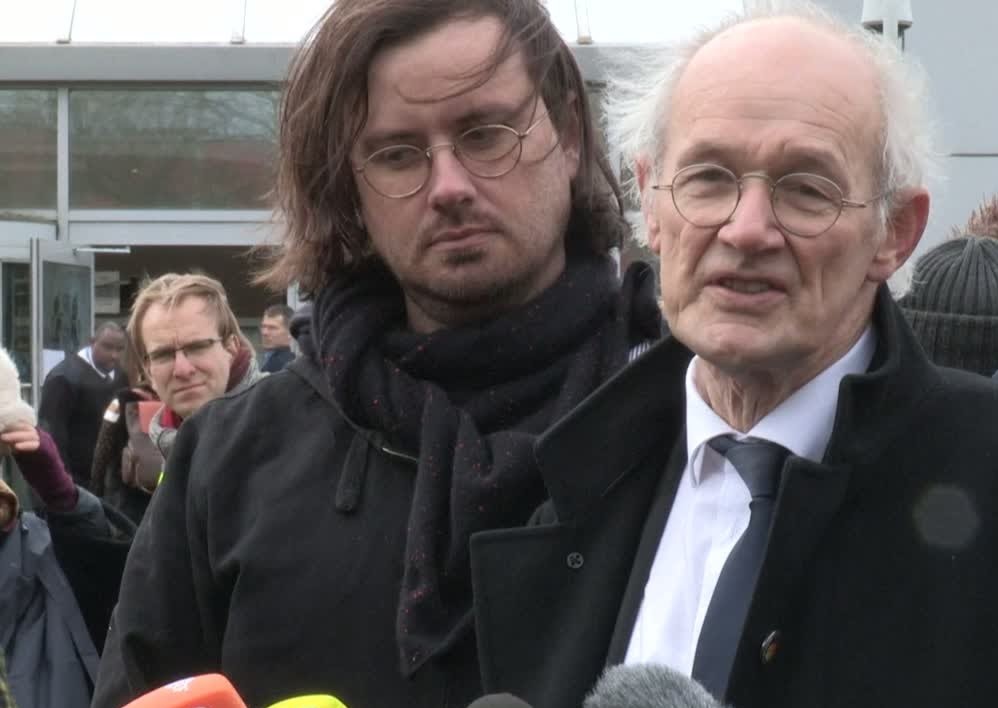
Guest – John Shipton, Julian’s father who is visiting the United States from his native Australia touring to raise support for his victimized son.
—-
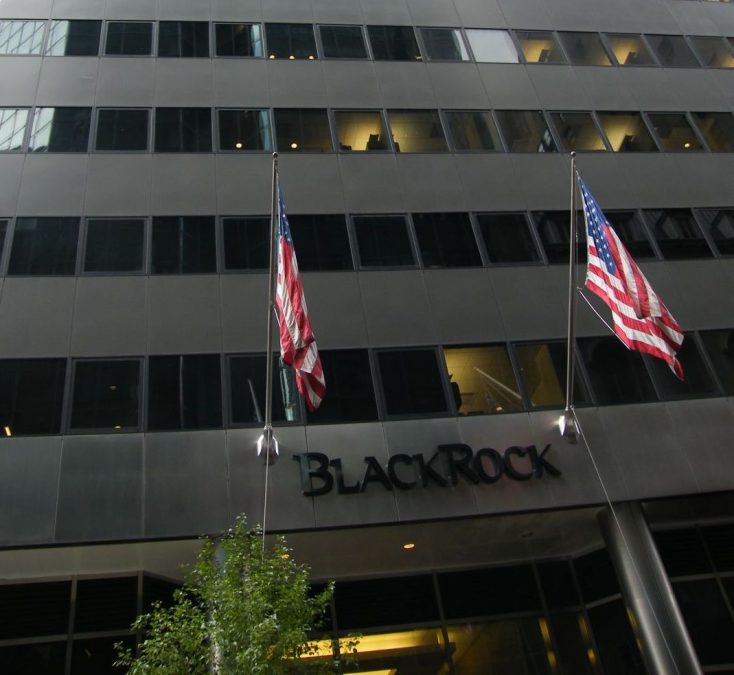
Take Me To Your Leader: The Rot of the American Ruling Class
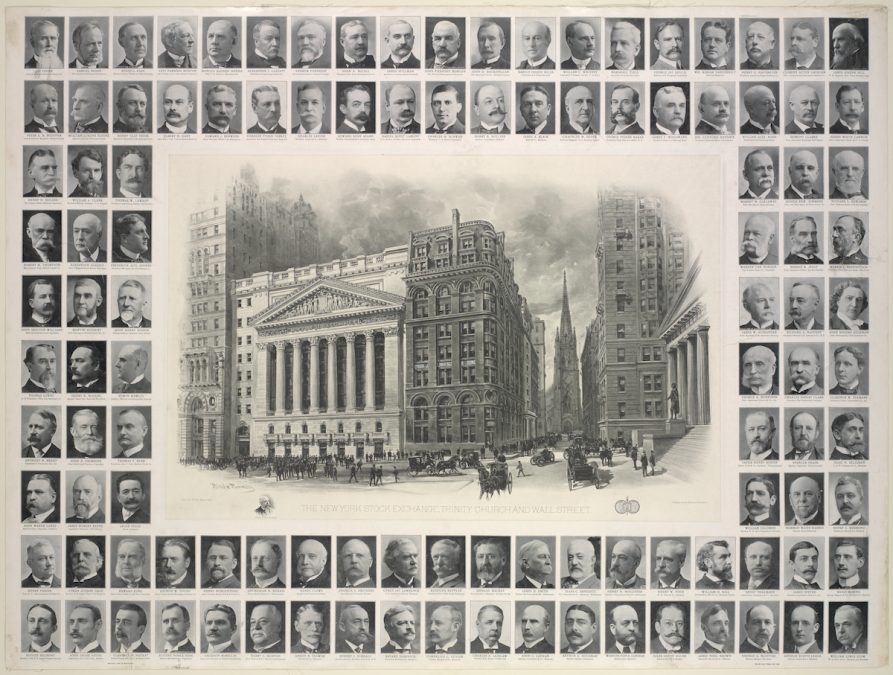
We need to know our enemy because the task of changing society begins with understanding who holds power. In 1915 the great Irish socialist James Connolly said, “O, yes! The ruling class are worthy of study. The natural history of the ruling class is a fascinating interest. You begin with interest, you proceed with awe and admiration, you deepen into hatred, and you wind up with contempt for the nature of the beast. You realize that – the capitalist class is the meanest class that ever grasped the reins of power”. Jacobin magazine’s Spring 2021 issue is devoted entirely to an examination of the ruling class.
Guest – Doug Henwood who has an article in Jacobin titled Take Me To Your Leader: The Rot of the American Ruling Class. Doug Henwood is the editor of Left Business Review and the host of the radio program Behind the News.
————————————————
Law and Disorder June 21, 2021
Podcast: Play in new window | Download
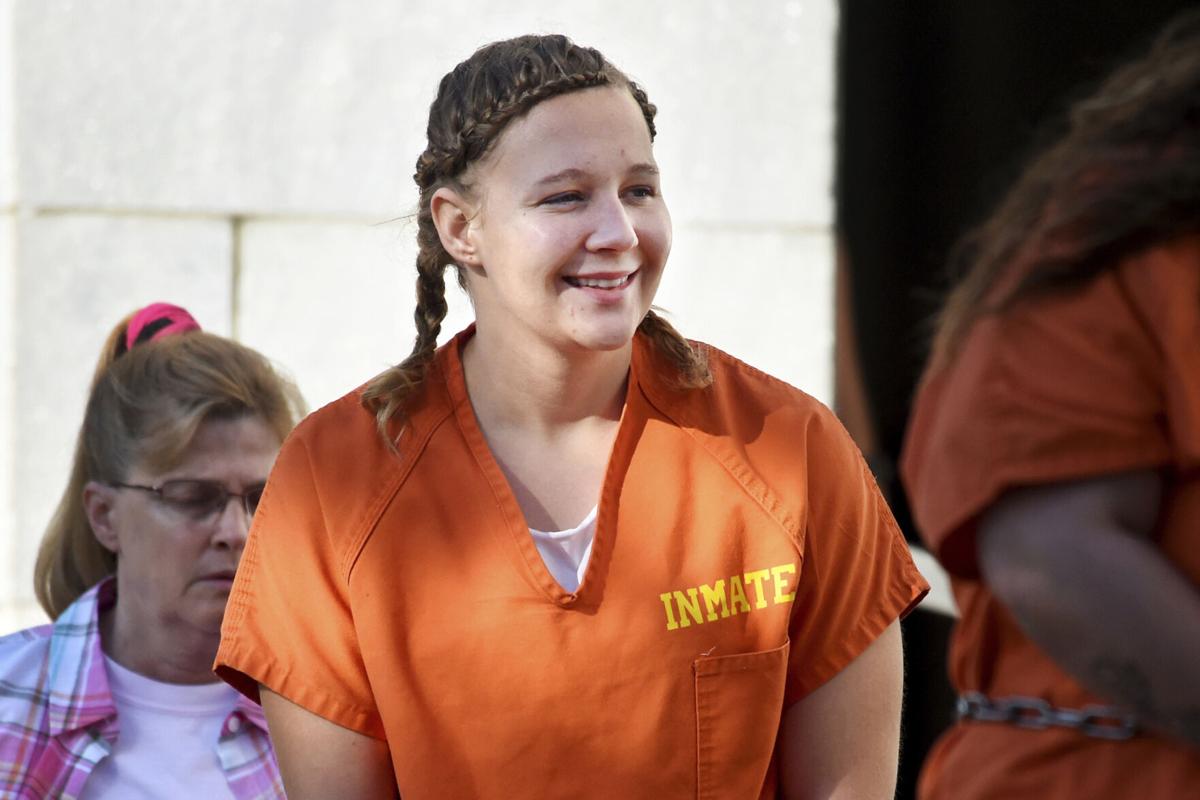

NSA Whistleblower Released From Texas Prison
Former NSA contractor Reality Leigh Winner was released on good behavior from a Texas prison on June 2. In 2017 Winner became the first person prosecuted during the Trump administration on charges of leaking classified information. She was sentenced to 5 years and 3 months in prison and served four years. The 29-year-old will ultimately be transferred to home confinement prior to her full release from custody in November.
Winner, a former Air Force linguist, leaked a top-secret report detailing hacks by Russian intelligence operatives against local election officials and a company that sold voter registration software. She sent it by mail to the online publication The Intercept. Given the document’s significance, Intercept staff sought to authenticate it before reporting on it. Their process of authentication, however, turned out to be deeply flawed because the Intercept sent a pdf scan of the hard copy report to the NSA’s public affairs office which contained clues that then led the government to discover Ms Winner’s identity.
A former Air Force linguist, Reality Winner entered a guilty plea to a single felony count of unauthorized transmission of national defense information in 2018, after being prosecuted for leaking classified information.
Guest – Alison Grinter Allen, who is Reality’s attorney. Alison’s Twitter account
—-

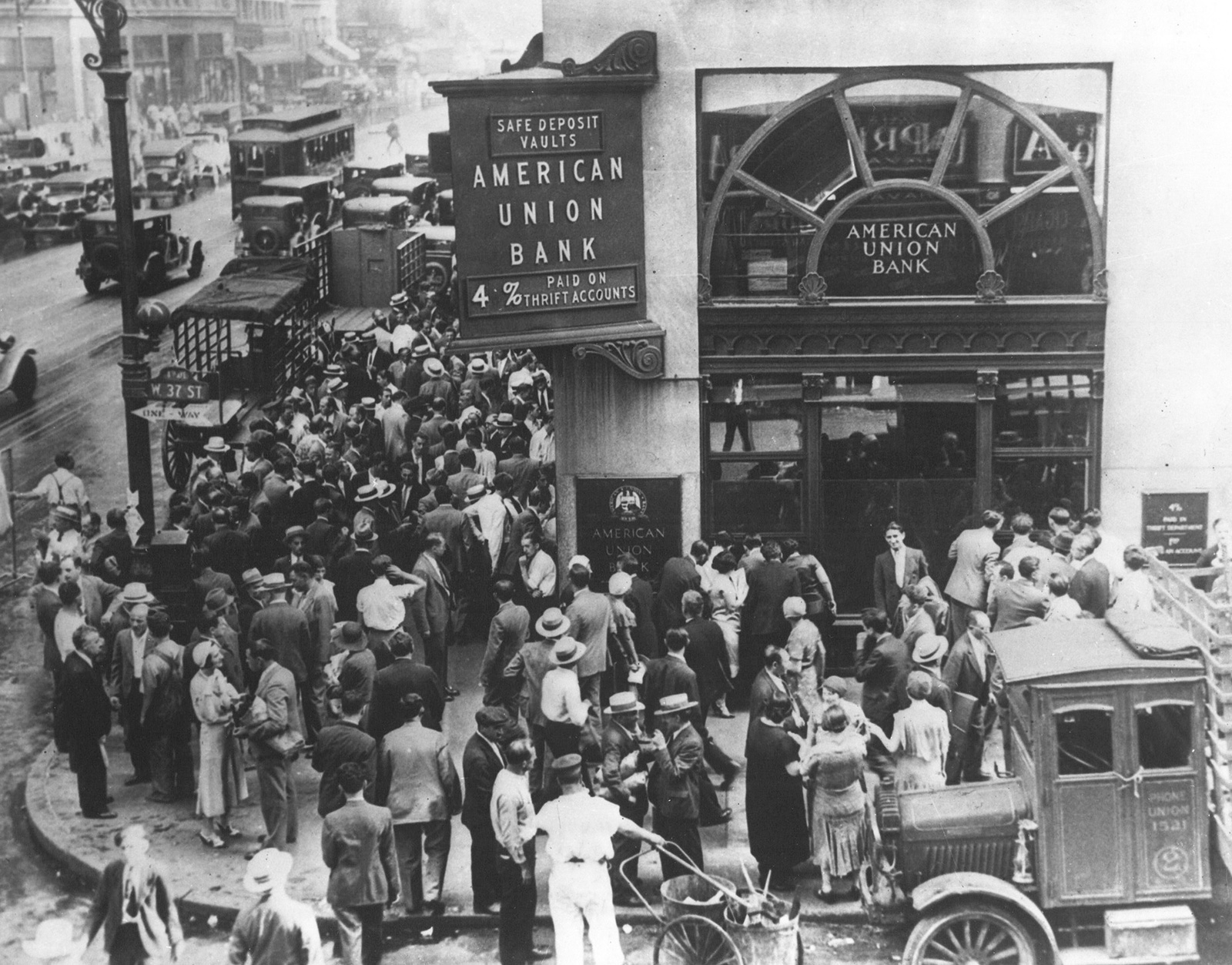
Channeling the Past: Politicizing History in Postwar America
There is no shortage of aphorisms about history repeating itself when leaders fail to learn from prior mistakes. While a thorough grasp of history is no guarantee that things will go smoothly in the future, it can help gain insight about current conditions, and can inform future actions.
But history is vulnerable to manipulation. Never stagnant, and always subjective, history is constantly being reshaped especially by those with the resources to do so. According to Professor Erik Christiansen, as new channels of mass communication emerged on the heels of World War II, elite communities in the media, commerce, and government mined examples from history to create their own propaganda. Through a range of techniques, aided greatly by television, they advanced their respective agendas, from commerce to politics.
In his book, Channeling the Past: Politicizing History in Postwar America, by the University of Wisconsin Press, Professor Christiansen presents a history of what he calls the usable past in postwar America. He examines several sources of purposely politicized history that put themselves forth as credible citizens history, adapted for the new age.
Guest – Erik Christiansen, professor of history and public history coordinator at Rhode Island College.
—
Poetry By Raymond Nat Turner – Justice Served / Essential Work

——————————————————
Law and Disorder June 14, 2021
Podcast: Play in new window | Download
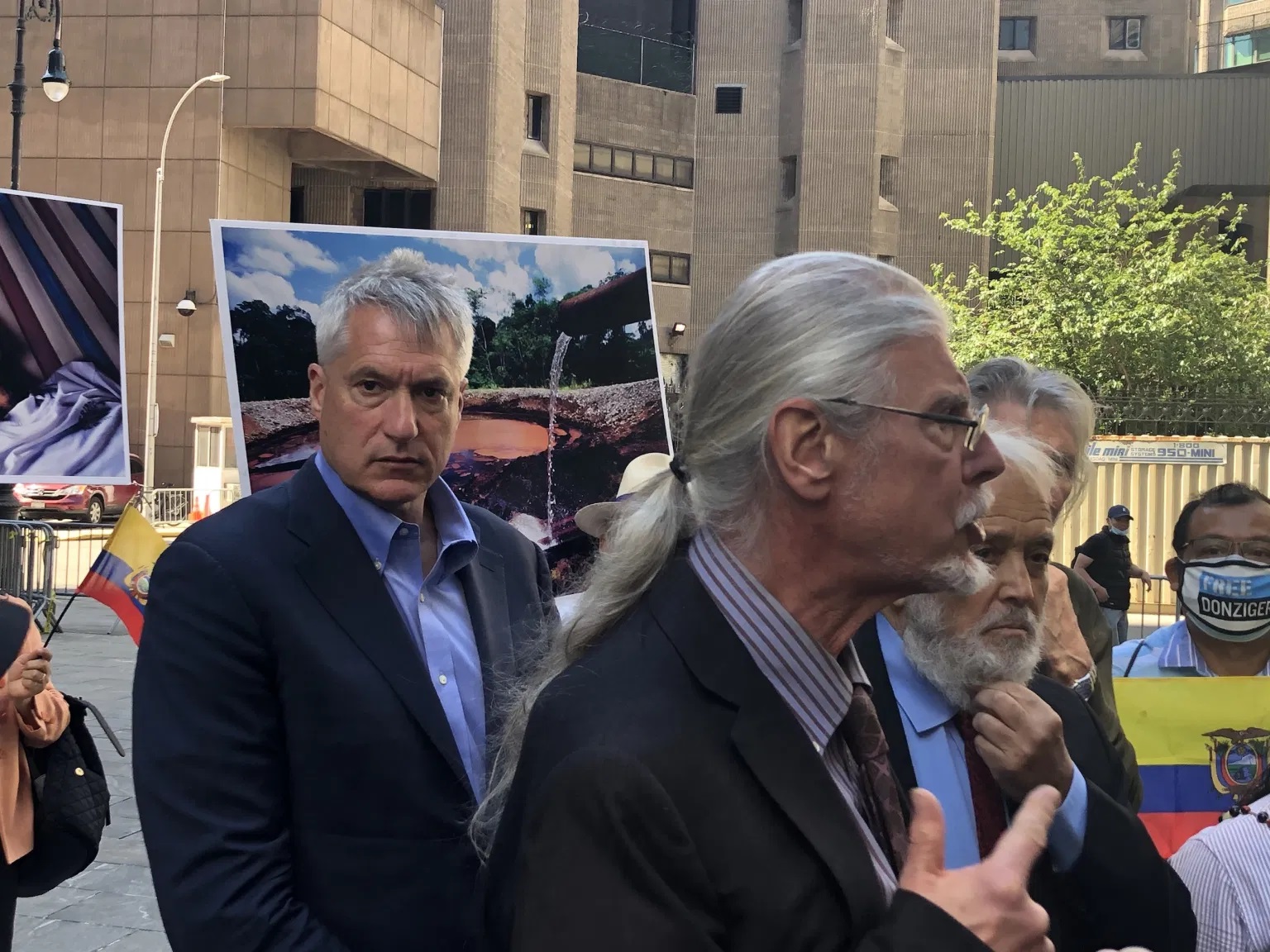
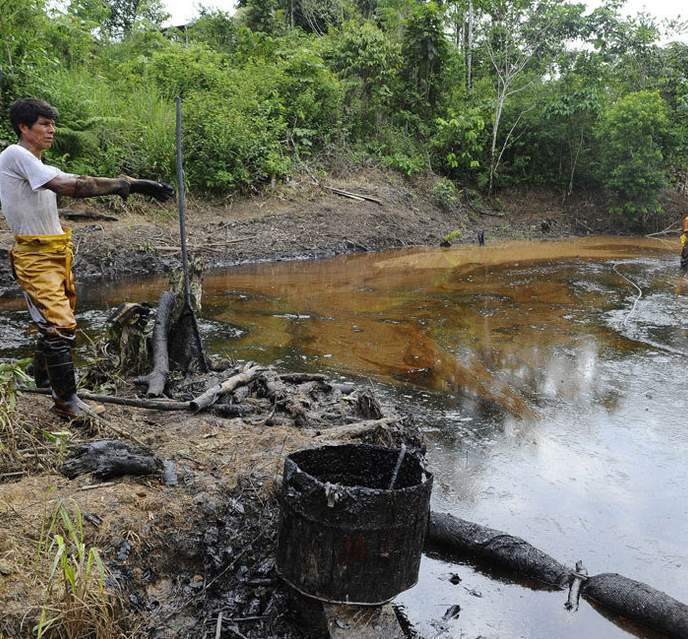
Attorney Ron Kuby Updates On Donziger Trial
Three weeks ago, environmental attorney Steven Donziger’s Chevron-funded trial for misdemeanor contempt trial drew to a close. Steven and his defense team are now waiting for what they claim is an inevitable verdict of “guilty” by Chevron-linked Judge Loretta Preska. As Steven has written to his supporters, Preska denied him a jury of unbiased fact finders by ordering a bench trial. She also ruled against Steven and his attorneys on 99% of all their courtroom objections. Steven also notes that Preska—a conservative judge and a former member of the Federalist Society’s advisory board—actually read the newspaper during witness testimony.
The defense team is preparing for its expected appeal after Preska delivers her ruling. They are following up on, and researching, additional revelations of corruption by Chevron and the high-paid lawyers challenging the original multi-billion-dollar fines for Chevron’s toxic pollution in Ecuador.
Guest – Attorney Ron Kuby, who along with his law partner Rhiya Trevedi and noted First Amendment attorney Martin Garbus, comprise the Donziger defense team. Ron is the former law partner of William Kunstler, and his body of work continues to uphold their tradition of representing the poor, downtrodden, and wrongfully accused.
—-
Building Support To Free Wikileaks’ Julian Assange
Whistle blowing Australian journalist and the publisher of WikiLeaks Julian Assange sits in a jail cell in solitary confinement in London’s infamous Belmarsh prison. There he awaits the decision of the British High Court as to whether at the behest of the Trump and now Biden administrations he will be extradited to the Eastern District of Virginia to stand trial on 17 counts of espionage under the recently resurrected 1917 Espionage Act which was originally enacted to be used against spies. He will certainly be sentenced to imprisonment for the rest of his life at a super maximum-security prison where communications with the outside world will be cut off.
His case is on appeal to the British High Court. At the recent extradition hearing British magistrate Vanessa Baraitser ruled in favor of the United States on all 17 counts of espionage lodged against him by the Trump administration. She did however rule that Julian Assange would be subjected to terrible conditions in American maximum-security prison and therefore should not be extradite. The Biden administration has appealed this ruling.
The charges Assange faces are a major threat to press freedom. James Goodale, who represented the New York Times in the Pentagon papers case, commented, “The charge against Assange for “conspiracy” with a source is the most dangerous I can think of with respect to the first amendment in all my years representing media organizations.”
It is crucial to build support for Assange and preventive his delivery into the hands of the Biden administration and its prosecutors.
Julian Assange’s crime was to expose the war crimes, murder, and the inner workings of the American empire to the world press. He might pay for this embarrassment with his life.
Guest – John Shipton, Julian’s father who is visiting the United States from his native Australia touring to raise support for his victimized son.
————————————–