Censorship, Civil Liberties, Civil Rights
Podcast: Play in new window | Download
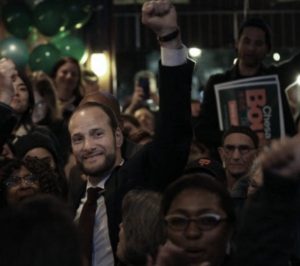
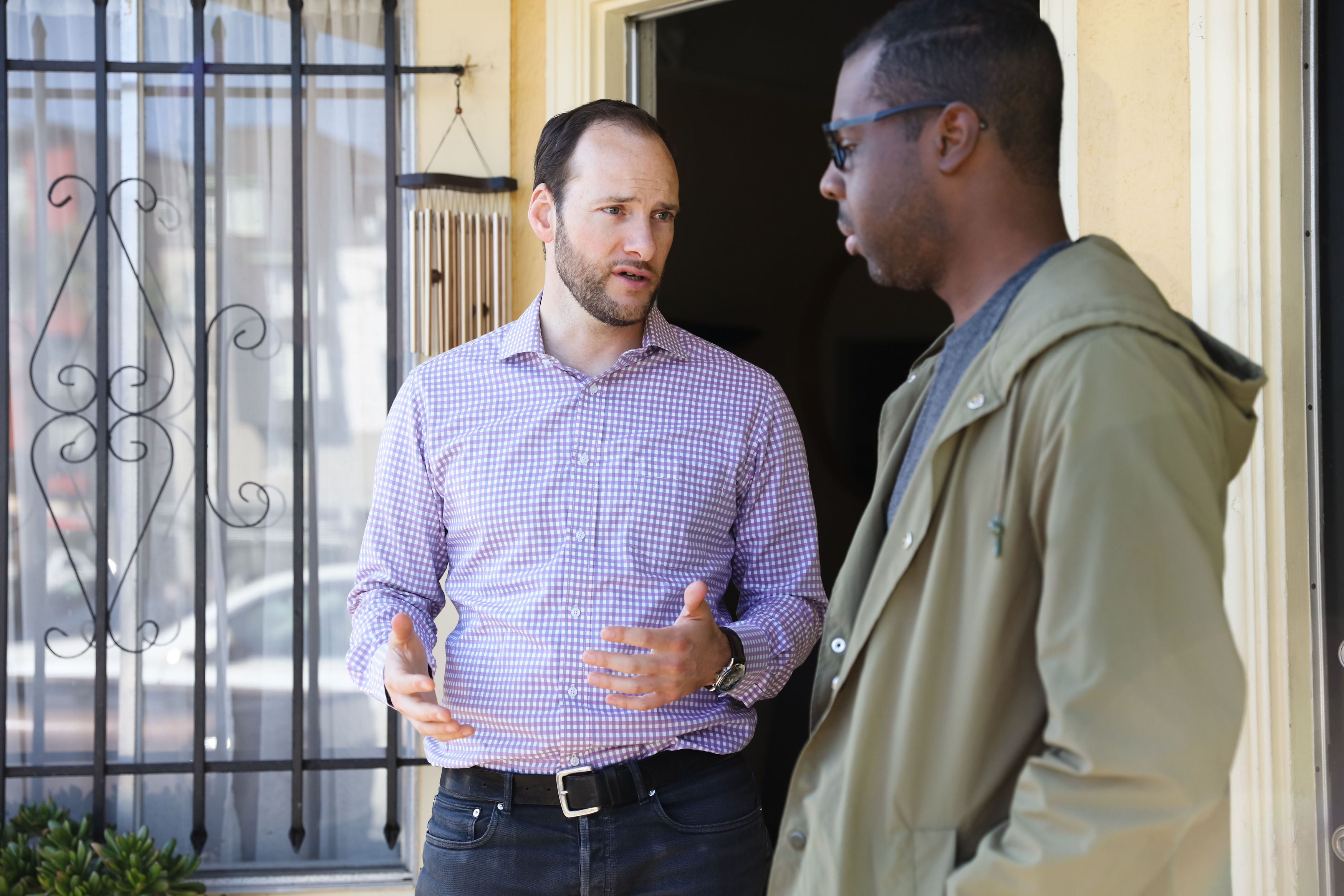
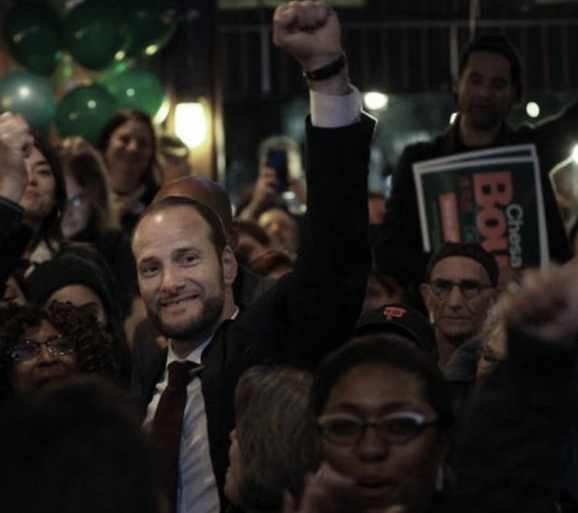
Right Wing Donors Fund Recall Of San Francisco District Attorney Chesa Boudin
Two years ago, attorney Chesa Boudin was elected by the people of San Francisco to reform the criminal justice system in their city. He was specifically chosen to begin reversing the mass incarceration which has been happening since the 1970s. This mass incarceration was a reaction by right-wing forces to the Civil Rights movement. By the time Chesa Boudin was elected, 2.3 million US citizens were behind bars across the country and another 6 million were on probation or parole. The United States has the highest per capita number of people incarcerated and under governmental supervision than any country in the world.
Chesa promised to begin to reverse this outrage. As an opponent of mass incarceration, his campaign emphasized that 75% of the people arrested in San Francisco are either addicted to drugs or mentally ill or both. He developed diversion programs. He got people into drug rehabilitation and/or psychiatric counseling. He emphasized caring not only for those arrested for crimes but especially for their victims.
He sought to and succeeded in making San Francisco a safer city. Now, after two years of Chesa’s service, crime in San Francisco has largely decreased. As Chesa promised, his office has prosecuted police for misconduct and corporate criminals for white-collar crimes.
Right-wing big money forces from outside San Francisco are attempting to recall Chesa Boudin. The vote will take place on June 7 and early voting has already begun. Rich people who don’t even live in San Francisco have played a big role in the campaign. The right-wing strategy for the recall is the use of fear: Fear of change. Fear of crime. Fear of minorities. Fear of unsheltered people living in the streets.
ChesaBoudin.com
Chesa grew up while both of his parents, David Gilbert and Kathy Boudin (who died on May 1st), were in prison serving long terms. He was raised by friends of his parents, Bill Ayers and Bernadine Dohrn, two professors who adopted him and welcomed him into their blended family. As a young boy, he would fly alone to visit his parents and go through the prison metal detector to have a few hours with them in the visiting room. Chesa is one of a number of progressive DA’s in the United States. The right understands that toppling him is critical in their effort to stop and roll back the movement for criminal justice reform.
Guest – District Attorney Chesa Boudin was sworn in as San Francisco District Attorney in January 2020. He’s a Rhodes Scholar who graduated from Yale Law School. After obtaining his law degree, he worked as a law clerk to the Honorable M. Margaret McKeown of the United States Court of Appeals for the Ninth Circuit, and later for the Honorable Charles Breyer of the United States District Court for the Northern District of California.
—-

Alternative Media Under Censorship And Oppression
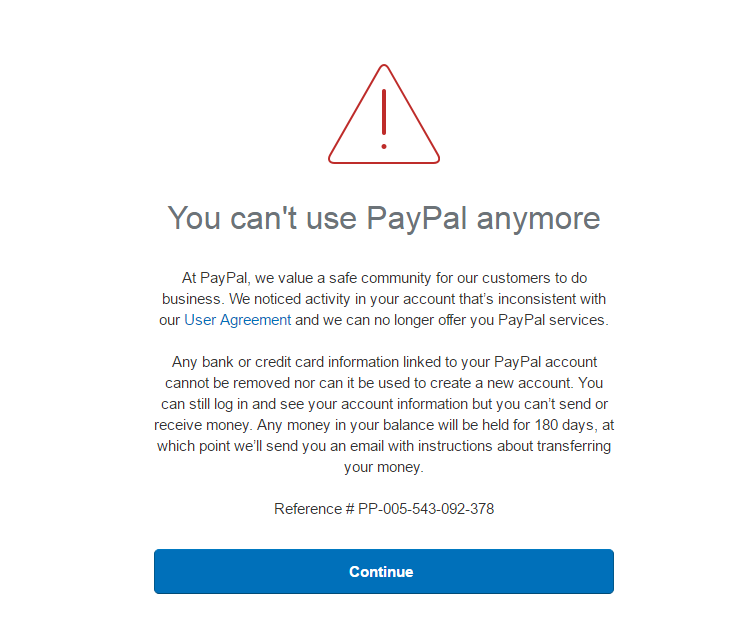
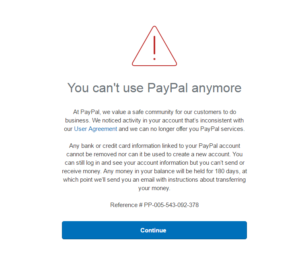
PayPal, YouTube, and Facebook are quashing non-main stream reporting and opinion about the war in Ukraine. Alternative media is in danger of even more extensive suppression. Archival videos of Chris Hedges’ RT show “On Contact“ were removed from YouTube after RT was banned. This included two interviews Hedges did with cohost of Law And Disorder Radio Michael Smith, another covered Law And Disorder Radio founder Michael Ratner‘s memoir. Consortium News, founded by veteran journalist Robert Parry in 1995 and currently run by Joe Lauria, was banned by PayPal in May. This was also done to Julian Assange and WikiLeaks years ago after they revealed US war crimes in Iraq and Afghanistan.
Consortium News apparently offended the big tech company, possibly with US government connivance, by being critical of US policy in Ukraine. PayPal will not reveal its reasons for the ban. Specifically, Consortium News wrote about NATO’s eastward expansion as well as the US role in the violence in the 2014 Maidan Square overthrow of the democratically elected government of Ukraine and replacing it with one more friendly to US interests.
According to Lauria, Consortium News has about 10,000 listeners a day. Sometimes this spikes to 40,000. Their PayPal account had allowed listeners to click on a support button and thus conveniently give money to the organization. PayPal recently informed Joe Lauria that Consortium News has been permanently banned. It would not discuss why.
Are we facing a dystopian future of big tech and government suppression of alternative journalism? Journalist Matt Taibbi has written that “going after cash is a big jump from simply deleting speech, with a much bigger chilling effect.” This, he added, is “especially true” for “the alternative media world, where money has been notoriously tight.”
Guest – Joe Lauria, Consortium News editor-in-chief. He is a former UN correspondent for The Wall Street Journal, Boston Globe, and numerous other newspapers, including The Montreal Gazette and The Star of Johannesburg. He was an investigative reporter for The Sunday Times of London and began his professional work as a 19-year-old stringer for The New York Times.

————————————————
Animal Rights, Civil Liberties, Civil Rights, Human Rights
Podcast: Play in new window | Download
Michael Smith Editorial On Kathy Boudin
—-
Landmark Case Roe v. Wade Analysis
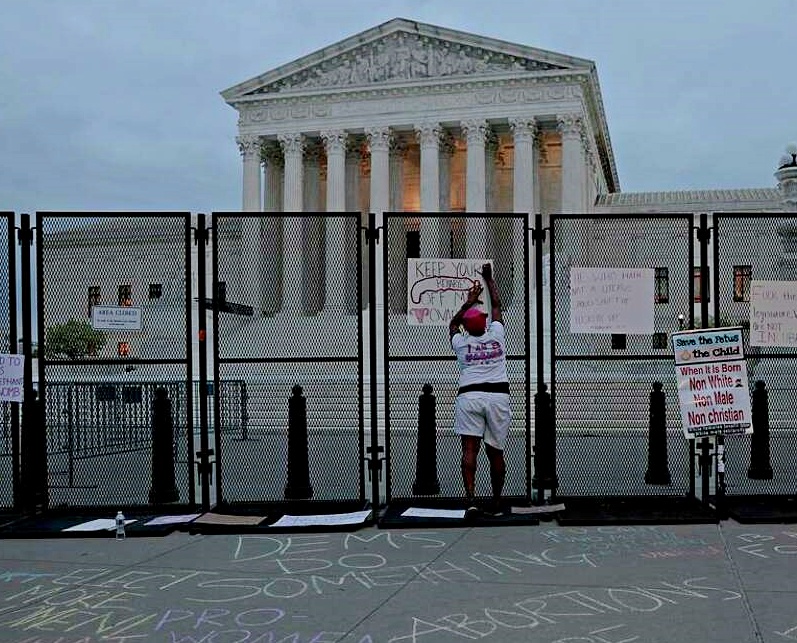
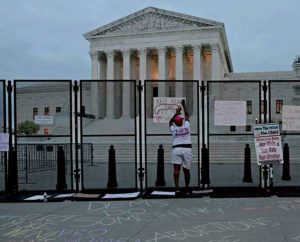
In headline news, on May 3 a leaked draft Supreme Court opinion was published in Politico. Samuel Alito’s draft decision in Dobbs v. Jackson Women’s Health Organization would overrule the landmark cases of Roe v. Wade and Planned Parenthood v. Casey. Alito writes that abortion is no longer a constitutional right and he leaves it up to the states to enact and enforce laws restricting a woman’s right to choose.
Alito wrote that “Roe and Casey must be overruled,” finding no constitutional right to abortion. If four more conservative members of the Supreme Court agree — which Clarence Thomas, Neil Gorsuch, Brett Kavanaugh and Amy Coney Barrett reportedly do at the present time—all reproductive and privacy rights will be imperiled.
If the court overrules Roe, it’s expected that half the states will outlaw or severely limit abortion. Thirteen states with so-called “trigger laws” would immediately ban the procedure. Five states that have pre-Roe abortion bans could once again enforce them. And 14 states would ban abortions before fetal viability.
Prohibition of and restrictions on abortion would disproportionately affect poor women and people of color. People suffering early miscarriages or ectopic pregnancies could be adversely affected if Roe is overturned. Fertility procedures such as in-vitro fertilization, egg extractions and stem cell procedures could be outlawed. Other “unenumerated” rights not specifically mentioned in the Constitution would be jeopardized. They include the right to travel, the right to vote and the right to interracial marriage.
Guest – Attorney Marjorie Cohn – Professor emerita at Thomas Jefferson School of Law where she taught from 1991-2016, a former criminal defense attorney, and past president of the National Lawyers Guild. She lectures, writes, and provides commentary for local, regional, national and international media. On May 6, Marjorie published an article on Truthout titled: Will Demise of “Roe” Be a Death Knell for Contraception, Marriage Rights?
—-

Government Agencies Delay Food Safety FOIA Requests
The US Freedom of Information Act is a 1967 federal law requiring federal agencies to disclose information to the public. The logic being: “a government of, by and for the people, is transparent and accountable to those people.” Getting the act passed was a democratic victory of the movement in the 60s. Over the last half-century, FOIA requests became critical tools for both journalists and activists seeking to illuminate federal agency activities.
The problem is– it’s getting harder to wrest information from recalcitrant government agencies. Federal agencies began both heavily redacting information, or ignoring requests entirely. And delays got noticeably lengthier. The law gives agencies 20 business days to respond. But in 2019, the average wait time for a reply to your FOIA request was nearly six months (177 days).
This forces public safety groups to begin expensive and lengthy lawsuits to get data that’s rightfully ours. Today’s guest has experienced this frustrating process—first requesting information; then waiting years for respective agencies to respond; receiving either no reply or replies with much the data blacked out; and finally, being forced to sue.
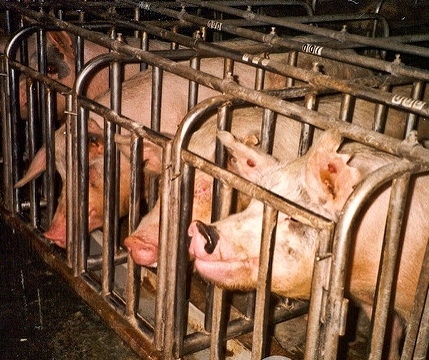
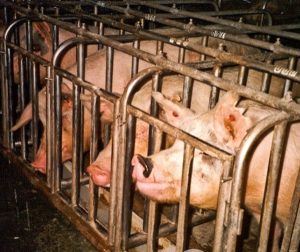
Guest – Zach Corrigan, is a champion of food safety and senior attorney at Food and Water Watch. Back in 2018, Mr. Corrigan became concerned when Trump both removed 40% of the federal inspectors and allowed for faster slaughter lines in our nation’s hog slaughterhouses. Letting hog slaughterhouses regulate themselves makes foodborne illness nearly inevitable, because Trump’s new rules precluded adequate safety testing. COVID itself should have taught us that human health is inexorably linked to the health of all other animals and the environment. Yet even the Biden administration is pandering to the meat industry by deregulating it.
———————————–
Civil Liberties, Civil Rights, Human Rights, Violations of U.S. and International Law
Podcast: Play in new window | Download
- Roe v. Wade Editorial by Attorney Jim Lafferty
—-
Paralysis In The US Antiwar Movement
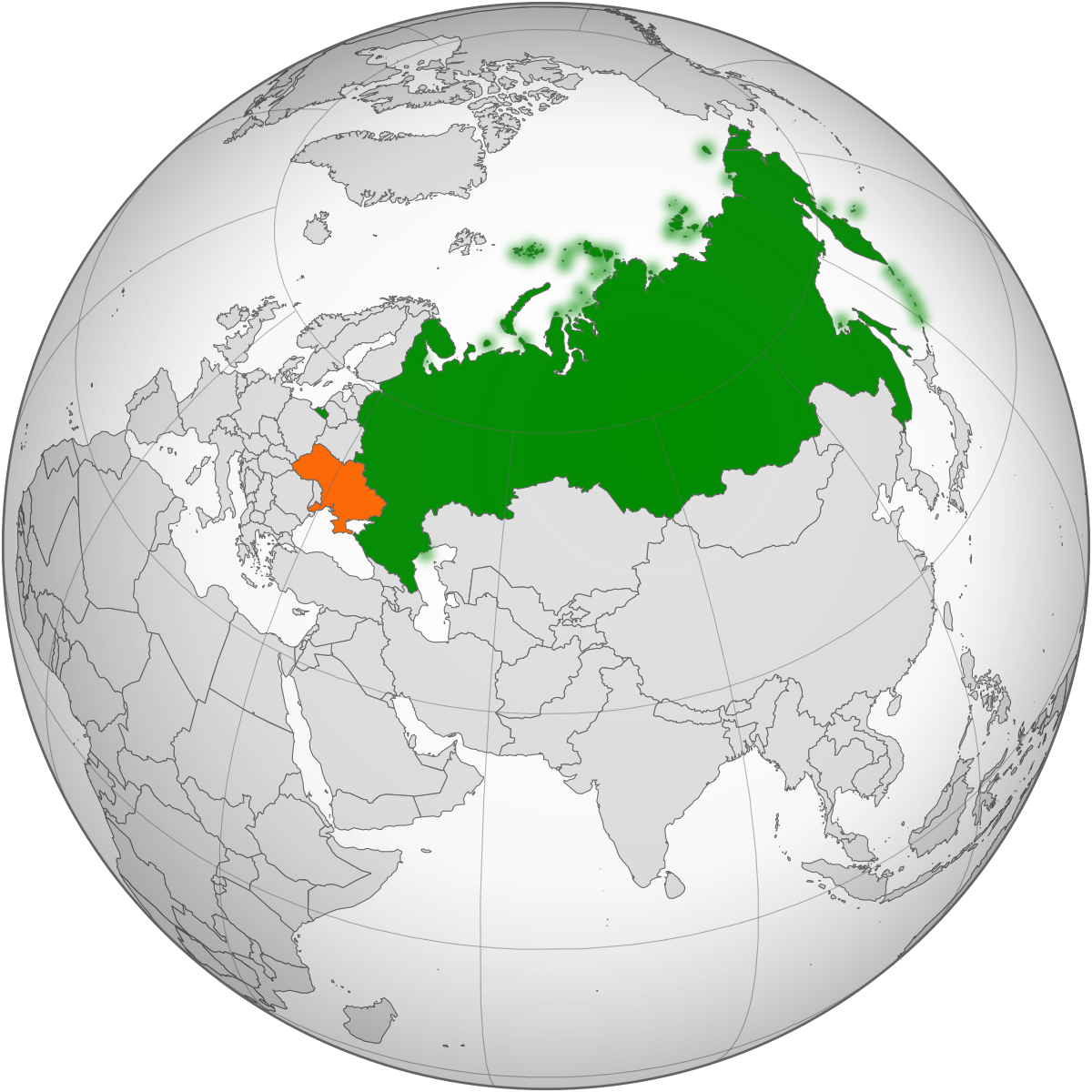
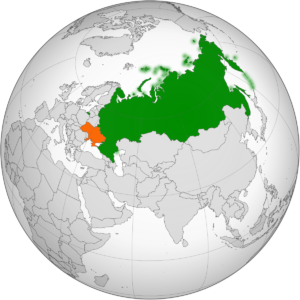
The proxy war between the United States and Russia has been going on in Ukraine, according to some, since February. Others argue it’s been happening since 2014 with the U.S.-organized coup which overthrew the elected government of Ukraine and replaced it with a government more favorable to U.S. interests.
The corporate news media in the United States have downplayed the U.S. role in the 2014 coup, which brought fascists into a European country‘s government for the first time since World War II. At that point, the coup government launched a military action against the Russian speaking population of the eastern Donbas region which had declared its independence by a popular vote. This military action by Ukrainian forces resulted in 14,000 deaths.
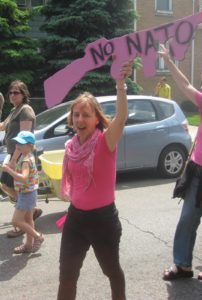
It is the position of many antiwar activists in the United States that Russia initiated a war of aggression by invading Ukraine this past February. Other antiwar activists say that Russia acted in self-defense, considering what happened in 2014, the expansion of NATO and military bases up to Russia’s borders; they have refused to outright condemn the Russian invasion.
This disagreement has caused a paralysis in the U.S. peace movement. Moreover, the United States has supplied the Ukrainian government with billions of dollars worth of weapons and has demonstrated no inclination to support a cease-fire or a negotiated settlement.
Some have observed that the United States will fight the Russians to the last drop of Ukrainian blood.
The danger of a nuclear conflagration between the United States and Russia, the world’s two most heavily nuclear armed countries, increases daily. The United States has now articulated its goal in the war: to subjugate the Russians and overthrow the Putin government.
For its part, the Ukrainian government is under tremendous pressure from right-wing forces in the country (the same forces that participated with rifle fire in the 2014 coup) to refrain from engaging in peace discussions. The Ukrainian government is operating under martial law and has banned all opposition parties, including socialists and those advocating for negotiations and peace. Repression in Ukraine is being carried out by the SUB, the Ukraine political police, with advice from the CIA.
What will it take to mobilize antiwar Americans so they act together in a unified way? What demands should they raise?
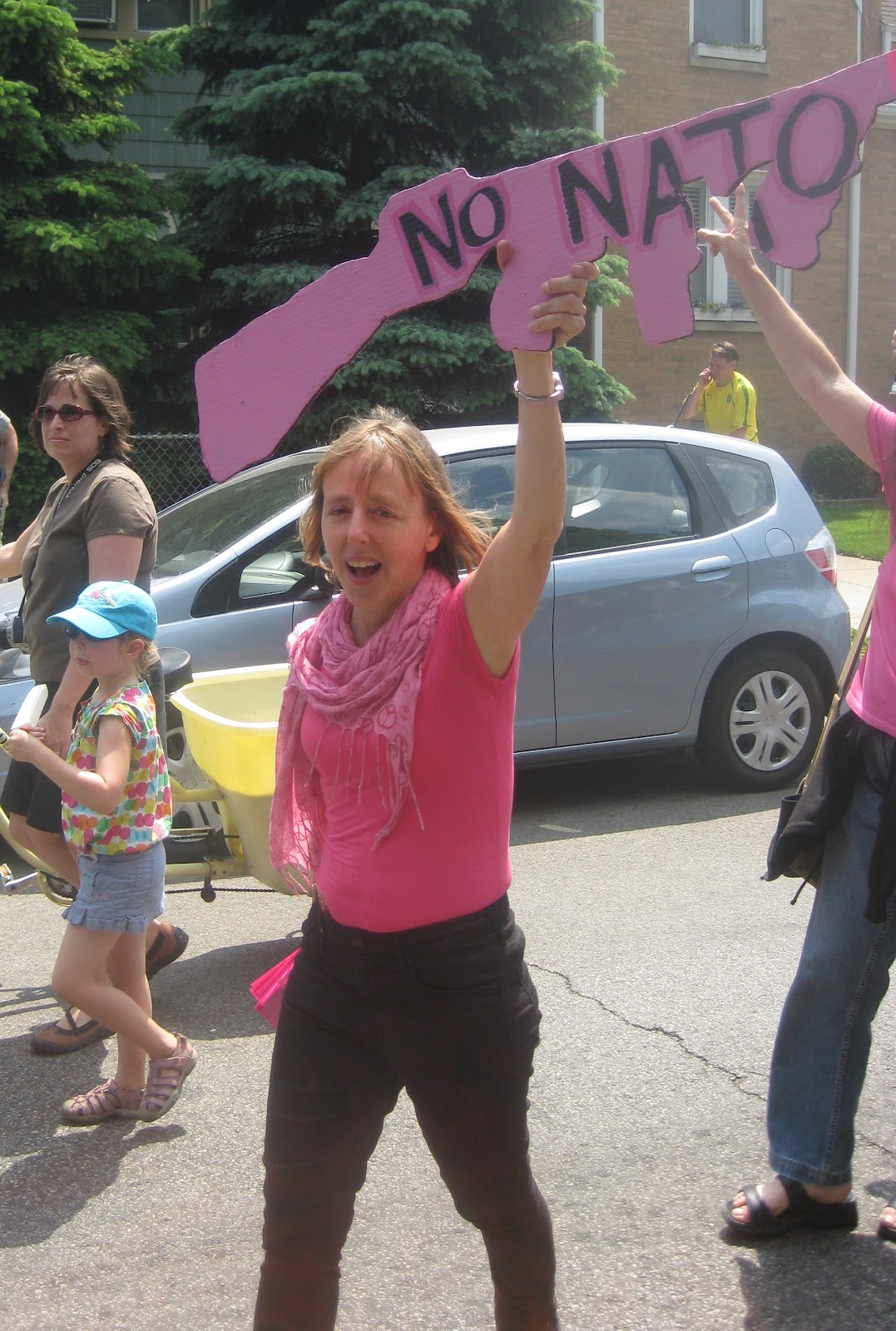
Guest – Medea Benjamin is the co-founder of the women-led peace group CODEPINK and the co-founder of the human rights group Global Exchange. She serves on the CODEPINK Board of Directors and has been an advocate for social justice for more than 40 years. Described as “one of America’s most committed — and most effective — fighters for human rights” by New York Newsday, and “one of the high profile leaders of the peace movement” by the Los Angeles Times, she was one of 1,000 exemplary women from 140 countries nominated to receive the Nobel Peace Prize on behalf of the millions of women who do the essential work of peace worldwide.
—-
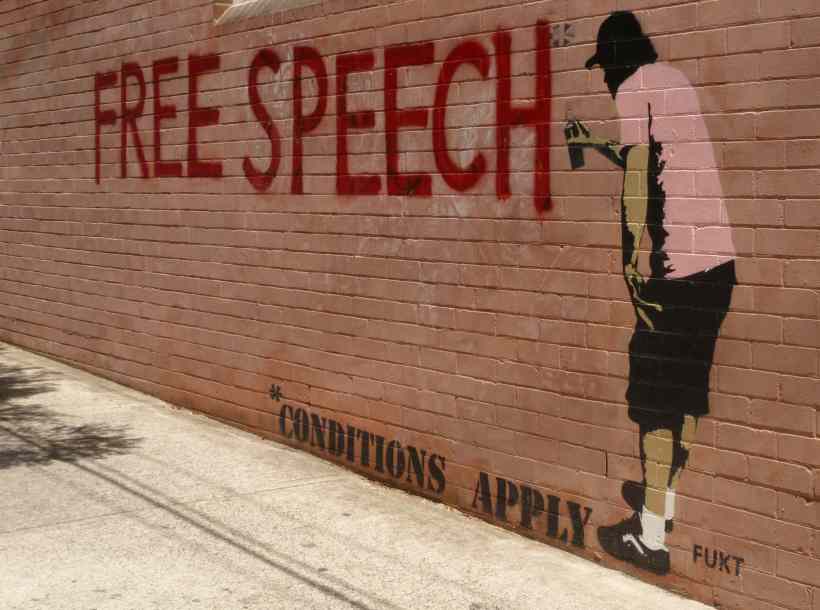
Free Speech And Censorship In The United States
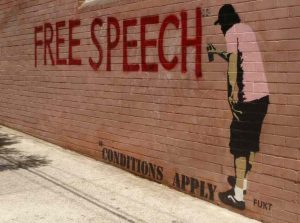
We are taught from a very young age that one of the many blessings of living in an open and democratic nation is that we all have the right to say publicly what is on our mind; that free speech is one of the great hallmarks of our democracy. And yet, throughout our nation’s history there have been periods of time when the constitutional guaranty of free speech has been under serious assault. And this is one of those times. Less than 50% of students, as well as all other American adults, feel the right of free speech is fully secure in the United States today. And I’m afraid they are correct.
In recent years a number of public opinion surveys have disclosed that a goodly number of Americans believe people with hateful or very controversial views that might unduly excite people, or insult people, should not be allowed to express those views in the public arena. And this is true of both liberals and conservatives. At least one in four college students think it’s fine to ban highly controversial speakers from their college campus and, in fact, one in six students believe that if all else fails, they can resort to physical intervention to prevent them from speaking on campus.
Well, as the old adage about it not being legally permissible to shout “fire” in a crowded movie theater, what are the limits on free speech today? Should racist speech be allowed? How about misogynous speech? Or pro-Palestinian and anti-Israel speech? Does the fact that our nation is very divided, very tribal today, inform the answers to such questions? Well, we’ve a lot to cover today. Let’s get started.
Guest – Attorney Nadine Strossen is the New York Law School’s John Marshall ll Professor of Law, Emerita. From 1991-2008 she served as the president of the American Civil Liberties Union, the first woman to do so. When she stepped down as ACLU president in 2008, three US Supreme Court Justices participated in her farewell and tribute luncheon: Ruth Bader Ginsburg, David Souter and Antonin Scalia. Her 2018 book, is “HATE: Why We Should Resist It With Free Speech, Not Censorship,” and her earlier book, “Defending Pornography: Free Speech, Sex, and the Fight for Women’s Rights,” was named a “notable book of 1995 by the New York Times.
—————————
genocide, Human Rights, Torture, Violations of U.S. and International Law
Podcast: Play in new window | Download
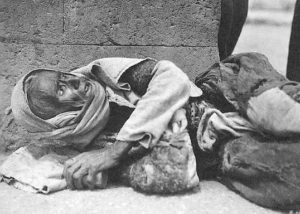
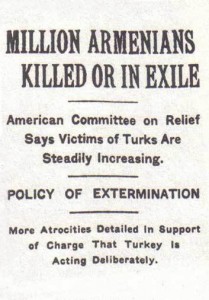
Radio Documentary – It Was Genocide: Armenian Survivor Stories
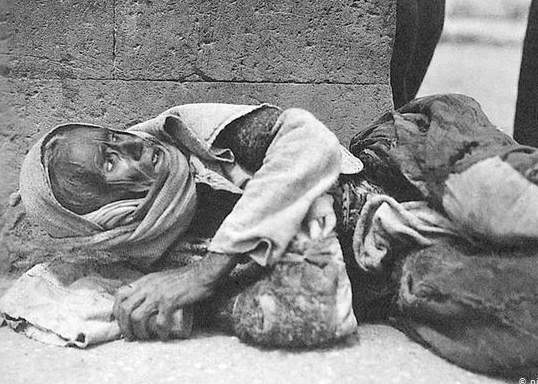
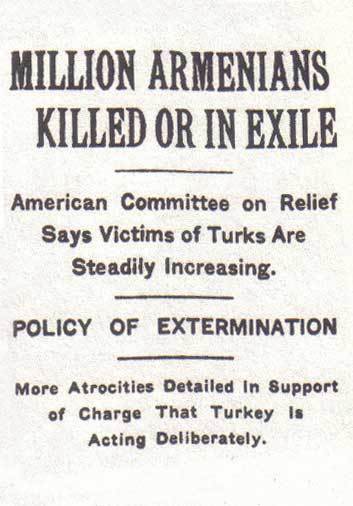
Around the world, April 24 marks the observance of the Armenian Genocide. On that day in 1915 the Interior Minister of the Ottoman Empire ordered the arrest and hangings of Armenian intellectuals and community leaders in Constantinople. It was the beginning of a systematic and well-documented plan to eliminate the Armenians, who were Christian, and who had been under Ottoman rule and treated as second class citizens since the 15th century.
The unspeakable and gruesome nature of the killings—beheadings of groups of babies, dismemberments, mass burnings, mass drownings, use of toxic gas, lethal injections of morphine or injections with the blood of typhoid fever patients—render oral histories particularly difficult for survivors of the victims.
Why did this happen? Despite being deemed inferior to Turkish Muslims, the Armenian community had attained a prestigious position in the Ottoman Empire and the central authorities there grew apprehensive of their power and longing for a homeland. The concerted plan of deportation and extermination was effected, in large part, because World War I demanded the involvement and concern of potential allied countries. As the writer Grigoris Balakian wrote, the war provided the Turkish government “their sole opportunity, one unprecedented” to exploit the chaos of war in order to carry out their extermination plan.
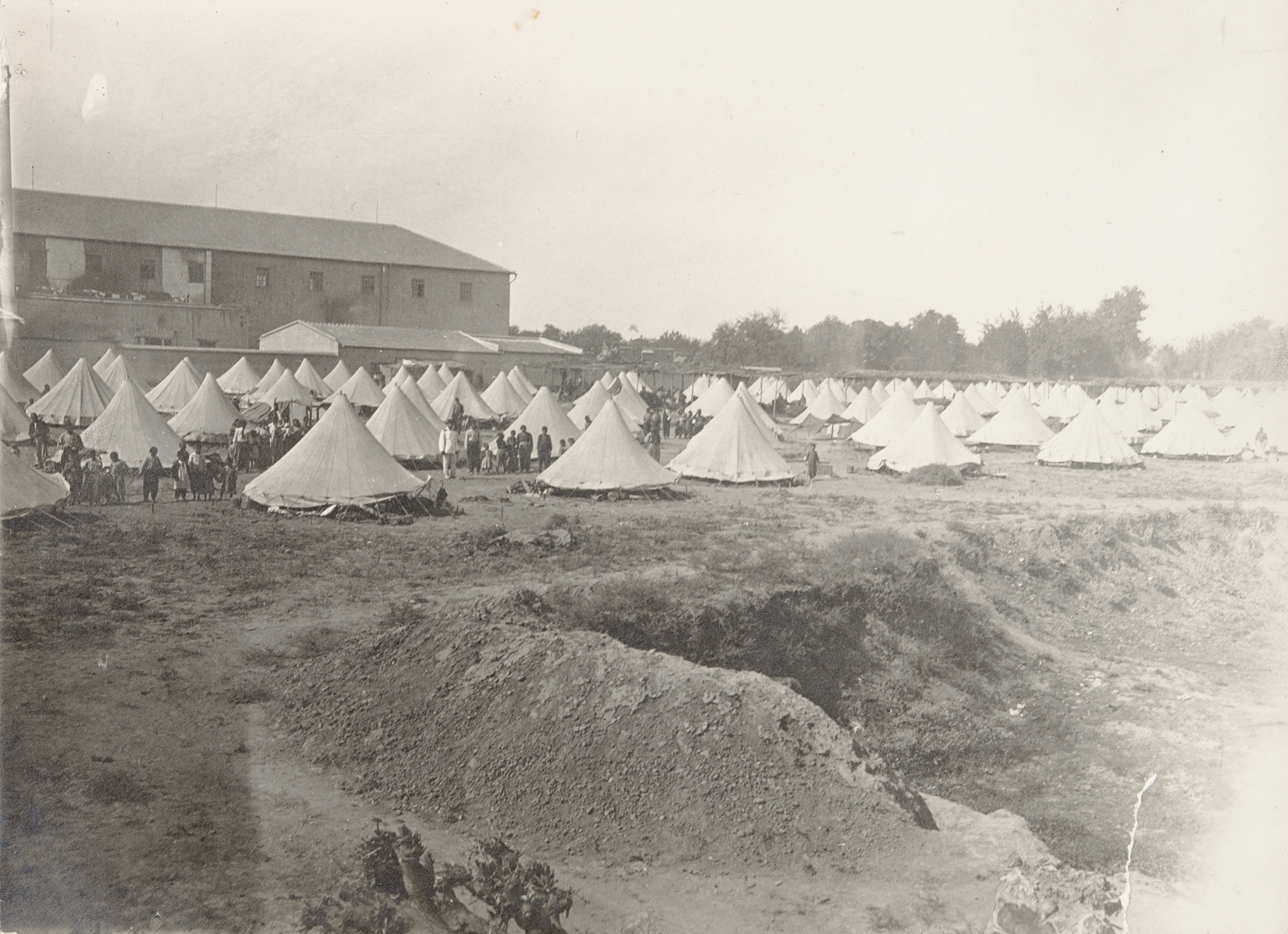
As Armenians escaped to several countries, including the United States, a number came to New Britain, Connecticut in 1892 to work in the factories of what was then known as the hardware capital of the world. By 1940 nearly 3,000 Armenians lived there in a tight-knit community.
Pope Frances calls it a duty not to forget “the senseless slaughter” of an estimated one and a half million Armenians by the Ottoman Turks from 1915 to 1923. “Concealing or denying evil is like allowing a wound to keep bleeding without bandaging it,” the Pope said just two weeks before the 100th anniversary of the systematic implementation of a plan to exterminate the Armenian race.
Special thanks to Jennie Garabedian, Arthur Sheverdian, Ruth Swisher, Harry Mazadoorian, and Roxie Maljanian. Produced and written by Heidi Boghosian and Geoff Brady.
—-
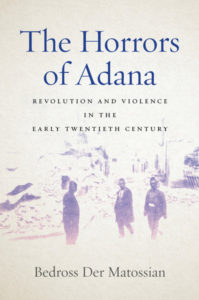
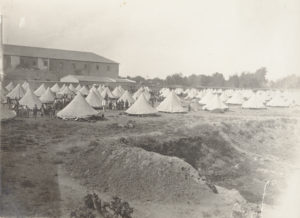
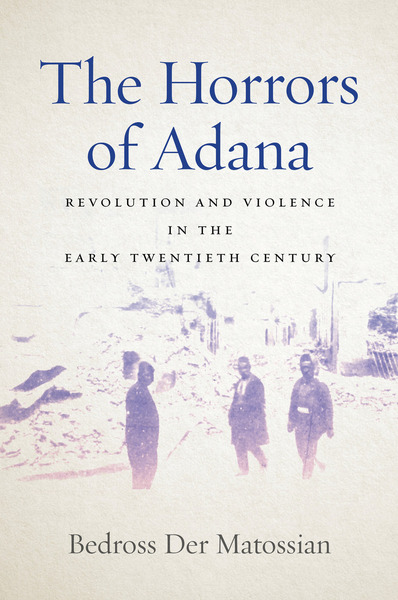
Horrors Of Adana by Bedross Der Matossian
In April 1909, a few years before the 1914 Ottoman massacre of Armenians, two massacres killed more than 20,000 Christians, primarily Armenians. They transpired in Adana, situated on the Mediterranean cost of southern Anatolia. Images of the area after the attacks show unprecedented destruction of a formerly prosperous city. Armenian churches, businesses, and homes were destroyed, and the violence quickly spread across the province and extended outside its eastern borders into the province of Aleppo.
Despite the magnitude of these devastating atrocities, no one was held accountable. In fact, they have have remained largely absent from history books. But that’s about to change.
Guest – Bedross Der Matossian has written a meticulously-researched examination of these events. It’s called The Horrors of Adana: Revolution and Violence in the Early Twentieth Century, and it’s published by Stanford University Press. It’s a detailed exploration of the twin massacres and the events and the economic and sociopolitical transformations leading up to them. He is Associate Professor at the University of Nebraska, Lincoln, and the president of the Society for Armenian Studies. He is the author and co-editor of several books including the award-winning book, Shattered Dreams of Revolution: From Liberty to Violence in the Late Ottoman Empire.
——————————-
Civil Liberties, Civil Rights, Crony Capitalism, Supreme Court, Violations of U.S. and International Law
Podcast: Play in new window | Download
The Effects Of War On Our Economy
The US government is seeking regime change in Russia. According to Biden, they want to get rid of Putin and impose the most draconian sanctions ever on Russia after its illegal war of aggression on Ukraine, a war that the US-led NATO provoked. Once again, as it did in Afghanistan, the United States got Russia involved in a war and now hopes to bleed and bury her. For this ignoble end, the US military will fight Russia in this proxy war with every last drop of Ukrainian blood.
It is the opinion of many historians and economists that the American empire is on the way out. They think its exit has been accelerated by the sanctions it has imposed on Russia, that these sanctions have boomeranged and that the unipolar world headed by the United States is about to be fragmented.
What will be the effect of the sanctions on the US dollar, which is now the currency of international trade, if the United States loses its place as the unipolar power on the planet? How will the US economy be affected if the dollar is no longer used as the only reserve currency for international trade and what will the consequences be for Americans?
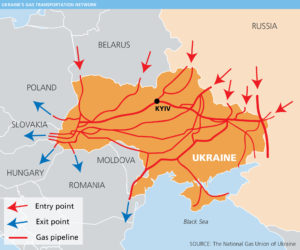
How will the war affect those who depended on Ukraine as the breadbasket of the world for its massive production of wheat? What about its effect on Europeans, who depend on Russian natural gas and oil?
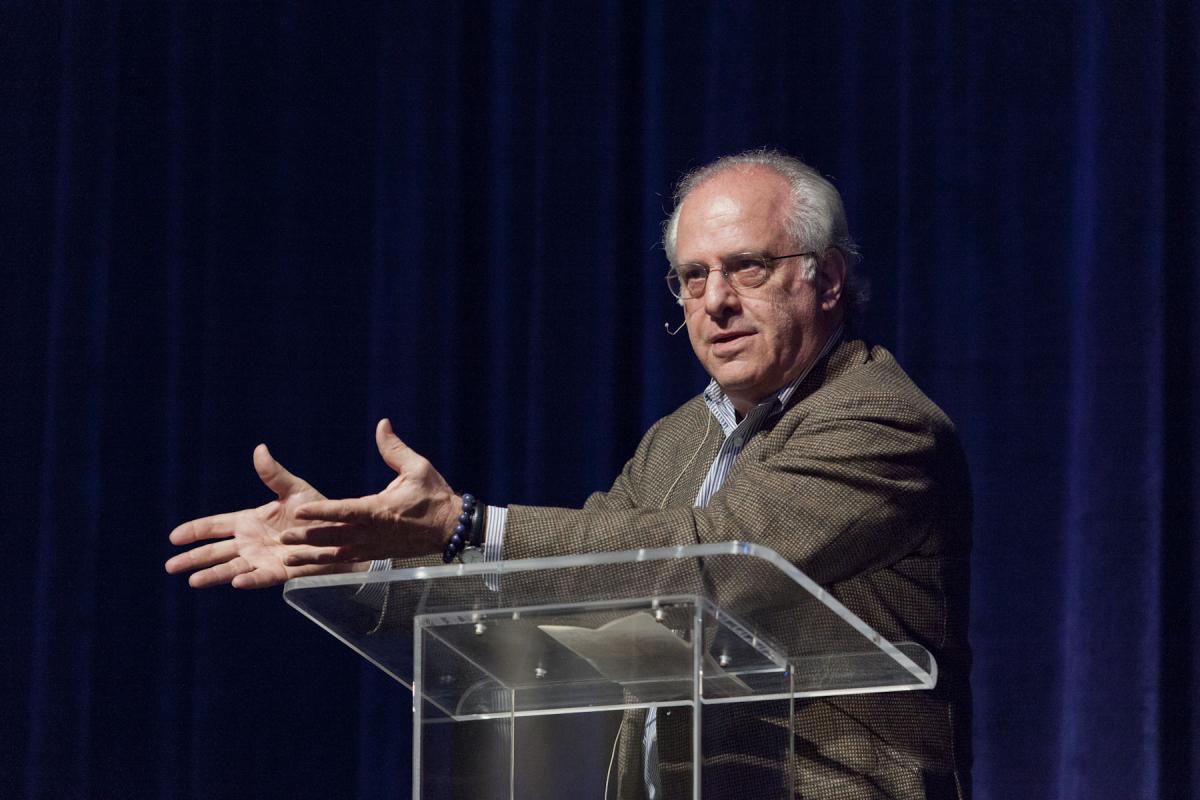
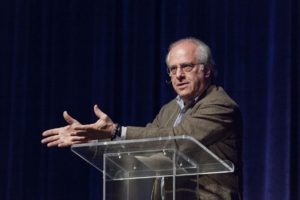
Guest – Economist Richard Wolff assesses the catastrophic effect of the Russian invasion of Ukraine. Richard Wolff is professor emeritus at the University of Massachusetts, where he was the chairman of the economics department. He is the founder of Democracy at Work and the author of numerous books. He is presently a visiting professor at the New School in New York City.
—-
Supreme Court Justice Clarence Thomas Ethical Conflict Of Interest
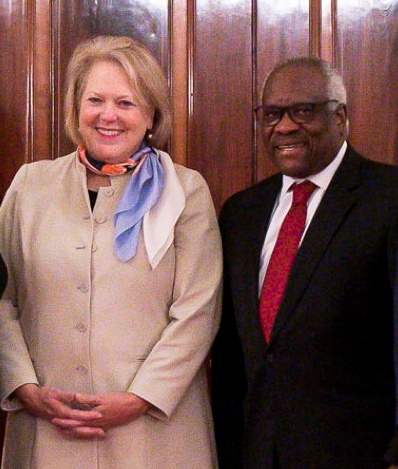
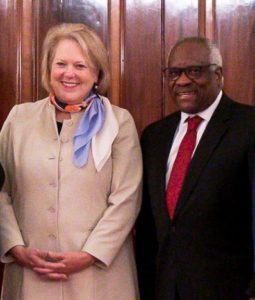
In an ethics bombshell for the legal community, the Washington Post recently broke the story of Supreme Court Justice Clarence Thomas’s wife Virginia (or “Ginni”) Thomas’s text messages to former White House chief of staff Mark Meadows.
In her texts, Ginni Thomas urged Meadows to do anything he could to subvert the democratic voting result and to fight, in her words, for good over evil. The goal was to frustrate Joe Biden’s victory and keep Donald Trump in power.
Ginni Thomas has been a persistent voice on behalf of tea party activism. She founded Growdswell, a group of far-right activists, nonprofit heads, journalists, and others who reportedly meet weekly at the offices of Judicial Watch to strategize in order to advance a right-wing agenda. A New York Times Magazine investigation revealed that Thomas oversaw Groundswell’s project of a “30-front war” to “exchange and amplify hardline positions on immigration, abortion, and gun control.”
Ginni Thomas also sits on the board of the action arm of the Center for National Policy, a secretive, right-wing entity that helped advance, according to the Times, the “Stop the Steal” movement. Thomas was thus greatly involved in efforts to overturn the outcome of the 2020 election.
Advocacy on these and other issues that come before the Supreme Court, without Ginni Thomas’s husband recusing himself, threaten to further erode Americans’ trust in this legal pillar of democracy.
Guest – James Sample is a professor at Hofstra Law School. Professor Sample regularly comments on ethical issues for leading media outlets, including The Wall Street Journal, The New York Law Journal, Slate.com and The Huffington Post, and he is a frequent presenter at national conferences.
——————————–