Civil Liberties, Gaza, Human Rights, Political Prisoner, Prison Industry, Truth to Power, War Resister
Podcast: Play in new window | Download
- Commentary: Jim Lafferty On Israeli – Palestinian Conflict
—-
Steven Donziger Trial: Continuing Coverage Part 2
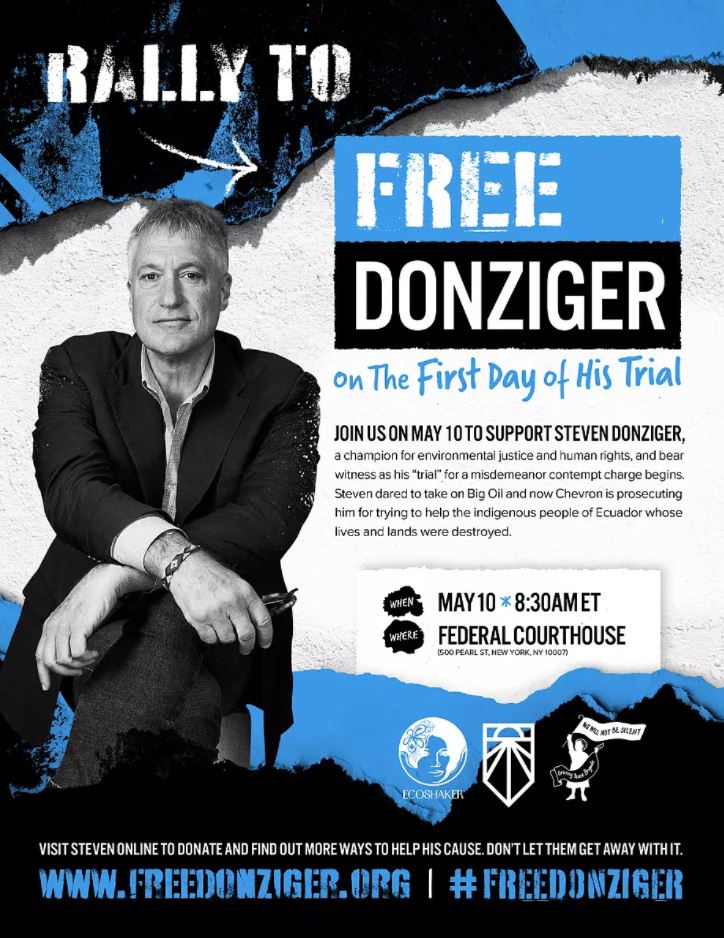
After five days in court and 650 days on house arrest, environmental lawyer Steven Donziger chose not to take the stand and testify in his own defense. As listeners will recall, Steven was on trial for criminal contempt of court charges. In August 2019, he refused to turn over his computer, cellphone and other electronic devices and he has been detained pretrial for a misdemeanor offense. If convicted, he faces six months in prison.
The attorney who won a multi-billion-dollar settlement against Chevron oil for polluting an area Ecuador the size of Rhode Island and causing the indigenous people thousands of injuries and deaths by cancer and other illnesses, told The Intercept about the decision: “My lawyers said you’d be crazy to testify, so we decided to cut the case short. No need to continue to legitimize what’s essentially a charade.”
Judge Loretta Preska denied Steven a trial by jury, and many contend that a jury of his own peers might have acquitted the human rights defender of all six counts. Attorney and Harvard Law School professor Charles Nesson agrees. “This is a story of the denial of jury trial,” Nesson said. “He’s been effectively convicted and disbarred and more or less bankrupted without any jury. And now he’s about to be convicted. And all of this without a jury.”
DonzigerDefense.com
ChevronToxico.com
ChevronInEcuador.com
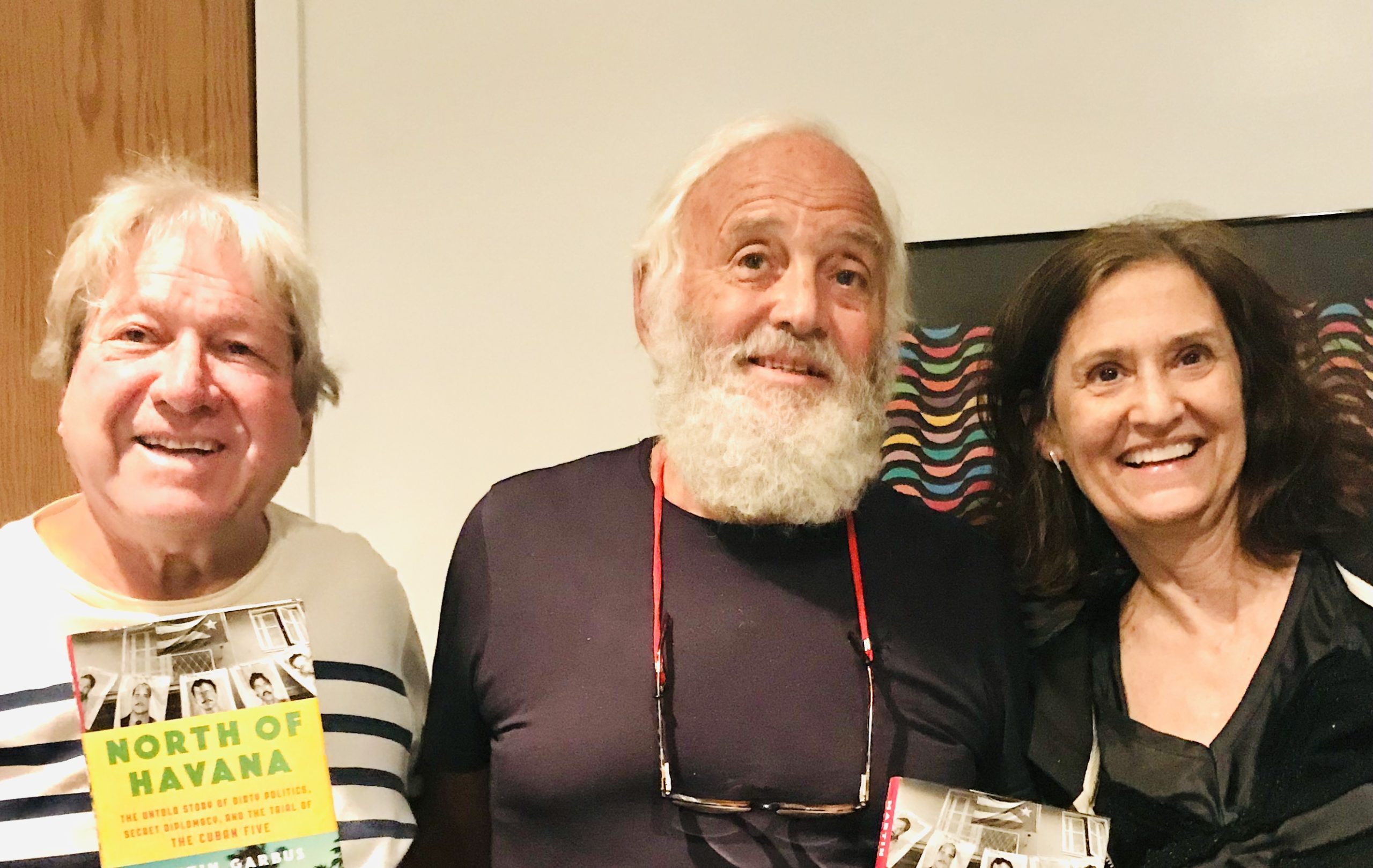
Guest – Attorney Martin Garbus, one of three pro bono lawyers representing Donziger in an attempt to get his law license restored. Garbus has a long and distinguished career as a civil rights and first amendment litigator. Attorney Martin Garbus has represented Nelson Mandela, Daniel Ellsberg, and Cesar Chavez and worked in Rwanda, China, and the Soviet Union, among other countries.
—-
Take Me To Your Leader: The Rot of the American Ruling Class
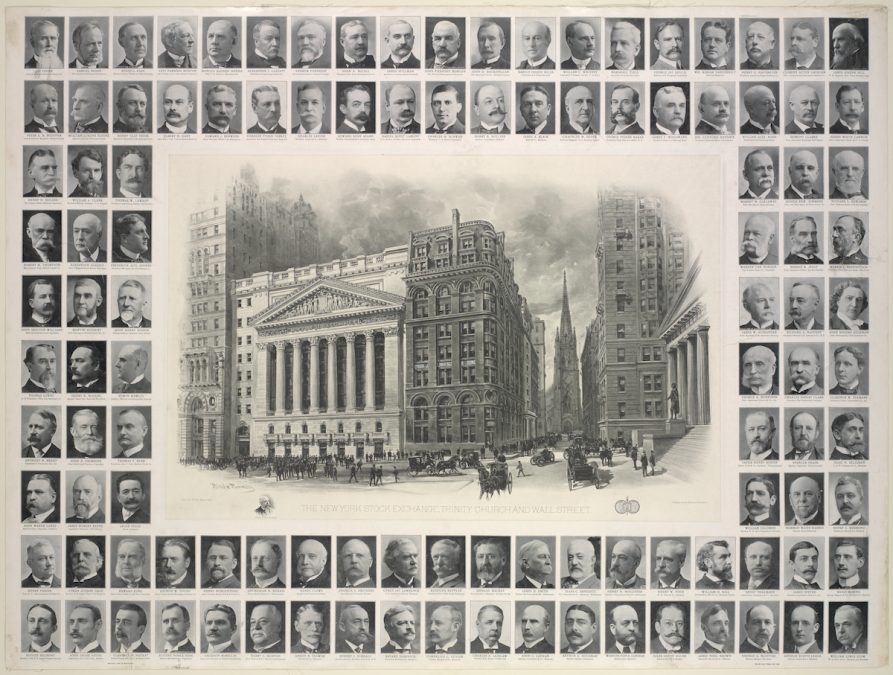
We need to know our enemy because the task of changing society begins with understanding who holds power. In 1915 the great Irish socialist James Connolly said, “O, yes! The ruling class are worthy of study. The natural history of the ruling class is a fascinating interest. You begin with interest, you proceed with awe and admiration, you deepen into hatred, and you wind up with contempt for the nature of the beast. You realize that – the capitalist class is the meanest class that ever grasped the reins of power”. Jacobin magazine’s Spring 2021 issue is devoted entirely to an examination of the ruling class.
Guest – Doug Henwood who has an article in Jacobin titled Take Me To Your Leader: The Rot of the American Ruling Class. Doug Henwood is the editor of Left Business Review and the host of the radio program Behind the News.
————————————————
Civil Liberties, Human Rights, Political Prisoner, Supreme Court, Surveillance, Truth to Power
Podcast: Play in new window | Download
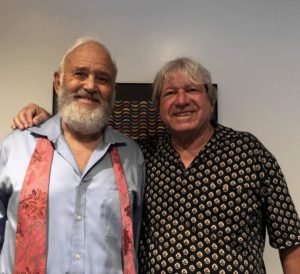
Steven Donziger Trial: Continued Coverage
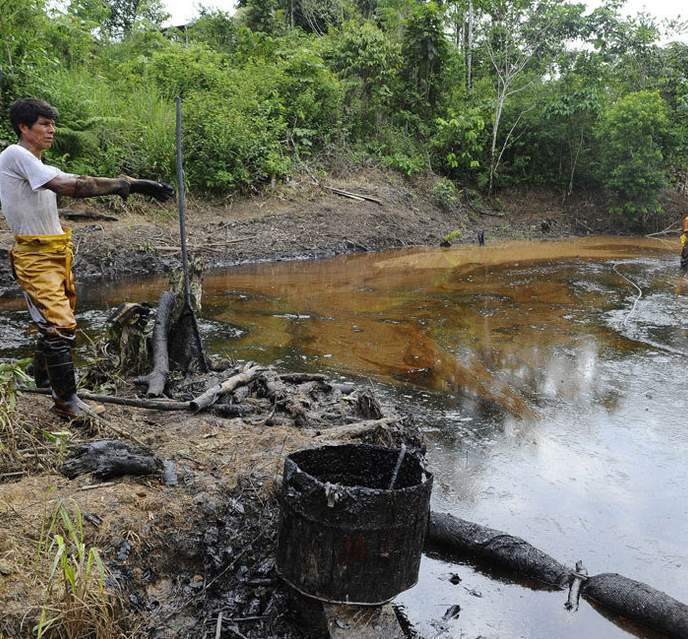
As we continue our coverage of human rights lawyer Steve Donziger’s criminal contempt trial, we look back to the origins of case he brought against Chevron Oil. They go back to the late 1960s when Texaco first discovered oil in part of an Amazon rainforest in northeastern Ecuador. The US oil company went on to lord over decades of environmental destruction on a monolithic scale, dumping two or three Exxon Valdez’s worth of oil and toxic byproducts and despoiling an area the size of Rhode Island. Since then, the indigenous tribes in the area have been victims of by cancer and other illnesses caused by the pollution, they say. In 1993, two years after graduating from Harvard Law School, Donziger joined a lawsuit seeking to force Texaco to clean up the mess. In 2000 Chevron purchased Texaco. They spent upward of $1 billion in legal fees defending this case.
Donziger has broad support from celebrities, including Alec Baldwin and Susan Sarandon; dozens of Nobel laureates; and thousands of lawyers and law students globally. A handful of sympathetic Democratic lawmakers, including U.S. Rep. Alexandria Ocasio-Cortez, have written a letter to U.S. Attorney General Merrick Garland, asking him to look into the case. More than 200 attorneys with the International Association of Democratic Lawyers have filed a judicial complaint asking for Judge Kaplan to be taken off the bench.
Conversely, Chevron claims Donziger’s supporters are being duped by a con man. A few conservative outlets have reiterated that narrative. One National Review headline criticized the “Lefty Media” for championing the cause of “History’s Champion Scammer.”
DonzigerDefense.com
ChevronToxico.com
ChevronInEcuador.com
Guest – Attorney Martin Garbus, one of three pro bono lawyers representing Donziger in an attempt to get his law license restored. Garbus has a long and distinguished career as a civil rights and first amendment litigator.
—-
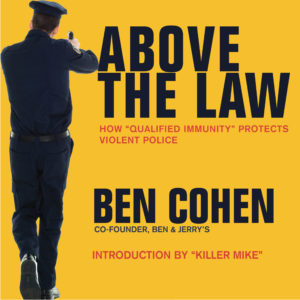
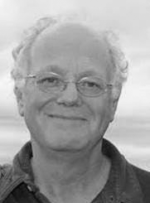
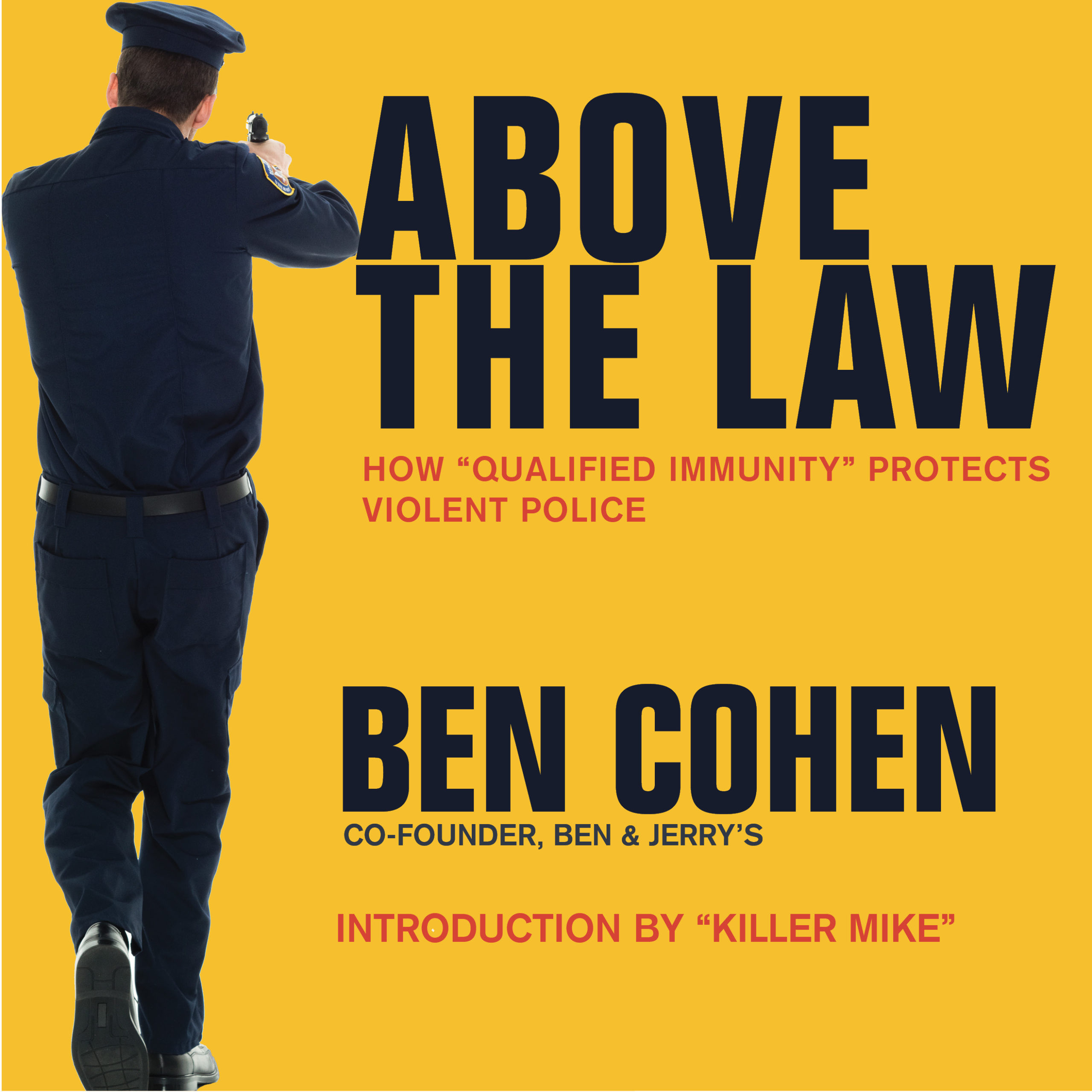
Above The Law: How Qualified Immunity Protects Violent Police
The 1967 judicially created doctrine of qualified immunity has been so broadly interpreted that it acts as a shield for policeman in all but the rarest of circumstances. Only when the exact same abusive behavior of a cop has already been deemed unconstitutional by a court in the exact same jurisdiction can a victim succeed in a civil lawsuit against an abusive police officer. A plantiff must show that government officials violated clearly established law to receive damages for harm.
The plaintiff wins only if a prior court found an official liable under a nearly identical fact pattern. This standard is virtually impossible to meet and the protections promised under section 1983 civil rights act are therefore largely symbolic.
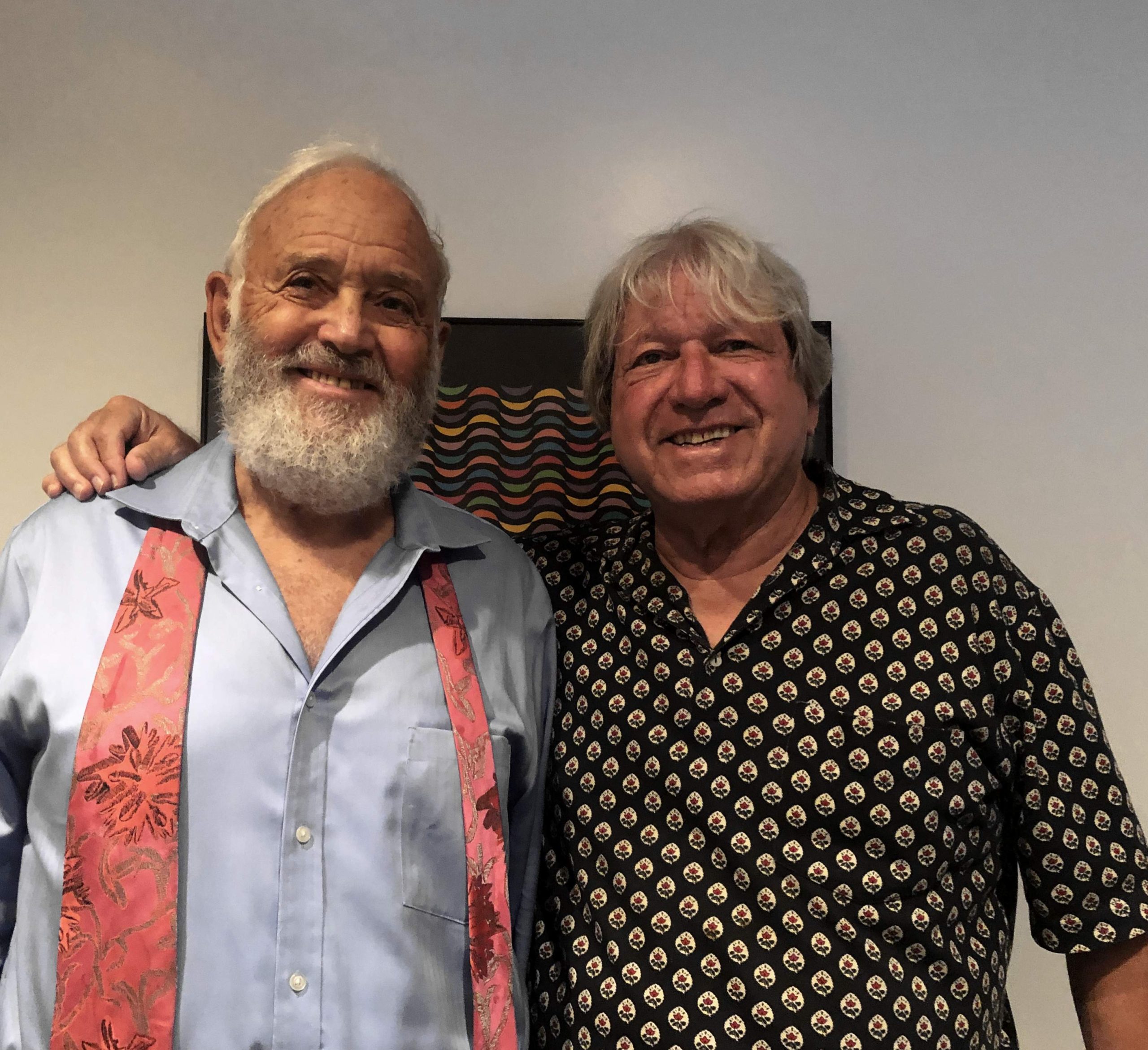
Guest – Ben Cohen – cofounder and former CEO of Ben & Jerry’s Ice Cream. He is the founder of a variety of advocacy organizations and the author of several books including his latest titled Above The Law: How Qualified Immunity Protects Violent Police. Ben and his partner Jerry Greenfield are currently helping to lead the campaign to end qualified immunity.
—-


USPS Announces Closing Of 19 Mail Processing Plants
The US Postal Service advertises the official standard of delivering first-class mail — a typical letter with a 55-cent stamp—within “1-3 business days.” The News Department at WGBH Radio in Boston conducted its own test to see if this still holds true. News reporters and producers sent nearly 100 letters from different places in the metro area at various hours on the same day to their pick of correspondents in 38 states, creating a random sample. The letters were addressed to residents of large cities, suburbs and small towns. The Postal Service flunked the test. A little more than half of the letters arrived within the three-day window.
Slower delivery is just the tip of the Post Office’s problems. Things are going from bad to worse. The Postal Service issued a report titled Delivering for America calling for a reorganization that highlights something called shared sacrifice.
Many consider it an austerity plan to cover for de facto privatization. Critics say the plan will slow the mail, raise prices, and cut services. Since the report was published, the Postal Service announced the closing of 18 mail processing plants that will take place before November. Based on recent history, closing these plants will slow the mail and guarantee there will be problems with mail delivery during the peak season.
Guest – Chuck Zlatkin, legislative director of the New York Metro Area Postal Union.
—————————-
CIA Sponsored Terror, Civil Liberties, Criminalizing Dissent, Human Rights, Truth to Power
Podcast: Play in new window | Download
- Attorney Jim Lafferty Commentary on Solitary Confinement
—-
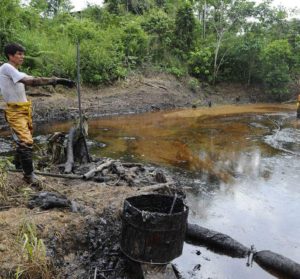
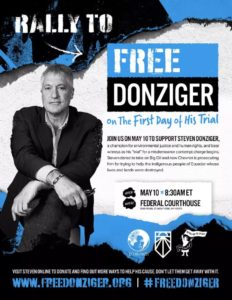
Steven Donziger Trial Set To Begin This Week
Sixty-year-old environmental lawyer Steven Donziger has been under house arrest without trial for the last 25 months on charges that normally have a max sentence of six months. To date this is the longest sentence imposed in New York on an attorney convicted of contempt. The contempt charges are from Donziger’s refusal to give his cellphone and computer to the court. We’ve been covering Chevron’s retaliation campaign against Donziger after he helped communities in Ecuador’s Amazon win a historic $9.5 billion judgment against the oil giant. His case showed how Chevron for deliberately dumped billions of gallons of carcinogenic oil water onto Indigenous ancestral lands. The multinational corporation enlisted 60 law firms and 2,000 attorneys to block Donziger’s advocacy. In the process they bankrupted his family, and intimidated environmental activists and allies internationally.
At last, Donziger’s trial is set to begin Monday, May 10. This case offers a play-by-play account of a private oil company set out to destroy an altruistic lawyer, environmental justice, corporate accountability, Indigenous rights, and free speech.
DonzigerDefense.com
ChevronToxico.com
ChevronInEcuador.com
Guest – Attorney Martin Garbus, one of three pro bono lawyers representing Donziger in an attempt to get his law license restored. Garbus has a long and distinguished career as a civil rights and first amendment litigator.
—-
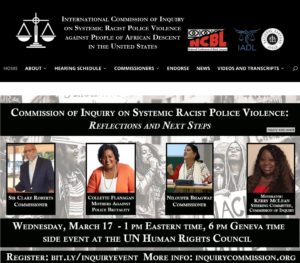
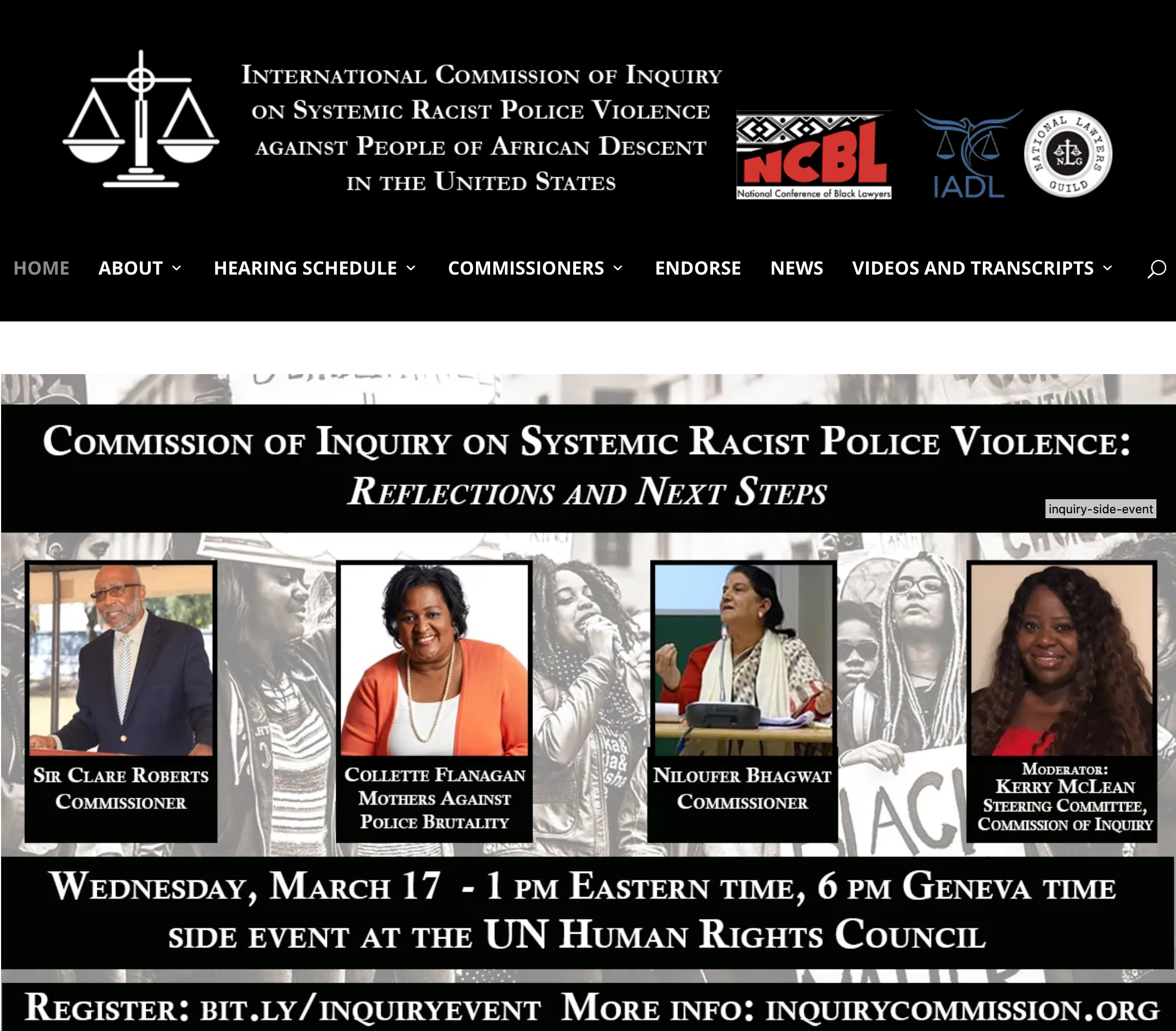
International Commission of Inquiry on Systemic Racist Police Violence in the US
As issues of violent policing nag at the American public’s consciousness, a new report finds the US guilty of crimes against humanity and other violations of international law. On April 27, the International Commission of Inquiry on Systemic Racist Police Violence in the US Released its final Report on Racist Police Violence in the US. The report pulls together weeks of live hearings chronicling cases of people killed by police with African descent. The report also contains recommendations addressed to national and international policy makers.
The International Commission of Inquiry was organized by the National Conference of Black Lawyers, the International Association of Democratic Lawyers, and the National Lawyers Guild. A distinguished panel of international legal experts from eleven countries served as Commissioners. The full 188-page document is available at the Commission’s website as are videos and transcripts from the live hearings in 44 cases.
Guest – Marjorie Cohn, professor emerita at Thomas Jefferson School of Law where she taught from 1991-2016, and a former president of the National Lawyers Guild. She lectures, writes, and provides commentary for local, regional, national and international media outlets. Professor Cohn has served as a news consultant for CBS News and a legal analyst for Court TV, and a legal and political commentator on the BBC, CNN, NPR, and other major stations.

Human Rights, Torture, Truth to Power, War Resister
Podcast: Play in new window | Download
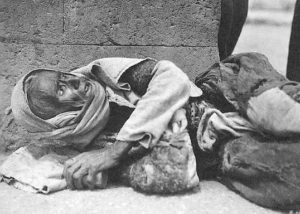
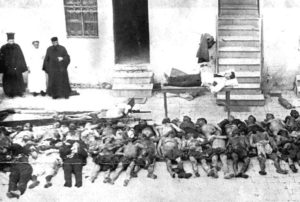
It Was Genocide: Armenian Survivor Stories
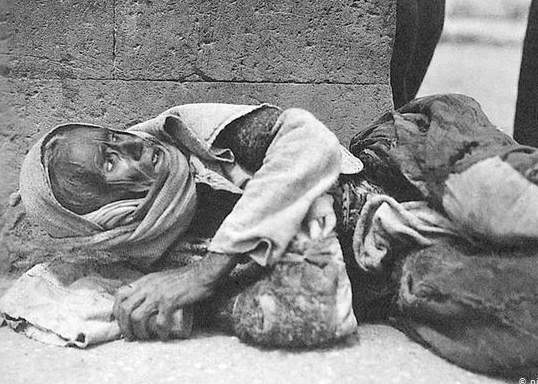
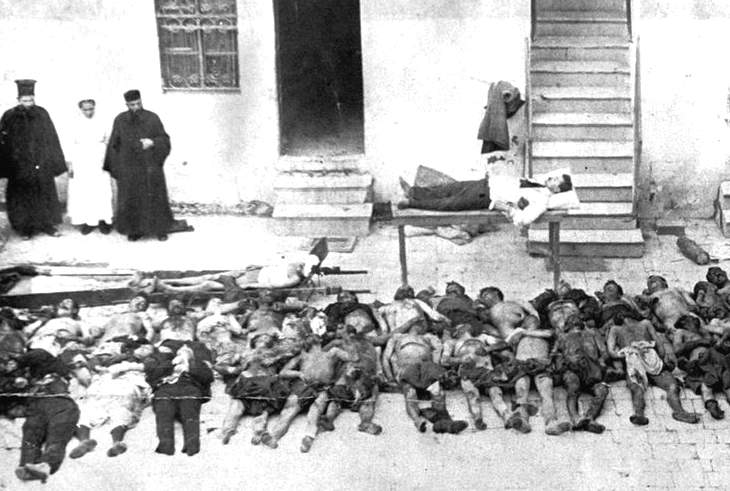
Around the world, April 24 marks the observance of the Armenian Genocide. On that day in 1915 the Interior Minister of the Ottoman Empire ordered the arrest and hangings of Armenian intellectuals and community leaders in Constantinople. It was the beginning of a systematic and well-documented plan to eliminate the Armenians, who were Christian, and who had been under Ottoman rule and treated as second class citizens since the 15th century.
The unspeakable and gruesome nature of the killings—beheadings of groups of babies, dismemberments, mass burnings, mass drownings, use of toxic gas, lethal injections of morphine or injections with the blood of typhoid fever patients—render oral histories particularly difficult for survivors of the victims.
Why did this happen? Despite being deemed inferior to Turkish Muslims, the Armenian community had attained a prestigious position in the Ottoman Empire and the central authorities there grew apprehensive of their power and longing for a homeland. The concerted plan of deportation and extermination was effected, in large part, because World War I demanded the involvement and concern of potential allied countries. As the writer Grigoris Balakian wrote, the war provided the Turkish government “their sole opportunity, one unprecedented” to exploit the chaos of war in order to carry out their extermination plan.
As Armenians escaped to several countries, including the United States, a number came to New Britain, Connecticut in 1892 to work in the factories of what was then known as the hardware capital of the world. By 1940 nearly 3,000 Armenians lived there in a tight-knit community.
Pope Frances calls it a duty not to forget “the senseless slaughter” of an estimated one and a half million Armenians by the Ottoman Turks from 1915 to 1923. “Concealing or denying evil is like allowing a wound to keep bleeding without bandaging it,” the Pope said just two weeks before the 100th anniversary of the systematic implementation of a plan to exterminate the Armenian race.
Special thanks to Jennie Garabedian, Arthur Sheverdian, Ruth Swisher, Harry Mazadoorian, and Roxie Maljanian. Produced and written by Heidi Boghosian and Geoff Brady.
Civil Liberties, Habeas Corpus, Human Rights, Supreme Court, Truth to Power
Podcast: Play in new window | Download
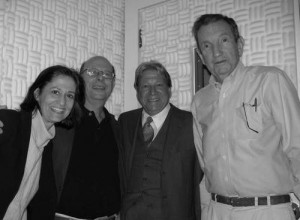
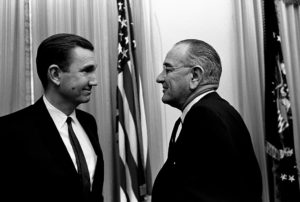
Remembering Attorney Ramsey Clark
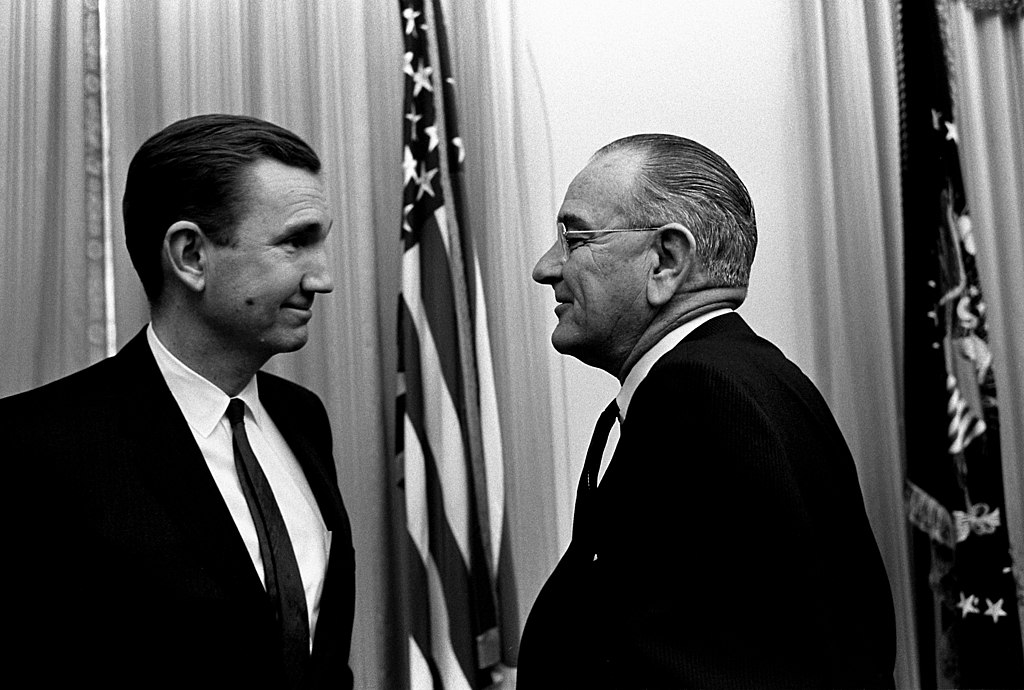
Our friend and colleague Attorney Ramsey Clark died in his home in Greenwich Village from complications from a fall last Friday, April 9, 2021. He was 93 years old. He came from a prominent New Deal Texas family. His father Tom Clark had been the Attorney General of United States and then served on the Supreme Court. The Clark family and the Lyndon Johnson family were friends and political allies.
Lyndon Johnson appointed Ramsey Clark to be the US Attorney General. He served in that position for 18 months severely disappointing Johnson who remarked that he thought he was appointing Tom Clark’s son. “I was wrong.“ said Johnson. Clark opposed the death penalty and declared a moratorium on it when he was in office. He opposed wire tapping.
He supported the civil rights movement and helped draft the historic Civil Rights Act of 1964 and 1968 and the Voting Rights Act of 1965. He was a key person empowering federal desegregation orders. At a cabinet meeting he declared his opposition to the war in Vietnam. That was the last cabinet meeting, he told us, that Johnson ever invited him to.
He also disappointed and baffled many on the left when he took up representation of such figures as Shaikh Abdul Rahman, Milosevich and Saddam Hussein. Clark said they deserved competent counsel.
Guest – Attorney Mara Verheyden-Hilliard, with the Partnership for Civil Justice Fund, that is partnering with the newly-formed Center for Protest Law and Litigation, to demand a fully public investigation into law enforcement’s handling of the riot on the Capitol Building on that day that shocked much of the nation.
Guest – Attorney Alan Levine, a law partner of Ramsey Clark’s for five years in the firm Clark, Wulf, and Levine. He worked as an attorney with the New York civil Liberties Union and the Puerto Rican Defense Fund.
Guest – Ralph Nader, one of the nation’s most effective and well-known social critics. He has raised public awareness and increased government and corporate accountability. As a young lawyer in 1965 he made headlines with his book Unsafe at Any Speed, leading to congressional hearings and passage of a series of life-saving auto safety laws in 1966. His example has inspired a generation of consumer advocates, citizen activists and public interest attorneys. Full biography.
Past interviews with Attorney Ramsey Clark
Law and Disorder June 24, 2013
Law and Disorder January 21, 2013
———————————————