Civil Liberties, Criminalizing Dissent, Human Rights, Political Prisoner, Truth to Power, War Resister
Podcast: Play in new window | Download
Attorney Marjorie Cohn: Trump, Assange, Democracy And Rule of Law
Without democracy and the rule of law there can be no significant social change. However, much democracy was constricted by race and class before the attacks on September 11, 2001 and before Trump, democracy and the rule of law are now facing lethal attacks on many fronts.
Trump has successfully put 198 young, reactionary, and some ignorant judges on the federal bench. He has illegally called out troops to violently disperse peaceful protesters in the park in front of the White House. Trump has threatened the personnel of the International Criminal Court who are attempting to investigate US war crimes in Iraq and Afghanistan. These include the crime of torture. These crimes, perpetrated under the Bush administration, went unprosecuted by President Obama who infamously said “we must look forward not backward.”
Trump’s Justice Department is pursuing and attempting to extradite truth telling whistle blowing journalist Julian Assange who 10 years ago released the “collateral murder” video showing the commission of American war crimes in Iraq, among other embarrassing information. Assange is confined in London’s Belmarsh prison. He is sick, in solitary, and has been psychologically tortured. He faces 175 years in prison in the United States if convicted under the old Espionage Act for activities protected by the first amendment.
Guest – Attorney Marjorie Cohn, professor emerita at the Thomas Jefferson School of Law where she taught for 25 years. She is a former president of the National Lawyers Guild, a criminal defense attorney, a legal scholar, and a political analyst. She writes books and articles and lectures throughout the world about human rights, US foreign policy, and the contradiction between the two. She has testified before Congress and debated at the prestigious Oxford Union.
——————————-
——————————-
CIA Sponsored Terror, Civil Liberties, Human Rights, Political Prisoner, Surveillance, Truth to Power, War Resister
Podcast: Play in new window | Download
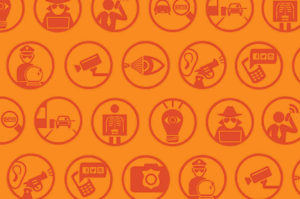
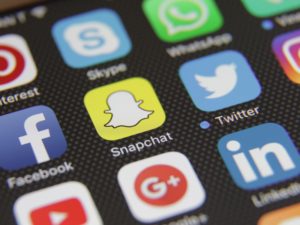
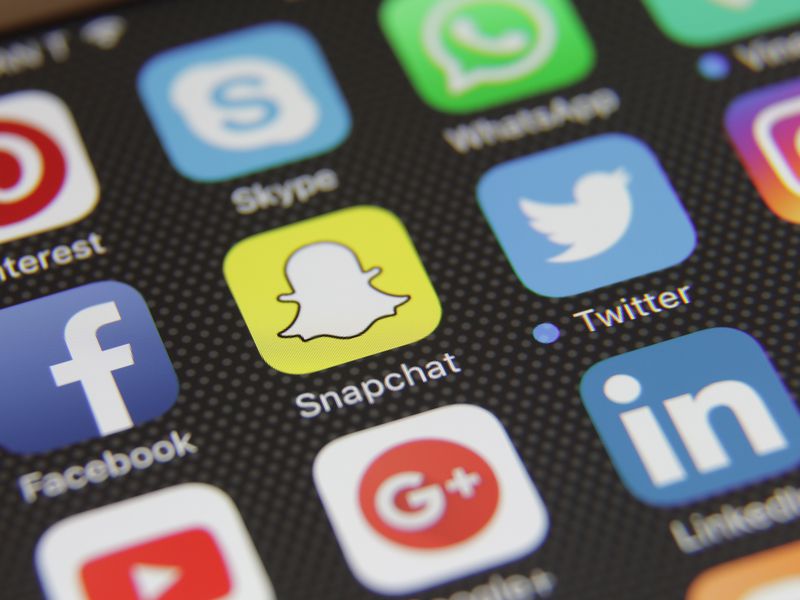
Police Spy On Social Media
In late 2016, a trove of emails revealed that law enforcement had been monitoring the social media accounts of Black Lives Matter protesters. One police sergeant in Memphis, Tennessee even opened a fake Facebook account to impersonate a black activist, infiltrate online black protest spaces, and gather intelligence on hundreds of activists. In Minnesota, an FBI Joint Terrorism Task Force used a confidential information with access to private social media communications about a BLM protest and fed that information to local police.
It turns out that such tracking is routine among local and federal police agencies. They use it in criminal investigations and to keep tabs on lawful First Amendment protected activities of dissent.
And as we’ve seen in other areas of surveillance, police watching persons online usually impacts historically over-police communities. It also has a chilling effect on free speech and online communications.
The Brennan Center in New York has issued a comprehensive report on social media monitoring. It shows how personal information gleaned from social media posts is used to target dissent and subject religious and ethnic minorities to increased vetting and surveillance.
Guest – Harsha Panduranga is counsel in the Brennan Center’s Liberty & National Security Program. His work has been featured in numerous press outlets including the Atlantic, Slate, Daily Beast, and Just Security. Harsha received his BA and JD from the University of Michigan.
—-
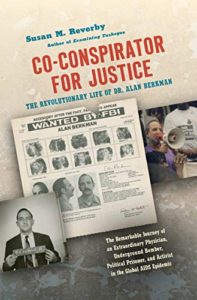
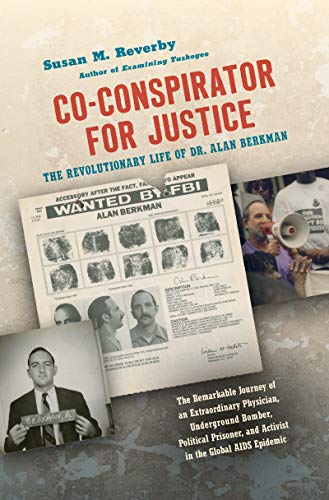
Co-conspirator For Justice: The Revolutionary Life Of Dr. Alan Berkman
After battling recurrent cancer for half his life Dr. Alan Berkman died in a New York City hospital on June 5th, 11 years ago. It was not the worst struggles of his life.
Alan was first struck by cancer when he was in prison, accused and then convicted for his political work in the political underground. He was a leader of the small May 19th movement, an offshoot of Prairie Fire then controlled by those in the Weather Underground. While hidden from public view,Alan and his comrades did non-lethal bombings of political targets, including an FBI office and the U.S. Senate, to protest American imperial and racist atrocities, and did armed robberies, which they called “expropriation‘s“, to support themselves.
Caught in 1985, Alan served eight years in some of the worst prisons in America, nearly half that time in solitary. He had two rounds of cancer, but the authorities stalled again and again on giving him adequate medical care. They hated him for being a socialist, a Jew, a doctor, and a supporter of black, Latin and Native American peoples and those harmed by American imperialism around the globe. The authorities labeled him a terrorist.
Alan came of age in the 1960s, but really did not become political until he went to medical school. He left a prestigious medical residency, on track to become a research scientist, to become a community doctor for 10 years in New York’s poorest neighborhoods throughout the 1970s. He was forced underground for years because he wouldn’t give up the name of the woman he treated for a gunshot wound she got in a failed Brinks armored truck robbery that killed two police officers and a security guard in Rockland county, just outside New York City.
After eight years in prison, amazingly, radical attorney Ron Kuby prevented New York state from not renewing his medical license. Alan, having learned about AIDS in prison, started working as an AIDS doctor in the South Bronx. In a year he became the medical director of the program.
At the height of the AIDS epidemic, Alan increasingly was horrified by the failure to provide treatment for HIV/AIDS patients in the Global South. He helped form Health GAP (Global Access Project) with the help of ACT UP and Housing Works. They fought big Pharma, which controlled manufacturing and distribution of the anti-viral AIDS medicine “cocktail” which cost $10-$15,000 a year, an exorbitant price guaranteed to them by their ownership of medical patents, their intellectual property. People could not afford the drugs, especially outside the United States, and thousands died needlessly.
Dr. Alan Berkman helped change that, not having the requisite respect for private property in a public health crisis. He got sick people drugs that were produced generically and brought the cost of the drug down to $87 a year. Some 4 million people in the global south took the medicine, prolonging or saving their lives
Michael Smith’s review of Susan’s book – The Revolutionary Life Of Dr. Alan Berkman
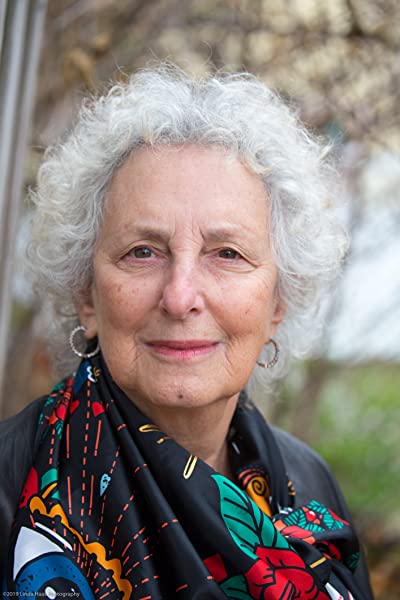
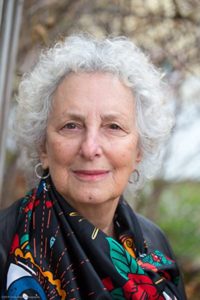
Guest – Susan Reverby, author of the recently published Co-conspirator for Justice: the Revolutionary Life of Dr. Alan Berkman. She is the Marian Butler MacLean Professor Emerita in the History of Ideas and Professor Emerita of Women’s and Gender Studies at Wellesley College. She is the author of Examining Tuskegee: The Infamous Syphilis Study and It’s Legacy, and other books on gender, race, health, nursing, and medicine.
————————————————
————————————————
CIA Sponsored Terror, Civil Liberties, Criminalizing Dissent, Human Rights, Prison Industry, Supreme Court, Surveillance, Truth to Power
Podcast: Play in new window | Download
Update: U.S. Judge Sides With Chevron, Blocks $9.5 Billion Judgement
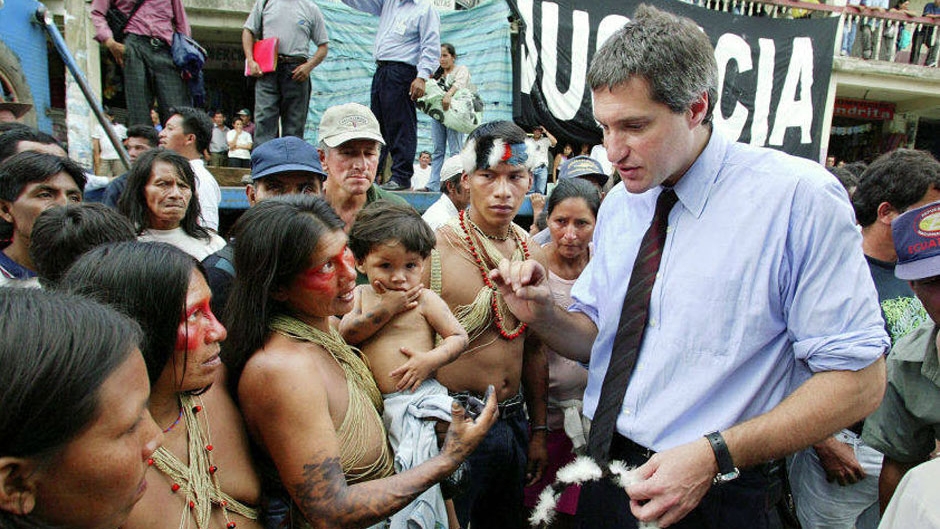
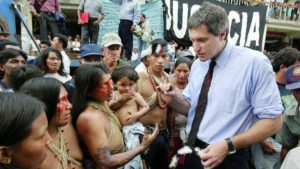
What the Chevron oil company is doing to environmental and human rights attorney Steven Donziger is a cautionary tale. Donziger has been under house arrest in New York City wearing an ankle bracelet for the last 10 months. He’s charged with contempt of court for refusing to turn over confidential material on his computer to Chevron’s lawyers. He. goes to trial in September where he is likely to be convicted by a hostile judge.
Donzinger bravely and skillfully succeeded in obtaining a 9 1/2 billion dollar judgment against Chevron. This oil giant company is the epitome of a ruling class institution with its origins in the Rockefeller family. Chevron bought Texaco, which had polluted an area the size of Rhode Island in the Ecuadorian Amazon region. The indigenous people there are plagued with cancer. Five tribes are affected. It’ll cost at least 9 billion to clean up the area. Chevron refuses to pay it and instead has spent over $2 billion in resisting the lawsuit and victimizing Donziger.
Top Federal Judge Louis A. Kaplan of New York‘s Southern District has presided over the case in America where Donziger is seeking to enforce the judgment.
Judge Kaplan has shown pronounced favoritism towards Chevron throughout the progress of the case. Kaplan made public comments about Chevron’s importance to the global economy, expressed skepticism about the Ecuadorian judgment due to what he called the “socialist government” of Raphael Correa, and held investments in multiple funds with Chevron holdings at the time of his rulings.
The Chevron case is the most important environmental and corporate responsibility case of our time.
DonzigerDefense.com
ChevronToxico.com
ChevronInEcuador.com
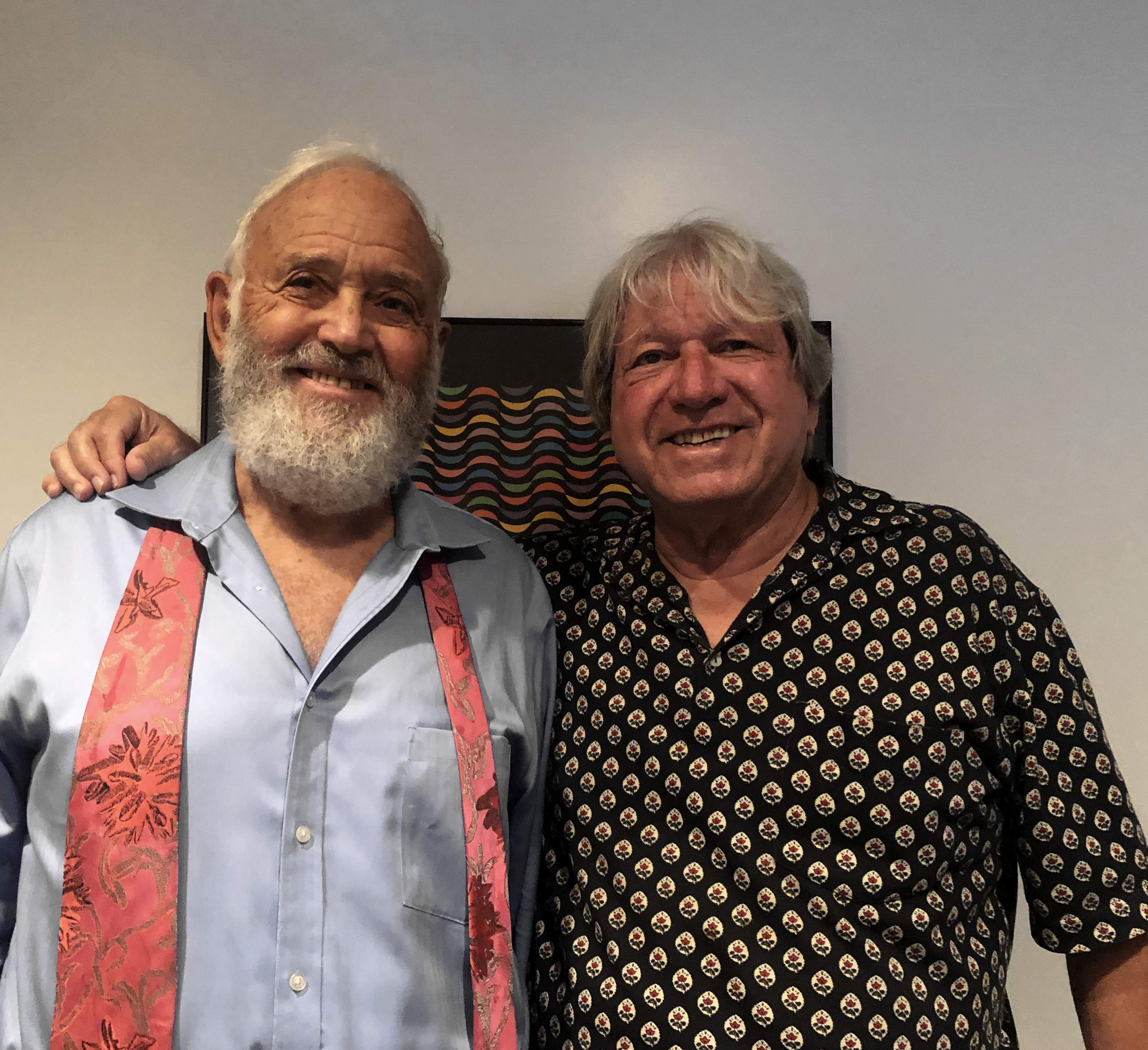
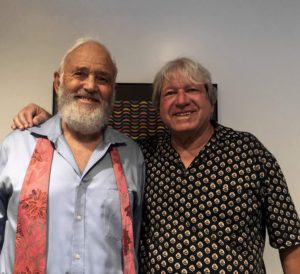
Guest – Attorney Martin Garbus, one of three pro bono lawyers representing Donziger in an attempt to get his law license restored. Garbus has a long and distinguished career as a civil rights and first amendment litigator.
—-
The Cooperating Witness: Attorney Michael Avery
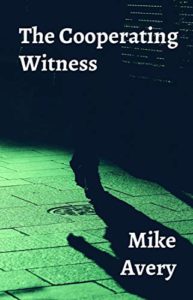
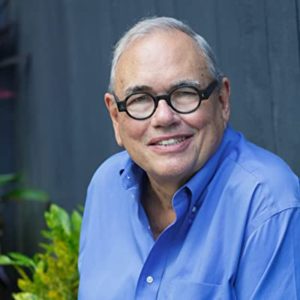
As summer begins in the time of COVID-19, many people are returning to or discovering the age-old pleasure of reading. With that in mind, Law & Disorder is delighted to recommend our first thriller read. One of our longtime legal expert guests, civil rights attorney Mike Avery, has written The Cooperating Witness. While Mike has been writing for decades, this is his first nonfiction book. As prestigious as are his other titles—one on the Federalist Society, others on legal topics such as the laws of evidence in Massachusetts—The Cooperating Witness is sure to have far greater appeal to our listeners.
The book starts by introducing readers to Susan Sorella, a law student at Suffolk Law School where Mike used to teach. From the start we learn that Susan is no ordinary student. As she waits on tables at her father’s restaurant in Boston’s North End, the head of the local mob pays her a surprise visit. He is just one of several shady characters Susan will encounter on her quest to help a jaded defense attorney save an innocent man charged with killing the mob’s accountant.
Guest – Mike Avery is a civil rights lawyer. He’s has defended victims of police abuse and racial and sexual discrimination in the last four decades. He has served as the President of the National Lawyers Guild, and the National Police Accountability Project. He co-authored The Federalist Society: How Conservatives Took the Law Back from Liberals, which we have covered on Law and Disorder.
——————————————
——————————————
CIA Sponsored Terror, Civil Liberties, Criminalizing Dissent, Human Rights, Political Prisoner, Surveillance, Truth to Power
Podcast: Play in new window | Download
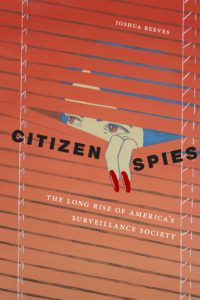
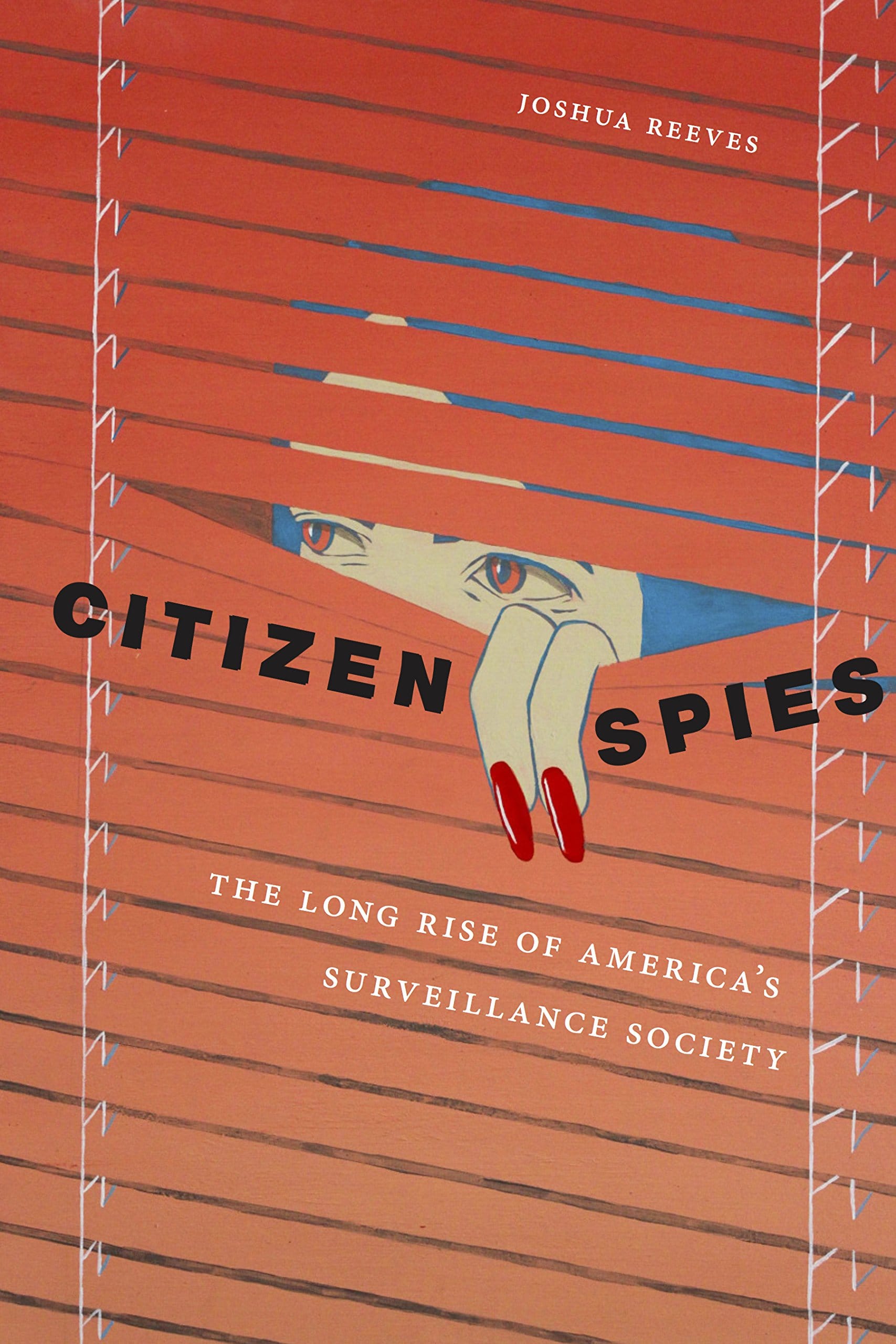
Citizen Spies: The Long Rise of America’s Surveillance Society
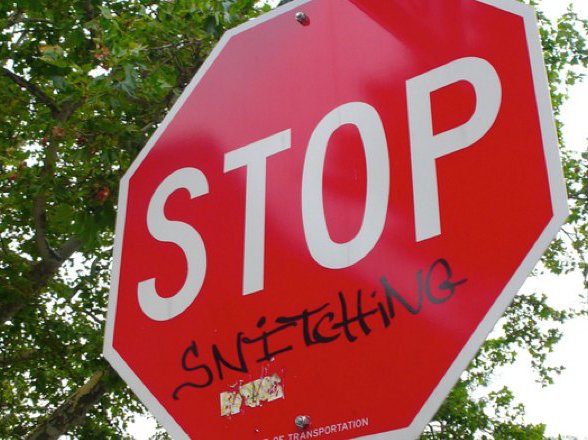
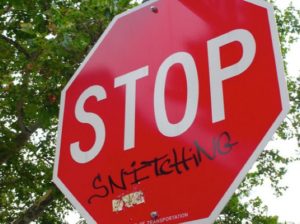
The U.S. Department of Homeland Security’s program “If You See Something, Say Something,” launched in 2010, urges citizens to be aware of and to report, potential threats. Examples of suspicious activity include unattended packages or baggage; circumstances that appear out of the ordinary, like an open door that is usually closed; a person asking for detailed information about a building’s layout or purpose, and changes in security protocol or shifts. Also of concern is any person seen loitering around a building, writing notes, sketches, and taking photographs or measurements.
The DHS website is careful to note that, “Factors such as race, ethnicity, and/or religious affiliation are not suspicious.” Yet as listeners know, incidents of ethnic profiling are many, including one in which a Southwest Airlines passenger was taken off a flight for speaking Arabic.
The history of citizen spying and reporting on others is not new in this country. And the “See Something” campaign isn’t the only civilian spying program around. Many jurisdictions have Neighborhood Watch programs. The U.S. Department of Justice’s National Neighborhood Watch initiative enlists community members to assist crime prevention and to prepare neighborhoods for disasters and emergency response.
Guest – Joshua Reeves author of Citizen Spies, The Long Rise of America’s Surveillance Society . He is associate professor of New Media Communications and Speech Communication at Oregon State University, where he’s also a fellow in their Center for the Humanities. An associate editor of the journal Surveillance and Society, he’s also written the just-released book, Killer Apps: War, Media, Machine.
—-
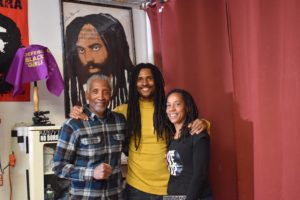
Former Philadelphia Mayor Calls For A Formal Apology To MOVE
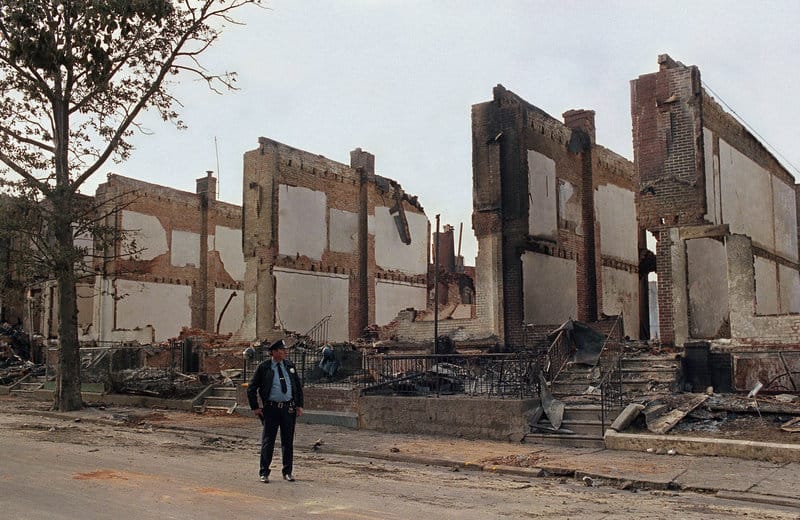
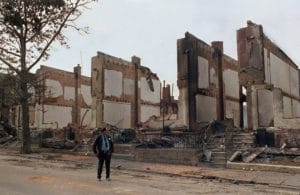
The former Philadelphia mayor who led the city when police dropped a bomb on the MOVE house in 1985 has called for a formal apology from the city. The bomb and subsequent fire killed 11 people and destroyed more than 60 homes in the neighborhood. Five children were among the 11 who died.
Former mayor W. Wilson Goode Sr. said in an op-ed in the Guardian that “after 35 years it would be helpful for the healing of all involved, especially the victims of this terrible event.”
After dropping an explosive from a helicopter, the Philadelphia Fire Department let the fire burn, knowing there were men, women and children inside. Goode insists he knew nothing about police and fire department’s plan of action even though he was ultimately responsible for the actions.
Ramona Africa, one of the survivors, has described police opening fire on MOVE members trying to flee the burning home.
Janine Africa, who was one of nine MOVE members sentenced to between 30 and 100 years in prison and who served 41 years of that sentence in the 1978 shooting death of Officer James Ramp, maintains her innocence but said she and other MOVE members were judged on alleged actions of one day. MOVE members have said they believe that Ramp was shot by friendly fire.
Former Gov. Ed Rendell, who succeeded Goode as mayor and was the district attorney who prosecuted MOVE members, told The Philadelphia Inquirer that he now regrets his handling of the prosecution of some members. He said if he had to do it over again, he would have offered those who weren’t leaders plea deals that included less severe sentences.
“I followed the law, but the prosecutor always has the discretion to use their judgment,” Rendell said. “For what they did compared to what some other people do in Philadelphia, they served far too much time.”
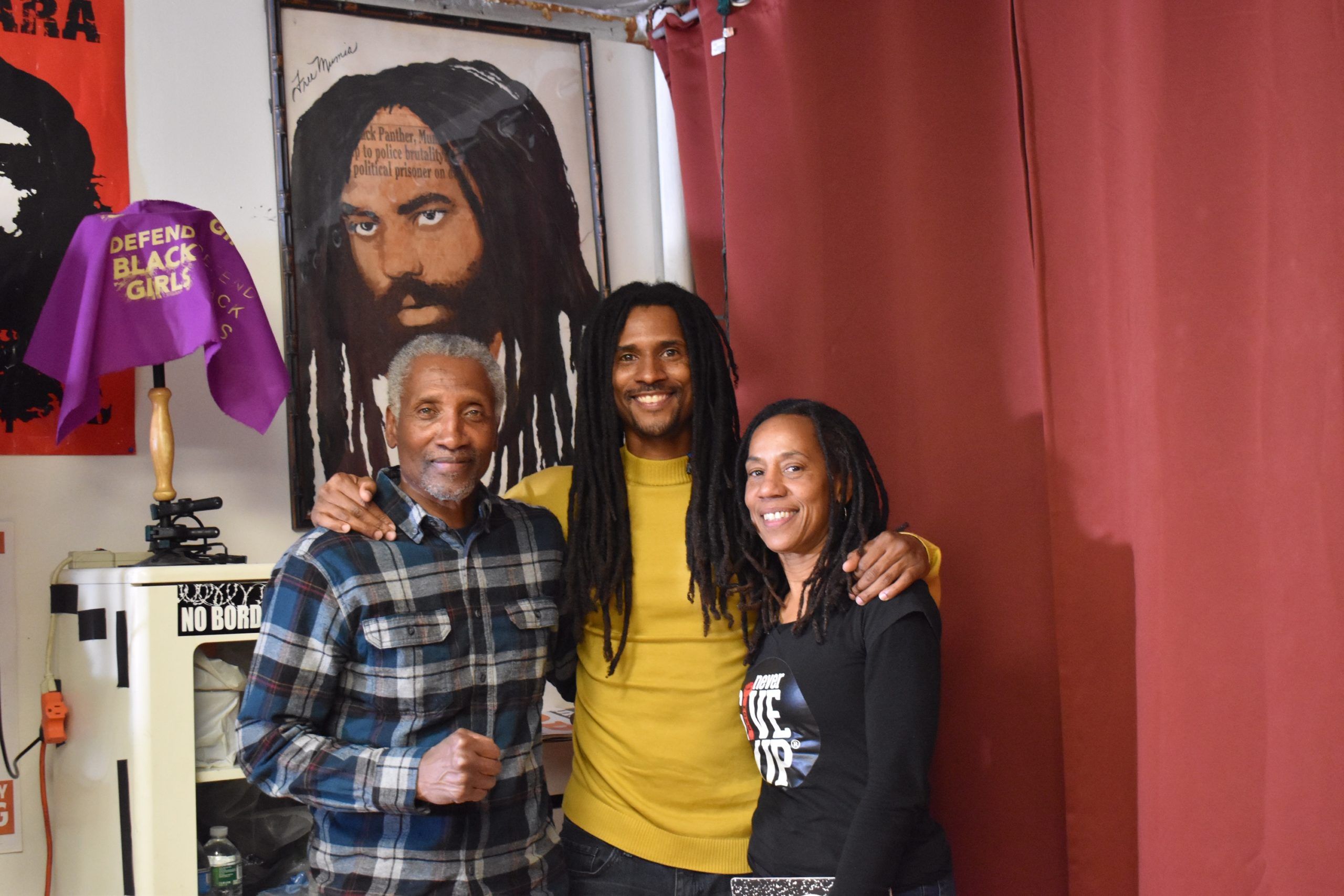
Guest – Mike Africa Jr. Founder of Seeds of Wisdom, Musician, Instagram Account
—————–
—————–
Censorship, CIA Sponsored Terror, Civil Liberties, Criminalizing Dissent, Human Rights, Surveillance, Truth to Power
Podcast: Play in new window | Download
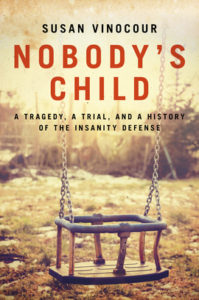
Nobody’s Child: A Tragedy, a Trial, and a History of the Insanity Defense
Public opinion surveys of knowledge, attitudes, and support for the insanity defense show that Americans dislike the insanity defense. They want insane law-breakers punished, and believe that insanity defense procedures don’t protect the public. Polls also show that most overestimate the use and success of the insanity plea.
In the book Nobody’s Child: A Tragedy, a Trial, and a History of the Insanity Defense, forensic psychologist and attorney Susan Vinocour tells the story of a three-year-old child found dead in his mentally-ill grandmother’s home. Vinocour agreed to evaluate the defendant. She explains how the legal terms”competency” don’t reflect psychiatric realities, and how, in criminal law, the insanity defense has to often been a luxury of the rich and white.
Nobody’s Child is an engaging portrait of injustice in the United States, and a complex examination of the troubling intersection of mental health and the law.
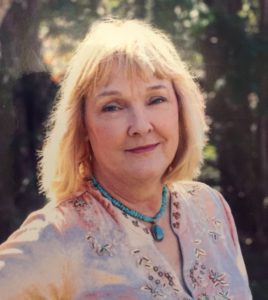
Guest – Susan Vinocour is a retired clinical and forensic psychologist, a former prosecutor and a former associate professor of psychiatry at the University of Rochester School of Medicine.
—-
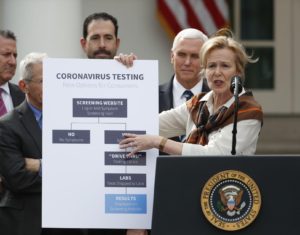
President Donald Trump And The White House Response To Pandemic
The place to start in understanding Trump and Trumpism is to accurately define what he represents. A disease cannot be countered unless it is correctly diagnosed.
Mainstream liberal commentators refuse to associate the Trump phenomena with fascism, calling him a right wing populist or a nationalist. But it really matters what Trump is called if we are to fashion a resistance to him with the possibility of triumph. Analysts on the left like Noam Chomsky , Chris Hedges, and Cornell West understand that he and the constellation of forces that make up his movement – principally big business and white non-college educated middle-class people – are fascists.
The poet, playwright, and political thinker Berthold Brecht was asked about German fascism in 1935: “How can anyone tell the truth about fascism, he replied, unless he is willing to speak out against capitalism, which brings it forth.”
It was the failure of a united socialist movement in Germany in the early 30s that allowed Hitler to gain power. We have seen with the Bernie Sanders phenomena the possibilities of building a socialist movement in the United States. This is our hope.
Guest – John Bellamy Foster, professor of sociology at the University of Oregon and the editor of the venerable independent socialist magazine “Monthly Review”. Professor Foster is the author of “Trump in the White House: Tragedy or Farce.“
————————————–
————————————–