Artificial Intelligence, Civil Liberties, Civil Rights, Freedom Of Speech, Human Rights, Right To Dissent, Surveillance
Podcast: Play in new window | Download
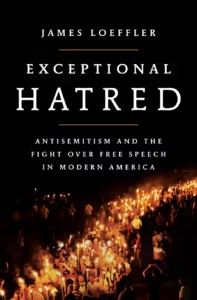

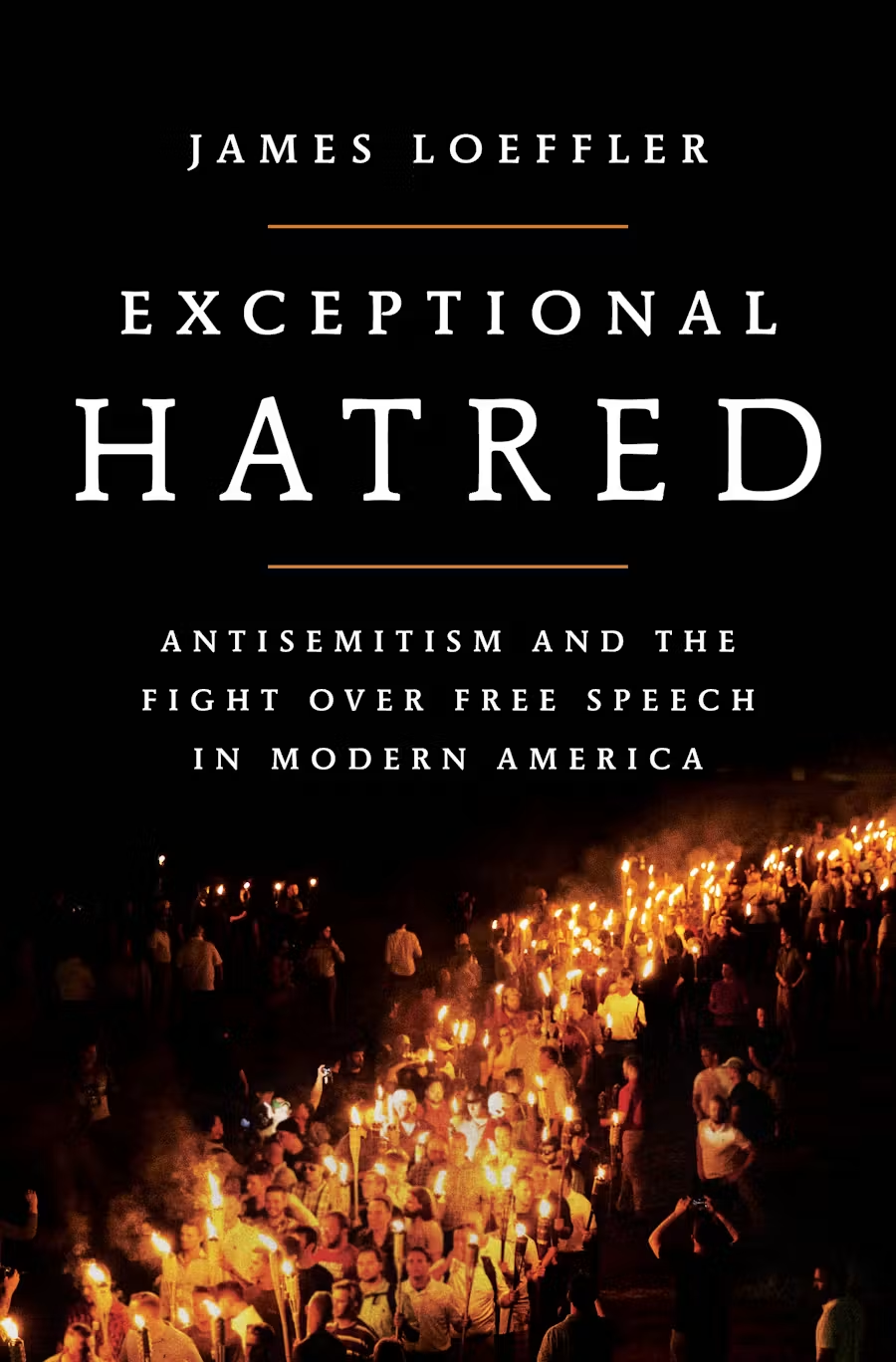
Exceptional Hatred: Antisemitism And The Fight Over Free Speech In Modern America
Today in America, “we proclaim our commitment to fighting hatred while applying it selectively. We champion free speech until confronted with speech we despise – and minimize the claims of those wounded by words.” American democracy “stands at a precipice, besieged by authoritarian politics, resurgent nativism, and populist demagoguery. These forces, once relegated to history, now threaten our pluralistic society and its defining commitments to freedom and equality.” Those chilling words are from the brand new book Exceptional Hatred: Antisemitism And The Fight Over Free Speech In Modern America by James Loeffler.
Guest – Professor James Loeffler is the Felix Posen Professor of Modern Jewish History at Johns Hopkins University, and Kogod Senior Research Fellow at the Shalom Hartman Institute of North America. He writes widely on modern Jewish history from antisemitism to Zionism, with a focus on the overlooked ties between the Jewish past and the global present in politics, law, and culture. His writing has appeared in The Atlantic, The New York Times, The Washington Post, The Wall Street Journal, and The New Republic.
—-


Digital Privacy Laws Lag Far Behind Evolving Modern Communication
The 15th anniversary of Occupy Wall Street has just passed, when protesters occupied Zuccotti Park NYC and sparked a global movement. Occupy also attracted significant government surveillance. Documents later obtained through FOIA showed that the Department of Homeland Security monitored the movement and circulated intelligence to the private sector about Occupy activists and protests. That history raises a question that goes well beyond protest movements: How do lawyers protect confidential communications in a world where so much of their work is digital? Confidentiality handle information that can affect a client’s freedom, finances, safety, and legal strategy. Yet many lawyers aren’t trained to think about the technology they use in terms of protecting that confidentiality.
Guest – Jonathan Stribling-Uss, is a New York City lawyer and digital security consultant. He founded and directs Constitutional Communications, an organization that supports non-profits specializing in information security for professionals and civil society groups. Jonathan previously served as a Mozilla and Ford Foundation Media and Democracy Fund Technologist Fellow at the New York Civil Liberties Union. He has trained hundreds of attorneys in cybersecurity and ethics through organizations including the New York County Lawyers Association and the American Bar Association. https://privacytools.io/

————-
Artificial Intelligence, Civil Liberties, Civil Rights, Economics, Gaza, genocide, Human Rights
Podcast: Play in new window | Download

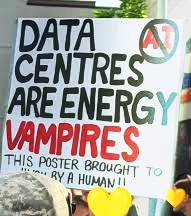
Communities Nationwide Unite Against Data Center Resource Grab
Across the nation, communities are becoming ground zero in a growing fight over data centers. The explosive growth of AI, cloud computing, and cryptocurrency has triggered a massive boom in their construction. These sprawling facilities often cover hundreds of acres and consume enormous amounts of electricity and water. Residents from Virginia to Pennsylvania, Georgia to Arizona, are asking a simple question: who benefits, and who pays the price?
The answer has sparked one of the fastest-growing grassroots movements in the nation. In the past year, local campaigns have blocked or delayed dozens of proposed centers worth billions of dollars. Citizens are challenging developers over rising electricity costs, water consumption, noise pollution, loss of farmland, and the construction of new fossil-fuel infrastructure designed to power these facilities. Nationally, more than 230 organizations have joined calls for stronger regulation and even a moratorium on new large-scale data centers until environmental and community protections are in place.
Guest – Jim Walsh, Policy Director at Food & Water Watch in Washington, DC. It’s one of the leading organizations helping coordinate community resistance to the rapid expansion of data centers. Since joining Food & Water Watch in 2009, Jim has focused on energy, climate, and public water policy. He is a prominent advocate for policies prioritizing environmental protection and community control, from campaigns to ban fracking and challenges to carbon capture projects. Jim worked has also worked with New Jersey Citizen Action and the Progressive Action Network.
—-


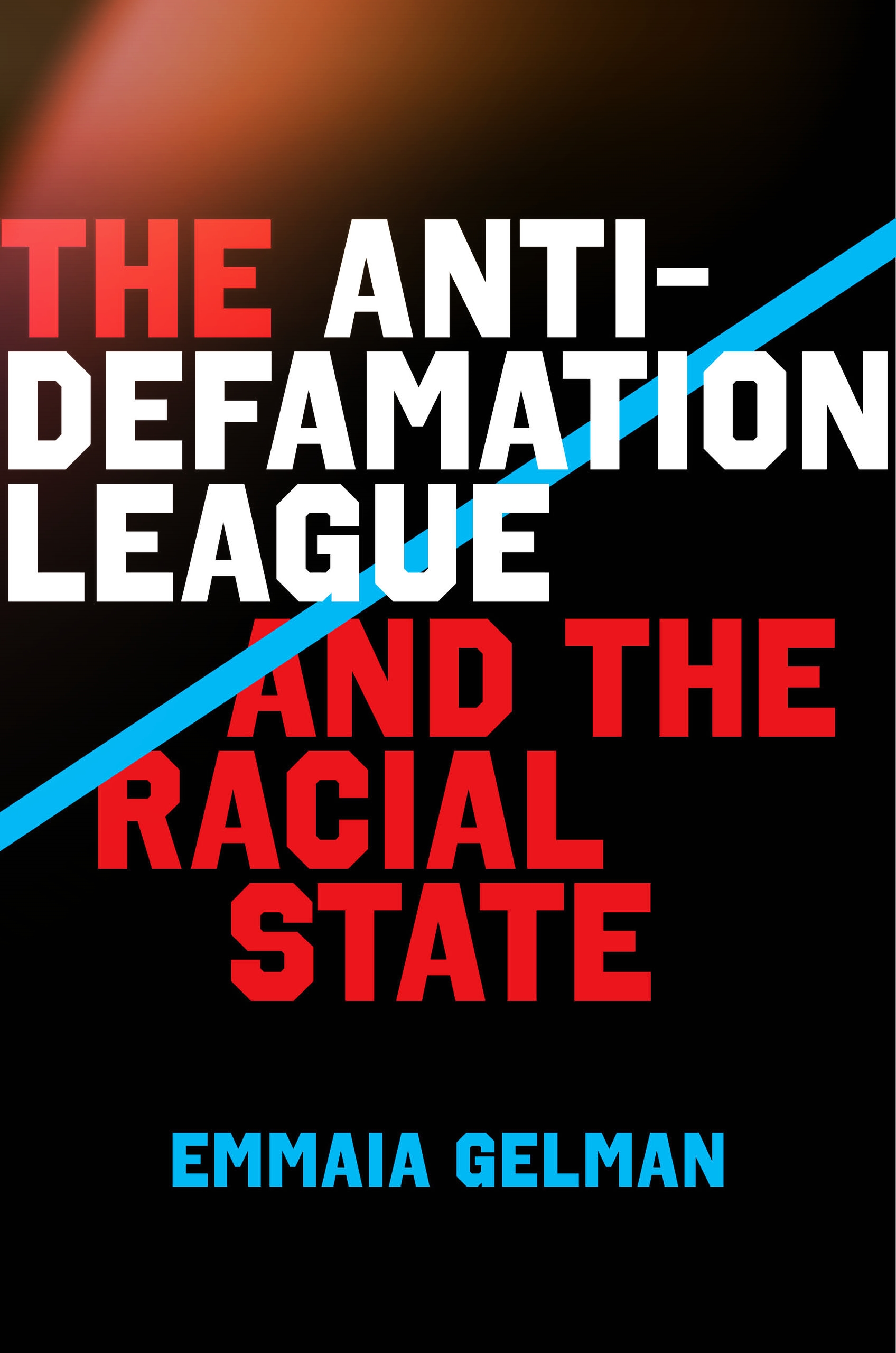
The Anti-Defamation League and the Racial State
Here at Law and Disorder we’ve been exposing how efforts that claim to be combating antisemitism have been weaponized in a concerted effort to silence criticism of Israel and demonize support for the Palestinians. One organization that is playing a leading role in these efforts is the ADL, the Anti-Defamation League.
Many people, including many Jews, may think of the ADL as a long-established civil rights organization that is known for opposing racism in general, and antisemitism, in particular. But as we’ll learn from our guest today, there’s a lot more we need to know about the ADL.
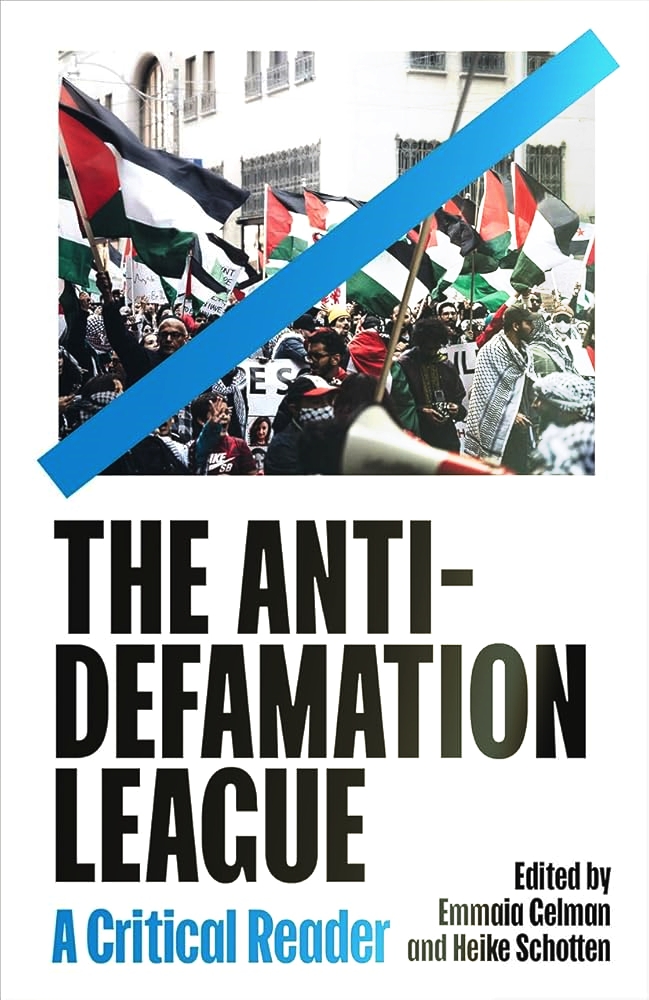
Guest – Emmaia Gelman is the author of the new book The Anti-Defamation League and the Racial State, and co-editor of The Anti-Defamation League: A Critical Reader. She also co-hosts the podcast Unpacking Zionism. Emmaia is co-chair of the American Studies Association Caucus on Academic and Community Activism, and is the founding director of the Institute for the Critical Study of Zionism, which examines the political and ideological work of Zionist institutions in Palestine and transnational contexts. She has taught social and cultural analysis at NYU and social sciences at Sarah Lawrence College. Her writing appears in Jewish Currents, Boston Review, The Forward, and elsewhere.
CriticalZionistStudies.org
————————-
Artificial Intelligence, Civil Liberties, Civil Rights, Executive Branch Law Breaking, Human Rights, Right To Dissent, Supreme Court
Podcast: Play in new window | Download
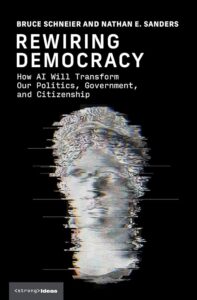

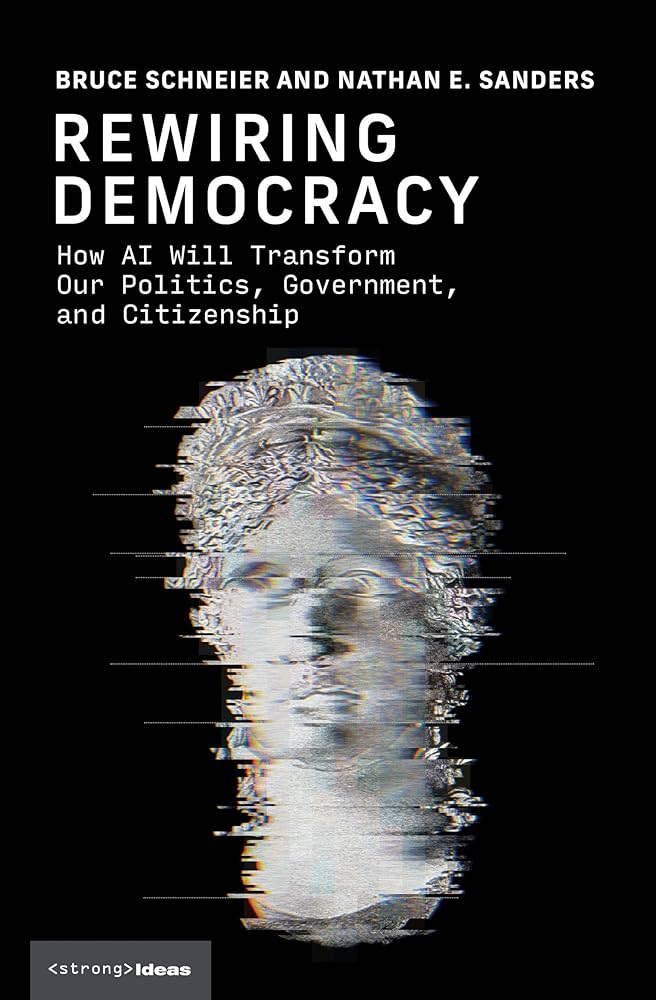
Rewiring Democracy: How AI Will Transform Our Politics, Government, and Citizenship
Artificial intelligence and democracy are two of the most charged words in the news right now. To hear the headlines tell it, AI is either about to save us—or quietly break everything that makes self-government possible. A new book refuses that false choice. It asks a more uncomfortable—and more political—question: who is using AI, how, and for whose benefit?
The book is Rewiring Democracy: How AI Will Transform Our Politics, Government, and Citizenship, published by MIT Press. It starts from a deceptively simple idea: democracy is an information-processing system—one that gathers people’s preferences and turns them into law, policy, and power. From that perspective, AI isn’t inherently democratic or dangerous. It’s a power-amplifying tool. In democratic hands, it can broaden participation, increase transparency, and make government more responsive. But in the hands of monopolistic tech companies or authoritarian states, it can just as easily intensify surveillance, manipulation, and control.
Instead of treating AI as a distant sci-fi threat, Rewiring Democracy looks at what’s already happening—AI in lawmaking, courts, elections, public services, and everyday citizenship—and asks the question too often left out of the debate: not what the technology can do, but who controls it—and who is left out.
Guest – Nathan E. Sanders, a data scientist affiliated with Harvard’s Berkman Klein Center for Internet & Society. His work focuses on using technology to strengthen democratic participation, especially for communities historically excluded from decision-making. He’s the co-author of Rewiring Democracy, along with cybersecurity expert Bruce Schneier.
—-


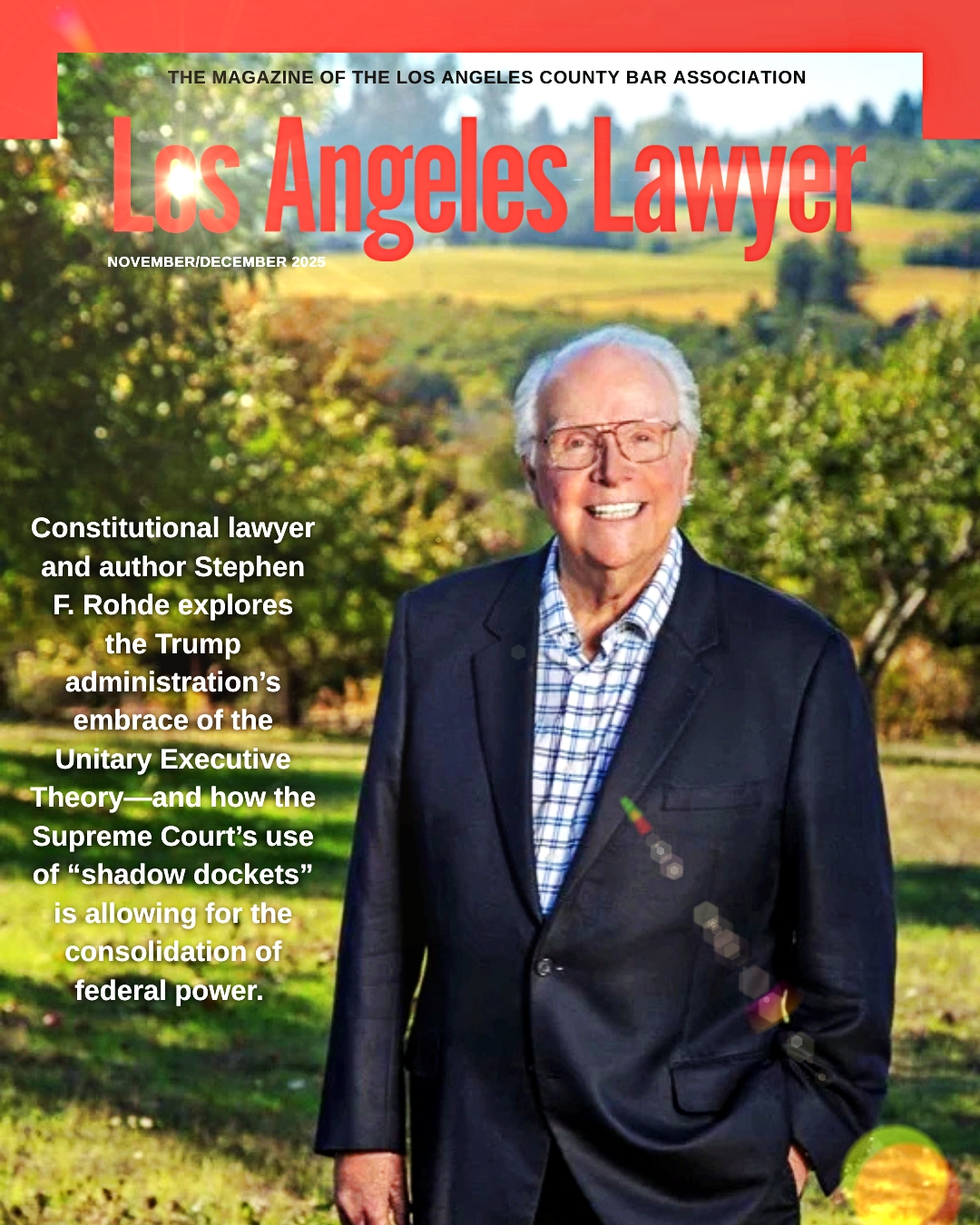
The Unitary Presidency: Trump’s Second Term, the Supreme Court, and the Consolidation of Power
The American system of democracy was built on a simple, stubborn idea: power must be divided if liberty is going to survive. James Madison warned that concentrating legislative, executive, and judicial authority in the same hands is “the very definition of tyranny,” and George Washington cautioned that power’s abuse is as predictable as gravity. Those weren’t poetic lines—they were the operating instructions for a constitutional democracy.
Our own cohost Stephen Rohde argues that those instructions are being ignored in plain sight. In The Unitary Presidency: Trump’s Second Term, the Supreme Court, and the Consolidation of Power, just published in Los Angeles Lawyer magazine, he says we’re not dealing with isolated controversies. We’re watching a sustained push to consolidate authority in the presidency—backed by legal theory, executive machinery, and a political ecosystem willing to treat norms and limits as optional.
Steve traces how an extreme version of the Unitary Executive Theory has become the rationale for purges of independent agencies, mass removals of officials, and executive actions that pressure universities, law firms, immigrants, protesters, and the press. In his account, the point isn’t just what’s being done—it’s the precedent being set: that the president can control, punish, and dismantle without meaningful restraint.
And the most alarming part, Steve argues, is the Supreme Court’s role—especially through its emergency “shadow docket,” where consequential decisions can be issued at lightening speed, often without full briefing or transparent reasoning. He asks readers: are we witnessing a temporary political lurch, or a lasting constitutional redesign—one that leaves checks and balances as a ceremonial relic?
Guest – Stephen Rohde is a retired constitutional attorney, lecturer, writer and political activist. He is the Chair Emeritus of several organizations including Bend the Arc, the ACLU Foundation of Southern California, and Death Penalty Focus. He is also a founder and current Chair of Interfaith Communities United for Justice and Peace. He is the author of American Words of Freedom and Freedom of Assembly.
——————————–