Censorship, Civil Liberties, Human Rights, Prison Industry, U.S. Militarism, War Resister
Podcast: Play in new window | Download
- Michael Smith Commentary – Recall Of District Attorney Chesa Boudin
—-
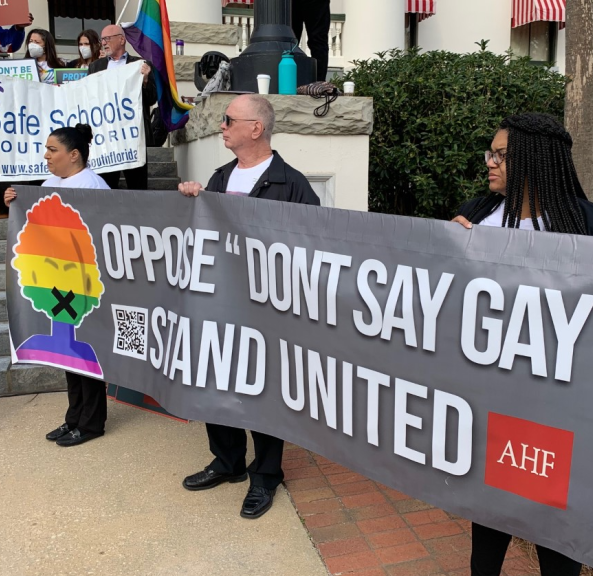
Opposition Grows Against Florida’s Don’t Say Gay Law
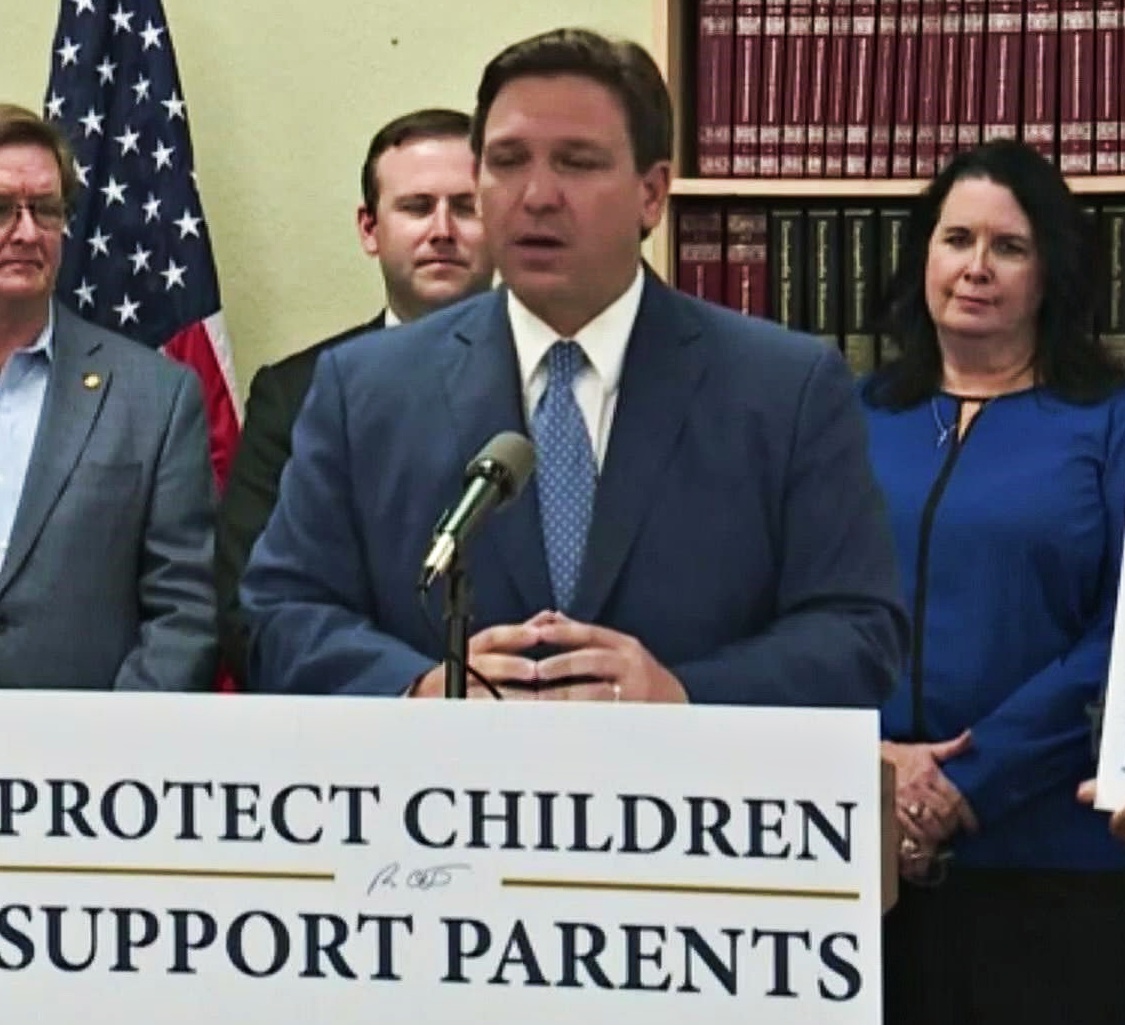
In April, Florida Gov. Ron DeSantis signed into law the Parental Rights in Education bill, known as the “Don’t Say Gay” law.
The bill bans instruction or classroom discussion about LGBTQ issues in kindergarten through third grade. Older students may discuss gay and transgender issues if they are “age appropriate or developmentally appropriate.” Florida’s legislators believe that classroom education about sexual orientation and gender shouldn’t start at an early age, and that parents can have the final say about what their children learn and when.
Sex education has already been banned in Florida and many other states until the fifth grade. Critics contend the new law focuses on a problem that doesn’t exist for the state’s youngest students. By limiting discussions about LGBTQ issues, it could stifle conversations for kids who need to process their own gender or sexual-identity questions, they say.
Many school librarians have accused their schools of removing race- and LGBTQ-related books from their shelves to avoid a fight. The Washington Post reported that schools with small budgets cannot afford to contest court challenges that the law will surely draw. Some schools are reportedly peeling off rainbow safe-space stickers from windows. As with other restrictive laws, the chilling effect is already being seen in schools across the nation.
Joining us today is K&L Gates attorney Michael Komo – a triple alumnus of George Washington University. Michael is well known for his work on behalf of the LGBTQ community and has been recognized at the local, state, and federal level, with accolades including Pittsburgh Magazine’s 2021 40 under 40 honorees and City and State PA’s 2022 Pride Power 100 honorees. He co-founded the LGBTQIA+ Anti-Human Trafficking Initiative with the FBI, started the Pride Night Series for Pittsburgh’s professional sports teams, and serves as the chair of the LGBT Rights Committee of the Allegheny County Bar Association.
Guest – attorney Michael Komo is well known for his work on behalf of the LGBTQ community, with accolades including Pittsburgh Magazine’s 2021 40 under 40 honorees. He co-founded the LGBTQIA+ Anti-Human Trafficking Initiative with the FBI, started the Pride Night Series for Pittsburgh’s professional sports teams, and serves as the chair of the LGBT Rights Committee of the Allegheny County Bar Association.
—-
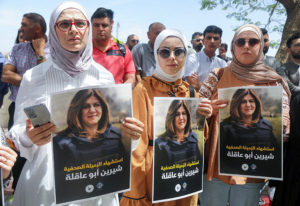
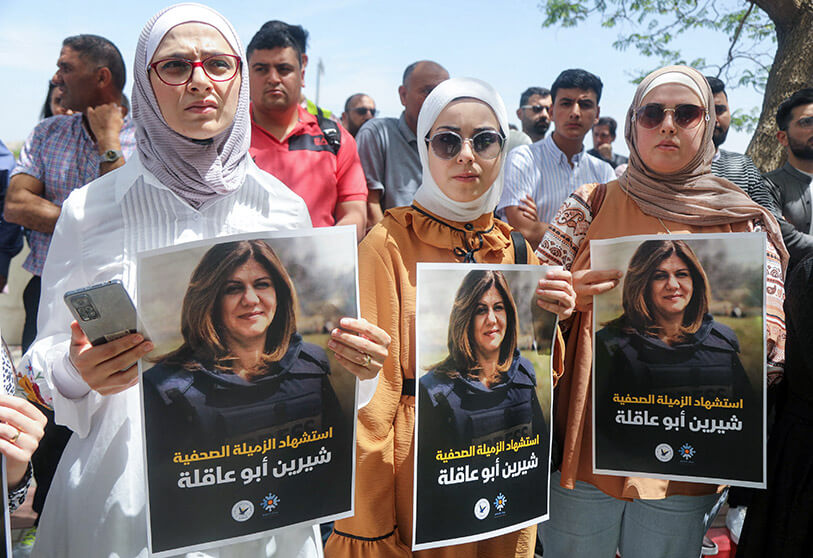
Investigating The Assassination Of Palestinian American Journalist Shireen Abu Aqleh
The Zionist colonial settler state of Israel is not the moral legatee of the victims of the Holocaust much less the moral legatee of the ancient prophets of the Jewish people.
Never has this been more evident than last month with the exposure of the Israeli army’s assassination of the beloved Palestinian American journalist Shireen Abu Aqleh. Assassination is a political murder.
Shireen had covered the Israeli military’s occupation of the West Bank for Al Jazeera for 25 years. The day she was killed she was reporting on the Israeli military invasion of Jenin, an Arab town on the West Bank occupied by the Israeli army for 55 years. She was wearing a helmet and a protective vest marked “PRESS.”
It is the practice of the Israeli army to shoot journalists and otherwise suppress the truth of their war crimes including the illegal theft of Palestinian lands. Israel’s brutal occupation has been going on since it illegally seized the West Bank as a prize of the 1967 war between Israel and three of its neighbors. Since then the Israeli military has ruled the native Arabs. Shireen is the 86th journalist to be killed while covering Israel’s illegal occupation since 1967.
The murder of Shireen was not adequately exposed by the U.S. press. The United States supports Israel politically, ideologically, economically, and morally. The U.S. gives the state of Israel more than $3.8 billion a year in weapons. Shireen was killed by a high-velocity armor-piercing 5.56 mm bullet fired from a Ruger Mini-14 semi automatic rifle – a weapon made in the U.S.
Israel has refused to conduct an investigation of Shireen’s assassination, because it “would provoke opposition and controversy within the IDF [Israeli Defense Force] and in Israeli society in general,” according to the Israeli government. Although complaints have been filed in the International Criminal Court against Israel, the court does not appear to have the political will to thoroughly investigate those charges.
There is an apocryphal story of three rabbis dispatched from a Zionist congress in Vienna many years ago to report back on the situation in Palestine. They reported back that the bride is beautiful but she’s married to another man.
The claim of the Zionist is that Israel was built on a land without a people for a people without a land. This is Israeli propaganda. This propaganda is less and less swallowed by the new generations in the United States and Europe as they witness Israel taking over more and more of historic Palestine and attempting to prevent the truth of what they are doing from coming out.
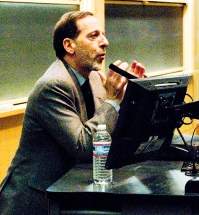
Guest – Columbia University Professor Rashid Khalidi is a Palestinian American historian of the Middle East, the Edward Said professor of Modern Arab Studies at Columbia University, and Director of the Middle East Institute of Columbia School of International and Public Affairs. He was educated at Yale and Oxford universities and is the author of many books on the Middle East. He is also the author of Under Siege: PLO Decision Making During the 1982 War, Brokers of Deceit: How the US Has Undermined Peace in the Middle East and recently The Hundred Years’ War on Palestine: A History of Settler Colonialism and Resistance, 1917–2017.

—————————————–
Civil Liberties, Civil Rights, Climate Change, Human Rights, Surveillance
Podcast: Play in new window | Download
Illegal People: How Globalization Creates Migration and Criminalizes Immigrants
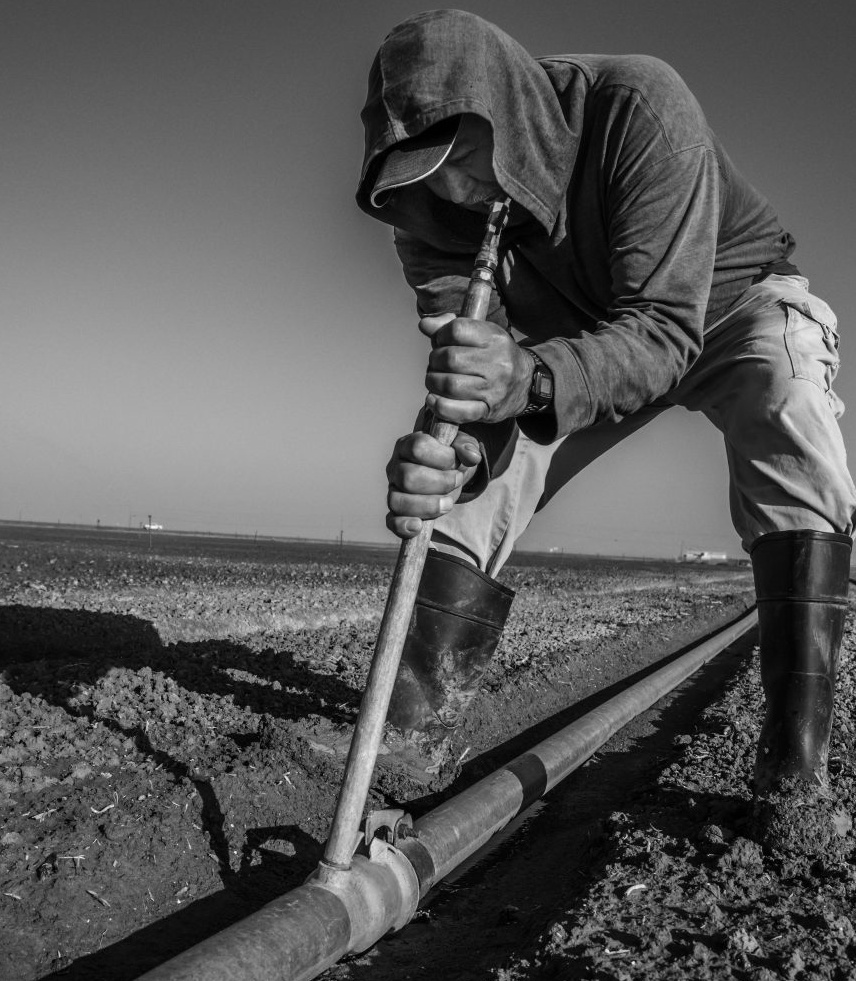
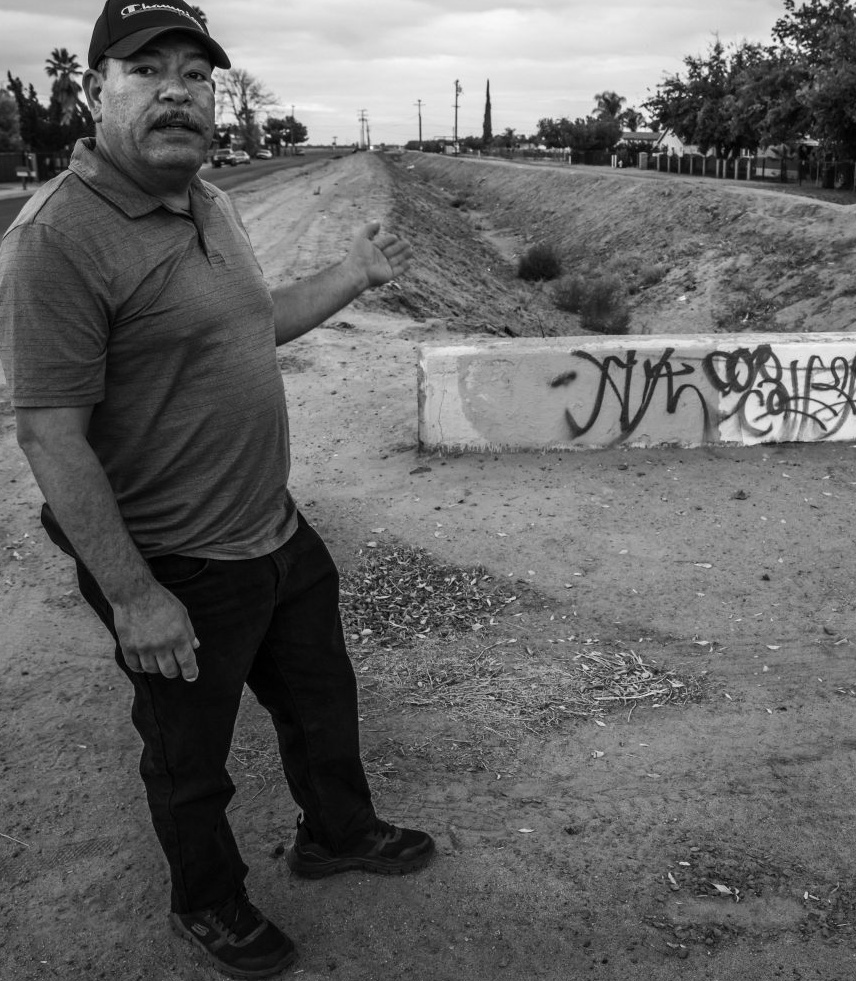
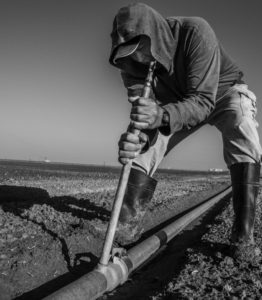
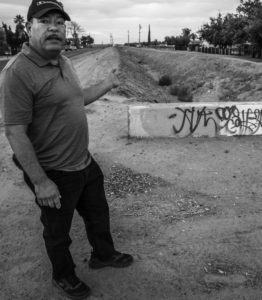
California has a water crisis that is rooted in racism. About 1 million Californians in 130 communities still do not have access to clean, safe drinking water. Most of these people live in rural areas primarily populated by farmworker families.
This inequality can be traced to the Great Migration of African Americans from the South to the North at the beginning of the 20th Century. Met with discriminatory real estate practices, they were forced to build or rent homes in colonias with no water mains, sewer lines or lighting.
That racist legacy continues to plague people (primarily of Mexican descent) who live in San Joaquin Valley, one of the richest agricultural areas in the world. Growers who pump large amounts of water from the soil are at the top of the chain when it comes to water access. Next come residences and businesses. At the bottom of the water access chain are the residents of the colonias.
But the people are organizing and they have achieved a victory in their decade-long struggle for equal access to water.
Photojournalist David Bacon has documented this shameful inequality and the legislation the people have secured in his article, “The Color of Water,” which was published in April by The Nation and the Economic Hardship Reporting Project.
Guest – David Bacon is an author, political activist, and former union organizer who has focused on labor issues, particularly those related to immigrant labor. He is Senior Fellow at the Oakland Institute and the author of several books and numerous articles. His most recent book is “More Than a Wall/Mas que un muro” which documents the communities on either side of the Mexico/U.S. border in photographs and journalism.
—-


Disturbing Shift Away From Passwords And Into Biometric ID Systems
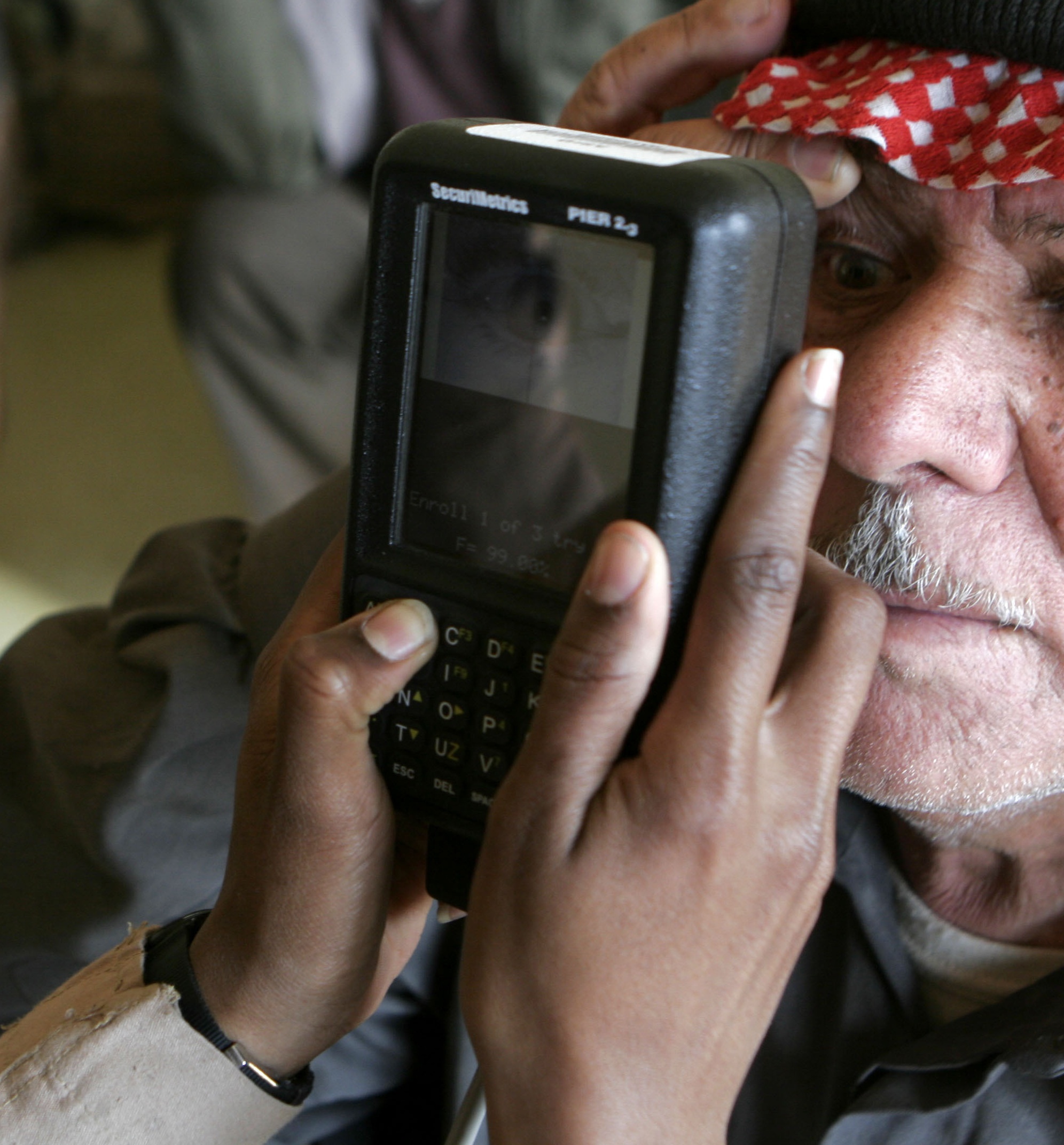
Are passwords becoming obsolete? Recently our own Heidi Boghosian published an op-ed in the Los Angeles Times on the disturbing shift away from passwords to fingerprints, eye scans, and other biometrics authentication systems. A consortium of businesses is working with security experts to develop more secure ways to access online accounts. Each year the United States loses TRILLIONS of dollars from avoidable data breaches. And that figure is growing. Compromised login credentials are responsible for at least one fifth of all these breaches.
Enter the FIDO Alliance, or “Fast Identity Online.” Alliance members Google, Apple and Microsoft are working on enabling a password-free world, suggesting users switch to a simple verification of their fingerprint or face—or biometrics.
What are the benefits and risks of such a transition? Heidi is here to fill us in on some biometrics basics, and to demystify how new password-less systems might work, and when we can expect to see them.
Guest – Attorney Heidi Boghosian is executive director of the A.J. Muste Memorial Institute, a charitable organization providing support to activist organizations. Before that she was executive director of the National Lawyers Guild. Her book is coming out in July 2021(Beacon Press). She received her JD from Temple Law School where she was editor-in-chief of the Temple Political & Civil Rights Law Review. She has an MS from Boston University’s College of Communication and a BA from Brown University. Heidi is the author of the 2013 book, Spying on Democracy, and the recent book I Have Nothing to Hide”: And 20 Other Myths About Surveillance and Privacy.
——————————————–
Animal Rights, Civil Liberties, Civil Rights, Human Rights
Podcast: Play in new window | Download
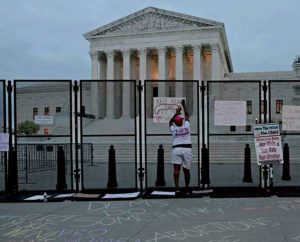
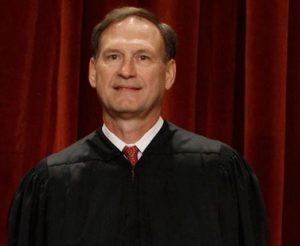
Supreme Court Justice Samuel Alito’s Leaked Draft Opinion
In 1973, the Supreme Court held in Roe v. Wade that the Constitution protects a woman’s right to abortion until the fetus becomes viable, that is, when it can survive outside the womb (which is about 23 weeks of pregnancy). Nearly 20 years later in Planned Parenthood v. Casey, the Court reaffirmed the central holding of Roe and said restrictions that placed an “undue burden” on a woman’s right to abortion were unconstitutional.
In perhaps the most significant leak in the history of the Supreme Court, Politico published a draft opinion that Samuel Alito wrote in Dobbs v. Jackson Women’s Health Organization, which would overturn Roe and Casey. At least four other members of the Court would have to sign Alito’s draft in order to overrule the constitutional right to abortion.
But Politico also reported that, in a straw poll following oral argument in December, Clarence Thomas, Neil Gorsuch, Brett Kavanaugh and Amy Coney Barrett voted to overrule Roe, Casey and the constitutional right to abortion, and they all continue to hold that position. The Court will issue its final opinion in Dobbs by the end of June.
Although two-thirds of the American people believe that Roe should not be overturned, it appears that the Supreme Court is poised to do just that. Moreover, if the Court says that abortion is not a constitutional right, many other so-called “unenumerated rights” that are not specifically mentioned in the Constitution will also be in jeopardy.
Guest – Erwin Chemerinsky, Dean of Berkeley Law School. Dean Chemerinsky is one of the nation’s preeminent constitutional scholars. He has written 14 books, including leading casebooks and treatises about constitutional law, criminal procedure, and federal jurisdiction. He also represents clients and has argued several times before the Supreme Court.
—-
Government Agencies Delay Food Safety FOIA Requests Part 2
The US Freedom of Information Act is a 1967 federal law requiring federal agencies to disclose information to the public. The logic being: “a government of, by and for the people, is transparent and accountable to those people.” In the last half-century, FOIA requests have became critical tools for both journalists and activists seeking to illuminate federal agency activities.
However, since 2014 it’s gotten harder to wrest information from recalcitrant government agencies. Federal agencies began both heavily redacting information, or ignoring requests entirely. Delays have also been noticeably lengthier. The law gives agencies 20 business days to respond. Yet by 2019, the average wait time for a reply to your FOIA request was nearly six months (177 days).
Today’s guest experienced this frustrating process— waiting seven years for the US Fish and Wildlife service to respond. He filed his FOIA in 2014, receiving nothing for ten months, and finally a reply with much the data blacked out. This forced him to sue.
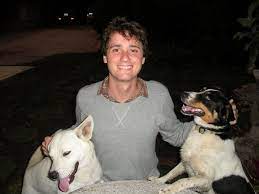
Guest – Attorney Nicholas Arrivo, managing attorney and champion of endangered species at Humane Society of the U.S.
————————
Animal Rights, Civil Liberties, Civil Rights, Human Rights
Podcast: Play in new window | Download
Michael Smith Editorial On Kathy Boudin
—-
Landmark Case Roe v. Wade Analysis
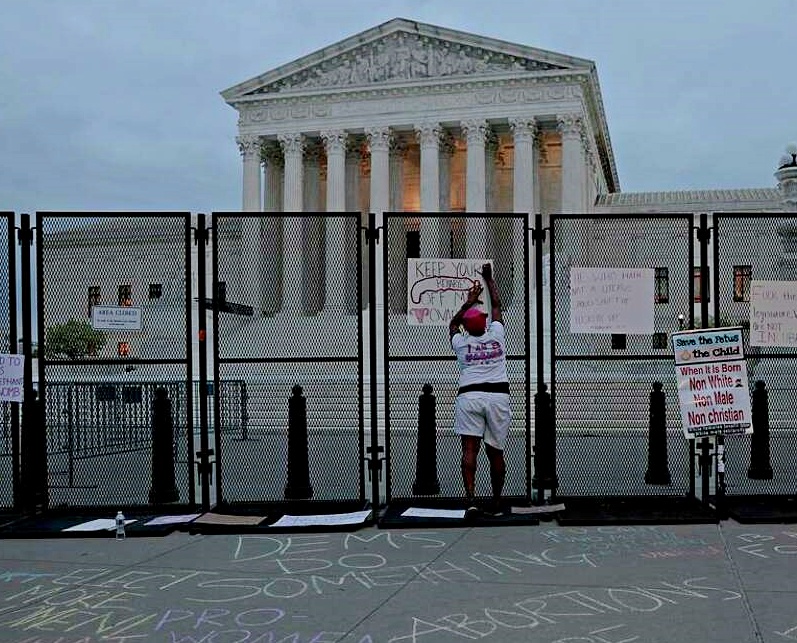
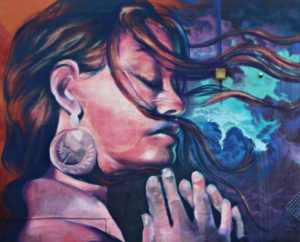
In headline news, on May 3 a leaked draft Supreme Court opinion was published in Politico. Samuel Alito’s draft decision in Dobbs v. Jackson Women’s Health Organization would overrule the landmark cases of Roe v. Wade and Planned Parenthood v. Casey. Alito writes that abortion is no longer a constitutional right and he leaves it up to the states to enact and enforce laws restricting a woman’s right to choose.
Alito wrote that “Roe and Casey must be overruled,” finding no constitutional right to abortion. If four more conservative members of the Supreme Court agree — which Clarence Thomas, Neil Gorsuch, Brett Kavanaugh and Amy Coney Barrett reportedly do at the present time—all reproductive and privacy rights will be imperiled.
If the court overrules Roe, it’s expected that half the states will outlaw or severely limit abortion. Thirteen states with so-called “trigger laws” would immediately ban the procedure. Five states that have pre-Roe abortion bans could once again enforce them. And 14 states would ban abortions before fetal viability.
Prohibition of and restrictions on abortion would disproportionately affect poor women and people of color. People suffering early miscarriages or ectopic pregnancies could be adversely affected if Roe is overturned. Fertility procedures such as in-vitro fertilization, egg extractions and stem cell procedures could be outlawed. Other “unenumerated” rights not specifically mentioned in the Constitution would be jeopardized. They include the right to travel, the right to vote and the right to interracial marriage.
Guest – Attorney Marjorie Cohn – Professor emerita at Thomas Jefferson School of Law where she taught from 1991-2016, a former criminal defense attorney, and past president of the National Lawyers Guild. She lectures, writes, and provides commentary for local, regional, national and international media. On May 6, Marjorie published an article on Truthout titled: Will Demise of “Roe” Be a Death Knell for Contraception, Marriage Rights?
—-

Government Agencies Delay Food Safety FOIA Requests
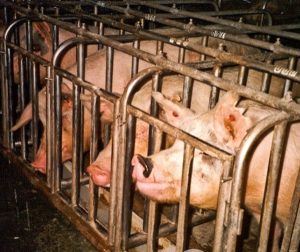
The US Freedom of Information Act is a 1967 federal law requiring federal agencies to disclose information to the public. The logic being: “a government of, by and for the people, is transparent and accountable to those people.” Getting the act passed was a democratic victory of the movement in the 60s. Over the last half-century, FOIA requests became critical tools for both journalists and activists seeking to illuminate federal agency activities.
The problem is– it’s getting harder to wrest information from recalcitrant government agencies. Federal agencies began both heavily redacting information, or ignoring requests entirely. And delays got noticeably lengthier. The law gives agencies 20 business days to respond. But in 2019, the average wait time for a reply to your FOIA request was nearly six months (177 days).
This forces public safety groups to begin expensive and lengthy lawsuits to get data that’s rightfully ours. Today’s guest has experienced this frustrating process—first requesting information; then waiting years for respective agencies to respond; receiving either no reply or replies with much the data blacked out; and finally, being forced to sue.
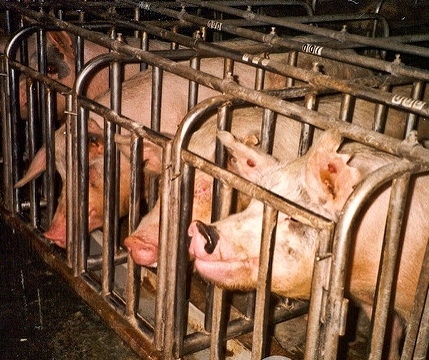
Guest – Zach Corrigan, is a champion of food safety and senior attorney at Food and Water Watch. Back in 2018, Mr. Corrigan became concerned when Trump both removed 40% of the federal inspectors and allowed for faster slaughter lines in our nation’s hog slaughterhouses. Letting hog slaughterhouses regulate themselves makes foodborne illness nearly inevitable, because Trump’s new rules precluded adequate safety testing. COVID itself should have taught us that human health is inexorably linked to the health of all other animals and the environment. Yet even the Biden administration is pandering to the meat industry by deregulating it.
———————————–
Civil Liberties, Civil Rights, Human Rights, Violations of U.S. and International Law
Podcast: Play in new window | Download
- Roe v. Wade Editorial by Attorney Jim Lafferty
—-

Paralysis In The US Antiwar Movement
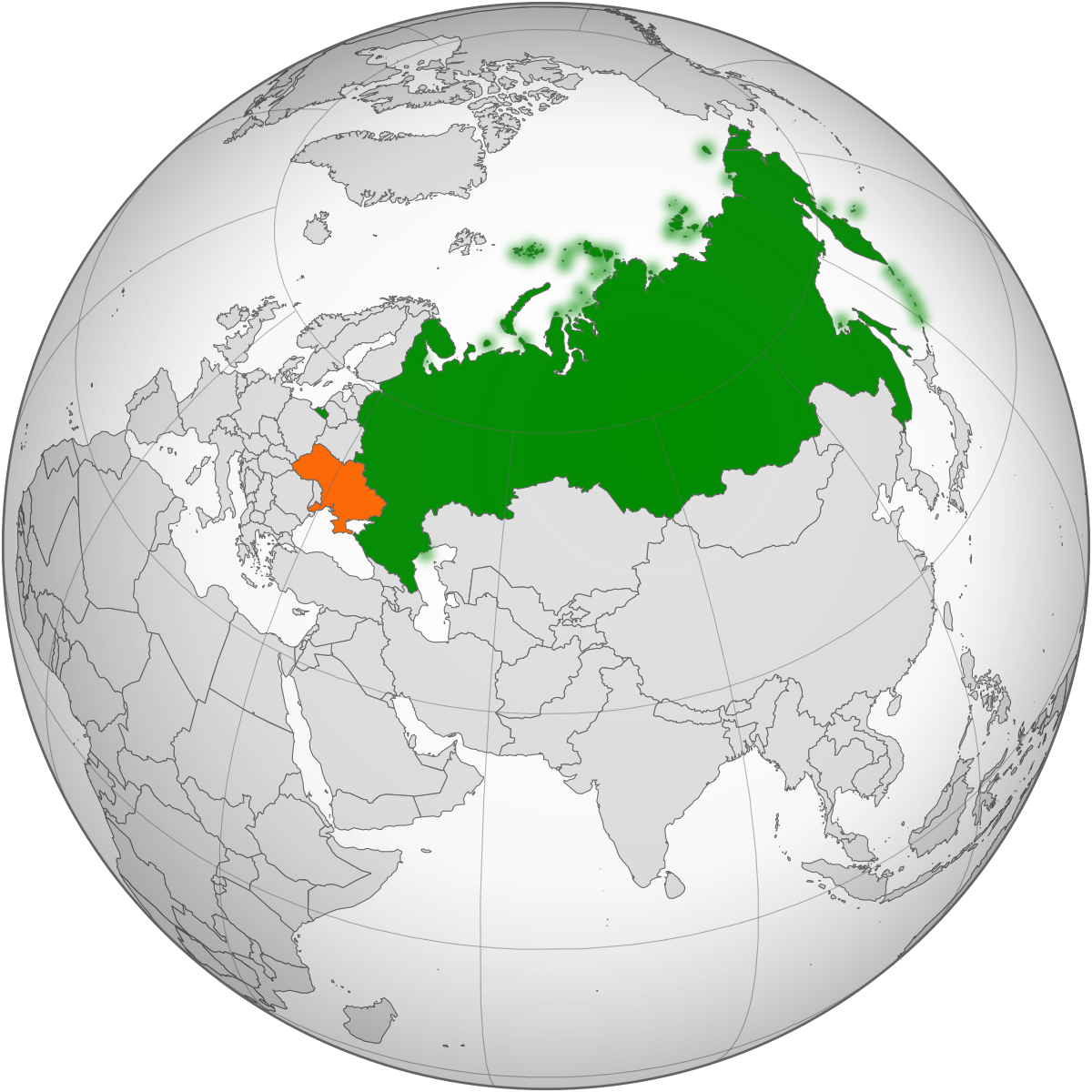
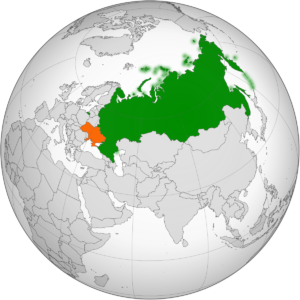
The proxy war between the United States and Russia has been going on in Ukraine, according to some, since February. Others argue it’s been happening since 2014 with the U.S.-organized coup which overthrew the elected government of Ukraine and replaced it with a government more favorable to U.S. interests.
The corporate news media in the United States have downplayed the U.S. role in the 2014 coup, which brought fascists into a European country‘s government for the first time since World War II. At that point, the coup government launched a military action against the Russian speaking population of the eastern Donbas region which had declared its independence by a popular vote. This military action by Ukrainian forces resulted in 14,000 deaths.
It is the position of many antiwar activists in the United States that Russia initiated a war of aggression by invading Ukraine this past February. Other antiwar activists say that Russia acted in self-defense, considering what happened in 2014, the expansion of NATO and military bases up to Russia’s borders; they have refused to outright condemn the Russian invasion.
This disagreement has caused a paralysis in the U.S. peace movement. Moreover, the United States has supplied the Ukrainian government with billions of dollars worth of weapons and has demonstrated no inclination to support a cease-fire or a negotiated settlement.
Some have observed that the United States will fight the Russians to the last drop of Ukrainian blood.
The danger of a nuclear conflagration between the United States and Russia, the world’s two most heavily nuclear armed countries, increases daily. The United States has now articulated its goal in the war: to subjugate the Russians and overthrow the Putin government.
For its part, the Ukrainian government is under tremendous pressure from right-wing forces in the country (the same forces that participated with rifle fire in the 2014 coup) to refrain from engaging in peace discussions. The Ukrainian government is operating under martial law and has banned all opposition parties, including socialists and those advocating for negotiations and peace. Repression in Ukraine is being carried out by the SUB, the Ukraine political police, with advice from the CIA.
What will it take to mobilize antiwar Americans so they act together in a unified way? What demands should they raise?
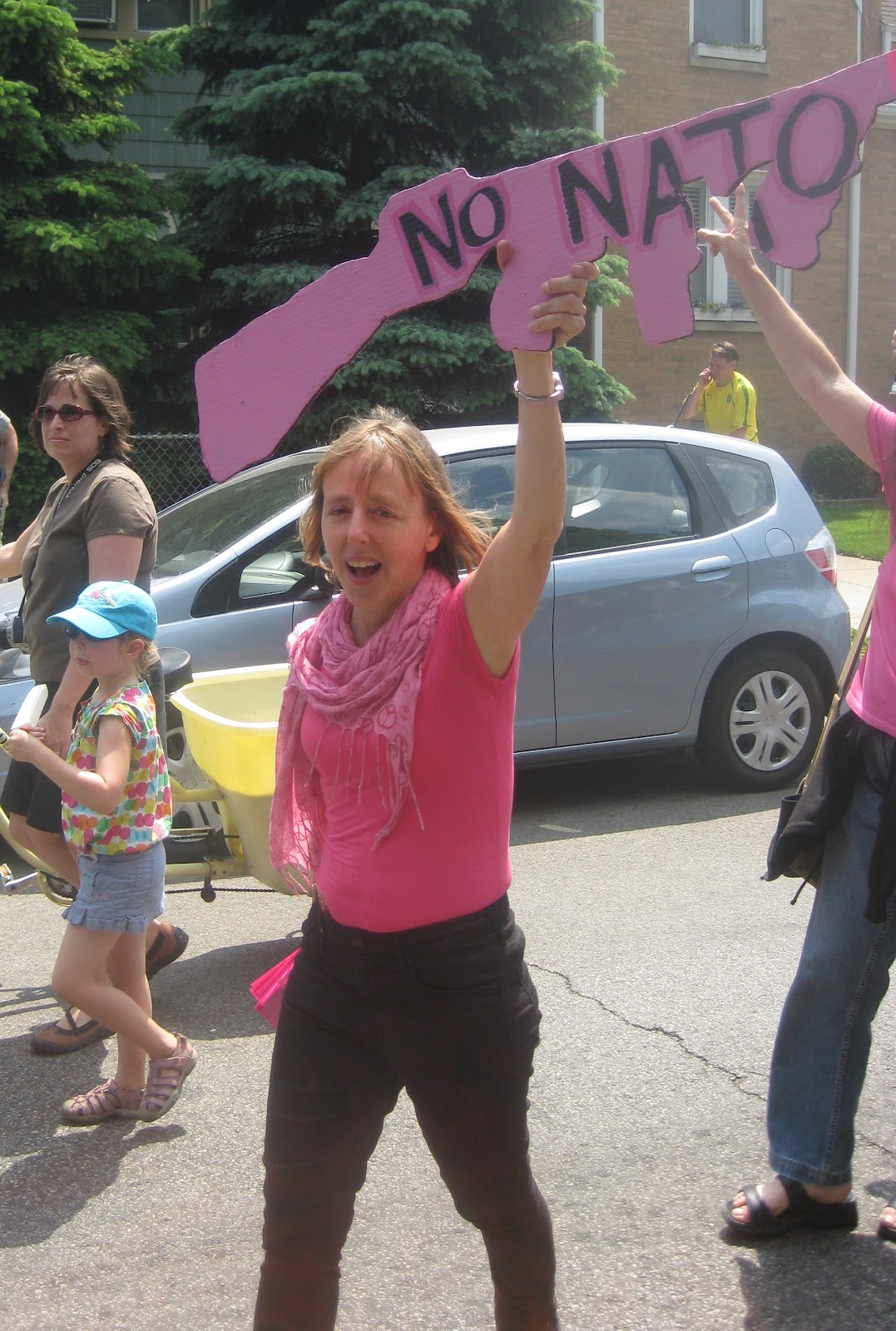
Guest – Medea Benjamin is the co-founder of the women-led peace group CODEPINK and the co-founder of the human rights group Global Exchange. She serves on the CODEPINK Board of Directors and has been an advocate for social justice for more than 40 years. Described as “one of America’s most committed — and most effective — fighters for human rights” by New York Newsday, and “one of the high profile leaders of the peace movement” by the Los Angeles Times, she was one of 1,000 exemplary women from 140 countries nominated to receive the Nobel Peace Prize on behalf of the millions of women who do the essential work of peace worldwide.
—-
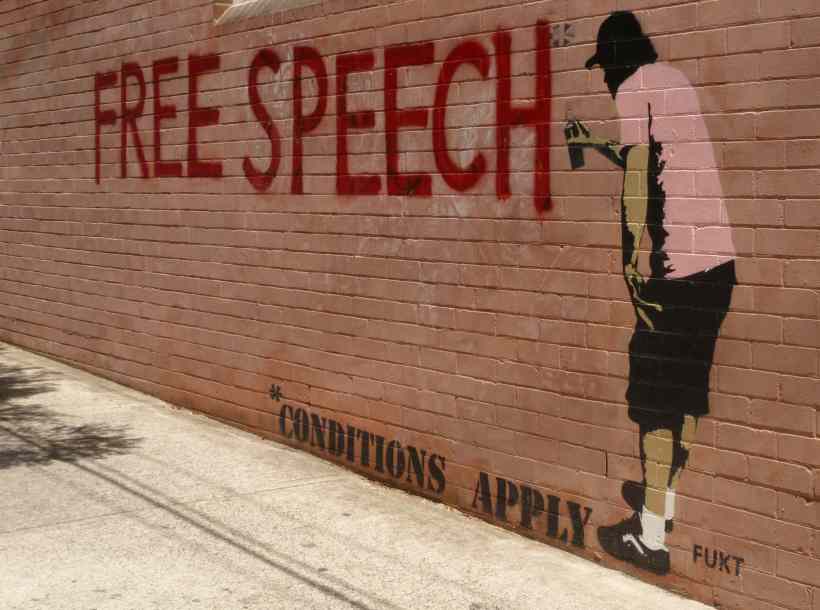
Free Speech And Censorship In The United States
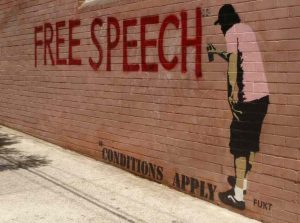
We are taught from a very young age that one of the many blessings of living in an open and democratic nation is that we all have the right to say publicly what is on our mind; that free speech is one of the great hallmarks of our democracy. And yet, throughout our nation’s history there have been periods of time when the constitutional guaranty of free speech has been under serious assault. And this is one of those times. Less than 50% of students, as well as all other American adults, feel the right of free speech is fully secure in the United States today. And I’m afraid they are correct.
In recent years a number of public opinion surveys have disclosed that a goodly number of Americans believe people with hateful or very controversial views that might unduly excite people, or insult people, should not be allowed to express those views in the public arena. And this is true of both liberals and conservatives. At least one in four college students think it’s fine to ban highly controversial speakers from their college campus and, in fact, one in six students believe that if all else fails, they can resort to physical intervention to prevent them from speaking on campus.
Well, as the old adage about it not being legally permissible to shout “fire” in a crowded movie theater, what are the limits on free speech today? Should racist speech be allowed? How about misogynous speech? Or pro-Palestinian and anti-Israel speech? Does the fact that our nation is very divided, very tribal today, inform the answers to such questions? Well, we’ve a lot to cover today. Let’s get started.
Guest – Attorney Nadine Strossen is the New York Law School’s John Marshall ll Professor of Law, Emerita. From 1991-2008 she served as the president of the American Civil Liberties Union, the first woman to do so. When she stepped down as ACLU president in 2008, three US Supreme Court Justices participated in her farewell and tribute luncheon: Ruth Bader Ginsburg, David Souter and Antonin Scalia. Her 2018 book, is “HATE: Why We Should Resist It With Free Speech, Not Censorship,” and her earlier book, “Defending Pornography: Free Speech, Sex, and the Fight for Women’s Rights,” was named a “notable book of 1995 by the New York Times.
—————————
Civil Liberties, Climate Change, Human Rights, Truth to Power, U.S. Militarism, Violations of U.S. and International Law, War Resister
Podcast: Play in new window | Download


US Petitions The ICC For War Crimes
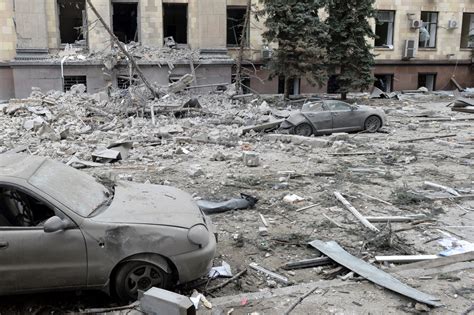
As the war in Ukraine continues to rage, the U.S. Senate passed a resolution that “encourages member states to petition the [International Criminal Court] or other appropriate international tribunal to take any appropriate steps to investigate war crimes and crimes against humanity committed by the Russian Armed Forces.” Yet the United States has consistently undermined the ICC. The U.S. government thinks the ICC is reliable enough to try Russians but not U.S. or Israeli officials.
Today on Law and Disorder we will examine the matter of what constitutes war crimes, whether war crimes have been committed by either side in Russia’s war in Ukraine, and the role of the International Criminal Court in adjudicating whether or not war crimes have in fact been committed.
Guest – Marjorie Cohn – Law and Disorder co-host, professor emerita at Thomas Jefferson School of Law, former president of the National Lawyers Guild, a member of the advisory board of Veterans for Peace, and the bureau of the International Association of Democratic Lawyers. She writes a regular column on Truthout and provides frequent legal and political commentary for local, national and international media. Her books include Drones and Targeted Killing: Legal, Moral and Geopolitical Issues.
—-
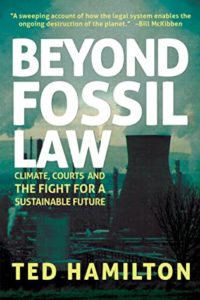
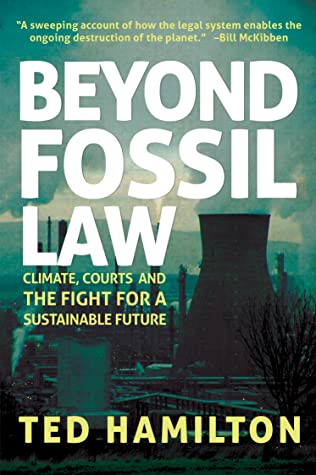
Beyond Fossil Law: Climate, Courts, and the Fight for a Sustainable Future
The technology exists to halt and reverse the ongoing catastrophe of climate change. What is lacking is the political will to do it.
It is legal in the United States to put millions of tons of poison into the air but it is illegal to disrupt this ecocide. Our courts and Congress defend this ecocide. What is to be done?
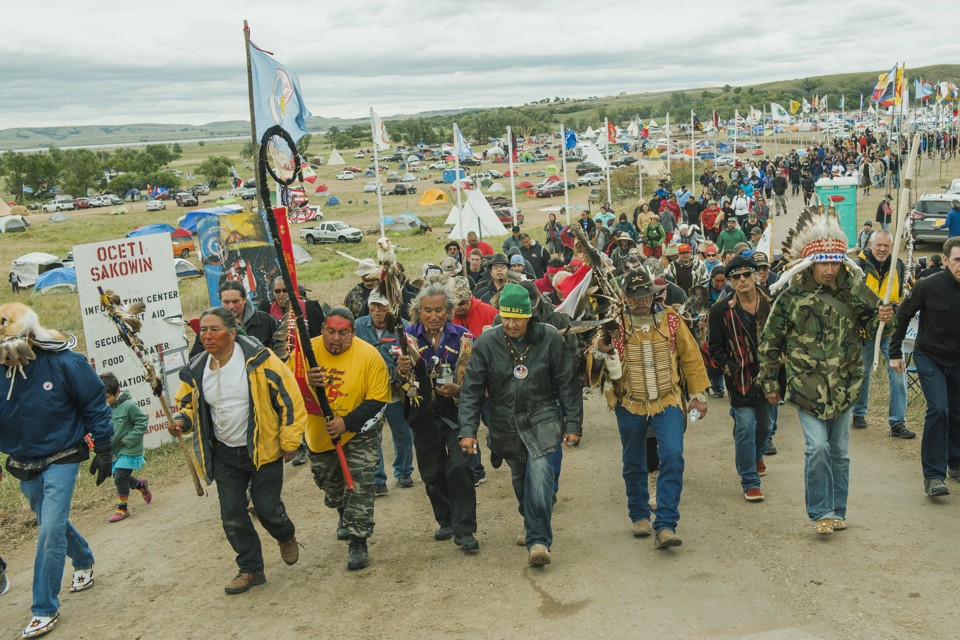
In 2016, four people known as “the valve turners“ shut down four pipelines in the states of Washington, Montana, Minnesota, and North Dakota. They were arrested and tried. How did the valve turners defend themselves? They mounted the defense of necessity.
The necessity defense is the legal concept that a person can commit a minor crime in order to prevent a larger one. In this case the valve turners admitted to trespass on oil pipeline company property in order to prevent their ongoing contribution to the crisis of climate change.
Guest – Attorney Ted Hamilton, author of the just-published book, “Beyond Fossil Law: Climate, Courts, and the Fight for a Sustainable Future.“ Bill McKibben describes Ted Hamilton book as “a sweeping account of how the legal system enables the ongoing destruction of the planet.“. Ted Hamilton is a climate movement lawyer, writer, and literary scholar. After law school, he co-founded the Climate Defense Project, which provides legal assistance to climate justice activists including the valve turners. He lives in Worcester, Massachusetts.
—————————————-